
Behind the scenes of plant evaluation
The Chicago Botanic Garden’s plant trials are among the premier programs in the United States. Below, program director Richard Hawke answers some frequently asked questions about the trials.
Read More: Best New Perennials from Chicago Botanic Garden Plant Trials
How does a team of horticulturists determine if a plant is fabulous or a flop?
We rigorously evaluate plants for performance, resilience, and ornamental value. To simply say a plant did well or did poorly is unfair to the amount of observation time that goes into evaluating a plant. For 40 years, CBG has been sharing evaluation information with home gardeners and professionals, and that research provides trusted, real-world insights that help folks make better plant choices from coast to coast.
How big is the trial garden, and how many people work in it?
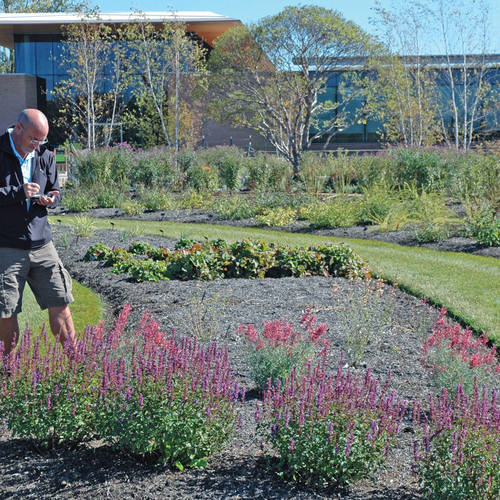
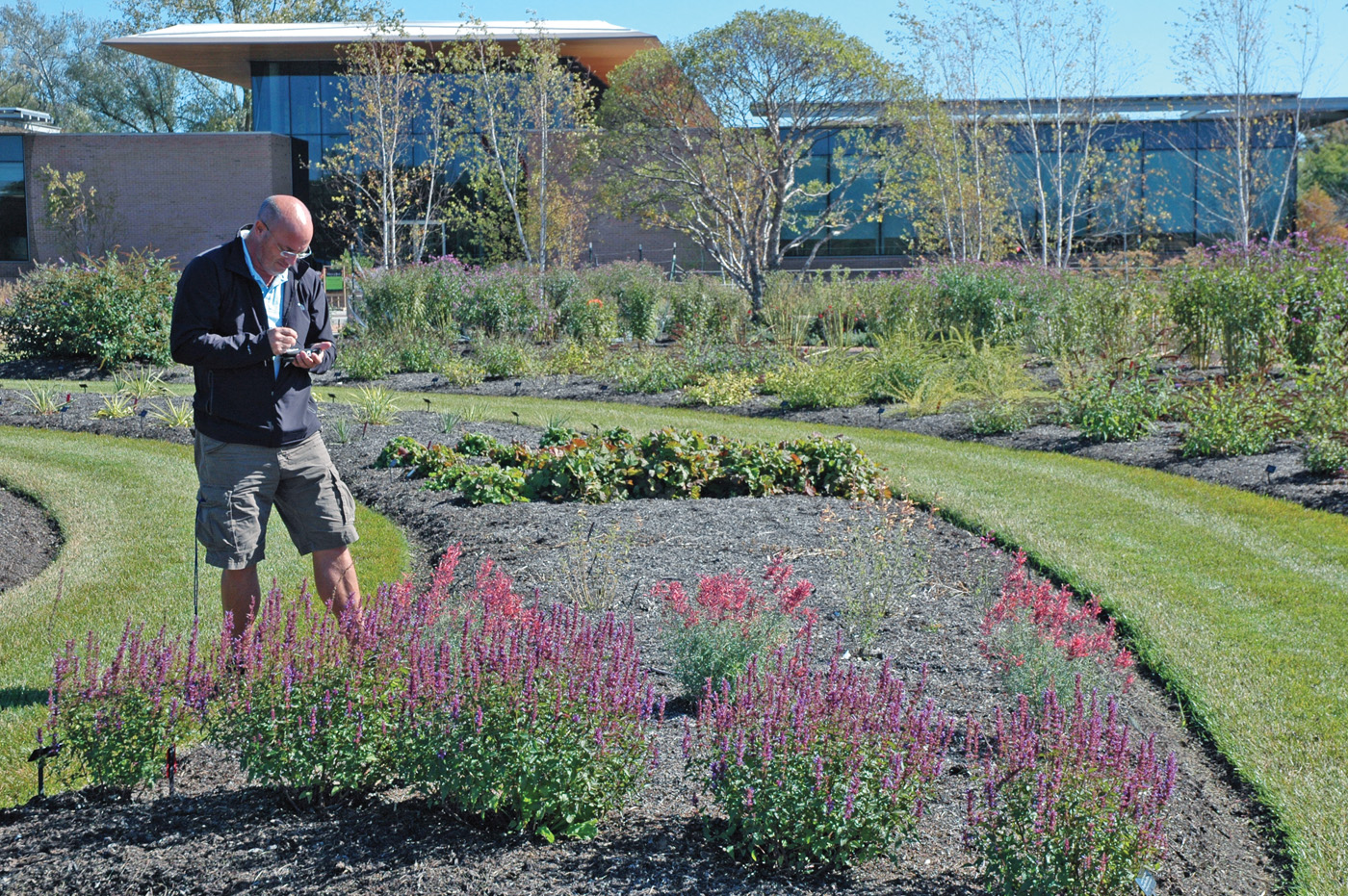
Our evaluation staff has grown over the years as have our trial gardens—we tripled our evaluation space to over 14,200 square feet when the new shade section opened in 2022. There are four of us collecting data—three full-time staff and an intrepid volunteer dedicated to rose trials.
How long are the plant evaluation trials?
We evaluate perennials for a minimum of four years—it’s a slightly longer trial period for shrubs and vines. This lets us delve deeper into how a plant grows and matures over time related to the conditions of our site and the ever-changing weather. Plants are observed regularly during the growing season—it might be daily when they are blooming to capture fleeting floral traits, or weekly to biweekly at other times in the season. Winter is typically downtime in the trials, although I have stood in snow on bitter winter days documenting the flowers of witch hazels (Hamamelis spp. and cvs., Zones 4–9).
What traits are being observed, and what are the criteria used to evaluate them?
The goal in evaluating is to be impartial, fair, and honest. As gardeners, opinions are natural (and often shared unsolicited), and while they have a place in an evaluation, personal views should only supplement the objective data. We consider 29 plant traits and performance categories such as floral phenology, habit quality, diseases or pests, and adaptability to growing conditions. Each data point relates to an observation of a physical trait such as flower color, plant height, or plant habit, or to an environmental factor such as poor drainage, soil pH, or winter injury.
How do you collect and document the enormous amount of data?
Data is collected on iPads using a database developed internally by plant evaluator Patrick Dahl (screengrabs shown above). Linking high-resolution photos directly to any data point may seem like a minor technological accomplishment in 2026, but this function has been a boon to efficiency and in the spirit of “a picture is worth a thousand words,” photos validate our data and keep us honest!
Richard Hawke is the director of ornamental plants at the Chicago Botanic Garden in Glencoe, Illinois.
Learn More:
Subscribe to Fine Gardening Magazine
See More Planting Plans
Watch Videos on Our YouTube Channel!