Jillian McFadyen became a flower farmer in perhaps the most modern way possible for an age-old craft.
She Googled it.
More than a decade ago, while working in the floral industry, McFadyen realized she would rather grow flowers than unpack them. A search for “flower farm internship” led her to a Virginia flower farm where she planned to spend a single season. She stayed for six years.
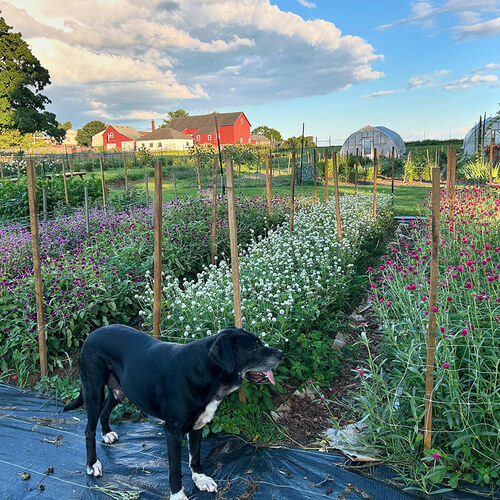
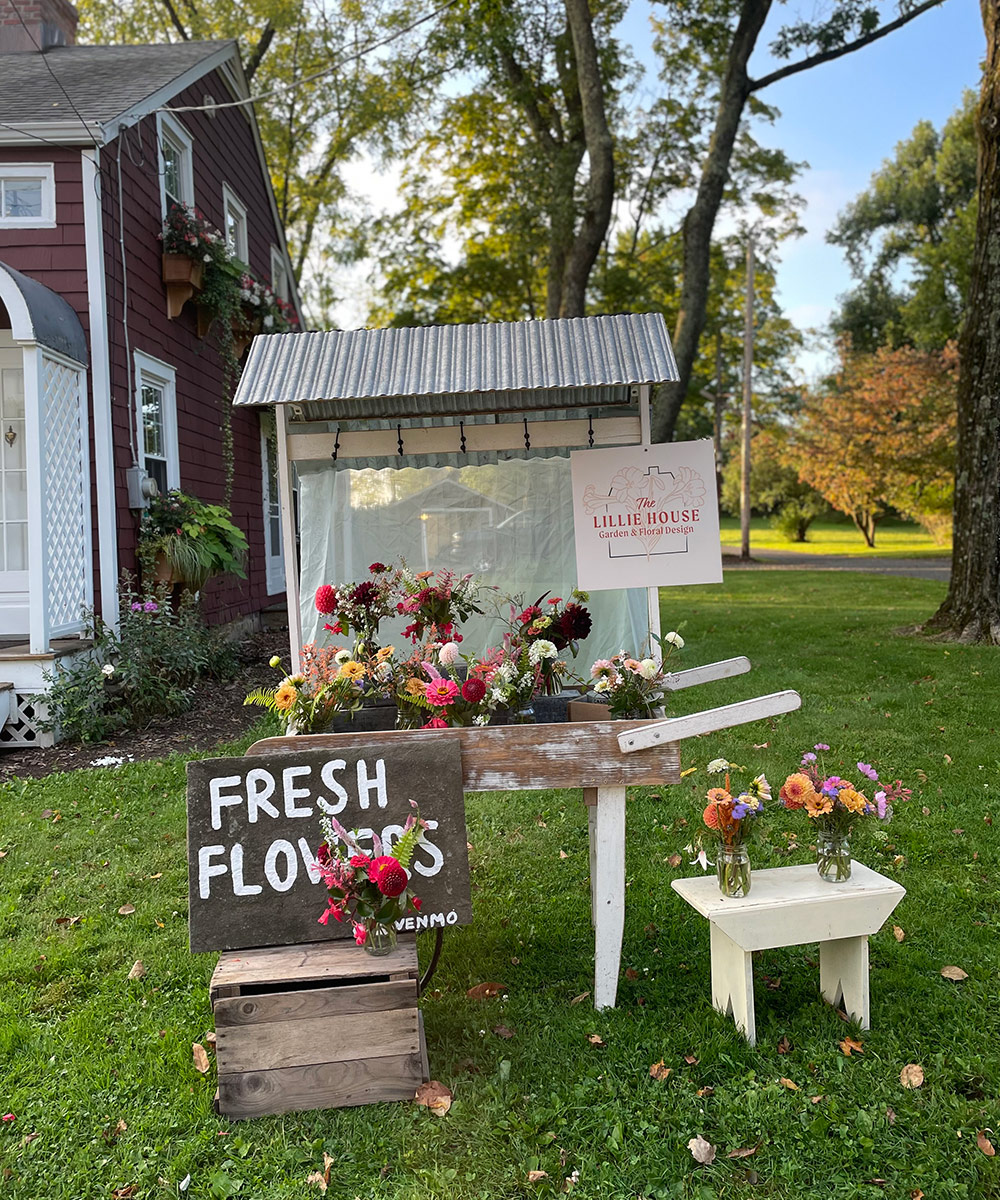
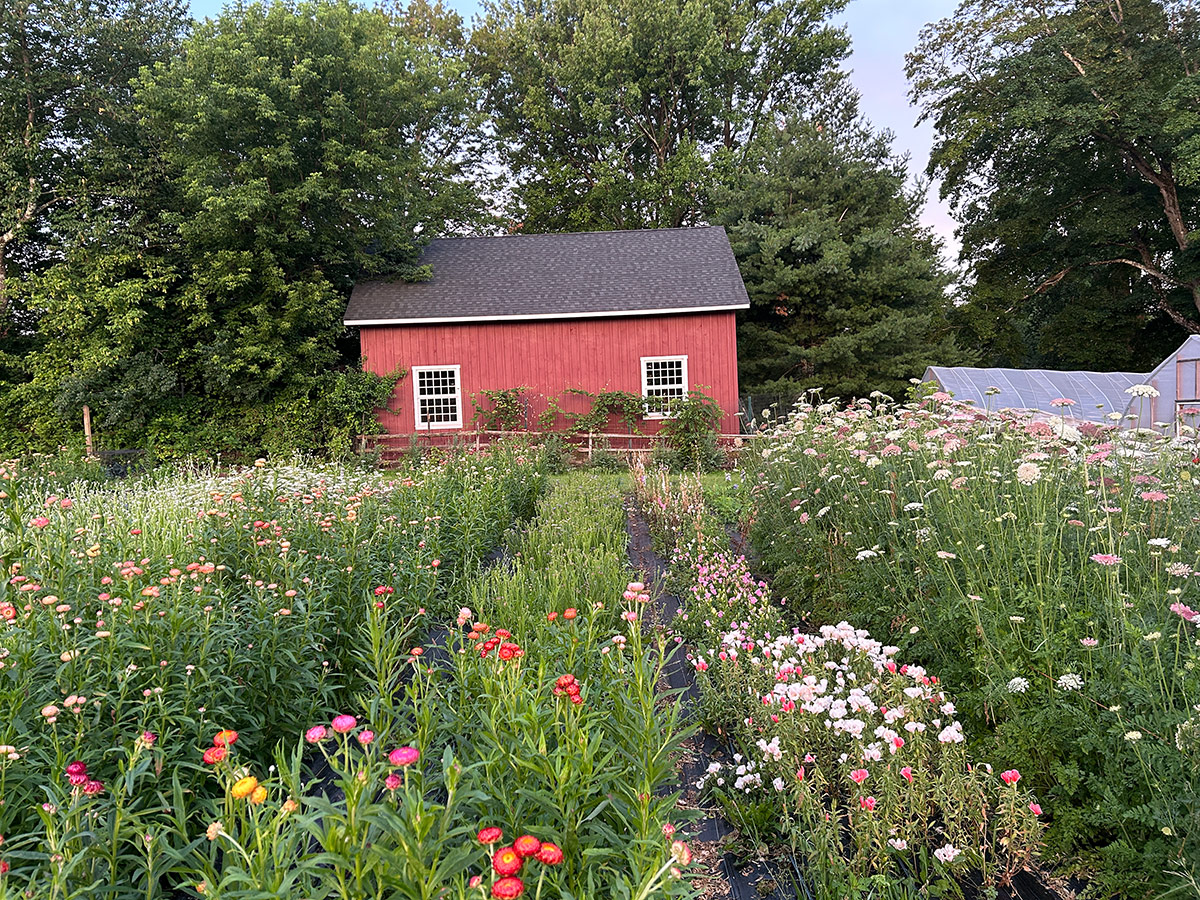
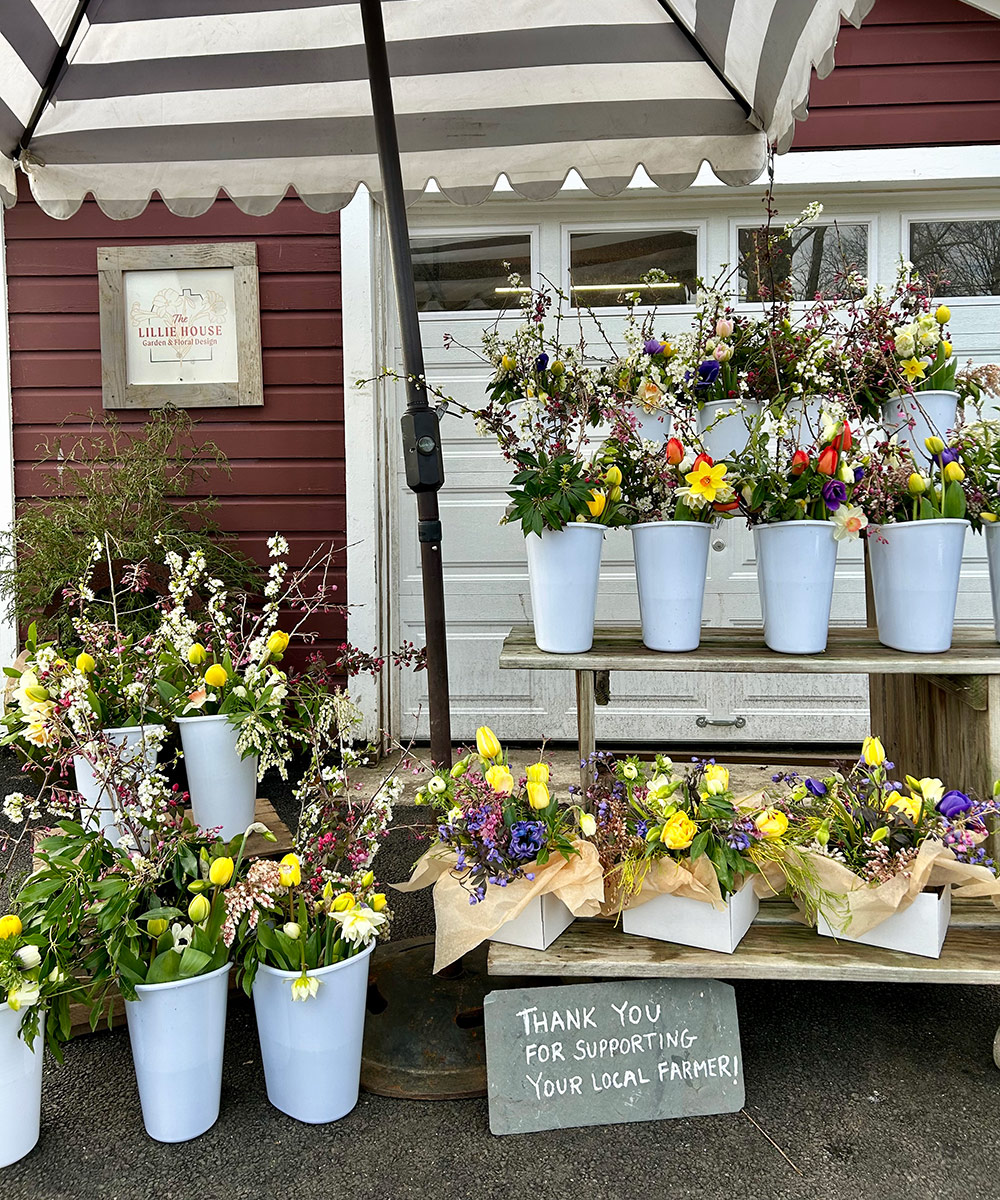
Today, The Lillie House, her flower farm in Mendham, New Jersey, is a riot of color, with rows of vibrant blooms stretching toward the road and artful bouquets filling a roadside stand beloved by the community.
“She is building such beauty,” says local resident and regular customer Robin Hoffman. These flowers “are literally coming from the dirt of my community… You feel such a connection.”
Connecting with community
McFadyen started her farm in the middle of a quiet boom. Over the last decade, thousands of new growers have entered the cut-flower business, helping drive a roughly 50 percent increase in the number of flower farms nationwide.
Many of the new growers are women turning small plots of land into thriving businesses, supplying local communities with flowers grown just miles from where they are sold. The appeal is easy to understand. Flower farming can start with little more than a patch of ground and a packet of seeds. Growers can begin small, sell directly to their communities and expand as demand grows.
Interest in locally grown flowers has surged in recent years. Debra Prinzing, founder of the Slow Flowers Society, says both growers and consumers are seeking ways to reconnect with nature and their communities.
“The yearning for connection to nature is truly unprecedented in our society,” reads a Slow Flowers Insight Report.
McFadyen’s rapid growth is a testament to that. When she returned to New Jersey and purchased The Lillie House, the small historic home had only a modest backyard garden. She had no plans to start a farm and took a job at a local nursery.
But then the farm found her.
The neighboring sheep farm began winding down operations, and acreage became available for lease. McFadyen started with a small plot. The next year she asked for more. Then more again. Today, just five years after opening, roughly 4 acres are in production—and she already has her eyes on the farm’s full 11 acres.
Expanding for joy, not profits
What began as a backyard project now includes hoop houses, a walk-in cooler, wholesale accounts, workshops, and special events. Every year, the business has roughly doubled in size.
“I’m so passionate about it, I have a hard time slowing down,” she says. “I am hungry for more, and more, and more. Like I want 200 lilacs and 25 mock oranges. I want all the different kinds of physocarpus, and viburnum and spiraea.”
“Some women like handbags, others like perennials,” she says with a grin.
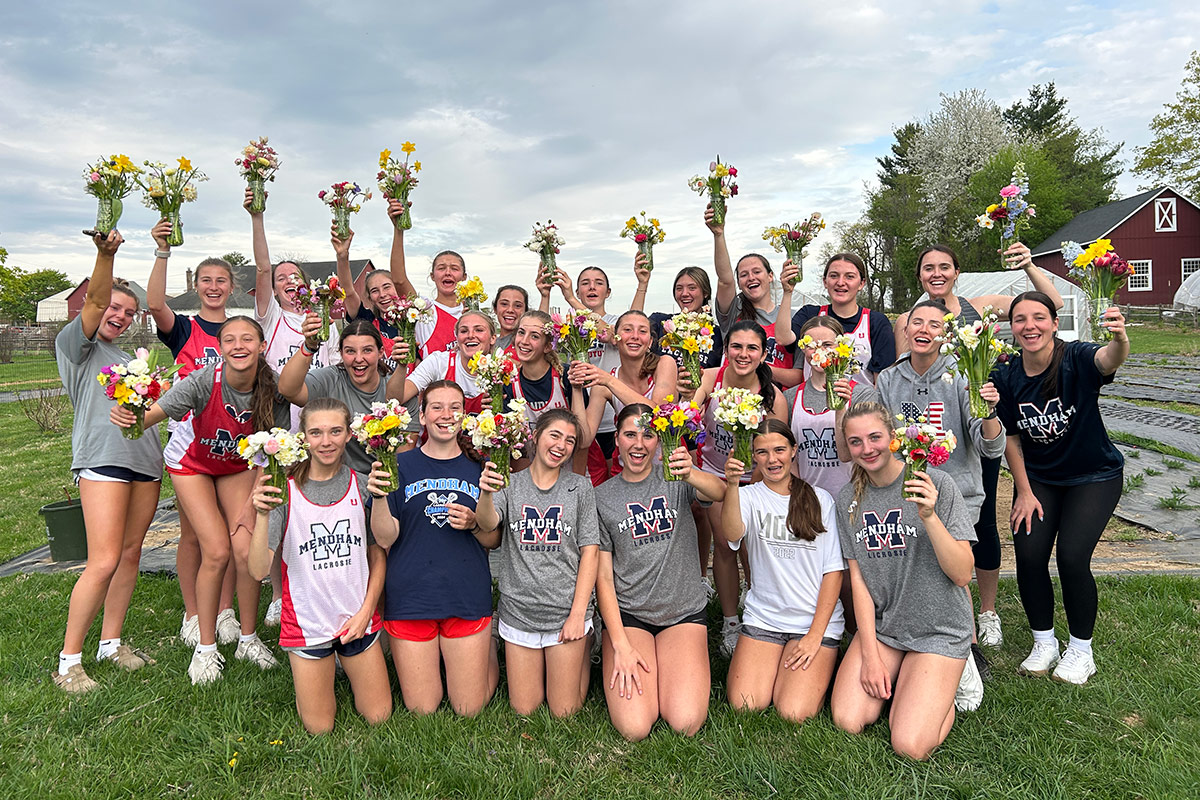
Her ambitions are constantly expanding, but not in the way many entrepreneurs might expect. While she dreams about more fields, more shrubs, and more flowers, she says the greatest reward isn’t the business growth itself. It’s sharing that beauty with other people. “It brings everyone so much joy,” she says.
She talks adoringly about the children who visit the farm with their Girl Scout troops and sports teams for flower workshops, racing through the fields on scavenger hunts she designs just for them. Then there are the regular customers who stop by each week for flowers and bring treats for the dog, and the drivers who slow down just to see what’s blooming.
“It’s a space of wonder and awe for all ages,” she says.
A simple vision of success
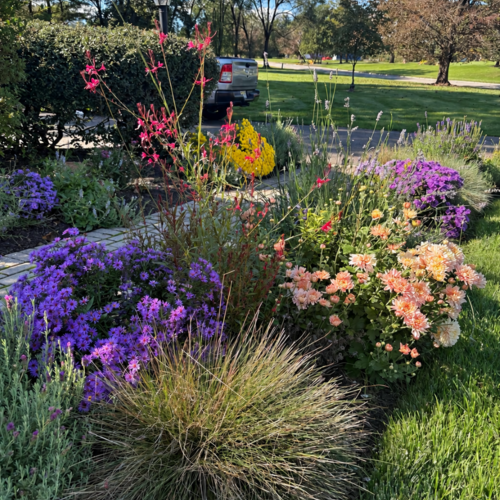
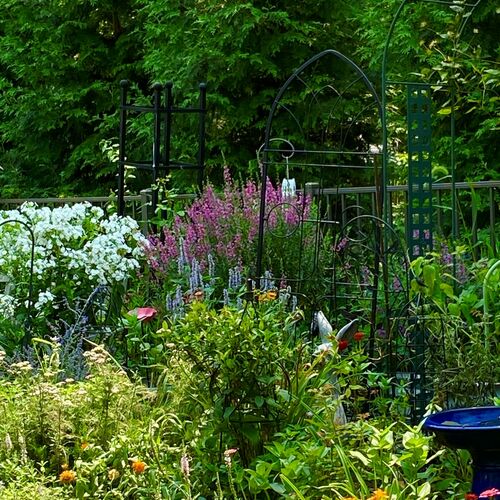
Her fields are a gardener’s dream. In early June, rows of delphiniums, yarrow, balloon flower, rudbeckia, and phlox stretch across the property. A hoop house glows with pink-purple poppies grown from seed McFadyen carried home from Virginia. She calls them “Bob seeds,” after her mentor, Bob Wollam.
Elsewhere, young shrubs and perennials hint at that future she envisions for the farm. The woody plants like lilacs and mock oranges will provide beauty, resilience, and new opportunities for florists.
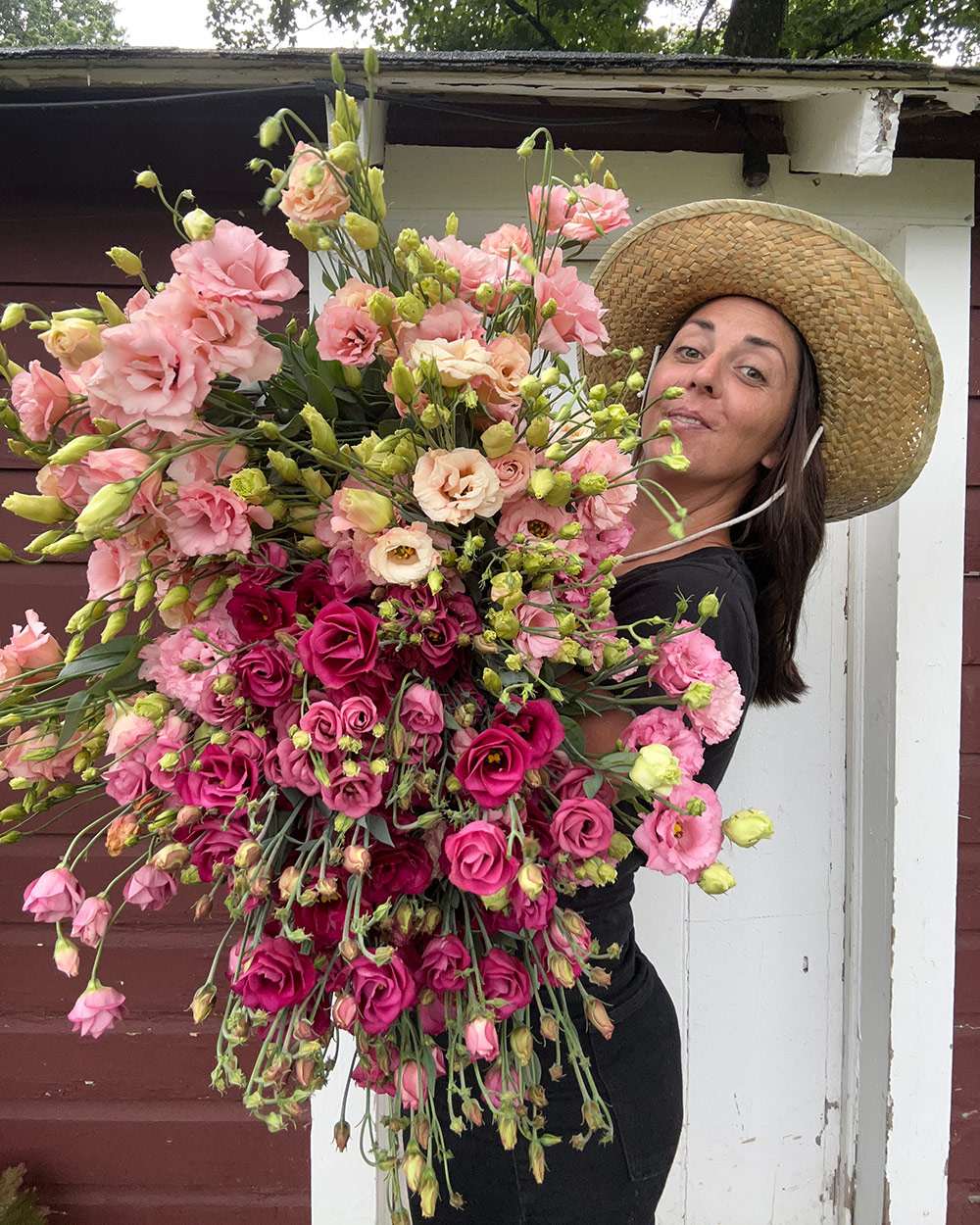
Other flower farmers have expanded into weddings, events, and agrotourism, but McFadyen has no plans for that. Her vision is simple: Grow more flowers, plant more shrubs, and continue building the farm.
McFadyen’s love for flowers knows no bounds. What does she want to do at the end of a long day of flower farming? Hang out by a garden—with more flowers. It’s her Zen.
To her, the farm represents efficiency and intense work. But a garden just for her is heaven. “I want something beautiful to look at that I am not going to cut,” she says.
Find more on growing cut flowers:
Discuss this article or ask gardening questions with a regional gardening expert on the Gardening Answers forum.
And for more Northeast regional reports, click here.
Caitlin Bird Francke is a landscape designer, writer, and speaker who owns Caitlin Bird Landscape Design in Chatham, New Jersey.
Photos: courtesy of The Lillie House
Fine Gardening Recommended Products
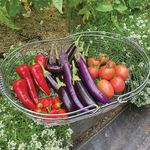
Lee Valley Large Gardener’s Wash Basket
Fine Gardening receives a commission for items purchased through links on this site, including Amazon Associates and other affiliate advertising programs.
This basket was designed to be used by gardeners to wash freshly harvested vegetables before taking them inside. You can gather your vegetables and then hose them off right in the same basket. However, you can also use it for fruit or add a cloth liner for serving bread or other baked goods. Measuring 16″ long, 11″ wide and 4″ deep, it is made of chrome-plated steel to resist rust.
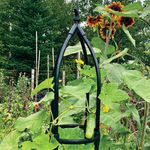
Lee Valley Garden Obelisks
Fine Gardening receives a commission for items purchased through links on this site, including Amazon Associates and other affiliate advertising programs.
Sturdy yet lightweight, these obelisks provide ample support for climbing plants while being easy to install and move. The medium obelisk stands 68 1/2″ high overall with a diameter of about 9 1/2″, compact enough for smaller containers indoors or out. The large size stands 86 1/2″ high with a diameter of 15 3/4″, ideal for larger outdoor spaces and containers.
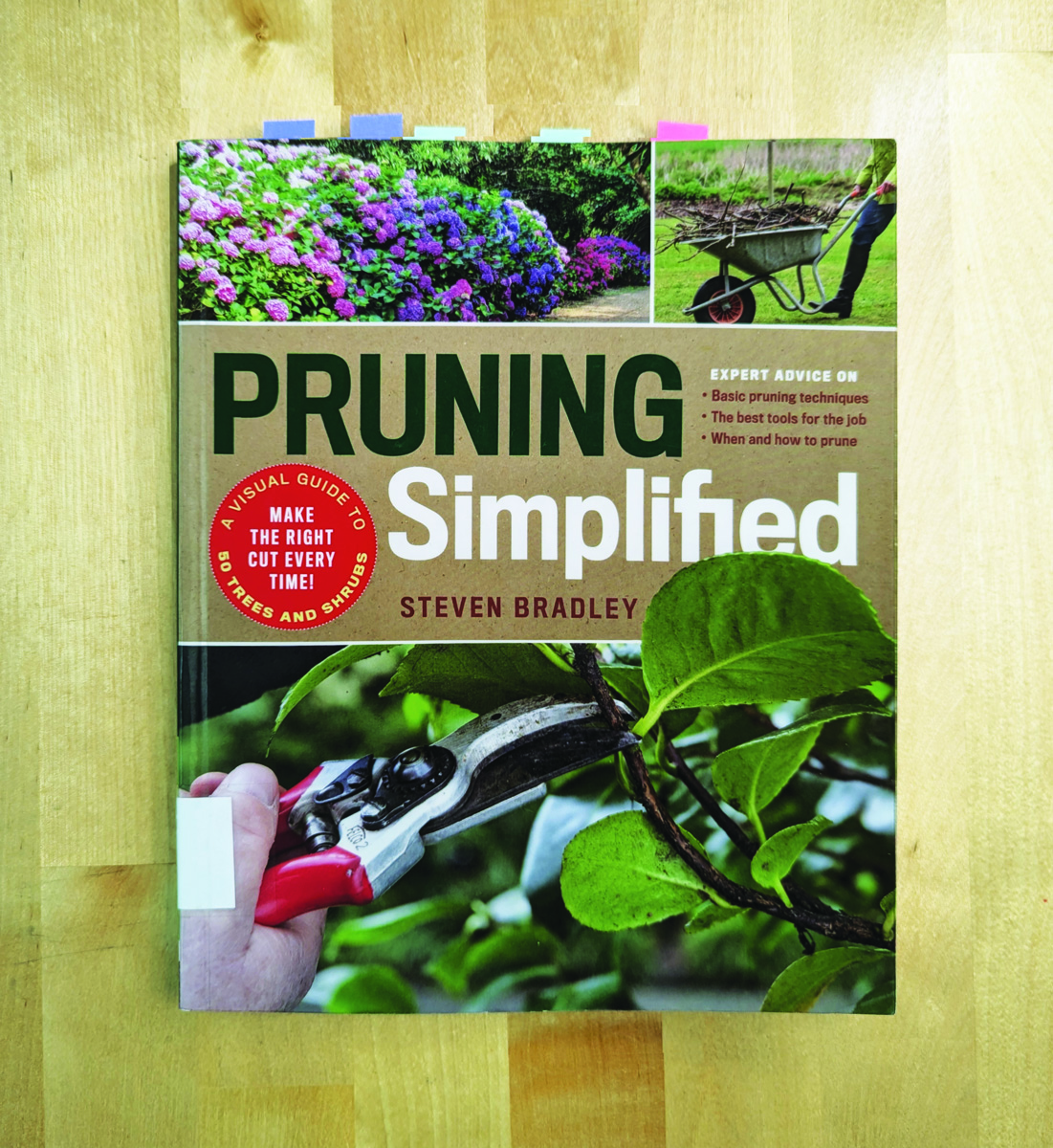
Pruning Simplified: A Step-by-Step Guide to 50 Popular Trees and Shrubs
Fine Gardening receives a commission for items purchased through links on this site, including Amazon Associates and other affiliate advertising programs.
Pruning Simplified shows you exactly how to do it. This must-have guide offers expert advice on the best tools for the job, specific details on when to prune, and clear instructions on how to prune. Profiles of the 50 most popular trees and shrubs—including azaleas, camellias, clematis, hydrangeas, and more—include illustrated, easy-to-follow instructions that will ensure you make the right cut the first time.