Most of my career has been spent finding ways to help people connect and fully engage with plants. Incorporating even a few selections with intriguing scents, textures, colors, shapes, and sounds can make any garden space more impactful. These horticultural ambassadors invite garden visitors to slow down, linger, and enjoy the moment. Over the years I’ve developed a long list of plants that provide memorable sensory experiences; here are just a few of my favorites.
Scented plants evoke emotions and memories
Our sense of smell is directly connected to the brain’s limbic system, which explains why certain scents can instantly send us back to long-forgotten places and times. The strong, zesty fragrance of lemon verbena, for example, has been used in recipes and perfumes for centuries. Its roughly textured, lance-shaped leaves fill the air with scent when touched, and the edible foliage and flowers have many culinary uses. I use leaves straight from the garden to make a citrusy herbal tea. The only downside of this tender perennial is that gardeners in most regions will need to bring it indoors over winter or buy new plants each year.
Lemon verbena releases a fresh, citrusy scent at the slightest touch
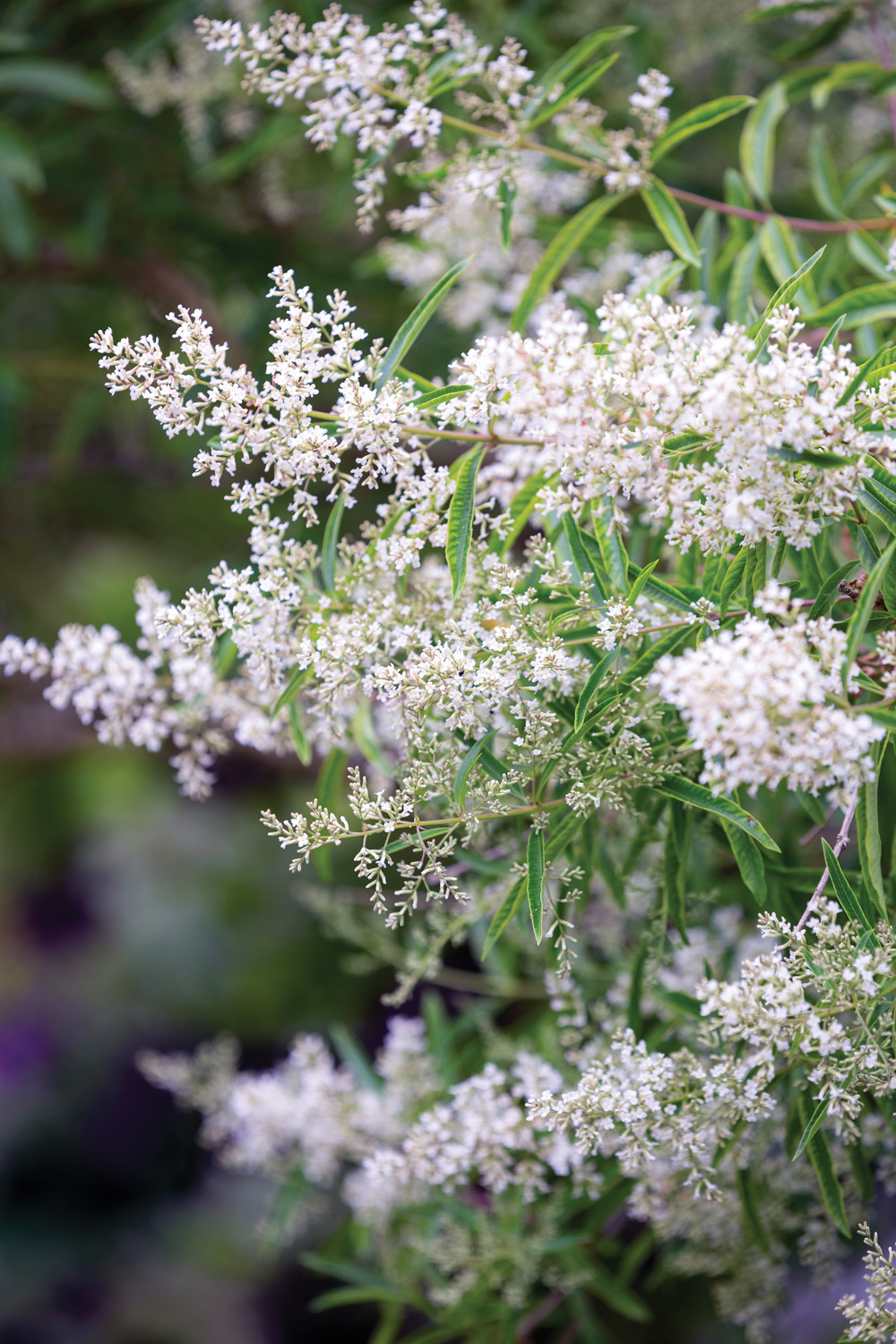
Aloysia citriodora
Zones: 8–10
Size: 6 to 8 feet tall and wide
Conditions: Full sun; moist, well-drained soil
Native range: Argentina and Chile
Threadleaf giant hyssop’s glowing color and sweet fragrance spark garden joy
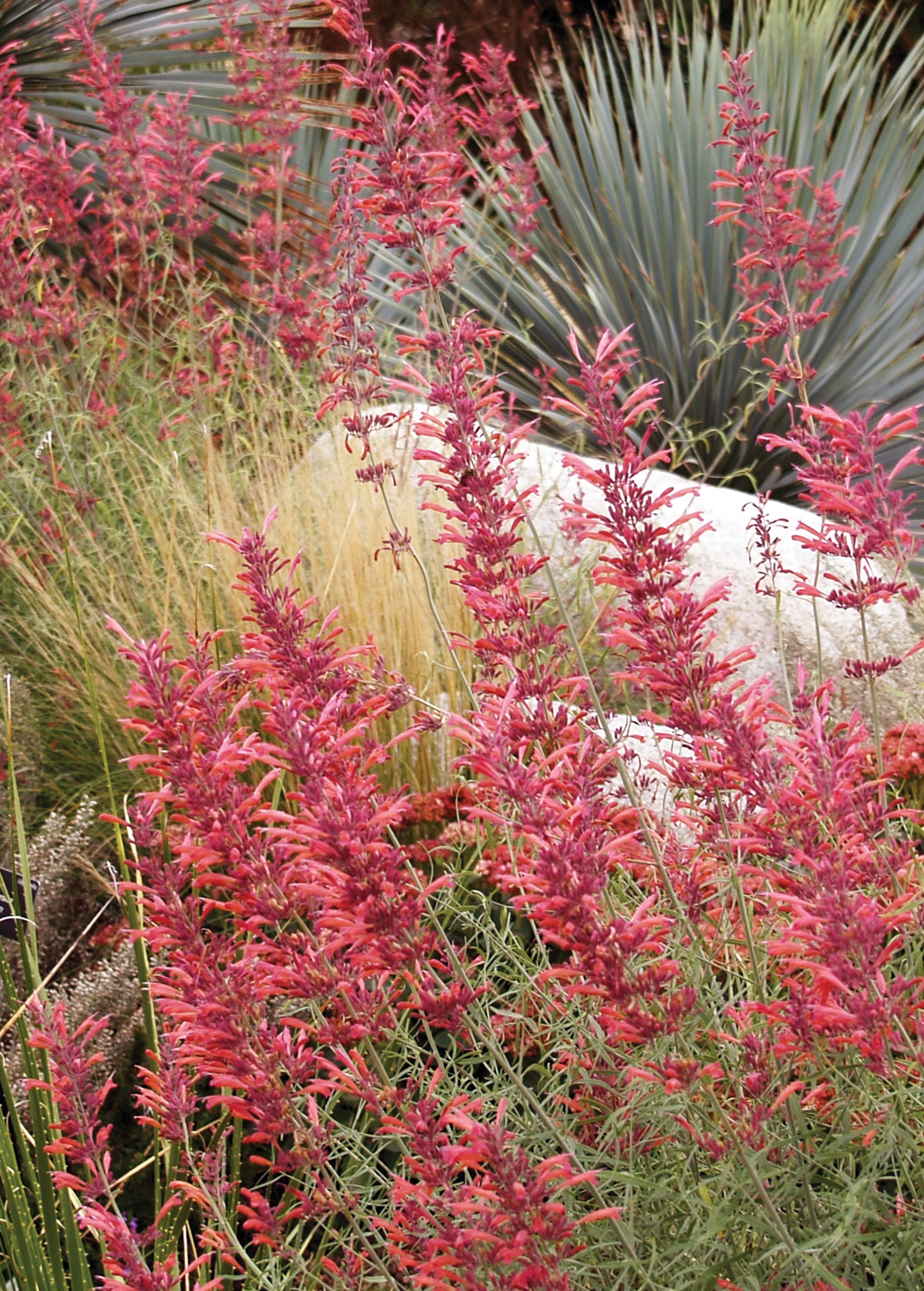
Agastache rupestris
Zones: 5–8
Size: 18 to 36 inches tall and 12 to 18 inches wide
Conditions: Full sun to partial shade; dry to average, well-drained soil
Native range: Mountains of southeastern Arizona, southwestern New Mexico, and northern Chihuahua, Mexico
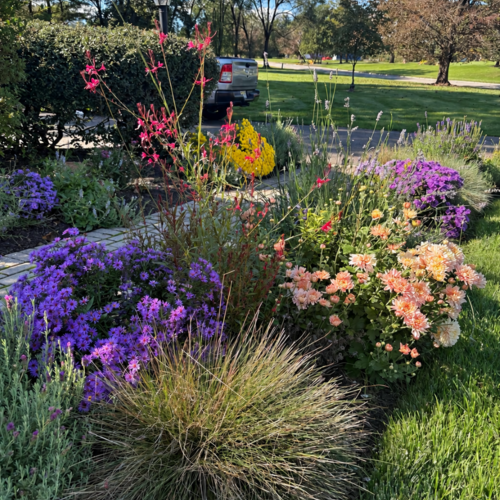
Threadleaf giant hyssop is a hardy, drought-tolerant perennial that blooms throughout summer and fall. Its tubular, orange-pink flowers are popular with pollinators, including hummingbirds. But for the engaged garden visitor, the real pleasure of this plant comes from the scent of its foliage. When touched, the leaves release oils with a pleasing sweet fragrance that reminds many people of licorice, anise, or root beer, but to me it smells like bubble gum.
Chocolate flower smells like a candy factory
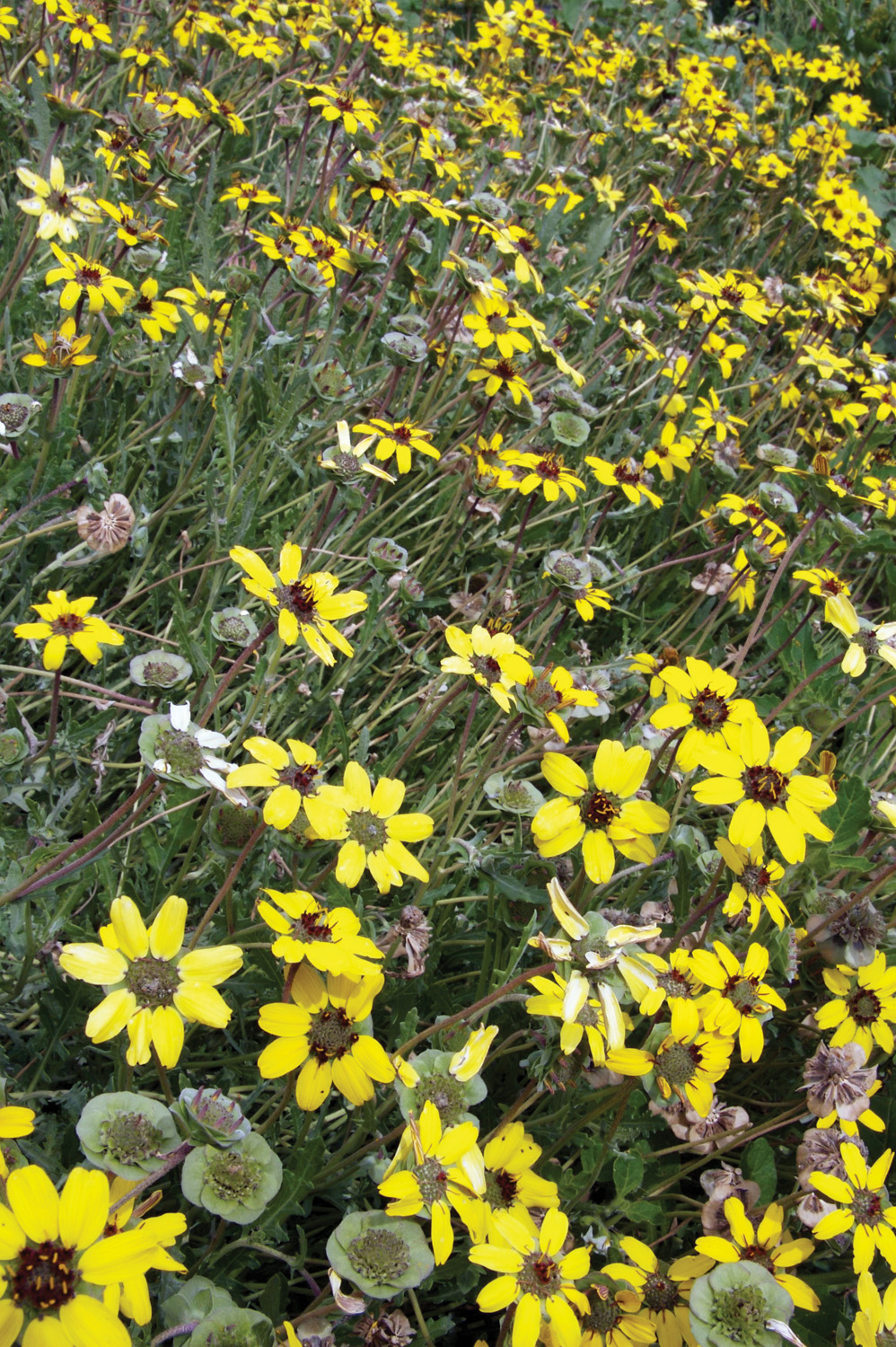
Berlandiera lyrata
Zones: 4–10
Size: 1 to 2 feet tall and wide
Conditions: Full sun; dry to average, well-drained soil
Native range: Mexico and Southern United States
One of my all-time favorite sensory plants, chocolate flower, is very hardy, drought tolerant, and blooms from summer to frost. Its bright yellow composite flowers sit atop long stems and produce an intense scent of chocolate. Visit this plant in the early morning hours before the weather heats up to experience the intoxicating scent filling the air. Who doesn’t want chocolate for breakfast?
Touchable plants add depth and intrigue to any design
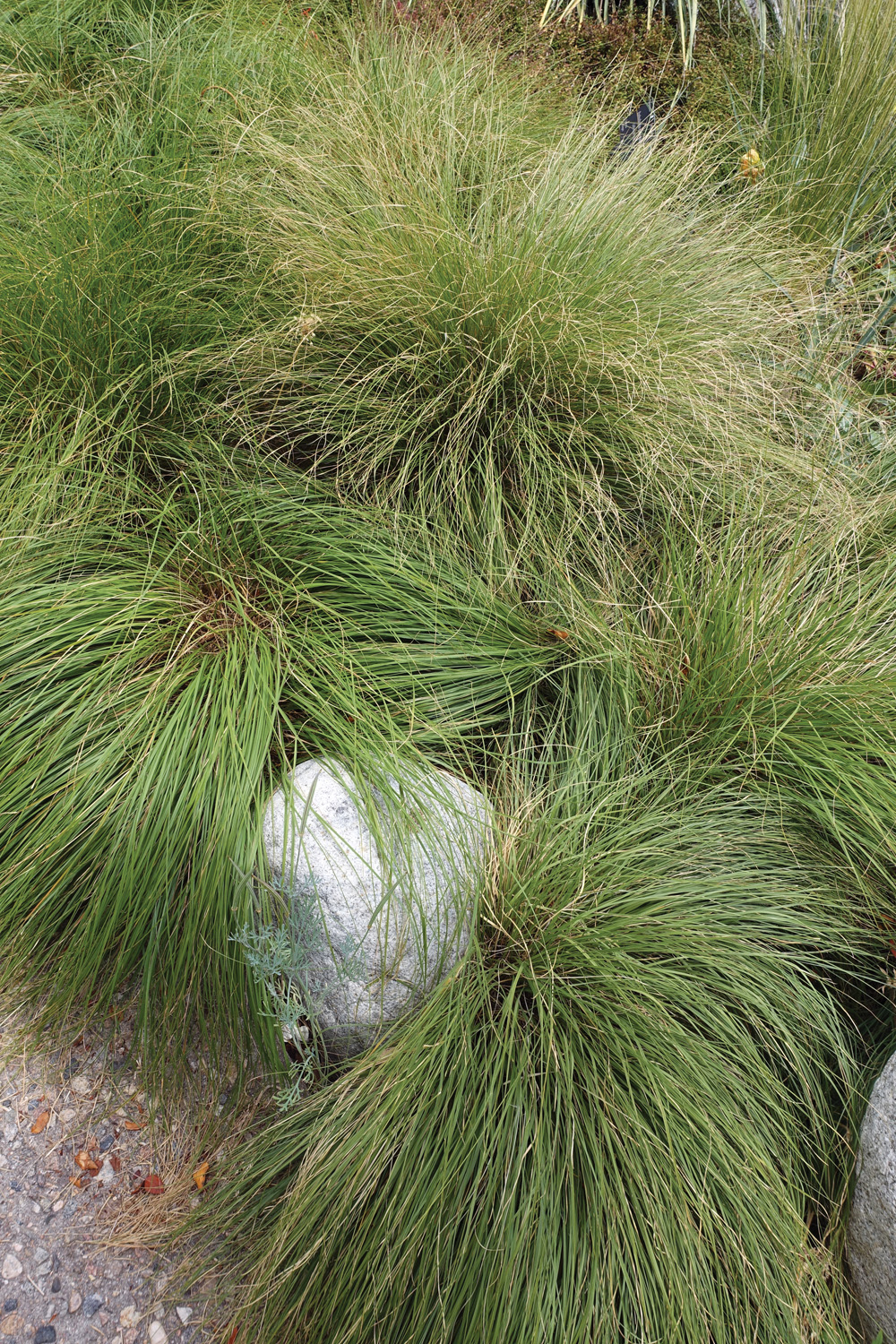
Skin is the body’s largest sensory organ, connecting us to the physical world through touch. Ornamental grasses offer a variety of pleasant sensory experiences, especially when they are in full bloom or topped with temptingly tactile seed heads. Prairie dropseed is a perennial bunchgrass that produces dense tufts of smooth, fine-textured leaves topped from mid- to late summer with inflorescences that sit above the foliage at just the right height to reach out and touch. As a bonus sensory experience, it emits a fragrance like buttered popcorn when it is in full bloom.
Prairie dropseed pairs touchable texture with a warm, nutty scent
|
Sporobolus heterolepis Zones: 3–9 Size: 2 to 3 feet tall and wide Conditions: Full sun to partial shade; average to occasionally dry, well-drained soil Native range: Central North America |
|
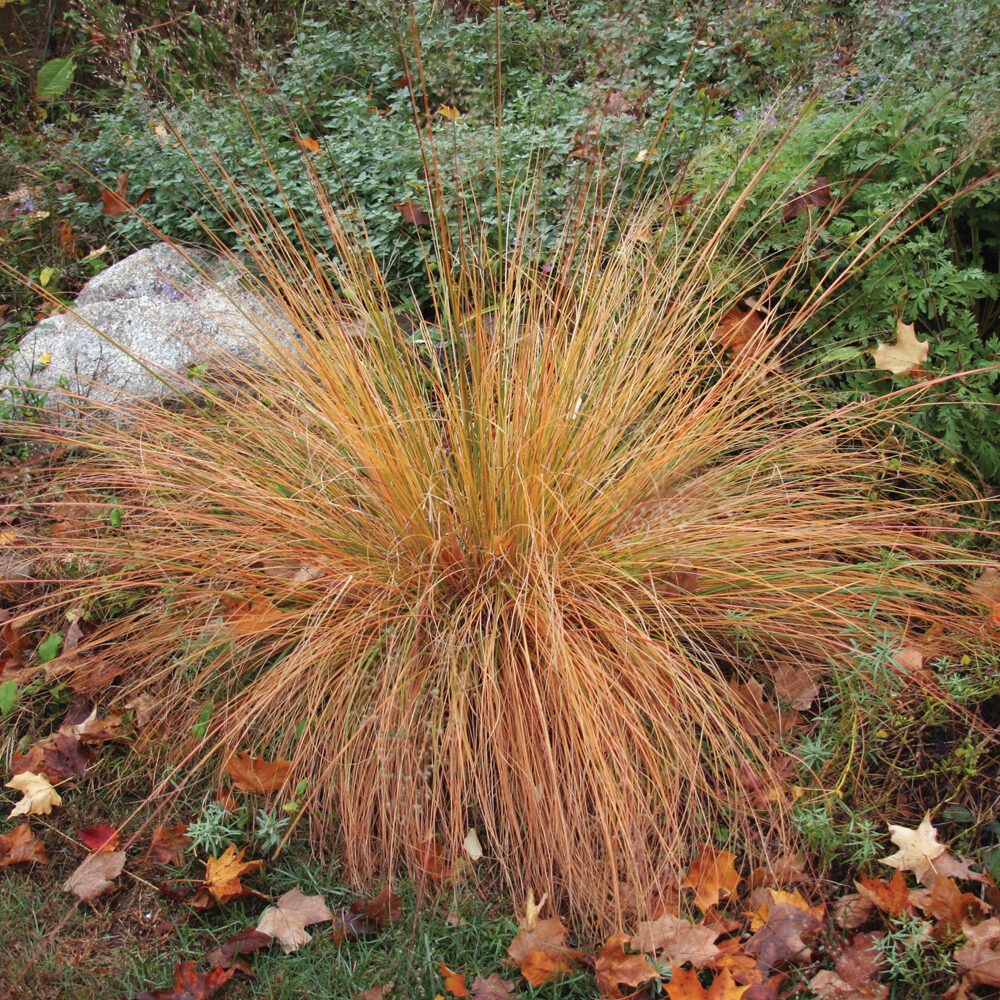 Foliage turns coppery shades of orange in fall.
Plant pink cotton lambs’ ears in a spot where it will catch the light
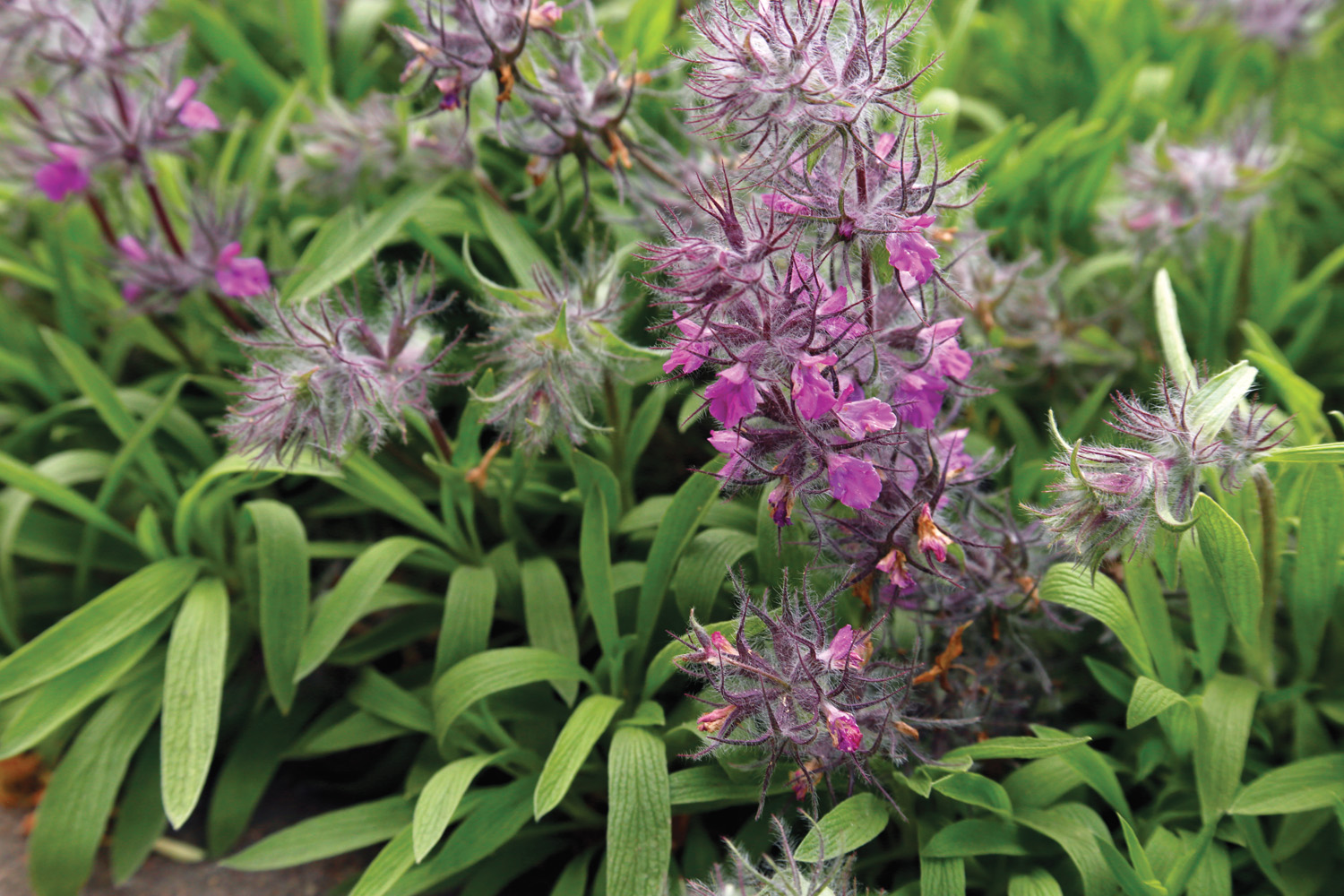
Stachys lavandulifolia
Zones: 5–8
Size: 8 to 12 inches tall and 12 to 18 inches wide
Conditions: Full sun; dry to average, well-drained soil
Native range: Iran, Iraq, southern Caucasus Mountains, and Turkey
Another plant that puts its softer side forward is pink cotton lambs’ ears, a cousin of the well-known lambs’ ears (Stachys byzantina, Zones 4–10) that is a mainstay in any sensory garden. Pink cotton lambs’ ears has silky foliage that emits a faint spicy scent when touched. In late spring to early summer, violet-pink flower spikes shoot up from the basal foliage covered in spectacular clouds of fine, downy hairs. Site this petite perennial close to a pathway, because everyone will want a closer look at it when it’s in full bloom.
Corkscrew rush adds a fun twist to a widespread native species
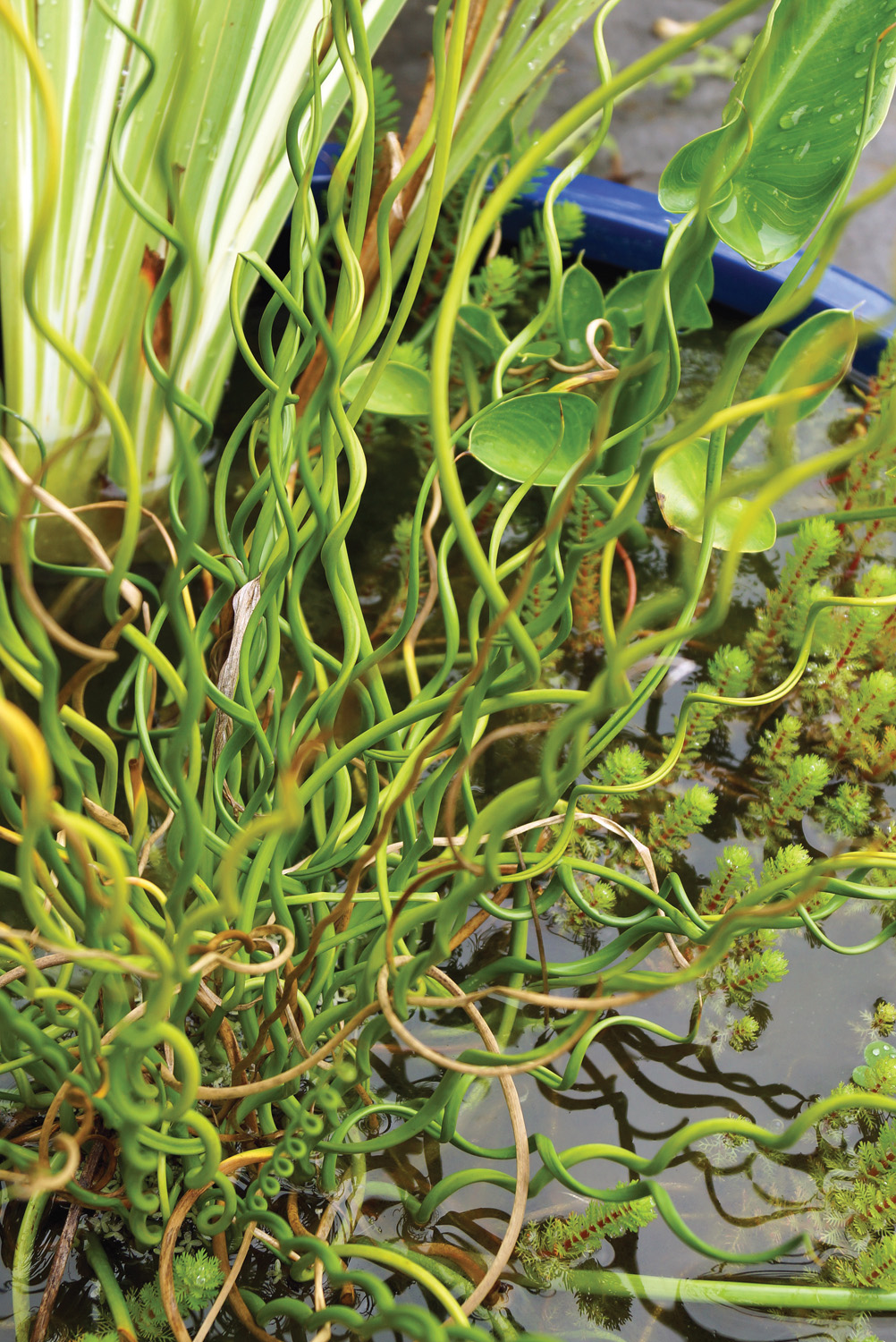
Juncus effusus f. spiralis
Zones: 4–9
Size: 12 to 18 inches tall and wide
Conditions: Full sun; wet to consistently moist soil
Native range: Most of North America, excluding the Far North
Compared with the soft plants featured above, corkscrew rush provides a completely different tactile experience. The tough, leatherlike leaves grow in tight, upright spirals that compel you to touch them. Rushes thrive in wetlands and even standing water in their native habitat, and in a garden setting they prefer to grow in soil that doesn’t dry out. To ensure your corkscrew rushes get all the water they need, try growing them in containers paired with moisture-loving annuals.
Keep an eye out for plants that engage your sense of wonder
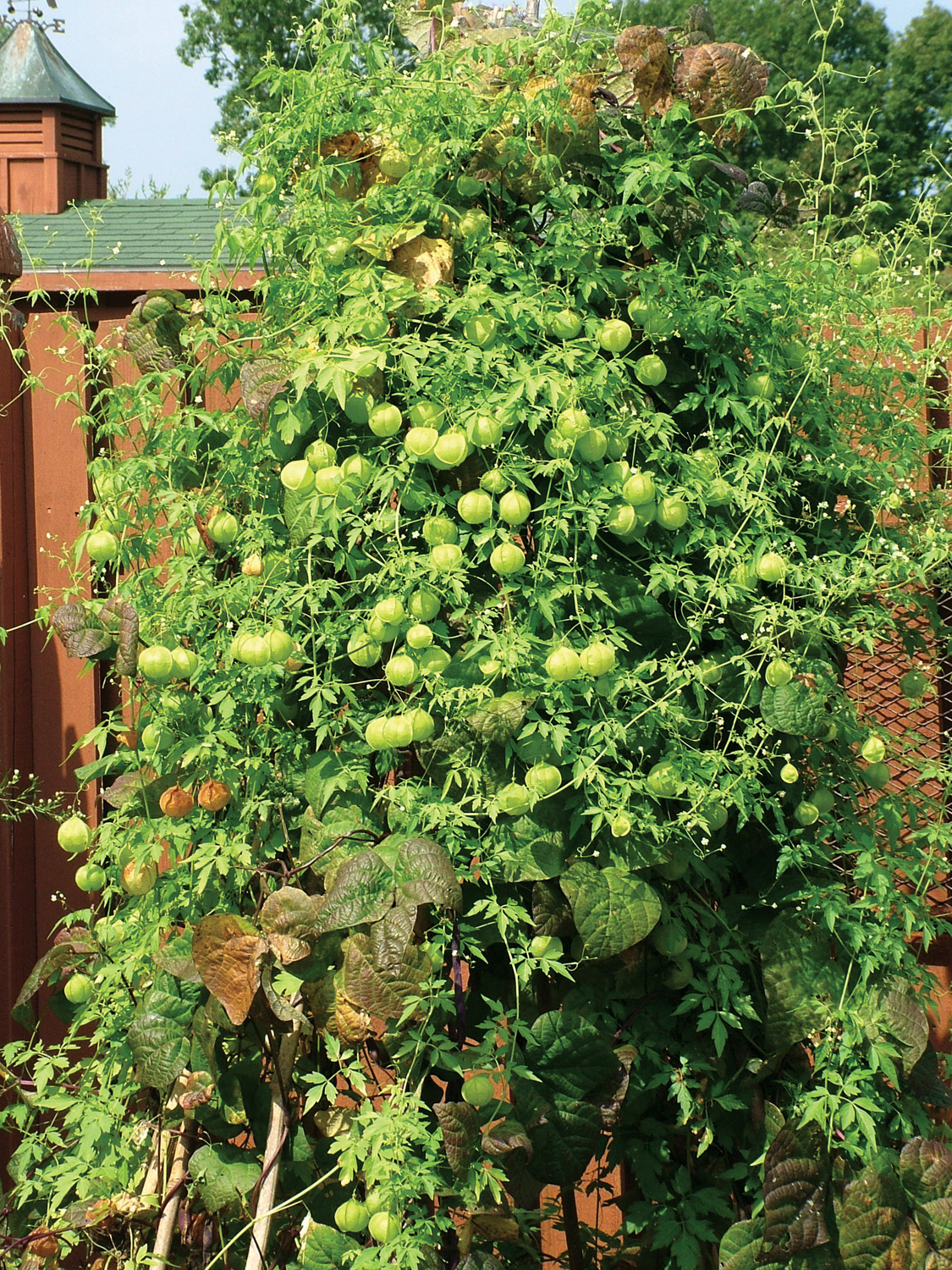
Our sense of sight can easily be overwhelmed in a densely planted garden, but selections that spark curiosity will bring some focus and playfulness into any design. Love-in-a-puff is a frost-tender vine that puts on an impressive amount of growth in a single season, covering any trellis or draping over the sides of a raised bed. In midsummer, loads of miniature white flowers appear that then ripen into balloon-shaped pods. When fully dry, each pod holds three black seeds marked with perfect white hearts. Plant this tropical perennial with caution: It has been listed as invasive in some Southeastern states, and is best suited for gardens in colder regions where it has no chance of overwintering.
Love-in-a-puff can be a charismatic climber or meandering bed-filler
|
Cardiospermum halicacabum* Zones: 9–11 Size: 4 to 12 feet tall and wide Conditions: Full sun to partial shade; moist to dry, well-drained soil Native range: Tropical and subtropical regions of North and South America |
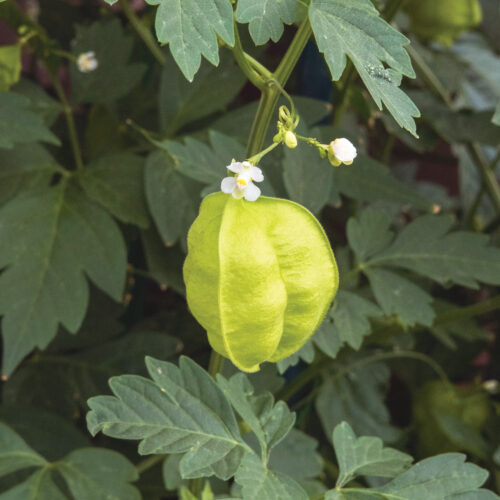
Insignificant flowers are followed by puffy seedpods. |
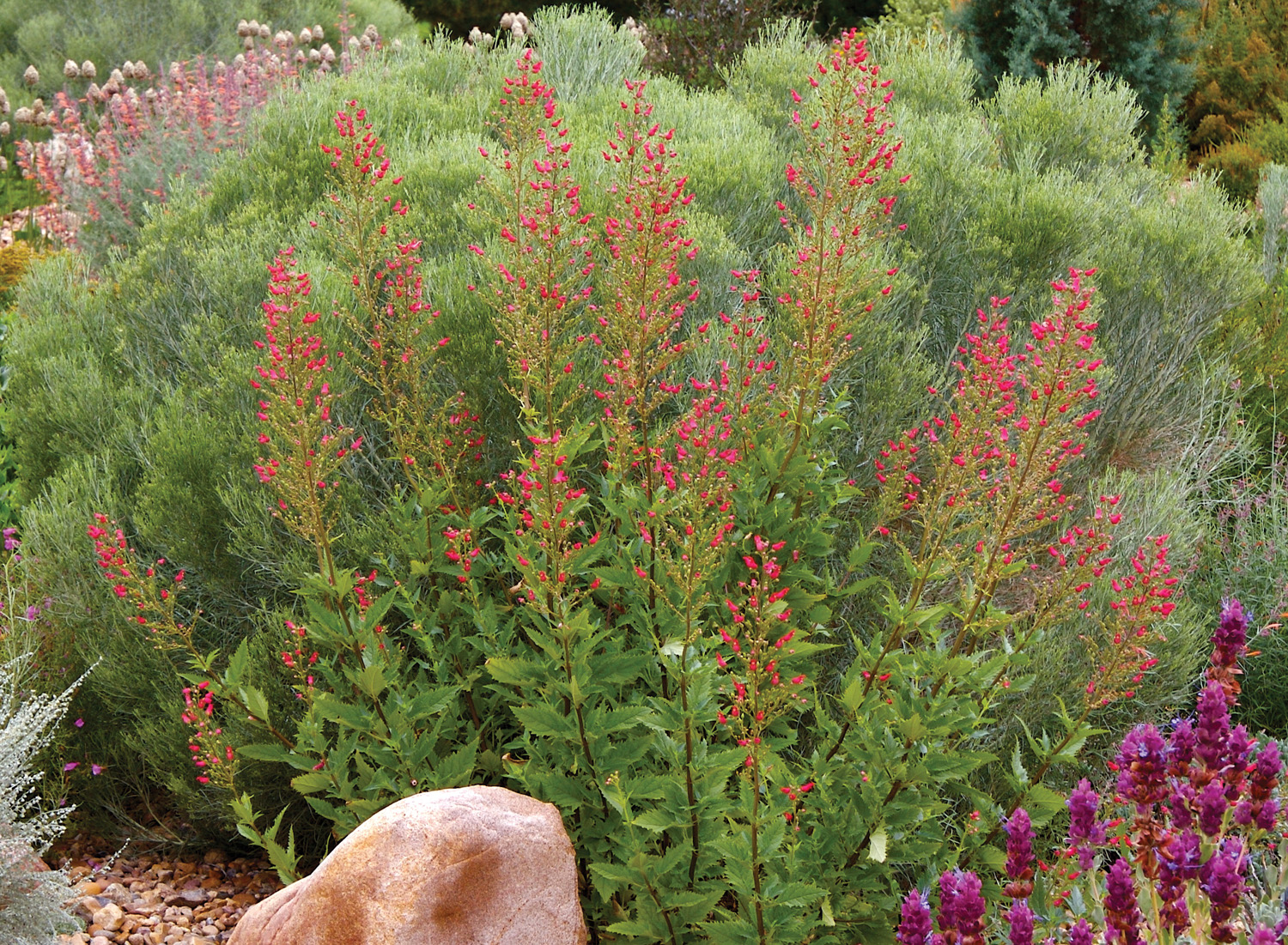
Turn on the pollinator charm with red birds in a tree
|
Scrophularia macrantha Zones: 5–9 Size: 24 to 36 inches tall and 16 to 20 inches wide Conditions: Full sun to partial shade; average to dry, well-drained soil Native range: Southwestern United States |
|
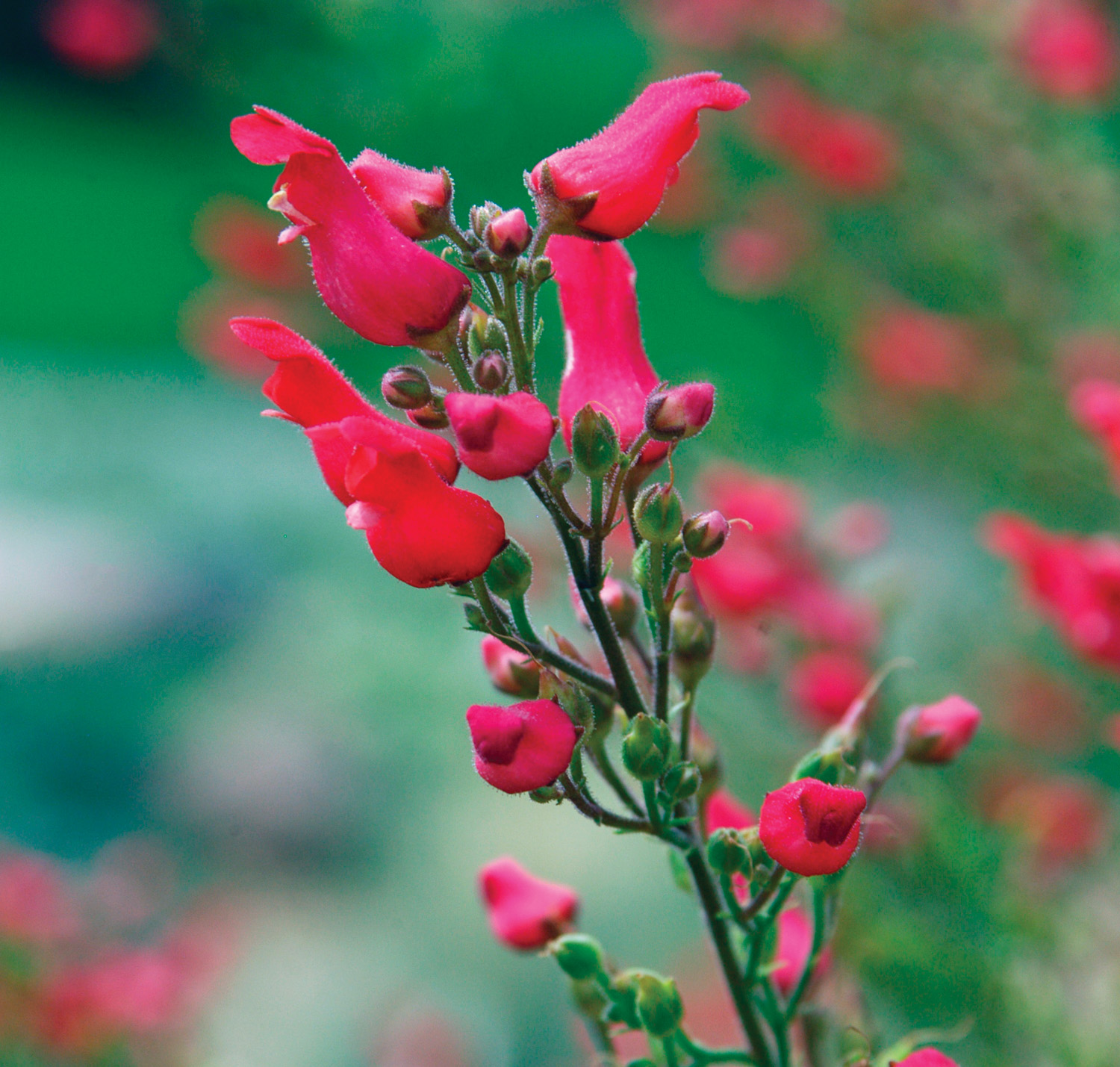 Bird-shaped blooms attract hummingbirds.
Red birds in a tree brings a lot of joy with its spires of tiny hot-pink blooms, and putting the whimsical flowers at eye level in raised planters makes them even easier to appreciate. This Southwest native is extremely hardy and grows well in either sun or partial shade. The flowers open all summer long and are very attractive to hummingbirds. In general, incorporating pollinator-friendly plants is the perfect way to add intrigue while supporting your garden’s ecosystem.
‘Golden Fleece’ goldenrod is bright but not brassy
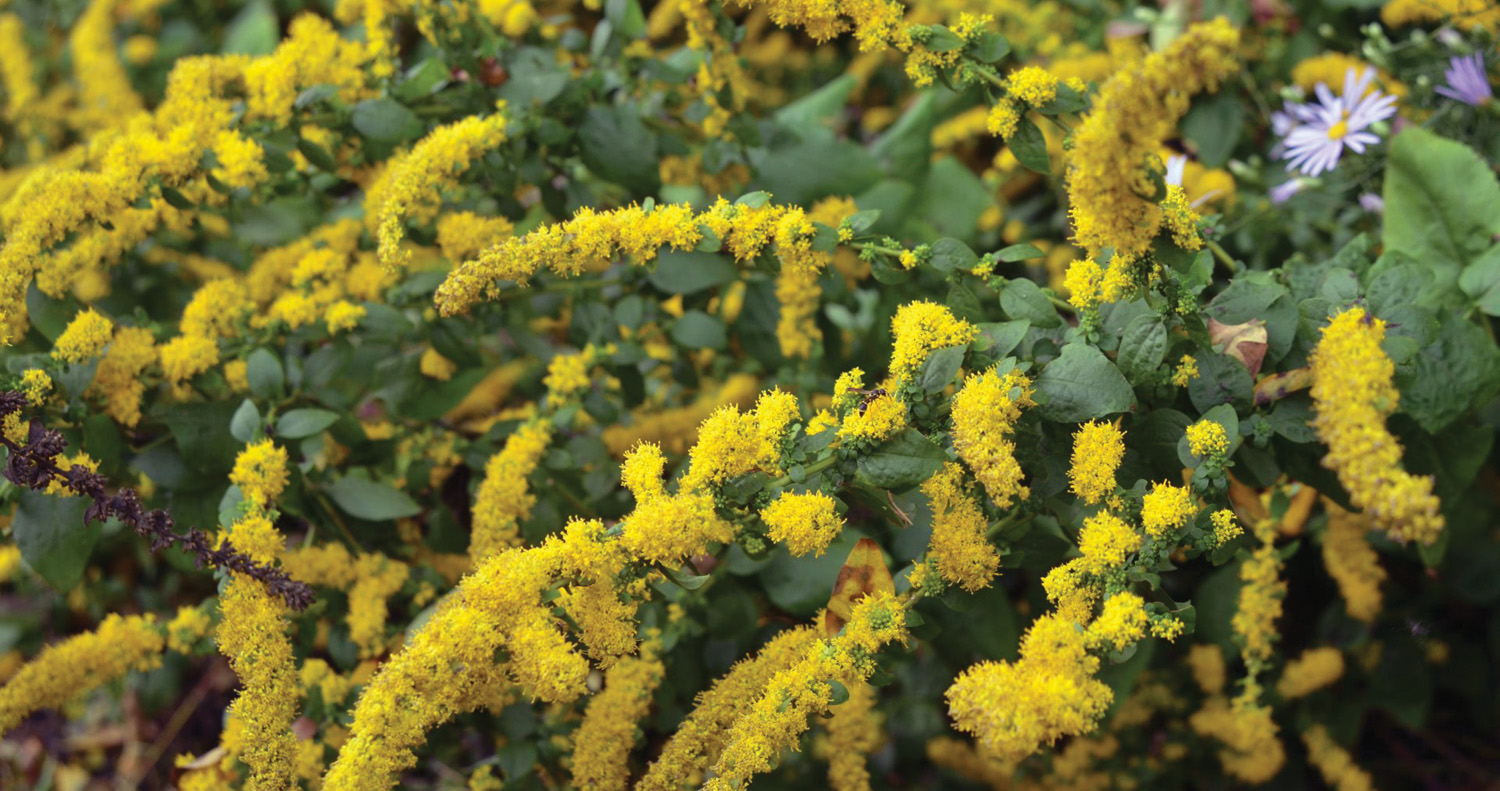
Solidago sphacelata ‘Golden Fleece’
Zones: 4–8
Size: 12 to 18 inches tall and wide
Conditions: Full sun; dry to average, well-drained soil
Native range: Southeastern United States
Goldenrods are very important plants for a variety of pollinators, providing nutrient-dense pollen over an extended bloom time that stretches from late summer into fall. Some species are not good at sharing garden beds with other plants, but ‘Golden Fleece’ autumn goldenrod was selected for its compact habit, scaled perfectly for smaller spaces. It will be right at home mingling with sun-loving companions at the edge of a bed, where it can easily be seen.
Sound contributes to a tranquil and immersive experience
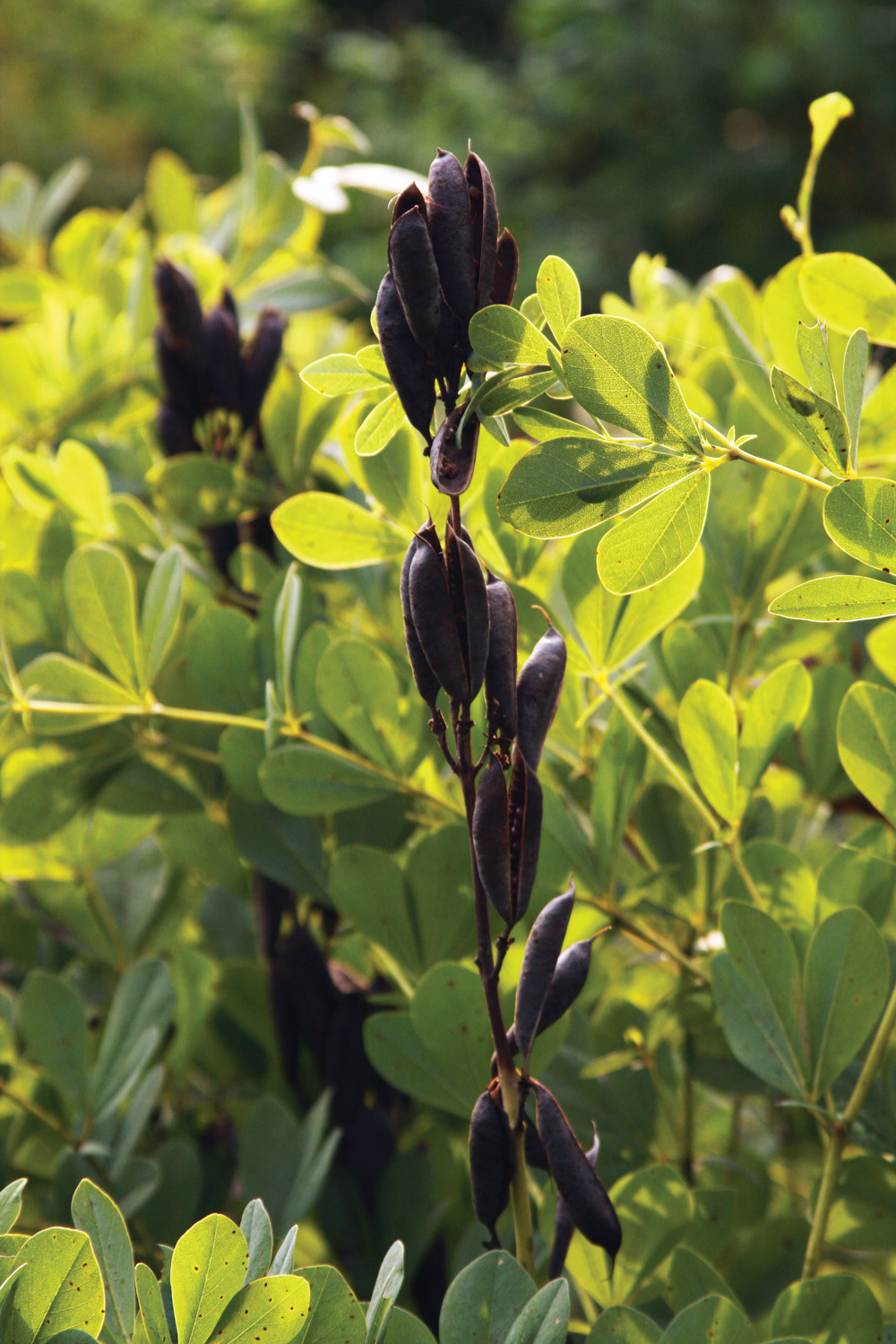
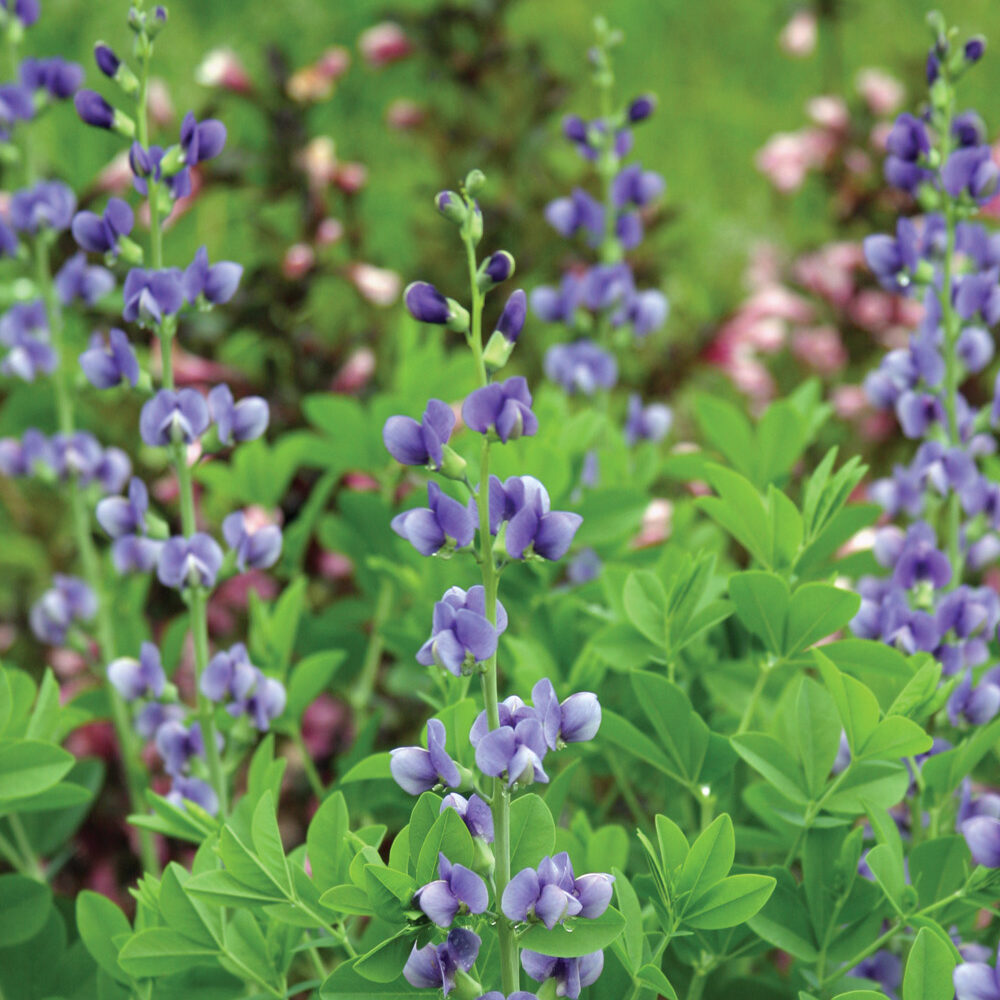
When you truly take the time to listen to a garden in stillness, there is much to hear. Seed heads rustle in the breeze, birds sing, and pollinators buzz from one plant to the next. On windy days in late summer or fall, you might even notice the faint rattling of blue false indigo seeds inside their striking charcoal gray pods. This clump-forming perennial can grow up to 4 feet tall and sports bright blue flowers from late spring into early summer, when the buzzing of bumblebees will be the main sound associated with this plant. If the seedpods are left to dry, a musical instrument is formed that will make a stunning addition to dried arrangements.
Add blue false indigo to your autumn and winter soundscape
|
Baptisia australis Zones: 3–9 Size: 3 to 4 feet tall and wide Conditions: Full sun to partial shade; dry to average, well-drained soil Native range: Eastern United States |
 |
‘Jade Princess’ pearl millet is a great annual focal point for both beds and containers
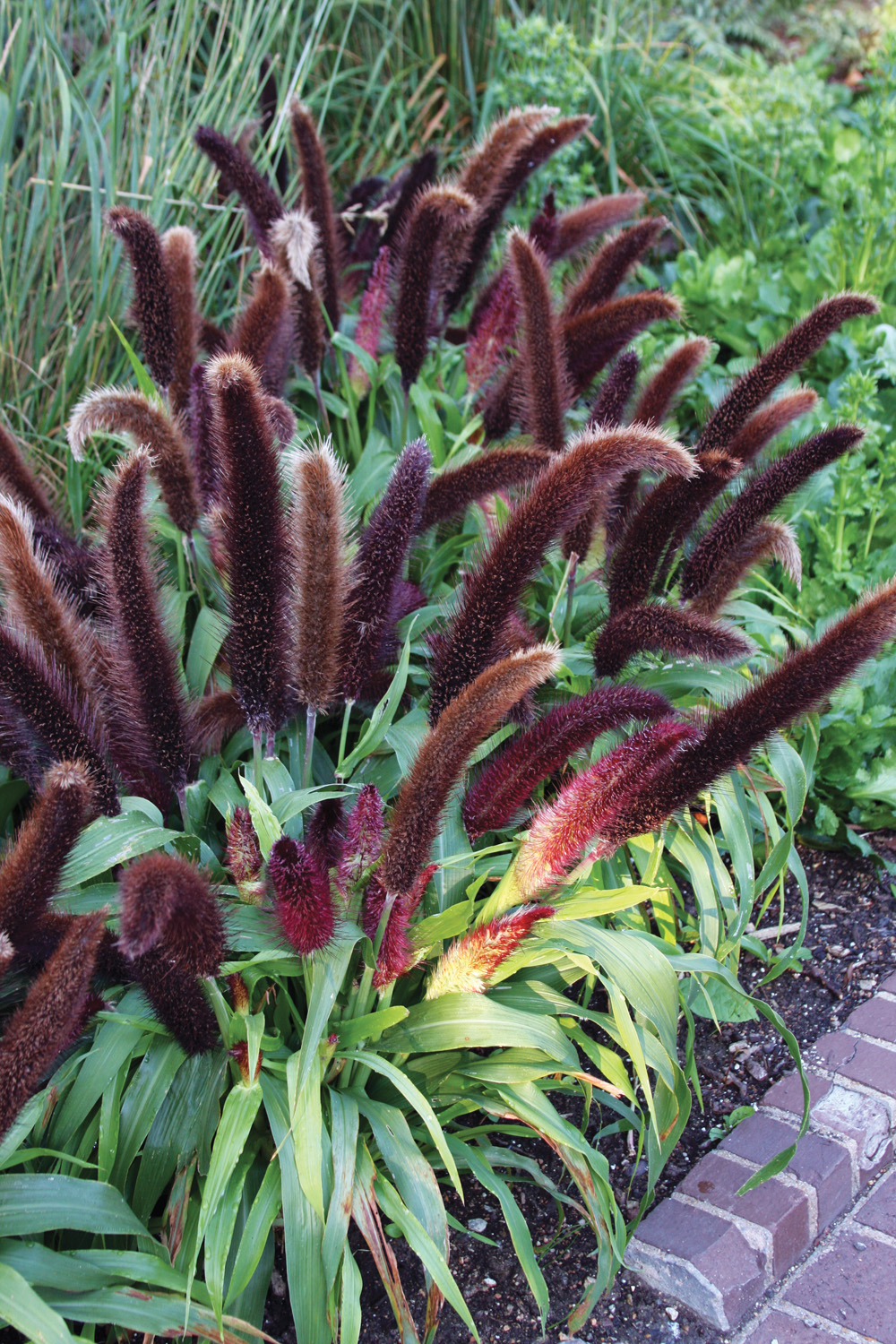
Cenchrus americanus ‘Jade Princess’ syn. Pennisetum glaucum ‘Jade Princess’
Zones: Annual
Size: 24 to 30 inches tall and 18 to 24 inches wide
Conditions: Full sun to partial shade; average to moist, well-drained soil
Native range: Western Africa
‘Jade Princess’ pearl millet is a great annual focal point for both beds and containers. This compact selection sprouts strappy, bright green foliage and upright, chocolate brown flower spikes. Birds flock to the seeds as they mature, contributing their cheerful songs to your garden soundtrack. As an olfactory bonus, the flowers of ‘Jade Princess’ have an aroma reminiscent of maple syrup.
The seed heads of Northern sea oats rustle soothingly all winter long
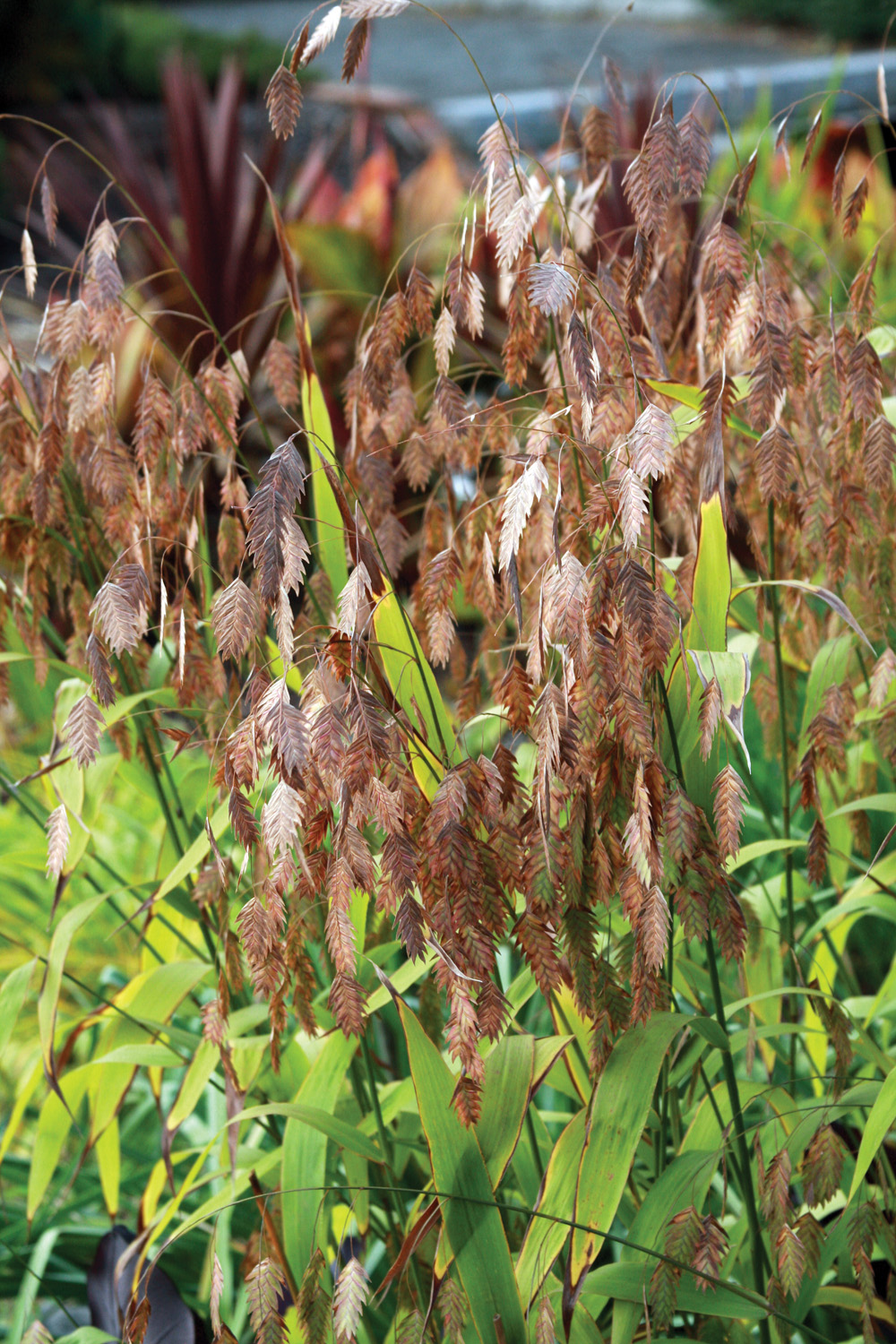
Chasmanthium latifolium
Zones: 3–8
Size: 2 to 5 feet tall and 1 to 2 feet wide
Conditions: Full sun to partial shade; average to wet, well-drained soil
Native range: Eastern United States and northern Mexico
Northern sea oats also has impressive seed heads. This upright, clump-forming, shade-tolerant grass produces flat, wheat-like seed heads that gracefully sway with the breeze. As the seeds dry, they can be heard peacefully rustling together, creating movement and visual interest. This plant is a larval host plant for several butterfly species, and the seeds are a valuable food source for small mammals and birds.
With careful curation and placement, any of these plants will contribute to a sensory-rich environment that sparks curiosity, brings a sense of calm, and transports garden visitors back in time. They will also serve as a reminder and invitation for you to take time out from your endless garden tasks, slow down, and engage your senses, one plant at a time.
Angie Andrade is a horticulturist, horticultural therapist, and founder of Nature ReConnect, a business that provides accessible, nature-based programming, garden consulting, and teaching services.
*INVASIVE PLANT ALERT: The following plants mentioned in this article are considered invasive in some areas of the country. For more information, please visit invasiveplantatlas.org.
Fine Gardening Recommended Products
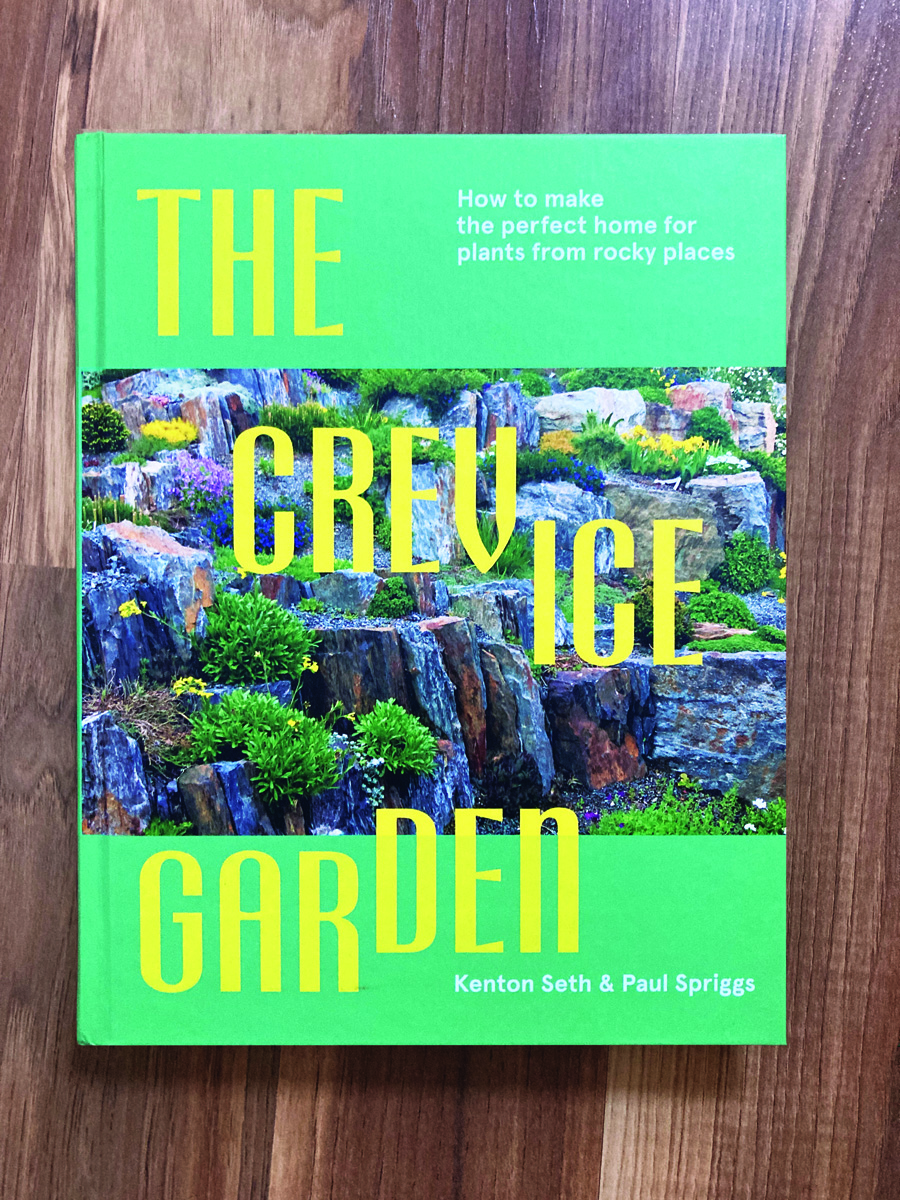
The Crevice Garden: How to make the perfect home for plants from rocky places
Fine Gardening receives a commission for items purchased through links on this site, including Amazon Associates and other affiliate advertising programs.
A crevice garden replicates the environmental conditions of mountain tops, deserts, coastlines, and other exposed or rocky places on earth. These striking garden features provide perfect conditions for the plants native to these far-off places, bringing the cultivation of these precious gems within everybody’s reach.
Razor-Back Potato/Refuse Hook
Fine Gardening receives a commission for items purchased through links on this site, including Amazon Associates and other affiliate advertising programs.
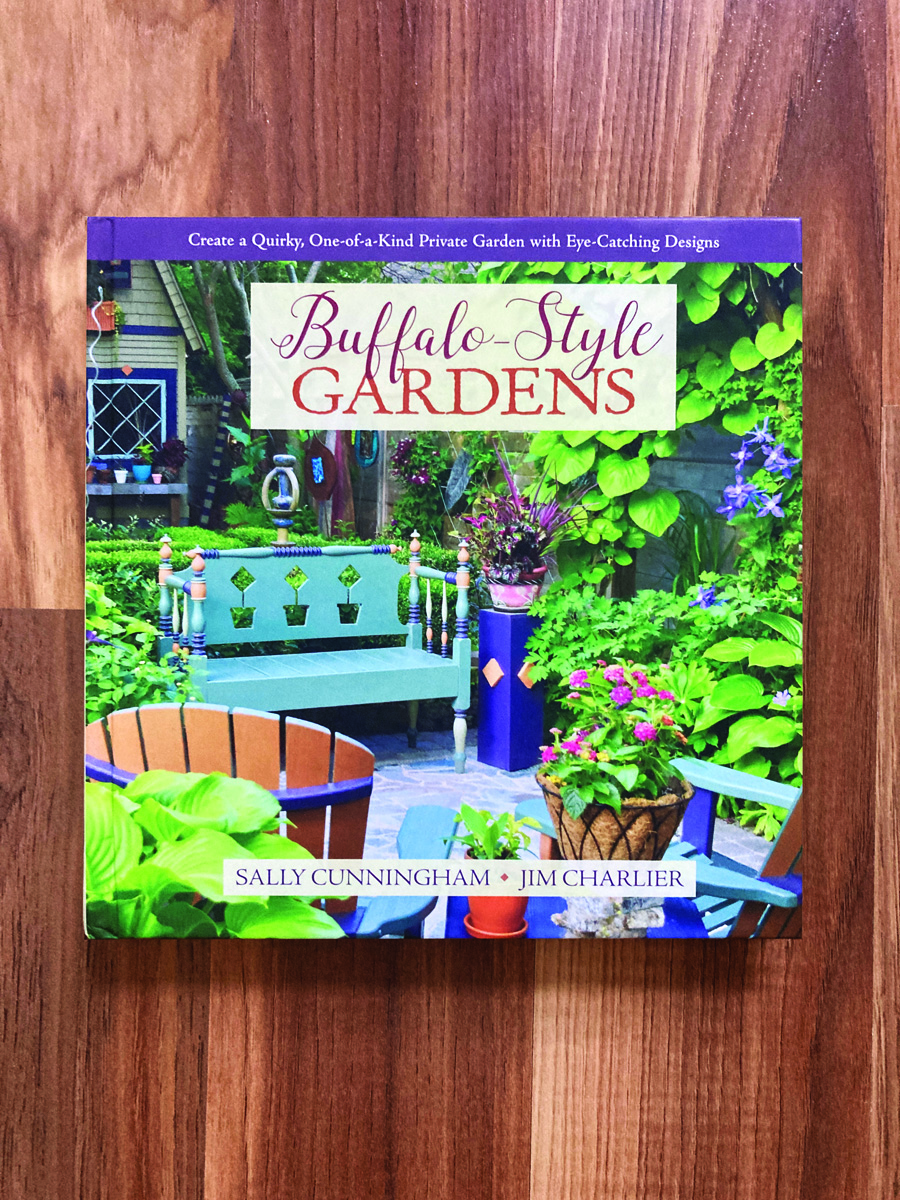
Buffalo-Style Gardens: Create a Quirky, One-of-a-Kind Private Garden with Eye-Catching Designs
Fine Gardening receives a commission for items purchased through links on this site, including Amazon Associates and other affiliate advertising programs.
Buffalo-Style Gardens is a one-of-a-kind, offbeat garden design book that showcases the wildly inventive gardens and gardeners of Buffalo – and offers readers “the best of the best” ideas to use in their own small-space gardens.