Hi GPODers!
Each new season brings something new in the garden. This most obviously includes new blooms and interest, but it also includes condition changes that are felt for years to come. Some seasons are good to our gardens and a longer or more vibrant period of blooms is achieved, other seasons can bring devastation to our gardens and changes that require a complete reworking of the landscape. Mary Angela in Pearland, Texas (Zone 9) knows that reality all too well. During her decades of gardening she has seen her garden expand and thrive during good growing seasons as well as falter and shrink after extreme weather. Despite these ups and downs, she continues to cultivate beauty in her landscape and find joy in the process.
Started gardening in 1990. Later purchased the vacant lot next door, expanding the garden to 1/3 acre. The garden was devastated by Hurricane Harvey in 2017 and by the epic freeze that hit Texas in 2021. I am especially proud of the cottage garden areas I built using sheet mulching/no dig technique, buying markdown plants, direct sowing seeds, and transplanting from elsewhere in the garden.
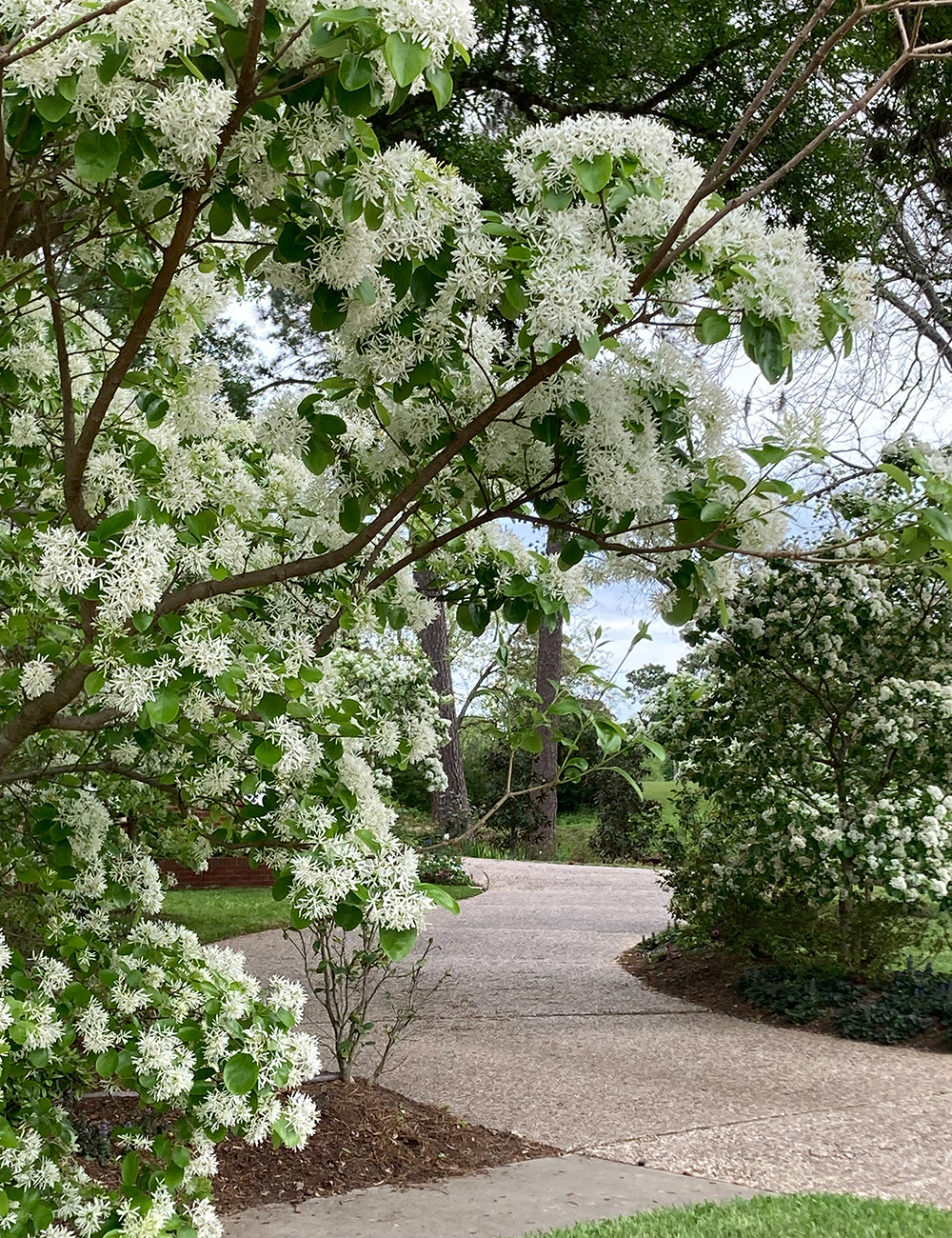 Chinese fringe trees (Chionanthus retusus, Zones 5–9) line the driveway in early spring
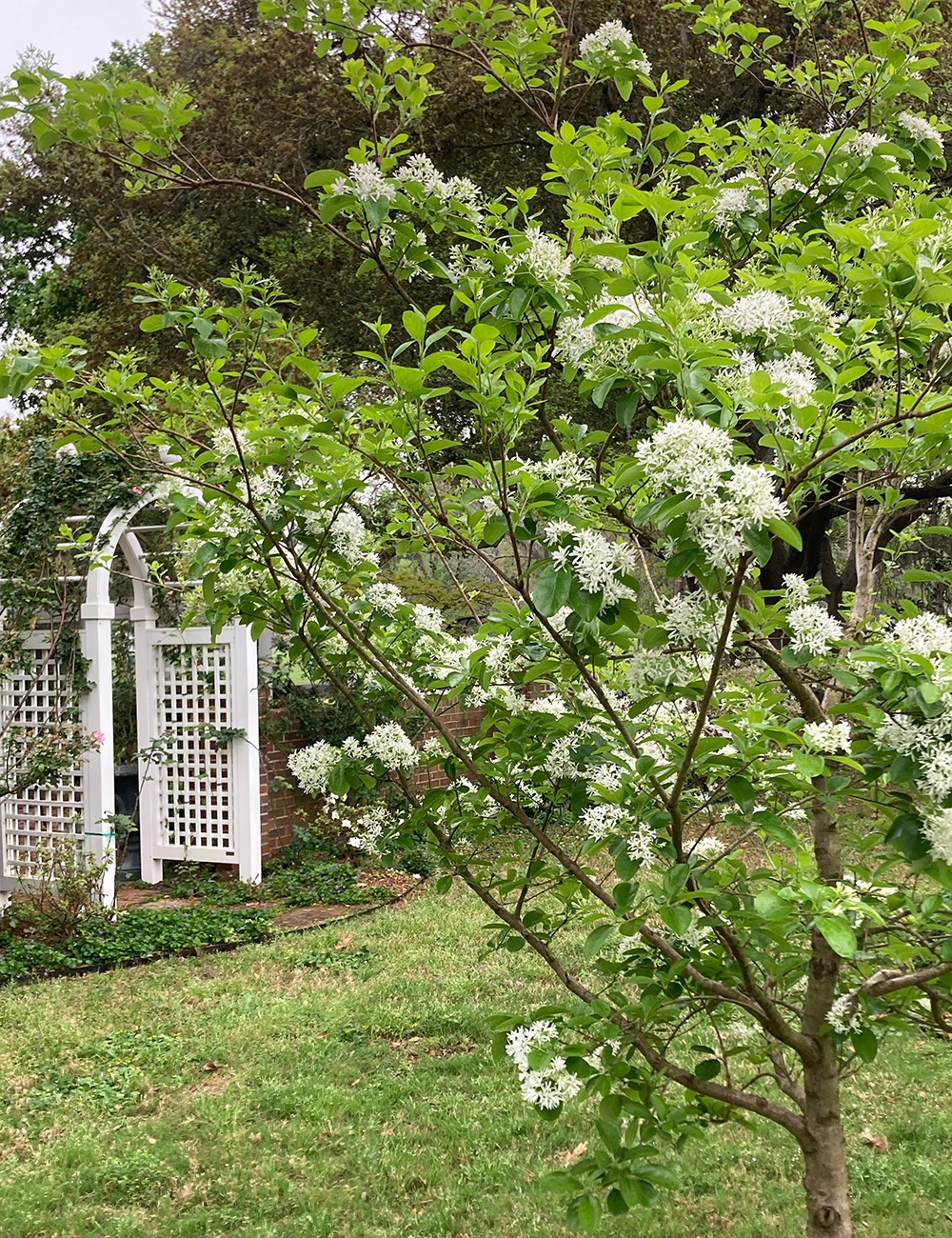 Chinese fringe trees wrap the back border of the garden. The fruit provides food for flocks of birds.
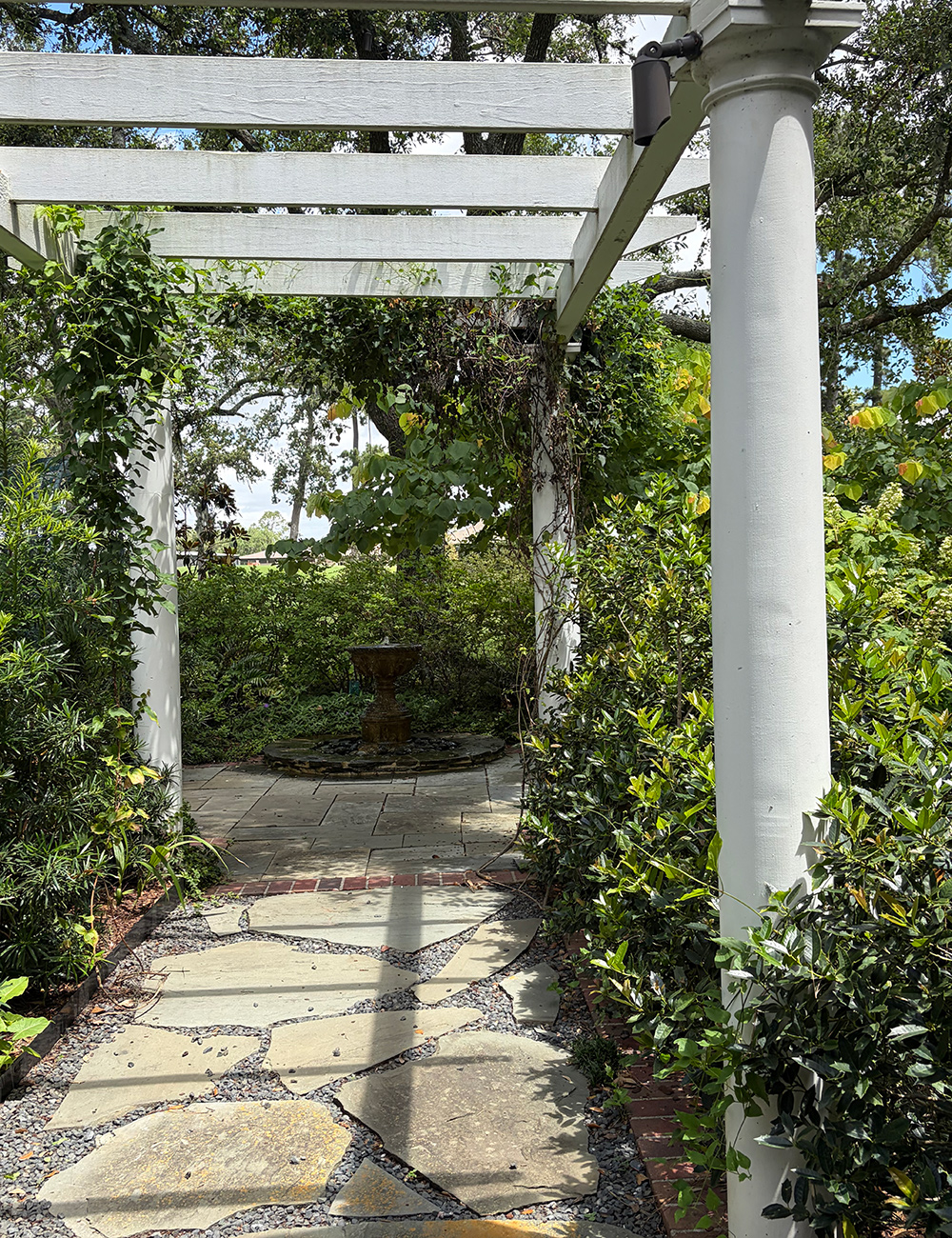 A pergola winds along the side of the house to connect the front and back gardens.
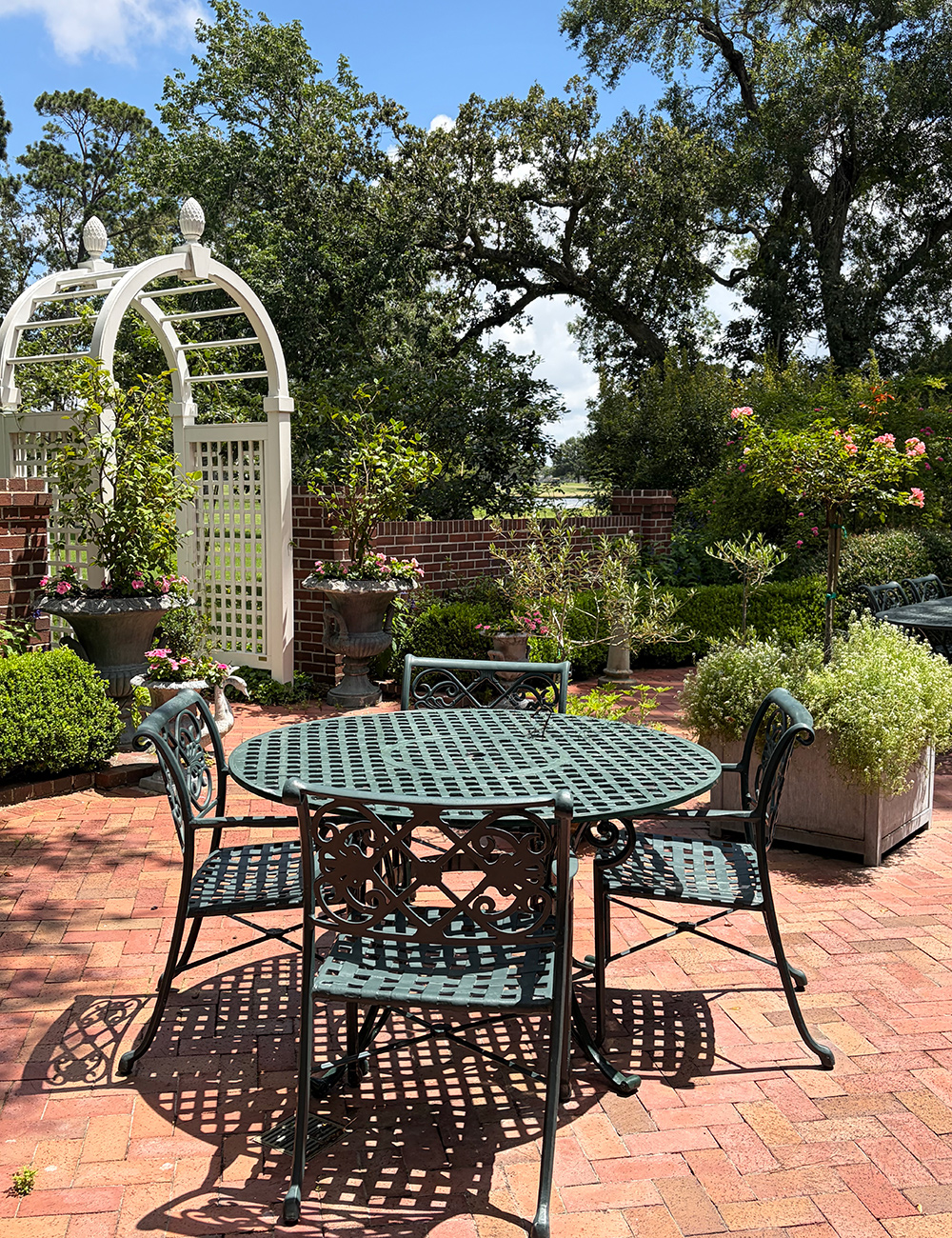 A restful patio with views to a pond through the arched branches of a tree.
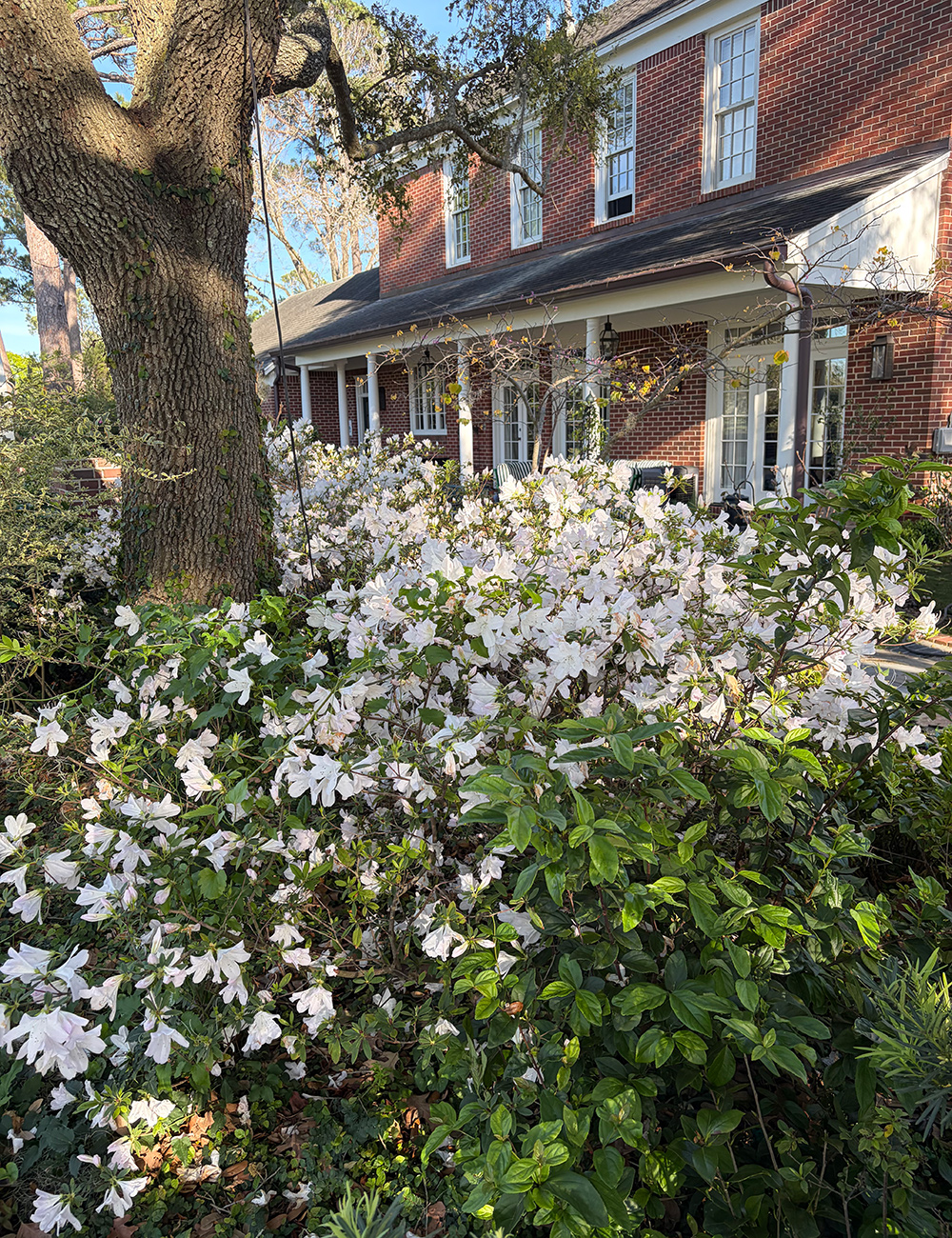 A white garden theme begins with Mrs. G.G. Gerbing azaleas (Rhododendron indica ‘Mrs. G.G. Gerbing’, Zones 7–10) in early spring. The azaleas survived standing water from Hurricane Harvey and the devastating freeze of 2021.
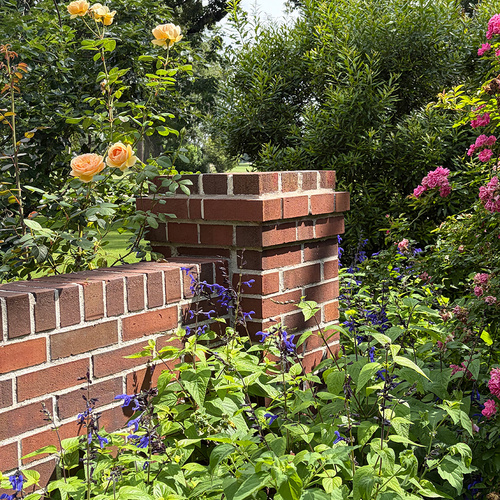
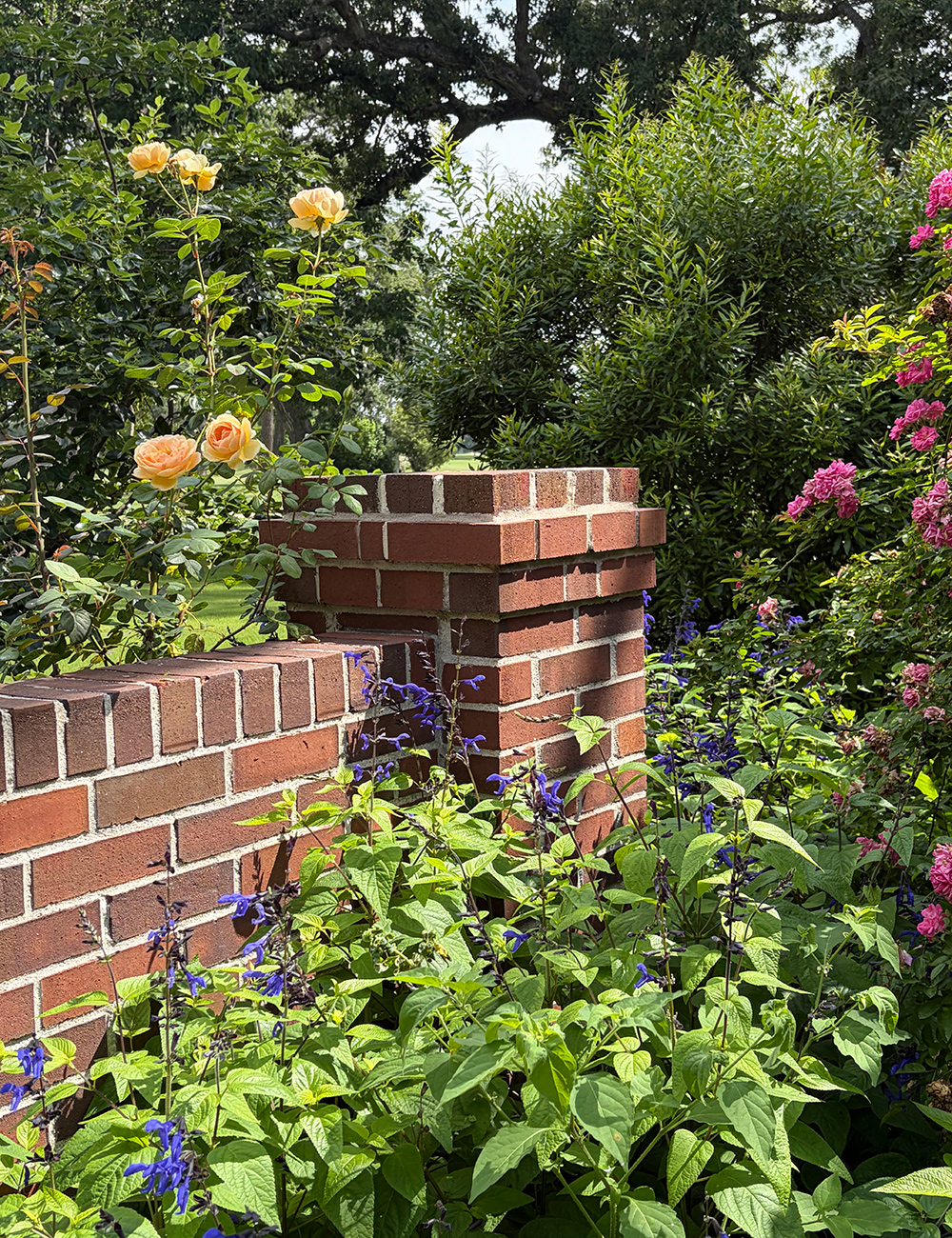 The brick wall was the first structure we had built in the garden. Here it is surrounded by the David Austin rose Jude the Obscure (Rosa ‘AUSjo’, Zones 5–11), Peggy Martin rose (Rosa ‘Peggy Martin’, Zones 4–10) gifted as a rooted cutting from a friend, and Victoria Blue salvia (Salvia farinacea ‘Victoria Blue’, Zones 8–10).
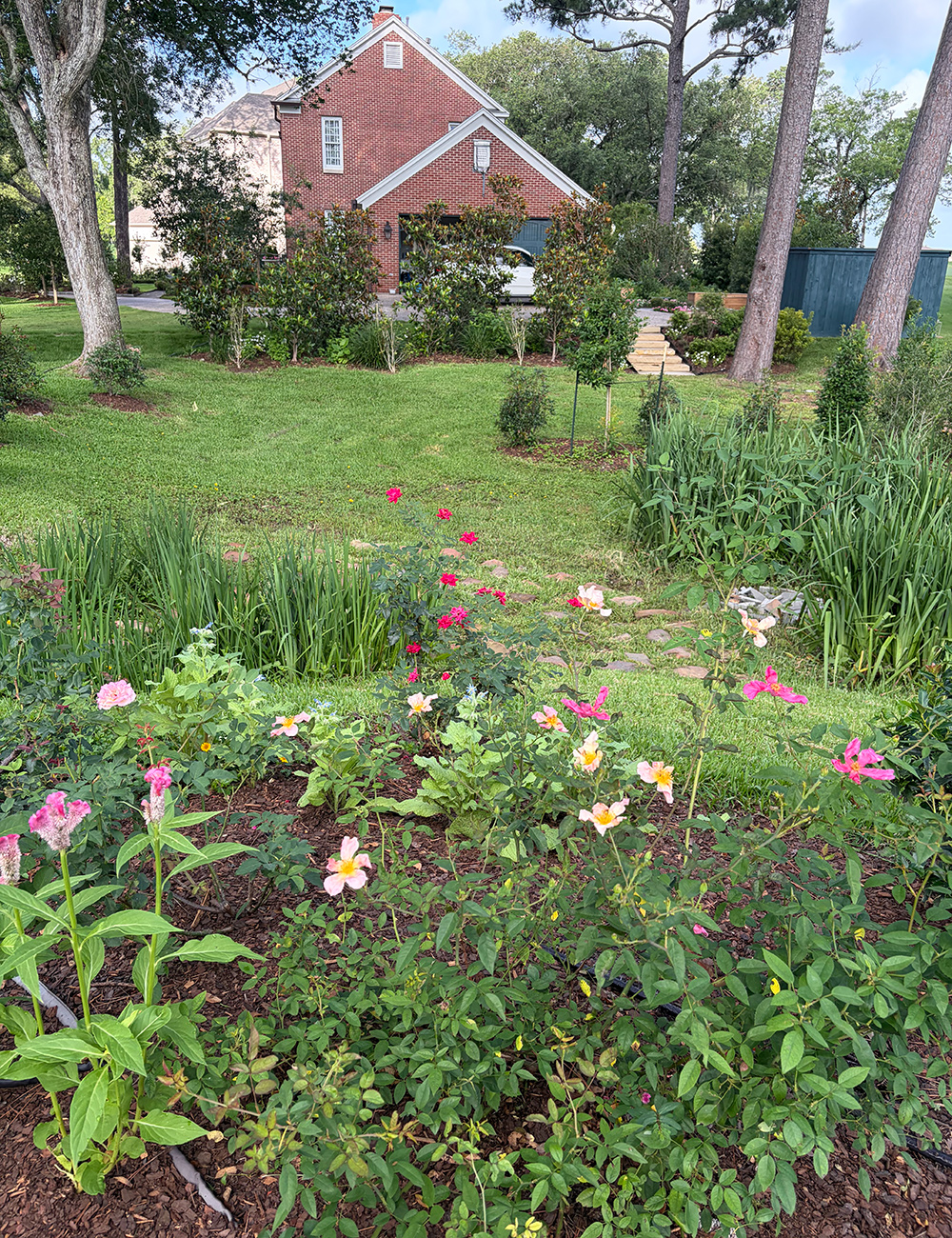
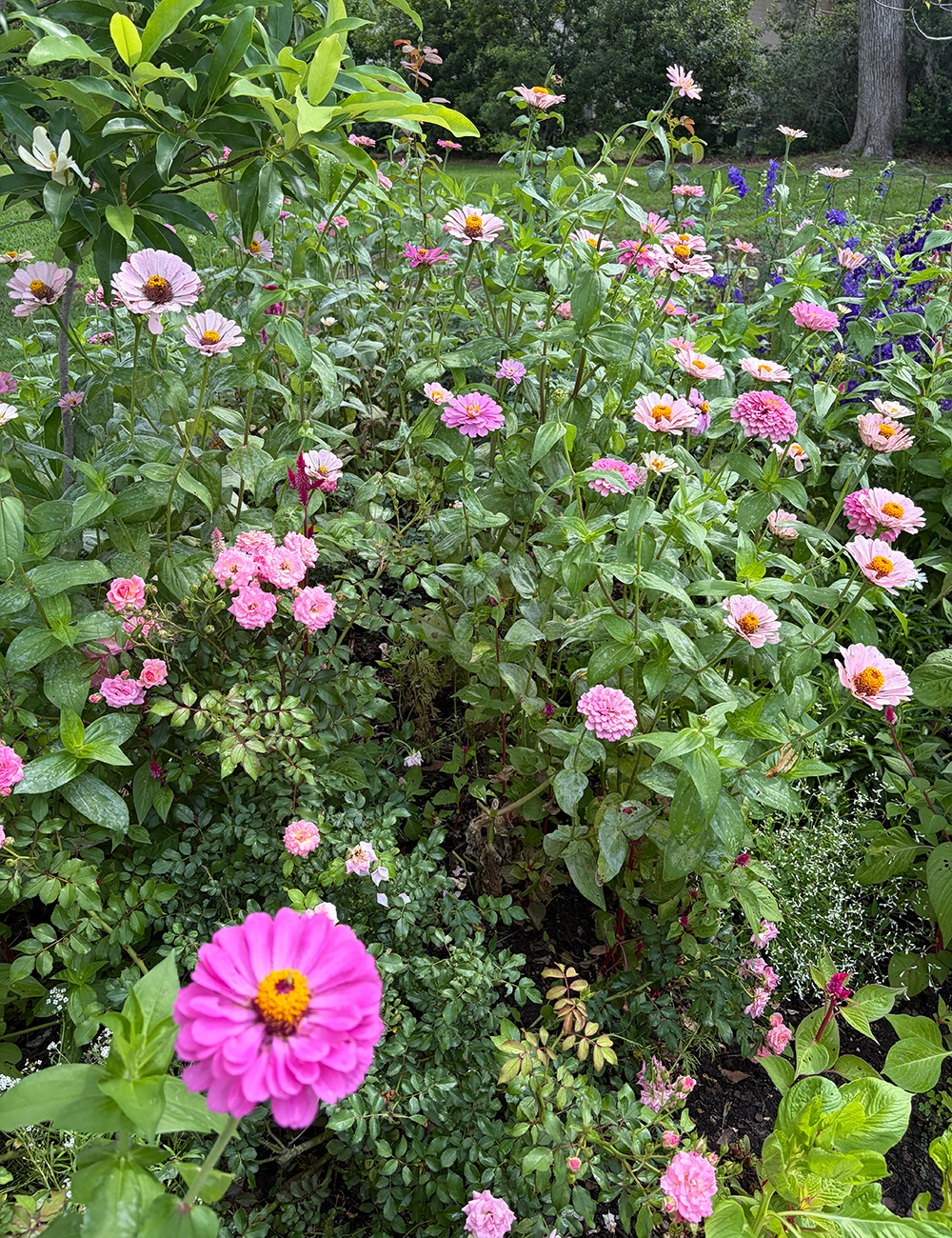 No dig garden bed with Drift roses, self-seeded zinnias, celosia, euphorbia, and sweet bay magnolia (Magnolia virginiana, Zones 5–10).
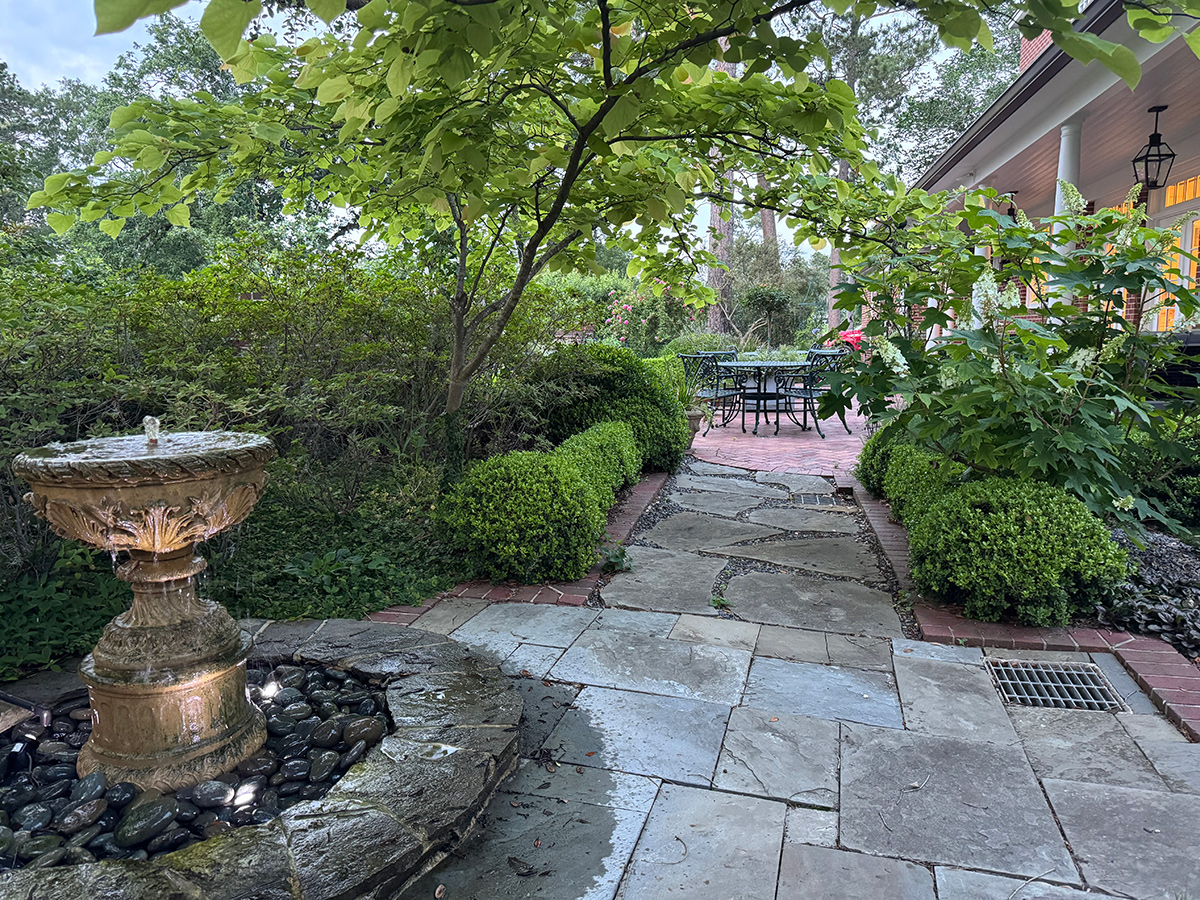 Rising Sun redbud (Cercis Canadensis ‘JN2’, Zones 5–9) and oakleaf hydrangea (Hydrangea quercifolia, Zones 5–9) line a path from the fountain garden to the dining patio.
 Stairs lead down from the main garden to a sunken wildflower bog garden.
Thank you so much for sharing your gorgeous garden with us, Mary! It’s important to roll with the punches when you’re a dedicated gardener, and your lush landscape is a testament to your ability to keep bouncing back from weather mishaps.
Hard freezes, hurricanes, droughts, wildfires or flooding, no where in North America is free from extreme weather these days. Let us know in the comments what extreme weather has tested your gardening abilities, or consider sharing your gardening journey with some photos of your landscape to be featured on the blog. Follow the directions below to submit your photos to Garden Photo of the Day!
We want to see YOUR garden!
Have photos to share? We’d love to see your garden, a particular collection of plants you love, or a wonderful garden you had the chance to visit!
To submit, fill out the Garden Photo of the Day Submission Form.
You can also send 5–10 photos to [email protected] along with some information about the plants in the pictures and where you took the photos. We’d love to hear where you are located, how long you’ve been gardening, successes you are proud of, failures you learned from, hopes for the future, favorite plants, or funny stories from your garden.
Do you receive the GPOD by email yet? Sign up here
Fine Gardening Recommended Products
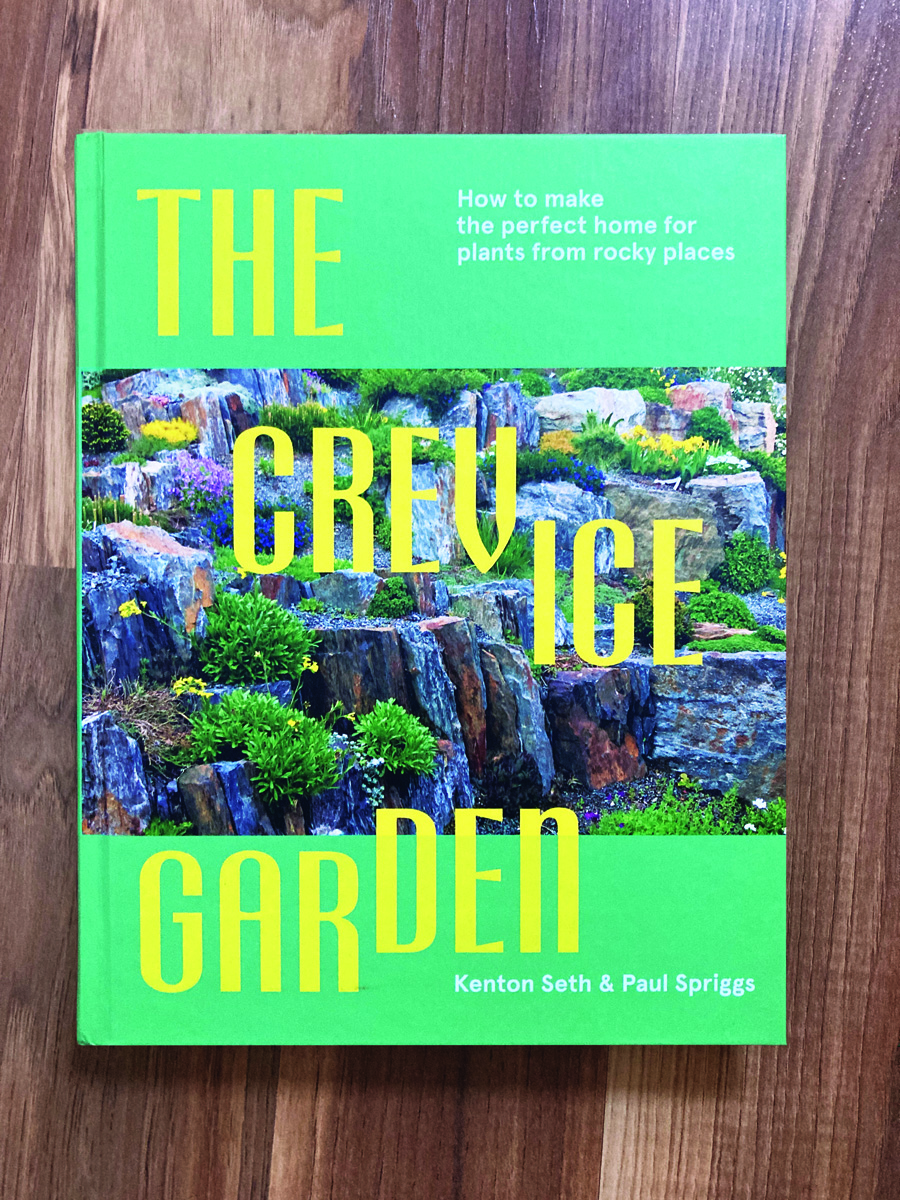
The Crevice Garden: How to make the perfect home for plants from rocky places
Fine Gardening receives a commission for items purchased through links on this site, including Amazon Associates and other affiliate advertising programs.
A crevice garden replicates the environmental conditions of mountain tops, deserts, coastlines, and other exposed or rocky places on earth. These striking garden features provide perfect conditions for the plants native to these far-off places, bringing the cultivation of these precious gems within everybody’s reach.
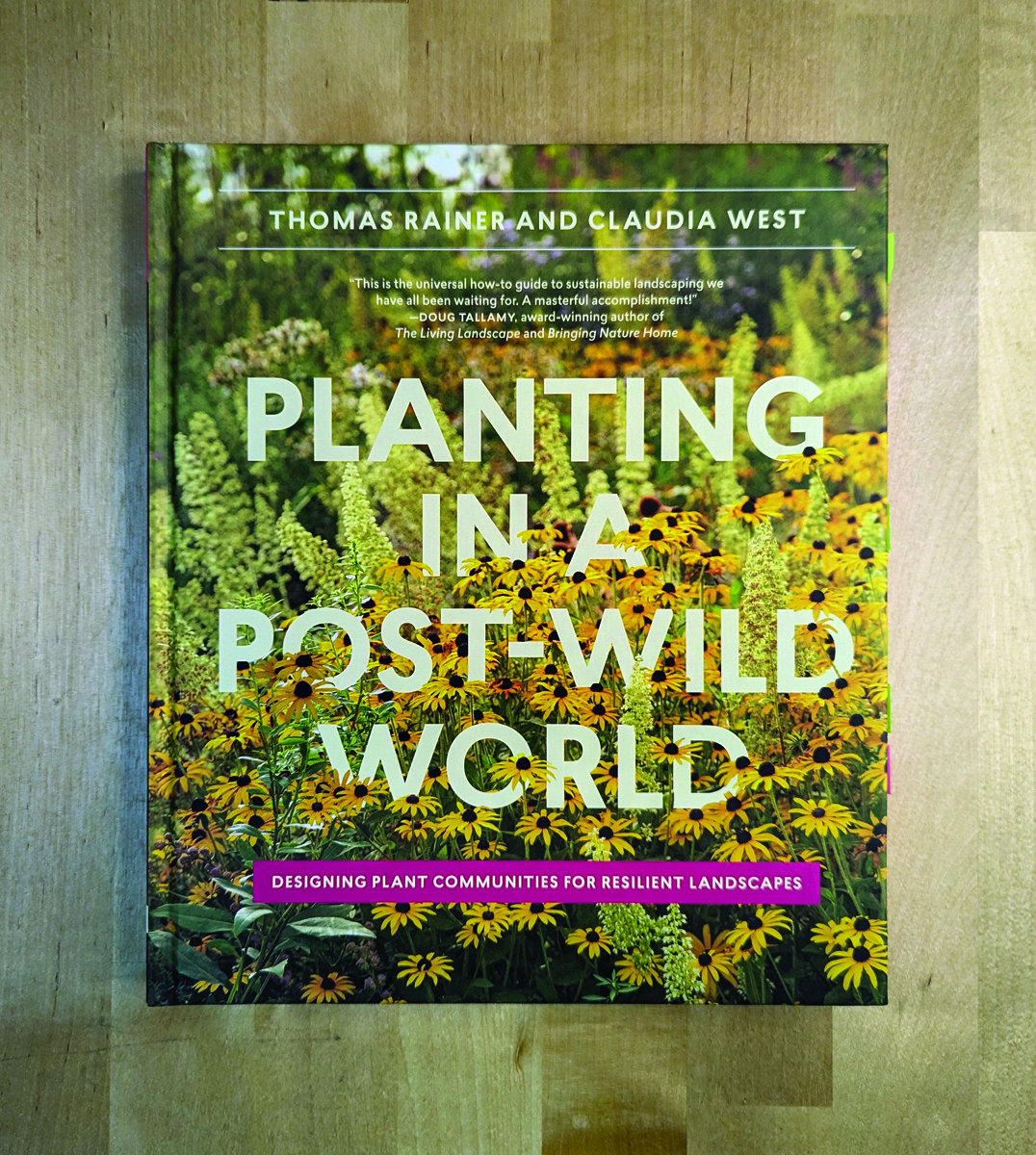
Planting in a Post-Wild World: Designing Plant Communities for Resilient Landscapes
Fine Gardening receives a commission for items purchased through links on this site, including Amazon Associates and other affiliate advertising programs.
Featuring gorgeous photography and advice for landscapers, Planting in a Post-Wild World by Thomas Rainer and Claudia West is dedicated to the idea of a new nature—a hybrid of both the wild and the cultivated—that can nourish in our cities and suburbs.