
Happy Friday, GPODers!
Today’s photos are another installment from my spring road trip through the Mountain West and Southwest, and show another highlight from my time spent in Denver, Colorado (check out my post on spring flowers I spotted in the city, if you missed it last week). After a couple of days regrouping from the long drive and exploring downtown, I made a beeline for Denver Botanic Garden—a botanical garden that has long been on my bucket list. I was most excited to see their small but very mighty Cactus and Succulent House (which will likely get its own installment in this series) and to see what other cold-hardy cacti I could spot around the gardens. Of course, as soon as I stepped foot onto the 24 acres of plant magic that make up Denver Botanic Garden, I found myself dazzled by far more than the cacti and succulents I adore collecting as houseplants. After exploring every nook and cranny possible in the roughly four hours I spent there, I walked away with tons of inspiration and many photos to share.
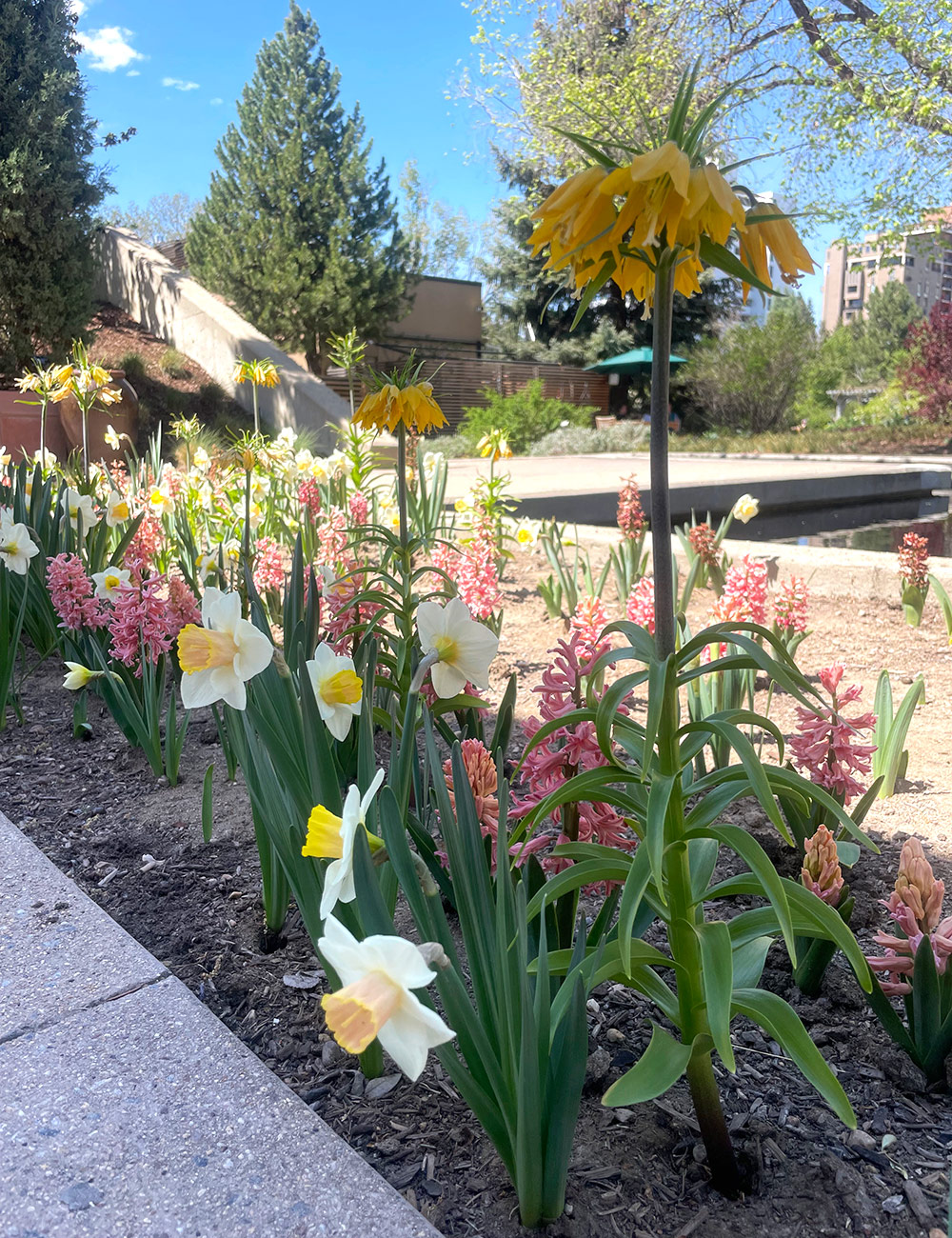 As was the case in downtown Denver, most of the spring bulbs on display were already spent and crispy. However, there were a few spots in the shade where blooms were still looking bright and fresh. I was particularly enamored by this combination of daffodils, hyacinths, and fritillaria.
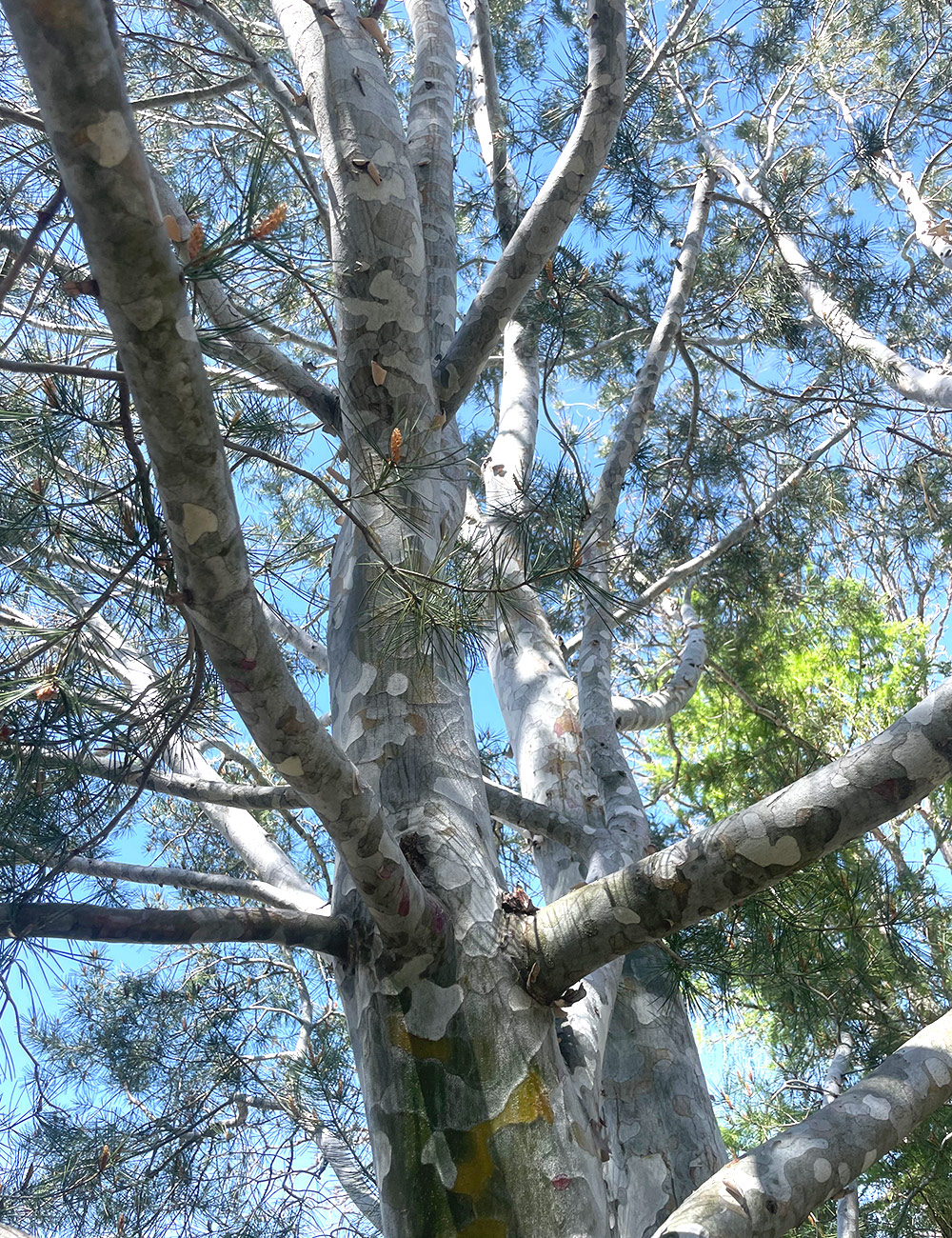 Where blooms were on short supply, woodies were putting on a fantastic display and captured my attention. As is appropriate for a botanical garden located just a stone’s throw from the foothills of the Rocky Mountains, there is an unbelievable collection of conifers. This lacebark pine (Pinus bungeana, Zones 4–8) in the Lilac Garden was an easy standout.
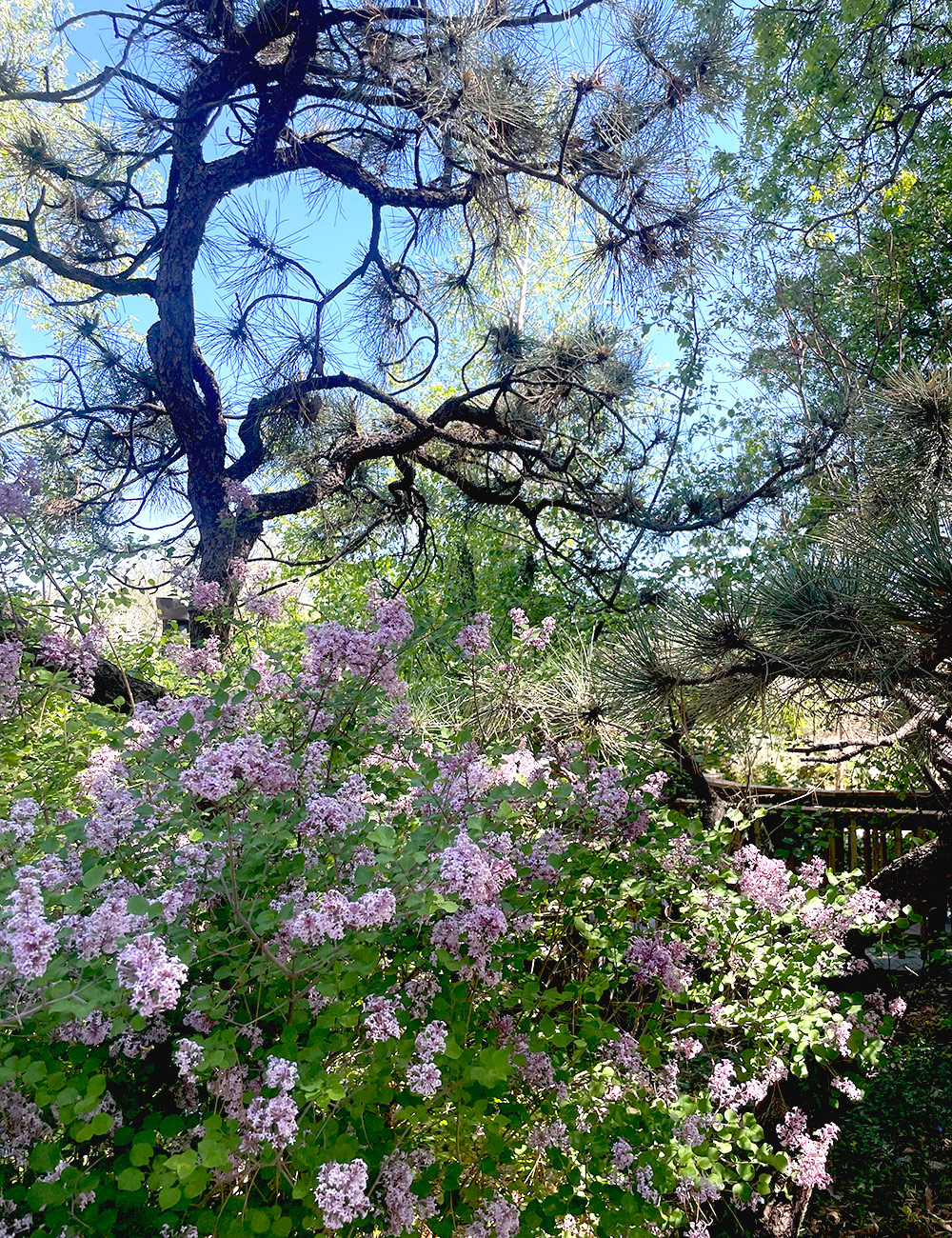 Trees in the Lilac Garden were eye-catching (check out the twisted pine in the background of this photo), but the color and fragrance stars were the lilacs in full bloom, like this dwarf Korean lilac (Syringa meyeri ‘Palibin’, Zones 3–7) putting on a marvelous display.
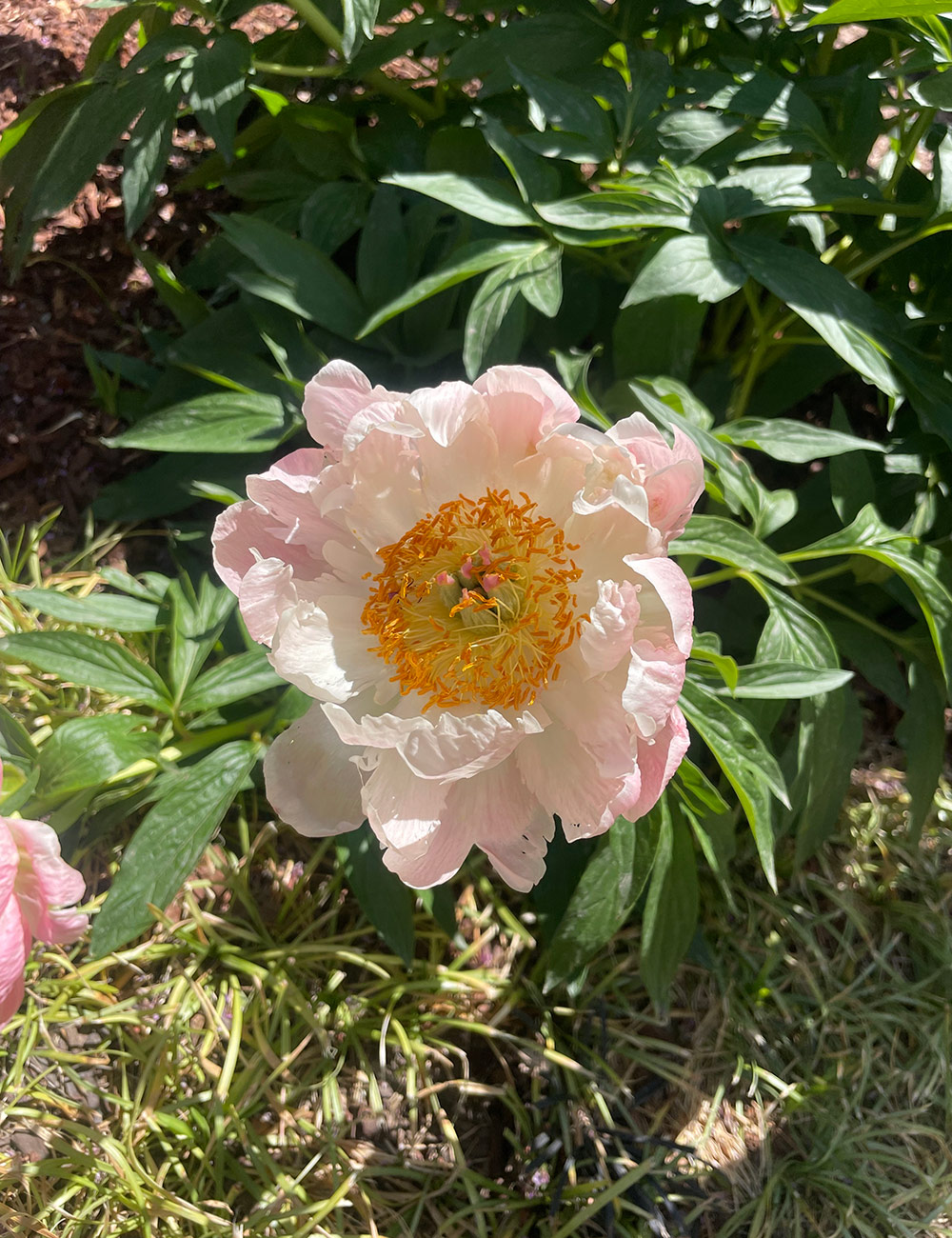 Peonies were also beginning to burst with blooms when I made my visit in mid-April. While not yet at their peak, there were several lovely specimens to enjoy.
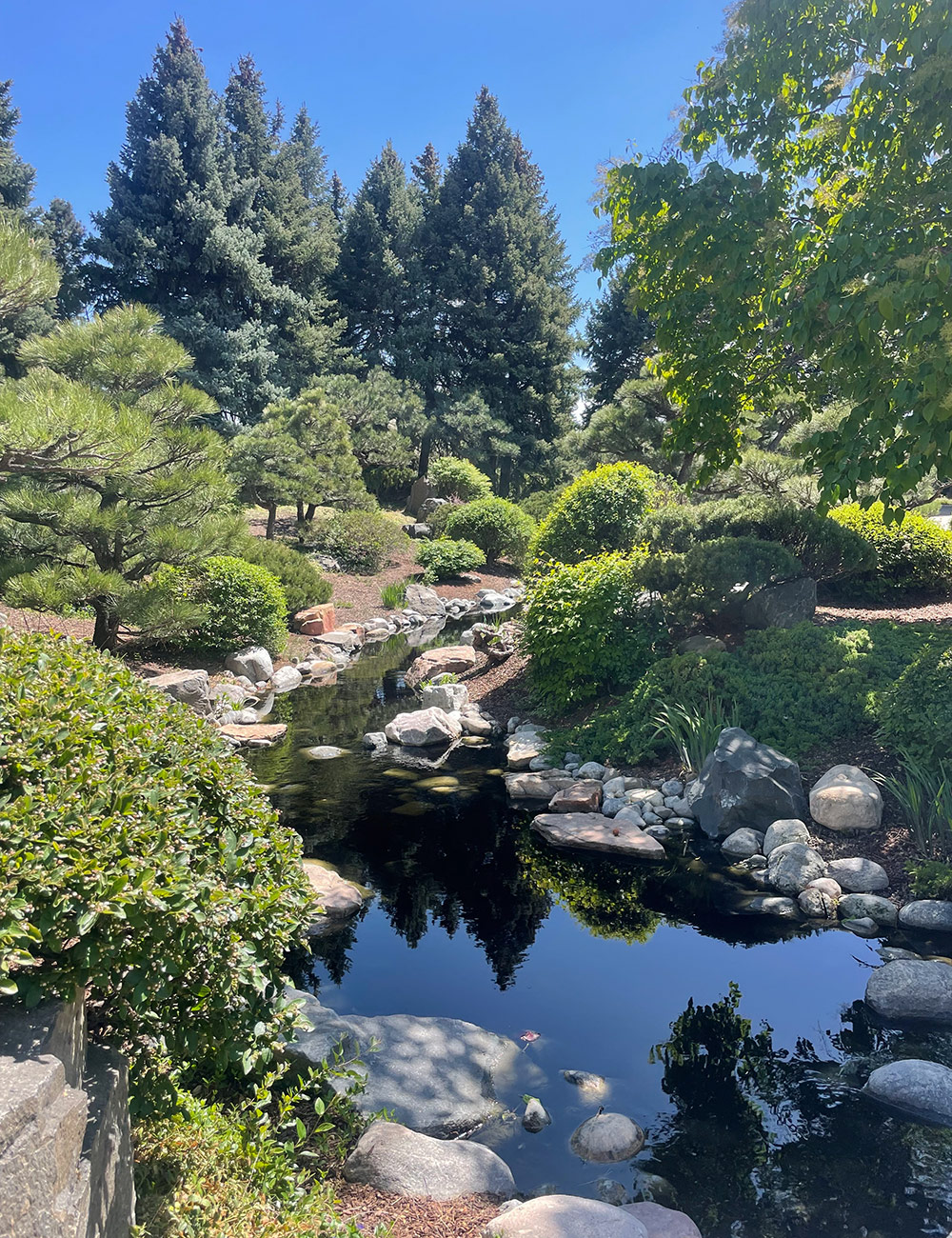 Many of the peonies were located in and around the Shofu-en Japanese Garden, which also featured some sensational water features. Shofu-en translates to “Garden of Pine and Wind,” so the conifer displays did not stop. I’m always amazed by the way garden designs from other climates and cultures can translate in different landscapes.
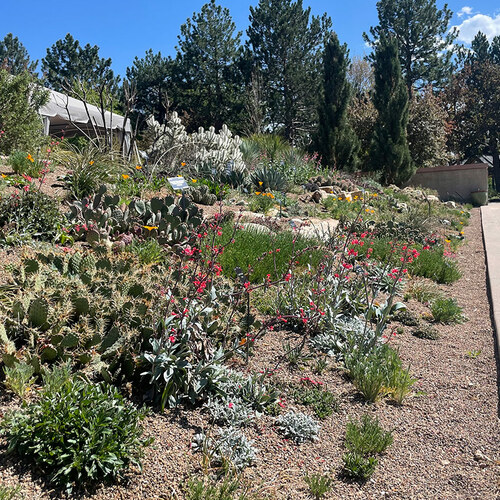
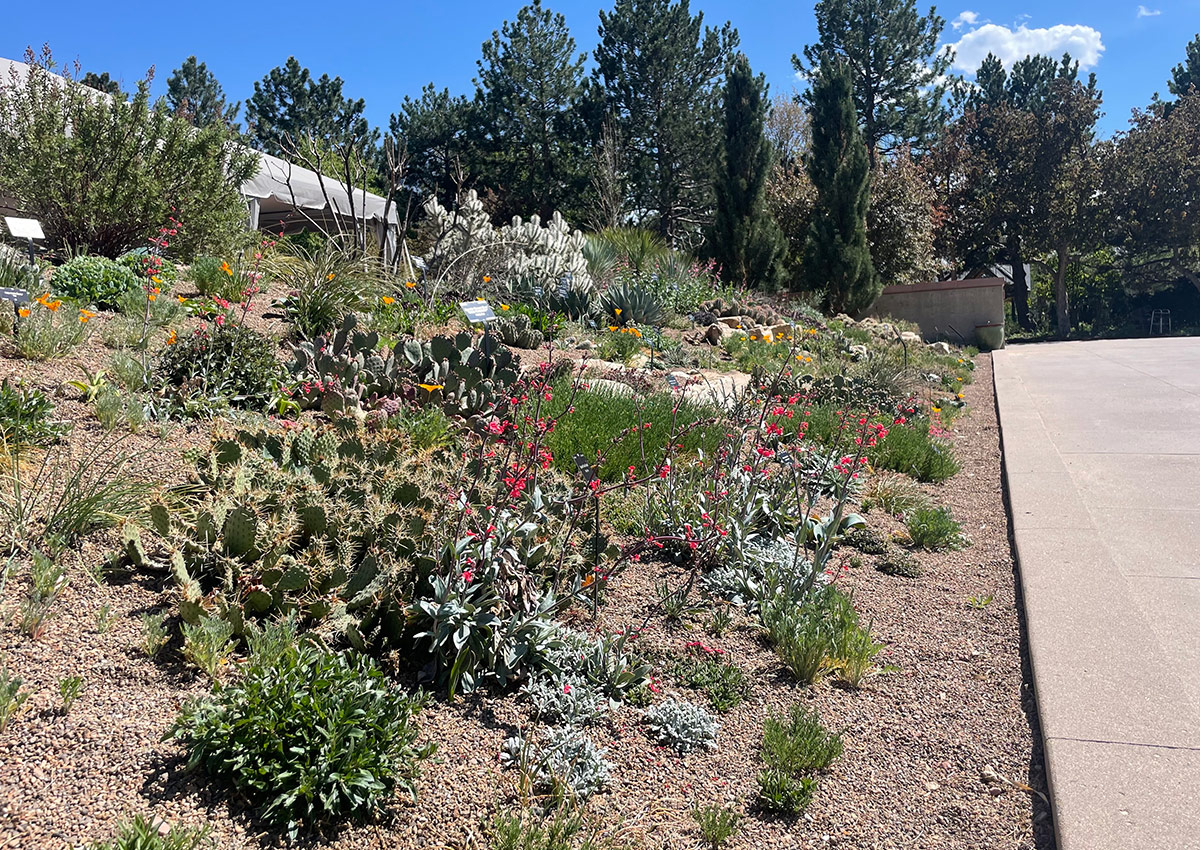 Moving on to one of their Gardens of the West, the Nexus Garden is on the smaller side but is full of attention-grabbing plants—especially if you’re a cacti and succulent lover. This sloped bed is full of cold-hardy, high-desert dwellers, including many Walk in Beauty™ prickly pears, which were bred by esteemed local grower and hybridizer Kelly Grummons.
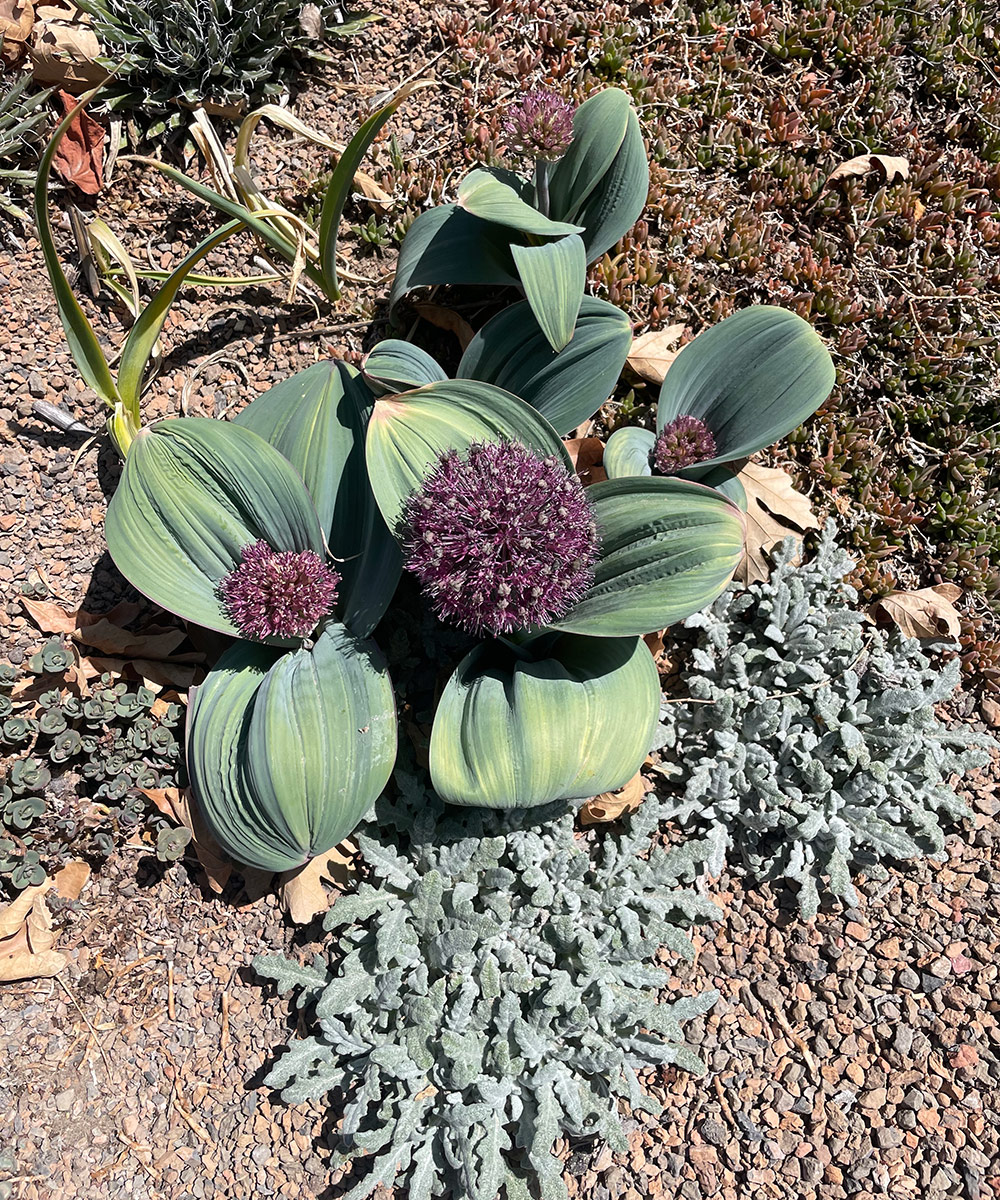 A diverse cast of drought-tolerant beauties were on display, including the bushy blooms of ‘Red Giant’ allium (Allium karataviense ‘Red Giant’, Zones 3–8) with some kind of spreading dusty miller that I can’t manage to identify.
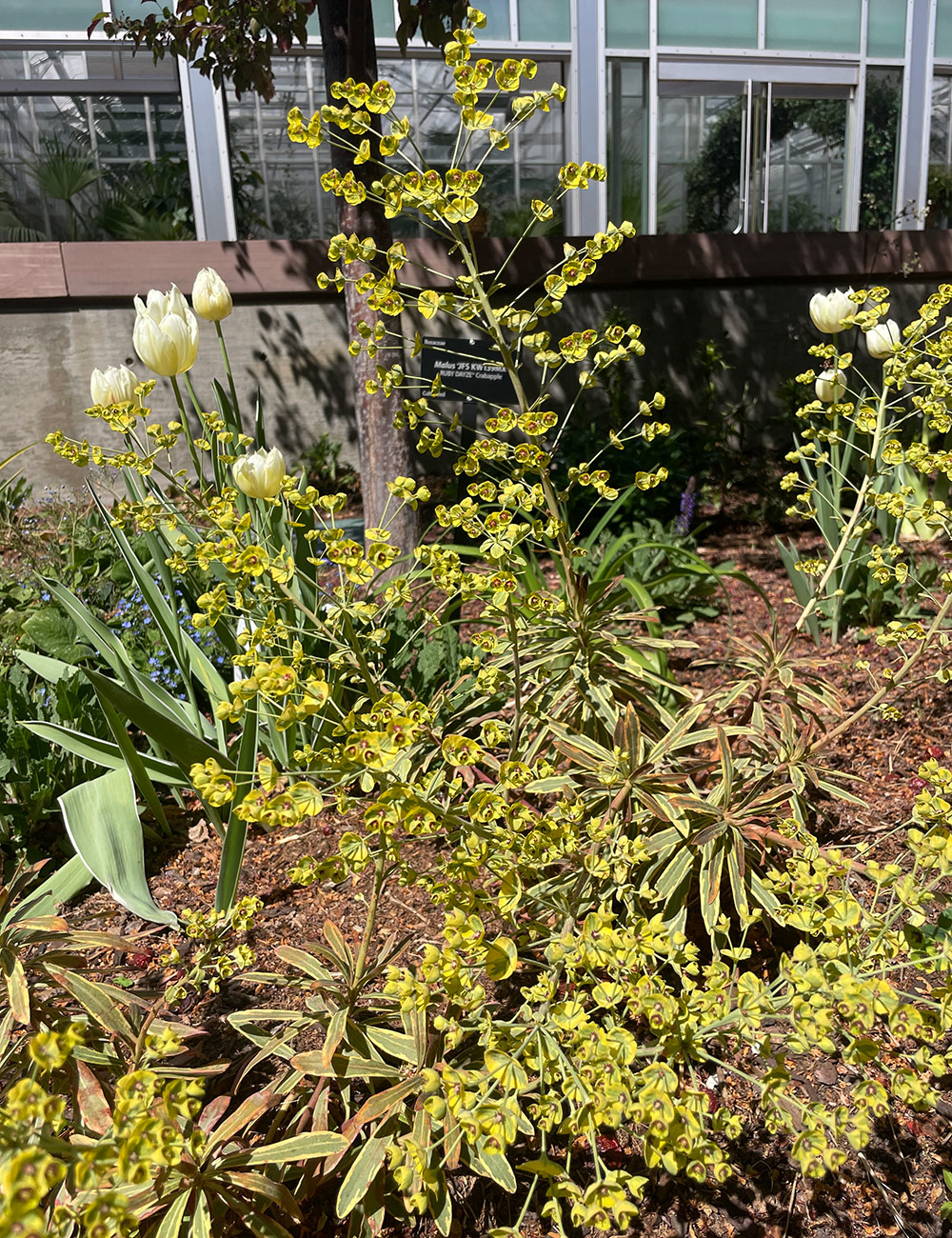 One genus of plants that I truly covet is Euphorbia. While I have a couple of euphorbia cacti in my houseplant collection, there are some species that exist just outside (or just within) my growing zone that taunt me with their inability to come back every year. ‘Ascot Rainbow’ spurge (Euphorbia × martinii ‘Ascot Rainbow’, Zones 6–9) is one of those varieties, with radiant foliage and charming little flowers. While it is technically hardy to my zone (6b), there is nowhere in my yard that is protected enough to get it to survive harsh winters and I never got such a spectacular display of blooms.
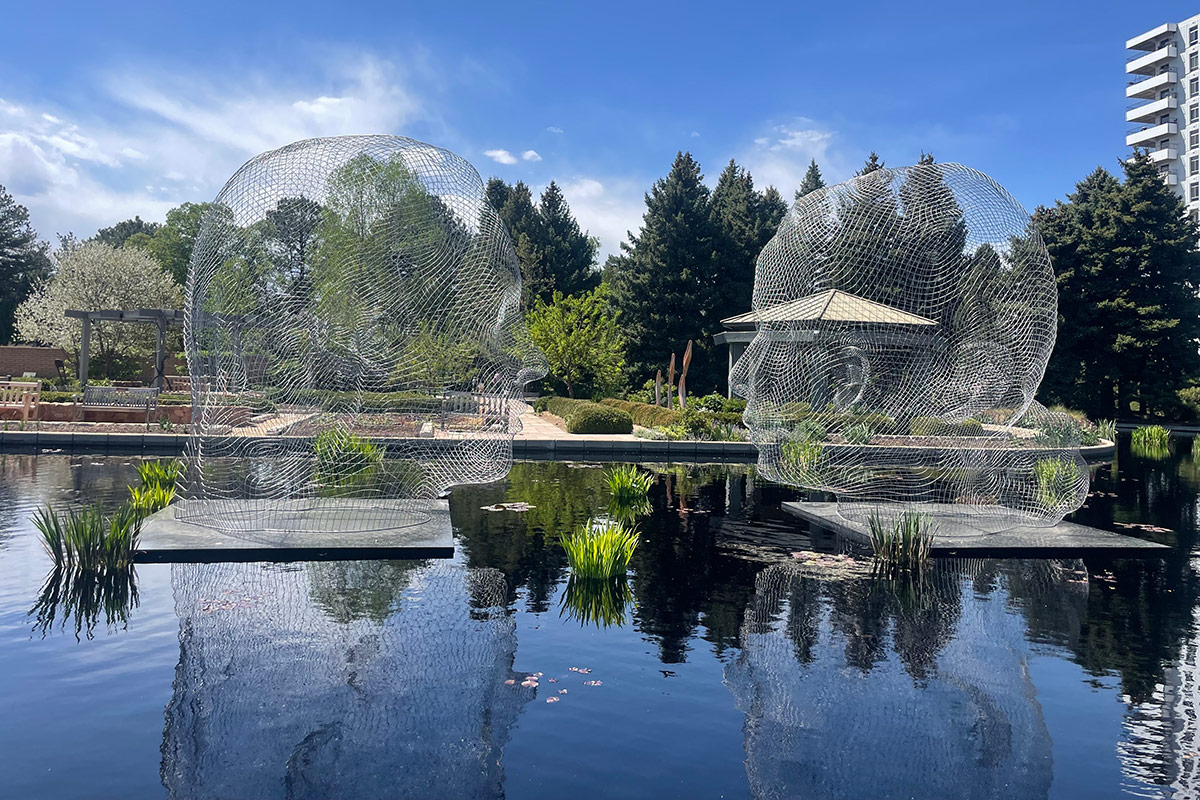 There was some incredible art on display, as is the case in most botanical gardens. The new 2026 sculpture collection was from the Spanish visual artist and sculptor, Jaume Plensa, and it is the first retrospective of the acclaimed artist’s work in the United States. Several of his sculptures can be seen throughout the gardens and within the Freyer – Newman Center galleries. The stars of the collection, undoubtedly, are “Julia” and “Lou,” massive steel wire busts that can be found in the Monet Pool.
I hope you enjoyed this mid-spring tour of Denver Botanic Garden! I took countless photos at this garden haven, so more pictures from this visit are bound to make their way onto the blog in the future.
Have you explored any public gardens this spring? From beautiful bulb displays to fabulous flowering trees and shrubs, we would love to see some of your favorite scenes from your visit. Follow the directions below to submit your photos to Garden Photo of the Day!
We want to see YOUR garden!
Have photos to share? We’d love to see your garden, a particular collection of plants you love, or a wonderful garden you had the chance to visit!
To submit, fill out the Garden Photo of the Day Submission Form.
You can also send 5–10 photos to [email protected] along with some information about the plants in the pictures and where you took the photos. We’d love to hear where you are located, how long you’ve been gardening, successes you are proud of, failures you learned from, hopes for the future, favorite plants, or funny stories from your garden.
Do you receive the GPOD by email yet? Sign up here
Fine Gardening Recommended Products
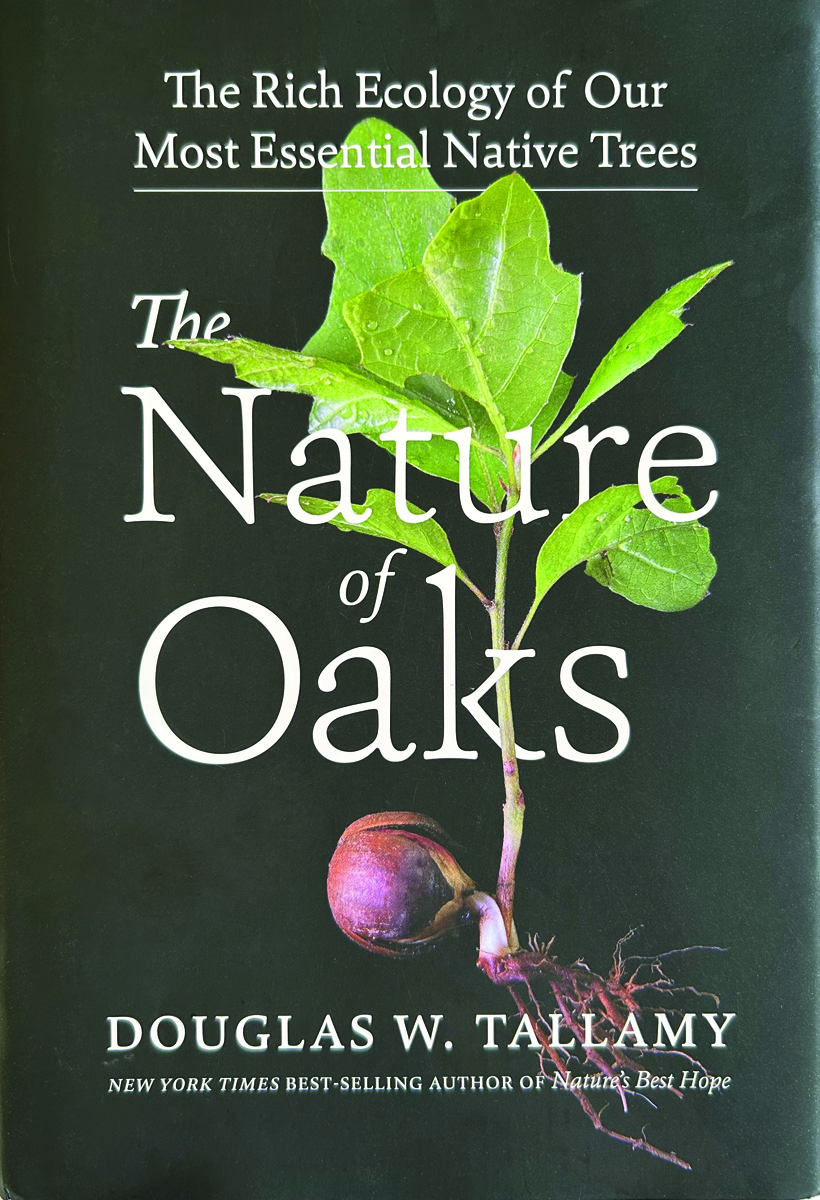
The Nature of Oaks: The Rich Ecology of Our Most Essential Native Trees
Fine Gardening receives a commission for items purchased through links on this site, including Amazon Associates and other affiliate advertising programs.
The Nature of Oaks reveals what is going on in oak trees month by month, highlighting the seasonal cycles of life, death, and renewal. From woodpeckers who collect and store hundreds of acorns for sustenance to the beauty of jewel caterpillars, Doug Tallamy illuminates and celebrates the wonders that occur right in our own backyards. He also shares practical advice about how to plant and care for an oak, along with information about the best oak species for your area.
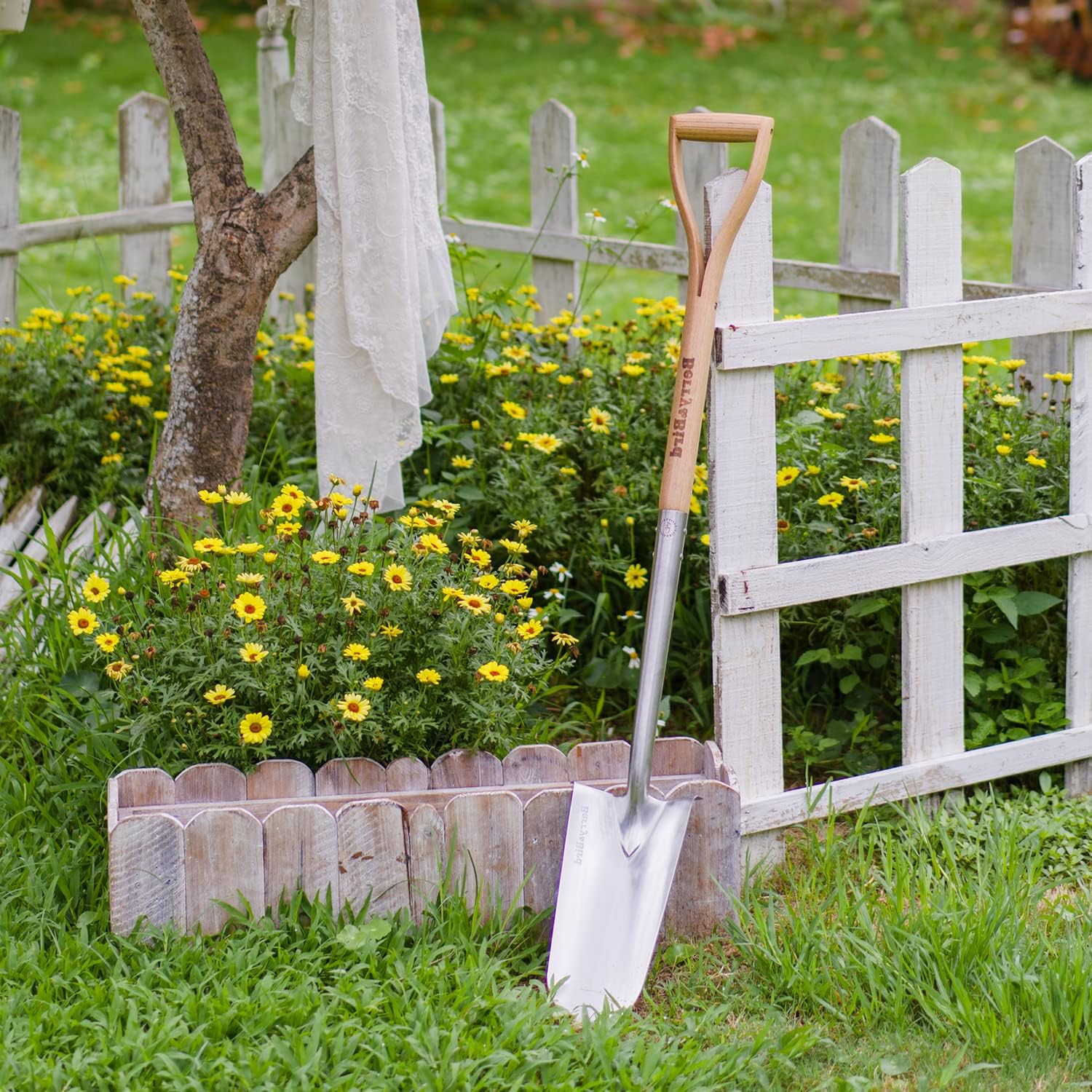
Berry & Bird Rabbiting Spade, Trenching Shovel
Fine Gardening receives a commission for items purchased through links on this site, including Amazon Associates and other affiliate advertising programs.
Ideal Tool for All Gardeners Use: Our heavy duty trenching shovel is designed by a professional gardening tool designer. Lifetime Durability: This heavy duty drain spade is made of high-quality stainless steel, it is very strong and durable, even if it is used for high-strength work, it will not bend. Ergonomic Wood Handle: The handle of this planting spade is made of ash hardwood harvested from FSC-certified forests and has an ergonomically streamlined design, making it very suitable for everyone’s hands. Multi-Use: This digging shovel is generally used for digging trenches, digging holes, transplanting, edging, moving compost, cutting thick turf and furrowing. The sharp blade allows you to cut, scoop, dig, lift and dice in hard soil.
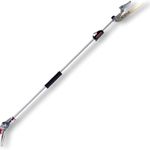
ARS Telescoping Long Reach Pruner
Fine Gardening receives a commission for items purchased through links on this site, including Amazon Associates and other affiliate advertising programs.
Telescopes from 4 to 7′. Cut and Hold (160) Blades. Drop forged blades for unsurpassed long lasting sharpness. Lightweight, 2.3 lbs., for continued use. Perfectly balanced for easy pruning.