
What Plants Should I Add to My Pacific Northwest Garden?
Regional reporter Fionuala Campion shares four of her favorite plants to grow in the Pacific Northwest. From the interesting color contrast of Sahara™ Tiny Treasure euphorbia to the ruffled yellow flowers of Pretticoats™ Peach geum, you’re sure to find a plant worth adding to your shopping list.
Read more: Plants That Take Sun and Shade for the Pacific Northwest
Sahara™ Tiny Treasure euphorbia
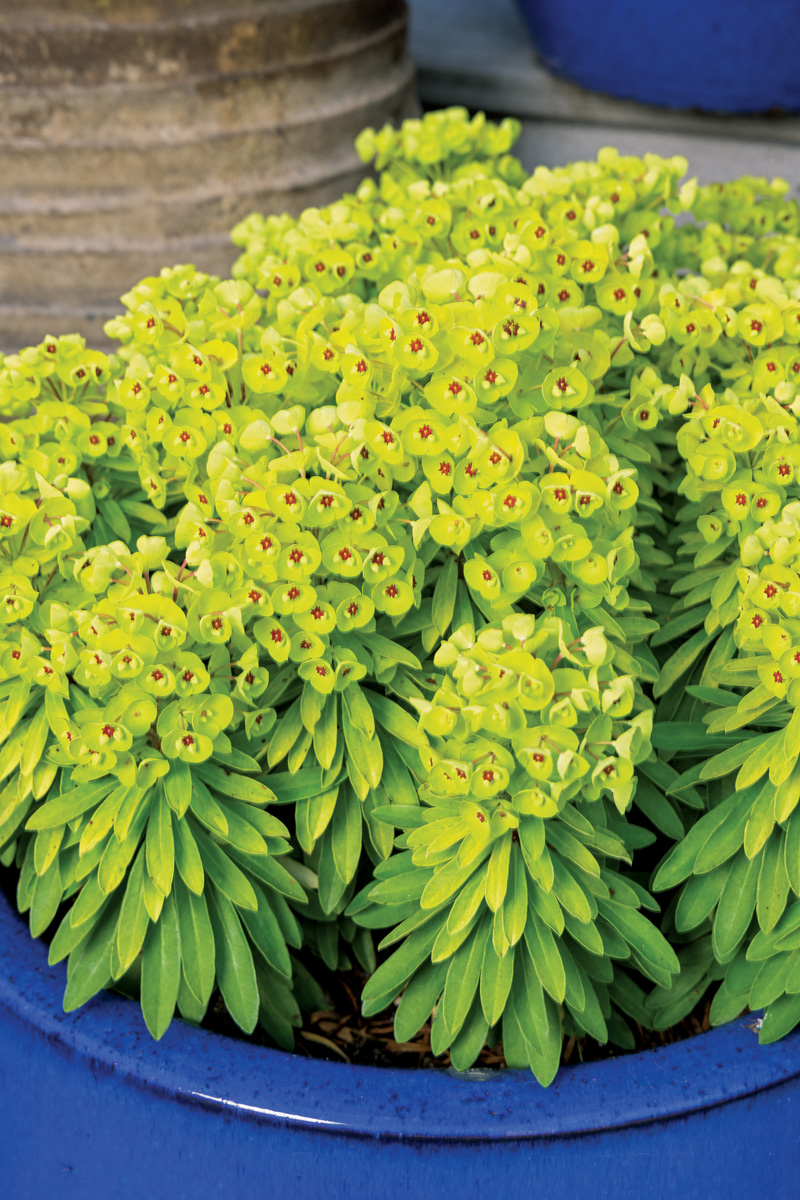
- Name: Euphorbia × martinii ‘Waleulitr’
- Zones: 5–11
- Size: 8 to 12 inches tall and wide
- Conditions: Full sun to partial shade; average, well-drained soil
- Native range: Southern France
This glowing little gem forms a fluffy, compact mound of golden-green foliage. The leaves are topped in late spring through summer by pollinator-attracting, bright chartreuse blooms, each centered with a tiny red eye. Fall adds an extra touch of interest, with a flush of bronze highlights appearing on the evergreen foliage. Gopher-, deer-, and bunny-proof just like all of its larger relatives, this must-have perennial is drought tolerant once established and can also endure sea winds and coastal conditions. It is best used to edge walkways, in the front of a mixed perennial border, or popped into a rock garden. It looks fabulous in containers, too.
Seaside Serenade® Glacier Bay hydrangea
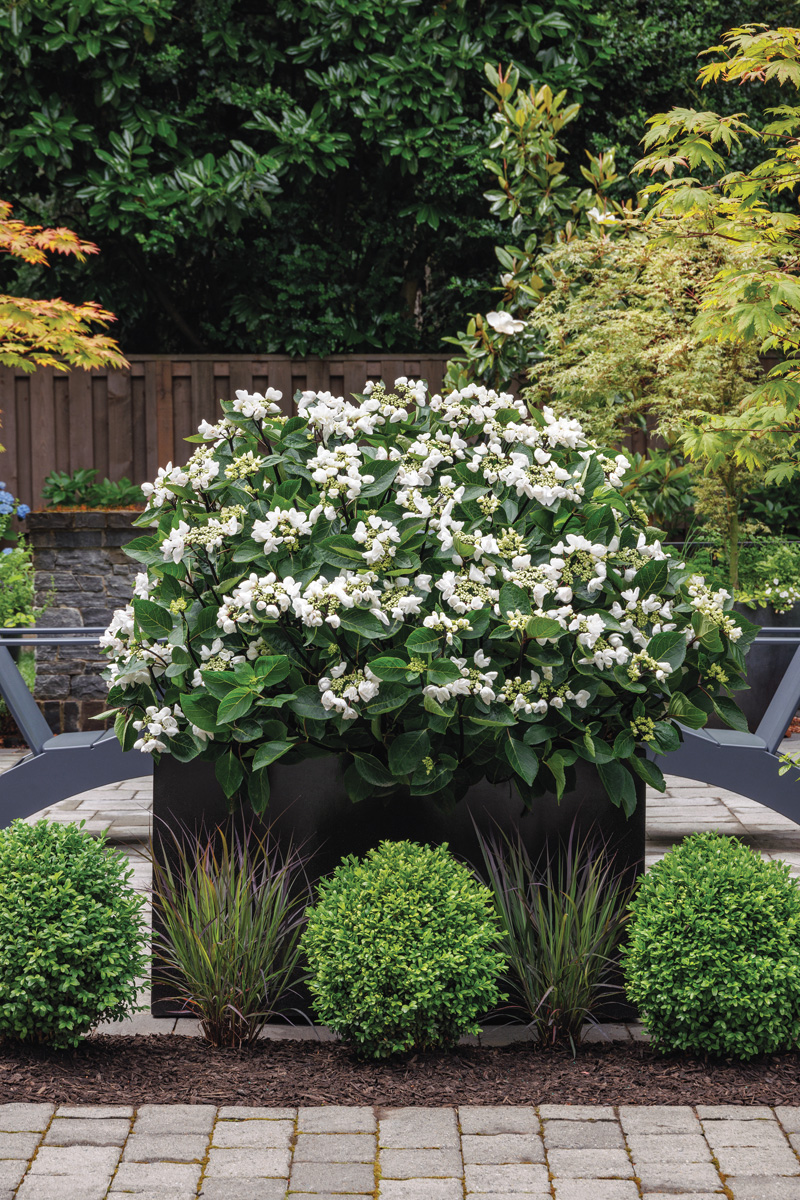
- Name: Hydrangea macrophylla ‘CAMCHO45’
- Zones: 4–9
- Size: 2 to 3 feet tall and wide
- Conditions: Partial shade; moist, well-drained soil
- Native range: East Asia
There’s so much to love about this fantastic hydrangea. Notable traits include its sturdy structure; the dramatic contrast between its abundant white lacecap blooms, deep green foliage, and almost black stems; and its long and repeating bloom period. You get all of this on a tidy, compact plant that provides the structure, interest, and flower power of a full-sized hydrangea. This beauty looks stunning massed in the landscape but just as lovely growing in a container or used as a focal point in the middle of a shaded border. The blooms also make wonderful cut flowers. Morning sun or dappled sun throughout the day keeps this deciduous shrub happy, but afternoon shade is vital in hotter areas.
‘Mariken’ ginkgo
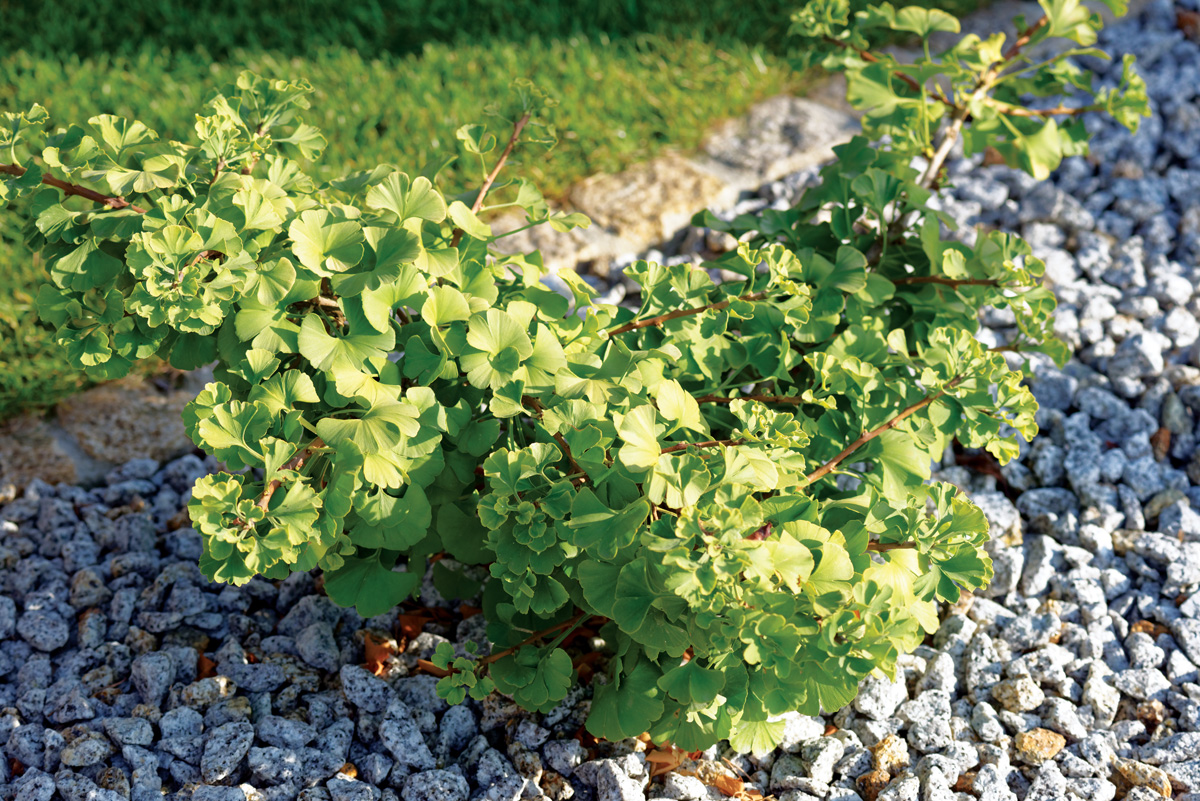
- Name: Ginkgo biloba ‘Mariken’
- Zones: 3–8
- Size: 2 to 3 feet tall and 2 to 8 feet wide
- Conditions: Full sun; moist, sandy, well-drained soil
- Native range: East Asia
Ginkgo is the oldest living tree species, existing for over 200 million years. It survived dinosaur extinction, was preserved by Chinese monks, and nowadays is adored and celebrated for its history, unique leaves, and brilliant fall foliage color. This dwarf selection of the much-adored straight species has the same fan-shaped foliage on a tinier plant. Despite its small stature, the sturdy, spreading branches provide structure and year-round interest. The bright green leaves emerge from fat buds in spring and mature to a leathery green before turning yellow, eventually blanketing the ground beneath the tree with gold. This plant is ideal for a Japanese garden and will also do well in a container.
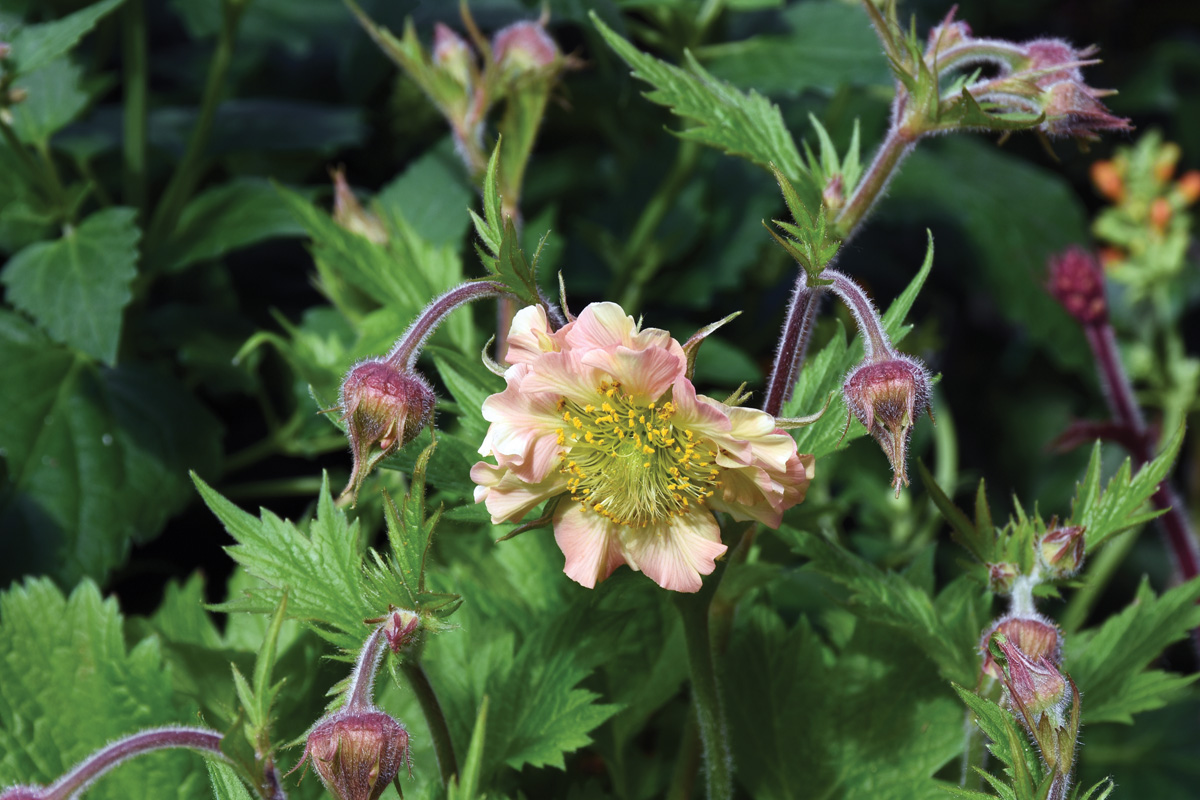
Pretticoats™ Peach geum
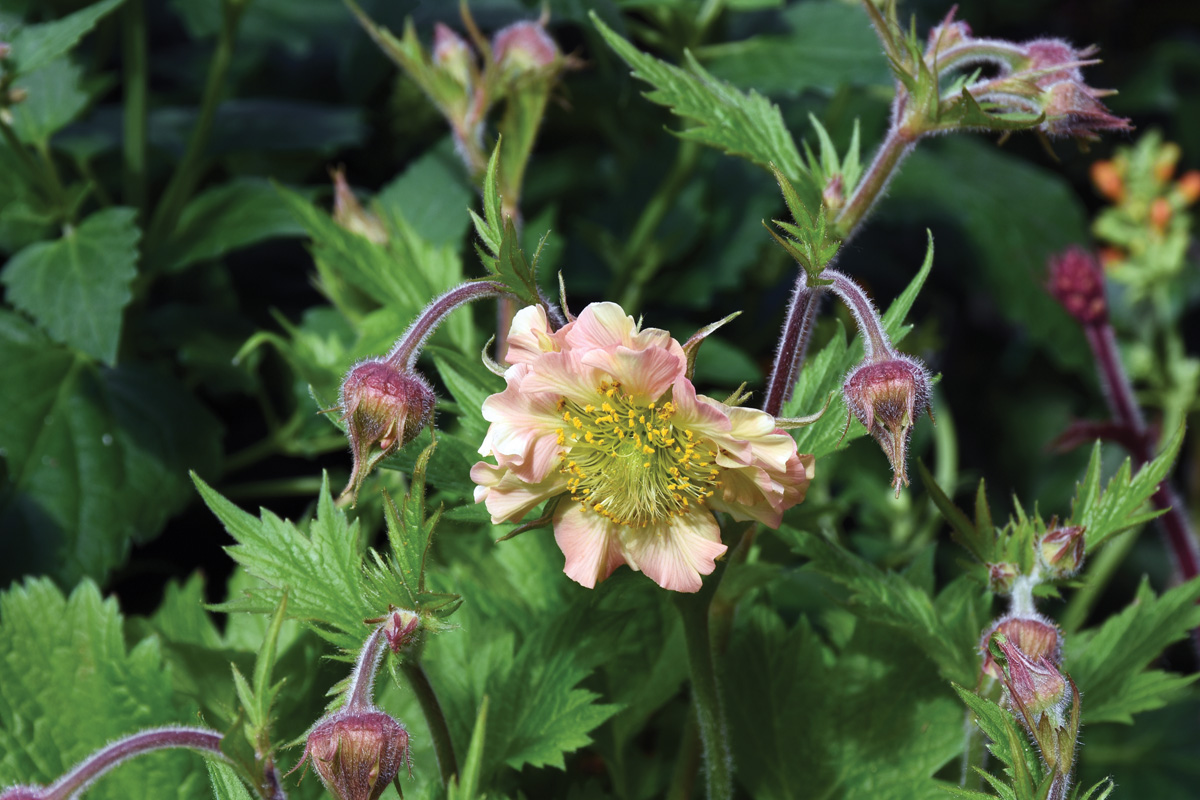
- Name: Geum ‘Tngeupp’
- Zones: 5–9
- Size: 10 to 12 inches tall and 18 to 22 inches wide
- Conditions: Full sun to partial shade; rich,
well-drained soil - Native range: Hybrid
Pretticoats™ Peach geum is a vigorous, compact plant that few seem to know about. This tidy, reblooming variety of a cottage garden classic starts with a low-growing basal rosette of textured foliage, which is then topped with a display of ruffled blooms in a peachy butter yellow. These flowers dance on wiry stems above the foliage from late spring through fall, with the heaviest blossoming in spring. A range of pollinators totally adore the flowers, yet the plant is avoided by deer, rabbits, and gophers. This perennial will be evergreen in warmer zones but may defoliate in colder regions. The blooms make perfect cut-flower additions for smaller bouquets. Pretticoats™ Peach geum is happiest in rich, well-drained soil in full sun locations but tolerates a little afternoon shade.
Regional expert: Fionuala Campion is the owner and manager of Cottage Gardens of Petaluma in Petaluma, California, and is a regional reporter at FineGardening.com.
See More:
Unique Plants to Fill the Native Niche in Your Garden
Watch Videos on Our YouTube Channel
Get All Access to Fine Gardening!
Fine Gardening Recommended Products
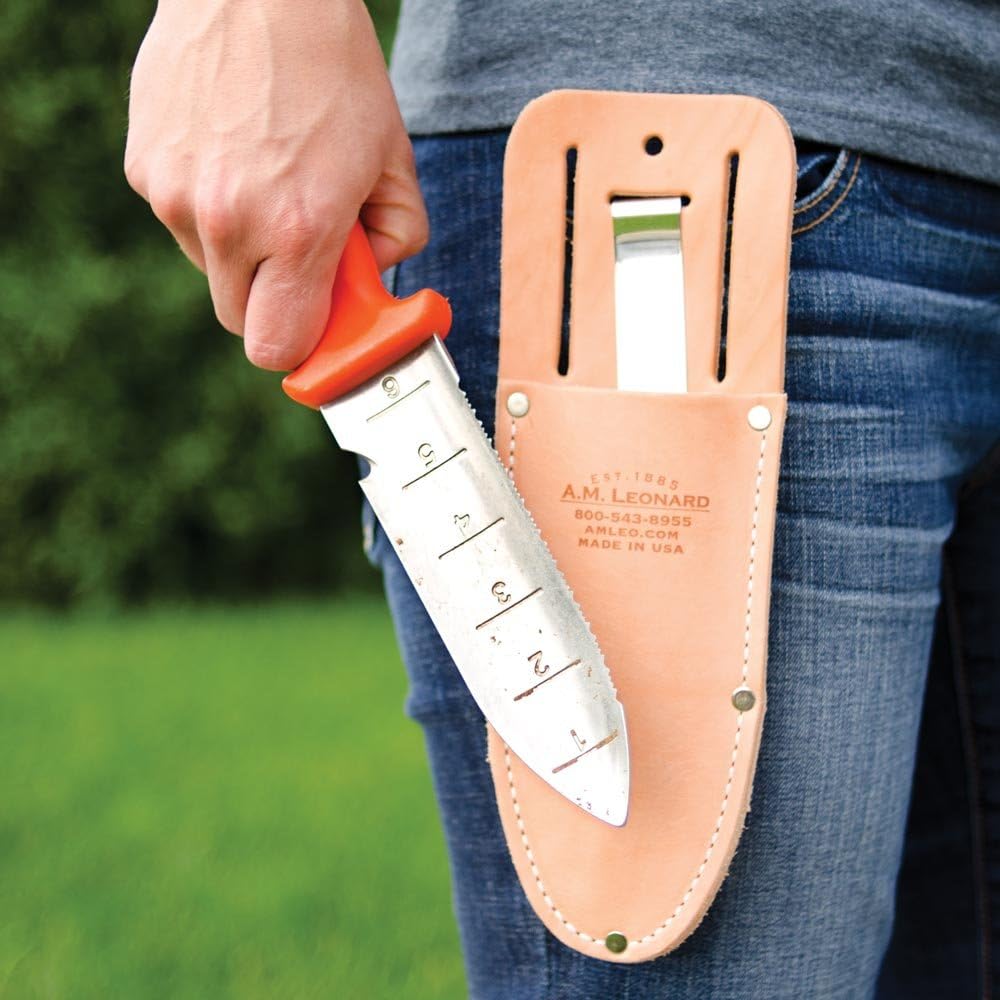
A.M. Leonard Deluxe Soil Knife & Leather Sheath Combo
Fine Gardening receives a commission for items purchased through links on this site, including Amazon Associates and other affiliate advertising programs.
MULTITASKING DUAL EDGES: a deep serrated edge and a tapered slicing edge ideal for tough or delicate cuts. DURABLE 6-inch stainless steel blade withstands 300 lbs of pressure. TWINE CUTTING NOTCH, DEPTH GAUGE MARKINGS & spear point – no need to switch tools when using this garden knife. LEATHER SHEATH: heavy duty, protective, clip on sheath to keep your knife convenient and secure. LIFETIME WARRANTY.