

What Plants Should I Add to My Midwest Garden?
Erin L. Schanen, also known as The Impatient Gardener, is a lifelong gardener in southeastern Wisconsin. Here, she shares four of her favorite plant picks for Midwest gardeners. From the brilliant orange leaves of Fire Belle™ American hornbeam to the shiny purple foliage of ‘Bumble Bee King’ bee balm, you’re sure to find a plant worth adding to your shopping list.
Read more: 4 Tried-and-True Trilliums for the Midwest
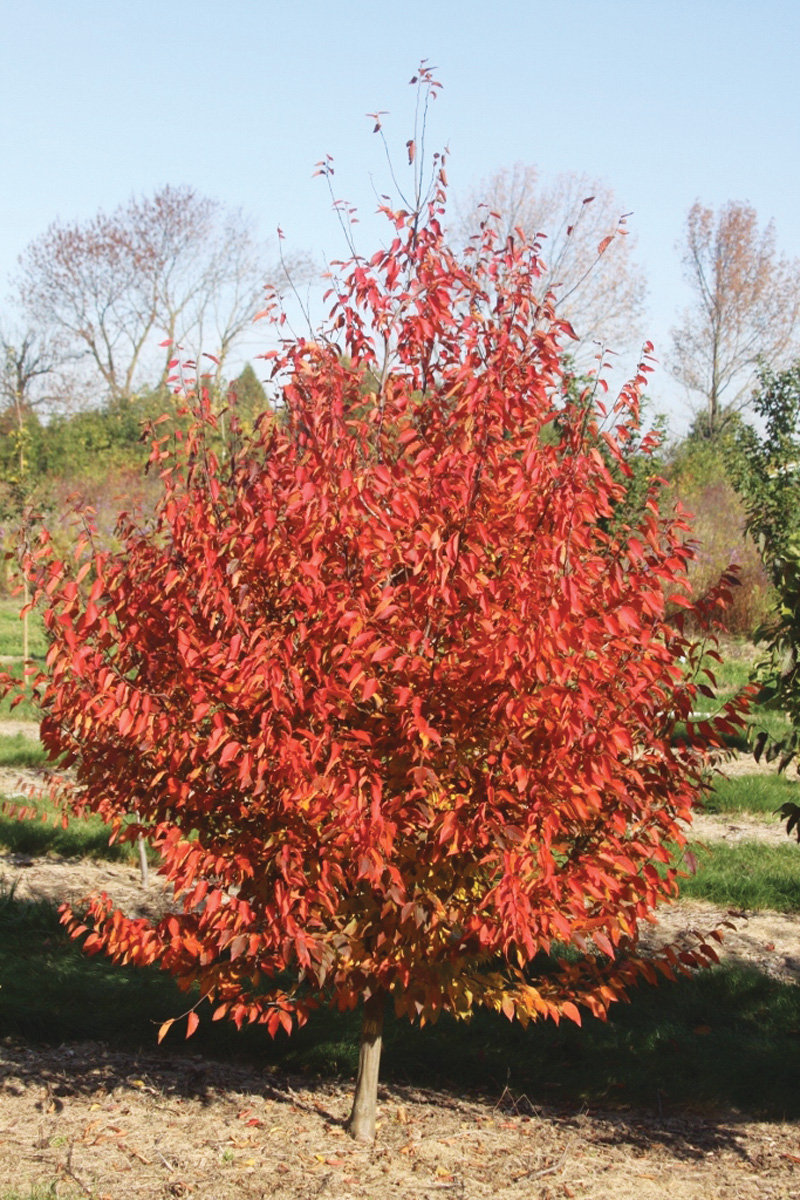
Fire Belle™ American hornbeam
- Name: Carpinus caroliniana ‘JN Select AA’
- Zones: 4–8
- Size: 13 feet tall and wide
- Conditions: Full sun to partial shade; moist, slightly acidic, well-drained soil
- Native range: Eastern North America
There’s no limit to the spots a gardener can tuck in a great small tree. While people often gravitate toward those with a spring flower show, the native American hornbeam is an adaptable, easy-to-grow option that will be the star of the fall garden. Fire Belle™ is one of several hornbeam selections that were chosen for their brilliant orange autumn leaves. It’s an excellent option for a wildlife-friendly space, serving as a larval host for butterflies and providing cover for birds with its dense branching structure. It is also generally not favored by deer and rarely suffers insect damage. But what sets Fire Belle™ apart is its easygoing nature. Its best performance will be in moist, well-drained, acidic soil in full sun, but it will also do very well in other situations.
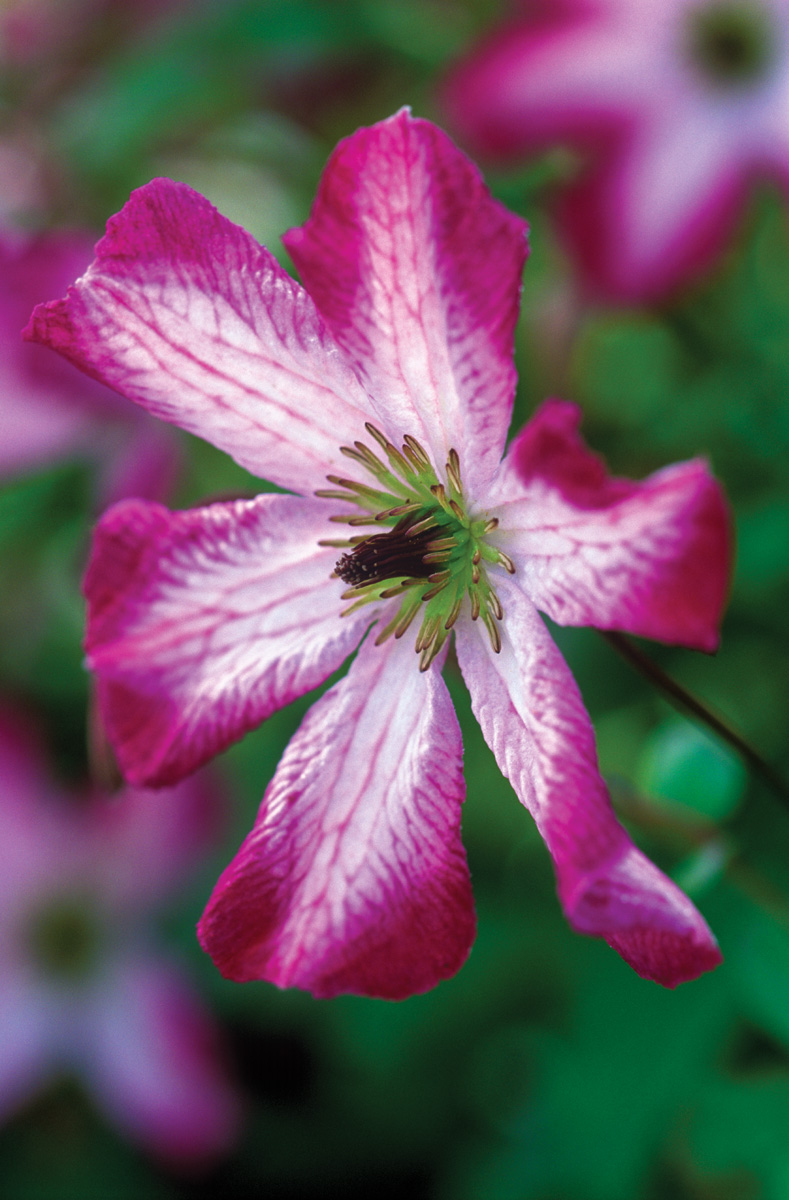
‘Minuet’ clematis
- Name: Clematis ‘Minuet’
- Zones: 4–9
- Size: 8 to 12 feet tall and 5 feet wide
- Conditions: Full sun to partial shade; fertile, moist, well-drained soil
- Native range: Hybrid
Every gardener should have a few clematis, but many struggle with clematis wilt or are confused by what seem like complicated pruning instructions. The answer to both of these problems is to grow small-flowering varieties that are far less susceptible to wilt and only need a no-brainer cutback to a few inches in spring. Those in the Viticella group have always done well in my garden, and ‘Minuet’ is particularly hardy, with lots of vigor. It’s a tall grower, perfect for a fence or arbor, but equally good scrambling through a large shrub. ‘Minuet’ blooms prolifically with 2- to 3-inch-wide white flowers with purply pink edges from midsummer to fall. Like other Viticella varieties, it appreciates a decent amount of room for its extensive root system to develop.
‘Pink Pearls’ bearded penstemon
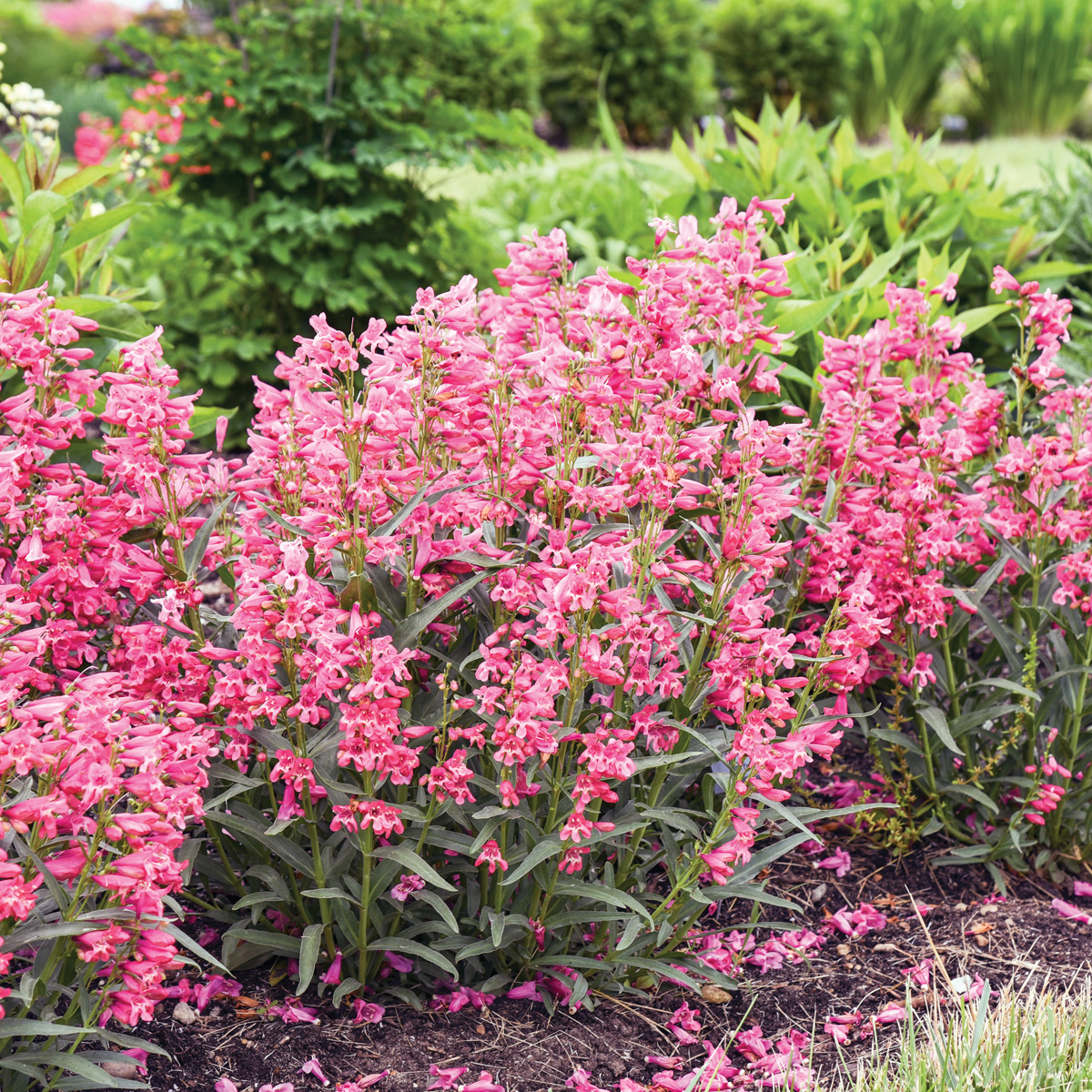
- Name: Penstemon barbatus ‘Pink Pearls’
- Zones: 4–8
- Size: 16 to 20 inches tall and 20 to 24 inches wide
- Conditions: Full sun; lean, well-drained soil
- Native range: Northern Mexico and Southwestern United States
If you don’t like pink flowers, then ‘Pink Pearls’ bearded penstemon is probably not for you. It is truly an eye-catcher and looks fantastic next to silver-foliage plants that cool down its intensity. When I first grew it as a trial plant, I forgot about it until I spotted its almost neon-pink blooms from across the garden. I instantly added it to my list of plants I need more of. This perennial is a small to medium size for a penstemon and appreciates a sunny spot with good drainage, which is a testament to its southwestern roots. The reward is a stunning show of long-lasting tubular flowers that will be as attractive to hummingbirds as they are to people.
‘Bumble Bee King’ bee balm
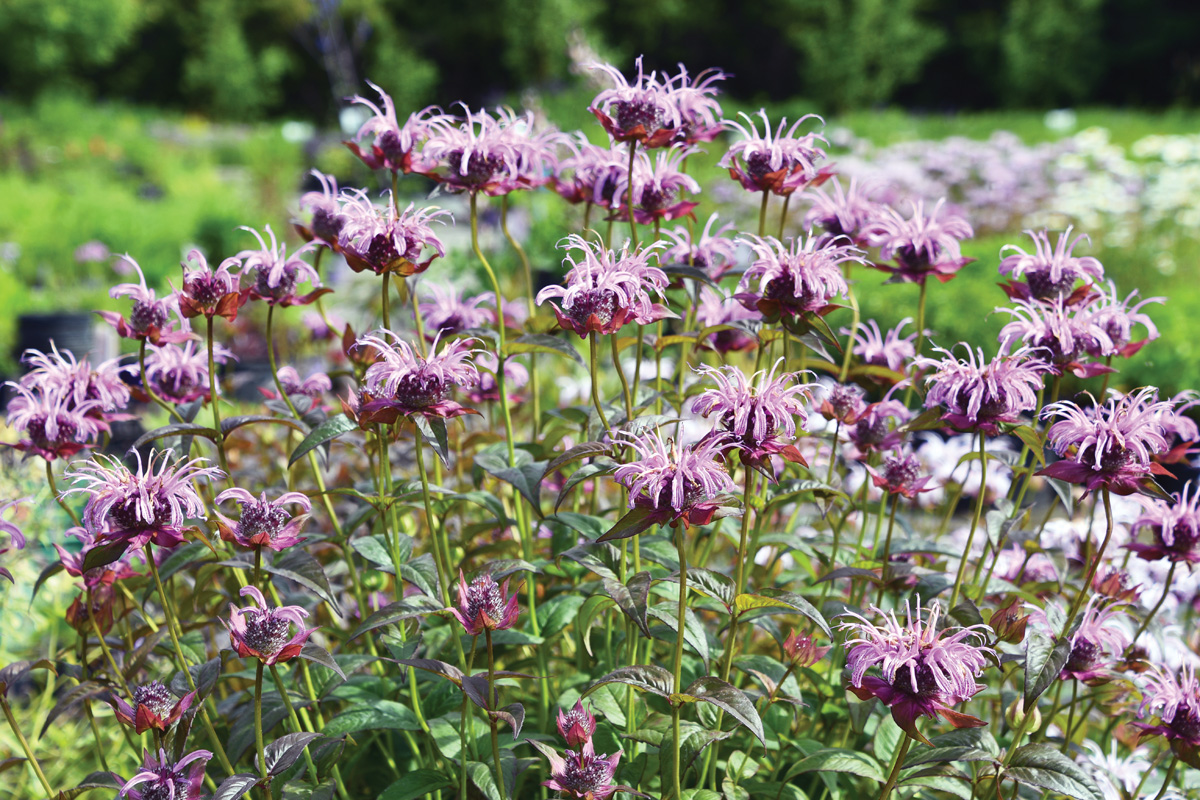
- Name: Monarda ‘Bumble Bee King’
- Zones: 4–8
- Size: 2 feet tall and wide
- Conditions: Full sun to partial shade; moist, well-drained soil
- Native range: Hybrid of species native to central and Southeastern United States
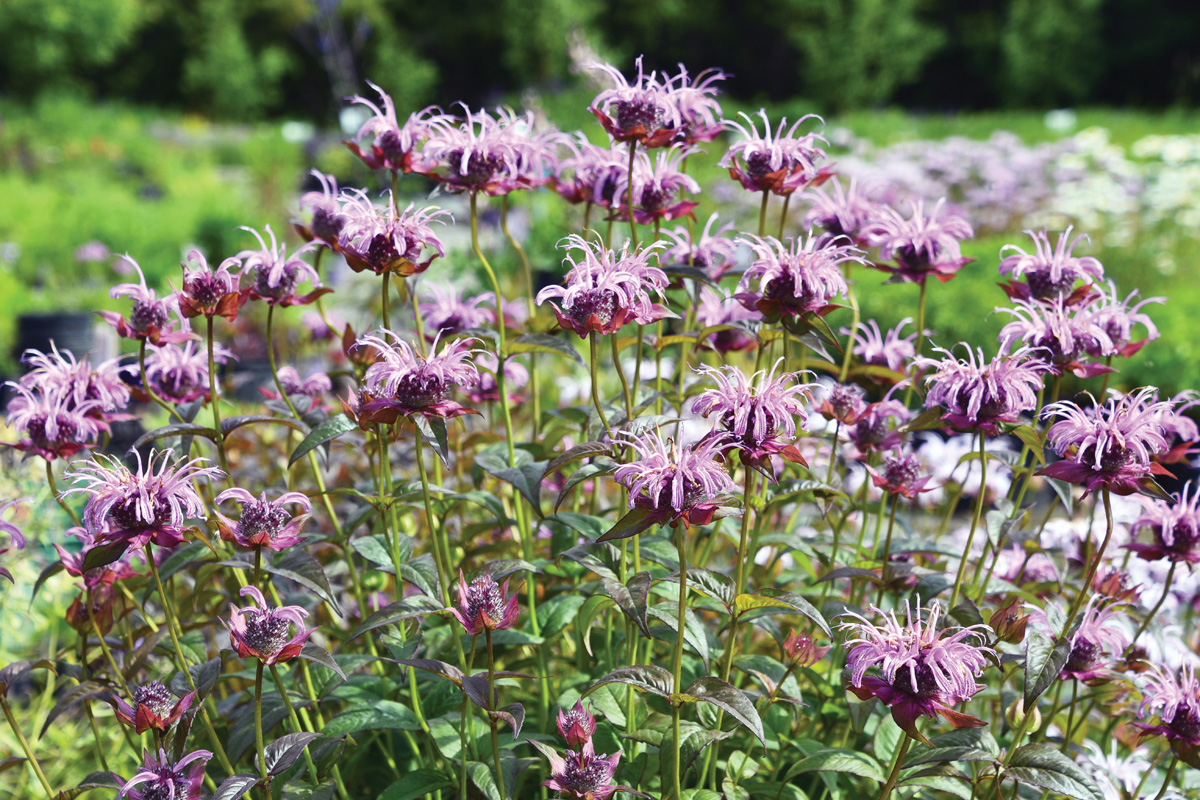
Bee balm is a lovely perennial prone to a lot of challenges, so when one comes along that seems to beat all of them and offer a little something extra, I want it in my garden. ‘Bumble Bee King’ has the clumping, not running, habit of its parent, eastern bee balm (M. bradburiana, Zones 5–8). It is also mildew and disease resistant.
It has lavender flowers that appear in June in my garden in Wisconsin, when hungry bumblebees are seeking a meal. All of that makes it worth growing, but what elevates this introduction to must-grow status is the interest it brings even when not in flower. The foliage emerges a beautiful, shiny deep purple. When the flowers fade, delightful ball-shaped seed heads persist.
Regional expert: Erin L. Schanen is a lifelong gardener who chronicles her journey through The Impatient Gardener blog and YouTube channel. She lives and gardens in southeastern Wisconsin.
See More:
Watch Our Garden Tour with Erin on Our YouTube Channel
Native Shrub Alternatives to Overused Plants in the Midwest
Get All Access to Fine Gardening!
Fine Gardening Recommended Products
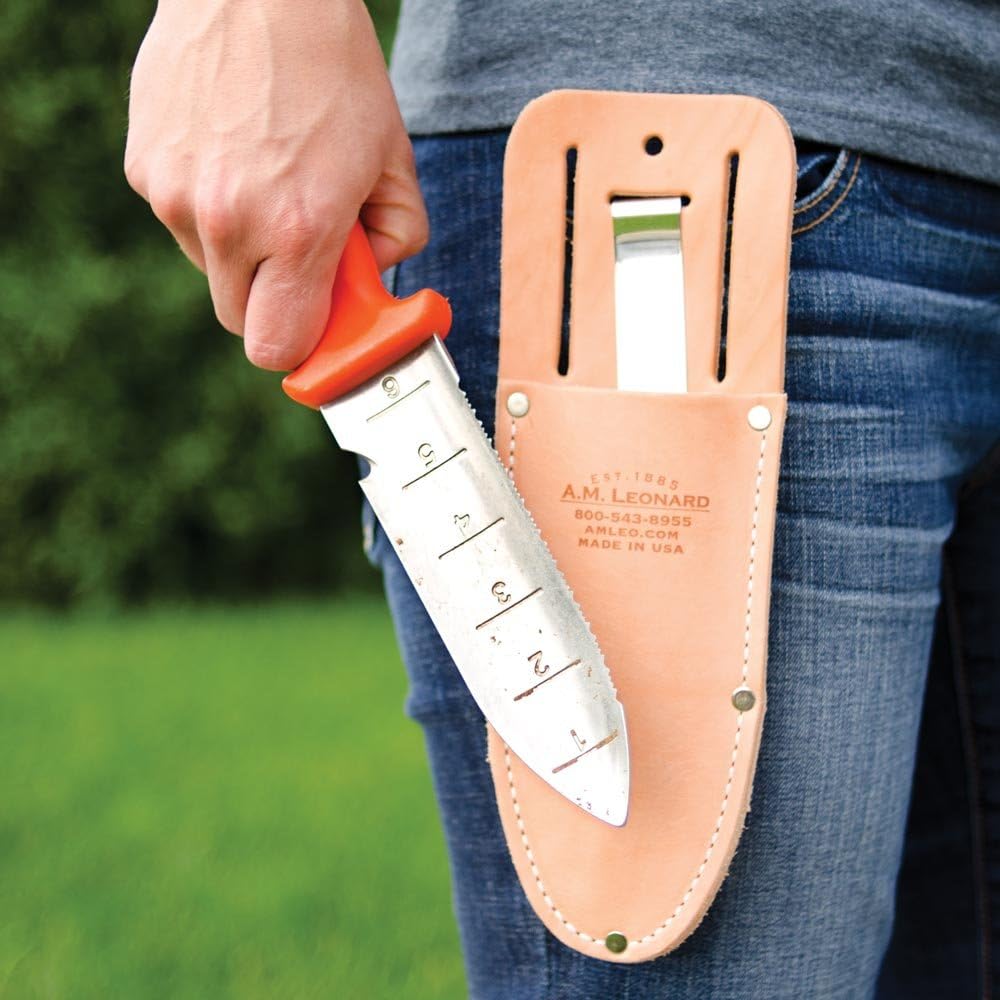
A.M. Leonard Deluxe Soil Knife & Leather Sheath Combo
Fine Gardening receives a commission for items purchased through links on this site, including Amazon Associates and other affiliate advertising programs.
MULTITASKING DUAL EDGES: a deep serrated edge and a tapered slicing edge ideal for tough or delicate cuts. DURABLE 6-inch stainless steel blade withstands 300 lbs of pressure. TWINE CUTTING NOTCH, DEPTH GAUGE MARKINGS & spear point – no need to switch tools when using this garden knife. LEATHER SHEATH: heavy duty, protective, clip on sheath to keep your knife convenient and secure. LIFETIME WARRANTY.