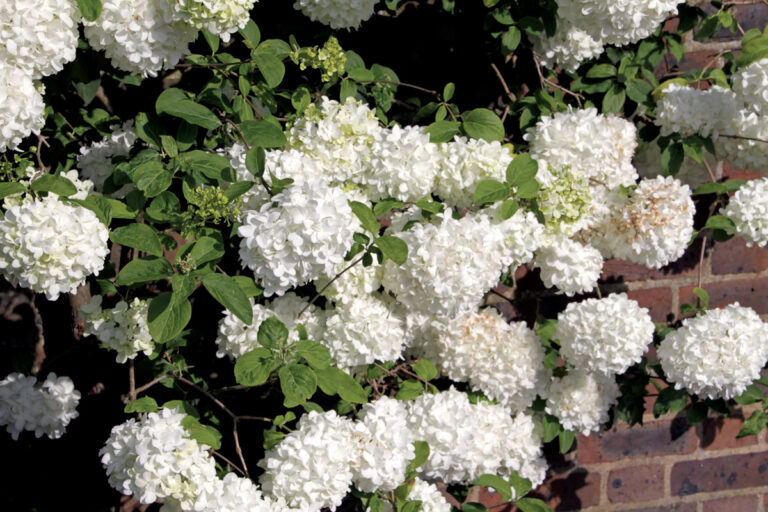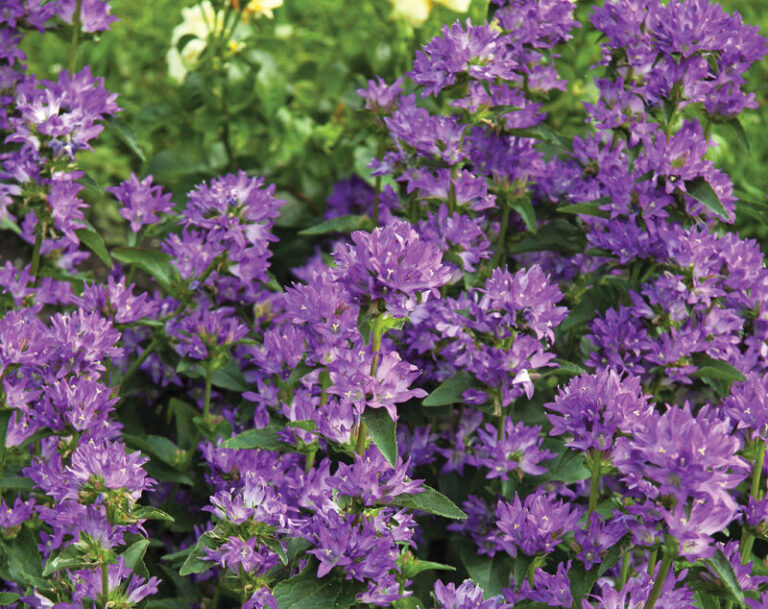

What Plants Are Worth Adding to a Mid-Atlantic Garden?
David Mattern, a horticulturist at Chanticleer Garden, shares four of his top plant picks to grow in the Mid-Atlantic. From the cheerful pink blooms of ‘Cornell Pink’ Korean rhododendron to the hardy, deer-resistant autumn crocus, you’re sure to find a plant worth adding to your shopping list.
Read more: Expert Spring Garden Layout for the Mid-Atlantic
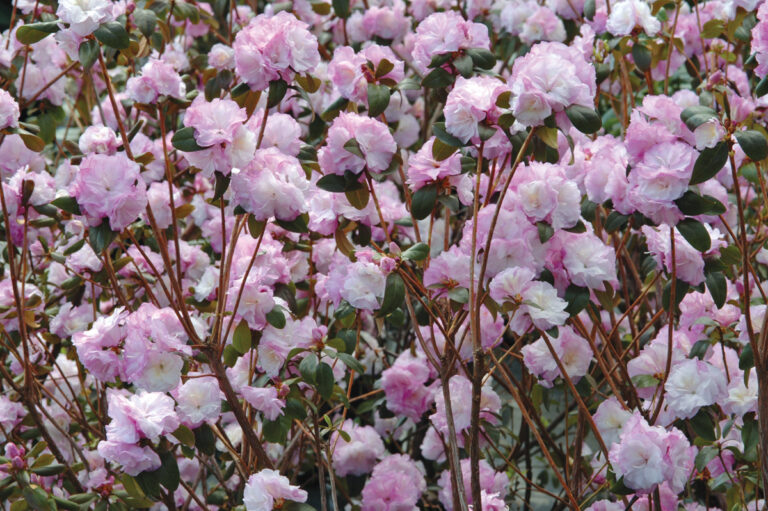
‘Cornell Pink’ Korean rhododendron
- Name: Rhododendron mucronulatum ‘Cornell Pink’
- Zones: 4–7
- Size: 4 to 8 feet tall and wide
- Conditions: Partial to full shade; acidic, rich, well-drained soil
- Native range: Japan, Korea, and northern China
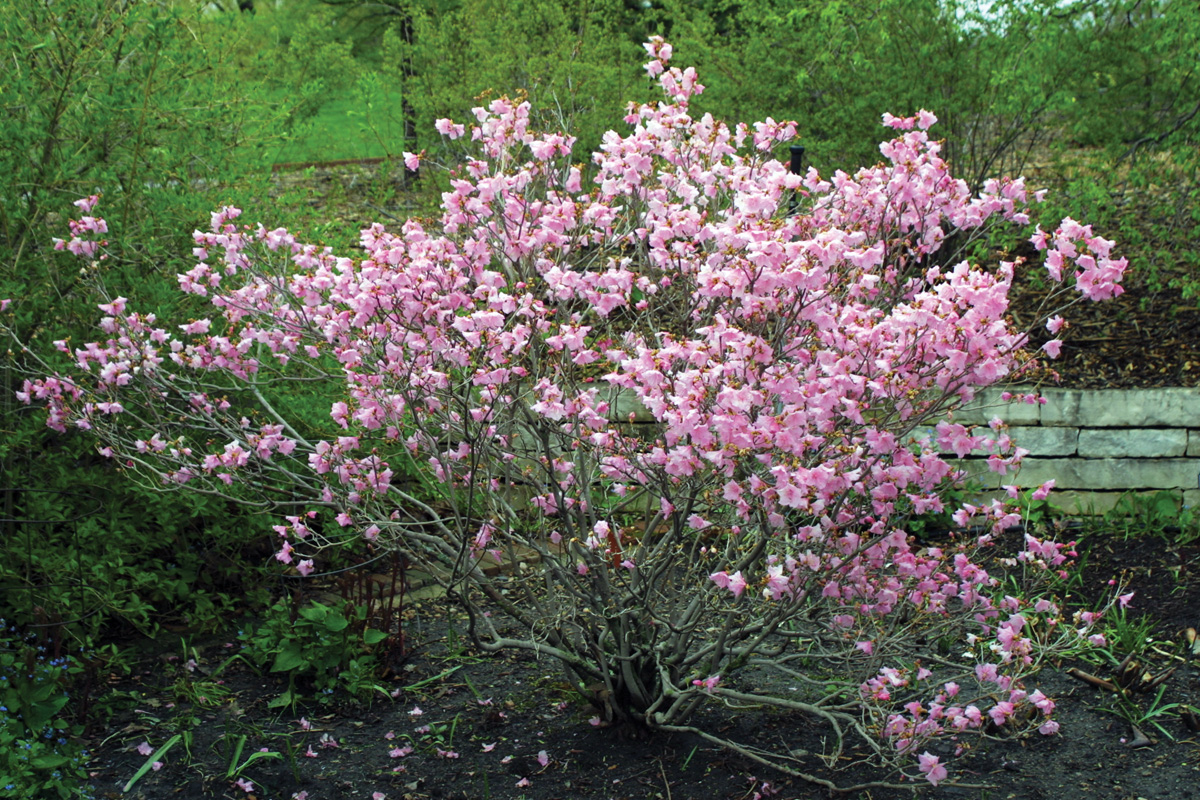
‘Cornell Pink’ Korean rhododendron will help you escape the doldrums of winter, blooming early when you need some spring cheer. This deciduous shrub flowers before new foliage emerges. Its vibrant pink blooms with hot pink freckles on the interior seem to float above the naked stems, lending the plant a glow on overcast spring days. The elegant form of this multi-stem shrub has bundles of stems held close at the base and slightly irregular branches reaching outward at the top like a bunch of balloons. Its unique habit and stippled green foliage give it presence throughout the rest of the season. Grow it in humusy soil that is moisture retentive but well-draining.
‘Dark Shadows’ Golden ragwort
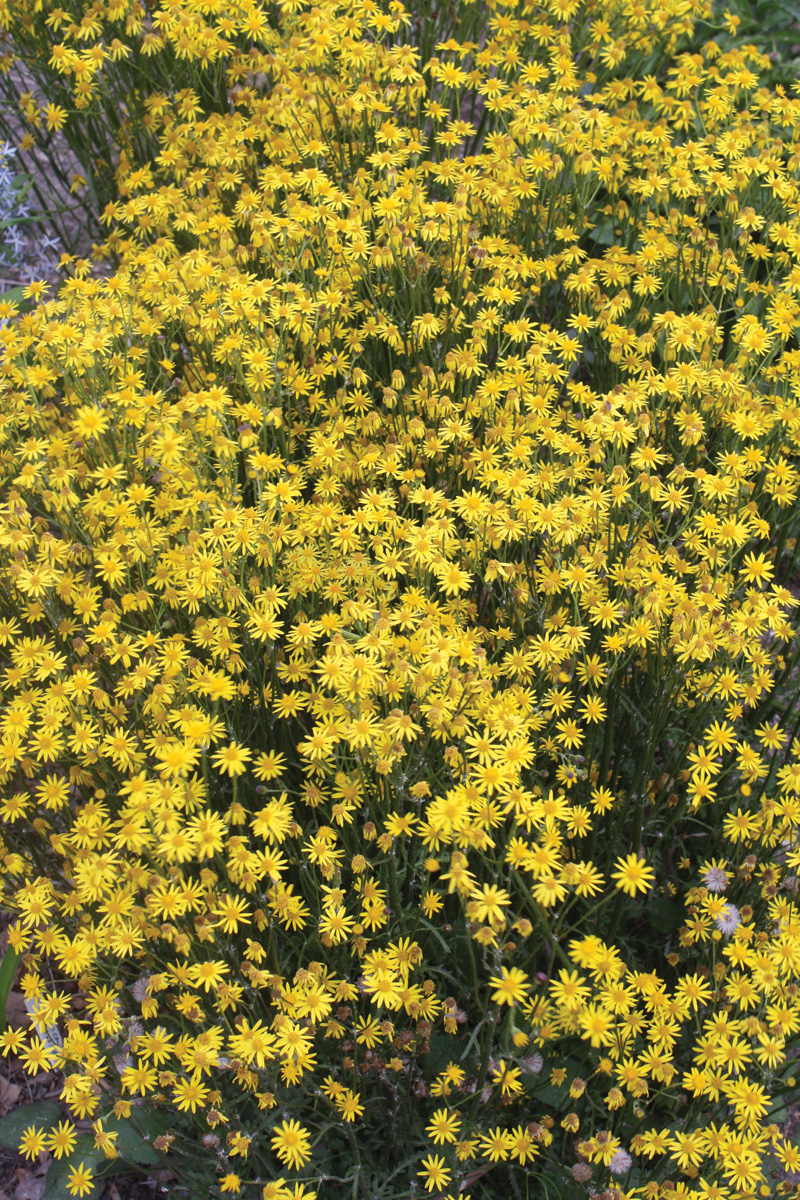
- Name: Packera aurea ‘Dark Shadows’
- Zones: 3–8
- Size: 6 to 30 inches tall and 6 to 18 inches wide
- Conditions: Full sun to partial shade; average, medium to wet soil
- Native range: Eastern North America
Golden ragwort is a unique Northeast-native perennial. Tolerant of many conditions, it tends to always make the most of where it is planted. I’ve seen it naturalizing in a woodland garden, under the dry shade of mature canopy trees, in meadows, and in rain gardens, and thriving under black walnut trees (Juglans nigra, Zones 4–9). In spring, golden clusters of daisylike flowers rise on sturdy stems. Acting as a ground cover, mature clumps of this plant form drifts of yellow across the landscape. ‘Dark Shadows’ is a charming selection with striking dark purple spring leaves and stems that later change to green. The foliage is oval-shaped with irregular-toothed margins. I’ve observed golden ragwort growing in full sun and full shade, though it seems to prefer somewhere in the middle.
‘Mayleen’ mountain clematis
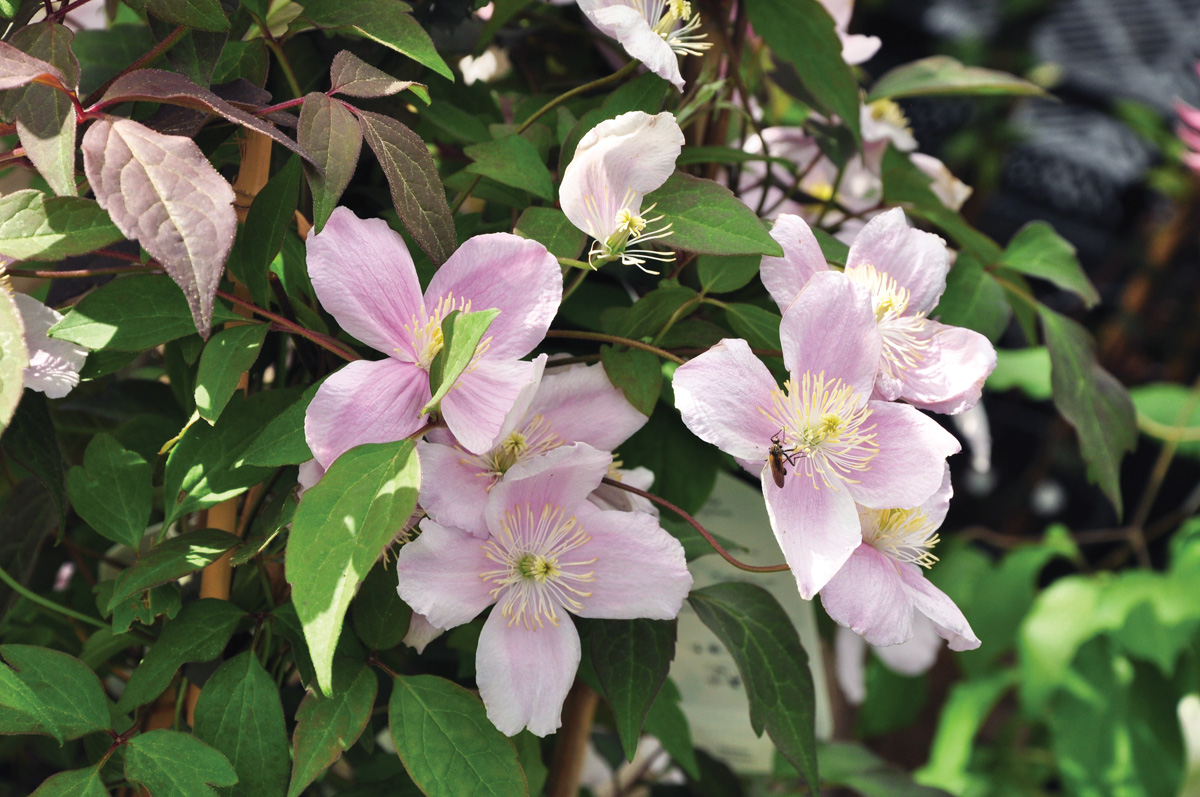
- Name: Clematis montana ‘Mayleen’
- Zones: 6–9
- Size: 20 to 30 feet tall and 8 to 10 feet wide
- Conditions: Full to partial shade; rich, well-drained soil
- Native range: The Himalayas and southeastern Asia
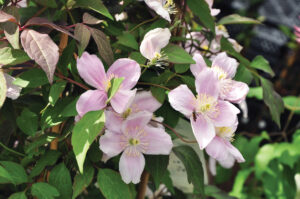
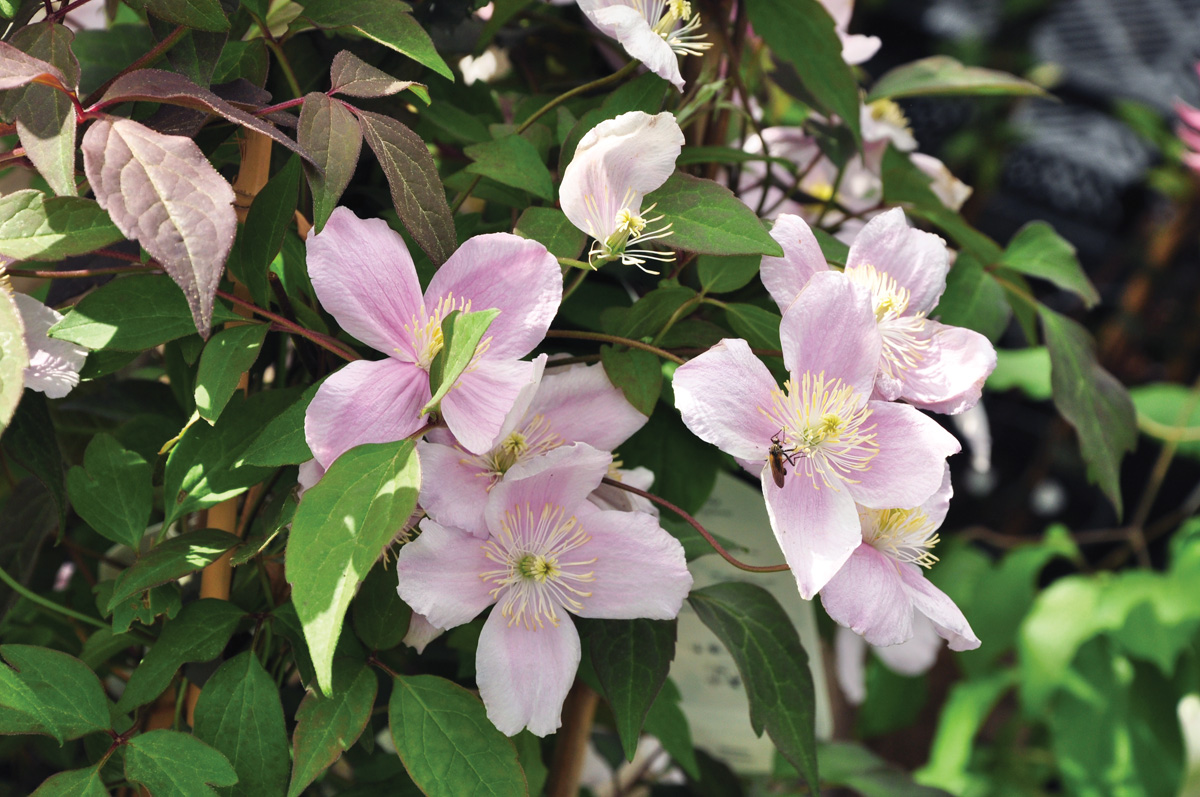
‘Mayleen’ mountain clematis is one of the earliest clematis to bloom. In mid-spring, a profusion of flowers covers the entire vine. These soft pink blossoms resemble a confectionery treat at a fancy French patisserie and have a sweet, vanilla-like fragrance. Bronze foliage makes the flowers pop and looks handsome when the plant is not in bloom. ‘Mayleen’ is a true large woody vine, similar in size to a honeysuckle (Lonicera spp. and cvs., Zones 3–10). The main stems can grow over an inch thick. Unlike other clematis, ‘Mayleen’ should not be cut back annually but can be pruned to keep a desired shape if needed. Moist soil high in organic matter will keep it flowering regularly from year to year.
Autumn crocus
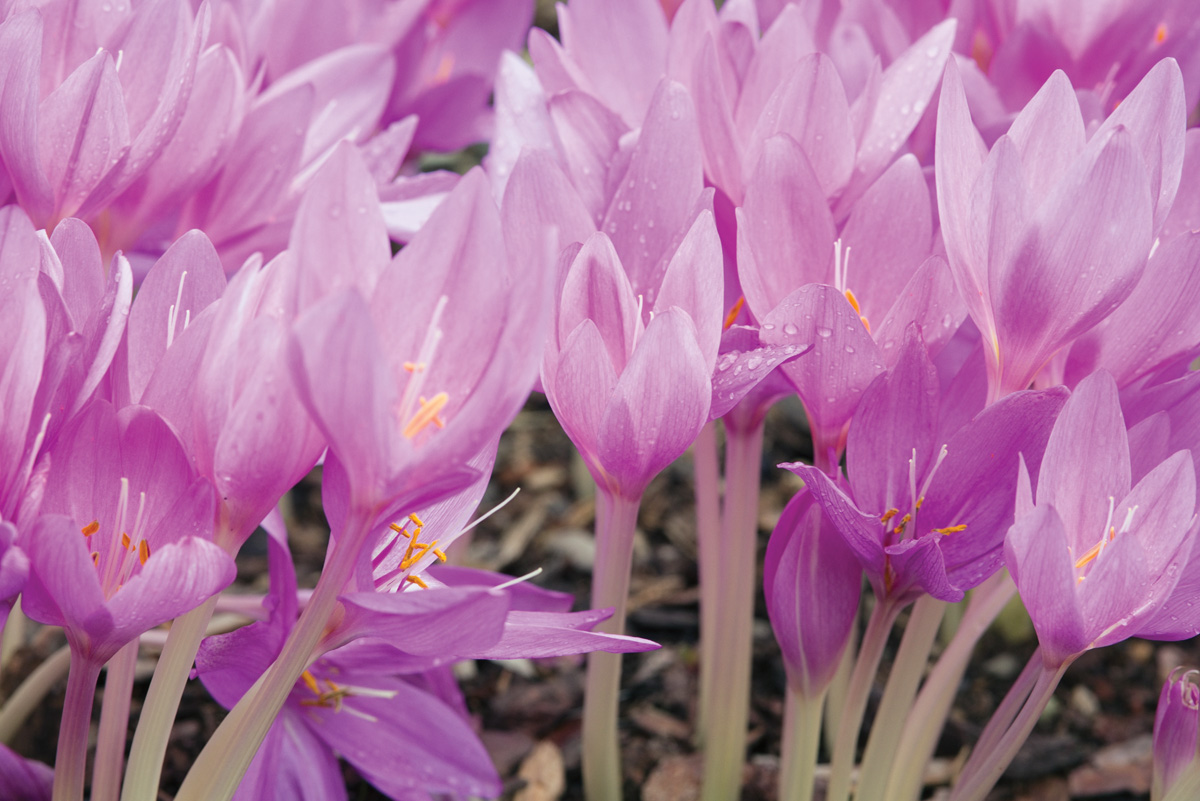
- Name: Colchicum byzantinum
- Zones: 4–8
- Size: 6 to 8 inches tall and wide
- Conditions: Full sun to partial shade; average, well-drained soil
- Native range: Southeastern Europe
A fall-flowering bulb is a delightful surprise that creates a real conversation piece in the autumn garden. The foliage emerges in spring, and the wide bundles of smooth, green, slightly pleated leaves go dormant by summer. Flowers arise in early fall without any leaves. Adding to the surprise, bloom colors range from light pink to lavender-purple to white. The petals are lightly tessellated and resemble a crocus (Crocus spp. and cvs., Zones 3–8) but are more robust. This hardy, deer-resistant bulb should be planted in autumn. Both the flowers and the foliage are short, so site the plant in an area where it won’t compete for sunlight.
Regional expert: David Mattern is a horticulturist at Chanticleer, a public garden in Wayne, Pennsylvania. He documents his garden journey on Instagram @matternii.
See More:
Native Shrub Alternatives to Overused Plants in the Mid-Atlantic
Watch Videos on Our YouTube Channel
Get All Access to Fine Gardening!
Fine Gardening Recommended Products
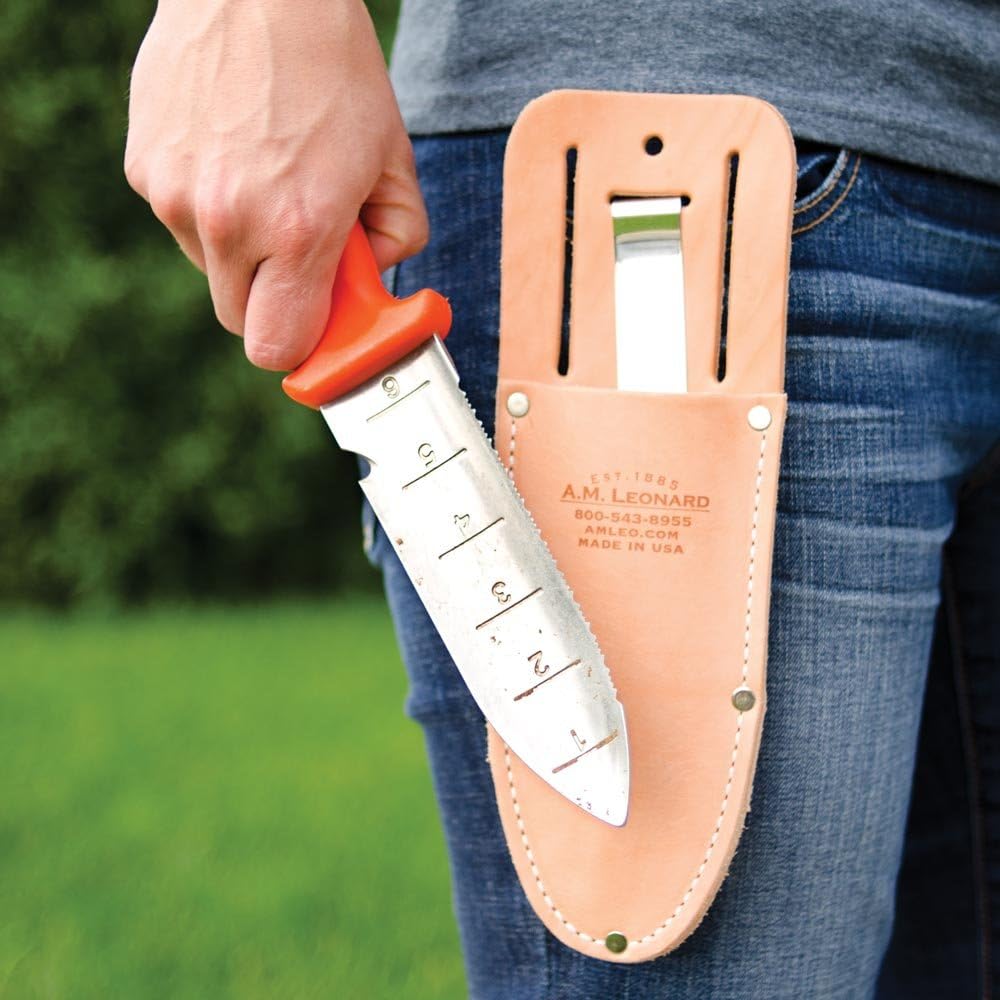
A.M. Leonard Deluxe Soil Knife & Leather Sheath Combo
Fine Gardening receives a commission for items purchased through links on this site, including Amazon Associates and other affiliate advertising programs.
MULTITASKING DUAL EDGES: a deep serrated edge and a tapered slicing edge ideal for tough or delicate cuts. DURABLE 6-inch stainless steel blade withstands 300 lbs of pressure. TWINE CUTTING NOTCH, DEPTH GAUGE MARKINGS & spear point – no need to switch tools when using this garden knife. LEATHER SHEATH: heavy duty, protective, clip on sheath to keep your knife convenient and secure. LIFETIME WARRANTY.