4 Plants Worth Adding to Your Southeast Garden
Brie Arthur, horticulturist and author who gardens in North Carolina, shares four of her favorite plants to grow in the Southeast. From the nectar-rich white blooms of Fiber Optics buttonbush® to the creamy yellow flowers of spotted bee balm, you’re sure to find a plant worth adding to your shopping list.
Read more: Fast-Growing Plants That Help Fill Gaps in Southeast Gardens
Fiber Optics® buttonbush
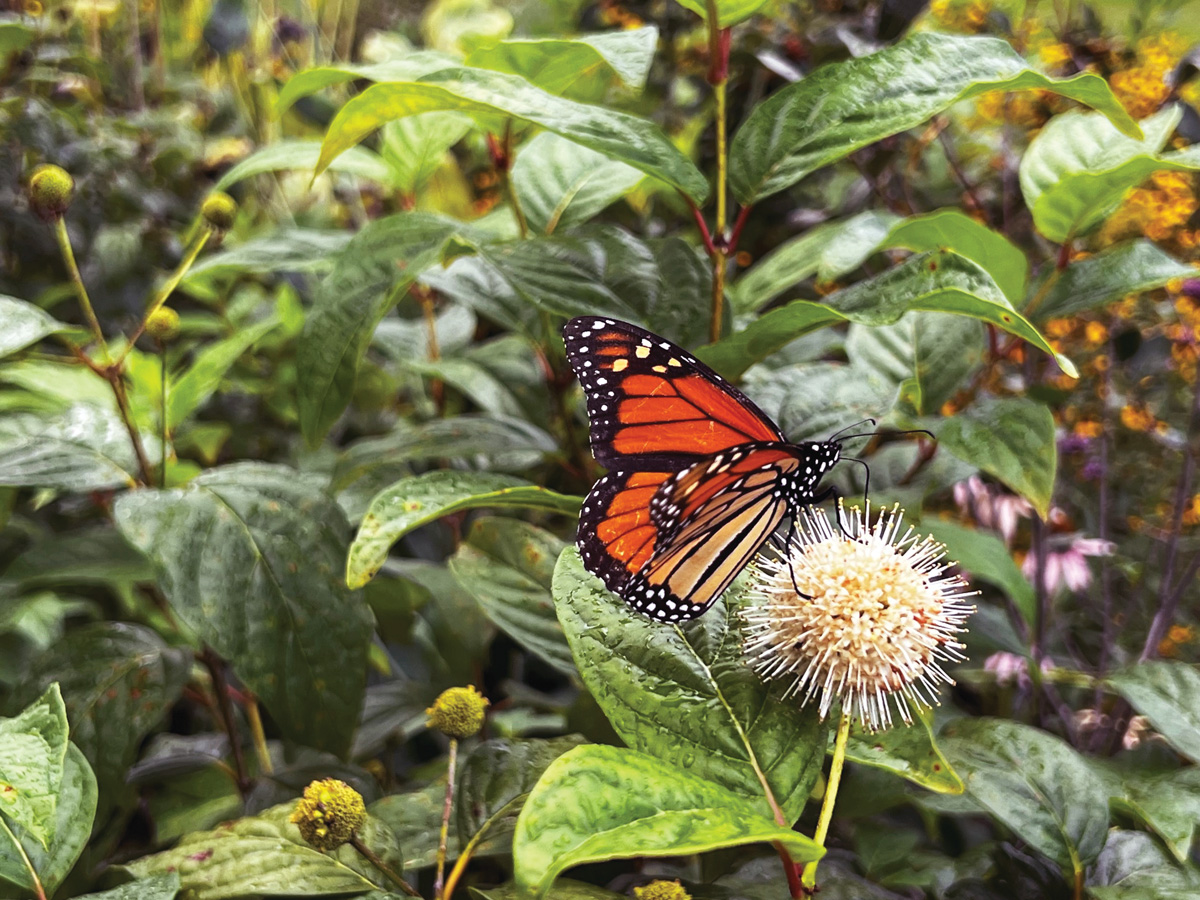
- Name: Cephalanthus occidentalis ‘Bailoptics’
- Zones: 4–9
- Size: 5 to 6 feet tall and 4 to 6 feet wide
- Conditions: Full sun to partial shade; average to wet soil
- Native range: Central and eastern North America
Fiber Optics® buttonbush is a compact selection of a North American native species. In early to midsummer, the plant produces nectar-rich, spherical white blooms that attract a diverse array of beneficial pollinators, making it an outstanding addition to any wildlife-friendly landscape. The glossy green foliage remains attractive through the growing season. Buttonbush thrives in consistently moist soil but is also adaptable to the periodic flooding that can occur in rain gardens and low-lying areas, and it tolerates drier situations as well. I love the way that Fiber Optics® packs a ton of ecological benefit into a small footprint without losing the great ornamental character that makes the species so distinctive.
Chinese snowball viburnum
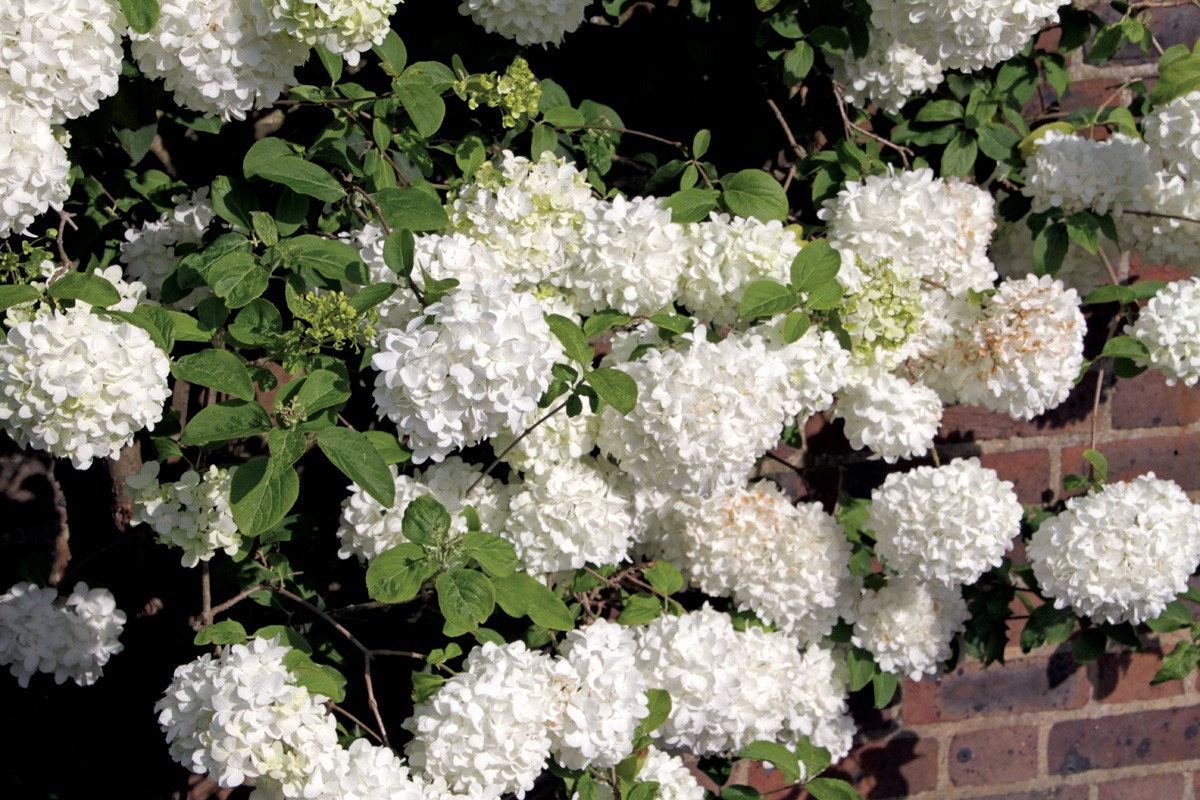
- Name: Viburnum macrocephalum
- Zones: 6–9
- Size: 6 to 10 feet tall and wide
- Conditions: Full sun to partial shade; moist, rich, well-drained soil
- Native range: China
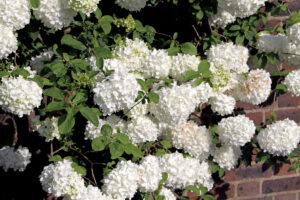
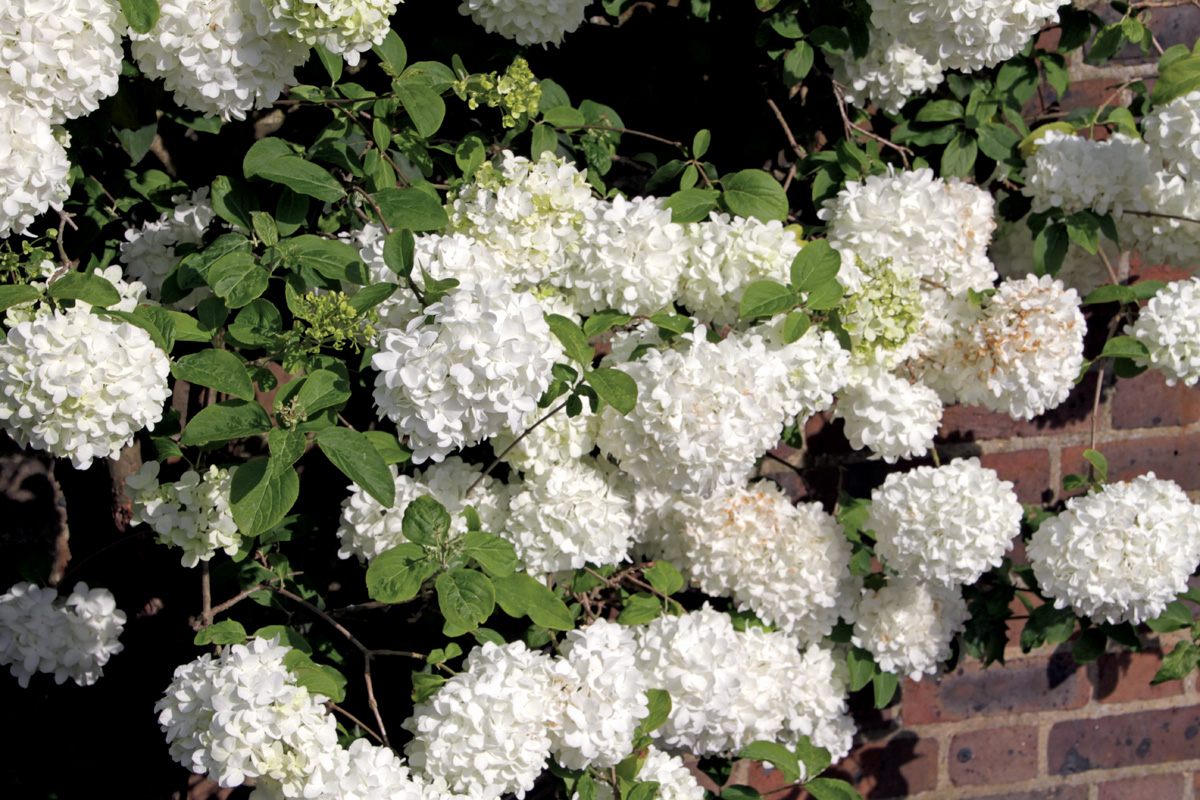
Chinese snowball viburnum is one of the most dramatic spring-flowering shrubs, celebrated for its enormous, globe-shaped blooms that can reach nearly the size of a softball. Often mistaken for a hydrangea that blooms in March, its flowers start out apple green before maturing to luminous white, creating a striking display that often coincides with the peak of spring. Bold foliage and arching branches give it a graceful, fountain-like presence. It performs best in a spot with more sun than shade, with adequate moisture and space to develop its natural tall stature. A bit of light pruning immediately after it flowers will help maintain its shape without sacrificing next year’s blooms.
Seashore mallow
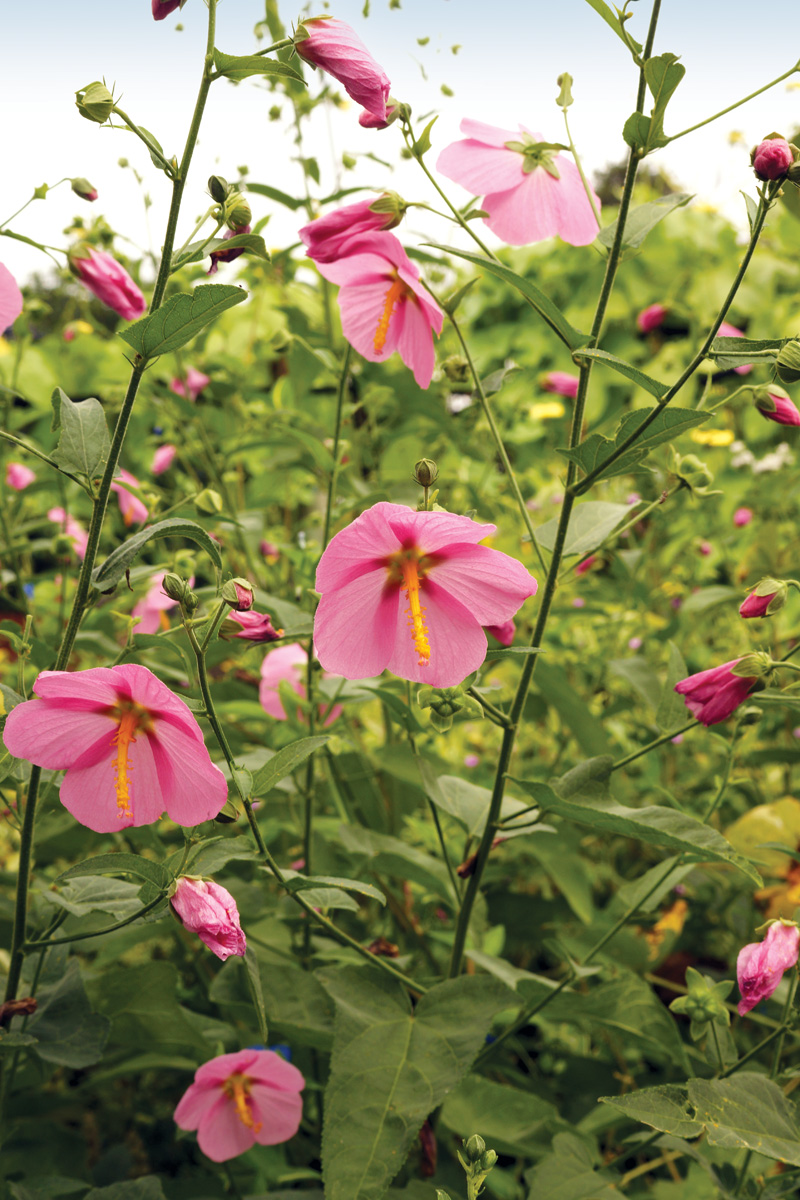
- Name: Kosteletzkya virginica
- Zones: 6–9
- Size: 3 to 4 feet tall and 2 to 3 feet wide
- Conditions: Full sun; average to wet soil
- Native range: Coastal marshes and tidal wetlands of the Eastern United States
Seashore mallow is one of my newest favorites because it combines ornamental appeal with remarkable environmental adaptability. Its soft pink, hibiscus-like flowers appear in succession along upright stems from midsummer into early fall, providing weeks of color during the hottest part of the growing season. It withstands wet soil and salt spray, making it particularly useful in rain gardens, naturalistic landscapes, and challenging coastal conditions. The resilient plants form airy clumps that move beautifully in the breeze while still providing structure in perennial borders. If you can find it, the white-flowered cultivar ‘Immaculate’ is well worth adding to your collection.
Spotted bee balm
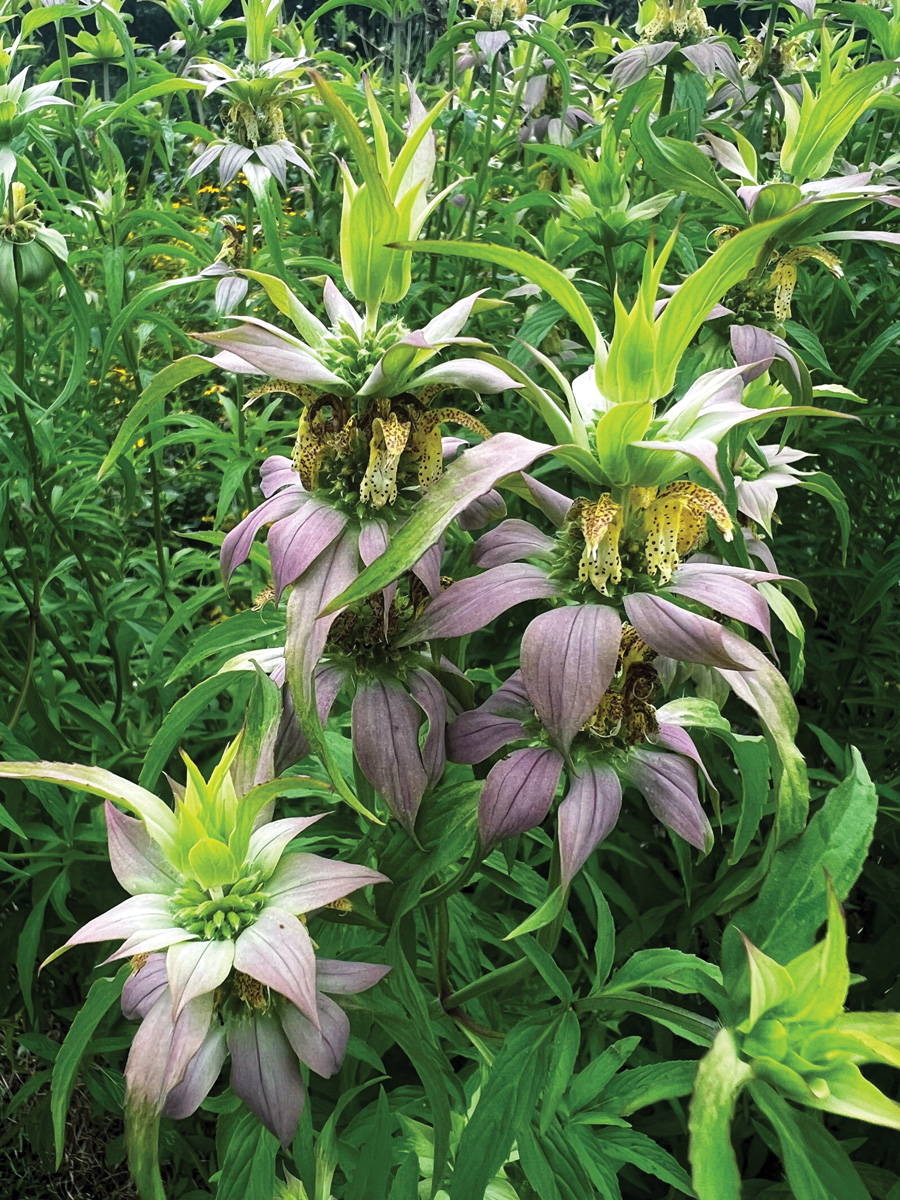
- Name: Monarda punctata
- Zones: 3–9
- Size: 2 to 4 feet tall and 1 to 2 feet wide
- Conditions: Full sun; average to dry, lean, well-drained soil
- Native range: Central and eastern North America
Spotted bee balm is easily recognized by its stacked tiers of creamy yellow flowers marked with purple spots and surrounded by showy lavender-pink bracts. Blooming from mid- to late summer, it is an exceptional nectar source for native bees, butterflies, and beneficial wasps. Unlike many other Monarda species, this plant thrives in dry, lean soil and performs better without excessive fertility or irrigation. Its aromatic foliage contains thymol, a chemical compound that gives it natural resistance to deer browsing and powdery mildew. In my Zone 8 garden, spotted bee balm is more of a self-seeding annual than a traditional perennial, but the seedlings can easily be transplanted each spring to a spot that needs some long-lasting summer interest.
Regional expert: Brie Arthur is a North Carolina–based horticulturist, author, champion of the foodscape movement, and creator of the Brie the Plant Lady YouTube channel.
See More:
Native Shrub Alternatives to Overused Plants in the Southeast
Watch Videos on Our YouTube Channel
Get All Access to Fine Gardening!
Fine Gardening Recommended Products
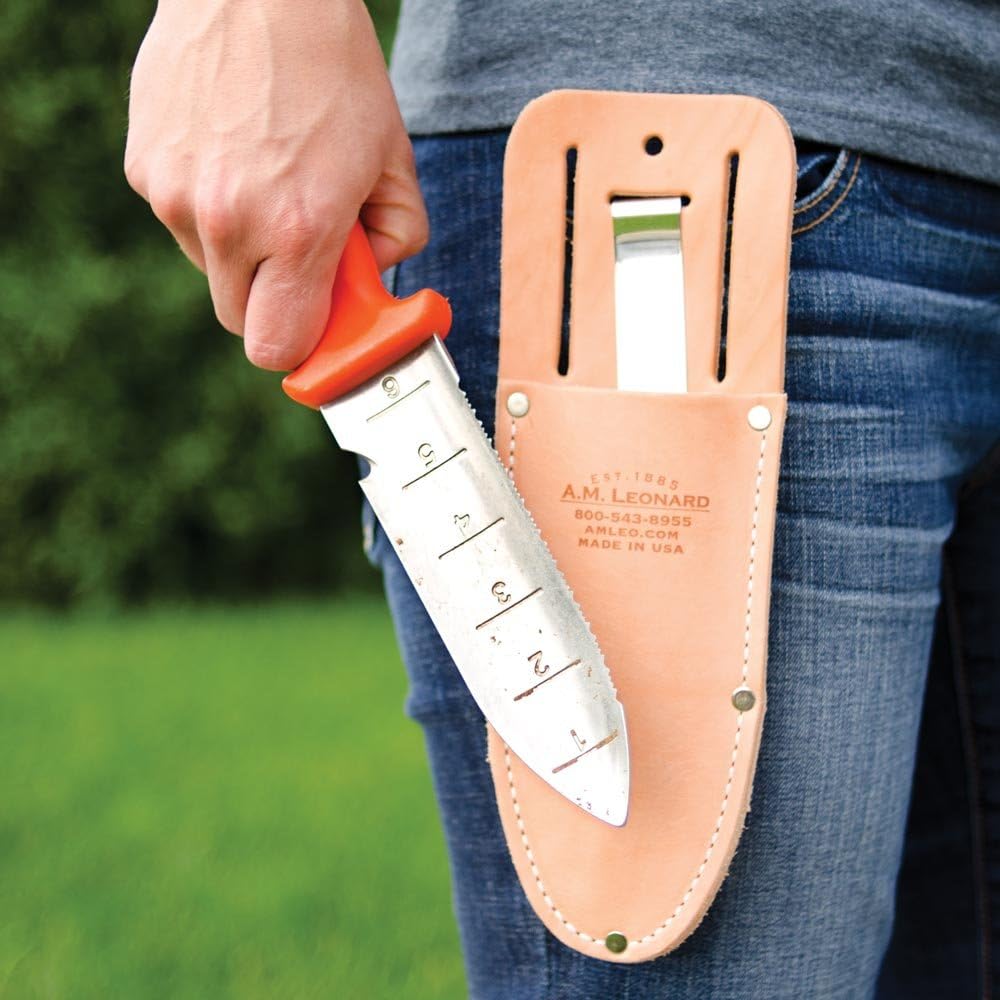
A.M. Leonard Deluxe Soil Knife & Leather Sheath Combo
Fine Gardening receives a commission for items purchased through links on this site, including Amazon Associates and other affiliate advertising programs.
MULTITASKING DUAL EDGES: a deep serrated edge and a tapered slicing edge ideal for tough or delicate cuts. DURABLE 6-inch stainless steel blade withstands 300 lbs of pressure. TWINE CUTTING NOTCH, DEPTH GAUGE MARKINGS & spear point – no need to switch tools when using this garden knife. LEATHER SHEATH: heavy duty, protective, clip on sheath to keep your knife convenient and secure. LIFETIME WARRANTY.