

When we think of drought-tolerant plants, we often picture prairie plants with deep roots that can reach far into the soil for moisture. But after years of gardening in the Midwest and Mid-Atlantic, I’ve learned that deep roots aren’t the only reason a plant can withstand dry conditions. Some of the most resilient plants have surprisingly shallow root systems.
The following three perennials have impressed me with their ability to handle drought once established. Two are excellent choices for sunny gardens, while the third proves that even difficult, dry shade can support beautiful plants.
Read More: Best Plants for Your Shopping List in the Mid-Atlantic
1. Butterfly weed
Asclepias tuberosa
Zones: 3–9
Size: 12 to 30 inches tall and 12 to 18 inches wide
Conditions: Full sun; dry to moderately moist, well-drained soil
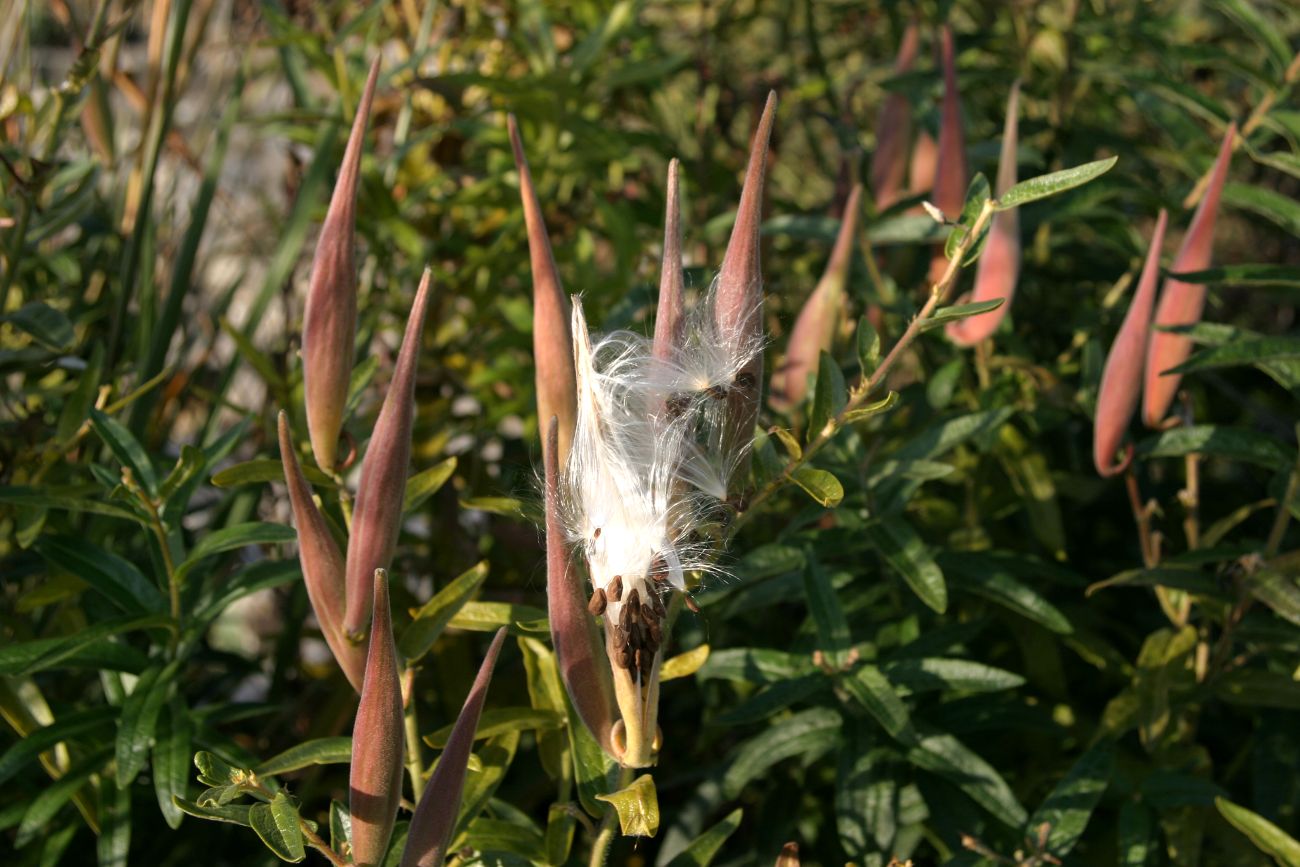
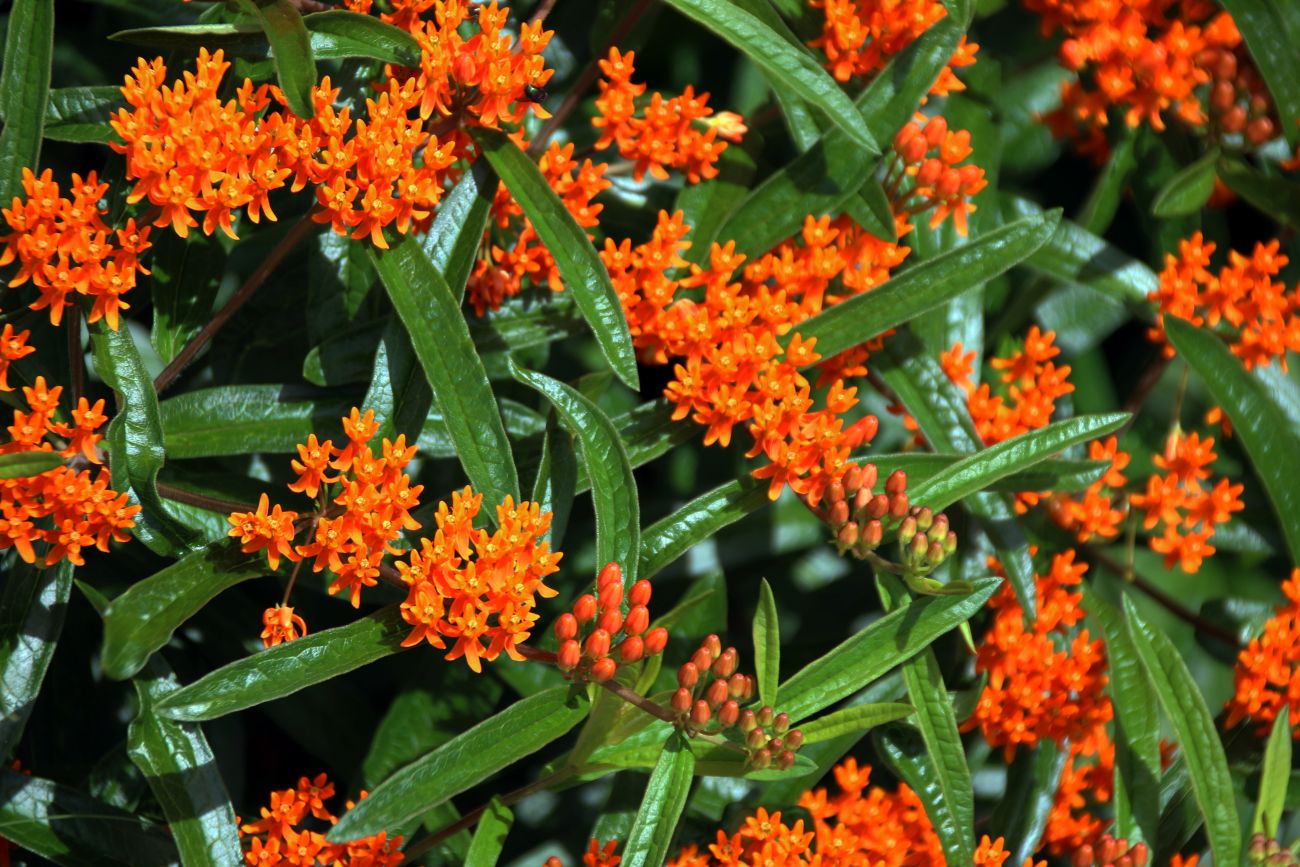
Butterfly weed is one of those plants that I wish more gardeners would grow. With all the encouragement to plant milkweed for monarch butterflies, many people immediately think of common milkweed. But common milkweed can spread vigorously through rhizomes and seed, sometimes crowding out neighboring plants. Butterfly weed offers a much more compact alternative, with a wonderful mounding habit and gorgeous bright orange flowers.
I love orange in the garden and use it extensively, particularly alongside white flowers. But if orange isn’t your favorite color, there are yellow-flowered selections of butterfly weed, too. I recently visited a friend’s gravel garden in Wilmington, Delaware, where orange and yellow plants were growing together and producing seedlings with different flower colors.
As a prairie plant, butterfly weed needs excellent drainage. Its long, tuberous roots help it withstand dry conditions once established, but those roots also mean it’s best to choose a permanent location rather than move mature plants around the garden. Be patient during establishment. Butterfly weed may take a little time to get going, but it can live for many years. And beyond its value to pollinators, I think it’s every bit as pretty as the more traditional ornamental perennials we grow.
2. Calamint
Calamintha nepeta
Zones: 5–7
Size: 12 to 18 inches tall and wide
Conditions: Full sun; dry to moderately moist, well-drained soil
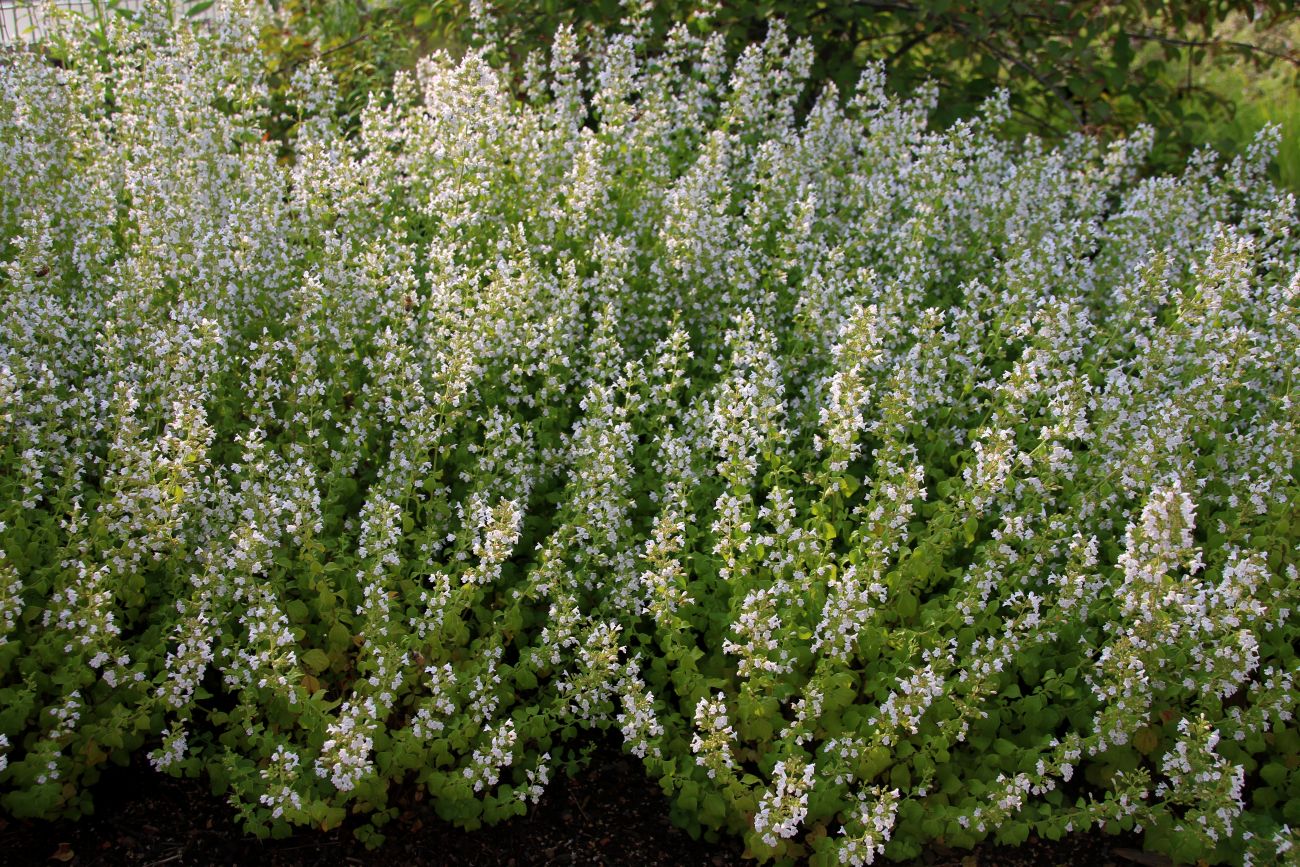
If you asked me to name my favorite perennials, lesser calamint would probably make my top five. I spent about 25 years gardening in the Madison, Wisconsin, area, where I was fortunate to be surrounded by some remarkable horticulturists. Roy Diblik was among those who introduced many of us to this plant through his work at Northwind Perennial Farm. Once we saw how well it performed, we started growing it ourselves.
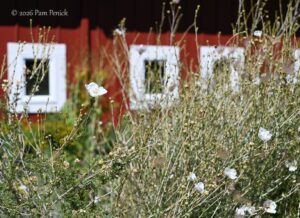
Lesser calamint produces masses of tiny white flowers that remind me of baby’s breath. It has a lovely, rounded habit, and that fine texture is especially effective when mixed with larger-leaved or coarser plants. There are selections with pale blue or lavender flowers, but I’m perfectly happy with the bright white blooms. When the plant is in full flower, it can be absolutely covered with pollinating insects.
And this is one tough perennial. I’ve seen lesser calamint used in difficult roadside plantings where it performed exceptionally. The important thing is to keep excess moisture away from its roots. Give it plenty of sunlight and well-drained soil, and it can handle dry conditions remarkably well.
Gardeners sometimes worry about plants that seed around, but I’ve never found lesser calamint particularly troublesome. It may produce a few seedlings, but they’re easy to recognize and remove. It’s a reliable, good-looking plant that plays well with others.
3. Barrenwort
Epimedium grandiflorum
Zones: 5–8
Size: 9 to 18 inches tall and 12 to 24 inches wide
Conditions: Partial to full shade; well-drained soil; tolerates dry shade once established
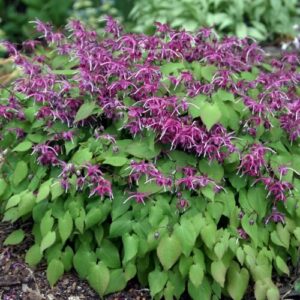
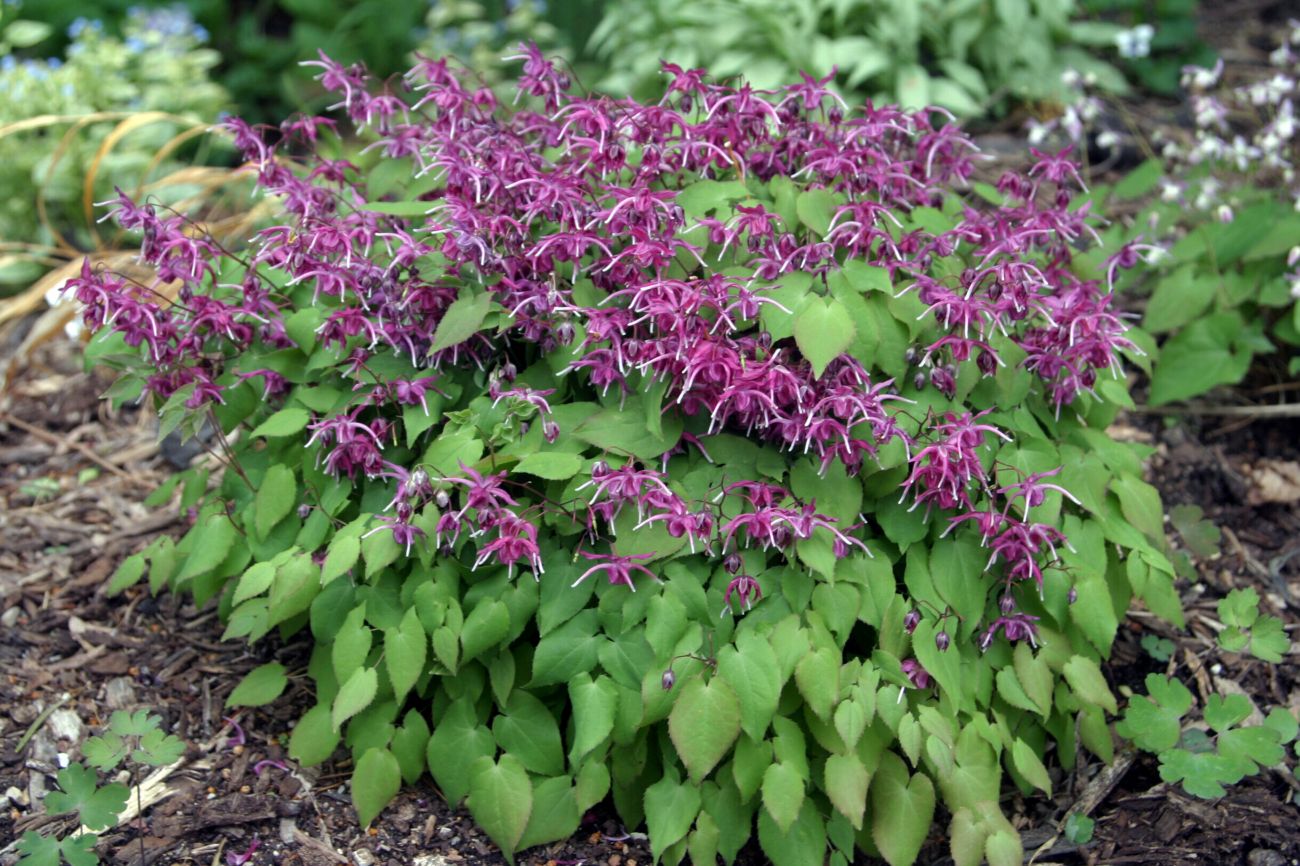
Epimedium is one of my favorite examples of why we shouldn’t assume that drought-tolerant plants need deep roots. Its roots are shallow and fibrous, forming a relatively flat mat that’s easy to lift when dividing plants. Looking at that root system, you might expect epimedium to be one of the first plants to suffer during a drought. But I’ve seen exactly the opposite.
Several years ago, I attended an American Public Gardens Association conference in Toronto during a severe drought. We visited a garden where the perennial borders were suffering terribly. Nearly everything had wilted from the lack of moisture, yet the epimedium foliage looked as though it had been watered all along. That experience has stayed with me.
Not every epimedium is equally drought tolerant, but many selections perform wonderfully in dry shade once established. They’re especially useful as ground covers beneath trees and in woodland gardens.
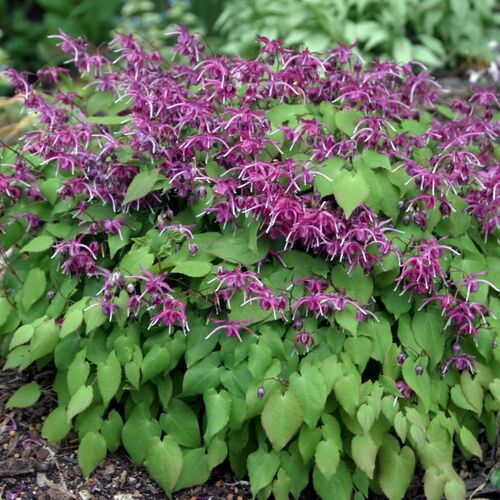
One of my favorites to recommend is ‘Lilafee’ (Epimedium grandiflorum ‘Lilafee’), a vigorous selection with lovely purple flowers. Epimedium flowers are delicate, almost like little fairies hovering above the foliage. They’re the sort of flowers that make you stop, kneel down, and look closely. I think we need more plants that encourage us to slow down and enjoy our gardens.
Epimediums can be expensive, particularly when you’re trying to establish a large planting. My advice is to buy a couple each year rather than waiting until you can afford a dozen. Over time, those few plants can develop into a beautiful planting, and you’ll be glad you started.
To learn more about these plants from Ed, as well as five more drought-tolerant plant recommendations, check out our podcast: Episode 4: Plants for Drought.
Find more ways to garden with less water:
Discuss this article or ask gardening questions with a regional gardening expert on the Gardening Answers forum.
And for more Mid-Atlantic regional reports, click here.
Ed Lyon is a retired professional horticulturist and gardener with 25 years of experience in public gardens, most recently as director of Reiman Gardens at Iowa State University in Ames, Iowa. He is the author of Growing the Midwest Garden and currently resides in Pennsylvania.
Photos by Ed Lyon unless otherwise noted.
Fine Gardening Recommended Products
The Crevice Garden: How to make the perfect home for plants from rocky places
Fine Gardening receives a commission for items purchased through links on this site, including Amazon Associates and other affiliate advertising programs.
A crevice garden replicates the environmental conditions of mountain tops, deserts, coastlines, and other exposed or rocky places on earth. These striking garden features provide perfect conditions for the plants native to these far-off places, bringing the cultivation of these precious gems within everybody’s reach.
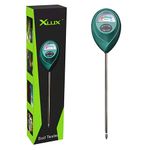
XLUX Soil Moisture Meter
Fine Gardening receives a commission for items purchased through links on this site, including Amazon Associates and other affiliate advertising programs.
– Large and clear dial, including ten scales, plug and read
– Simply insert the moisture meter into soil and you’ll get the test result instantly
– Single probe, less hurts to the roots, doesn’t dig up too much soil after test
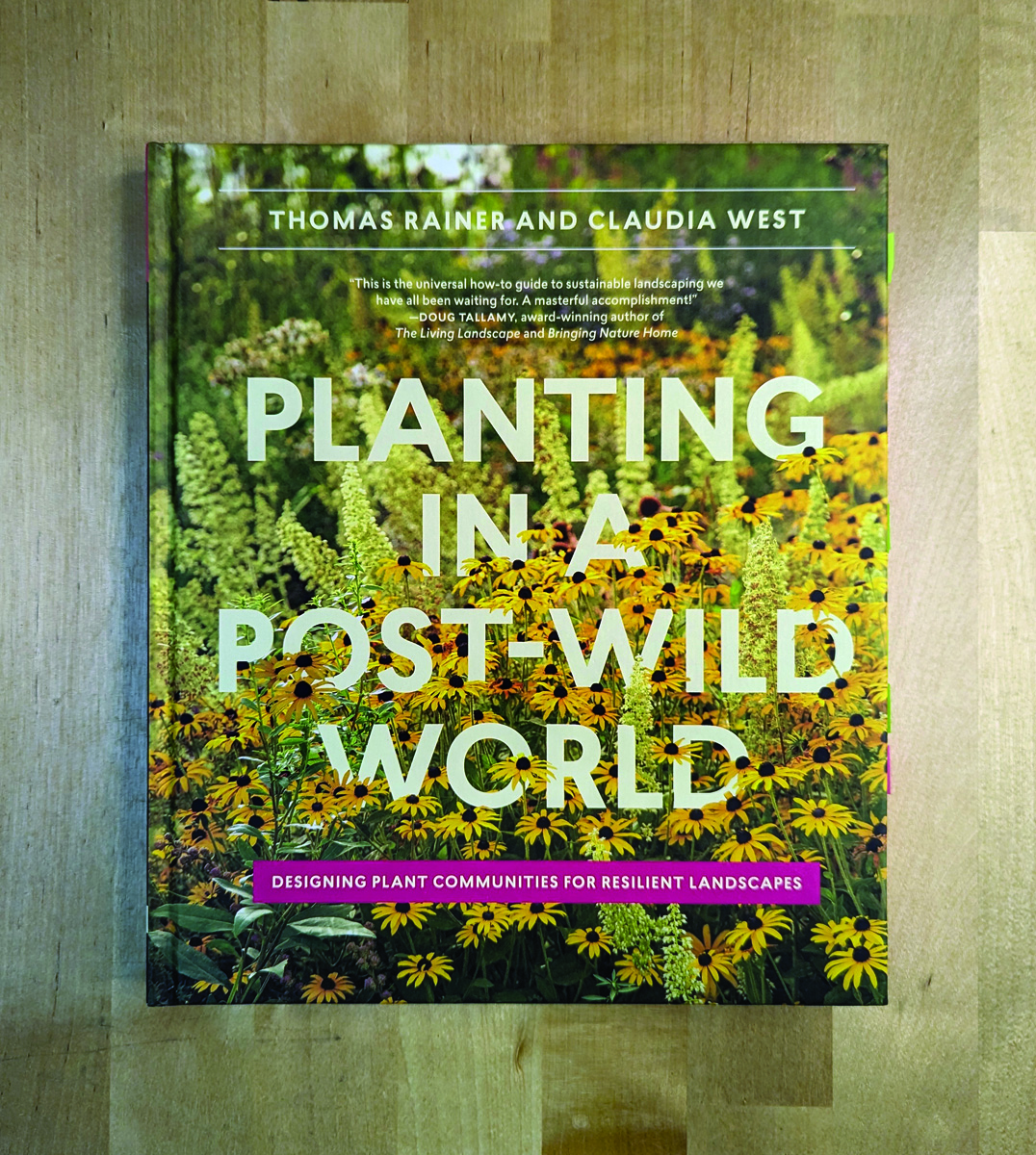
Planting in a Post-Wild World: Designing Plant Communities for Resilient Landscapes
Fine Gardening receives a commission for items purchased through links on this site, including Amazon Associates and other affiliate advertising programs.
Featuring gorgeous photography and advice for landscapers, Planting in a Post-Wild World by Thomas Rainer and Claudia West is dedicated to the idea of a new nature—a hybrid of both the wild and the cultivated—that can nourish in our cities and suburbs.