
4 Expert Plant Picks for Southwest Gardens
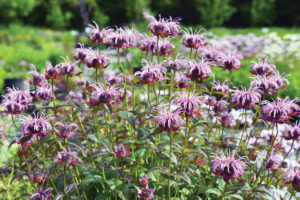
Pam Penick, an author who gardens in Austin, Texas, shares four of her expert plant picks for the Southwest garden. From the fragrant blooms of Arroyo sweetwood to the cheerful magenta flowers of pyramid bush, you’re sure to find a plant worth adding to your shopping list.
Read more: Fast-Growing Plants That Help Fill Gaps in Southwest Gardens
Arroyo sweetwood
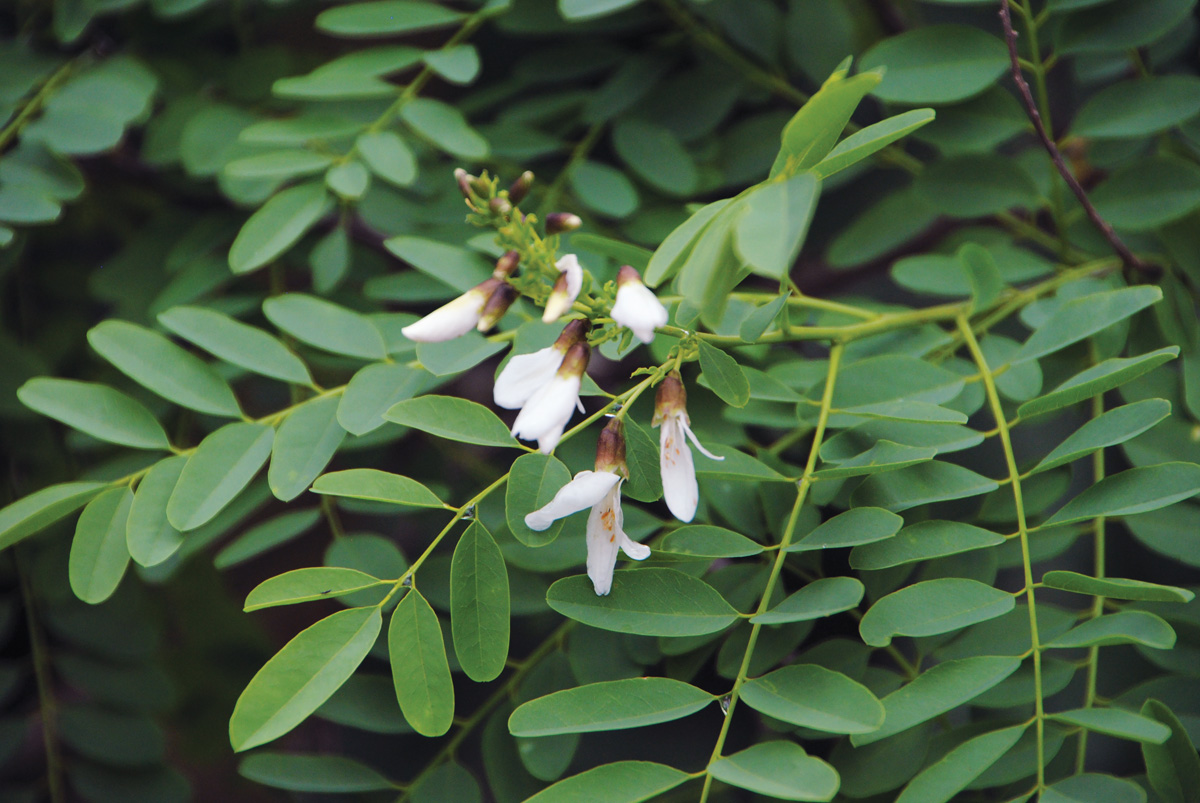
- Name: Myrospermum sousanum
- Zones: 8–10
- Size: 15 to 25 feet tall and 10 to 20 feet wide
- Conditions: Full sun to partial shade; well-drained, alkaline soil
- Native range: Northern Mexico
This deciduous tree isn’t well-known, but should be planted more frequently. Its compact size, multi-trunk habit, and fragrant flowers make it a worthy alternative to the ubiquitous and often scale-plagued crape myrtle (Lagerstroemia spp. and cvs., Zones 6–10). Fast growing yet also extremely drought tolerant, it is an excellent choice for water-wise gardens. Loose clusters of small white flowers appear in spring, attracting pollinators galore. Their vanilla scent draws human admirers who will likely demand, “What is that tree?” After the flowers fade, apple-green seedpods dangle from the arching branches like deflated party balloons. Its compound leaves are held in drooping sprays and turn yellow in fall, extending the tree’s long season of beauty.
‘Labuffarosa’ rain lily
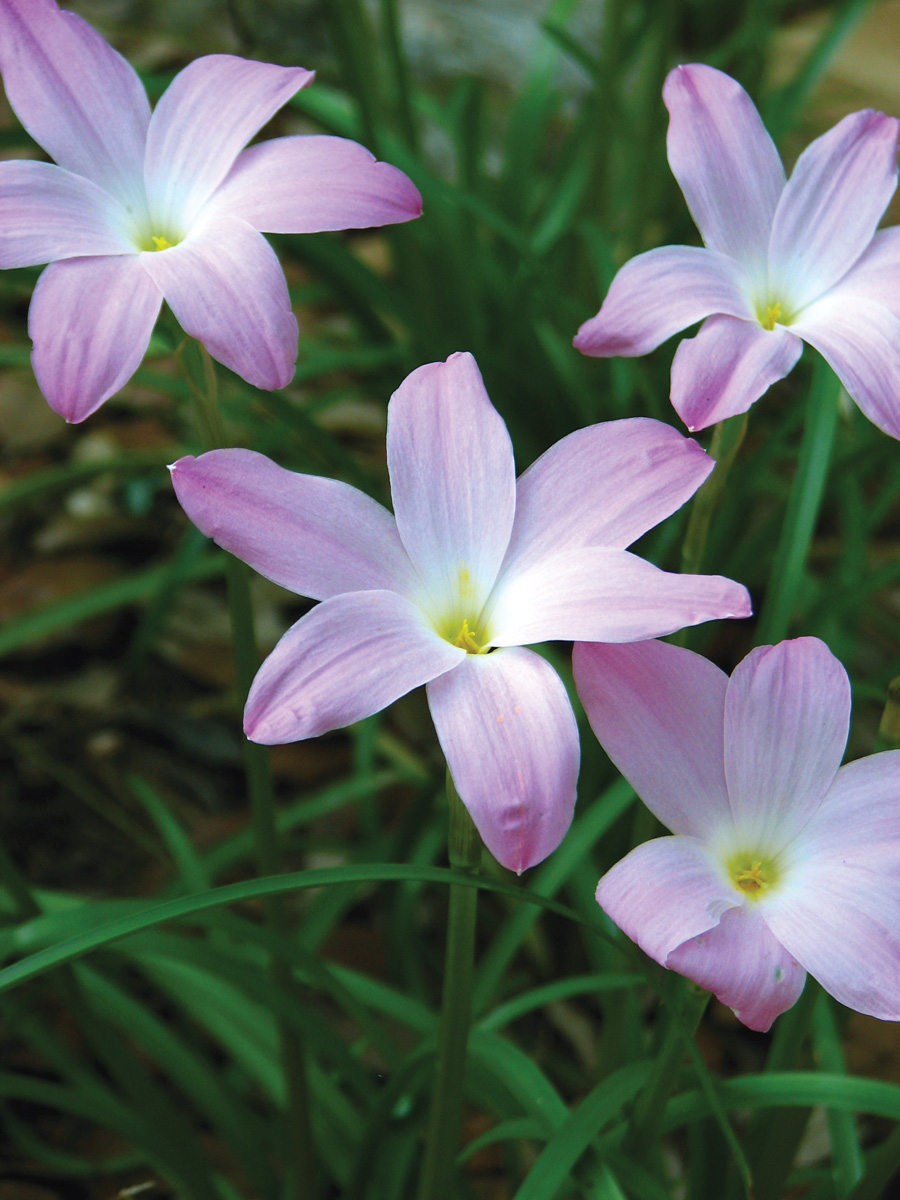
- Name: Zephyranthes ‘Labuffarosa’
- Zones: 7–10
- Size: 6 to 12 inches tall and wide
- Conditions: Full sun to partial shade; well-drained soil
- Native range: Mexico
Nothing is more welcome in a hot, droughty summer than rain, except maybe these starry flowers that leap out of the ground afterward. Their pink and white petals sparkle as if sprinkled with fairy dust, and their strappy green leaves make a clumping ground cover that looks somewhat like liriope (Liriope muscari, Zones 5–10). Rain lily bulbs are long-lived and easy to plant; simply cover them with 2 to 3 inches of soil. For an inspired pink and red combo, try mixing ‘Labuffarosa’ rain lily with fall-flowering oxblood lily (Rhodophiala bifida, Zones 7–10). Although they are ephemeral and you must wait for rain to entice them into bloom, it is a sweet sight to see those blushing faces turned to the sky in thanks.
Darcy’s Mexican sage
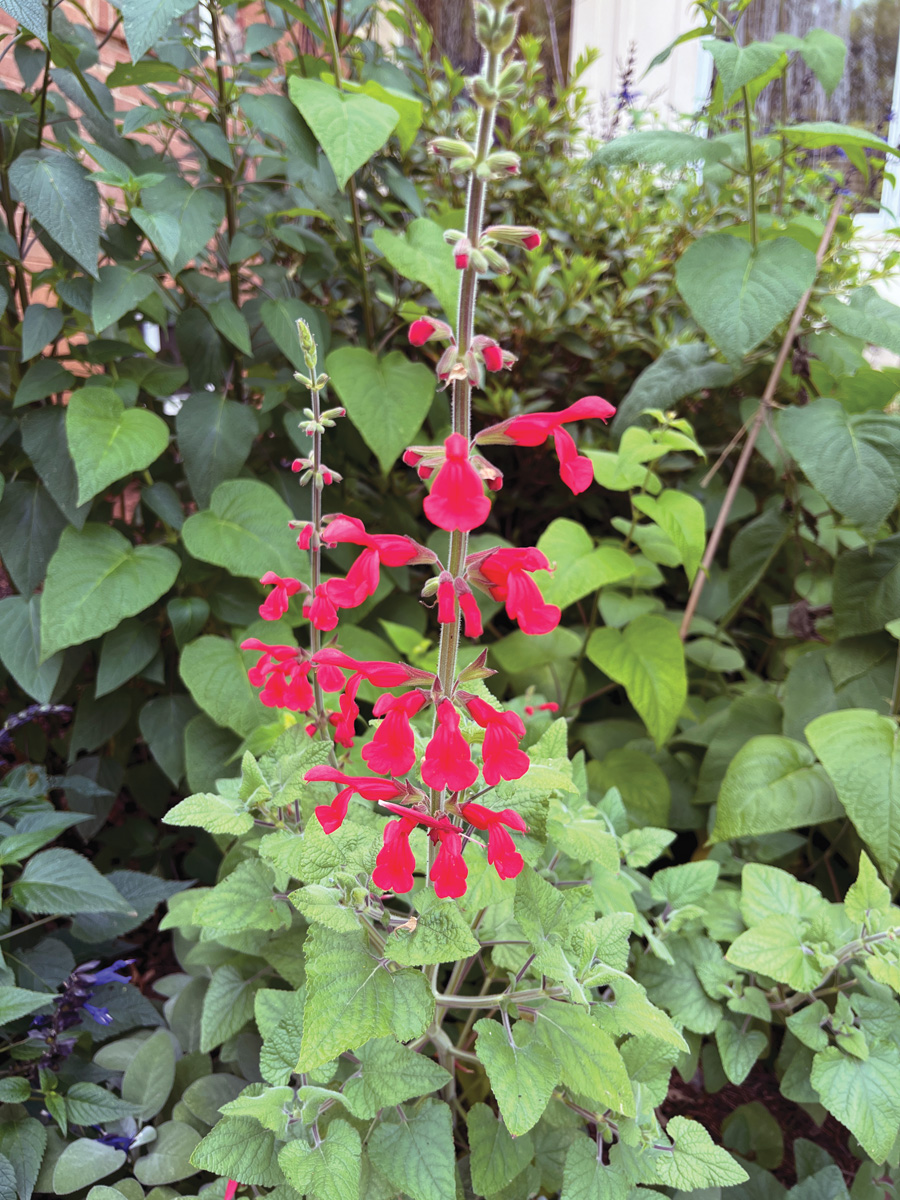
- Name: Salvia darcyi
- Zones: 6–10
- Size: 3 to 4 feet tall and 4 to 6 feet wide
- Conditions: Full sun to partial shade; well-drained soil
- Native range: Northeastern Mexico
I have a single plant, but want more of this well-behaved, slow-spreading summer sizzler. Its cardinal red flowers are frequented by bumblebees and hummingbirds as they rev up in April, burn steadily through summer, and smolder into November. Triangular, light-green leaves form an attractive mound beneath the flower spikes. In its native habitat in the mountains of northern Mexico, it grows at 9,000 feet, but Darcy’s Mexican sage thrives in the flatlands too. I often forget to water it and it’s very forgiving, but an occasional deep soak makes it happier. It dies to the roots in winter; prune it hard just before spring. For a spicy fall show, pair it with bird pepper, a.k.a. chile pequin (Capsicum annuum cv., Zones 9–11).
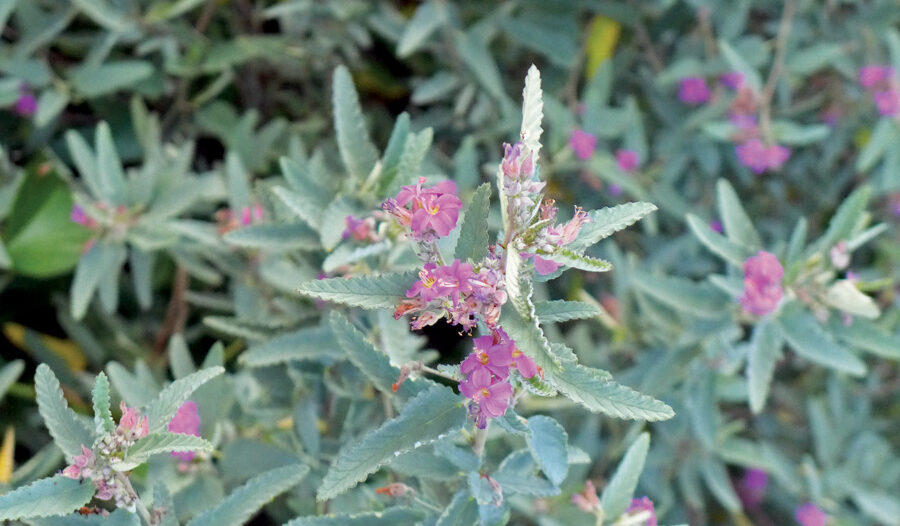
Pyramid bush
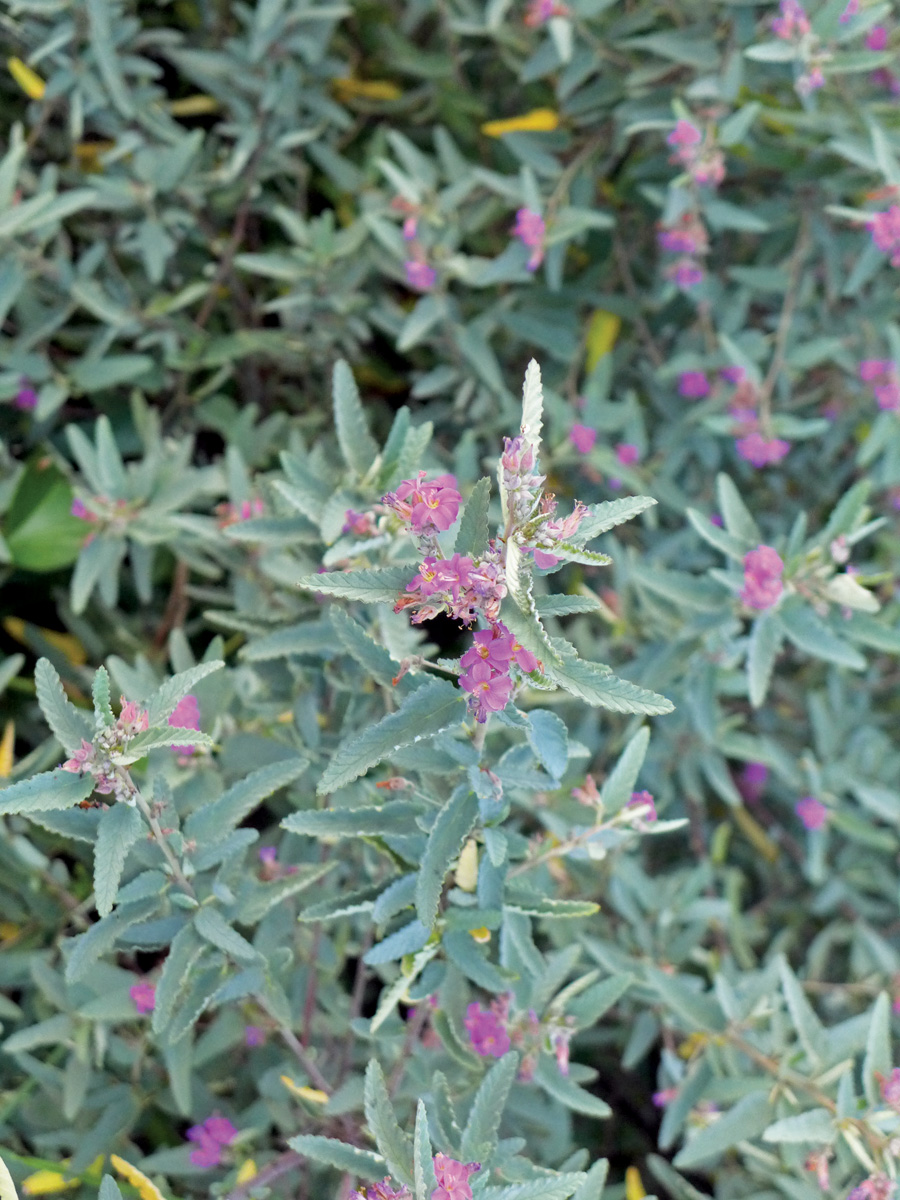
- Name: Melochia tomentosa
- Zones: 8–11
- Size: 3 to 8 feet tall and 2 to 6 feet wide
- Conditions: Full sun to partial shade; sandy to rocky, well-drained limestone soil
- Native range: Brazil, Mexico, South Texas, and southern Florida
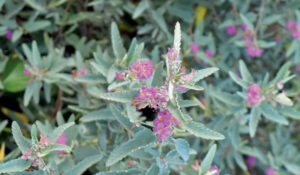
Dainty magenta flowers cluster on the upright stems of this silvery green shrub all season long, and it blooms without complaint through summer heat and drought. I wish I were as hardy! Butterflies and bees flock to the cheerful blooms, making pyramid bush a great choice for pollinator gardens. In the southern part of its range, the lance-shaped, silver-fuzzed leaves stay evergreen. If you garden in the northern edges of its hardiness range, don’t worry if the foliage freezes to the ground; it will be back in spring. I’d like to add a few of these adaptable shrubs to my hot, sunny driveway bed, which is sure to make it more welcoming.
Regional expert: Pam Penick is the Austin-based author of Gardens of Texas and Lawn Gone! and the publisher of Digging: Cool Gardens in a Hot Climate (penick.net).
See More:
Native Shrub Alternatives to Overused Plants in the Southwest
Watch Videos on Our YouTube Channel
Get All Access to Fine Gardening!
Fine Gardening Recommended Products
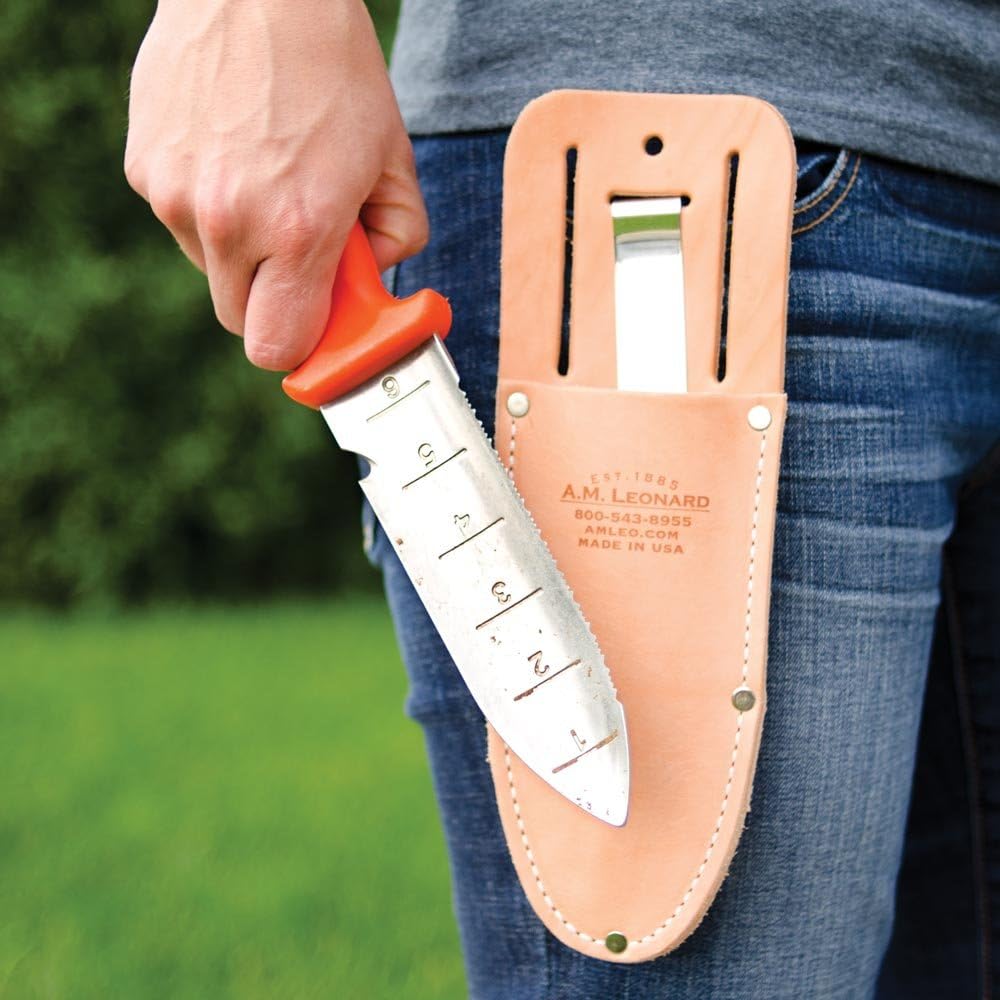
A.M. Leonard Deluxe Soil Knife & Leather Sheath Combo
Fine Gardening receives a commission for items purchased through links on this site, including Amazon Associates and other affiliate advertising programs.
MULTITASKING DUAL EDGES: a deep serrated edge and a tapered slicing edge ideal for tough or delicate cuts. DURABLE 6-inch stainless steel blade withstands 300 lbs of pressure. TWINE CUTTING NOTCH, DEPTH GAUGE MARKINGS & spear point – no need to switch tools when using this garden knife. LEATHER SHEATH: heavy duty, protective, clip on sheath to keep your knife convenient and secure. LIFETIME WARRANTY.