Expert Picks: Native Shrub Alternatives to Common Landscape Plants in the Mountain West
If you’re looking to incorporate more natives into your landscape, our regional expert shares four native shrubs that thrive in the Mountain West. These options add year-round structure, seasonal beauty, and valuable wildlife habitat. Replacing commonly used landscape shrubs with native alternatives is one of the easiest ways to boost both the beauty and biodiversity of your garden.
Read More: 16 Alternatives for Overused Perennials
‘Blue Jazz’ singleleaf piñon
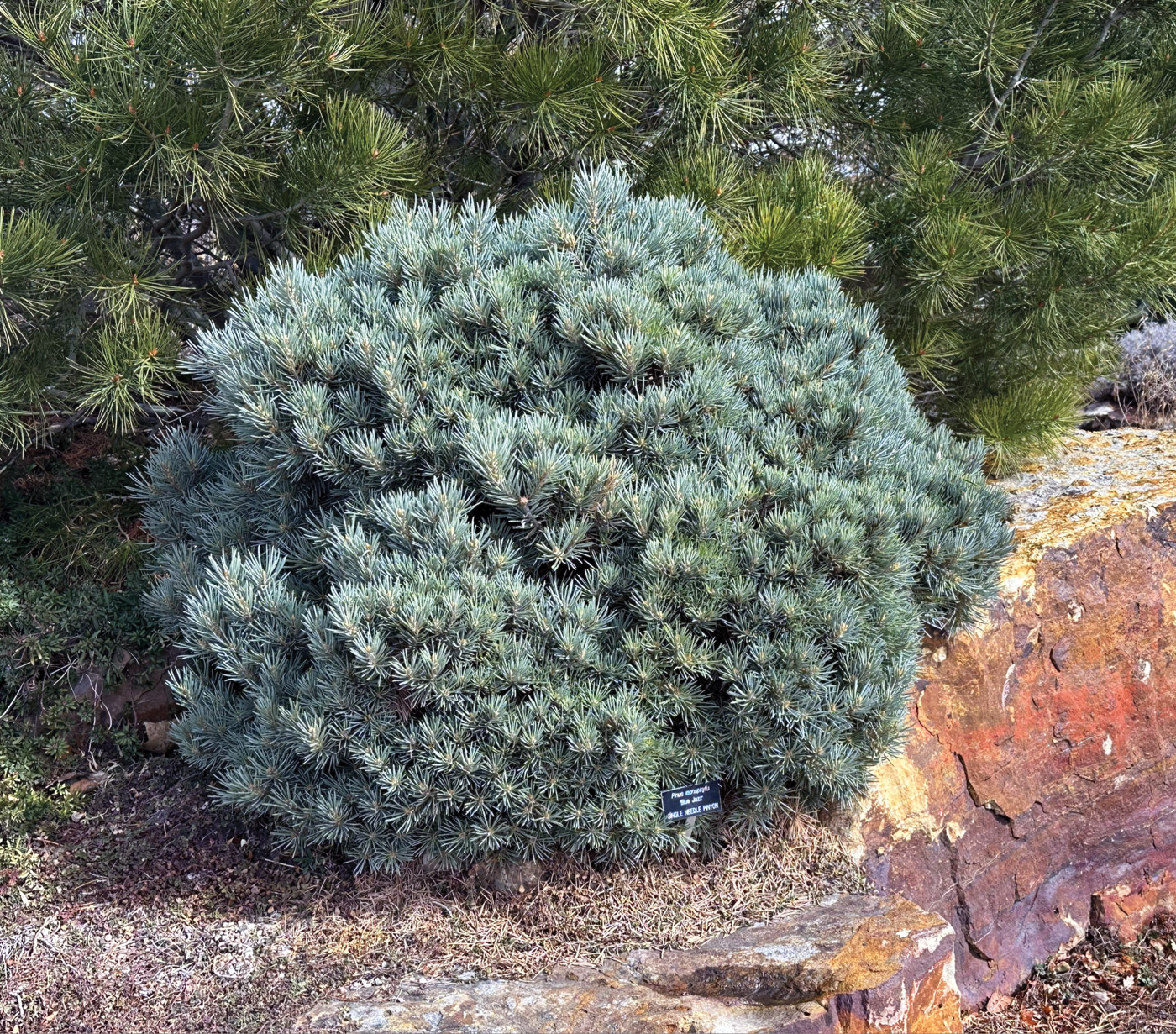
- Name: Pinus monophylla ‘Blue Jazz’
- Zones: 4–9
- Size: 24 to 30 inches tall and wide
- Conditions: Full sun; sharply drained soil
- Native range: Western North America
Although many western gardeners are familiar with Colorado piñon (Pinus edulis and cvs., Zones 4–8), fewer know about this even more xeric cousin. ‘Blue Jazz’, selected in the mountains of Nevada for its excellent blue color and small size, is exceptionally slow growing and is best used in the same way as a smaller shrub.
Like many dwarf conifers, it will grow indefinitely, but much more slowly than most: only 2 to 3 inches per year. My 15-year-old specimen looks better each season, and remains 30 inches tall and wide. ‘Blue Jazz’ is a superb soft-textured accent plant for use in rock gardens and dry plantings. It is also a useful succession plant for providing consistent blue-green color in gardens that are designed to mature over time.
Boulder raspberry
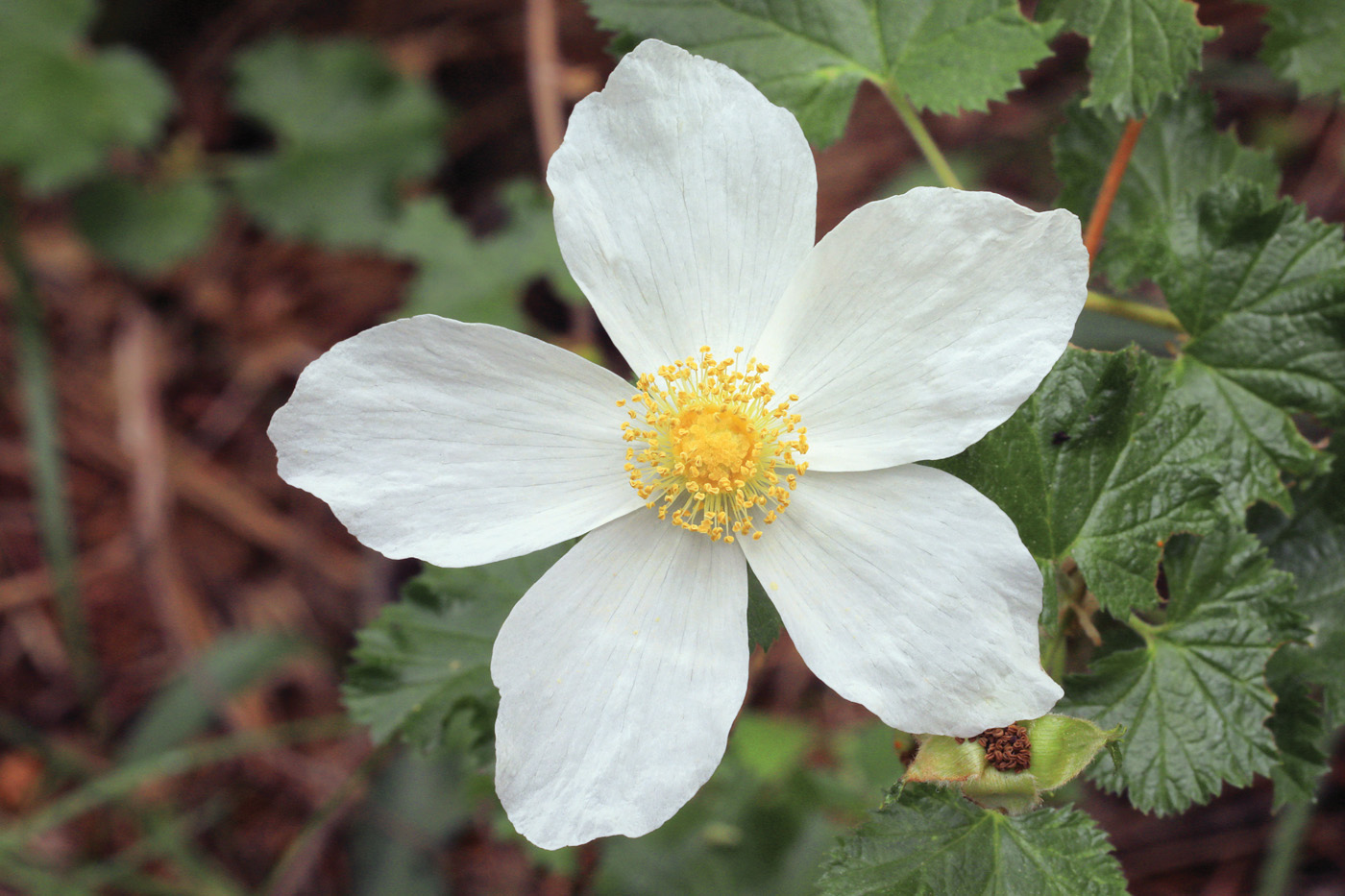
- Name: Rubus deliciosus
- Zones: 4–8
- Size: 6 to 8 feet tall and wide
- Conditions: Full sun to partial shade; well-drained soil
- Native range: Southern Rocky Mountains
Contrary to what the scientific name suggests, Boulder raspberry is not good eating. The fruits are probably best compared to small, dry raspberry caps. It redeems itself with large, lobed, slightly rugose leaves and 3-inch-wide flowers. It is thornless, grows in clumps instead of running, and is adaptable to a variety of landscape settings and soil moisture levels, though it appreciates some afternoon shade in the hotter parts of our region.
This plant is also long-lived and quite cold hardy. The growth habit of this species varies by plant age and genetics, though most young plants start very upright and gradually fill out to the sides with maturity. It does equally well in rocky soil and clay.
‘Chieftain’ manzanita
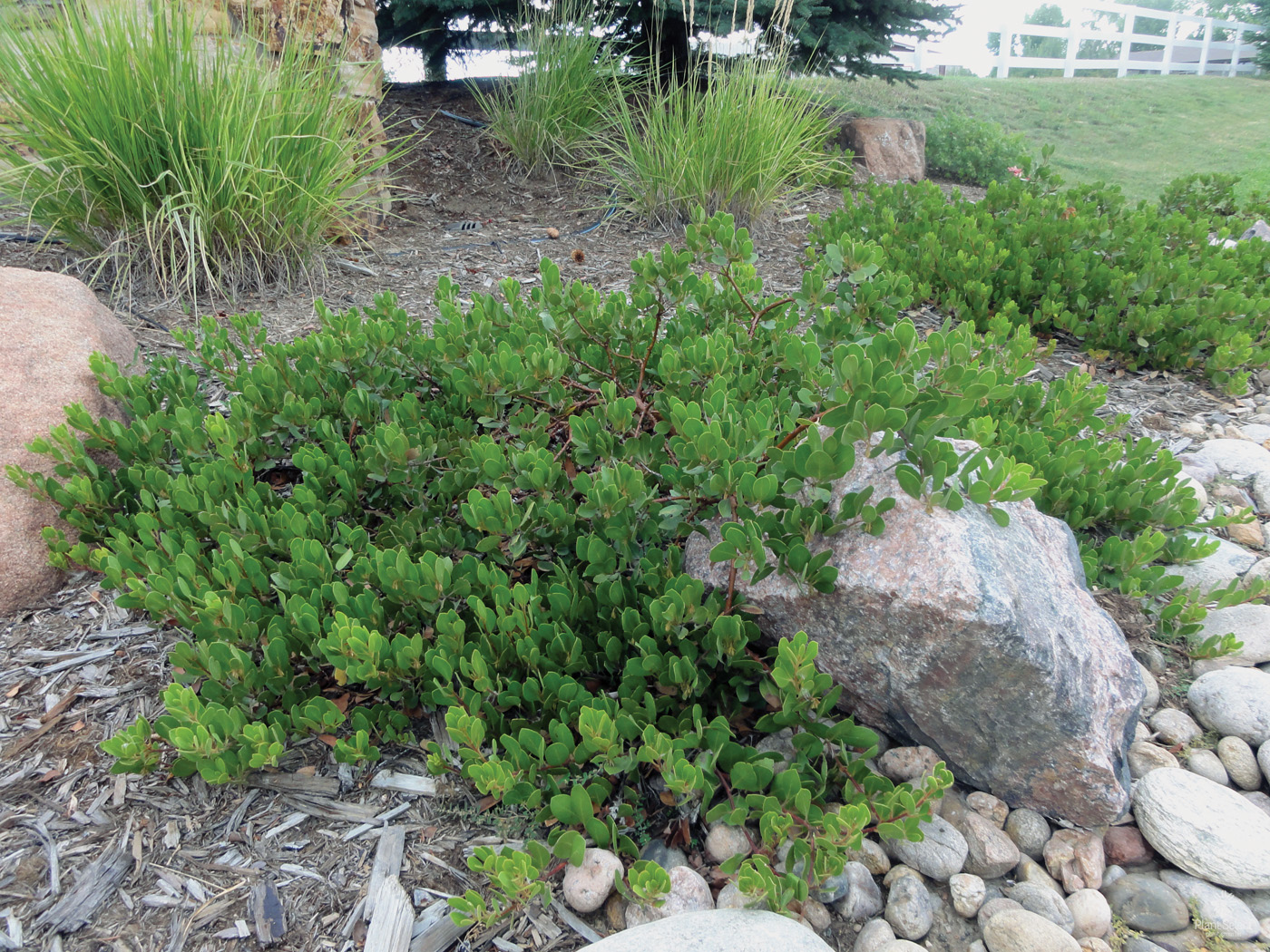
- Name: Arctostaphylos × coloradoensis ‘Chieftain’
- Zones: 5–8
- Size: 2 feet tall and 6 feet wide
- Conditions: Full sun; average to dry, well-drained soil
- Native range: Western North America
Broadleaf evergreen options for our region’s gardens are few and far between, but ‘Chieftain’ manzanita is one of the best. Though it can be touchy while getting started, it should be easygoing afterward, thriving with little more than occasional deep irrigation. Once it has settled in, gardeners and bumblebees alike will be thrilled by the chains of soft pink, bell-shaped flowers that open in late winter and early spring.
Out of bloom it will serve as a verdant, evergreen ground cover. If you are able to collect a grocery bag’s worth of duff from a mature plant to use as mulch around each of your freshly planted specimens, it may help to ease establishment.
Read More: Hardy Evergreen Naive Shrubs for the Mountain West
Wild crabapple
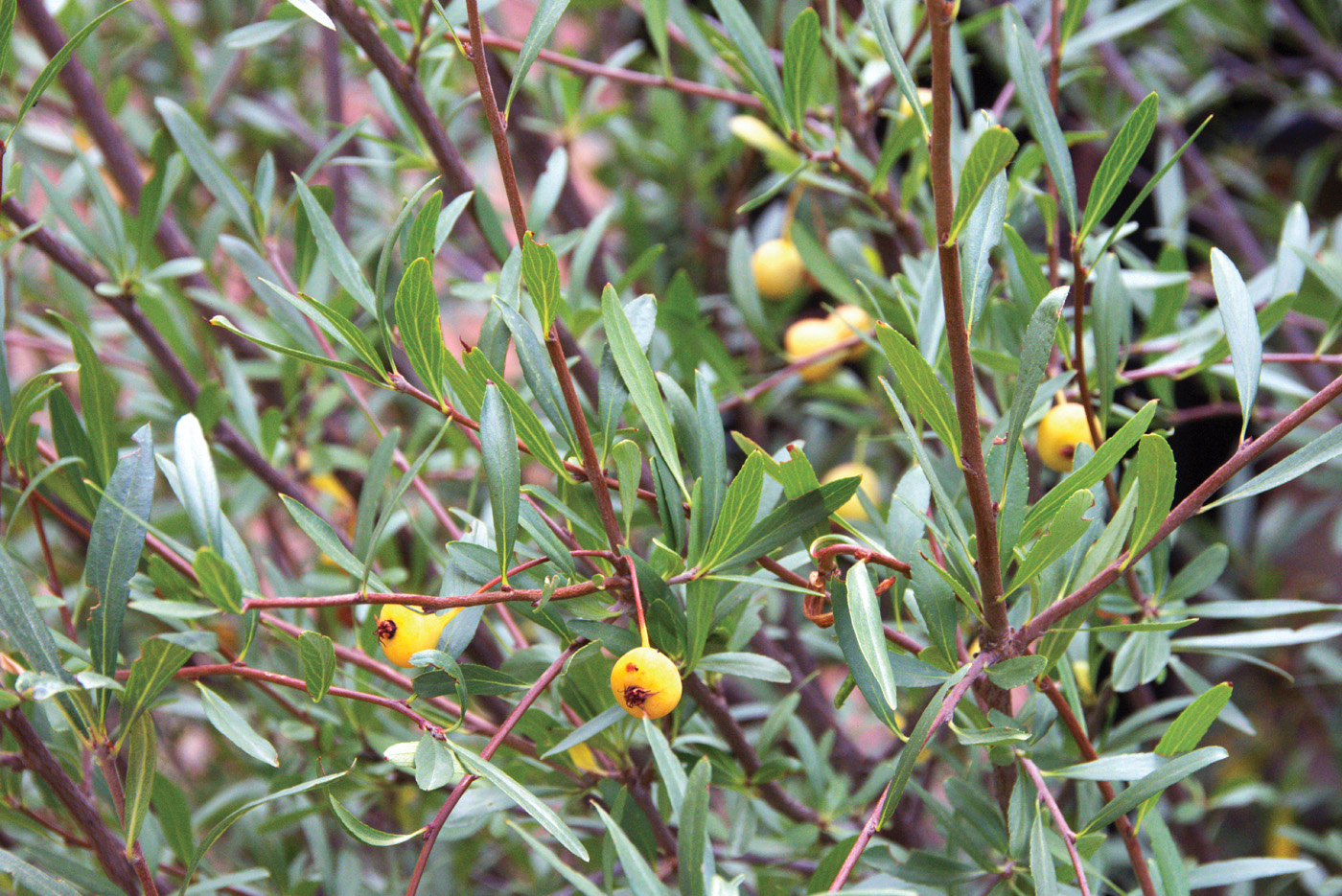
- Name: Peraphyllum ramosissimum
- Zones: 4–9
- Size: 6 feet tall and wide
- Conditions: Full sun; dry, well-drained soil
- Native range: Western United States
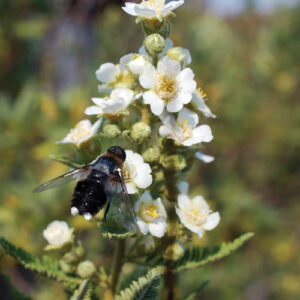
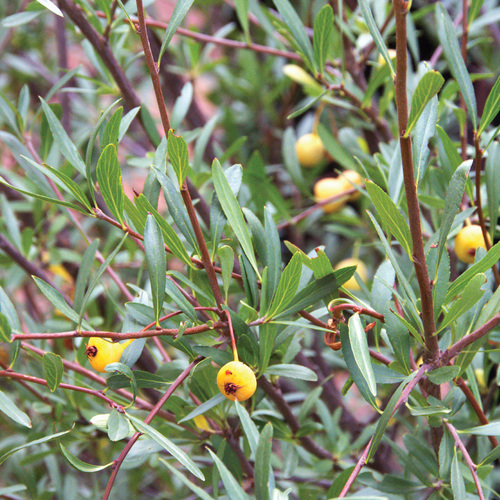
In nature, wild crabapple is found only occasionally in the mountains and mesa country west of the Continental Divide. But once you spot one plant, you’re likely to find others nearby in astonishing numbers. Slow growing, stress tolerant, and long-lived, wild crabapple handles drought with aplomb, making its spectacular spring display of white, crabapple-like flowers even more notable.
Mature specimens have excellent wildlife value, serving as larval hosts for insects, providing dense branches for songbirds, and developing nutritious fruits after the flowers fade. Well-drained soil is essential; it will even tolerate clay, provided it stays dry. Try it as a resilient and unexpected replacement for shrub roses (Rosa spp. and cvs., Zones 3–9).
Photos courtesy of contributor unless otherwise noted.
Bryan Fischer is the horticulture manager for the High Plains Environmental Center in Loveland, Colorado, and co-author of The Rocky Mountain Native Plant Primer: 225 Plants for an Earth-Friendly Garden.
Read More:
Great Native Perennials for Your Region
Watch Videos on Our YouTube Channel
Get All Access to Fine Gardening!
Fine Gardening Recommended Products
ARS Telescoping Long Reach Pruner
Fine Gardening receives a commission for items purchased through links on this site, including Amazon Associates and other affiliate advertising programs.
Telescopes from 4 to 7′. Cut and Hold (160) Blades. Drop forged blades for unsurpassed long lasting sharpness. Lightweight, 2.3 lbs., for continued use. Perfectly balanced for easy pruning.
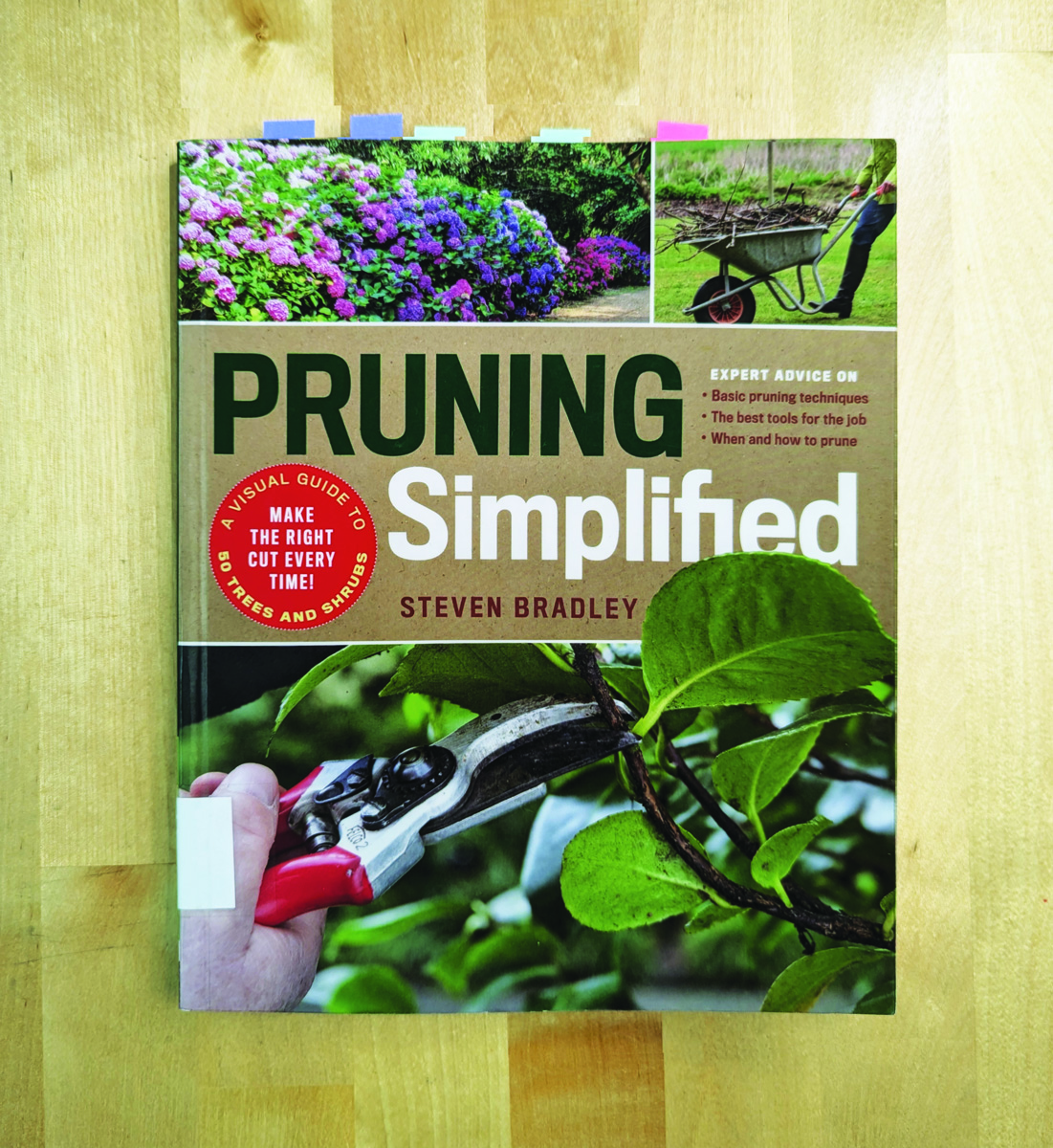
Pruning Simplified: A Step-by-Step Guide to 50 Popular Trees and Shrubs
Fine Gardening receives a commission for items purchased through links on this site, including Amazon Associates and other affiliate advertising programs.
Pruning Simplified shows you exactly how to do it. This must-have guide offers expert advice on the best tools for the job, specific details on when to prune, and clear instructions on how to prune. Profiles of the 50 most popular trees and shrubs—including azaleas, camellias, clematis, hydrangeas, and more—include illustrated, easy-to-follow instructions that will ensure you make the right cut the first time.
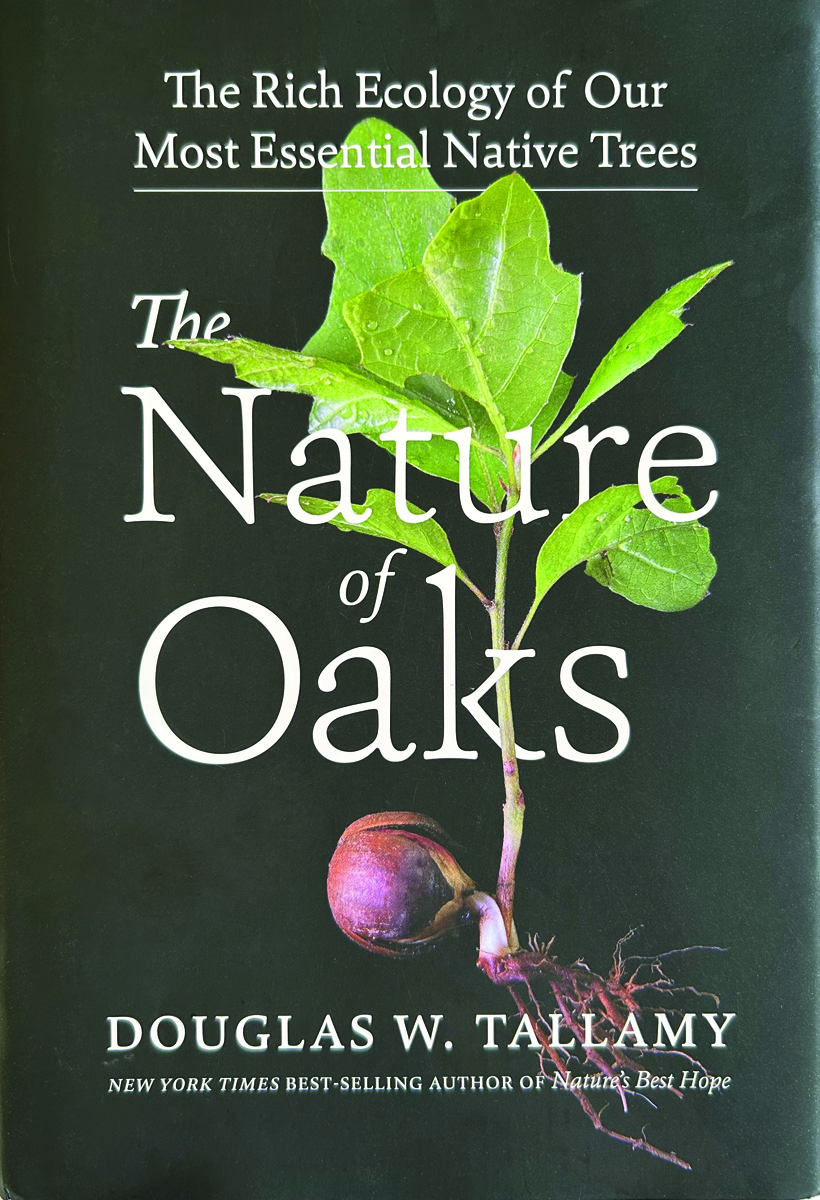
The Nature of Oaks: The Rich Ecology of Our Most Essential Native Trees
Fine Gardening receives a commission for items purchased through links on this site, including Amazon Associates and other affiliate advertising programs.
The Nature of Oaks reveals what is going on in oak trees month by month, highlighting the seasonal cycles of life, death, and renewal. From woodpeckers who collect and store hundreds of acorns for sustenance to the beauty of jewel caterpillars, Doug Tallamy illuminates and celebrates the wonders that occur right in our own backyards. He also shares practical advice about how to plant and care for an oak, along with information about the best oak species for your area.