Expert Picks: Native Shrub Alternatives to Common Landscape Plants in the Southwest
Looking to incorporate more native plants into your landscape? Our regional expert, Mark G. Brotton, shares four native shrubs that thrive in the Southwest region’s hot, dry conditions. These picks add year-round structure, seasonal beauty, and valuable wildlife habitat. Replacing commonly used landscape shrubs with native alternatives is one of the easiest ways to boost both the beauty and biodiversity of your garden.
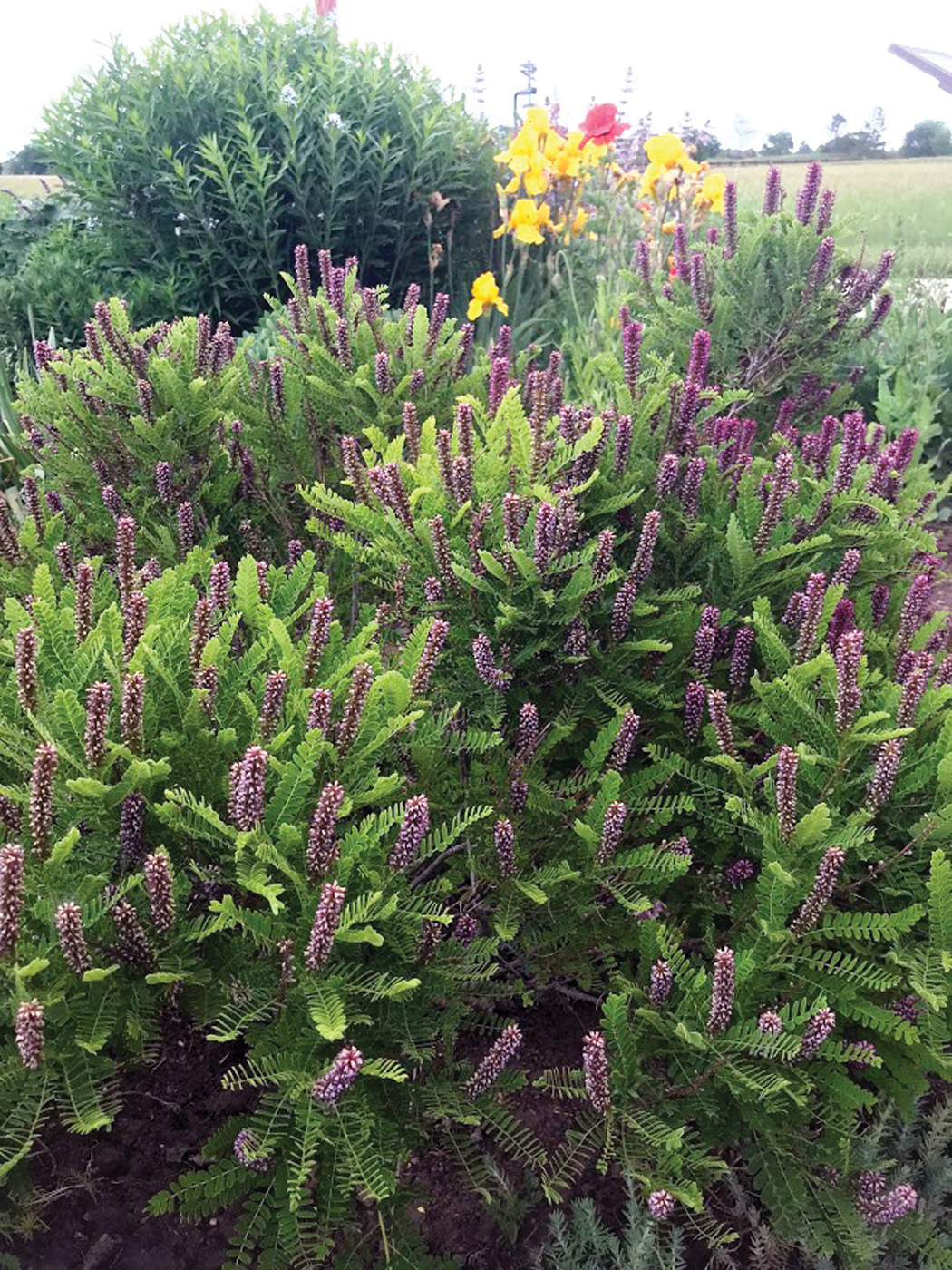
- Name: Amorpha nana
- Zones: 3–7
- Size: 2 to 3 feet tall and wide
- Conditions: Full sun; average to dry, well-drained soil
- Native range: Central North America
This native legume has the impressive ability to take nitrogen from the air and, with help from a symbiotic soil microbe, turn it into nitrate fertilizer. This keeps the plant green and healthy even in poor soil and tough conditions. Its honey-scented blooms open in mid- to late summer atop erect, slightly arching stems with an open, spreading habit. Dwarf leadplant’s compound leaves with loosely arranged gray-green leaflets have a soft, airy texture.
This attractive dryland shrub can handle low water conditions and thrives at up to 8,150 feet in elevation. Deer resistance and high pollinator value add to its late-summer brilliance, which peaks just as many other perennials are starting to fade.
Pawnee Buttes® sand cherry
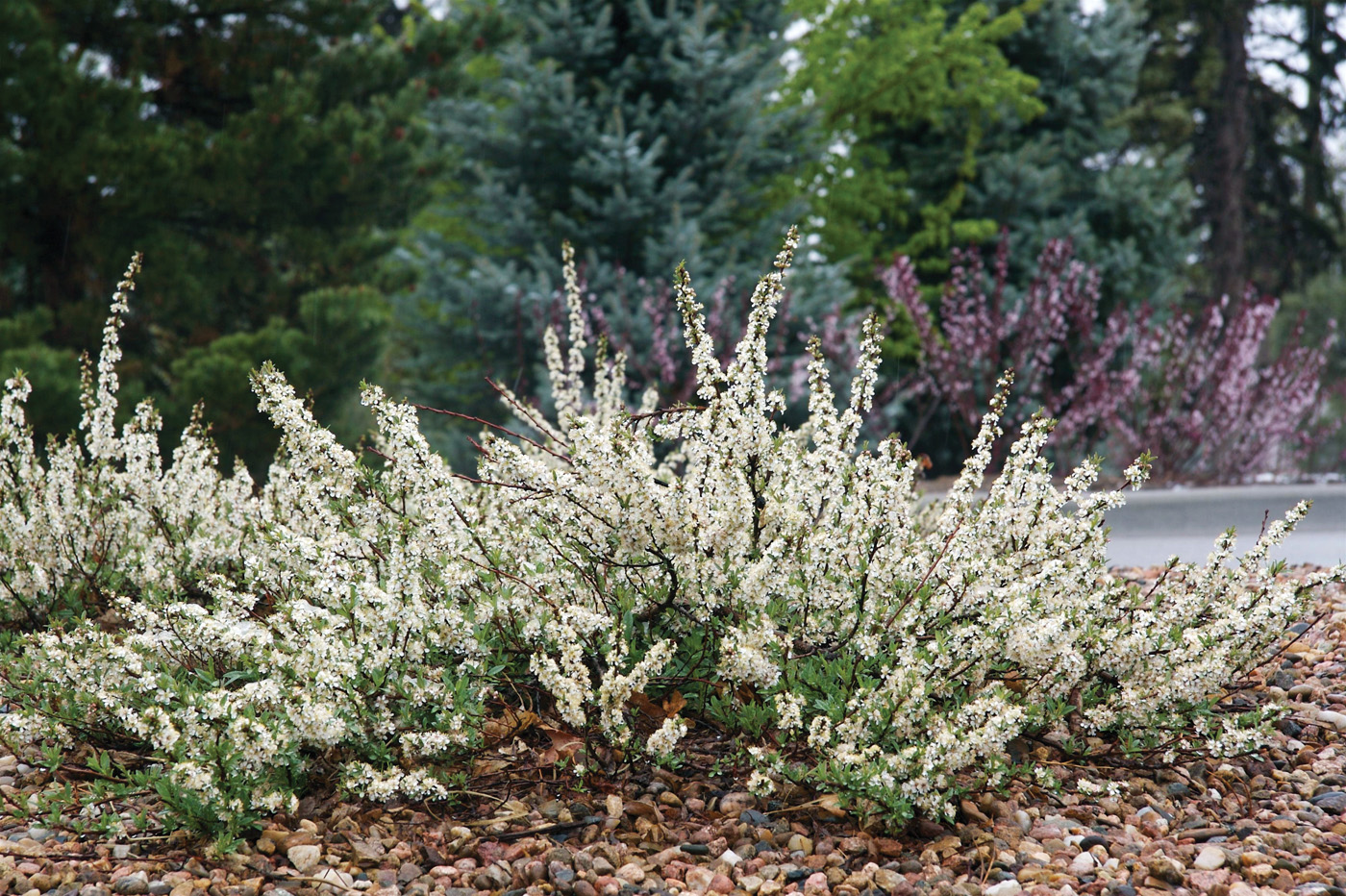
- Name: Prunus besseyi ‘P011S’
- Zones: 4–8
- Size: 1 to 1½ feet tall and 4 to 6 feet wide
- Conditions: Full sun to partial shade; average to dry, well-drained soil
- Native range: Central and western North America
Pawnee Buttes® is a low-growing selection of a widespread western species discovered on the high, arid plains of northeastern Colorado. This drought-resistant gem offers something for everyone. Its low, spreading habit has a playful quality, but it is one of the most dependable plants you’ll ever find. It fits into many garden spaces and looks especially good weaving beneath mid-height and taller plants.
An early spring flush of flowers offers nectar for pollinators, including newly emerging honeybees, and the beautiful fruit that follows attracts wildlife. This sand cherry’s bright green foliage carries strongly through summer, then turns a knockout mahogany-red in fall. The unique way it moves through the seasons adds to its charm.
Curl-leaf mountain mahogany
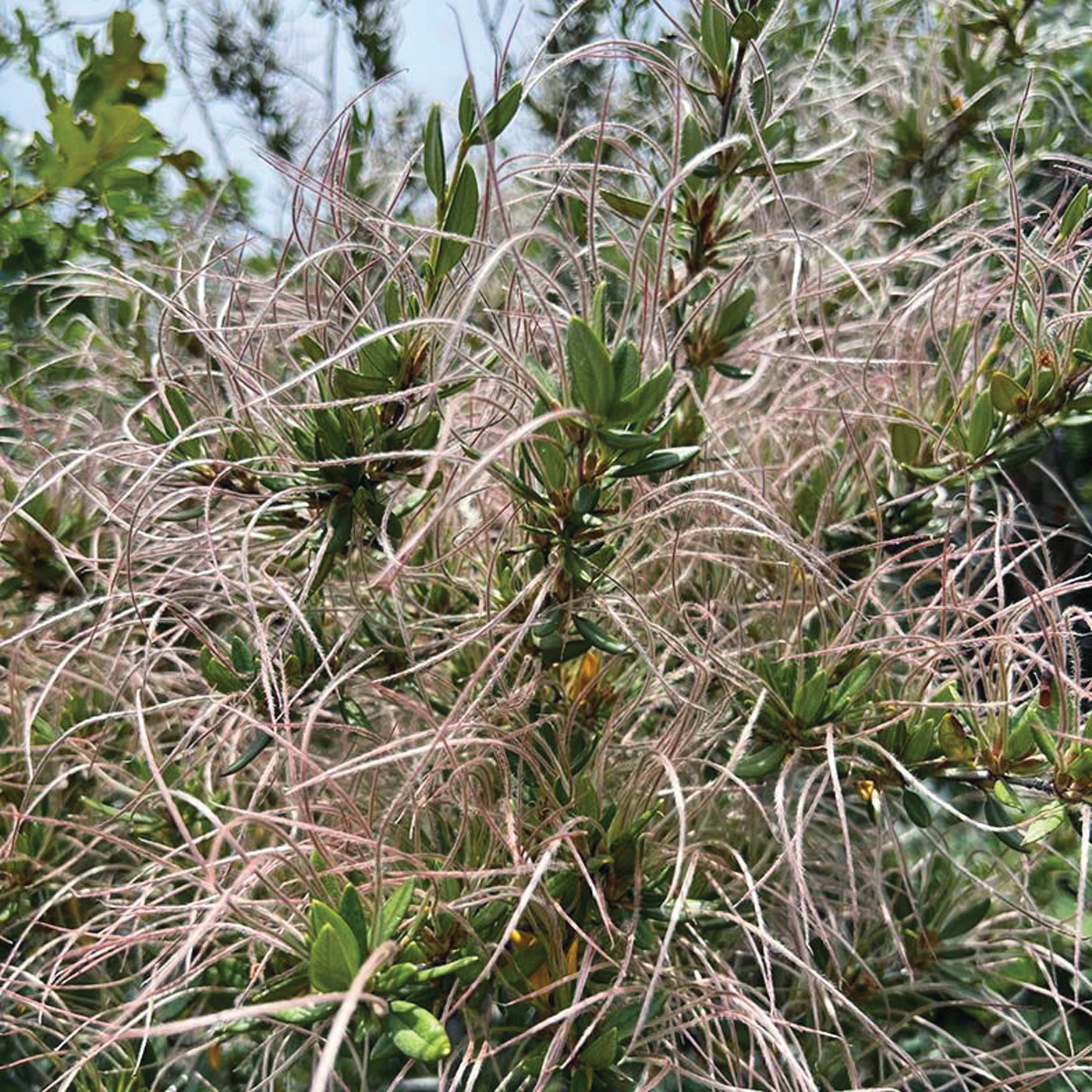
- Name: Cercocarpus ledifolius
- Zones: 3–9
- Size: 8 to 30 feet tall and 10 to 15 feet wide
- Conditions: Full sun; average to dry, well-drained soil; adaptable to clay and alkaline soil
- Native range: Western United States
For distinctive privacy screening or a natural hedge, you can’t beat this hardworking shrub. Its curled leaflets and quirky corkscrew flower plumes add to its rugged beauty. Thriving in hot, dry, south-facing areas, it fixes nitrogen and is an excellent choice for erosion control. It may be semi-evergreen or truly evergreen depending on your local climate, but in either case the light gray bark brings lovely contrast to the winter garden.
Its dense, multi-branched form gives songbirds meaningful protection from predators like raptors and coyotes. You don’t need to fuss over curl-leaf mountain mahogany; just give it enough space to spread, wild and unrestrained, as it has done for thousands of years.
Read More: 8 Best Plants for Privacy
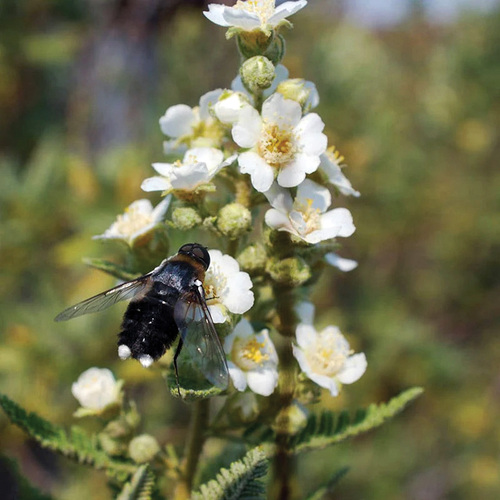
Fernbush
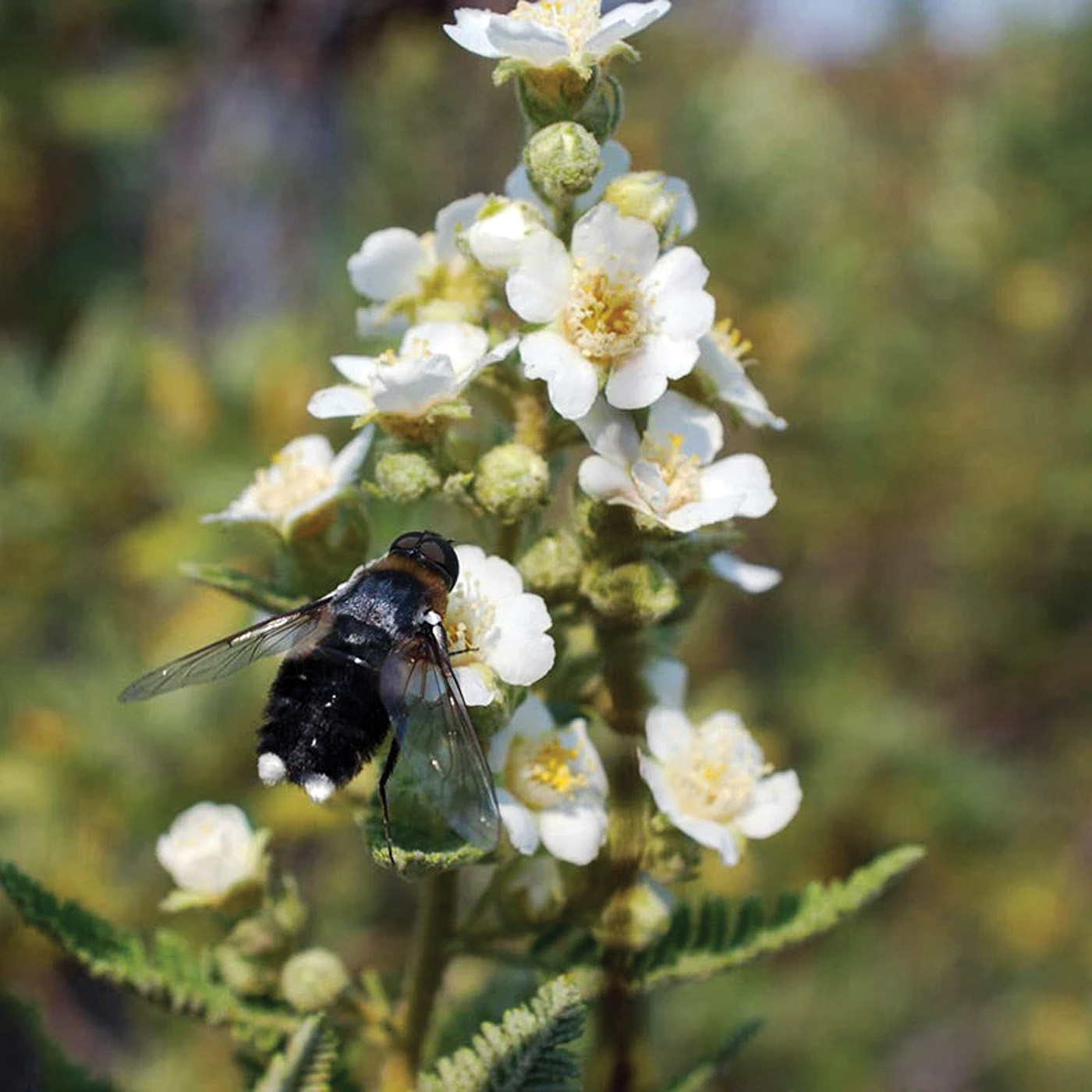
- Name: Chamaebatiaria millefolium
- Zones: 4b–8
- Size: 5 to 6 feet tall and wide
- Conditions: Full sun; average to dry, well-drained soil
- Native range: Western North America
Fernbush has a naturalistic habit that may look a little rangy, but it has a way of revealing its appeal over time. It is incredibly adaptable and drought tolerant, handling everything from dry, alkaline clay to rich loam with ease. Its long bloom time is another quality to love, with showy pyramidal flower clusters emerging between June and August.
Its aromatic, gray-green leaves are carried on erect, downy, fern-like stems, and the bud scales that hold and protect the leaves before they emerge give it an evergreen appearance through winter. This shrub thrives on the windiest and most exposed sites I’ve ever worked on, growing happily with irrigation and even self-seeding into drier spots.
Photos courtesy of the contributor unless otherwise noted.
Mark G. Brotton, certified by the Association of Professional Landscape Designers (APLD), is owner of Living Water, an irrigation and landscape design firm in Santa Fe, New Mexico.
*Indicates invasive plant alert. Check alerts in your area to learn more.
Read More:
Tough as Nails Shrubs for the Southwest
Great Native Perennials for Your Region
Watch Videos on Our YouTube Channel
Get All Access to Fine Gardening!
Fine Gardening Recommended Products
Planting in a Post-Wild World: Designing Plant Communities for Resilient Landscapes
Fine Gardening receives a commission for items purchased through links on this site, including Amazon Associates and other affiliate advertising programs.
Featuring gorgeous photography and advice for landscapers, Planting in a Post-Wild World by Thomas Rainer and Claudia West is dedicated to the idea of a new nature—a hybrid of both the wild and the cultivated—that can nourish in our cities and suburbs.

DeWalt Variable-Speed Cordless Reciprocating Saw
Fine Gardening receives a commission for items purchased through links on this site, including Amazon Associates and other affiliate advertising programs.
You can fit a variety of blades to this saw to cut fallen branches or prune larger limbs from trees in a pinch. It’s fast, tough, easy to use, and extremely versatile.
– 18.31 x 6.13 x 4 inches
– 1-1/8-inch stroke length
– Variable speed trigger with 0-3000 spm
Pruning Simplified: A Step-by-Step Guide to 50 Popular Trees and Shrubs
Fine Gardening receives a commission for items purchased through links on this site, including Amazon Associates and other affiliate advertising programs.
Pruning Simplified shows you exactly how to do it. This must-have guide offers expert advice on the best tools for the job, specific details on when to prune, and clear instructions on how to prune. Profiles of the 50 most popular trees and shrubs—including azaleas, camellias, clematis, hydrangeas, and more—include illustrated, easy-to-follow instructions that will ensure you make the right cut the first time.