Expert Picks: Native Shrub Alternatives to Common Landscape Plants in the Midwest
If you’re looking to incorporate more native plants into your landscape, our regional expert shares four native shrubs that thrive in the Midwest. These options add year-round structure, seasonal beauty, and valuable wildlife habitat. Replacing commonly used landscape shrubs with native alternatives is one of the easiest ways to boost both the beauty and biodiversity of your garden.
Read More: 16 Alternatives for Overused Perennials
Tiny Wine® ninebark
- Name: Physocarpus opulifolius ‘SMNPOTW’
- Zones: 3–8
- Size: 3 to 4 feet tall and wide
- Conditions: Full sun to partial shade; well-drained soil
- Native range: Central and eastern North America
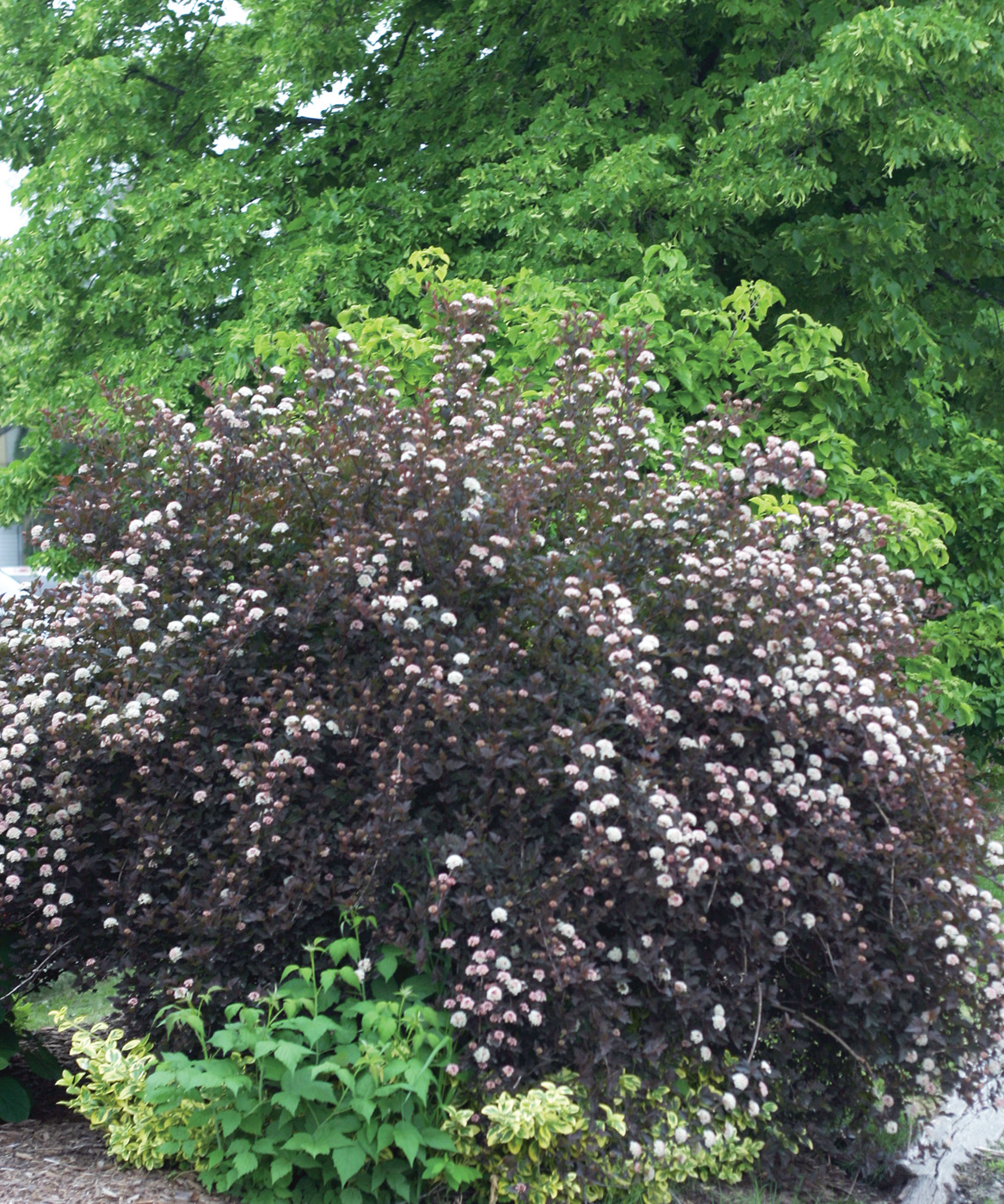
Maroon foliage can be quite arresting, offering richness, boldness, and depth. Many cultivars of ninebark feature this dark coloration, but I’m a big fan of Tiny Wine® for its smaller stature and full, arching form. Its whitish pink spring flowers are nice as well. With dependable hardiness and a broad applicability in garden settings, this selection stands out as an excellent substitute for the many maroon varieties of Japanese barberry (Berberis thunbergii* and cvs., Zones 4–8), which have become a spreading nuisance in so many locations.
Used as a specimen plant, as a foundation plant, in groupings, or in an informal hedge, Tiny Wine® ninebark is a refined and solid performer. It is also adaptable to a variety of different soil types.
Leatherwood
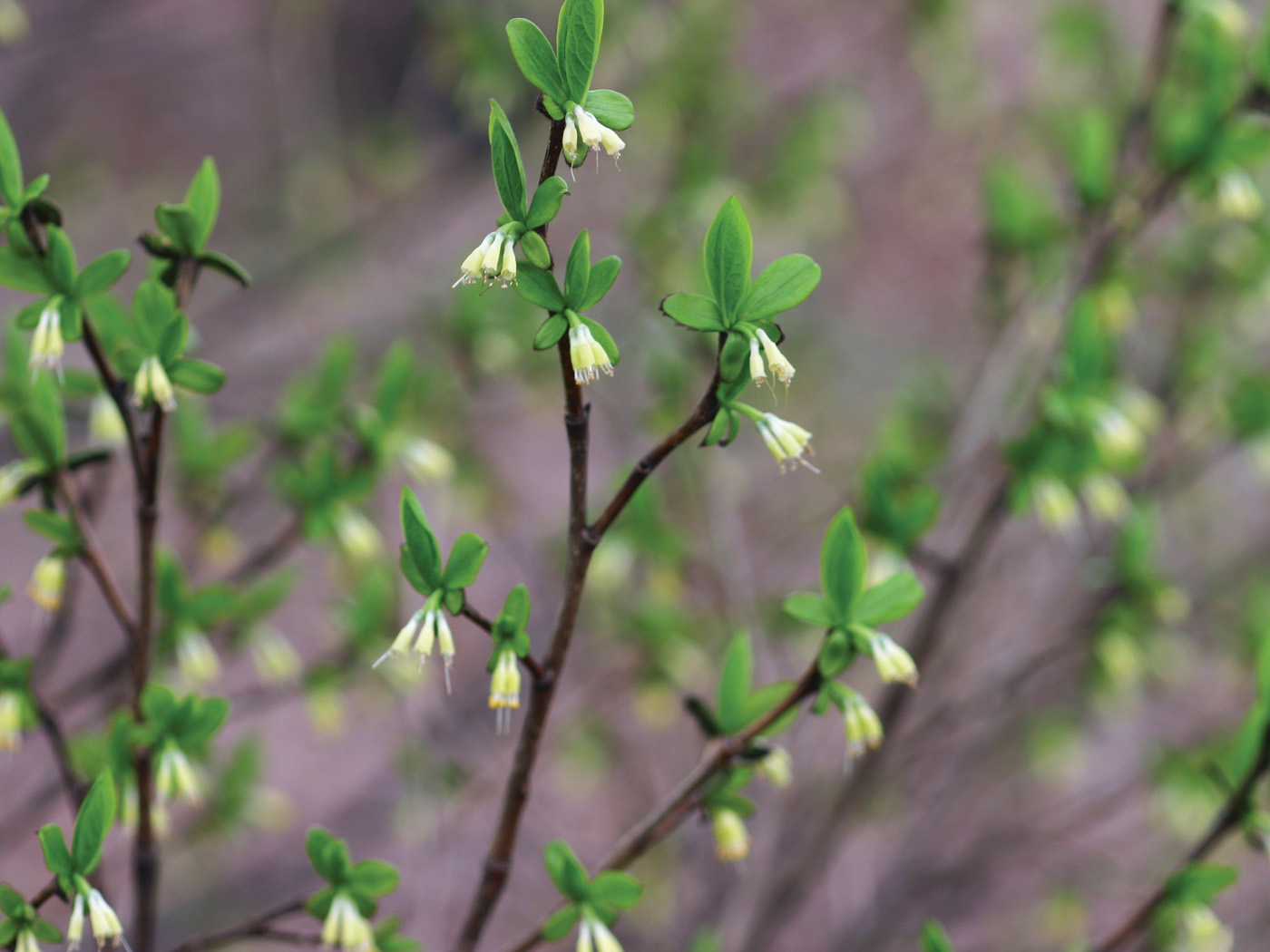
- Name: Dirca palustris
- Zones: 3–9
- Size: 3 to 6 feet tall and wide
- Conditions: Partial to full shade; moist, rich, slightly acidic soil
- Native range: Eastern North America
If I were to compile a list of the most underused native shrubs, leatherwood would always be included. Tolerating shadier sites, this slow-growing plant features elliptical, dusky green leaves that turn yellow in fall. The bell-shaped, pale yellow flowers that bloom in early spring are noteworthy, but I find the very distinctive, symmetrically rounded form to be more eye-catching.
There are few insect or disease problems, so the only challenges include sourcing this amazing shrub and exhibiting patience in watching it grow over the years. With so many Asian honeysuckle species (Lonicera spp. and cvs., Zones 4–9) establishing in our woodlands, a stalwart native like leatherwood with similar-looking flowers ultimately provides a fantastic return on investment.
Gem Box® inkberry
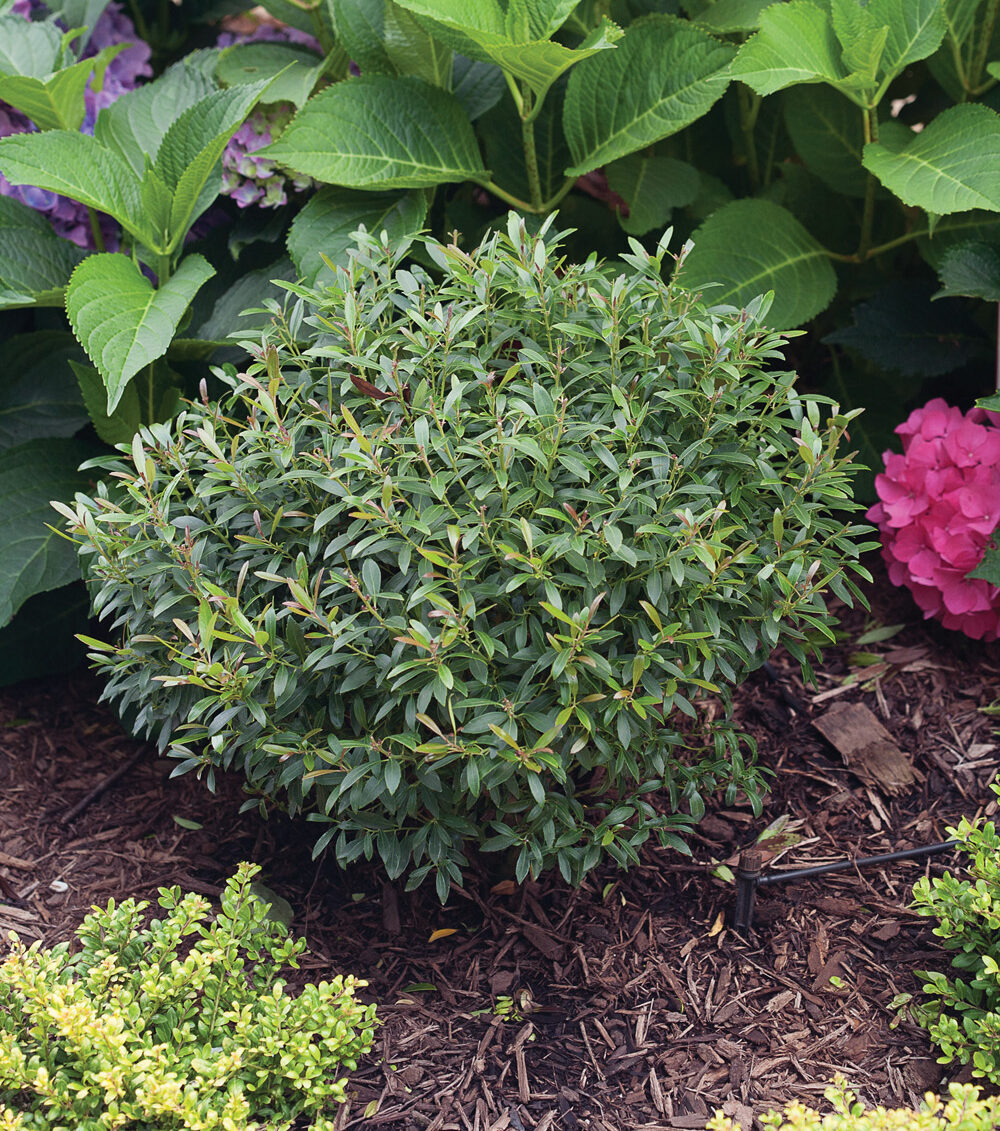
- Name: Ilex glabra ‘SMNIGAB17’
- Zones: 5–9
- Size: 2 to 3 feet tall and wide
- Conditions: Full sun to partial shade; moist, acidic soil
- Native range: Coastal plains of Eastern North America
A great native alternative to the extensively used boxwood (Buxus spp. and cvs., Zones 4–9), this dense, ball-shaped inkberry has unrealized potential. The small, shiny, dark green leaves of Gem Box®, coupled with its symmetrical form, make it an interesting addition when well-placed in a garden.
It does have some site preferences for ample moisture and acidic soil, but it fills a niche with its tolerance for salt and wetness. With good branching coverage to the ground, its strong form makes a significant impact. The foliage has reddish tips during its spring flush but gets a slight bronzing in winter and is left alone by deer. Shear and shape this shrub in late spring to early summer if desired.
Read More: Top Native Alternatives to Boxwood
Buttonbush
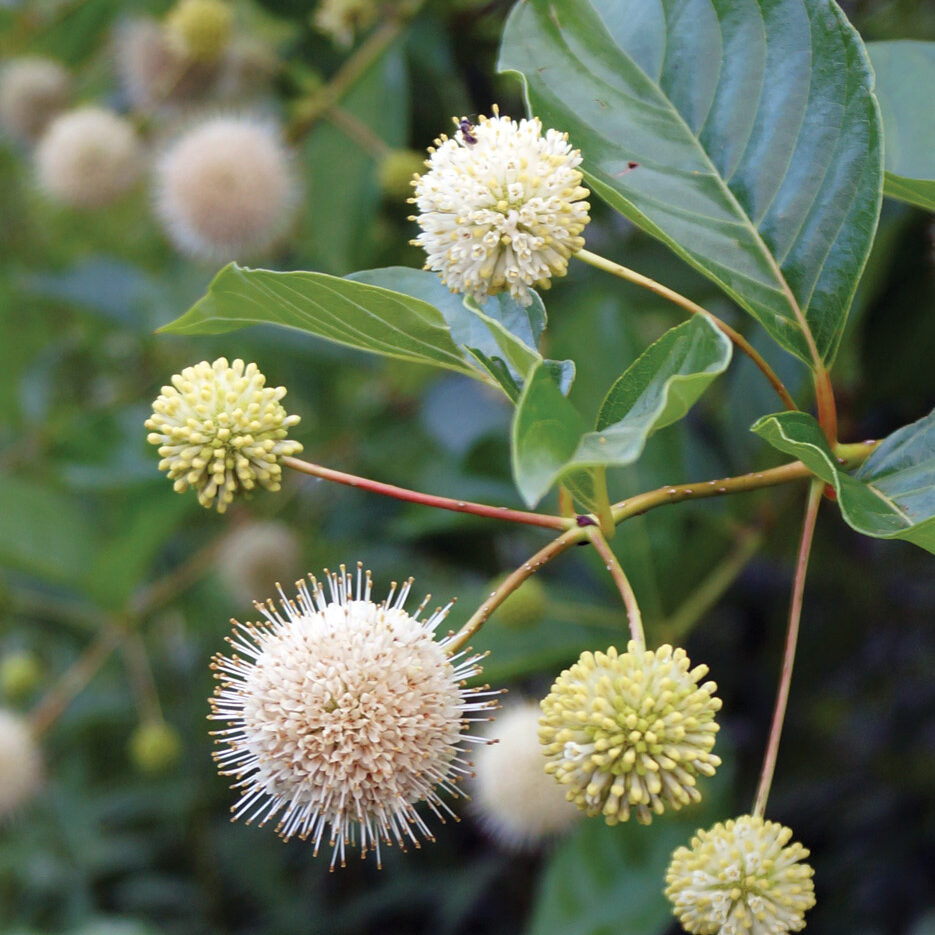
- Name: Cephalanthus occidentalis
- Zones: 4–9
- Size: 5 to 12 feet tall and 4 to 8 feet wide
- Conditions: Full sun to partial shade; consistently moist soil
- Native range: Central America and North America
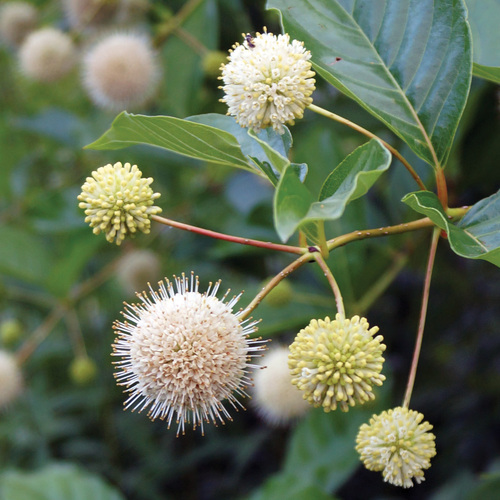
This large shrub is finally becoming more available and is unsurprisingly popular. What’s not to like about the glossy, dark green foliage and 1- to 1½-inch-wide spherical white flower structures with protruding styles? These unique, rounded bloom clusters, which are slightly fragrant, appear in summer and attract a wide range of pollinators. The reddish brown fruits that follow in early fall support wildlife as well.
Thriving in moist soil and even shallow water, buttonbush has shown wide adaptability in average garden soil. It is commonly used as a specimen plant, in shrub borders, and in rain gardens. With very few insect or disease problems, this low-maintenance native shrub should be on every gardener’s short list for consideration.
*Indicates invasive plant alert. Check alerts in your area to learn more.
Regional Expert: Mark Dwyer is the garden manager for the Edgerton Hospital Healing Garden in Edgerton, Wisconsin, and
he operates Landscape Prescriptions by MD.
See More:
SuperCool Plants Podcast: Plants to Soothe the Senses
Great Native Perennials for Your Region
Watch Videos on Our YouTube Channel
Get All Access to Fine Gardening!
Fine Gardening Recommended Products
ARS Telescoping Long Reach Pruner
Fine Gardening receives a commission for items purchased through links on this site, including Amazon Associates and other affiliate advertising programs.
Telescopes from 4 to 7′. Cut and Hold (160) Blades. Drop forged blades for unsurpassed long lasting sharpness. Lightweight, 2.3 lbs., for continued use. Perfectly balanced for easy pruning.
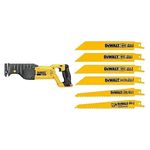
DeWalt Variable-Speed Cordless Reciprocating Saw with 6-Piece Saw Blade Set
Fine Gardening receives a commission for items purchased through links on this site, including Amazon Associates and other affiliate advertising programs.
You can fit a variety of blades to this saw to cut fallen branches or prune larger limbs from trees in a pinch. It’s fast, tough, easy to use, and extremely versatile.
– 18.31 x 6.13 x 4 inches
– 1-1/8-inch stroke length
– Variable speed trigger with 0-3000 spm
– DW4856 Metal/Woodcutting Reciprocating Saw Blade Set, 6-Piece
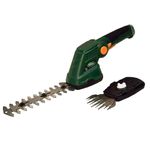
Scotts Cordless Grass-Shear/Shrub-Trimmer Combo
Fine Gardening receives a commission for items purchased through links on this site, including Amazon Associates and other affiliate advertising programs.
With a built-in 7.2-volt lithium-ion battery, this little guy weighs less than 2 lb. and can zip through all your minor pruning tasks quickly and easily.
– 13.5 x 3 x 5 inches
– Uses a 7.2-Volt 2Ah high-capacity built-in lithium-ion battery; Includes a fast charger