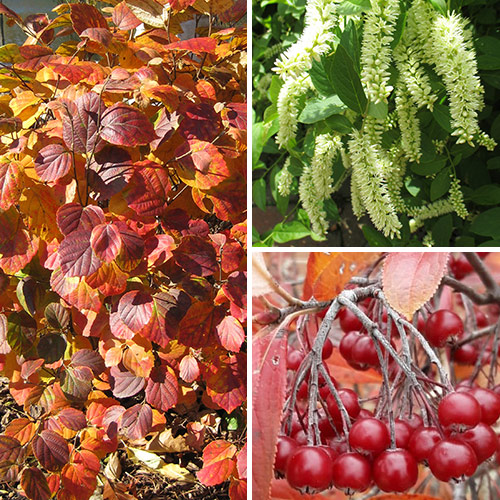
At this point, most of us know of that Japanese barberry (Berberis thunbergii) is a problematic plant. It has made its way to several states’ noxious weed lists, and many cultivars have already been banned from sale, but that does not mean it has disappeared from our landscapes and gardens. Of course, Japanese barberries are still terrorizing our woodland environments and dominating our forest understories, but old specimens are also sitting untouched in gardens for their vibrant fall foliage and fruits. Replacing an established shrub is never an easy undertaking, but for a plant this invasive and with so many fabulous alternatives, it is a worthy endeavor. If you’re still waiting for the right moment to remove a pesky Japanese barberry from your garden, take this list of lovely North American native alternatives as your sign to make a selection and get the project underway.
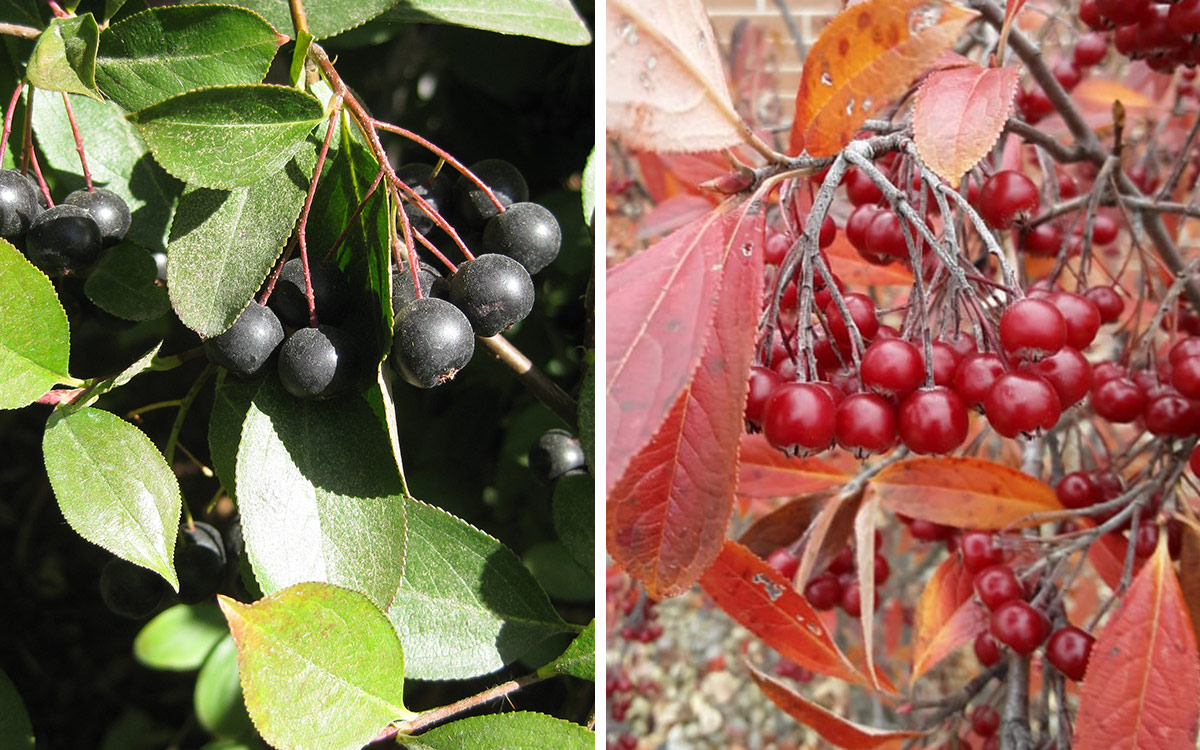
1. Black Chokeberry and Red Chokeberry
Name: Aronia melanocarpa / A. arbutifolia
Zones: 3–8 and 4–9
Size: 6 feet tall and wide / 6 to 10 feet tall and 3 to 6 feet wide
Conditions: Full to part sun and moist, well-drained soil
Native range: Eastern North America
Our native chokeberries deserve more attention and intentional use in our landscape. Both the black and red chokeberries have the same overlap of showy seasonal highlights that include beautiful white flowers in spring (best flowering in full sun), colorful fruit set (black and red) in summer, and excellent fall color late in the season. The fruiting holds late into the season and has value for birds and other wildlife. While slow growing, these upright spreading and rounded shrubs have a tolerance for wet soils and thrive in the rain garden or in average garden soils. Because these are colonizing shrubs, be vigilant about root suckers and consider using them in groupings or in an informal hedge. Black chokeberries have a vast array of varietal selections featuring various heights, including very short options such as Low Scape Mound® and Ground Hug®. My favorite red chokeberry selection was ‘Brilliantissima’, but I’m most recently smitten with the smaller-scaled Berry Scape® from the University of Connecticut.
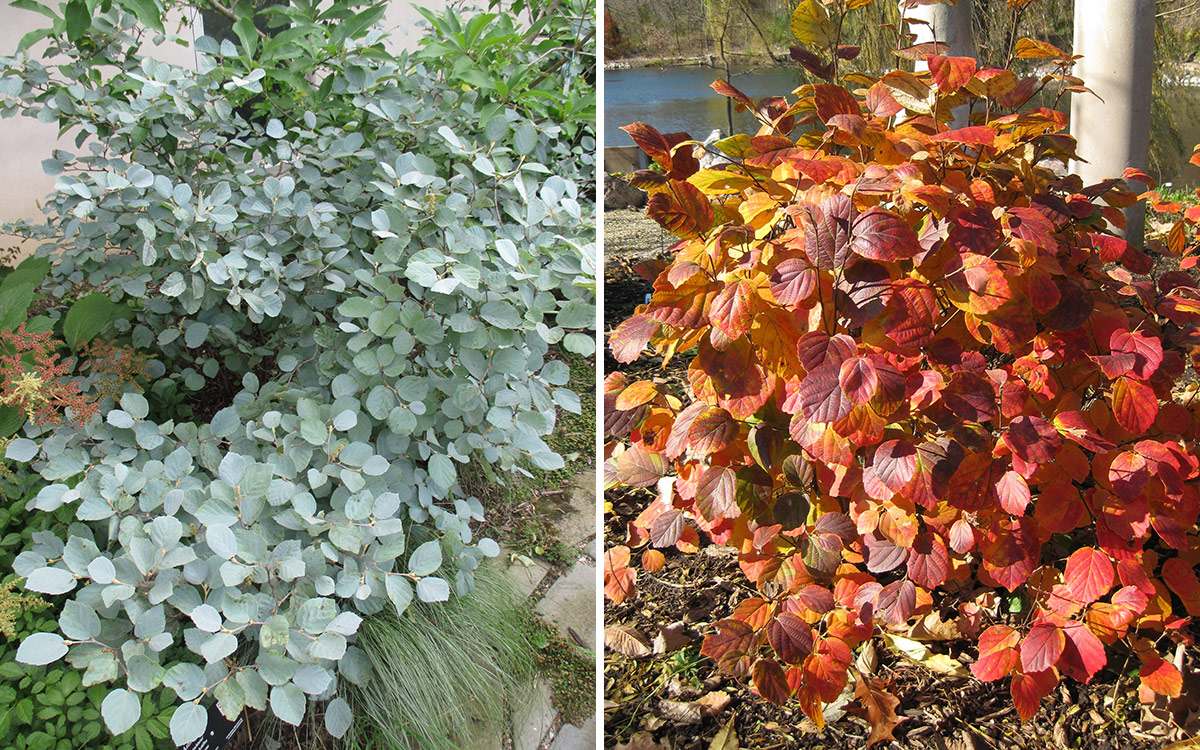
2. Dwarf Witch Alder
Name: Fothergilla gardenii
Zones: 5–8
Size: 2 to 3 feet tall and 2 to 4 feet wide
Conditions: Full to part sun and moist, acidic and well-drained soil
Native range: Southeastern North America
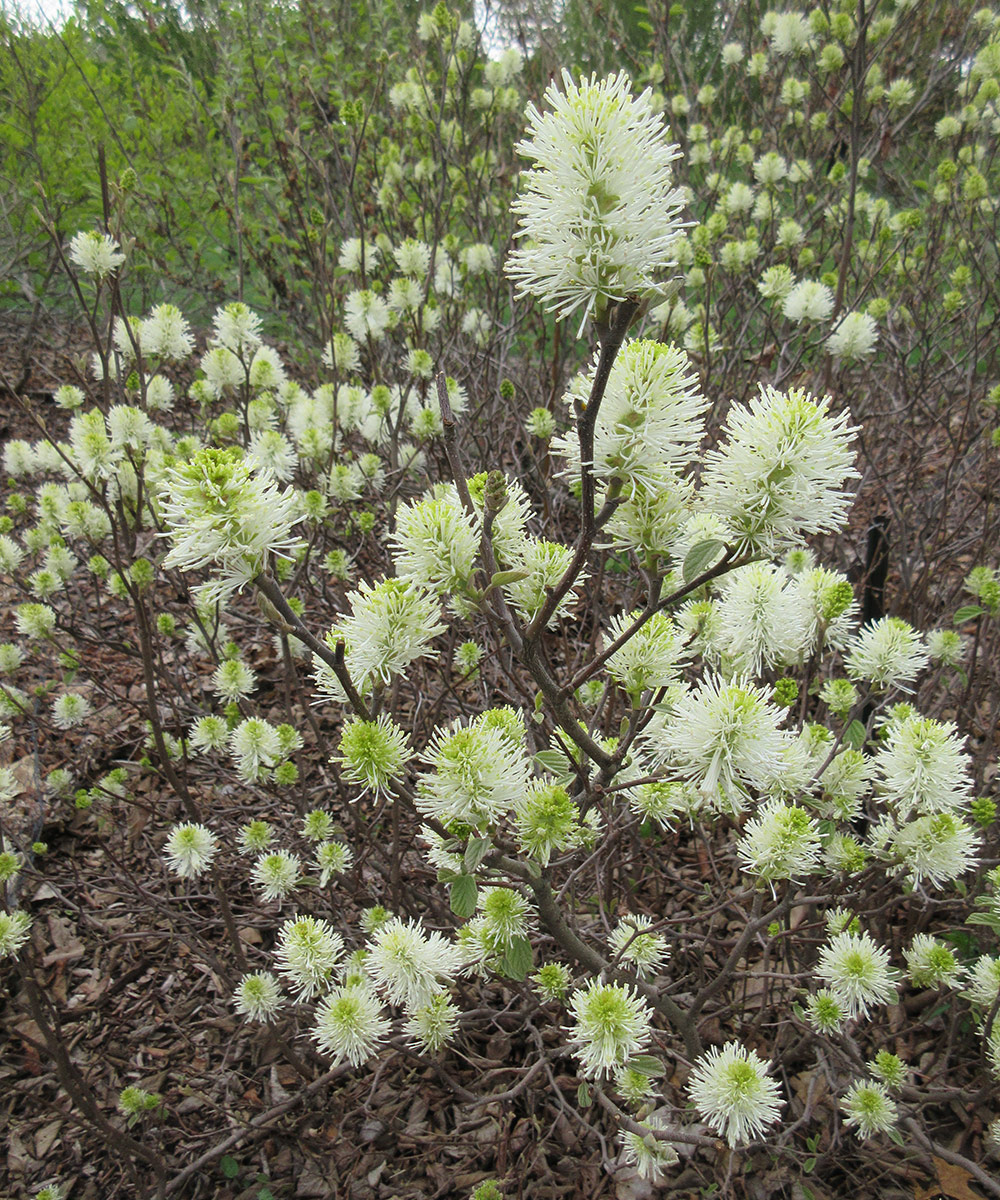
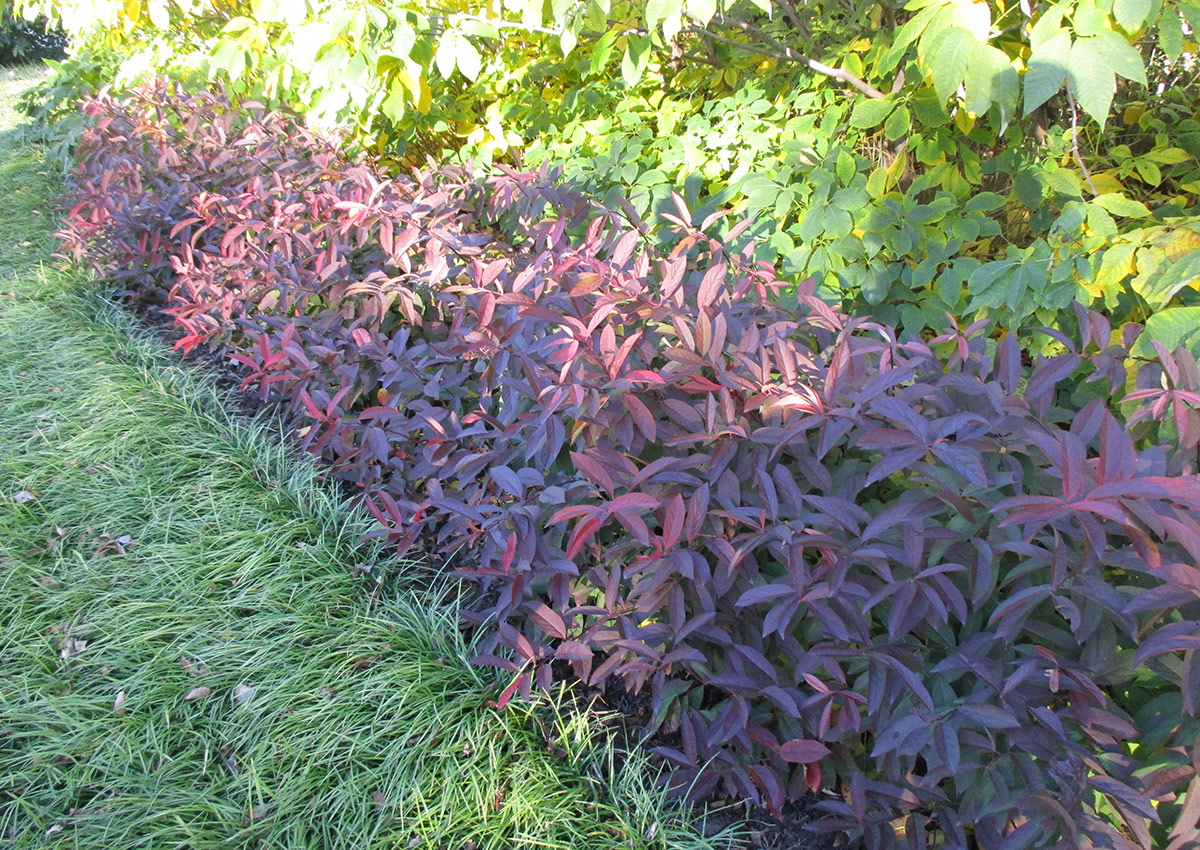
Well-grown fothergillas are amazing contributors in any landscape. While I’ve found them to be quite slow growing, my patience has always been rewarded when positioning these native shrubs in moist, rich, well-drained, acidic soils. These woody shrubs should not be considered drought tolerant. There are other species and hybrids of witch alder to consider, but Fothergilla gardenii has some excellent options, including varieties with powder-blue foliage. Mature size fluctuates slightly between varieties, but the compact, mounded habit of these witch alders is excellent and the aromatic, white, bottlebrush-like flowers in spring, as the foliage is just emerging, are a visual and olfactory delight. I’ve seen too many fothergillas placed in deeper shade, where they languish. Witch alders really prefer ample sun if kept moist. Some degree of afternoon shade is warranted in climates with hotter summers. However, the best flowering and amazing fall color (red, orange, yellow) occur with full to part sun.
3. Virginia Sweetspire
Name: Itea virginica
Zones: 5–9
Size: 3 to 5 feet tall and wide
Conditions: Full to part sun and moist, acidic, humusy and well-drained soil
Native range: Eastern North America
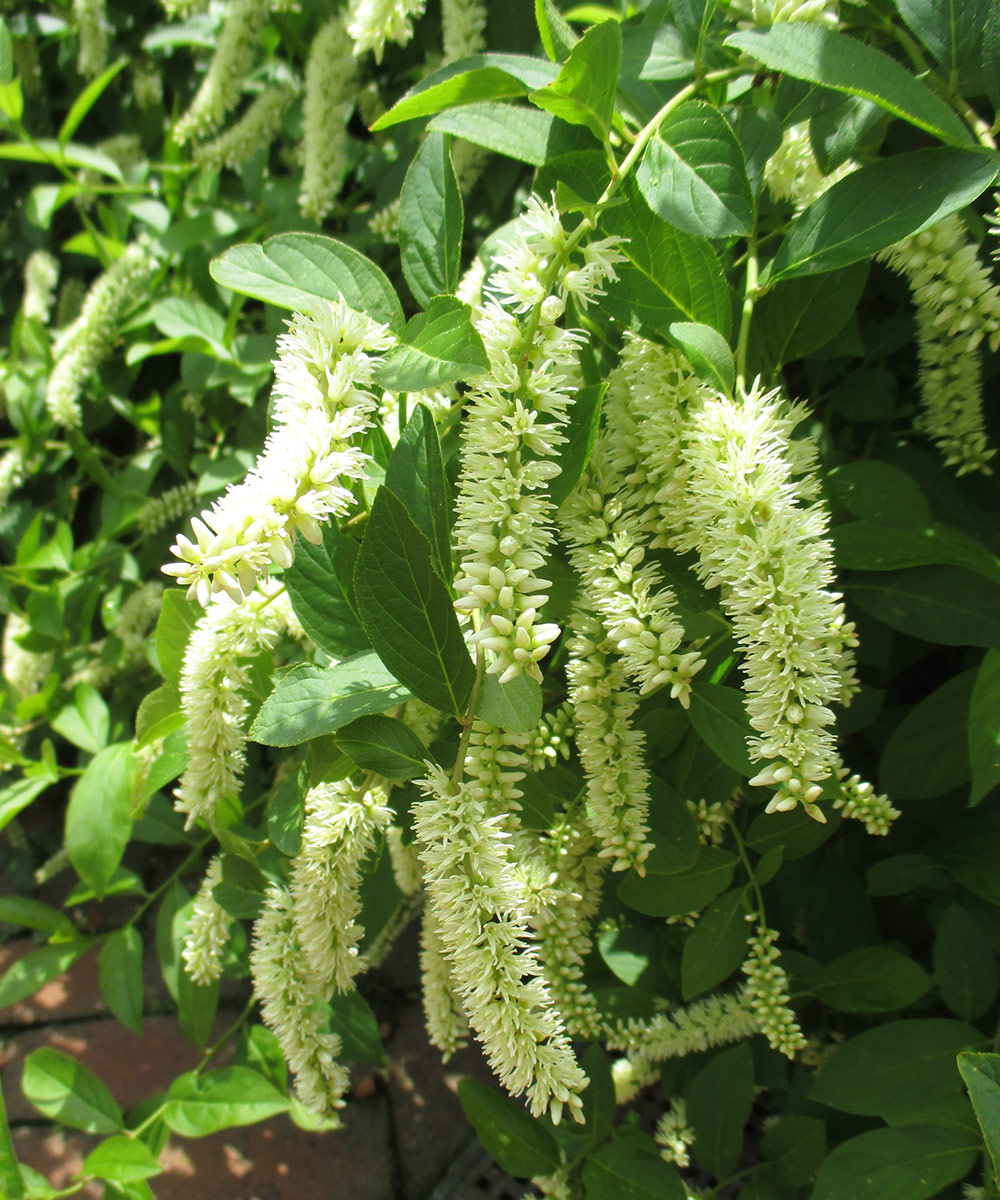
My earliest experiences with this amazing native shrub included a quick education on the importance of providing them ideal soils (moist, humusy, and acidic) for vigorous growth. I’ve seen a resurgence of interest in this species with quite a few named varieties out on the market. This versatile species can tolerate full to part sun and wetter locations. However, it is considered a colonizer, which makes it excellent in slowly expanding groupings and masses. With arching branches, the drooping white flowers (racemes) in late spring to early summer are fragrant and quite fetching. The autumn foliage coloration is also top-notch, with a lengthy transition and presentation featuring red, orange, and gold. With strong deer and rabbit resistance, this durable shrub should be on the radar. While the popular ‘Henry’s Garnet’ and Little Henry® have strong proponents, I’m excited to be trying Fizzy Mizzy® and Scentlandia® too.
4. Summersweet
Name: Clethra alnifolia
Zones: 3–9
Size: 3 to 8 feet tall and 4 to 6 feet wide
Conditions: Full to part sun and consistently moist, acidic and well-drained soil
Native range: Eastern and Southern North America
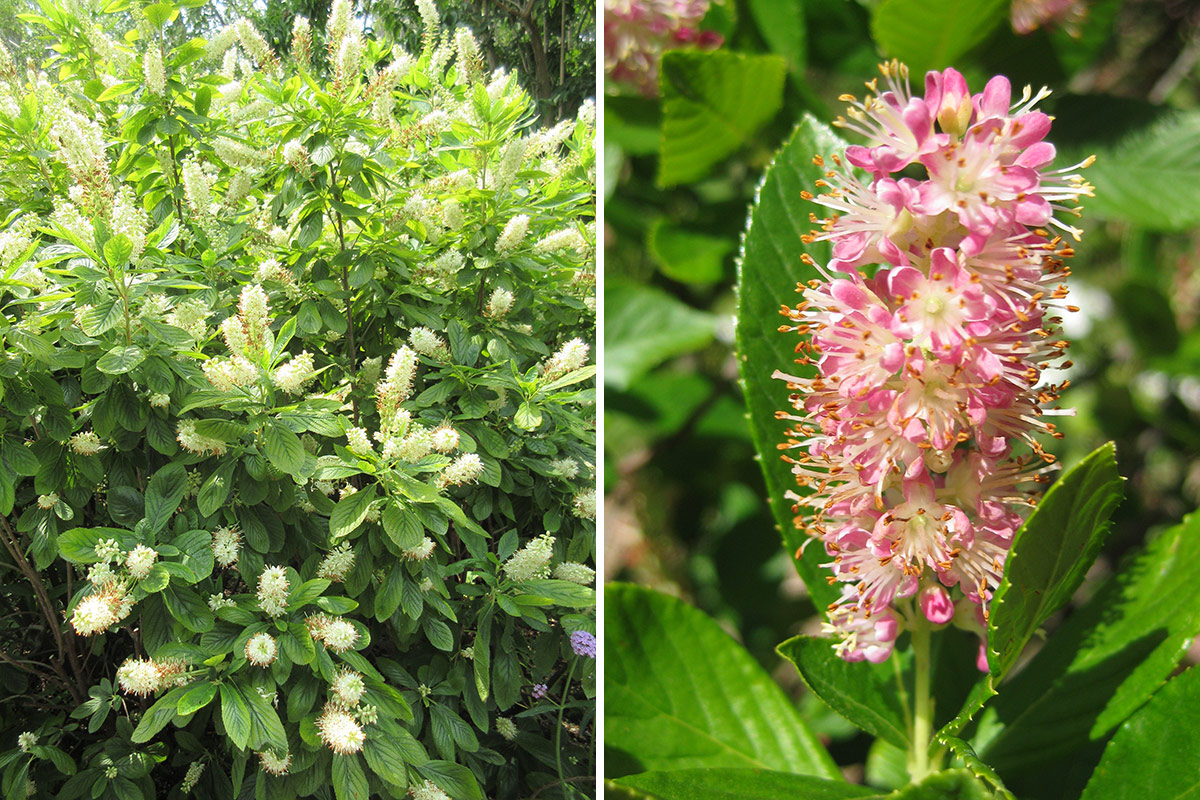
One of the fragrant shrubs featured in the healing garden where I work is summersweet. We have many specimens of ‘Ruby Spice’, the pink-flowering form (pictured above right), which we love for the amazing pop of color and fragrance from upright flower panicles (racemes) at a time of year when not many other shrubs are blooming. Many pollinators seek out these flowers. Consistently moist soils are needed for the best growth of summersweet, and they tolerate clay and boggy soils well. The most vigorous Clethra alnifolia I ever encountered was at the base of a gutter downspout! There is some minor root suckering which can be thwarted with periodic vigilance, but the potential for this shrub to find more prominence as a specimen, in masses or as an informal hedge, has yet to be fully realized. Flowering on new wood, this shrub can be lightly trimmed as needed but usually has a nice, densely branched, narrow form.
5. Inkberry
Name: Ilex glabra
Zones: 4–9
Size: 5 to 8 feet tall and wide
Conditions: Full to part sun and moist, acidic and well-drained soil
Native range: Eastern North America
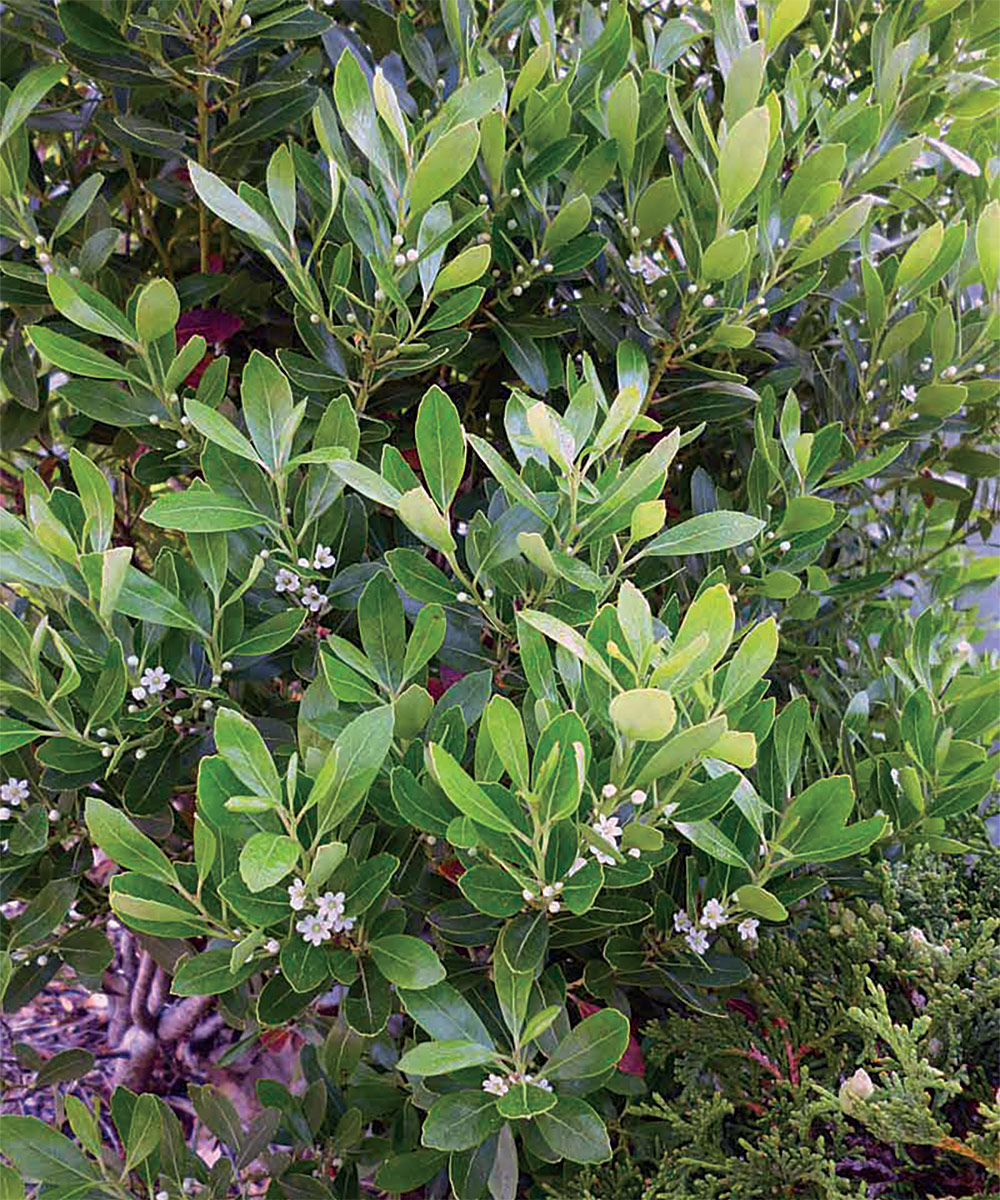
This broadleaf evergreen has an impressive tolerance for wet soils and prefers consistently moist, acidic locations. The glossy, elliptical leaves of inkberry offer a deep, rich green tone in the garden. While slow growing, the rounded, symmetrical form of inkberry makes it a nice element in the landscape, and it works well in “native hedging” situations and rain gardens. Inkberry is dioecious with both male and female plants. With a male pollinator, females will form small, glossy blue-black fruits (drupes) that persist on the plant, ripen in fall, and later attract birds into the winter months. Occasional root suckers should be removed as desired. Inkberry is also left alone by both deer and rabbits. The variety ‘Shamrock’ has been one of the most common selections, but there are many newer varieties, including very compact options, many of which are promoted as native “boxwood alternatives.”
Find more great native alternatives:
Discuss this article or ask gardening questions with a regional gardening expert on the Gardening Answers forum.
And for more Midwest regional reports, click here.
Mark Dwyer is the garden manager for the Edgerton Hospital Healing Garden in Edgerton, Wisconsin, and he operates Landscape Prescriptions by MD.
Photos, except where noted: Mark Dwyer
Fine Gardening Recommended Products
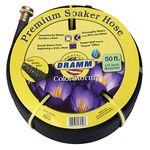
Dramm 17050 50′ ColorStorm 1/2″ Standard Soaker Hose
Fine Gardening receives a commission for items purchased through links on this site, including Amazon Associates and other affiliate advertising programs.
– Provides sufficient amounts of water to the garden without the hassle of hand watering
– Conveniently waters garden and beds
– 50 ft. by 1/2 inch diameter made from recycled material; lifetime guarantee
– Made in the USA
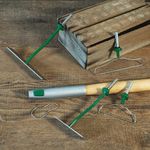
Johnny’s Selected Seeds Connecta® Cultivation Kit
Fine Gardening receives a commission for items purchased through links on this site, including Amazon Associates and other affiliate advertising programs.
Choose the right tool head for the job and switch out quickly with a simple push-button release. Includes the Connecta receiver, Connecta Collinear 4 head, Connecta Collinear 7 head, Connecta Contour Wire 4 head, Connecta Contour Wire 6 head, a sustainably harvested oiled ashwood handle, and a stainless-steel carrying clip.

Sunnydaze 14-Inch Round Lava-Finish Ceramic Plant Pot
Fine Gardening receives a commission for items purchased through links on this site, including Amazon Associates and other affiliate advertising programs.
Made from ceramic in a vibrant green color, this outdoor plant pot features a one-of-a-kind lava finish. This decorative planter for outdoor plants measures 14″ in diameter (outer top, 8.5″ at bottom) x 11″ H and weighs 23.6 lbs. Its inner measurements are 11.75″ in diameter x 10″ H. The planter has a soil capacity of 3.05 gallons (0.41 cu ft).