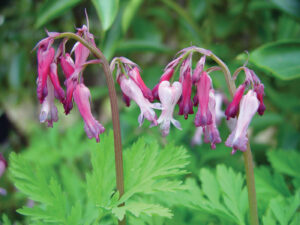

When you garden with ecology in mind, choosing plants becomes less about you and more about the local birds, mammals, and invertebrates that could benefit from your latest addition. Here, Melissa Starkey shares about wild bleeding heart, one of her favorite underappreciated native plants to grow.
Watch: Super Cool Plants Podcast | Underappreciated Native Plants
Wild bleeding heart
- Name: Dicentra eximia
- Zones: 3–9
- Size: 12 to 18 inches tall and wide
- Conditions: Partial shade; moist, rich, well-drained soil
- Native range: Appalachian region of the Eastern United States
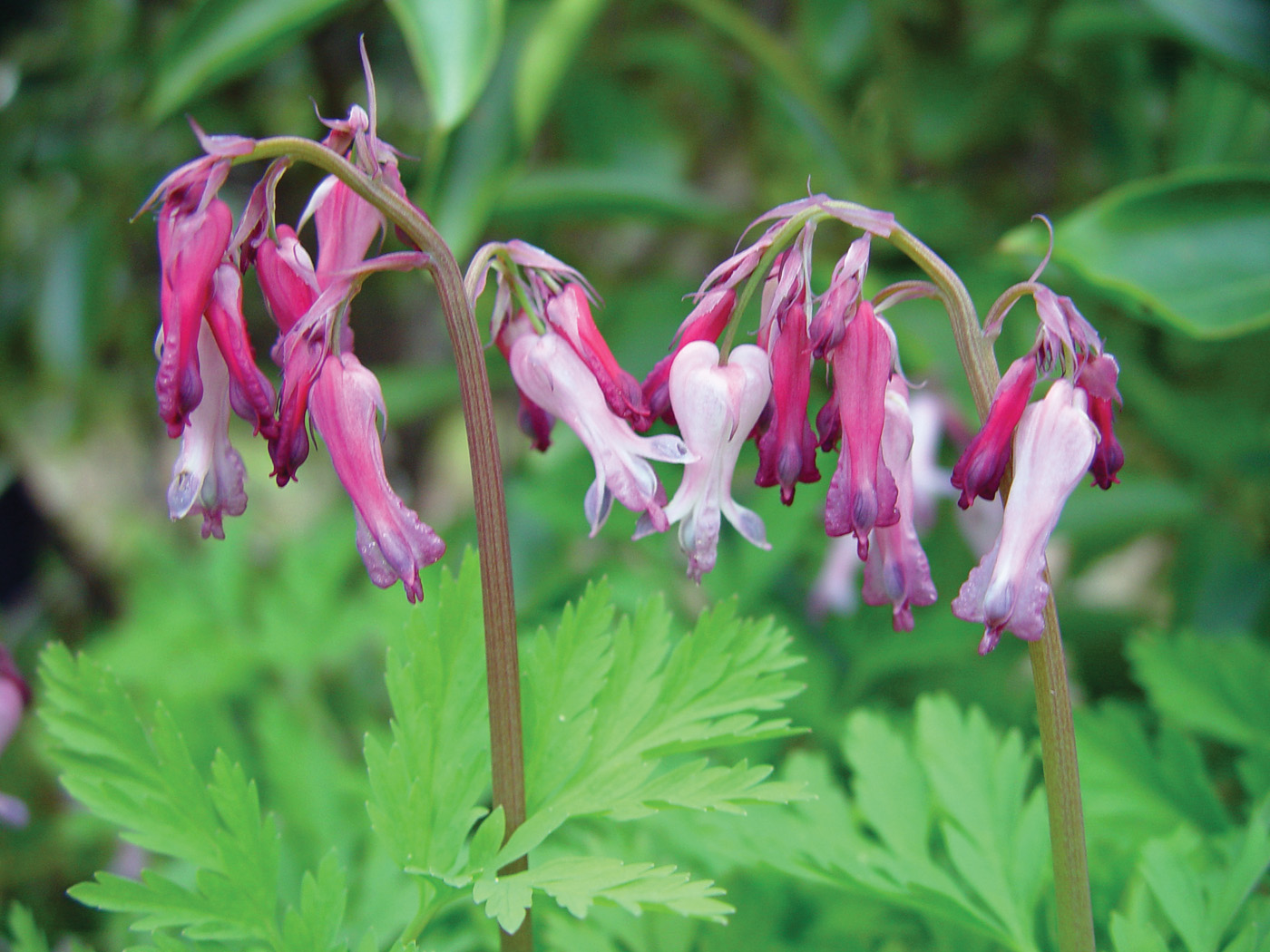
This plant is extremely close to my heart because I remember seeing it growing wild in Pennsylvania when I was a child. A great alternative to nonnative common bleeding heart (Lamprocapnos spectabilis and cvs., Zones 3–9), it produces its best flush of heart-shaped flowers in spring but keeps blooming through the entire growing season, even as late as November here at Mt. Cuba Center. Wild bleeding heart also has fernlike foliage, which has a kind of blush tinge.
An underappreciated native plant for woodland gardens
But all its aesthetic qualities aside, wild bleeding heart is incredibly hardworking and adaptable. It can grow in partial shade and makes an excellent woodland plant. This plant also does quite well out in the sun; it grows naturally on rocky, sunny outcrops. I have seen it growing right out of rocks in the wild. While it does adapt well, its unique flowers require larger pollinators, like bumblebees, that are strong enough to force themselves through its tight petals.
Wild bleeding heart is a bit smaller than common bleeding heart, but it does not go dormant like its nonnative relatives, giving you three seasons of interest. If pink flowers aren’t to your taste, there is a white cultivar available called ‘Alba’ (D. eximia ‘Alba’, Zones 3–9).
Learn more from Melissa about this plant on Fine Gardening’s podcast, Super Cool Plants, or watch the episode on our YouTube channel!
Melissa Starkey is the marketing and communications manager and an instructor at Mt. Cuba Center, a botanical garden in Hockessin, Delaware.
Dicentra photo courtesy of Mt. Cuba Center.
See More:
Best Native Plants for Your Region
See More Super Cool Plants Podcast Episodes
Subscribe to Fine Gardening All-Access!
Fine Gardening Recommended Products
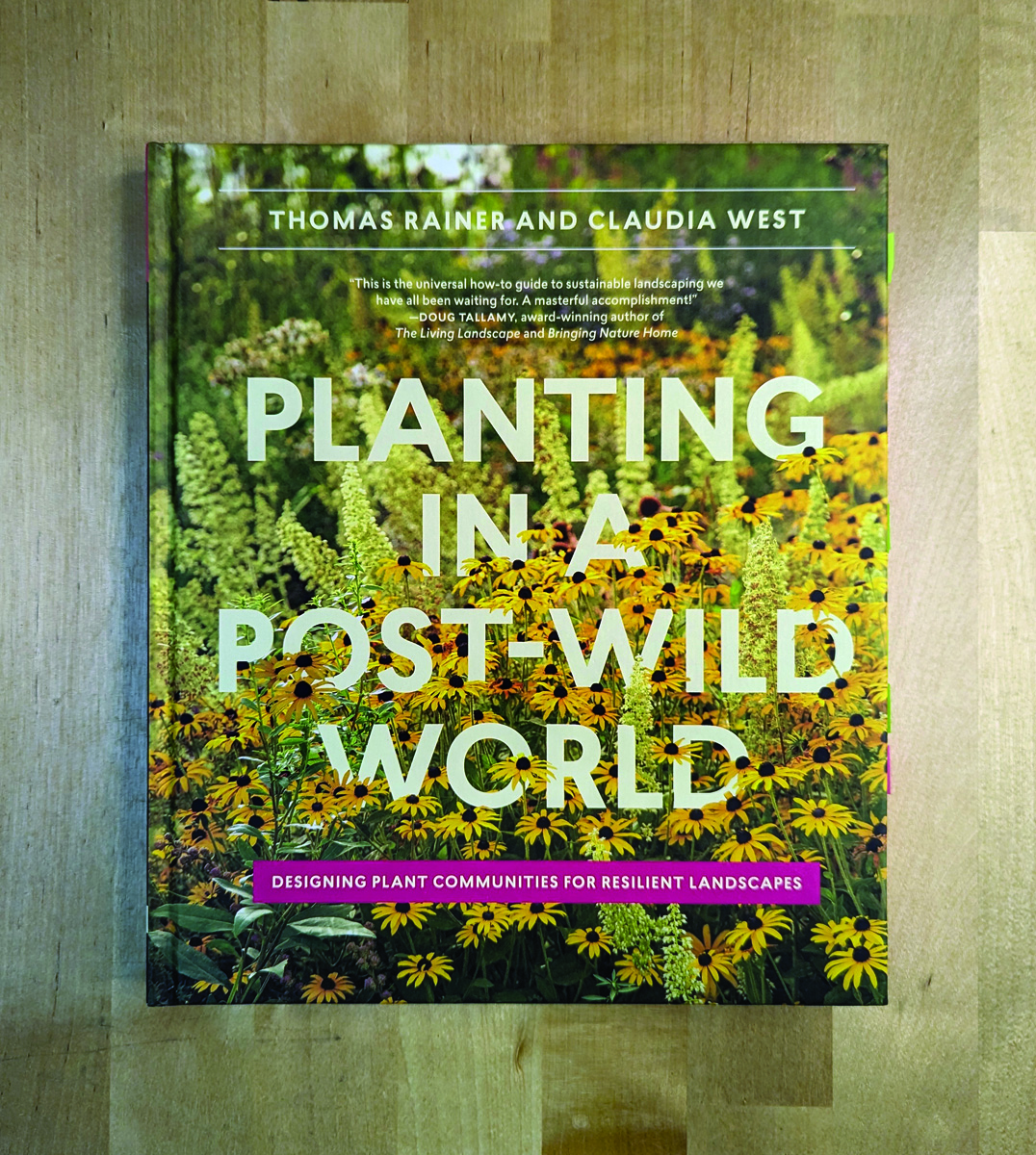
Planting in a Post-Wild World: Designing Plant Communities for Resilient Landscapes
Fine Gardening receives a commission for items purchased through links on this site, including Amazon Associates and other affiliate advertising programs.
Featuring gorgeous photography and advice for landscapers, Planting in a Post-Wild World by Thomas Rainer and Claudia West is dedicated to the idea of a new nature—a hybrid of both the wild and the cultivated—that can nourish in our cities and suburbs.
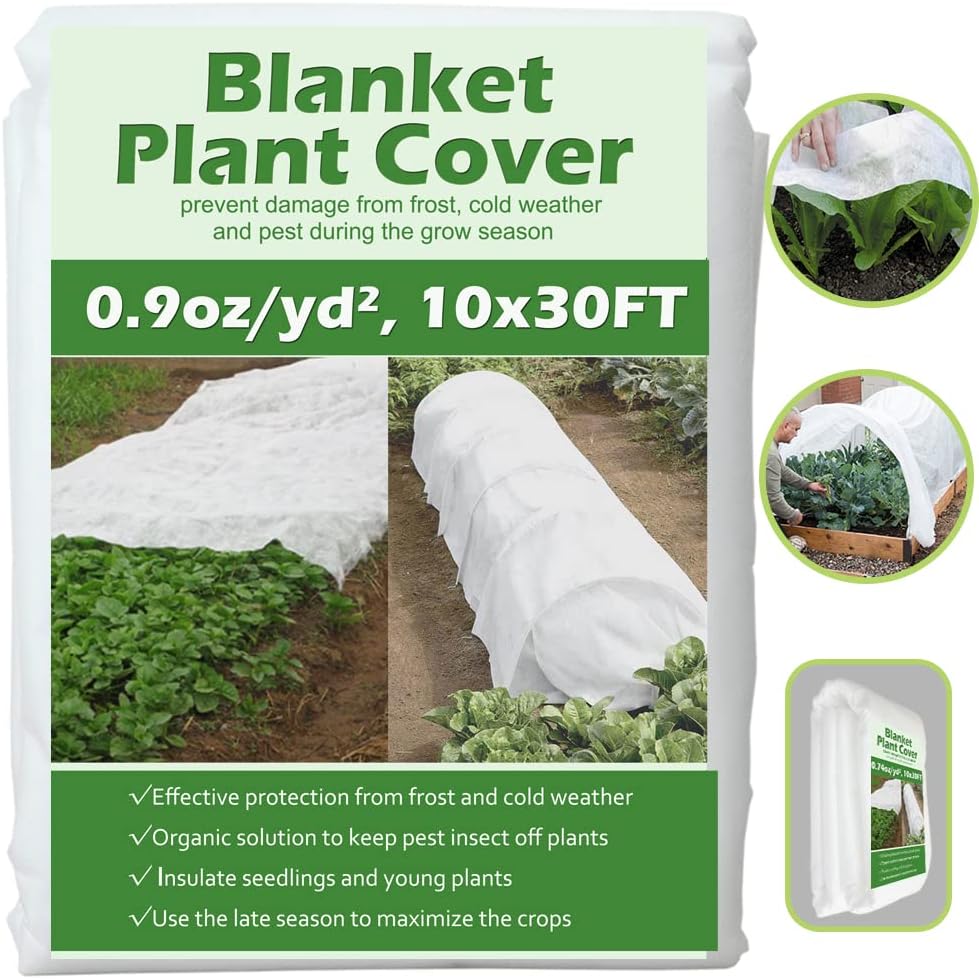
Plant Covers Freeze Protection 10 ft x 30 ft Floating Row Cover 0.9oz/yd²
Fine Gardening receives a commission for items purchased through links on this site, including Amazon Associates and other affiliate advertising programs.
Lightweight and Breathable MATERIAL Good for protecting Plant: the plant frost cover material is 0.74 oz/sq non-woven polypropylene fabric, which is lightweight, breathable, and durable. The plant blanket frost protection allows sunlight reach the plants, perfect for protecting plants from the damage of freeze or frost. Wide Application In your Garden Work. The plant row cover not only can work as a barrier against frost, but also can be a great tool for germination and good for rapid seedling growth. By using the fabric plant covers over your plant, you can start the plant earlier in the spring and extending the growing season of your plants. How to Use the Plant Covers: you can cover the plant covers for freeze over your the plants loosely directly and then secure the plant frost blanket with soil, stones or staples. You can also support the floating row covers with a hoop, make enough room for plants to breath and grow. You could also cut the plant covers into different sizes for different purposes.
ARS Telescoping Long Reach Pruner
Fine Gardening receives a commission for items purchased through links on this site, including Amazon Associates and other affiliate advertising programs.
Telescopes from 4 to 7′. Cut and Hold (160) Blades. Drop forged blades for unsurpassed long lasting sharpness. Lightweight, 2.3 lbs., for continued use. Perfectly balanced for easy pruning.