

When designing a garden or considering new plant additions, our minds instinctively gravitate toward what will look the best and please our sense of sight. However, our landscapes can stimulate or soothe all five of our senses. This article won’t get into the incredible array of edible plants that get our taste buds watering, but the following three selections are plants that not only look good but also feel or smell amazing. For an enchanting retreat that will engage and transport you in more ways than one, consider adding these plants to your outdoor space.
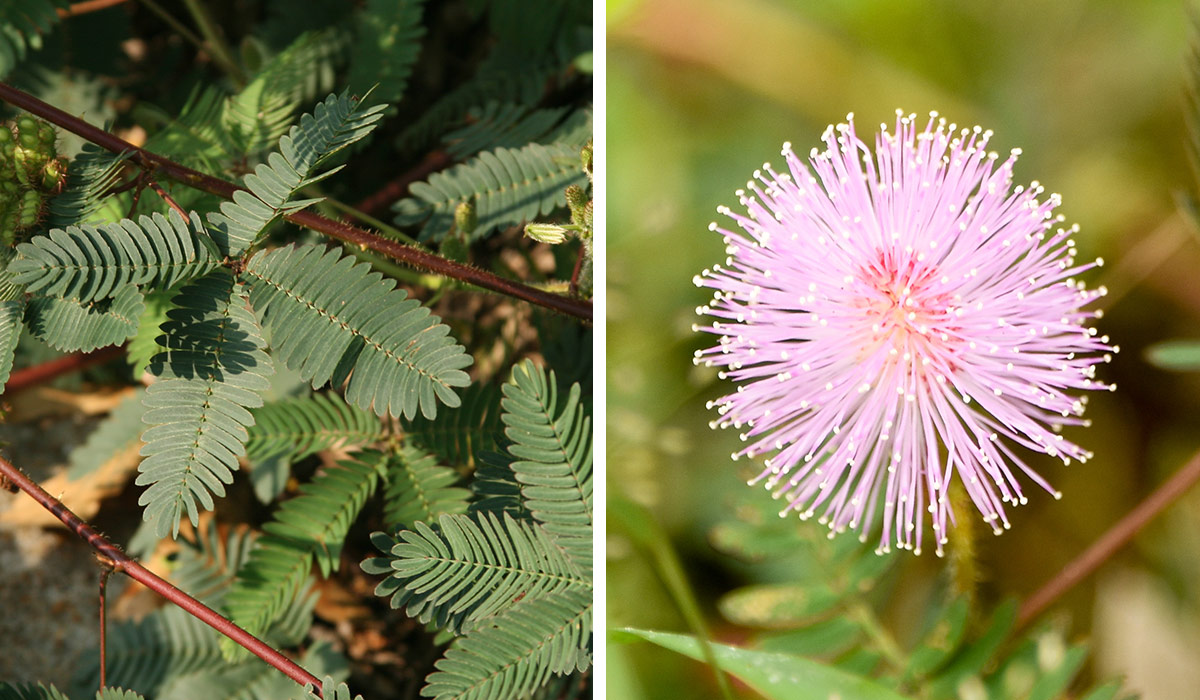
1. Sensitive plant
Mimosa pudica
Zones: 9–11
Size: 12 to 18 inches tall and 12 to 24 inches wide
Conditions: Full sun to partial shade; dry or moist but well-draining soil
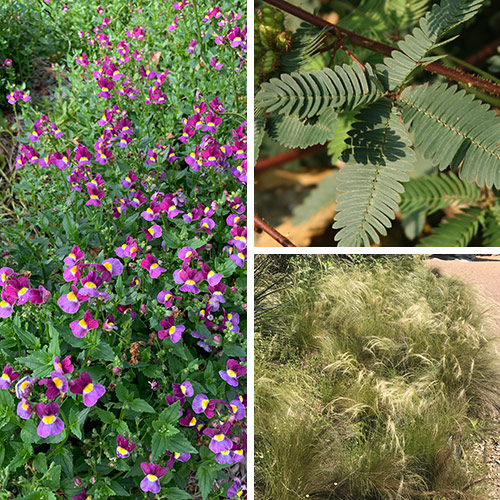
Sensitive plant is garden-worthy if only because it is so much fun. It is one of the most touchable plants, because when you touch it or bump into it, the leaves fold up. This makes it a great gateway plant, one you can grow with children to pique their interest in gardening, but people of all ages get excited to see these tiny leaves move. It is easy to grow the plant from seed, which is also a fun activity for kids, and seeds can simply be saved from inch-long seedpods that emerge at the end of the growing season. However, there are little thorns that grow along the stems, so be careful and supervise children when interacting with the sensitive plant.
Out in the garden, it will grow 18 to 24 inches across by the end of the season, or it can be grown in a container to limit its spread. It is not hardy to most Southeast zones and will have to be grown as an annual, but you can overwinter sensitive plant in a pot if you have a very sunny window or grow lights to get it through winter temperatures. It grows best in full sun but can tolerate some shade. Once established, it is extremely drought tolerant and prefers drier soil. When given the proper conditions, you will be rewarded with small, pink puffball blooms that are fun to touch.
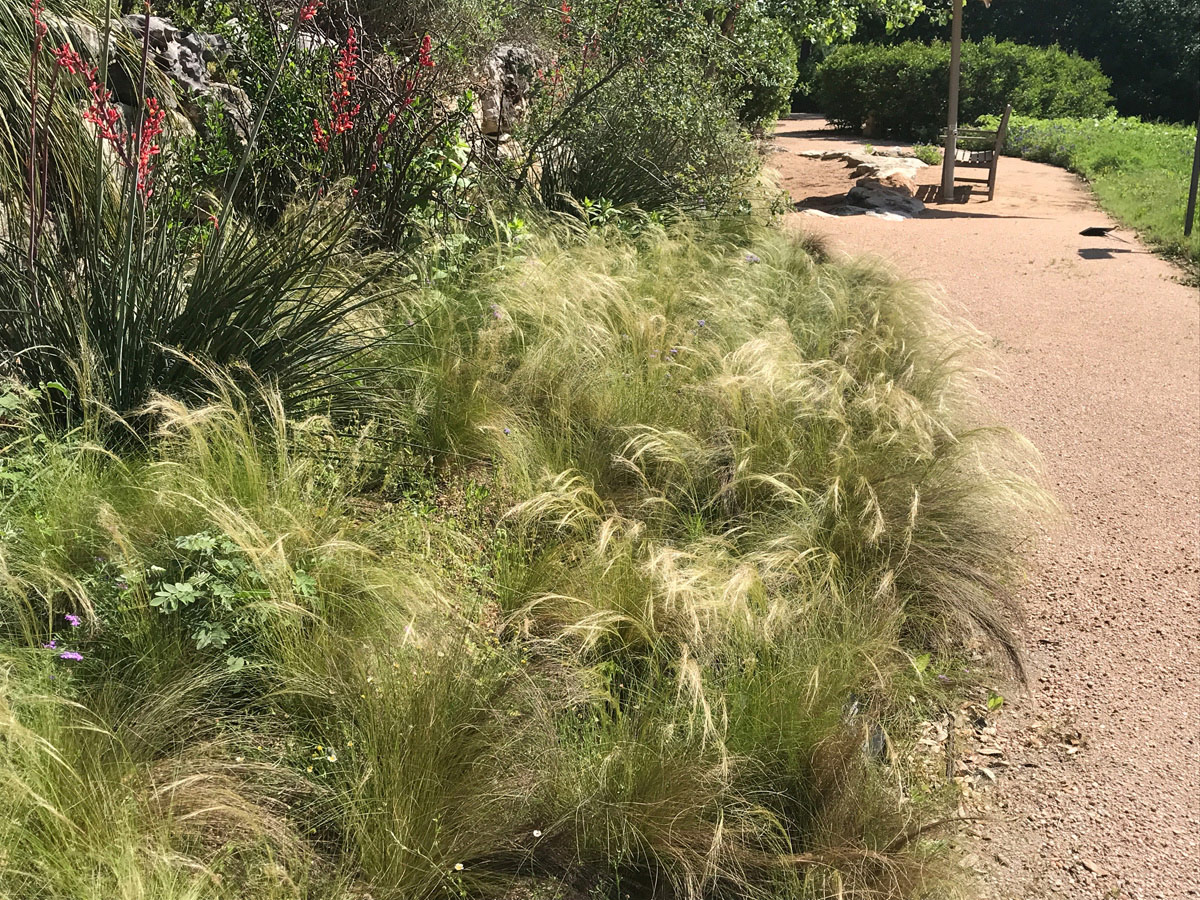
2. Mexican feather grass
Nassella tenuissima
Zones: 7–10
Size: 1 to 2 feet tall and wide
Conditions: Full sun to partial shade; evenly moist to dry, well-draining, sandy, rich loams
Keeping with the theme of plants that beckon our touch, Mexican feather grass is irresistible. One of the other common names for this grass is ponytail plant, and I can attest to their likeness from the very first time I grew these plants 25 years ago. I was a grad student at the time and walked into the greenhouse to see that someone had braided my pots of Mexican feather grass. While I would not recommend that styling, I would suggest running your fingers through its soft, fluffy leaves. The textured seed heads will get matted over time, and combing through it will keep the plant fluffy and flowing.
You will want to cut it back when you normally cut back other warm-season grasses, like fountain grass and switchgrass. Cut it back to 2 to 3 inches above the ground, and you will have about an inch of new growth after a week. It is a perennial and will come back, but it’s considered a short-lived perennial, so it will start declining after a few years. At this point, it is best to either dig and divide it or just start a new plant.
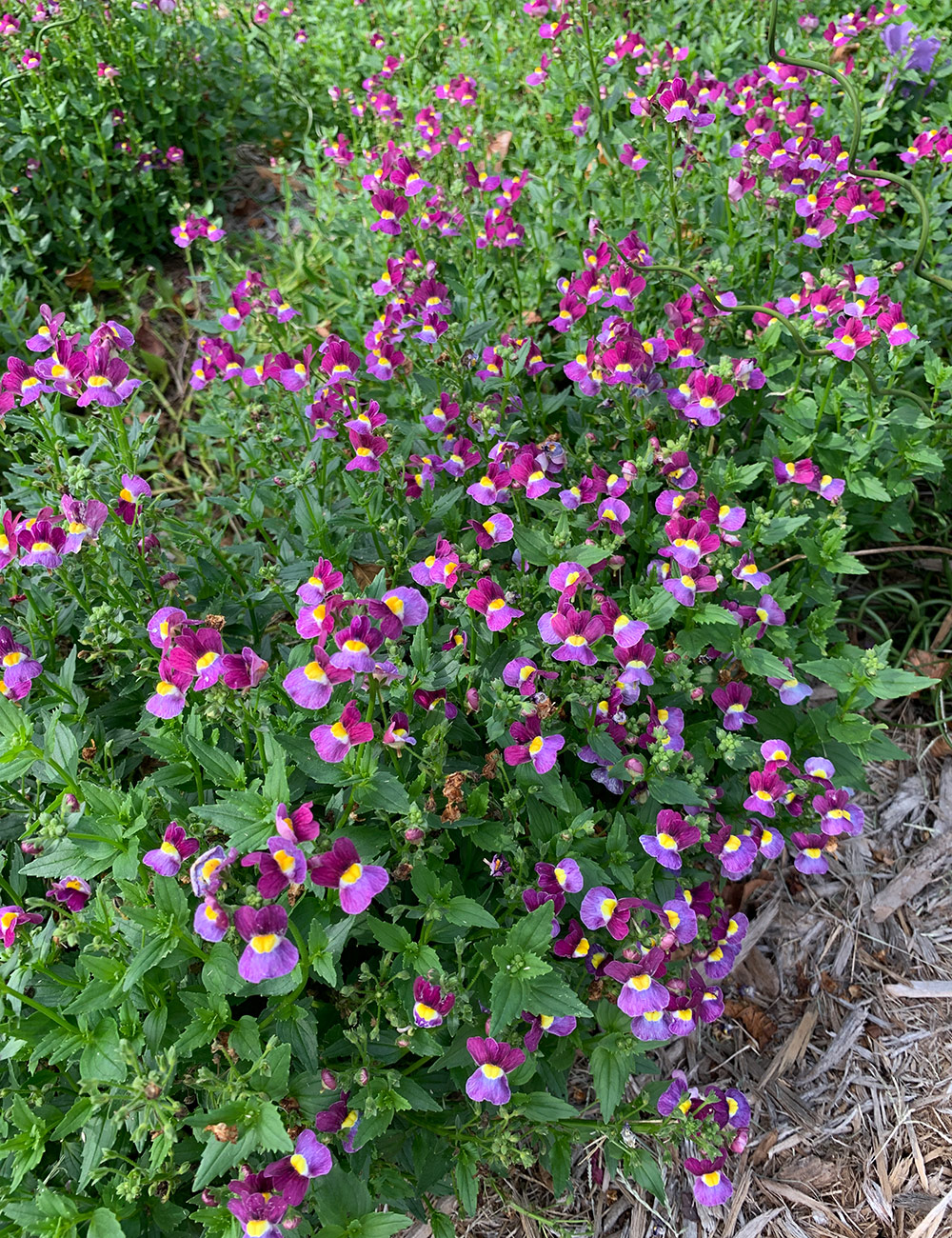
3. Aromance® nemesia
Nemesia fruticans cvs.
Zones: Annual
Size: 10 to 18 inches tall and 12 to 18 inches wide
Conditions: Part sun to full sun; well-draining, organically rich soil
Traditionally, in the South, nemesia would be planted in March and would be dead by the first of July. So when we received the Aromance® series to evaluate, I instinctively put them in the back of the garden, expecting a poor performance. However, these plants blew my expectations out of the water when they continued to grow and bloom in July, August, September, and right up until frost. The heat of the South does limit their size slightly, reaching 10 to 12 inches wide and 6 to 10 inches tall at most, but it will still spill over the side of a container.
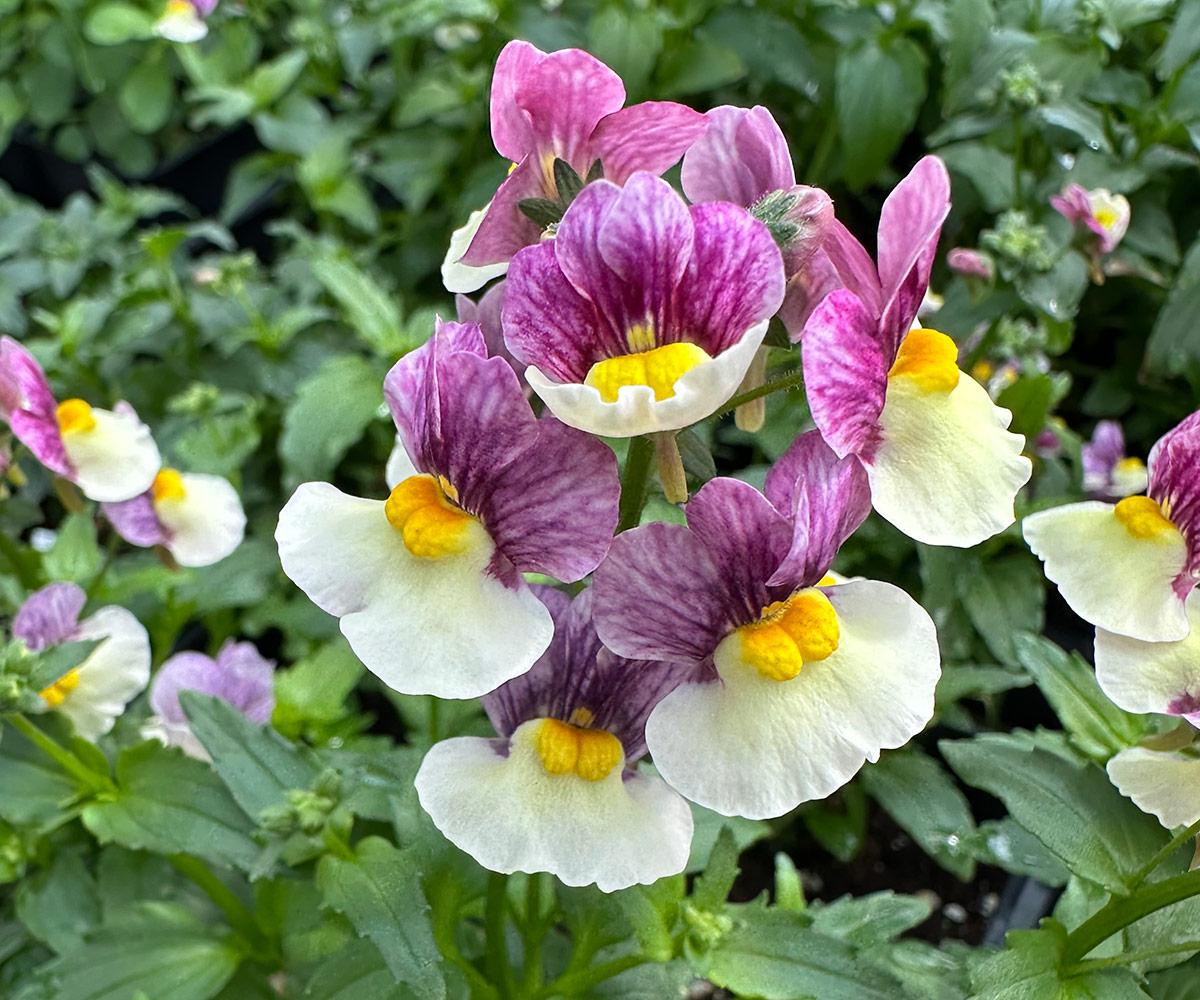
The tiny snapdragon-looking flowers come in three different shades of pink and purple that grow in beautiful little clusters, but it is the fragrance that will stop you in your tracks. They have a subtly sweet baby powder scent that makes them great candidates for the front of borders or along pathways where the fragrance can easily be appreciated. A hanging basket on a porch or patio would be another ideal location to enjoy these bright and highly fragrant blooms.
To learn more about these plants from Jason, as well as five more fabulous plants for a sensory garden, check out our podcast: Episode 2: Plants to Soothe the Senses
Find more fantastic plants for a sensory garden:
Discuss this article or ask gardening questions with a regional gardening expert on the Gardening Answers forum.
And for more Southeast regional reports, click here.
Jason Reeves is a contributing editor and the curator of the University of Tennessee Gardens in Jackson. Follow him on Facebook at “Jason Reeves – in the garden.”
Fine Gardening Recommended Products
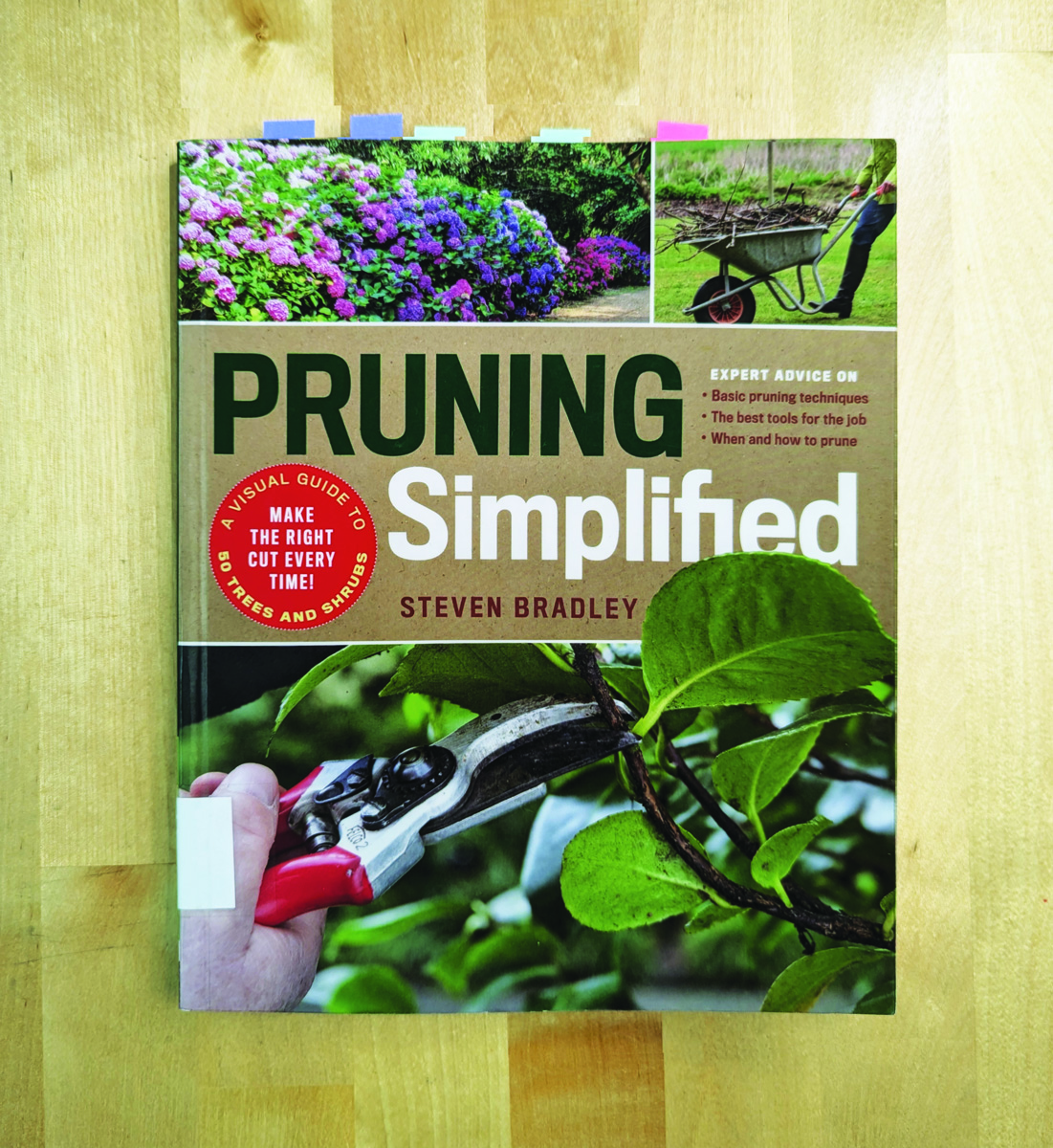
Pruning Simplified: A Step-by-Step Guide to 50 Popular Trees and Shrubs
Fine Gardening receives a commission for items purchased through links on this site, including Amazon Associates and other affiliate advertising programs.
Pruning Simplified shows you exactly how to do it. This must-have guide offers expert advice on the best tools for the job, specific details on when to prune, and clear instructions on how to prune. Profiles of the 50 most popular trees and shrubs—including azaleas, camellias, clematis, hydrangeas, and more—include illustrated, easy-to-follow instructions that will ensure you make the right cut the first time.
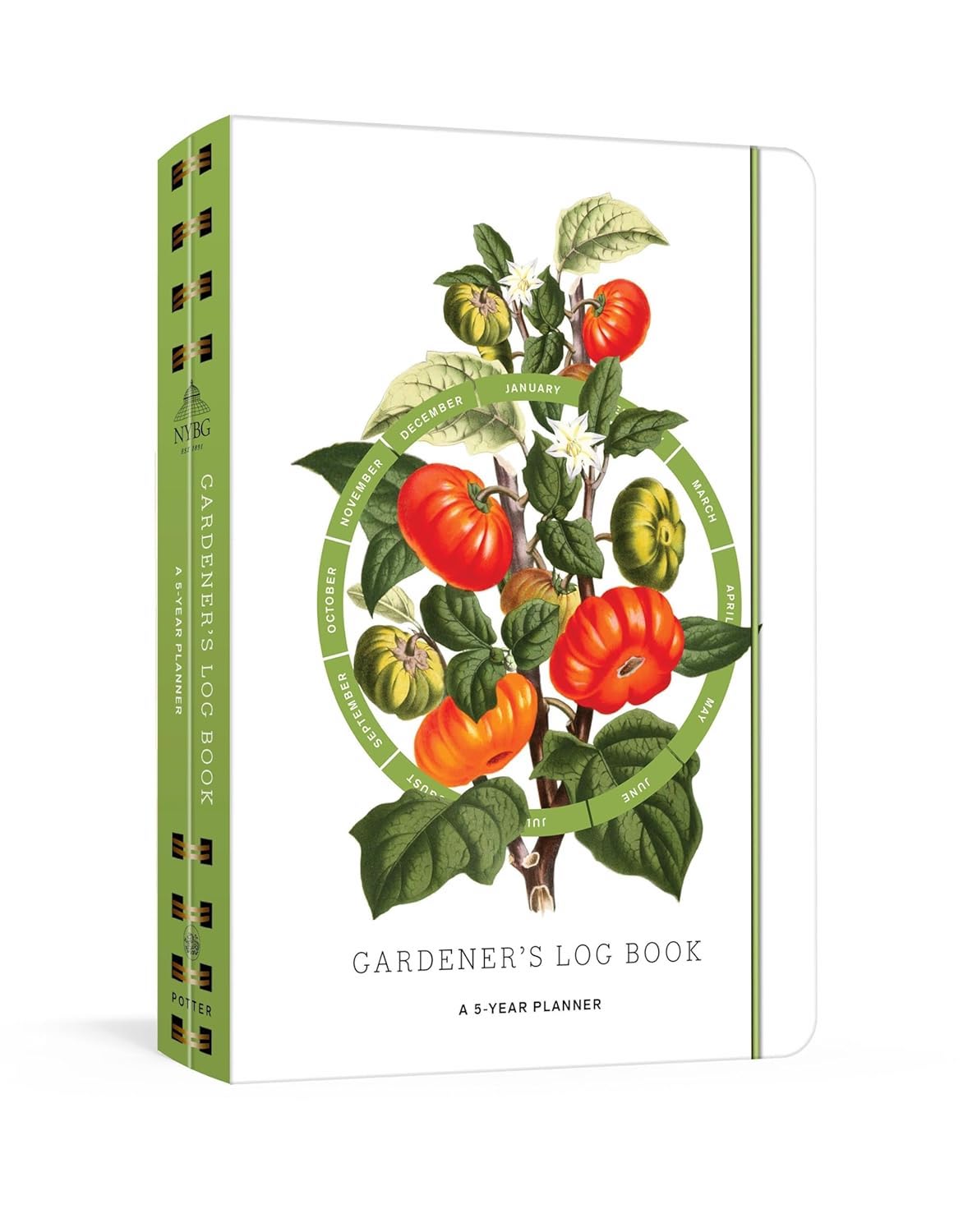
Gardener’s Log Book from NYBG
Fine Gardening receives a commission for items purchased through links on this site, including Amazon Associates and other affiliate advertising programs.
This weatherproof five-year log book includes the following features:
· Sturdy waterproof cover to protect pages from rain and muddy soil
· Lined pages and gridded paper for plotting beds
· Five years of 12-month bloom and harvest grids for recording what you planted and when
· Authoritative appendices on composting, pruning, pest and disease control, and container gardening
· Useful reminders by season on fertilizing, mulching, and transplanting
· Space for listing your favorite sources and suppliers.