
Happy Friday GPODers!
Last week I shared some photos from the trip I took to White Sands National Park this spring (GPOD on the Road: Spring at White Sands National Park), and encouraged you all to share photos of flowers you have found out in the wild this year. Little did I know, Gail Bromer in Black Mountain, North Carolina had already beat me to the chase. We already saw Gail’s incredible collection of daylilies this week (Gail’s Daylilies in North Carolina), and those photos made me initially miss her submission of wildflower photos from her trip to Rocky Mountain National Park in Colorado. This large national park has many iconic landmarks, but one trail—the Tundra Communities Trail—offered stunning views and a feast of fabulous wildflowers for plant lovers to enjoy. Located at high elevation and above the treeline, this is another extreme climate for these flowers to endure, but it is the exact conditions they need to grow.
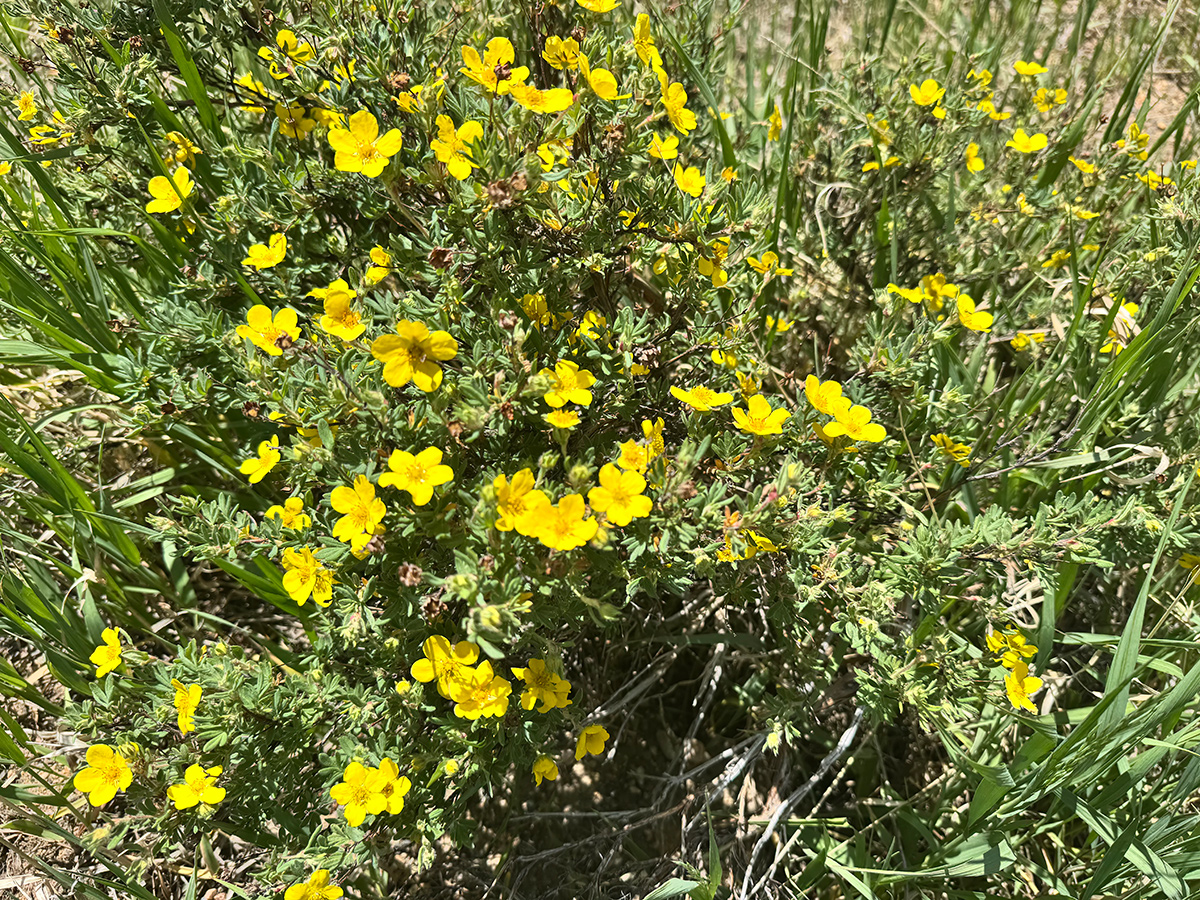 While it would be easy to assume that the flowers that grow in this extreme environment are unlike anything we grow at our homes, the majority of these plants are relatives to common garden plants we love. This shrubby cinquefoil (Dasiphora fruticosa, Zones 2–7) is a perfect example, showing off its familial resemblance to the cinquefoil shrubs and perennials that are enjoyed in gardens across North America.
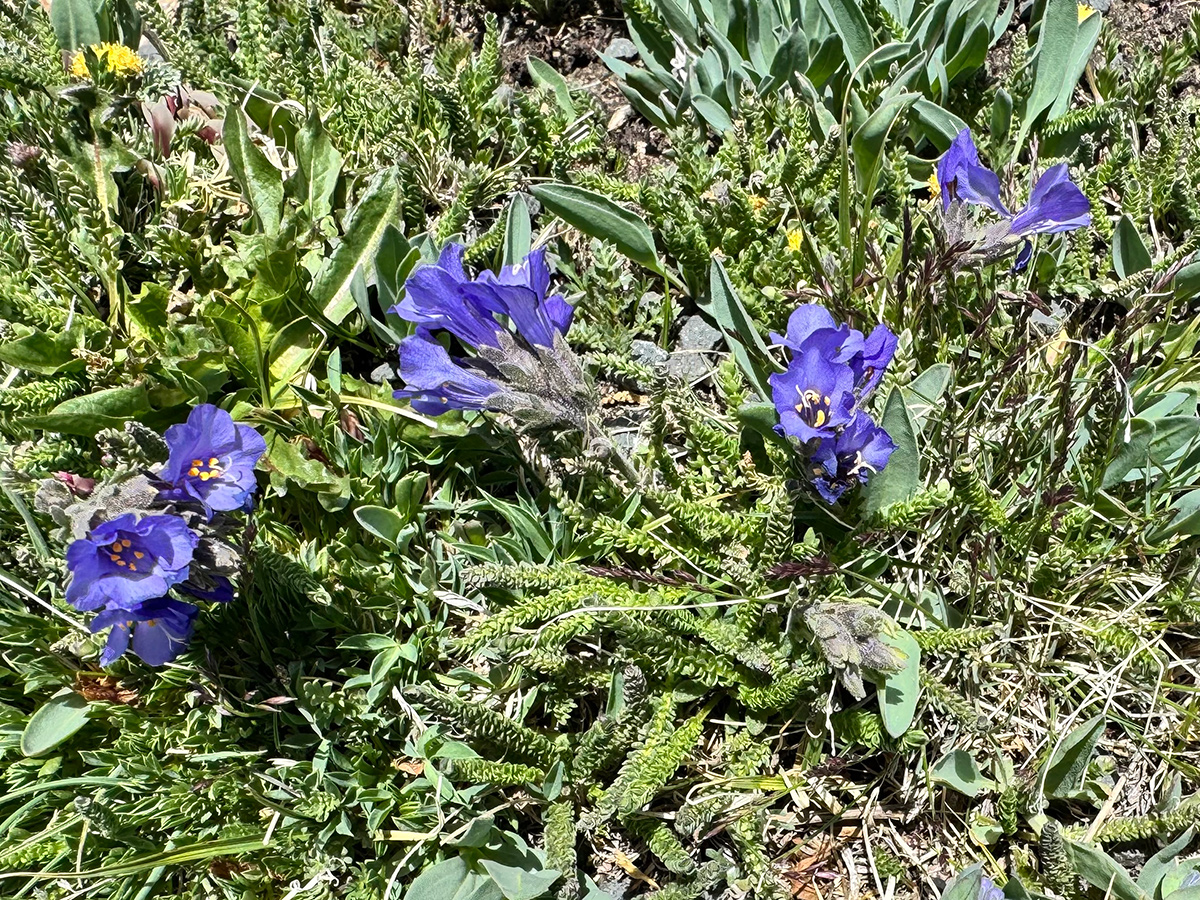 Most of the flower forms on these plants are consistent with their non-alpine relatives, it is the growing habit that evolves to the harsh landscape. Sticky polemonium (Polemonium viscosum, Zones 3–8) has flowers very similar to its relative, Jacob’s ladder (Polemonium caeruleum, Zones 4–8), but grows only 6 inches tall to protect itself from strong wings and has succulent-like leaves that help retain water.
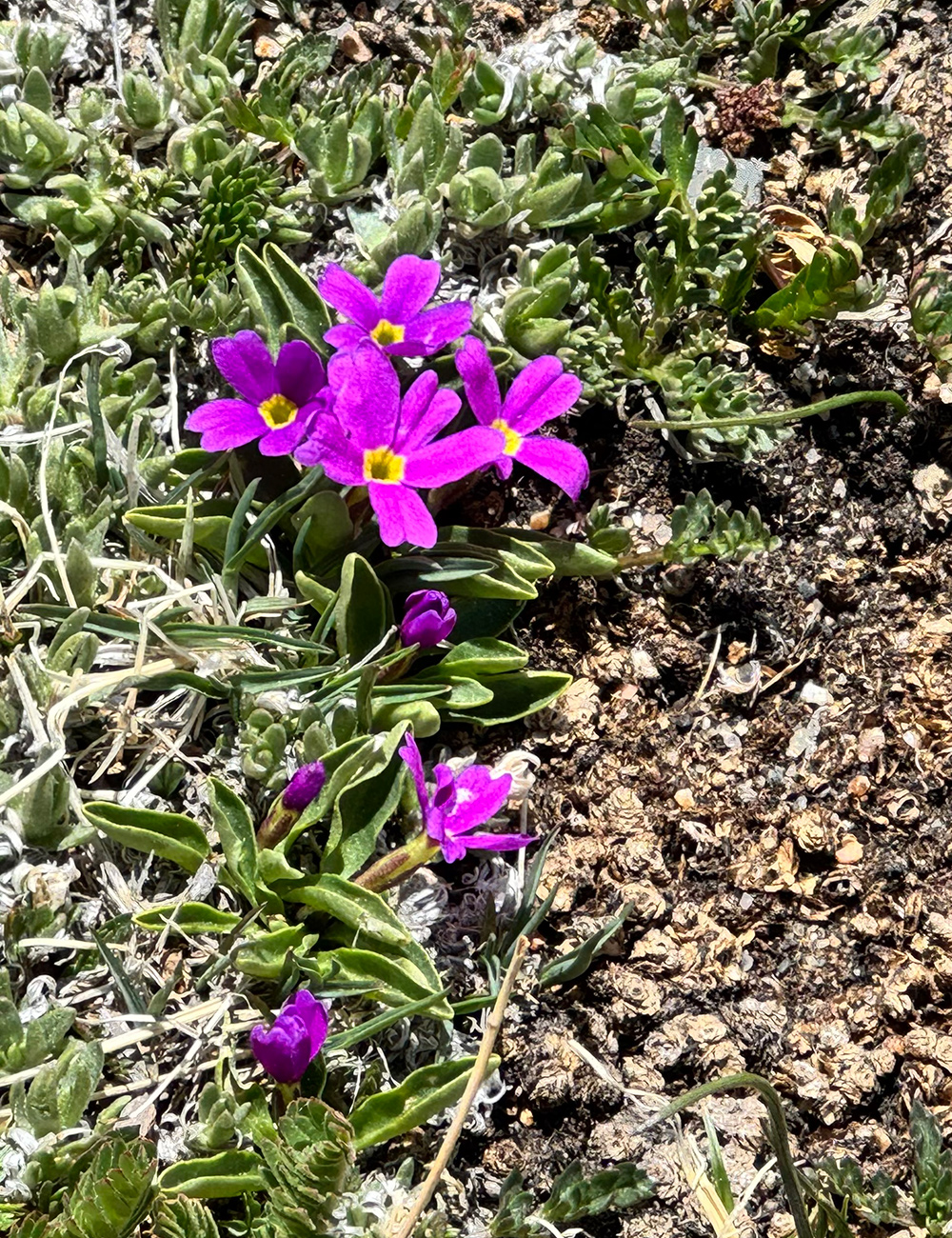 There are several species of primroses that are native to North America, but this special little guy can only be found in Colorado and northern New Mexico: the alpine primrose (Primula angustifolia, Zones 3–7). The bright magenta flowers could easily be mistaken for Parry’s primrose (Primula parryi, Zones 4–8), which grows from the subalpine zone to alpine tundra in the Rocky Mountains, but its short stature indicates its true identity.
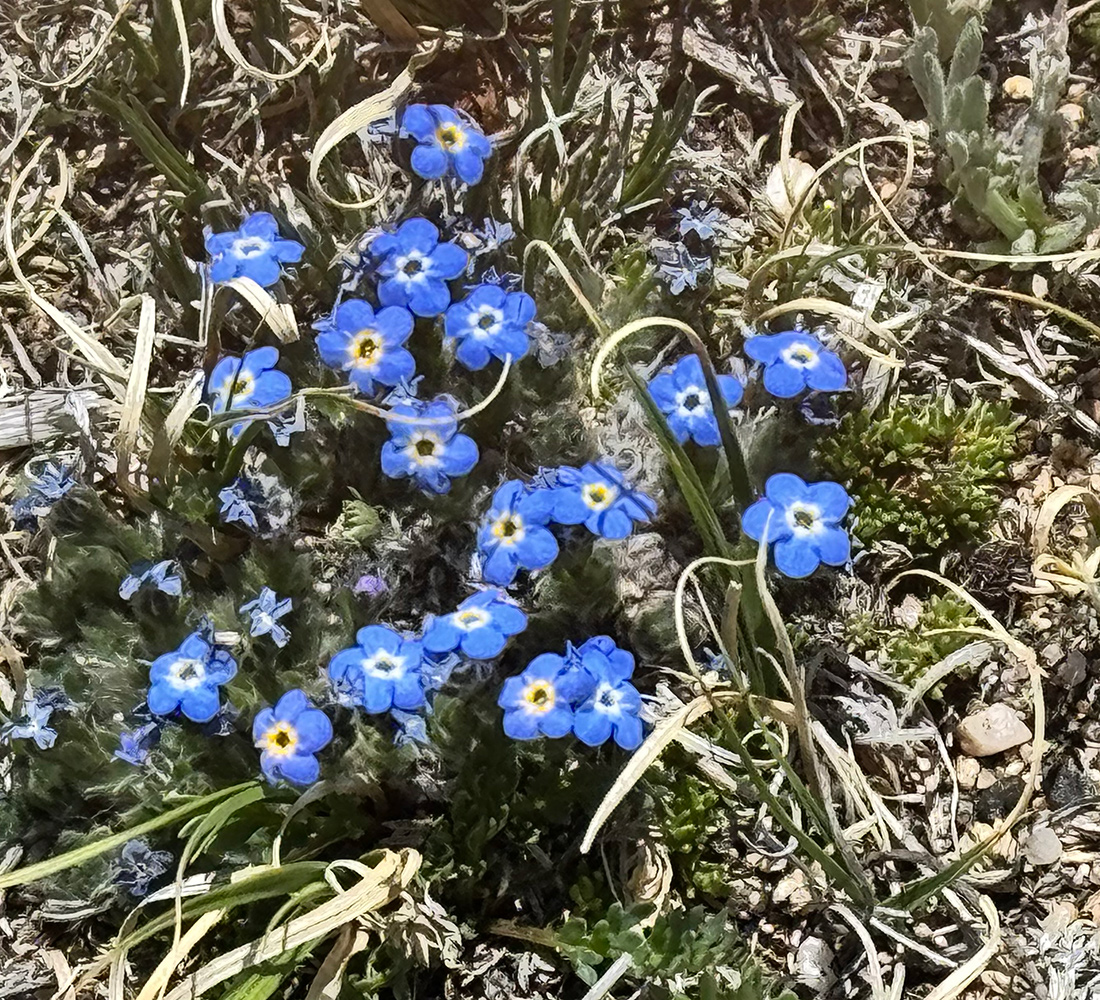 Woodland forget-me-not (Myosotis sylvatica, Zones 2–8) is an invasive in much of North America, making it onto some states’ restricted plant lists. However, there are a few forget-me-nots that are native to North America, including the alpine forget-me-not (Eritrichium nanum, Zones 2–8).
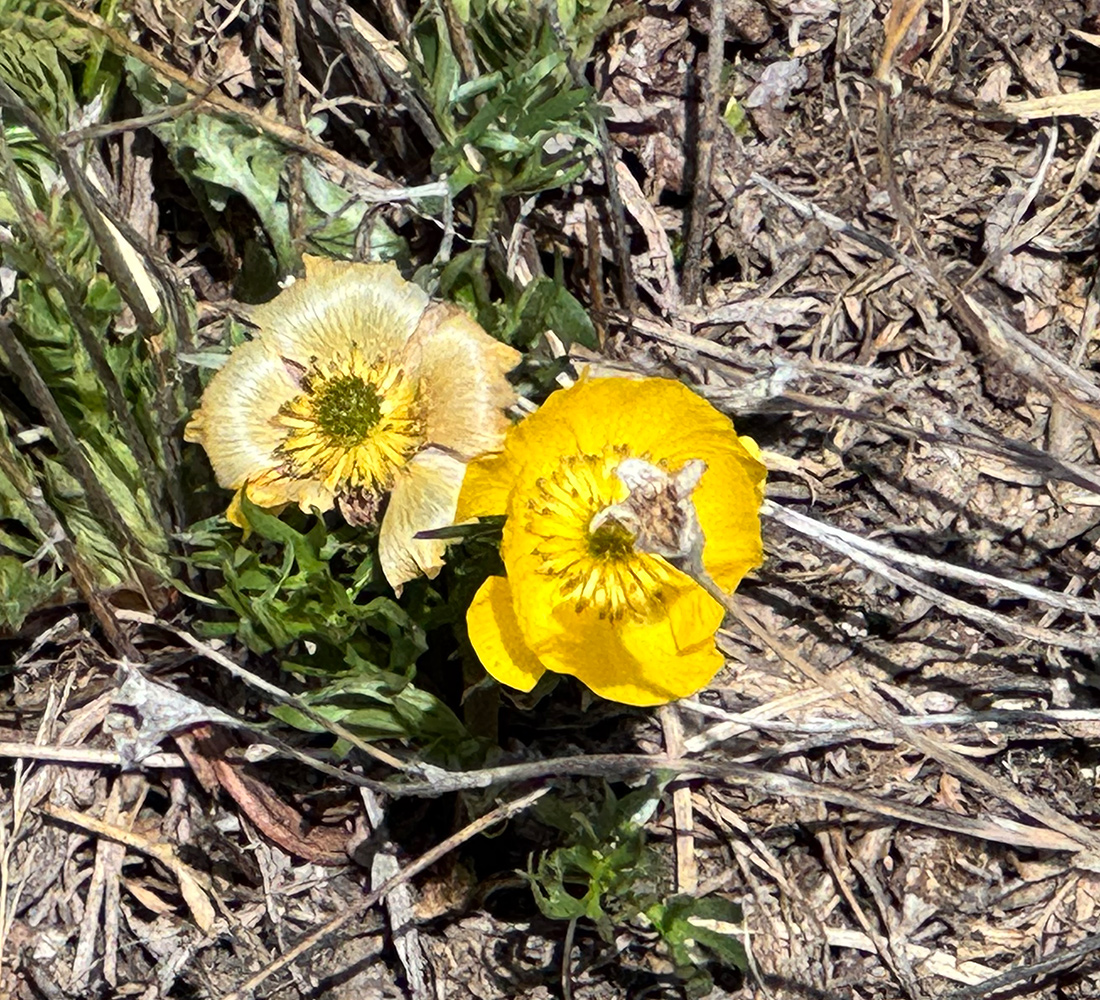 Buttercups are known for their full blooms that make wonderful cut flowers, but the simple blooms of alpine buttercups (Ranunculus adoneus, Zones 2–5) are just as eye-catching in bright yellow—and much more appreciated by pollinators.
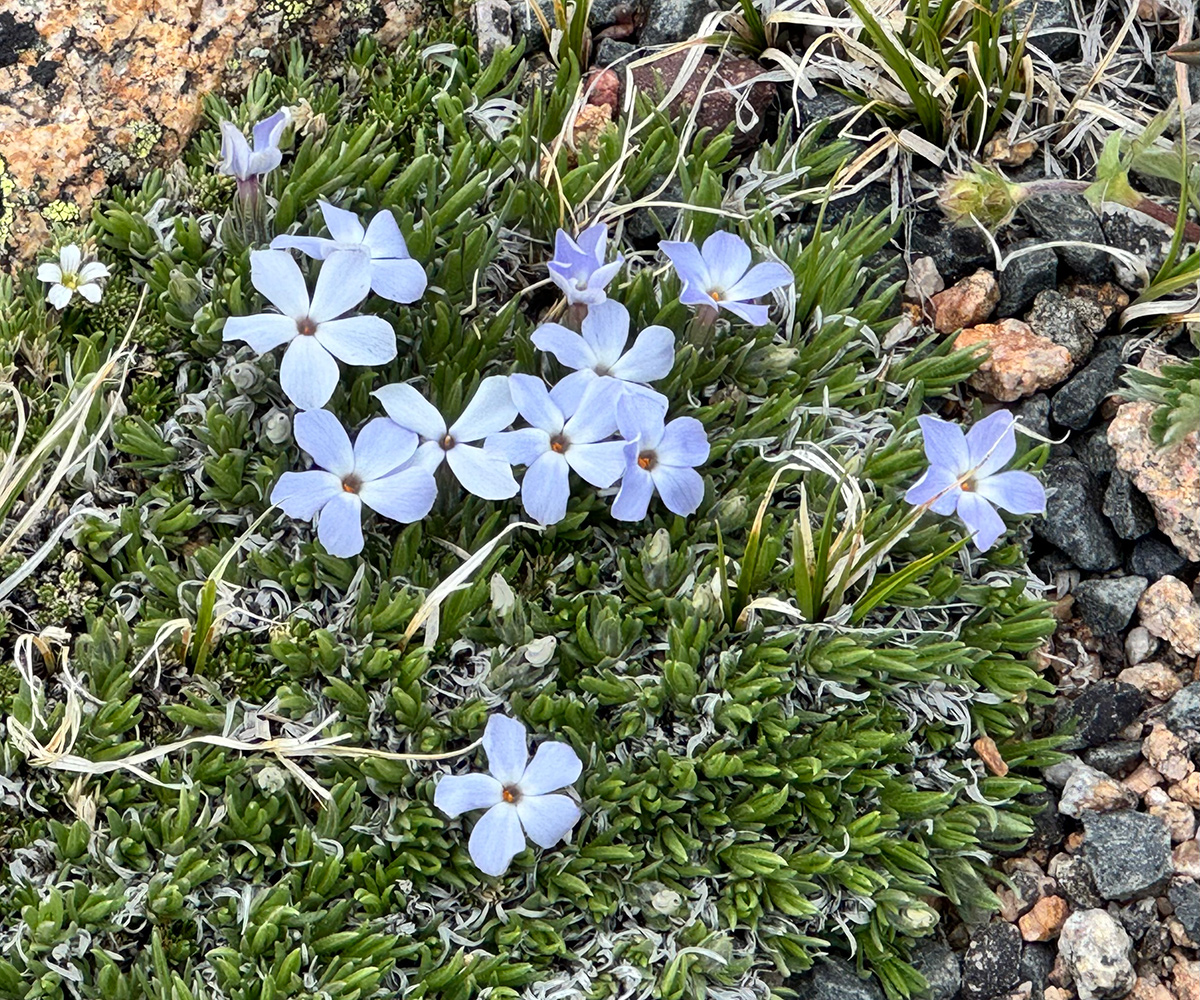 Creeping phlox (Phlox stolonifera, Zones 3–9) is popular in many spring gardens for the carpet of bright blooms it creates, but there is another ground cover phlox that is native to North America: spreading phlox (Phlox diffusa, Zones 3–8). Creeping phlox is native to central and eastern North America and spreading phlox call the western part of the continent home, but both can be grown in many types of habitats.
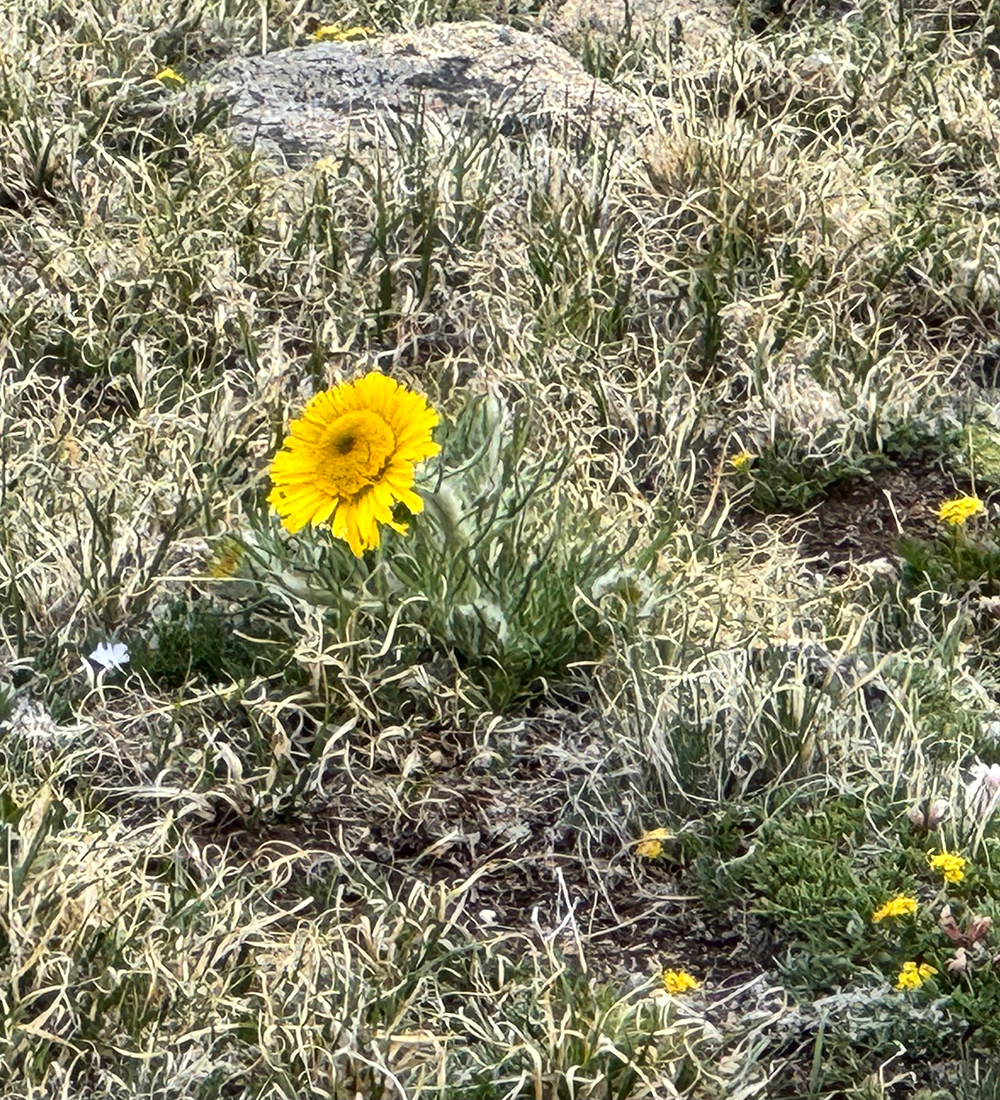 Old-man-of-the-mountain (Tetraneuris grandiflora, Zones 3–8) is a very silly name for this cheerful plant in the sunflower family. Also known as the alpine sunflower, the other common name comes from the white hairs that cover the plant’s stem, which you can faintly see in this photo.
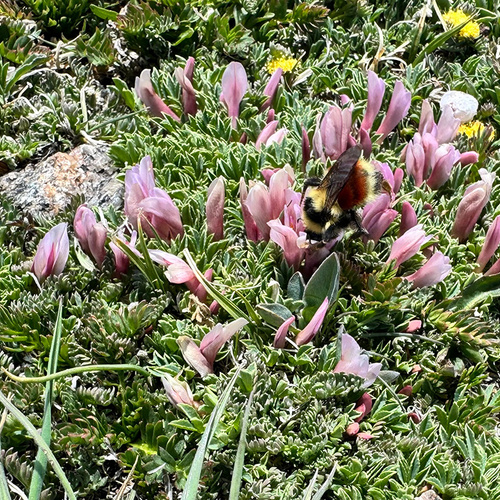
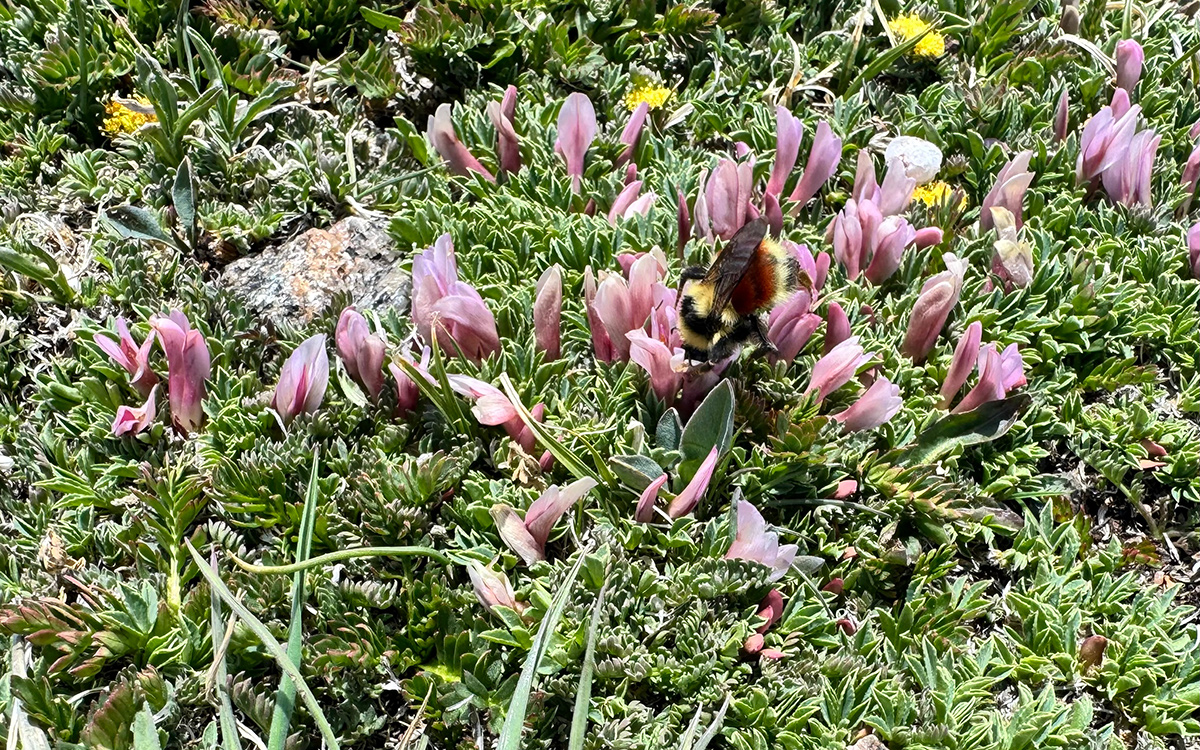 Gail clearly had a keen eye for these diminutive plants, as many other hikers surely walked right past these small pops of color. Growing up to only 2 inches tall, it’s easy to miss dwarf clover (Trifolium nanum, Zones 2–7), but those sweet pink petals are worth getting a closer look at.
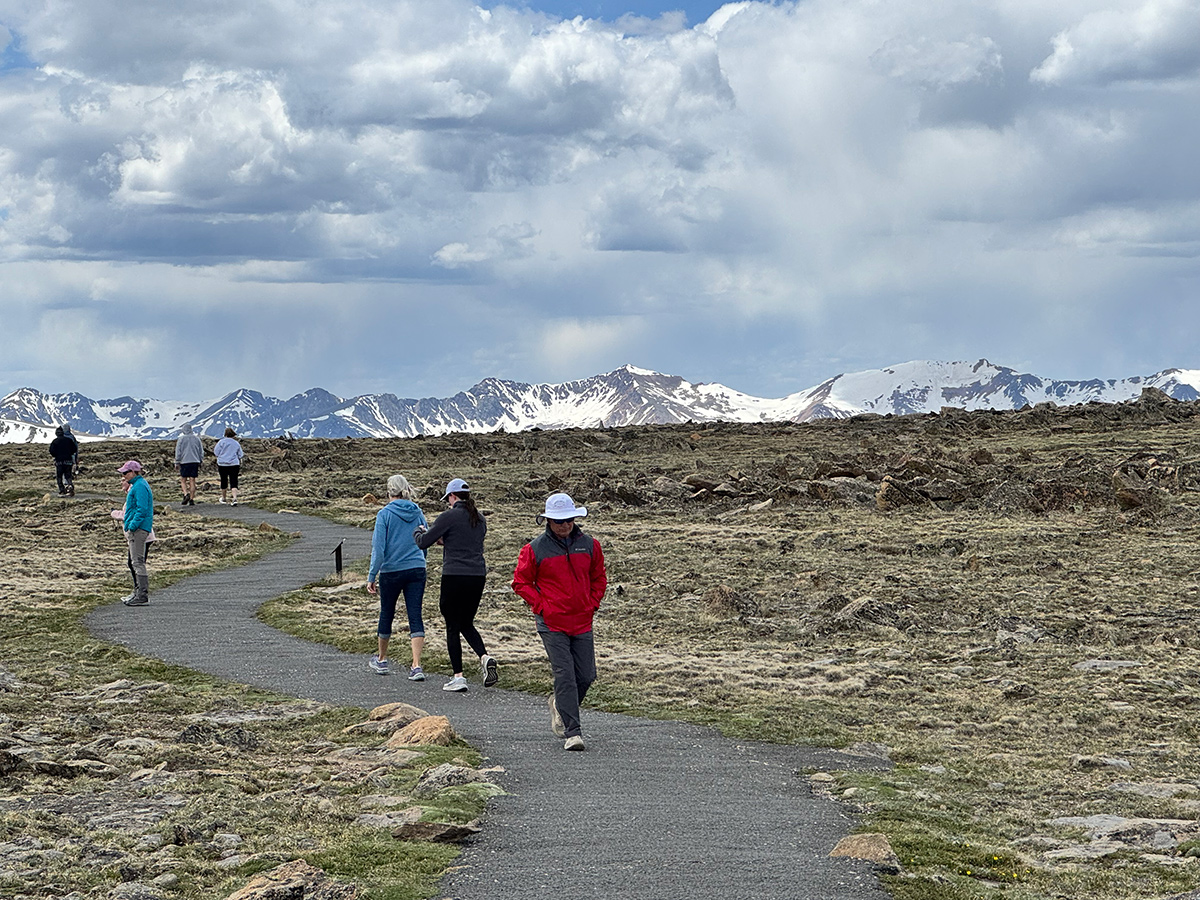 The flowers all grew along this path.
Thank you so much for sharing these wonderful wildflower photos with us, Gail! You introduced us to some really interesting alpine plants as well as an incredible spot to go flower finding.
Have you spotted any wildflowers during travels or daily walks this year? Let us know in the comments where you like to do some flower finding, or consider sharing your wildflower photos with the blog. Follow the directions below to submit your photos to Garden Photo of the Day!
We want to see YOUR garden!
Have photos to share? We’d love to see your garden, a particular collection of plants you love, or a wonderful garden you had the chance to visit!
To submit, fill out the Garden Photo of the Day Submission Form.
You can also send 5–10 photos to [email protected] along with some information about the plants in the pictures and where you took the photos. We’d love to hear where you are located, how long you’ve been gardening, successes you are proud of, failures you learned from, hopes for the future, favorite plants, or funny stories from your garden.
Do you receive the GPOD by email yet? Sign up here
Fine Gardening Recommended Products
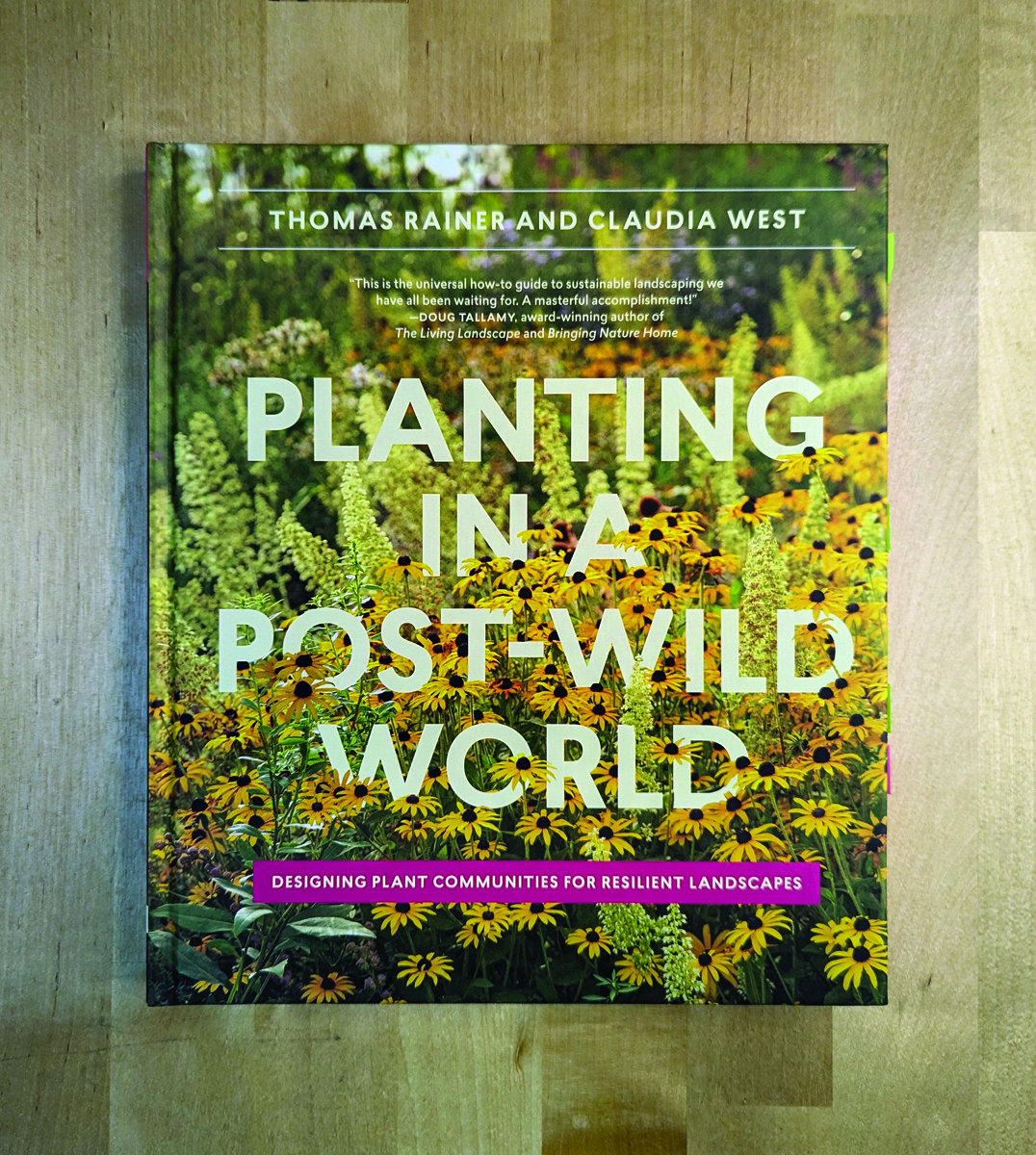
Planting in a Post-Wild World: Designing Plant Communities for Resilient Landscapes
Fine Gardening receives a commission for items purchased through links on this site, including Amazon Associates and other affiliate advertising programs.
Featuring gorgeous photography and advice for landscapers, Planting in a Post-Wild World by Thomas Rainer and Claudia West is dedicated to the idea of a new nature—a hybrid of both the wild and the cultivated—that can nourish in our cities and suburbs.

Gardener’s Supply Company Summerweight Fabric Plant Cover
Fine Gardening receives a commission for items purchased through links on this site, including Amazon Associates and other affiliate advertising programs.
Ideal for summertime pest control, this garden cover effectively screens out Japanese beetles, potato beetles, cabbage worms, leaf miners, carrot flies and most vine borers. It transmits 97.6% of the light to your plants without allowing heat build-up, and it provides cold protection down to 41° F, to extend your growing season.
Johnny’s Selected Seeds Connecta® Cultivation Kit
Fine Gardening receives a commission for items purchased through links on this site, including Amazon Associates and other affiliate advertising programs.
Choose the right tool head for the job and switch out quickly with a simple push-button release. Includes the Connecta receiver, Connecta Collinear 4 head, Connecta Collinear 7 head, Connecta Contour Wire 4 head, Connecta Contour Wire 6 head, a sustainably harvested oiled ashwood handle, and a stainless-steel carrying clip.