
Design a beautiful spring garden for the Pacific Northwest
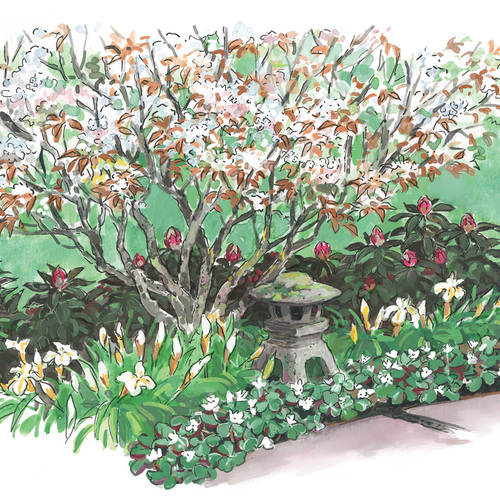
Pacific Northwest regional expert and garden designer Lisa Bauer, owner of Chartreuse Landscape Design in Seattle, Washington, shares a spring garden layout thoughtfully tailored to the region’s climate. A stately serviceberry provides structure, while the dramatic foliage of ‘Ebony Pearl’ rhododendron complements the unique blooms of Pacific Coast iris and redwood sorrel. Together, they create a layered composition rich in texture and seasonal interest in this Pacific Northwest spring garden layout.
Spring garden layout plant list
Read on for details about each numbered plant in the illustration above, and learn how to recreate this expert design in your own landscape.
See More: Design Ideas & Plant Picks for the Pacific Northwest
1. ‘Autumn Brilliance’ serviceberry
Amelanchier × grandiflora ‘Autumn Brilliance’
- Zones: 4–9
- Size: 15 to 25 feet tall and wide
- Conditions: Full sun to partial shade; moist, well-drained soil
- Native range: Hybrid of North American species
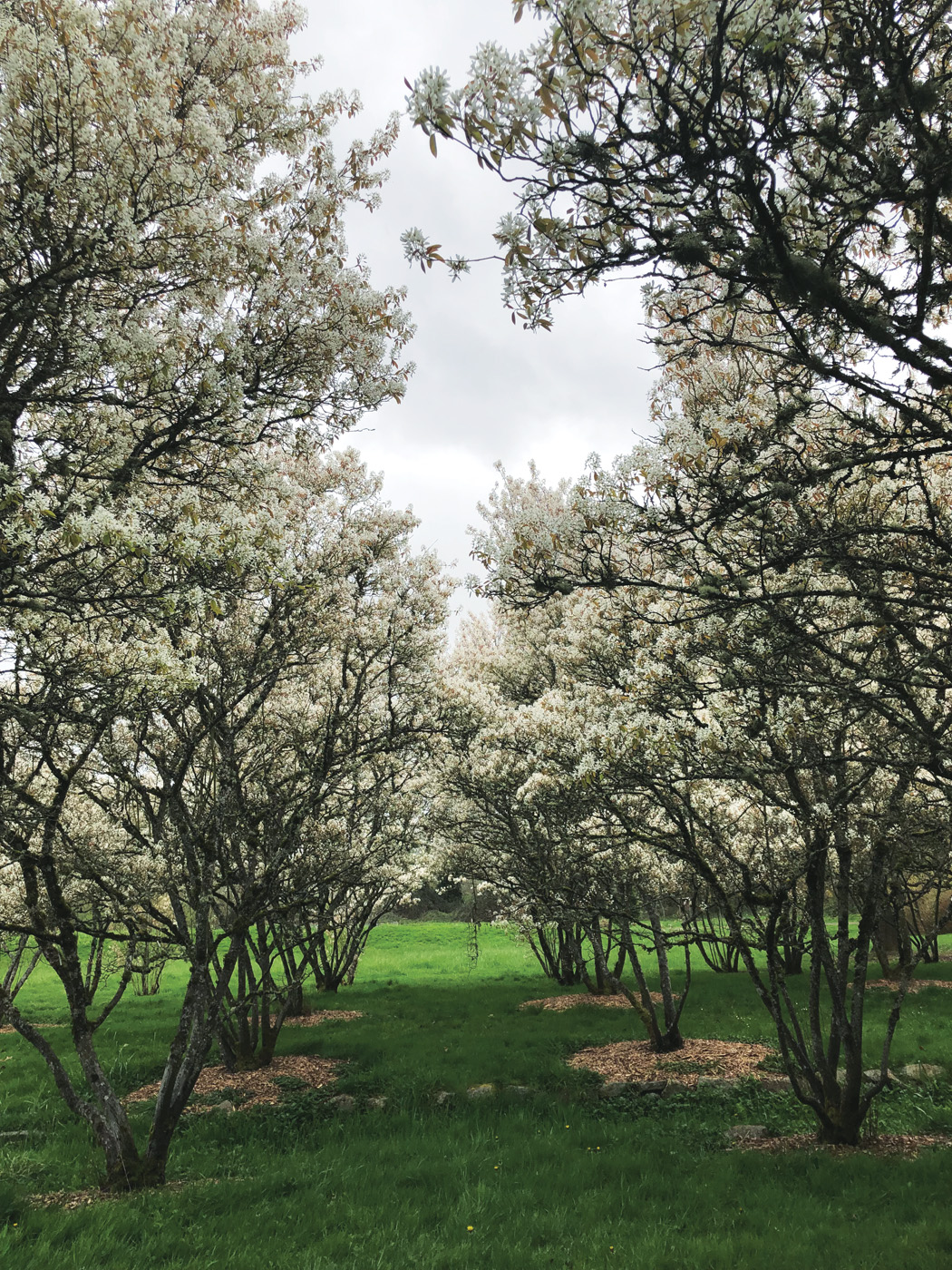
Its fluffy white blooms make ‘Autumn Brilliance’ serviceberry particularly beautiful in spring. The blossoms are similar to those of a flowering cherry (Prunus spp. and cvs., Zones 4–9) but without all the potential disease and pest problems. This tree also has noteworthy ornamental features throughout the year and supports wildlife with pollen, nectar, and fruit.
Blooms come in early spring, then warm bronzy foliage shows up for a stunning contrast. Green leaves follow, filling out a rounded canopy on a multi-trunk base. In early summer, blue-black berries appear, which are a reliable food source for birds, small mammals, and insects. Finally, as its name suggests, its foliage turns brilliant orange in autumn.
Read More: A Parade of Spring-Blooming Trees
2. ‘Ebony Pearl’ rhododendron
Rhododendron ‘Ebony Pearl’
- Zones: 6–9
- Size: 4 feet tall and 5 feet wide
- Conditions: Partial shade; moist, acidic, well-drained soil
- Native range: Hybrid
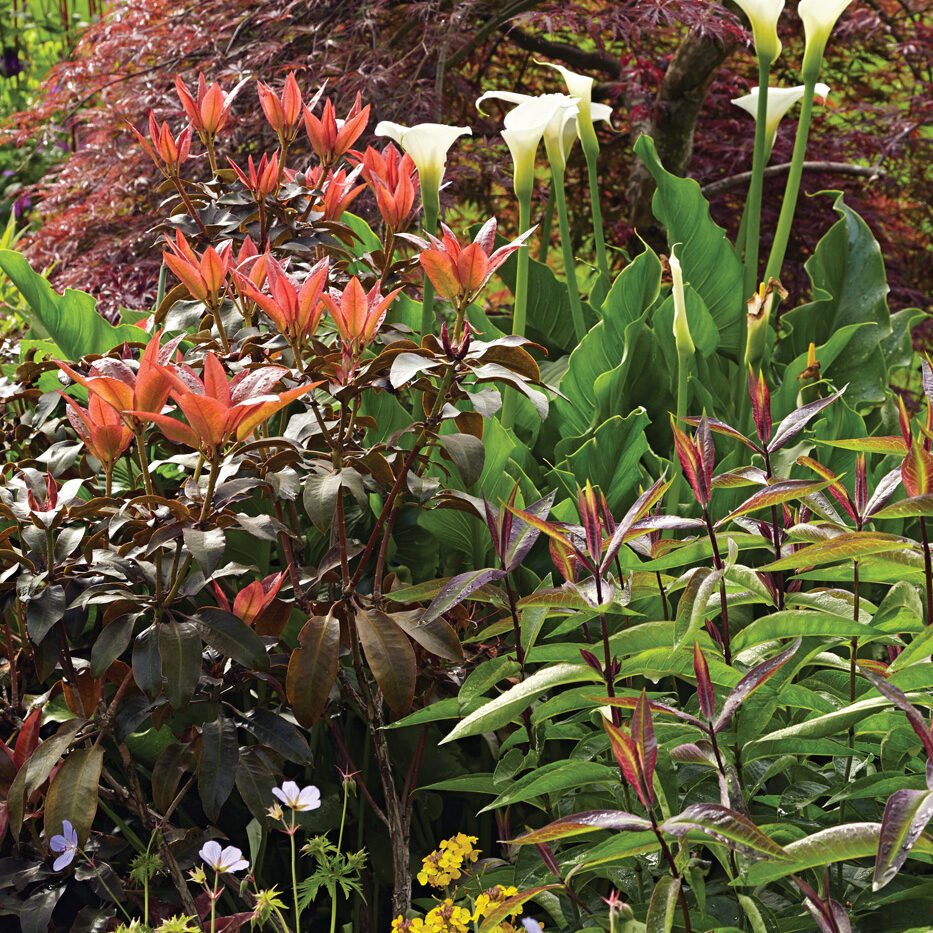
‘Ebony Pearl’ rhododendron is spectacular with its deep chocolate leaves in winter and new foliage emerging burgundy-red in spring. The leaves have a pearlescent quality and slightly undulating edges. Bright, saturated magenta-pink flowers come out in 5-inch-wide trusses from May to June, creating a striking contrast against the dark foliage. Its lovely habit is rounded and somewhat open.
To prevent leaf scorch, site this rhododendron under trees or on the east side of buildings, where it will receive protection from harsh sun and benefit from moist soil. It can be planted as a specimen or in multiples but looks amazing juxtaposed with yellow foliage plants like Japanese forest grass (Hakonechloa macra and cvs., Zones 5–9).
3. ‘Canyon Snow’ Pacific Coast iris
Iris douglasiana ‘Canyon Snow’
- Zones: 7–9
- Size: 1½ feet tall and 3 feet wide
- Conditions: Full sun to partial shade; rich, well-drained soil
- Native range: Coastal western United States
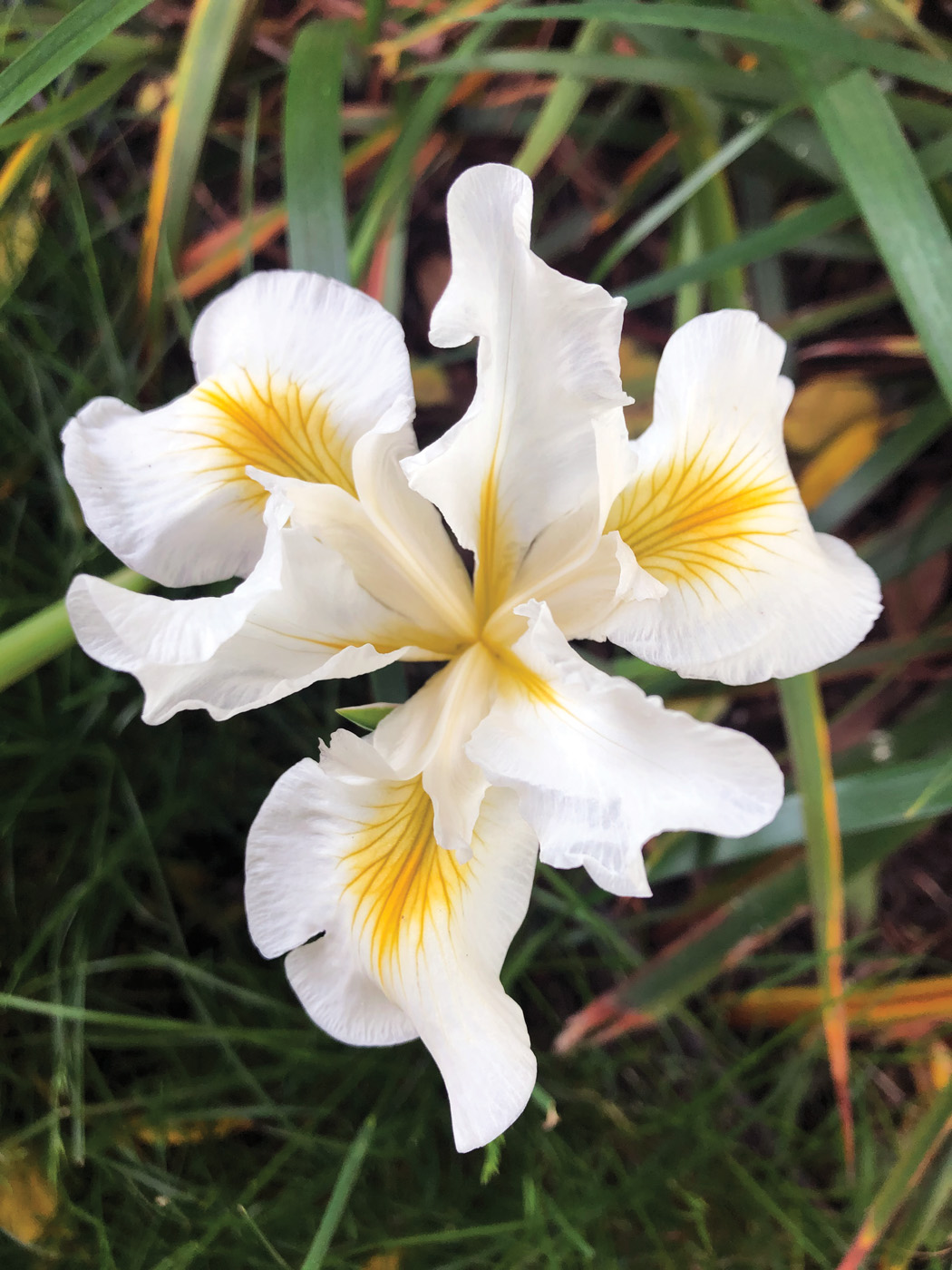
This iris is an award-winning selection developed from the native species. It has evergreen foliage and makes a sturdy ground cover underneath shade trees, but it can also take full sun in our climate. Brilliant white flowers with lemony yellow accents come out from April to May, brightening up shady areas and persisting through spring showers.
I have planted mine under a mature strawberry tree (Arbutus unedo, Zones 7–10), where the soil is dry in summer, leaves fall throughout most of the year, and flowers and fruit drop in autumn. This plant can take it! It is easily divided in late fall, and divisions make great gifts for friends and neighbors. This is also a good time to rake out any dead foliage or excess tree duff.
4. ‘Klamath Ruby’ redwood sorrel
Oxalis oregana ‘Klamath Ruby’
- Zones: 7–10
- Size: 4 to 8 inches tall and 24 to 36 inches wide
- Conditions: Partial to full shade; moist, humus-rich, well-drained soil
- Native range: Western North America
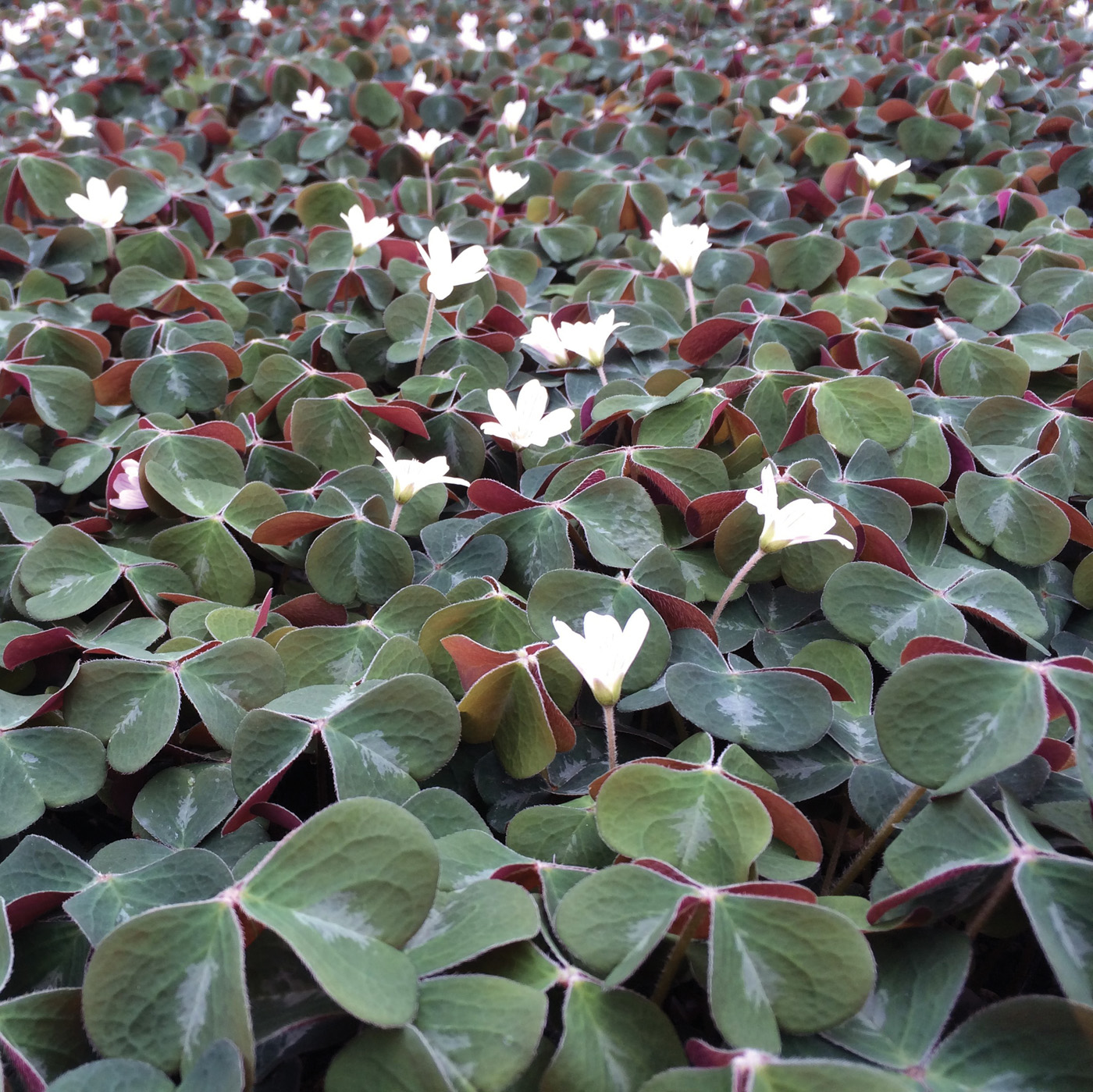
‘Klamath Ruby’ redwood sorrel is a wild selection of the native species that was found growing in Oregon. Its delightful fluffy foliage develops into a lush carpet in shady areas, spreading quickly through underground rhizomes. Use it for consistent, low-growing texture in woodland settings. The leaves are clover-shaped and deep gray-green with light silver veining on the top, while the undersides are a matte ruby pink. ‘Klamath Ruby’ blooms from May to June with white flowers that have light pink veining. Although very drought tolerant once established, it may need some supplemental water in our increasingly dry Pacific Northwest summers.
See More from the Summer Issue of Fine Gardening!
Fine Gardening Recommended Products

Attracting Beneficial Bugs to Your Garden, Revised and Updated Second Edition: A Natural Approach to Pest Control
Fine Gardening receives a commission for items purchased through links on this site, including Amazon Associates and other affiliate advertising programs.
This revised and updated edition of Jessica Walliser’s award-winning Attracting Beneficial Bugs to Your Garden offers a valuable and science-backed plan for bringing balance back to the garden. With this indispensable gardening reference—now updated with new research, insights, and voices—learn how to create a healthy, balanced, and diverse garden capable of supporting a hard-working crew of beneficial pest-eating insects and eliminate the need for synthetic chemical pesticides.
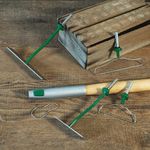
Johnny’s Selected Seeds Connecta® Cultivation Kit
Fine Gardening receives a commission for items purchased through links on this site, including Amazon Associates and other affiliate advertising programs.
Choose the right tool head for the job and switch out quickly with a simple push-button release. Includes the Connecta receiver, Connecta Collinear 4 head, Connecta Collinear 7 head, Connecta Contour Wire 4 head, Connecta Contour Wire 6 head, a sustainably harvested oiled ashwood handle, and a stainless-steel carrying clip.
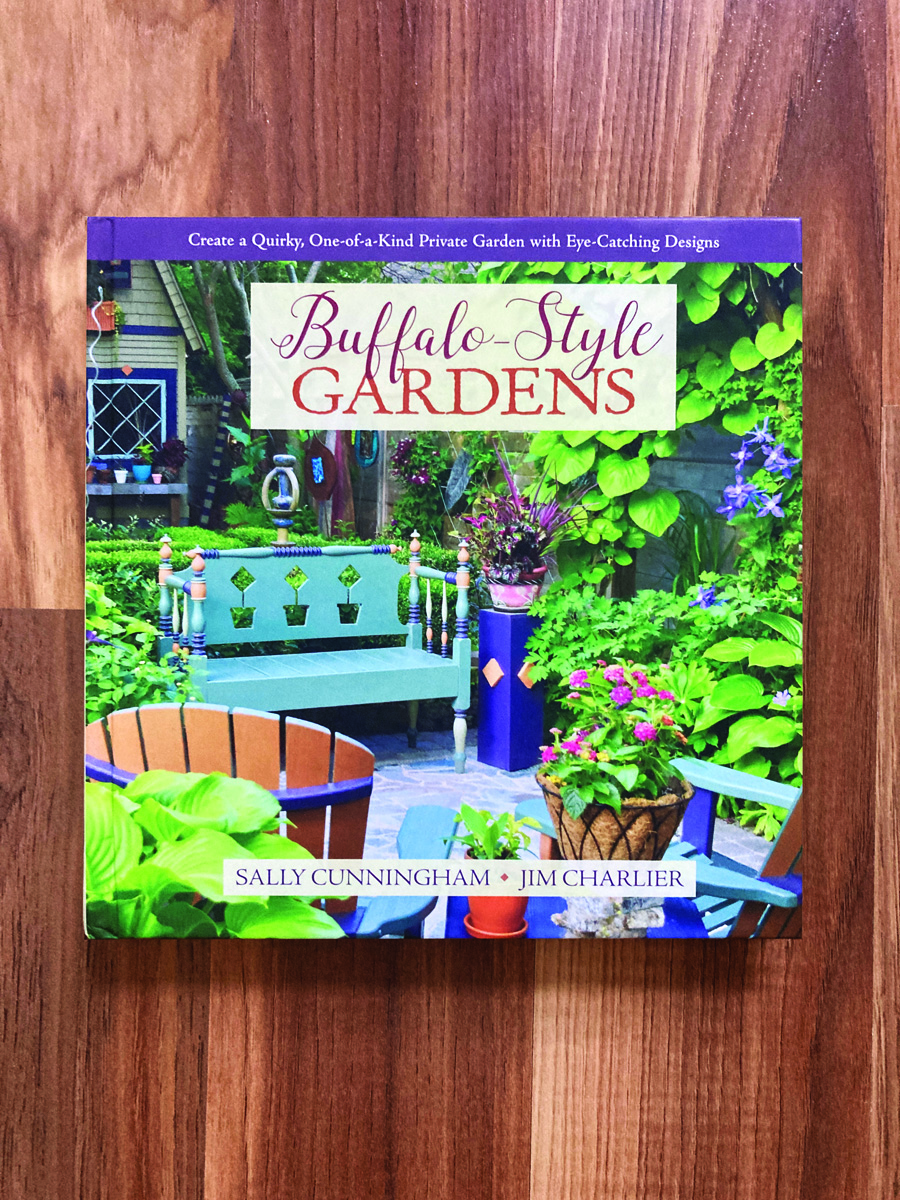
Buffalo-Style Gardens: Create a Quirky, One-of-a-Kind Private Garden with Eye-Catching Designs
Fine Gardening receives a commission for items purchased through links on this site, including Amazon Associates and other affiliate advertising programs.
Buffalo-Style Gardens is a one-of-a-kind, offbeat garden design book that showcases the wildly inventive gardens and gardeners of Buffalo – and offers readers “the best of the best” ideas to use in their own small-space gardens.