
Dealing with Ecologically Destructive Plants in Your Landscape
When you fall in love, you may willingly overlook problems. The prior owner of my property landscaped with as many “free” plants as she could pack in. Immediate issues were apparent—a damaged black locust (Robinia pseudoacacia, Zones 3–8) (which fell on the fence on closing day), rows of eastern hemlock (Tsuga canadensis, Zones 3–7) coated in hemlock woolly adelgid, and towering conifers planted against the house. However, before purchasing my property, I failed to notice the abundance of plants classified in my state as ecologically destructive or invasive: onerous orange daylilies (Hemerocallis fulva, Zones 3–9), problematic Japanese spirea (Spiraea japonica, Zones 3–8), Chinese silver grass (Miscanthus sinensis, Zones 4–9), and the dreaded burning bush (Euonymus alatus, Zones 4–8)—to start.
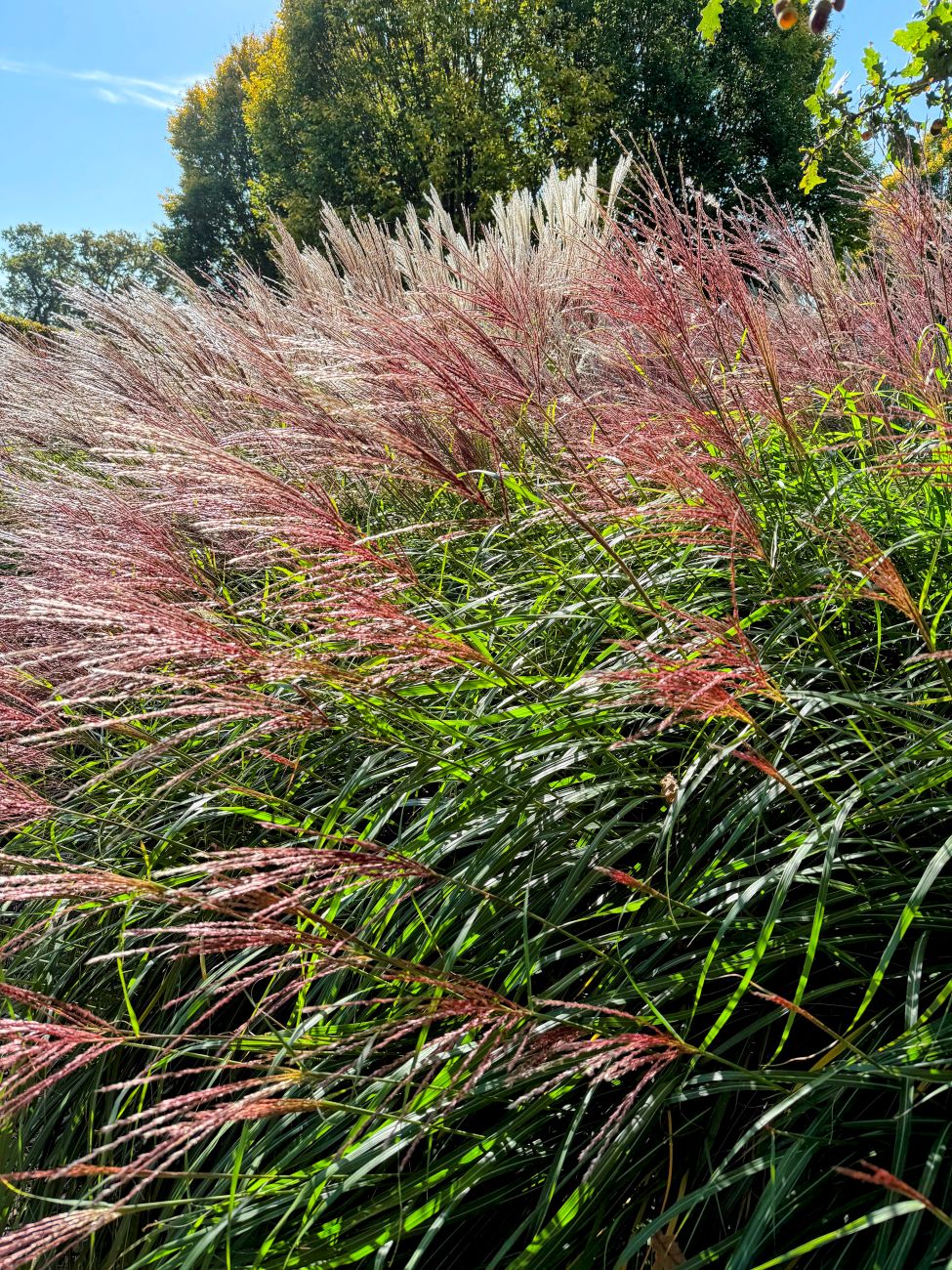
Moving in, I knew that reducing ecologically destructive plants should be a priority for homeowners, gardeners, designers, and, frankly, the public at large. These plants reduce biodiversity in our natural lands and may adversely affect the food web. Unfortunately, many remain unaware of the seriousness of the problem when these plants become established in wild spaces, or even in their own garden. Still, context matters, and there may be more to consider when these plants are already established on a property.
When removing destructive plants creates another problem
Back to the summer storm that felled the aforementioned locust. During a typical heavy rainstorm, our house was quickly surrounded by fast-moving streams and pools. Eyeing the water as it ascended the threshold, I panicked that it would seep through the doorway, though thankfully it never did. Still, a few hours later, our basement was taking on water. Puddles appeared as the high-water table seeped through the foundation. Thus began a saga of chasing and redirecting water that would eventually involve regrading, replacing a sump pump, drains, a whole-house dehumidifier, and more, to arrive on the dry side.
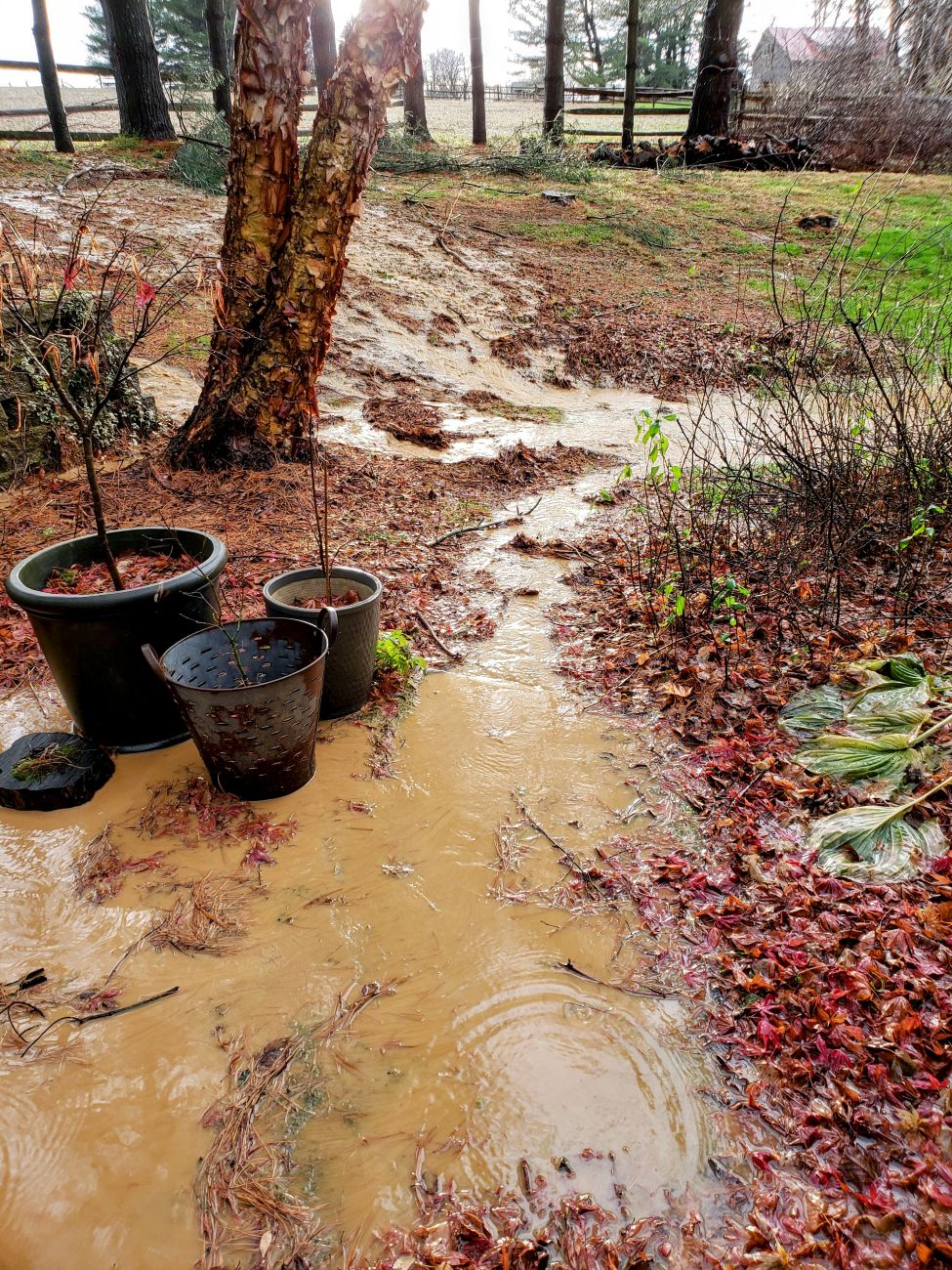
How is this related to ecologically destructive plants? Let me tell you. Sited on a hill below conventional farmland, water runs off the farm onto our property. The prior homeowner clearly attempted to mitigate this issue by implementing various landscape solutions and planting a border of eastern white pines (Pinus strobus, Zones 3–8) and Euonymus alatus. The pines and burning bush helped slow and absorb surface runoff before it reached our home.
Over the years, I have removed and replaced as much of the ecologically problematic plant material as physically and financially possible, adding both native and introduced plants that support the environment and my aesthetic intent. Given the number of plants that merited removal, the process has been an intensive, ongoing effort requiring both tremendous physical exertion and significant financial outlay.
Read More: How to Get Rid of Invasive Plants
Assess the Role Before You Remove Plants
One thing that became clear was that I needed a decision tree for how to embark on the removal of all these plants. While most of these ecologically destructive plants simply required persistence and elbow grease, such as digging (and re-digging, and digging again) the lilies and grasses, some situations were a bit more complex, especially when the ecologically destructive plant in question also provided significant ecosystem services—direct and indirect benefits that a plant provides to people and the environment.
A complicated and controversial admission is that in some cases, plants classified as invasive or ecologically destructive may also play a valuable role in a localized context. It’s important to note that what I’m referring to here has nothing to do with visual desirability. It’s not uncommon for a homeowner to rave about a favorite plant’s appearance (looking at you, burning bush) and fail to remove it despite its ecological harm. However, it’s entirely different to choose to retain and actively manage a plant temporarily because of the adverse impact of its immediate removal on the larger landscape context.
Assessing and removing ecologically destructive plants from the home landscape may not always be straightforward. These plants sometimes play important roles, serving as windbreaks, absorbing pollutants, stabilizing soil, or, in my case, acting as a barrier that helped slow and absorb excessive runoff. Moreover, this doesn’t even address the localized benefits that some ecologically destructive species provide wildlife as shelter or forage.
Use a decision tree to help evaluate removal options
Let me be clear: This is not an argument to maintain or preserve existing ecologically destructive or problematic species in the home landscape, and planting species known to be invasive or ecologically harmful in your region should be avoided. Instead, it is a call for thoughtful consideration of the transition and replacement of these species, rather than immediate removal in all situations. With that in mind, I developed the decision tree below to help evaluate management and removal options.
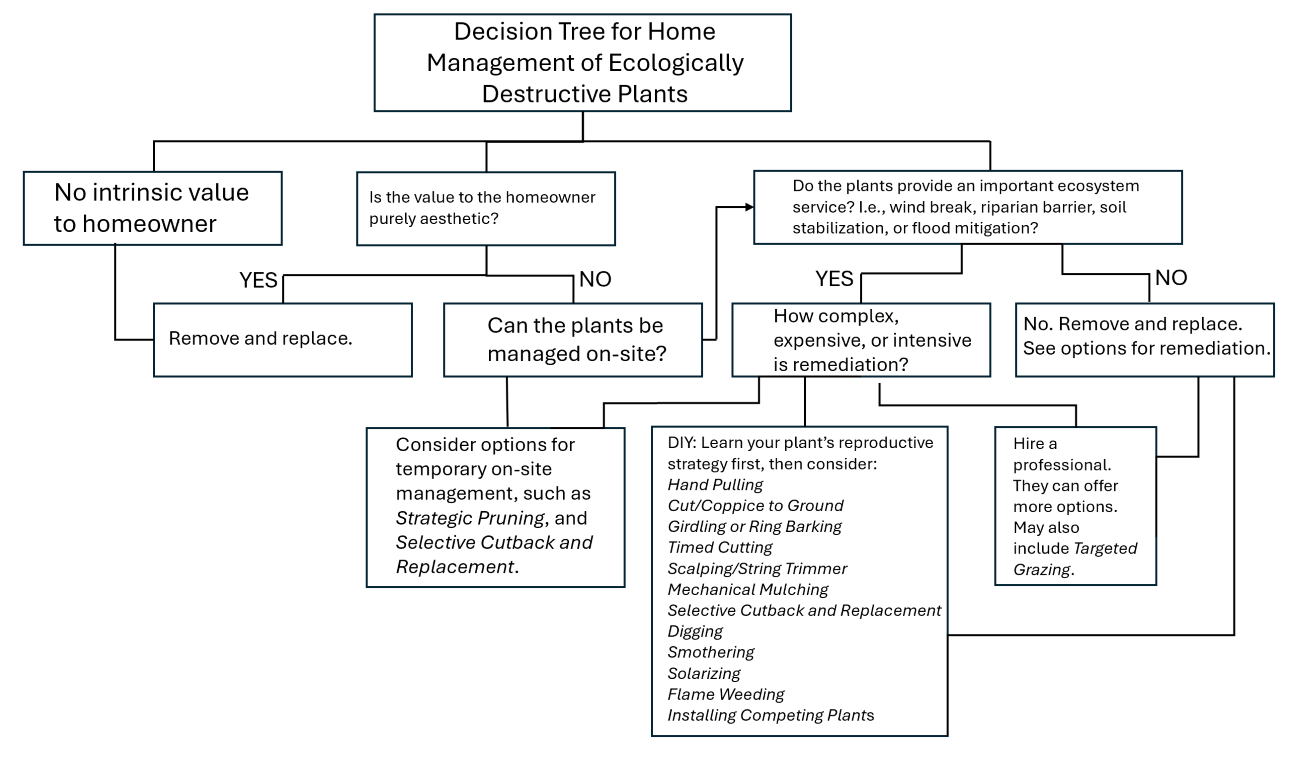
Choose a removal strategy
Ecologically destructive plants are prolific in our landscapes, and many homeowners are uncertain about how to remove them and what to replace them with. While this decision tree offers a basic guide, it may not be enough, so getting help from professionals, such as arborists and foresters, specialists in ecological remediation, knowledgeable gardeners, or experienced garden designers, can make a difference. In some cases, it may be necessary to consult other specialists, such as a landscape contractor, hydrologist, or civil engineer.
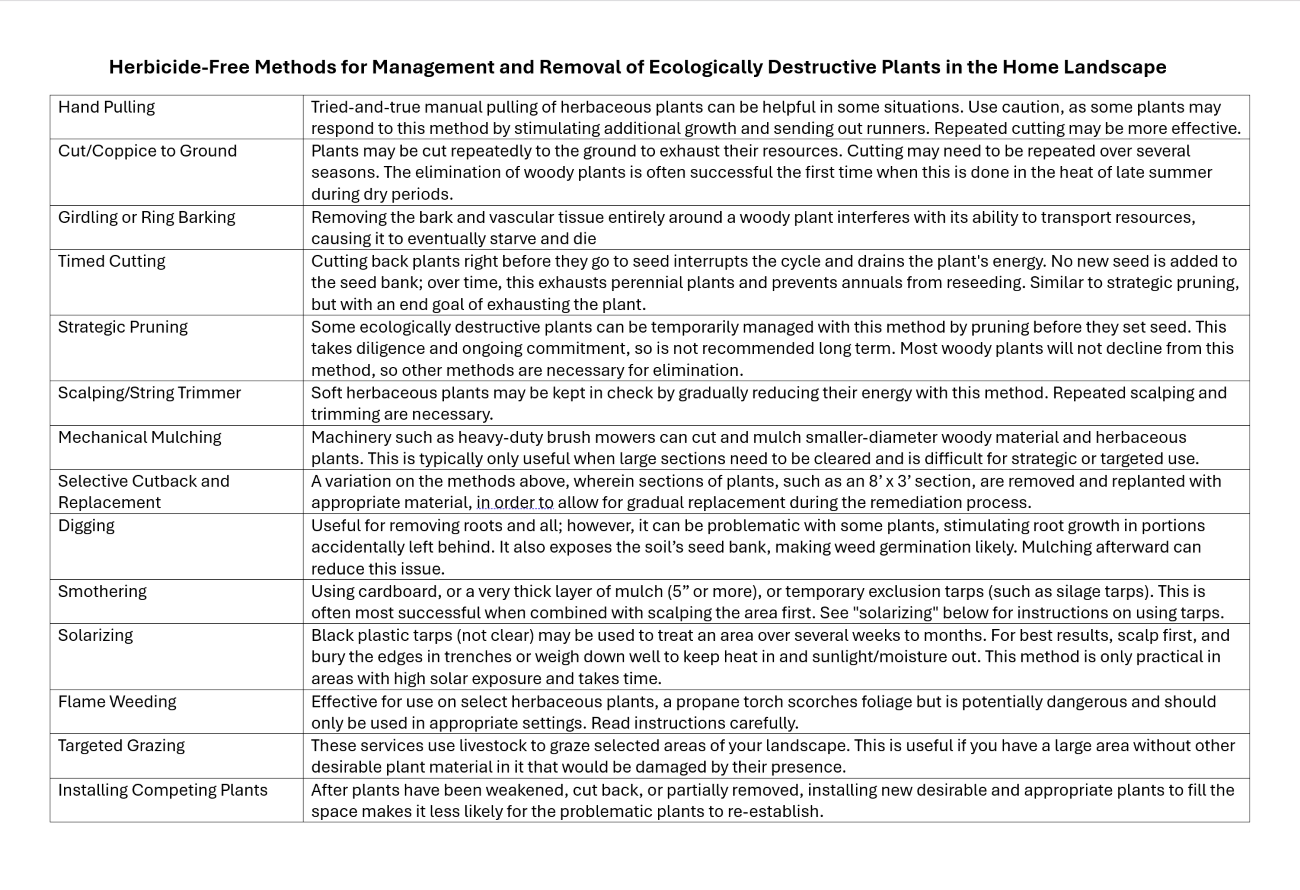
When tackling remediation or management yourself, you have many methods to consider. Researching the growth and reproductive habits of the specific plant(s) you intend to remove can help narrow your options. Whether you DIY or contract with a professional, the chart below lists possible interventions. It may not always be as simple as cutting or digging up destructive plants. Again, consultation with an expert is advised if the situation is complex.
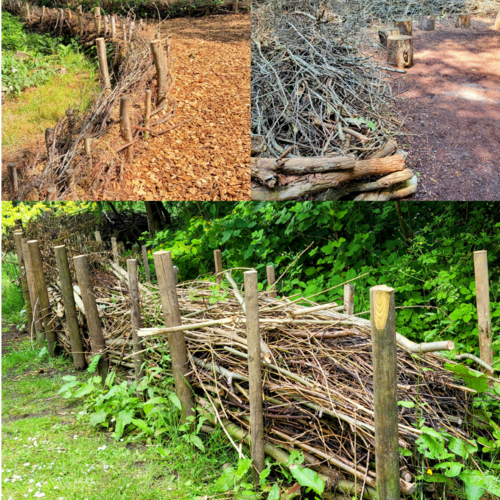
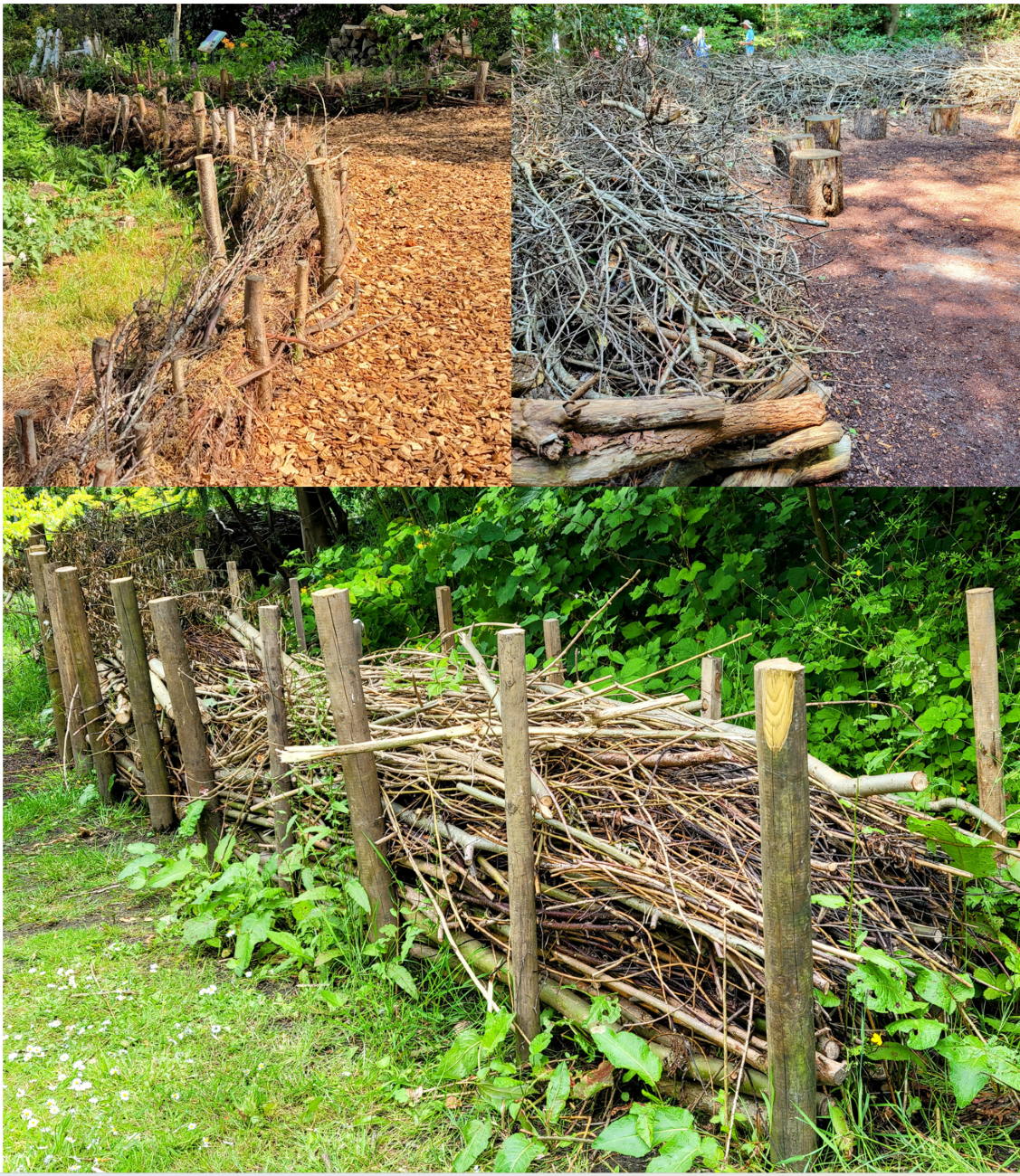
Woody material generated during removal can sometimes remain useful in the landscape. One option is a dead hedge, which uses cut branches and other woody debris to create a simple boundary or habitat feature rather than hauling the material away.
Replace Destructive Plants in Stages
In my own garden, the effort to create a healthier, well-functioning, and more attractive landscape has been ongoing. While removing the low-hanging fruit—ecologically destructive plants that provided little to no ecosystem services in the landscape—was a more straightforward, if not onerous task, the Euonymus barrier remained a challenge. Approaching this challenge by cutting everything down all at once would have risked severe water damage to our home. Following consultation with several professionals, we progressively thinned and removed offending plants, gradually replacing them with smaller native and non-problematic introduced plants that could establish and fill the gaps. In the interim, we attempted to shear the remaining plants to reduce seed dispersal. For this site, I chose not to treat the entire area with herbicide because of concerns about off-target impacts around soil and drainage areas.
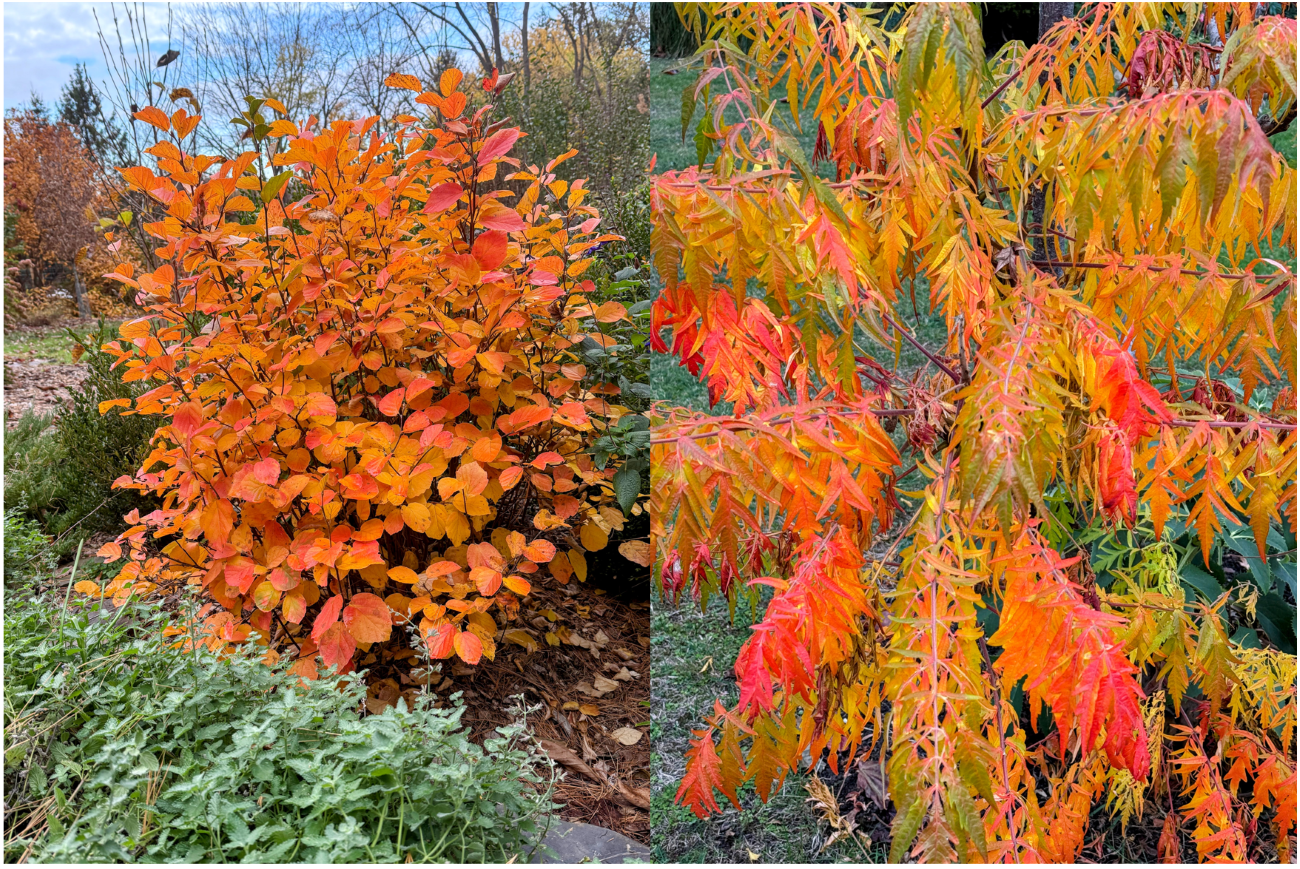
Managing existing ecologically destructive plants within a home landscape can be challenging, expensive, and physically demanding, so it’s important to assess the situation. For a plant to be classified as invasive, it must cause harm, but its broader ecological harm can coexist with localized functions in an established landscape. Hence, careful assessment of its role and a thoughtful plan for removal and replacement can help achieve a better outcome.
Find more advice on managing invasive plants and choosing better replacements:
Discuss this article or ask gardening questions with a regional gardening expert on the Gardening Answers forum.
And for more Northeast regional reports, click here.
Heather Tuckman owns Resilient Ground Design in Southeastern Pennsylvania and is a graduate of the London College of Garden Design.
Photos: Heather Tuckman
Fine Gardening Recommended Products

The Regenerative Landscaper: Design and Build Landscapes That Repair the Environment
Fine Gardening receives a commission for items purchased through links on this site, including Amazon Associates and other affiliate advertising programs.
2024 Nautilus Award Gold Medal Winner! This awe-inspiring guide weaves together permaculture design, food resiliency, climate adaptation, community organizing, and indigenous wisdom that you can implement in your own backyard.
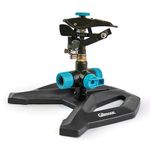
Gilmour 811673-1001 Sprinkler
Fine Gardening receives a commission for items purchased through links on this site, including Amazon Associates and other affiliate advertising programs.
– 43-ft. spray distance (up to 5, 800 sq. ft. coverage)
– Adjustable collar for partial- to full-circle coverage
– Dial precisely sets spray distance
– On/off switch eliminates trips from sprinkler to spigot
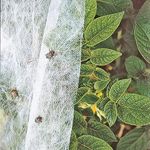
Gardener’s Supply Company Summerweight Fabric Plant Cover
Fine Gardening receives a commission for items purchased through links on this site, including Amazon Associates and other affiliate advertising programs.
Ideal for summertime pest control, this garden cover effectively screens out Japanese beetles, potato beetles, cabbage worms, leaf miners, carrot flies and most vine borers. It transmits 97.6% of the light to your plants without allowing heat build-up, and it provides cold protection down to 41° F, to extend your growing season.