



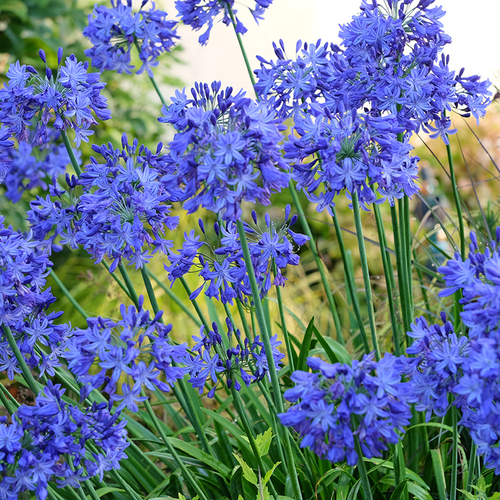
Agapanthus (Agapanthus campanulatus) is a beautiful perennial in the Pacific Northwest. The vibrant blooms provide cool-toned colors in summer, and the pest-free foliage is gorgeous. Nothing is better than watching agapanthus blooms full of bees in the late afternoon sun. But I have grown several varieties with only mixed success. So, in the true manner of gardeners, I decided to reach out to an expert agapanthus grower and breeder to get his advice.
Dan Hinkley has a wonderful garden featuring many kinds of agapanthus. He also has a nursery bed full of different cultivars bred by him and grown for retail trade, many of which he names after powerful women he admires as part of his ‘Willful Women of Windcliff’ series. There are several species of agapanthus, but Dan recommends two, both deciduous. Gardeners in the cooler parts of our region will have the most success with the hybrids available from these two species, and will enjoy two different bloom times that extend the flowering season from June to September/October. The evergreen agapanthus varieties are not as hardy but will do well in Northern California and in the South.
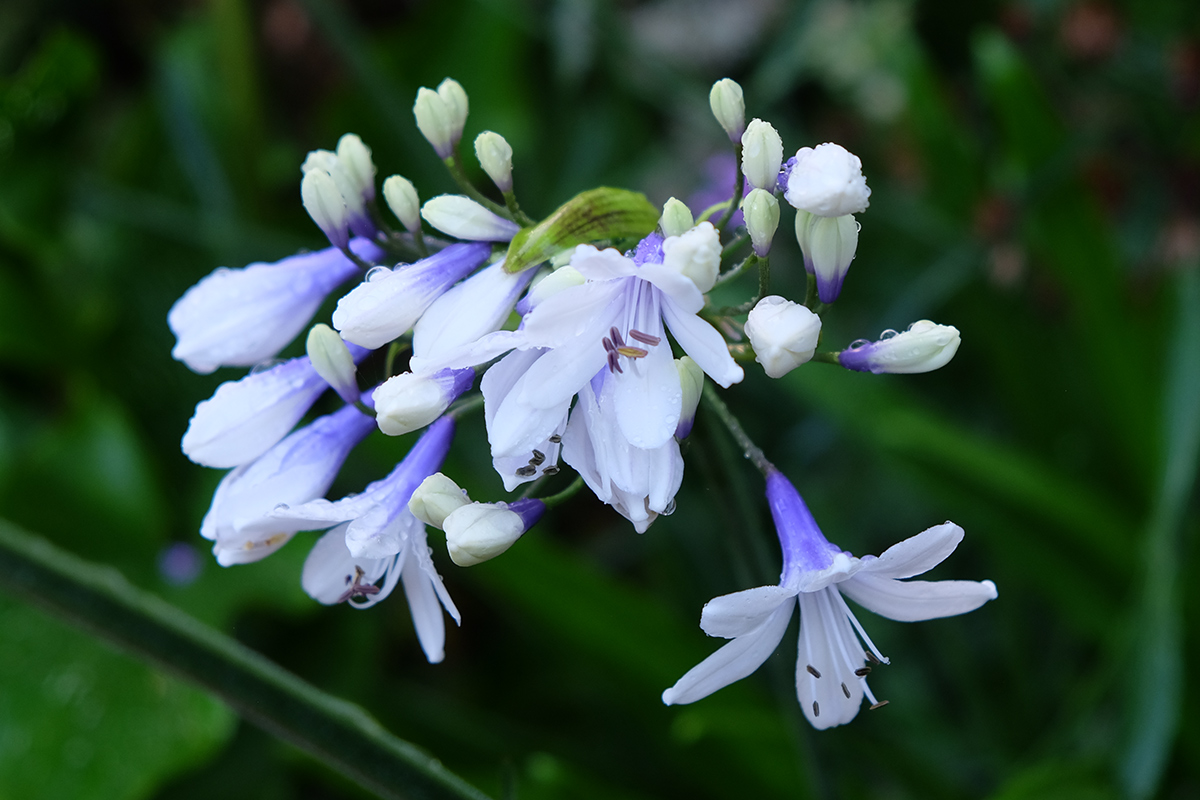
Bell agapanthus
Agapanthus campanulatus
Zones: 6–10, depending on the cultivar
Size: 2 to 3 feet tall and 15 to 20 inches wide
Bell agapanthus is the first deciduous pick, and hybridization has made it one of the hardiest. This species starts blooming in June and continues until late summer. Seedpods remain on the stems into the fall. Hybrids of this species do not always document parentage, but large, flat, strappy foliage is a distinct indicator that a cultivar has been bred from a bell agapanthus.
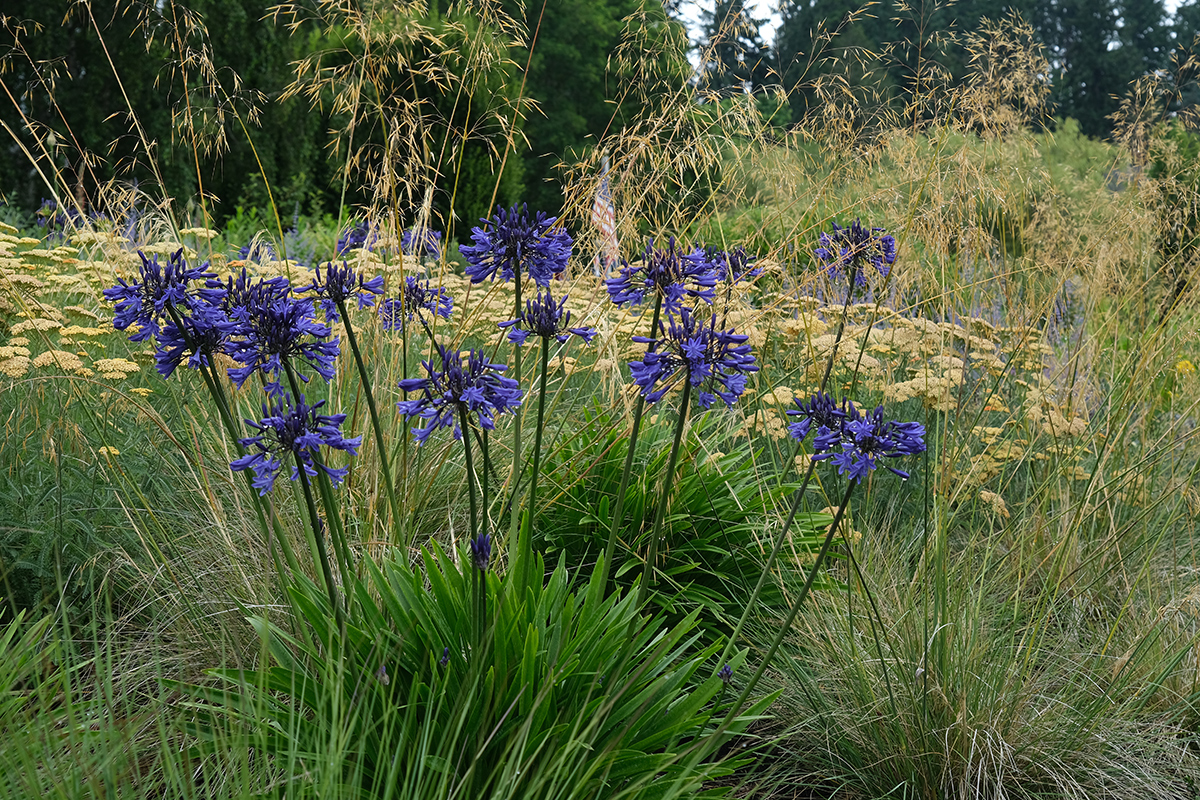
‘Twister’ (A. praecox subsp. orientalis × campanulatus ‘AMBIC001’, Zones 7–10) is new to the trade and available in most nurseries, with strong growth and bicolor flowers. ‘Cobalt Blue’ (A. ‘Cobalt Blue’, Zones 7–10) and ‘Midnight Sun’ (A. ‘Midnight Sun’, Zones 8–11) are also good growers, and the variegated foliage on ‘Summer Skies’ (A. ‘Summer Skies’, Zones 6–10) is lovely in the garden, but it is not as floriferous as most agapanthus.
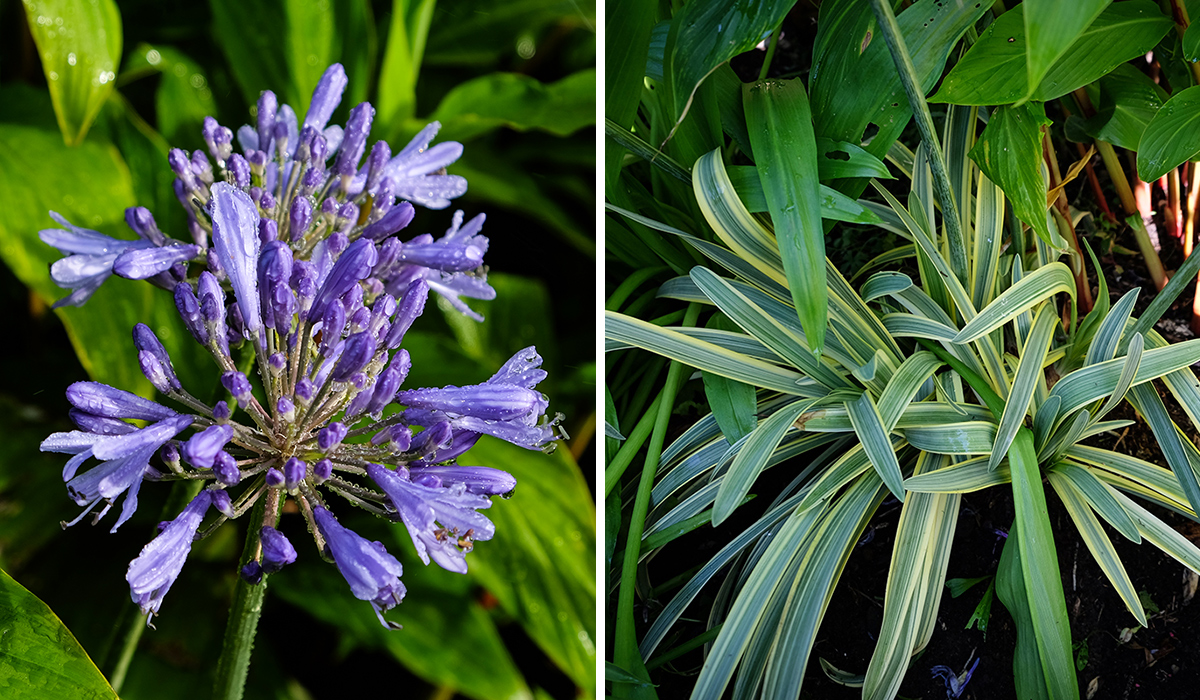
Drooping agapanthus
Agapanthus inapertus
Zones: 7–10
Size: 3 to 4 feet tall and 18 to 36 inches wide
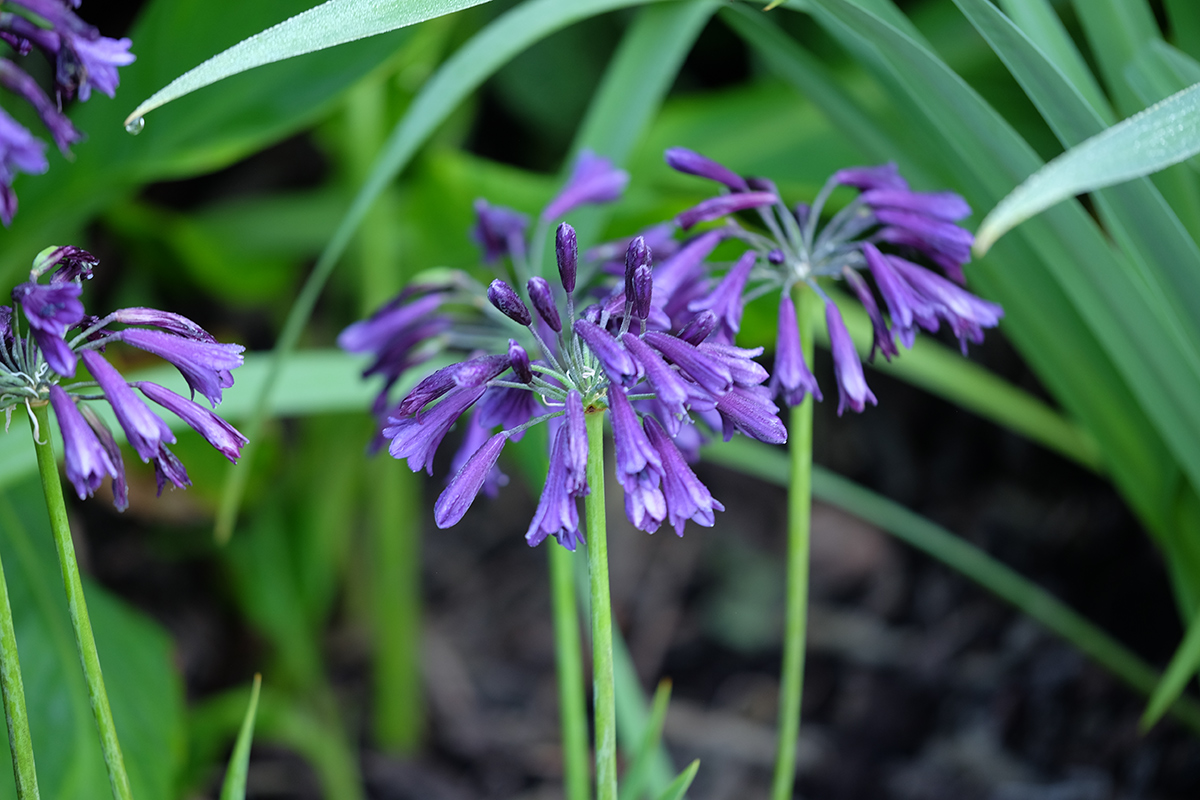
Drooping agapanthus is the other deciduous species that Dan recommends, which produces nodding flowers that bloom later in the season and continue from mid-September to October. Dark blue ‘Graskop’ (Agapanthus inapertus spp. pendulus ‘Graskop’, Zones 7–9) has been very happy in my garden. ‘Blue Moon’ (A. ‘Blue Moon, Zones 8–11), from the UK, has a lighter blue, rounded head. Dan Hinkley hybrids like ‘Ida Lynn’, ‘Martha Stewart’ (yes, that Martha), and ‘Lyn Grinstein’ (Zones 7–10) also grow in my garden with gusto. And I have a lovely one called ‘Phantom’ that is silvery gray with a slight blush of blue.
Agapanthus planting and care
The how-to of growing agapanthus is fairly simple. Full sun is a must for good flowering; some moisture is needed in the spring and dryer conditions in the summer—a perfect fit for the weather we typically get in the PNW. All agapanthus need good drainage. I opt to plant mine slightly raised. They don’t like to be covered with mulch, and I have often seen the crown of some agapanthus left just a bit out of the soil to get some baking sun. They don’t like to be crowded, root systems will overtake most other plants if planted too closely, and they will appreciate a bit of fertilizer in the spring for optimal blooms.
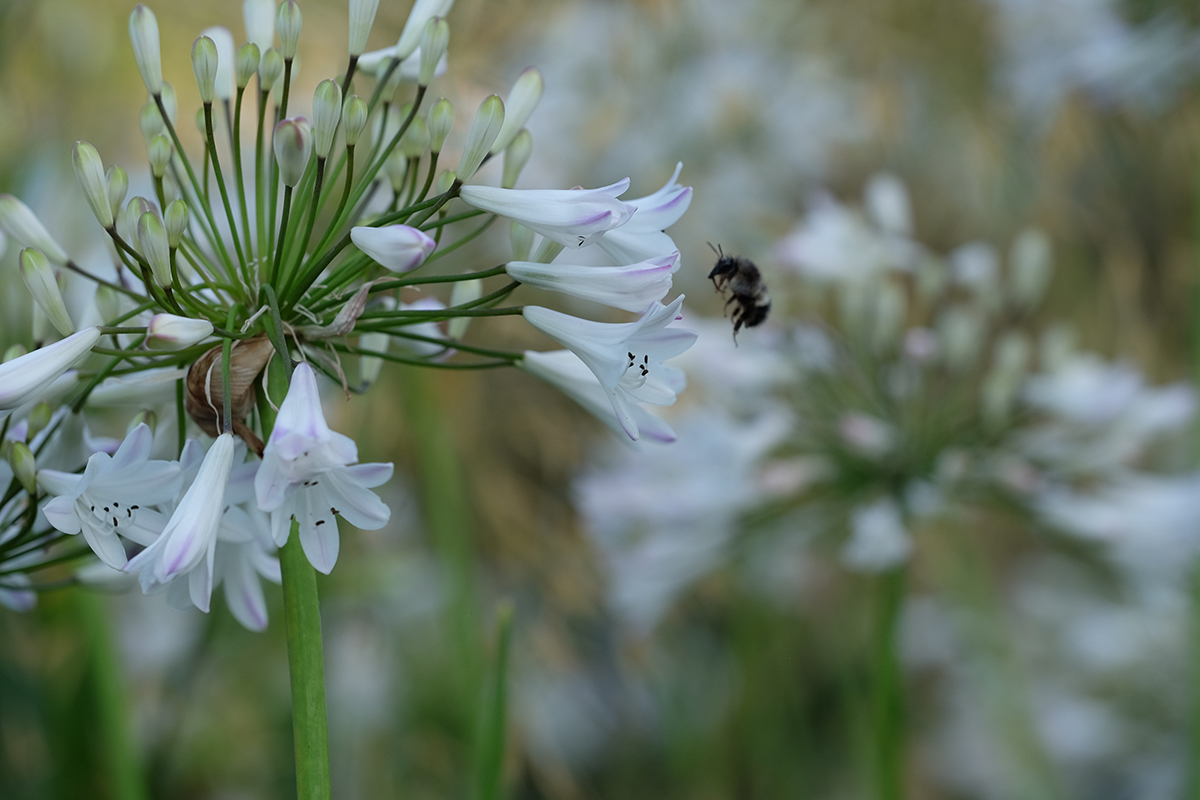
I’m so looking forward to seeing my agapanthus coming up in the garden. It will mean that summer is truly here. These tips will get you started on agapanthus gardening; it may even become an obsession.
Find more fantastic summer flowers for the Pacific Northwest:
Discuss this article or ask gardening questions with a regional gardening expert on the Gardening Answers forum.
For more Pacific Northwest regional reports, click here.
Susan Calhoun is the owner of Plantswoman Design in Bainbridge Island, Washington.
Photos: Susan Calhoun
Fine Gardening Recommended Products
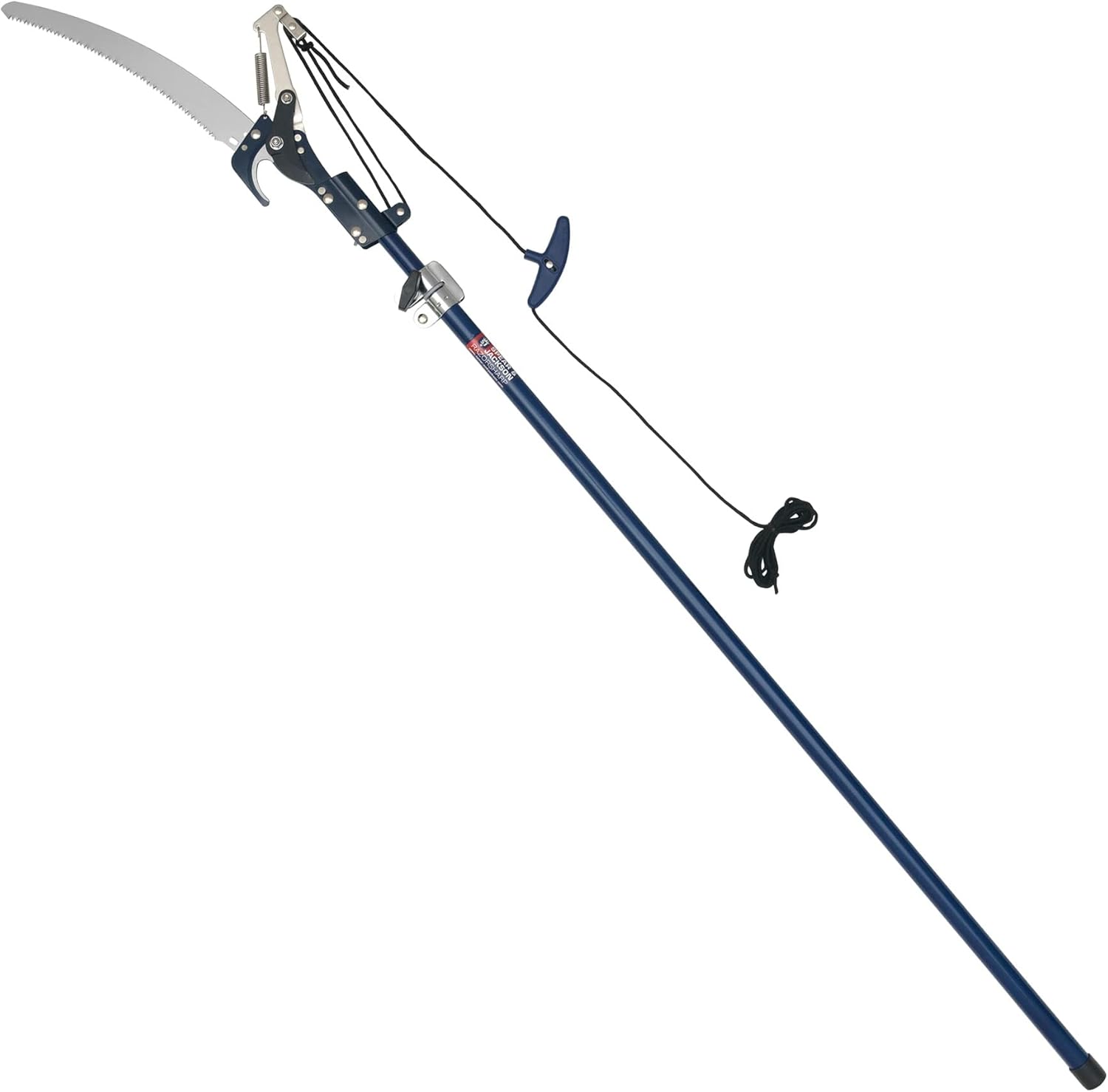
Spear & Jackson 4930FZ Razorsharp Telescopic Tree Pruner
Fine Gardening receives a commission for items purchased through links on this site, including Amazon Associates and other affiliate advertising programs.
Telescopic tree pruner with SK5 carbon steel blade which stays sharper for longer. Variable length telescopic handle extends up to 92 Inch (2340mm). Lopper for cutting branches up to 1.2″ (30mm). 13 inch (330mm) saw is ideal for cutting thicker branches. Supplied with a long cord and pull-action handle. Part of the Razorsharp Advantage collection, the obvious choice for gardeners who demand and expect precise, powerful performance. “Grow Your Own” Great British Growing 2020 Award Winners.
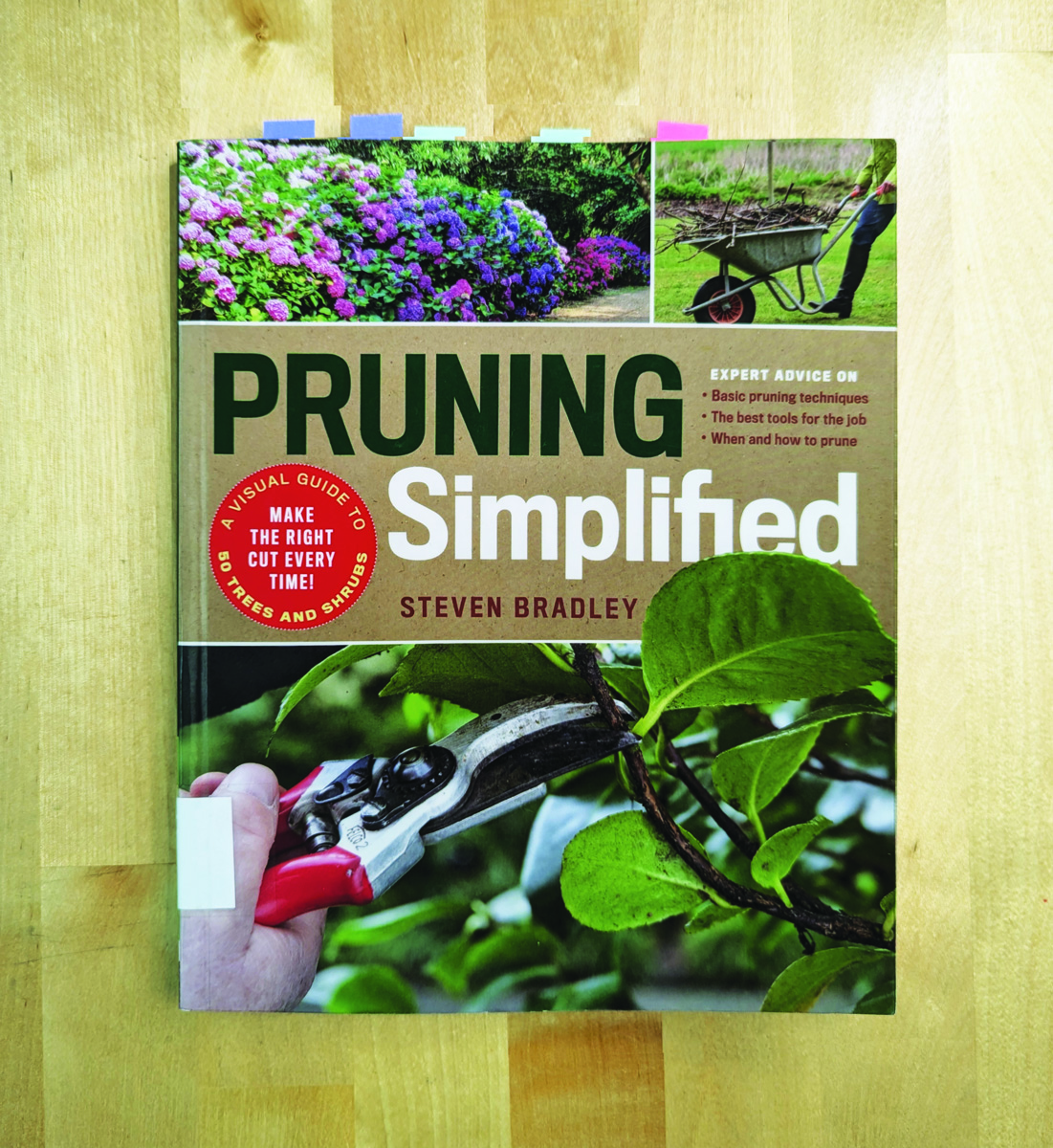
Pruning Simplified: A Step-by-Step Guide to 50 Popular Trees and Shrubs
Fine Gardening receives a commission for items purchased through links on this site, including Amazon Associates and other affiliate advertising programs.
Pruning Simplified shows you exactly how to do it. This must-have guide offers expert advice on the best tools for the job, specific details on when to prune, and clear instructions on how to prune. Profiles of the 50 most popular trees and shrubs—including azaleas, camellias, clematis, hydrangeas, and more—include illustrated, easy-to-follow instructions that will ensure you make the right cut the first time.
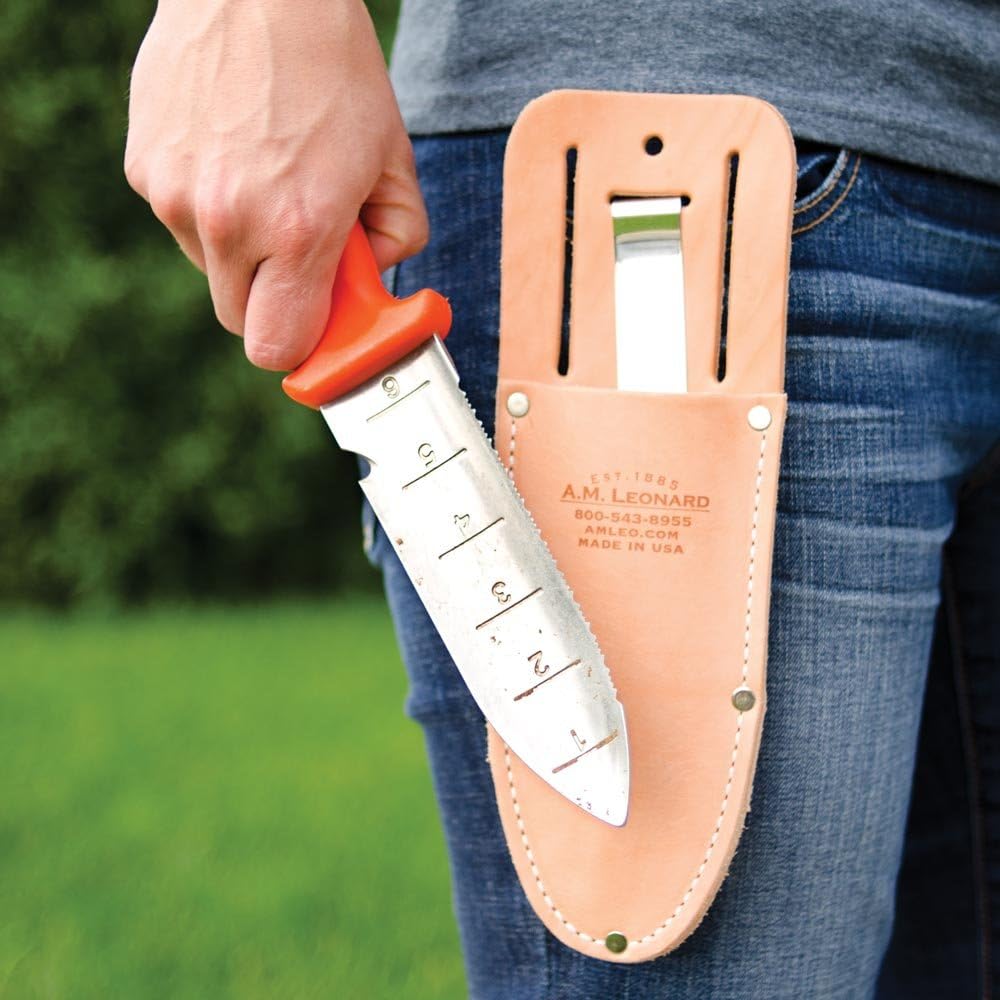
A.M. Leonard Deluxe Soil Knife & Leather Sheath Combo
Fine Gardening receives a commission for items purchased through links on this site, including Amazon Associates and other affiliate advertising programs.
MULTITASKING DUAL EDGES: a deep serrated edge and a tapered slicing edge ideal for tough or delicate cuts. DURABLE 6-inch stainless steel blade withstands 300 lbs of pressure. TWINE CUTTING NOTCH, DEPTH GAUGE MARKINGS & spear point – no need to switch tools when using this garden knife. LEATHER SHEATH: heavy duty, protective, clip on sheath to keep your knife convenient and secure. LIFETIME WARRANTY.