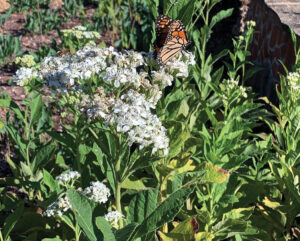

When you garden with ecology in mind, choosing plants becomes less about you and more about the local birds, mammals, and invertebrates that could benefit from your latest addition. Learn more about frostweed, one of Amy Galloway Medley’s favorite underappreciated native plants to grow.
Watch: Super Cool Plants Podcast | Underappreciated Native Plants
Frostweed
- Name: Verbesina virginica
- Zones: 6–9
- Size: 3 to 7 feet tall and 2 to 3 feet wide
- Conditions: Partial to full shade; average to dry, well-drained soil
- Native range: Central, Eastern, and Southern United States
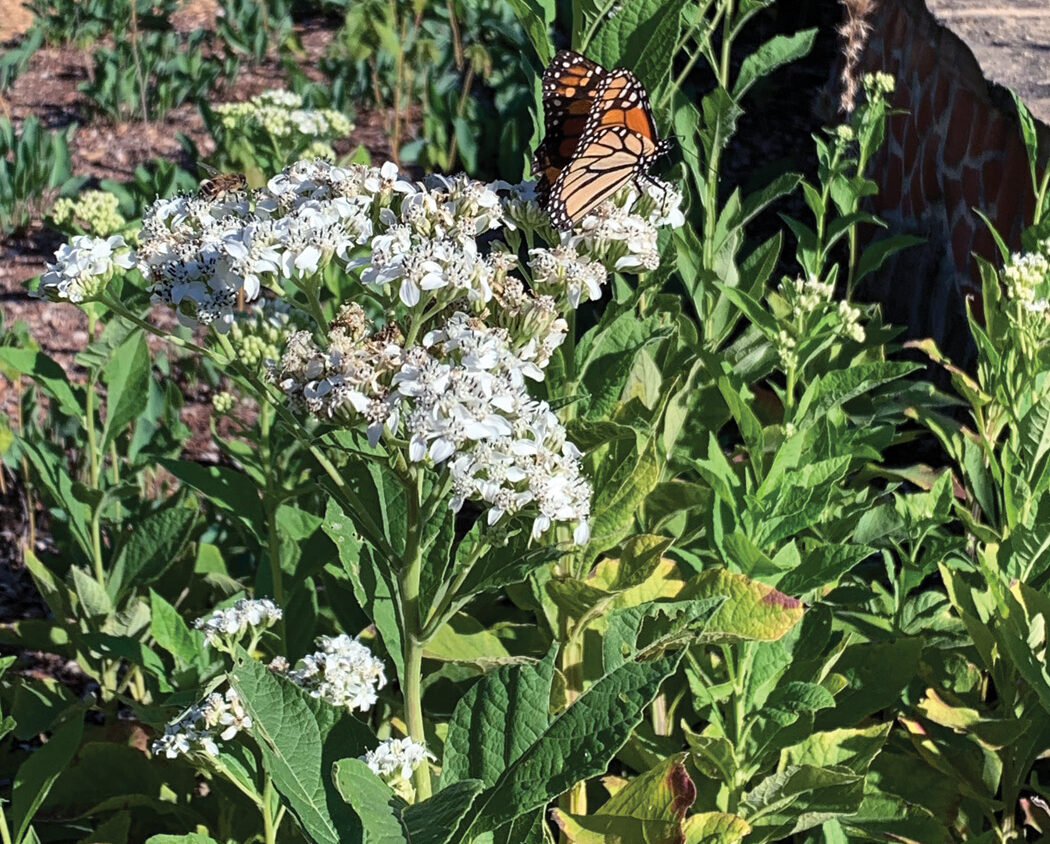
I believe there are misconceptions about this plant because of the word “weed” in its name. Some people might see frostweed as a woodland plant that should stay in the wild and does not belong in cultivated gardens, but I wholeheartedly disagree. It grows about 6 feet tall, making it a good choice for the back of a border, but you can also control the stature by cutting it back in spring.
A woodland plant worth making space for
Along with the height it can bring to your designs, frostweed produces clusters of gorgeous white blooms from late summer through fall. It also has large, interesting leaves, and the stems have winglike flanges that run down their length. These sturdy stems put on another show after a frost.
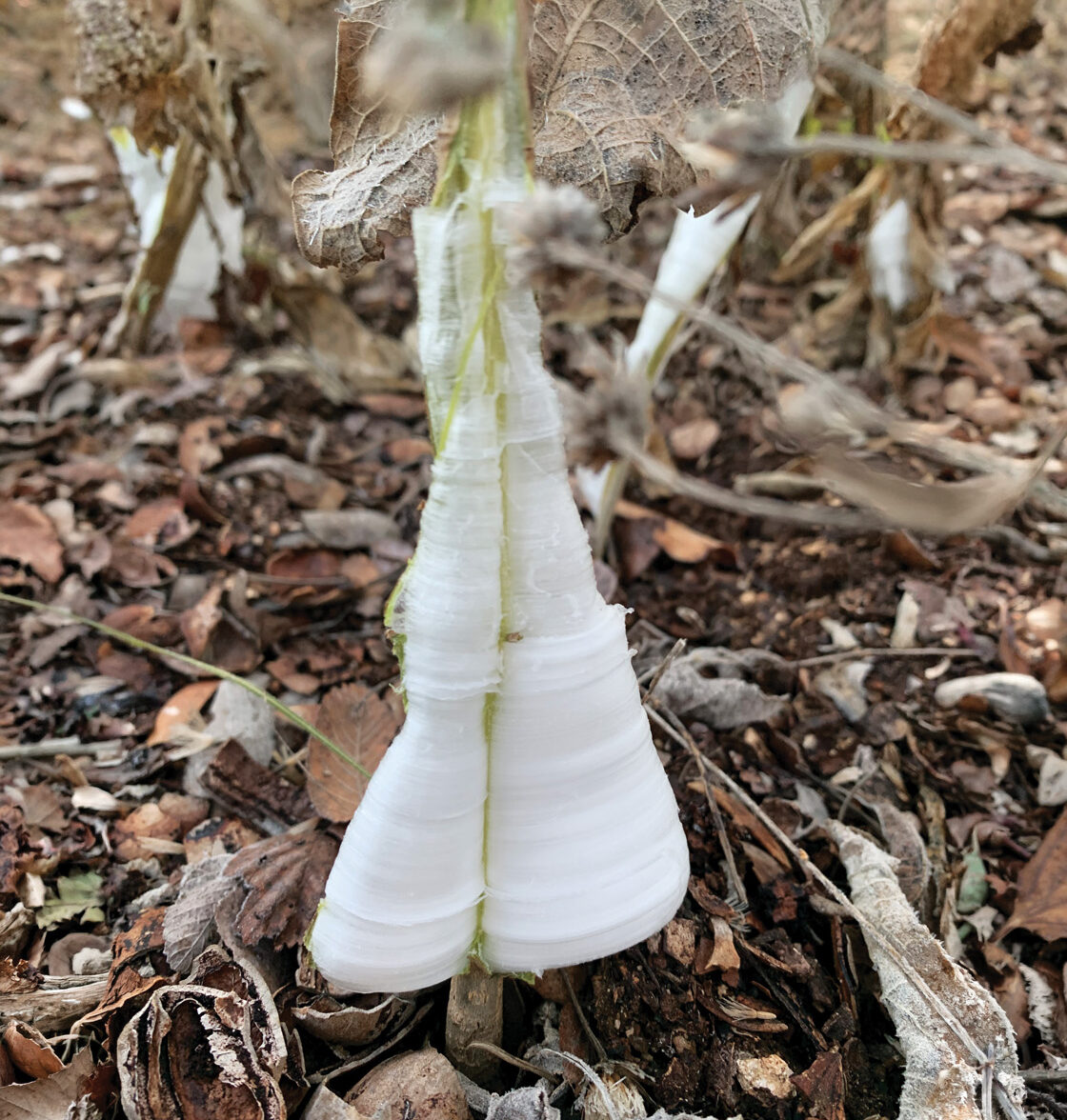
The plant gets its name because a hard freeze will sometimes make the stems split, causing the moisture inside to erupt out in sheets of ice that look like cotton candy. I’ve heard that a cutback just before the first hard freeze will cause ice spirals to come out of the tops of the stems, but I have not yet managed to get the timing right on my plants.
Where to grow frostweed
In the wild, you’ll find frostweed underneath big shade trees, and it is highly drought tolerant. In a cultivated garden with supplemental water, it can also grow in full sun, making it adaptable to a range of conditions. Frostweed’s most valuable characteristic, however, is its benefit to pollinators and wildlife. When planted in sun, it quickly attracts an array of pollinators. The winged stems are also perfect for certain species of bees and other stem-nesting insects. Leave it standing in winter and birds will feast on its seeds.
Learn more from Amy about this plant on Fine Gardening’s podcast, Super Cool Plants, or watch the episode on our YouTube channel!
Amy Galloway Medley is the lead horticulturist at Lady Bird Johnson Wildflower Center at the University of Texas at Austin.
All photos courtesy of the author.
See More:
Best Native Plants for Your Region
See More Super Cool Plants Podcast Episodes
Subscribe to Fine Gardening All-Access!
Fine Gardening Recommended Products
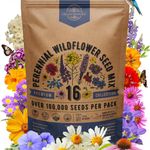
Organo Republic 16 Perennial Wildflower Seeds Mix for Indoor & Outdoors
Fine Gardening receives a commission for items purchased through links on this site, including Amazon Associates and other affiliate advertising programs.
Premium 16 Perennial Wildflower Seeds Mix – Special Garden Flower Seeds Blend designed for planting indoor & outdoors across North America. With over 16 varieties and 100,000 wildflower seeds, this mix is the best solution to attract pollinators – bees, butterflies & birds are essential for garden plants health. Our Special Perennial Wildflower Seeds Mix Includes White Yarrow, Columbine, New England Aster, Siberian Wallflower, Shasta Daisy, Lance-Leaf Coreopsis, Sweet William, Purple Coneflower, Blanketflower, Gayfeather, Blue Flax, Lupine, Dwarf Evening, Primrose, Mexican Hat, Prairie Coneflower, Black Eyed Susan. Easy & Fun Growing Experience with our online guides – Don’t plant disappointment – Add more colors to your wildflower garden! We send only super hearty heirloom flower seeds with the highest germination rate and fast sprout. Our detailed growing guide helps you grow seeds the garden of your dream like a PRO. Colorful Wildflower Garden from Seeds – Grow wildflowers everywhere – Indoor in window garden or Outdoors Flower garden Garden make a beautiful design for your garden borders, pathways, field or meadow and attract pollinators. Made in the USA by Small Family-Owned Business – Quality You Can Trust – Our wildflower bulk seeds variety pack are tested at the highest germination rates before being sealed to last for up to 3 years before you need to plant. Each packet of our flower seeds variety pack is resealable to make it easy to store and has its own label with a QR code for the growing instructions.
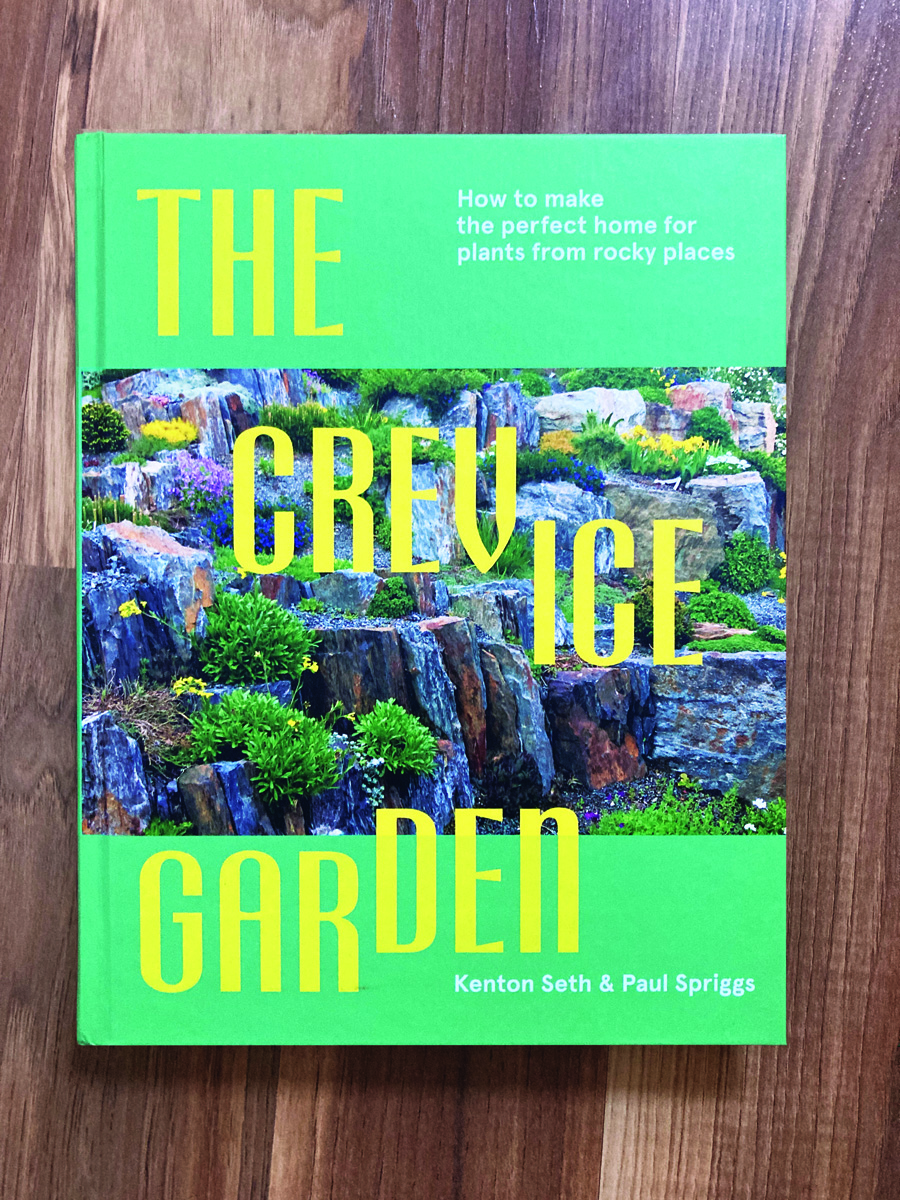
The Crevice Garden: How to make the perfect home for plants from rocky places
Fine Gardening receives a commission for items purchased through links on this site, including Amazon Associates and other affiliate advertising programs.
A crevice garden replicates the environmental conditions of mountain tops, deserts, coastlines, and other exposed or rocky places on earth. These striking garden features provide perfect conditions for the plants native to these far-off places, bringing the cultivation of these precious gems within everybody’s reach.
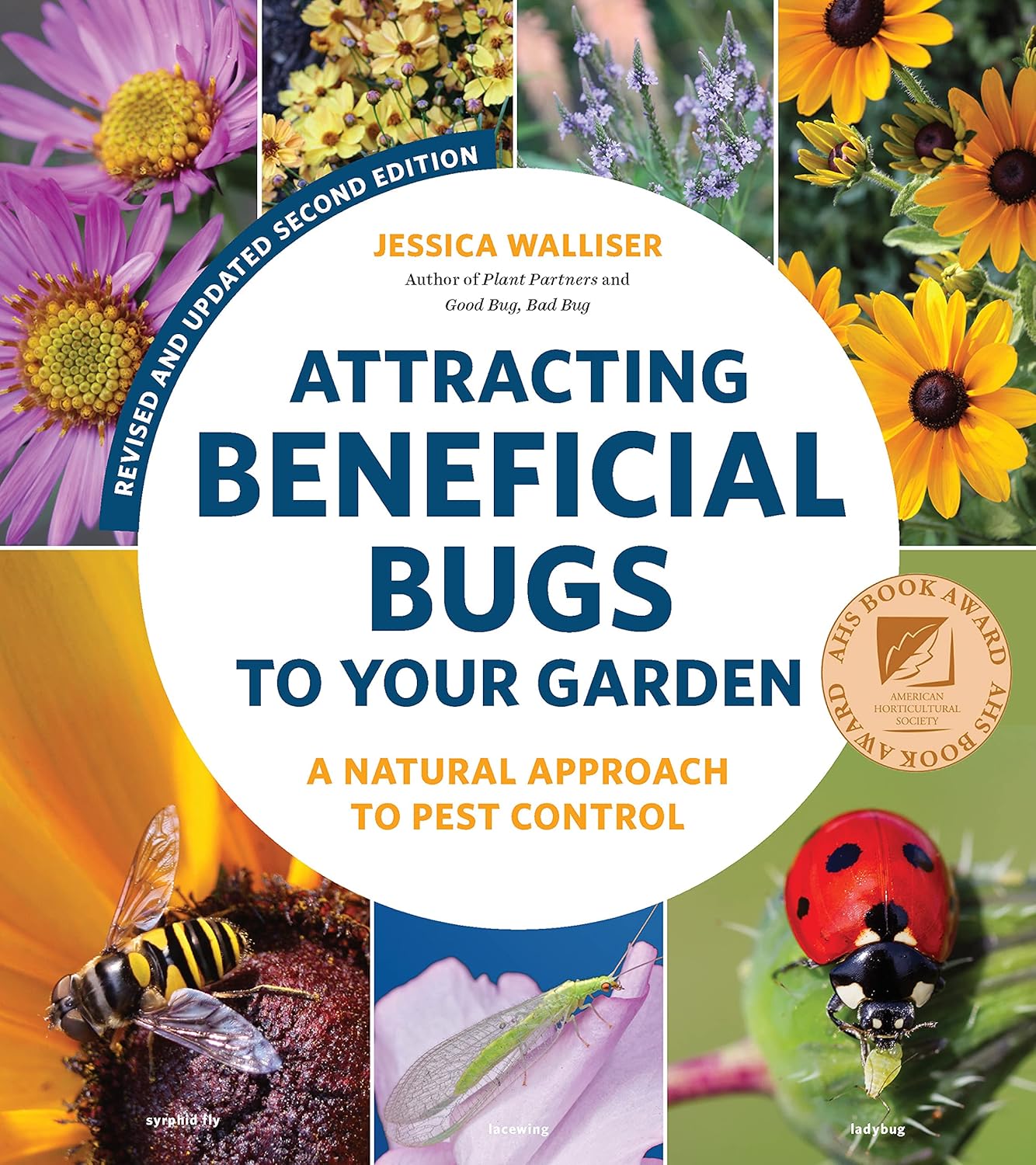
Attracting Beneficial Bugs to Your Garden, Revised and Updated Second Edition: A Natural Approach to Pest Control
Fine Gardening receives a commission for items purchased through links on this site, including Amazon Associates and other affiliate advertising programs.
This revised and updated edition of Jessica Walliser’s award-winning Attracting Beneficial Bugs to Your Garden offers a valuable and science-backed plan for bringing balance back to the garden. With this indispensable gardening reference—now updated with new research, insights, and voices—learn how to create a healthy, balanced, and diverse garden capable of supporting a hard-working crew of beneficial pest-eating insects and eliminate the need for synthetic chemical pesticides.