Explore Bromeliads
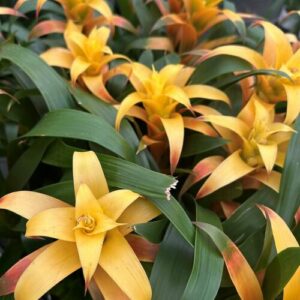
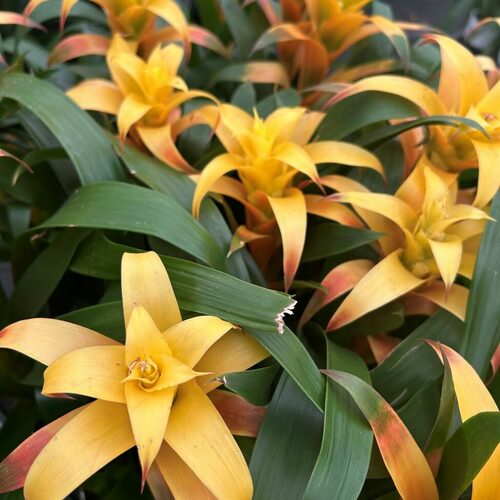
With their unique appearance, intriguing textures, colorful blooms, and diverse array of forms, the bromeliad family is an exciting world to explore if you’re thinking of transforming your indoor space (or outdoor space, if you’re in a frost-free area) into a tropical paradise.
If you’re unfamiliar with this remarkable group of plants, let’s have a quick foray into the bromeliad family before narrowing down to a few of the most popular varieties available commercially. Then I’ll share some growing and care tips for those of us gardening in more temperate climates.
What exactly is a bromeliad?
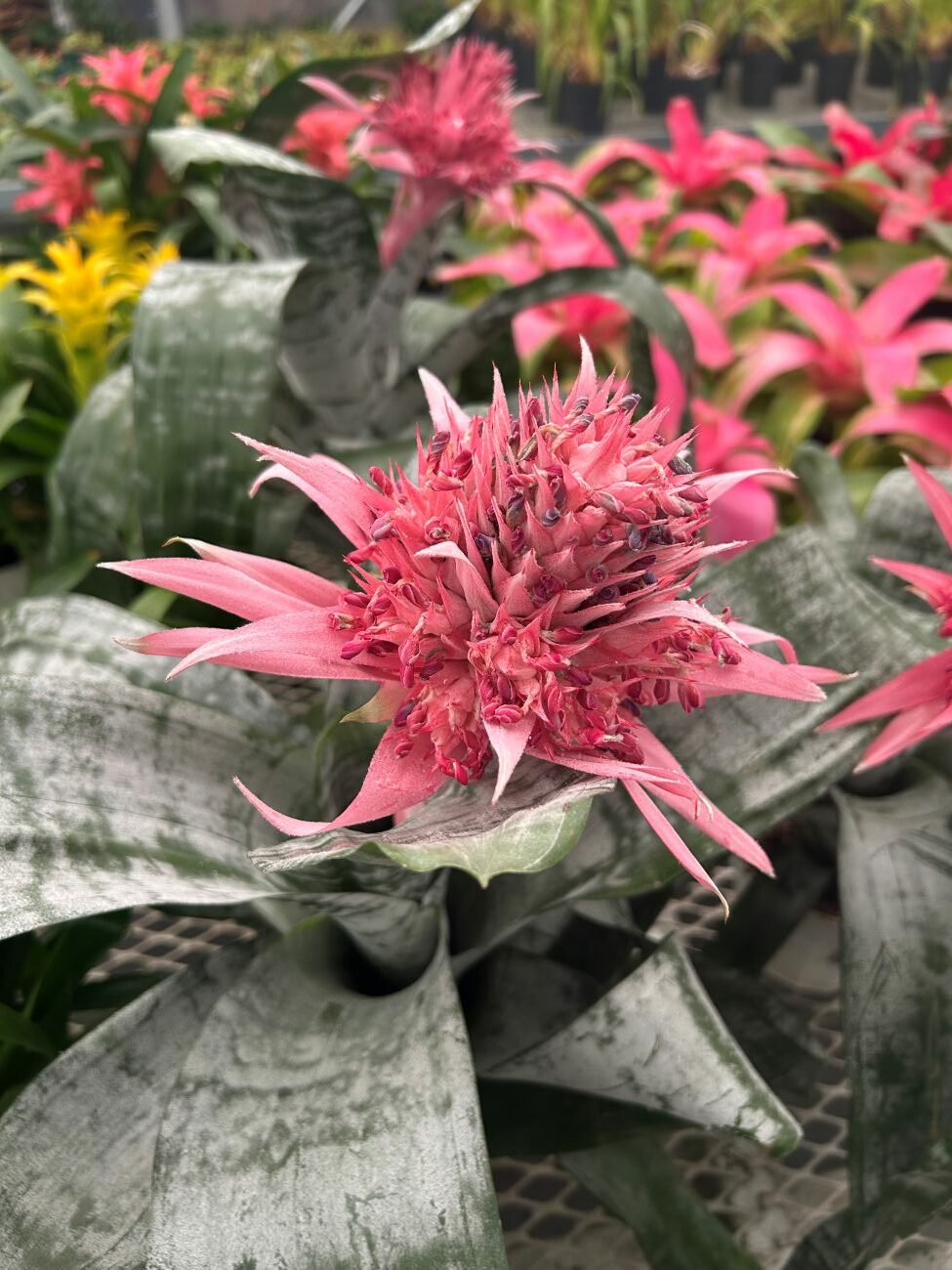
The family Bromeliaceae is a diverse group that includes over 3,000 species, mostly native to the tropical and subtropical regions of the Americas. Known for their rosette-shaped foliage, vibrant flowers, and adaptations to their environment, bromeliads come in a range of shapes, sizes, colors, textures, and forms. They occupy a variety of habitats, and many grow high in the canopies of trees. In fact, many bromeliad species are epiphytes—meaning they grow on other plants (like trees) rather than being rooted in soil!
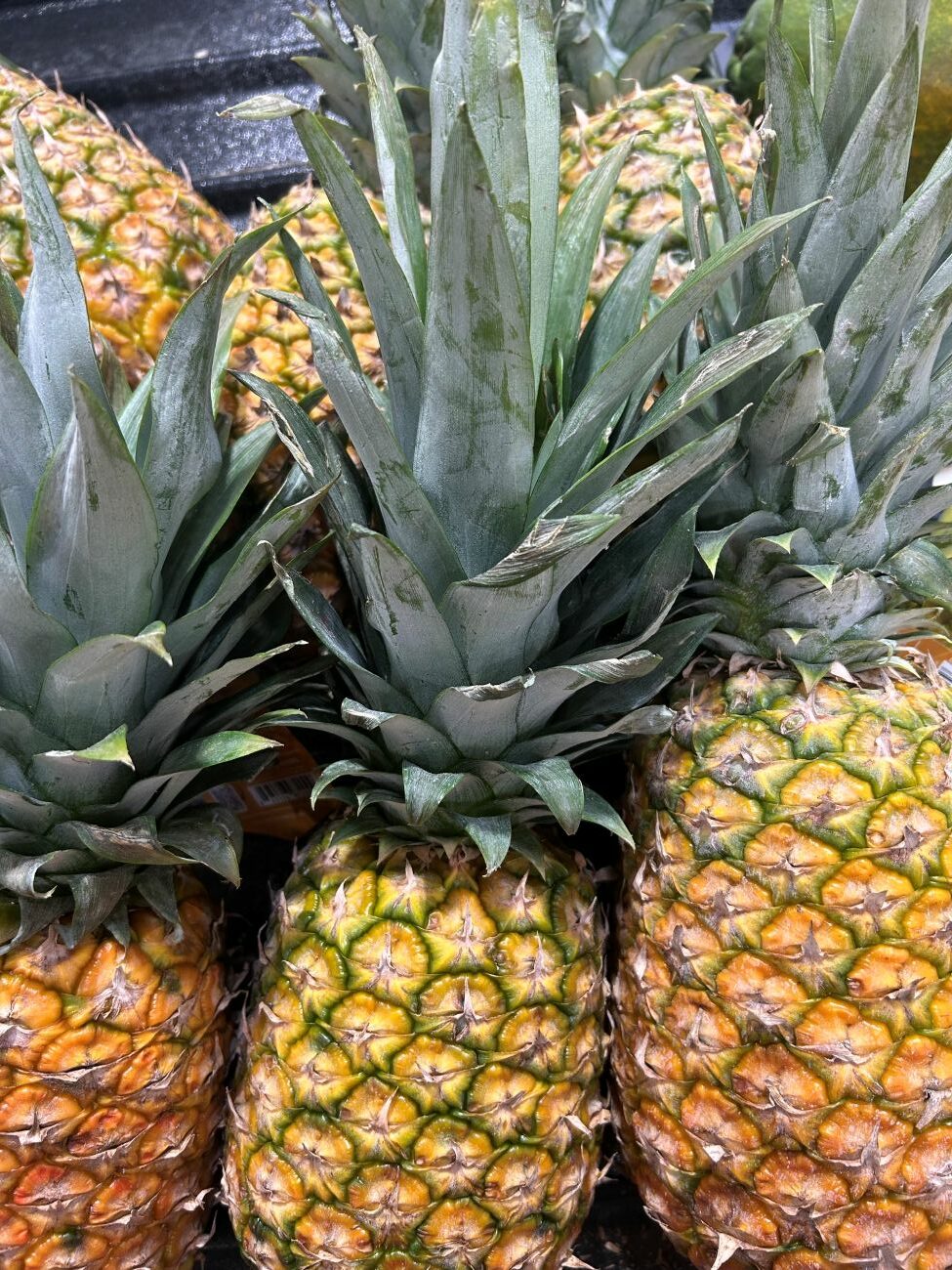
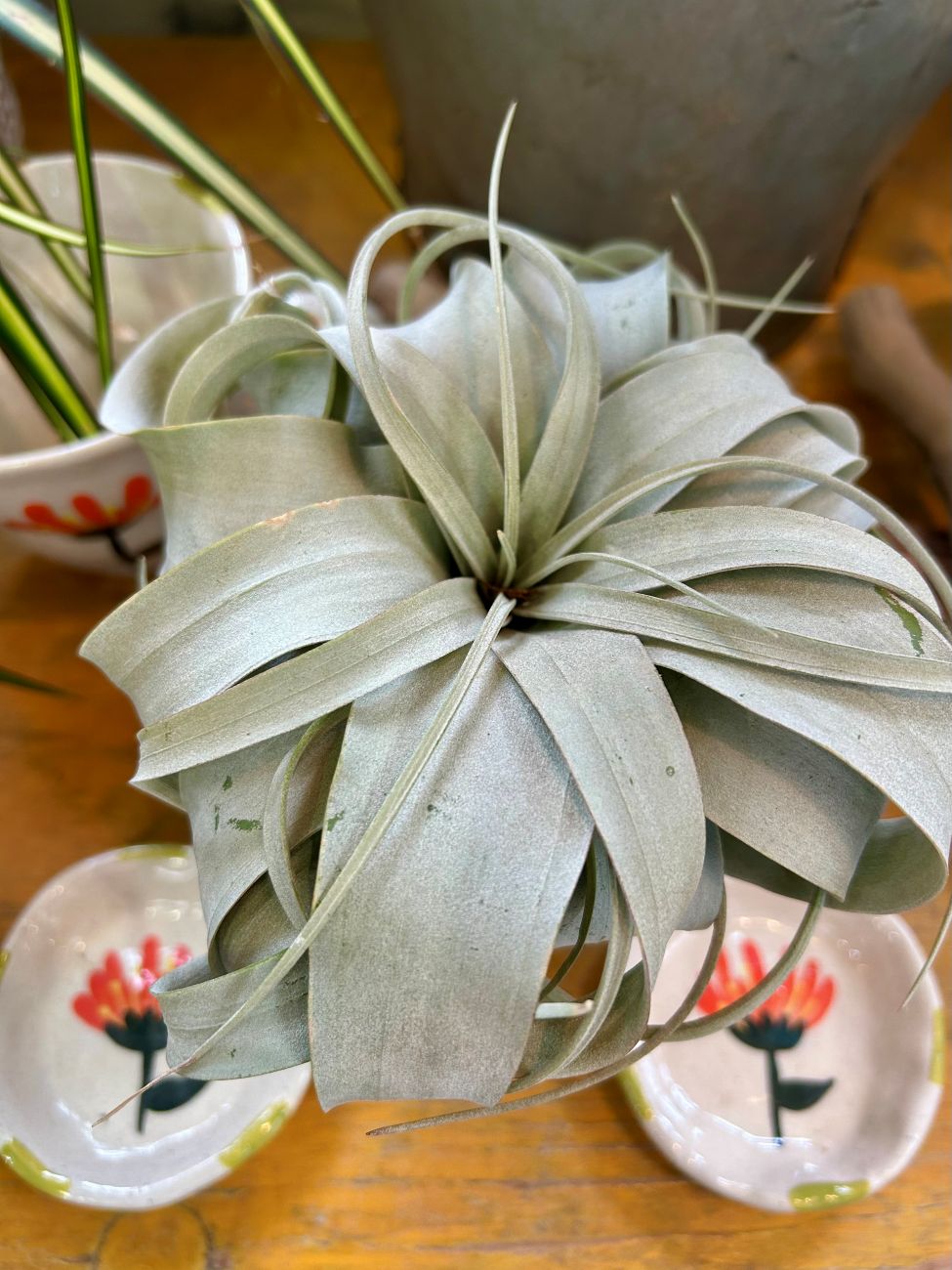
Did you know that pineapple (Ananas comosus, Zones 10–11) is a member of the bromeliad family? “Air plants” (Tillandsia cvs., Zones 8–11) are as well; they get their common name from their ability to live in a soil-less environment, obtaining nutrients and moisture from the air!
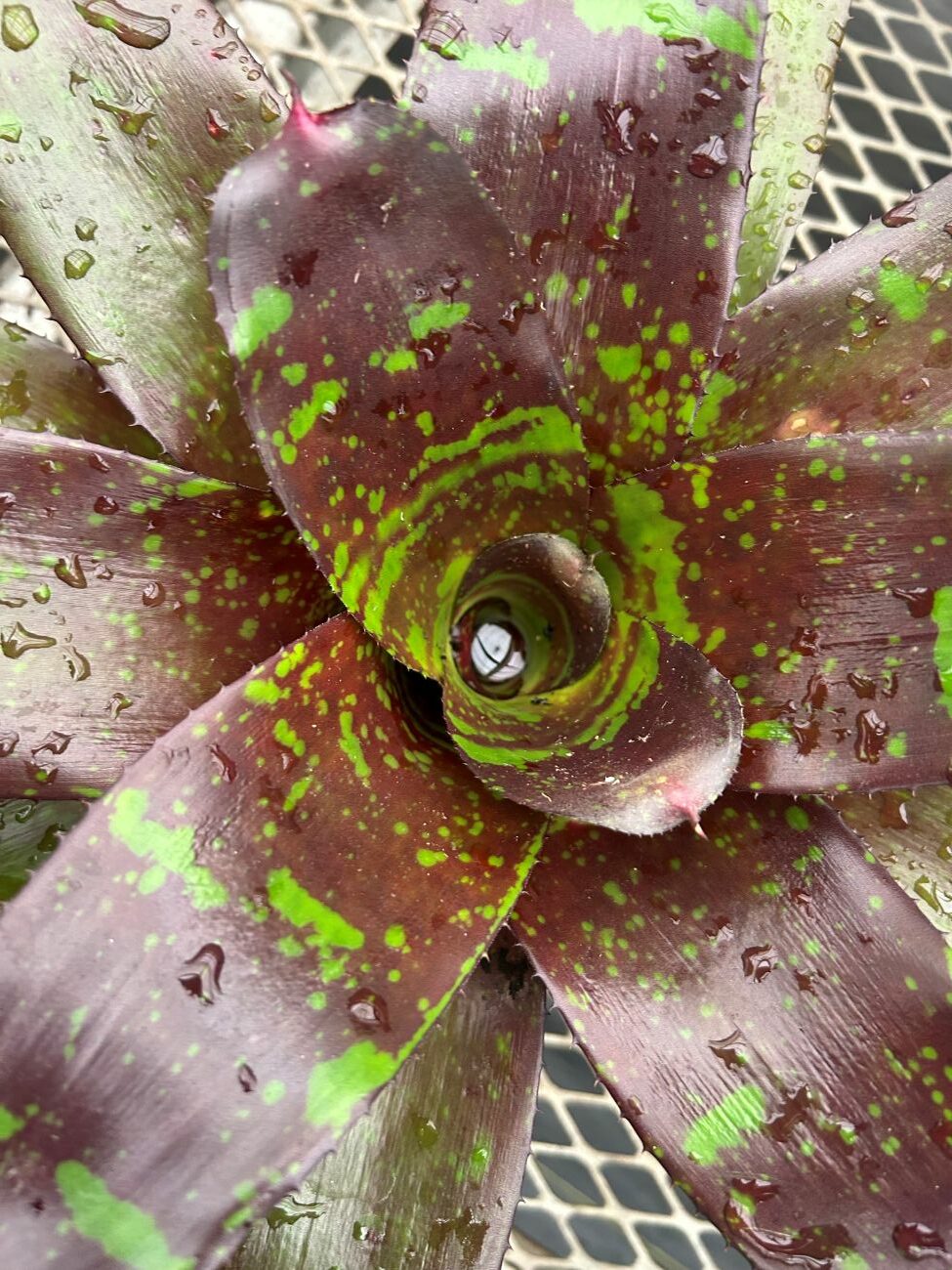
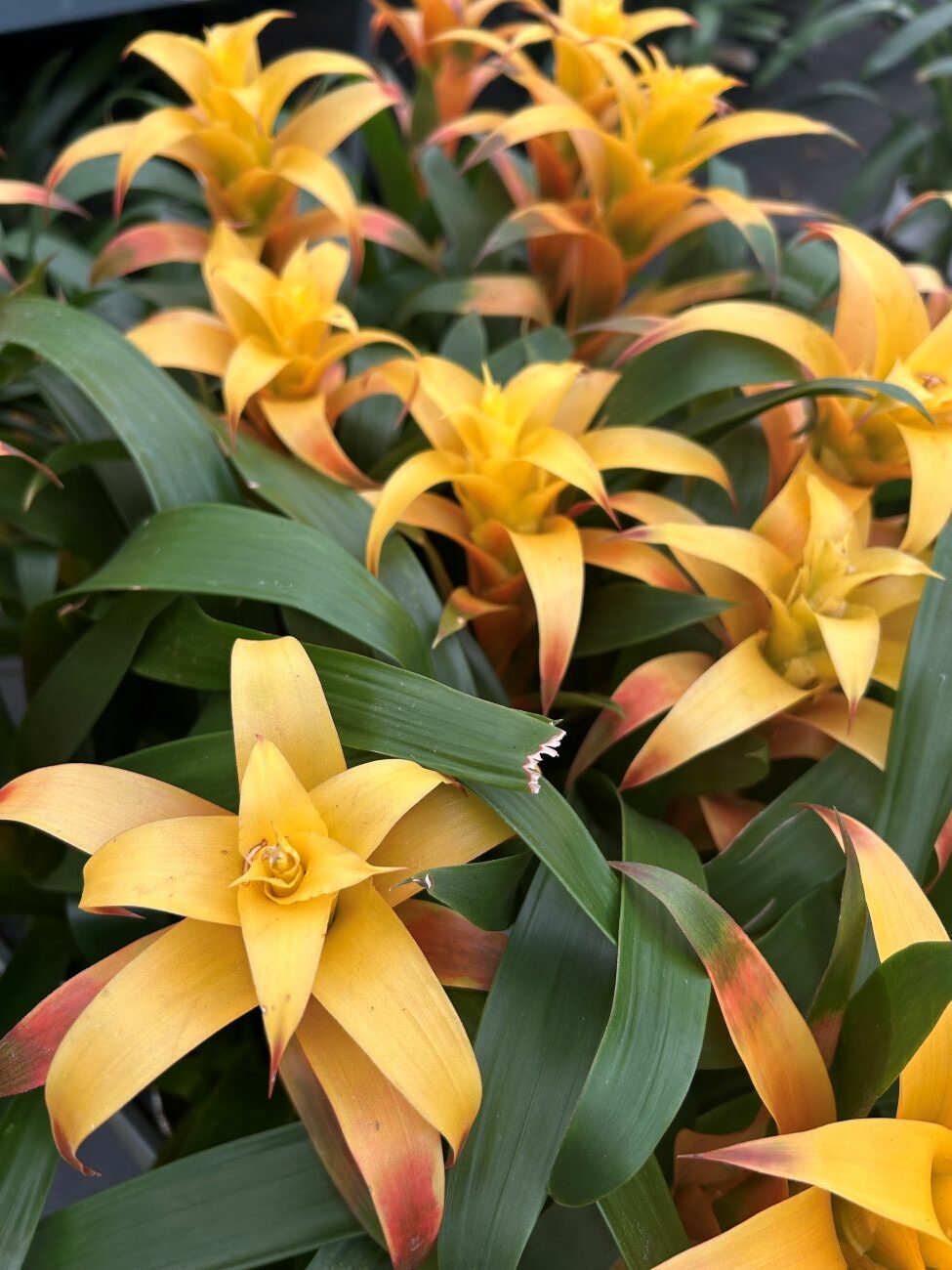
Best known among houseplant enthusiasts (and our frost-free gardening friends) are gorgeous guzmanias (Guzmania cvs., Zones 10–12), blushing bromeliads (Neoregelia cvs., Zones 10–11), vrieseas (Vriesea cvs., Zones 10–12), and urn plants (Aechmea cvs., Zones 9–12)—beloved for their structure, colorful foliage, astonishing long-lived floral displays, and unfussy nature. These beauties have similar growth habits and care requirements and are the plants I’ll be focusing on today. Pineapples and air plants deserve their very own article!
Watch: Check Out Our Super Cool Plants Podcast on YouTube
How to Grow a Bromeliad
While bromeliads in the wild thrive in warm, humid environments, growing them in our region is easy if you follow a few basic rules and provide them with the correct exposure, moisture, soil, and humidity, and keep them within their comfort zone as far as temperatures are concerned.
While most of us here are familiar with bromeliads decorating indoor spaces, many varieties (including air plants) can also be grown outdoors in a bright, sheltered location such as an atrium or covered patio. Protection from frost and cold winter winds is crucial, as is protection from hot, dry drafts and intense summer sun. Read on for hints and tips on how to ensure the best success for your bromeliad.
Light
Bright, indirect light is best. In the temperate climate of the Pacific Northwest, cloudy and overcast days are relatively common throughout the year, so placing your bromeliad close to a bright window is ideal, while avoiding harsh afternoon rays.
Water
The unique ability of bromeliads to store water means that their watering requirements differ from many other houseplants. Unlike many air plants, tank-forming bromeliads such as guzmanias and neoregelias collect water in the central cups formed by their leaves. Keep these cups supplied with fresh water, flushing them periodically to prevent stagnation and mineral buildup. Use room-temperature rainwater or suitable tap water to fill the tank, and let the potting mix dry out between waterings to prevent root rot.
Soil
Your bromeliad will thrive in a coarse, airy potting mix made up of 60 percent bark, 20 percent perlite, and 20 percent organic potting soil, if you’d like to make your own bromeliad mix. Alternatively, a commercial well-draining orchid mix works well too. Excellent drainage is key—their roots dislike sitting in water.
Humidity
Bromeliads appreciate higher humidity levels (they’re from the tropics, after all!). While some of us experience relatively high humidity in our climate outdoors, your indoor bromeliads benefit from additional humidity during drier periods. Running AC or forced-air heating can dry out the air, so extra attention to your bromeliad at this time is important. A pebble humidity tray is another option.
Temperature
Bromeliads typically flourish in temperatures ranging from 60°F to 80°F. Indoor plants will be fine, but if you’re growing yours outdoors, you’ll want to bring them inside before temperatures become too cold for the variety you’re growing. Protect all bromeliads from cold drafts and from blasts of warm air from forced-air heaters.
Fertilizing
Bromeliads are not heavy feeders. During the spring and summer growing season, a diluted (half strength), water-soluble, low-nitrogen fertilizer, such as one formulated for orchids (or special bromeliad food), will provide all the necessary nutrients. Don’t fertilize directly into the water tank, as it can cause a buildup of fertilizer salts.
Pests
While bromeliads are generally pest resistant, watch for mealybugs or aphids and treat as needed!
I have become completely obsessed with these relatively easy-care, incredibly rewarding tropical beauties. Now that you know more about the world of bromeliads and how to grow one of your very own, maybe you’re ready to join me in my obsession? Happy gardening!
Find more inspiration and advice for growing tropical plants:
Discuss this article or ask gardening questions with a regional gardening expert on the Gardening Answers forum.
And for more Pacific Northwest regional reports, click here.
Fionuala Campion is the owner and manager of Cottage Gardens of Petaluma in Petaluma, California.
Photos: Fionuala Campion
Fine Gardening Recommended Products
Lee Valley Large Gardener’s Wash Basket
Fine Gardening receives a commission for items purchased through links on this site, including Amazon Associates and other affiliate advertising programs.
This basket was designed to be used by gardeners to wash freshly harvested vegetables before taking them inside. You can gather your vegetables and then hose them off right in the same basket. However, you can also use it for fruit or add a cloth liner for serving bread or other baked goods. Measuring 16″ long, 11″ wide and 4″ deep, it is made of chrome-plated steel to resist rust.
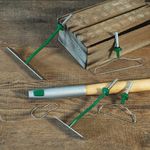
Johnny’s Selected Seeds Connecta® Cultivation Kit
Fine Gardening receives a commission for items purchased through links on this site, including Amazon Associates and other affiliate advertising programs.
Choose the right tool head for the job and switch out quickly with a simple push-button release. Includes the Connecta receiver, Connecta Collinear 4 head, Connecta Collinear 7 head, Connecta Contour Wire 4 head, Connecta Contour Wire 6 head, a sustainably harvested oiled ashwood handle, and a stainless-steel carrying clip.
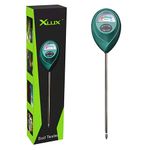
XLUX Soil Moisture Meter
Fine Gardening receives a commission for items purchased through links on this site, including Amazon Associates and other affiliate advertising programs.
– Large and clear dial, including ten scales, plug and read
– Simply insert the moisture meter into soil and you’ll get the test result instantly
– Single probe, less hurts to the roots, doesn’t dig up too much soil after test