
We’re going to Antarctica today! After our recent trips through the first 10 Garden Photos of the Day and the next 10, Michelle Gervais, who started GPOD, stopped by the comments and suggested I dig up an old submission from Antarctica. Of course, I had to see what she was talking about! I think you’ll enjoy this one! Here’s a look back at Darryl’s remarkable garden.
A few weeks ago, just for fun, I started wondering what extremes people will go to to garden. You hear of soldiers in Iraq having little garden plots, and I’ve seen my share of photos of fire escape gardens in Manhattan, but for some reason, I wanted to go a little more extreme. So I did a little digging, sent out a few emails, and hit a jackpot. Behold, the garden at Australia’s Davis Station in ANTARCTICA. That’s right, Antarctica. Those are the lengths I go to for you people. Because I love you.
Photo/Illustration: Photograph © Darryl Seidel /Australian Antarctic Division
Hi, I’m Darryl Seidel, one of the plumbers and manager of the hydroponics this year (2012) at the Australian Antarctic Division’s Davis Station, Antarctica. The role of the hydroponics manager is just one of many community jobs on station. I had never done any hydroponics until I got a job in Antarctica, my experience with gardening really only consists of small vegetable and flower patches at home in Adelaide, Australia. The challenge it poses is one of the main reasons I wanted to take it on.
Photo/Illustration: Photograph © Darryl Seidel /Australian Antarctic Division
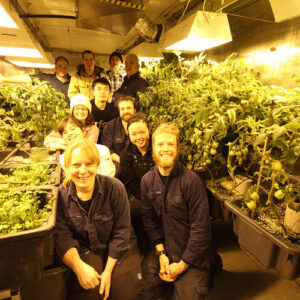
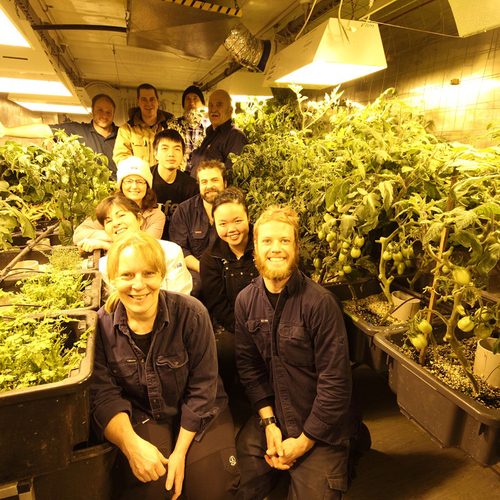
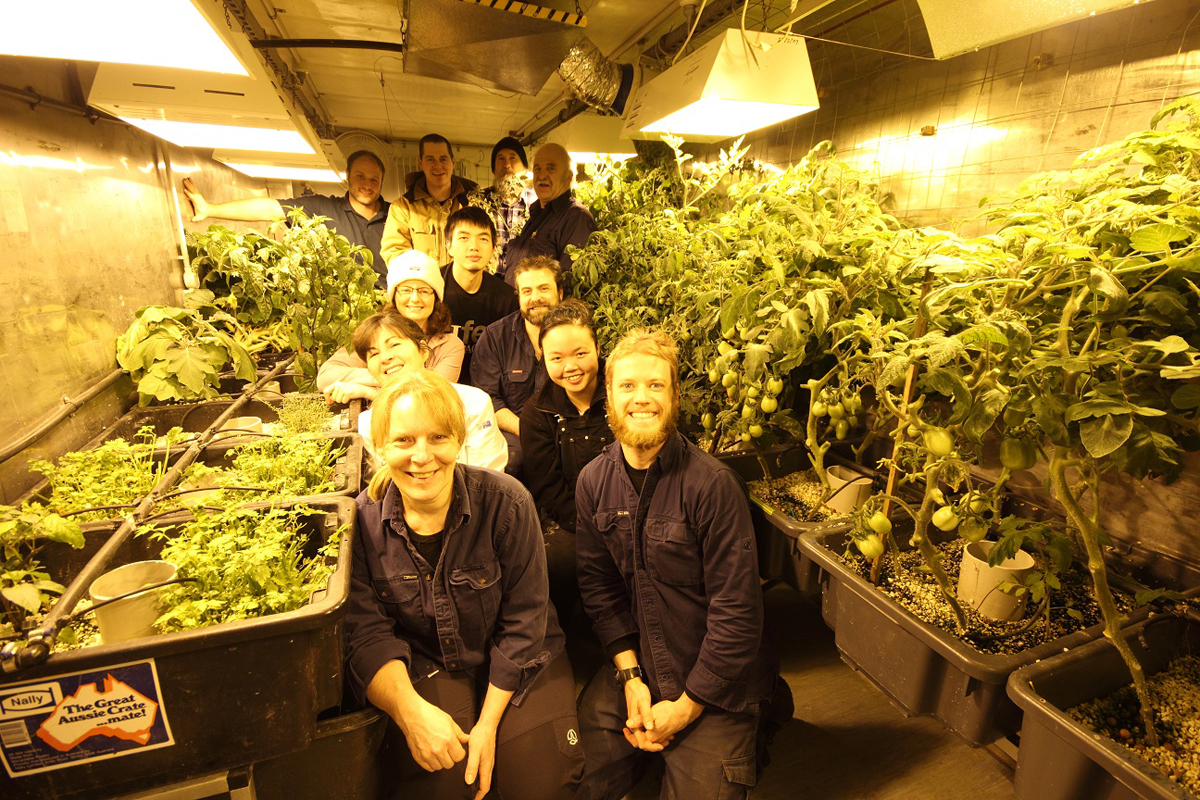
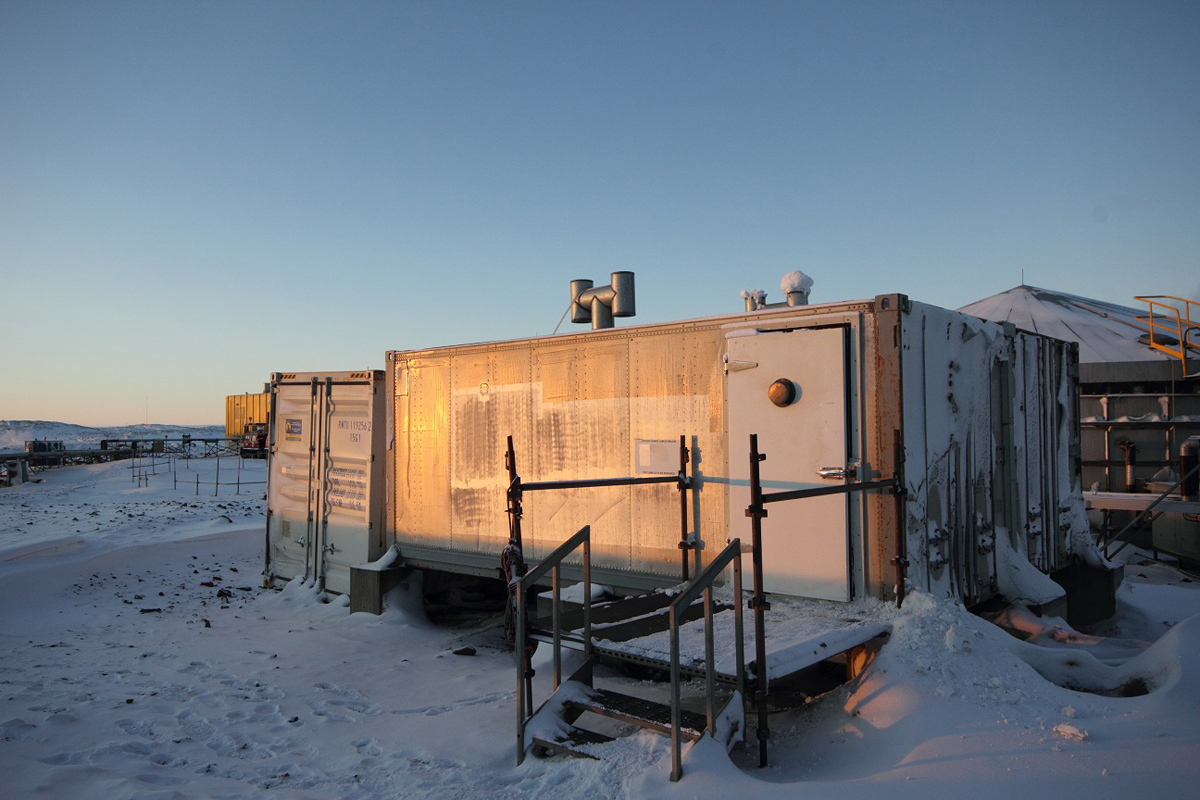
Our hydroponics set up consists of two lined shipping containers joined together to form 3 rooms. Our goal with hydroponics is primarily hobby and morale based, as we don’t grow enough produce to feed the entire station. The station population over summer can be over 100, and in winter anywhere from 16 to 25 people. This season we have 21 staying over winter (April – November), 14 of these are in our hydroponics crew. Hydroponics at Davis has a real nice community feel about it, if there is a problem, there is always more than enough people on hand to help fix it!
Photo/Illustration: Photograph © Darryl Seidel /Australian Antarctic Division
The winter temperatures at Davis vary greatly over winter depending on the weather outside. Clear days can bring temps of -30 degrees Celsius (-22F) and winds up to 100 knots (185 kmh or 115 mph), with an average temperature around -20 deg C (-4F). This certainly eliminates trying to grow anything outdoors!
Photo/Illustration: Photograph © Darryl Seidel /Australian Antarctic Division
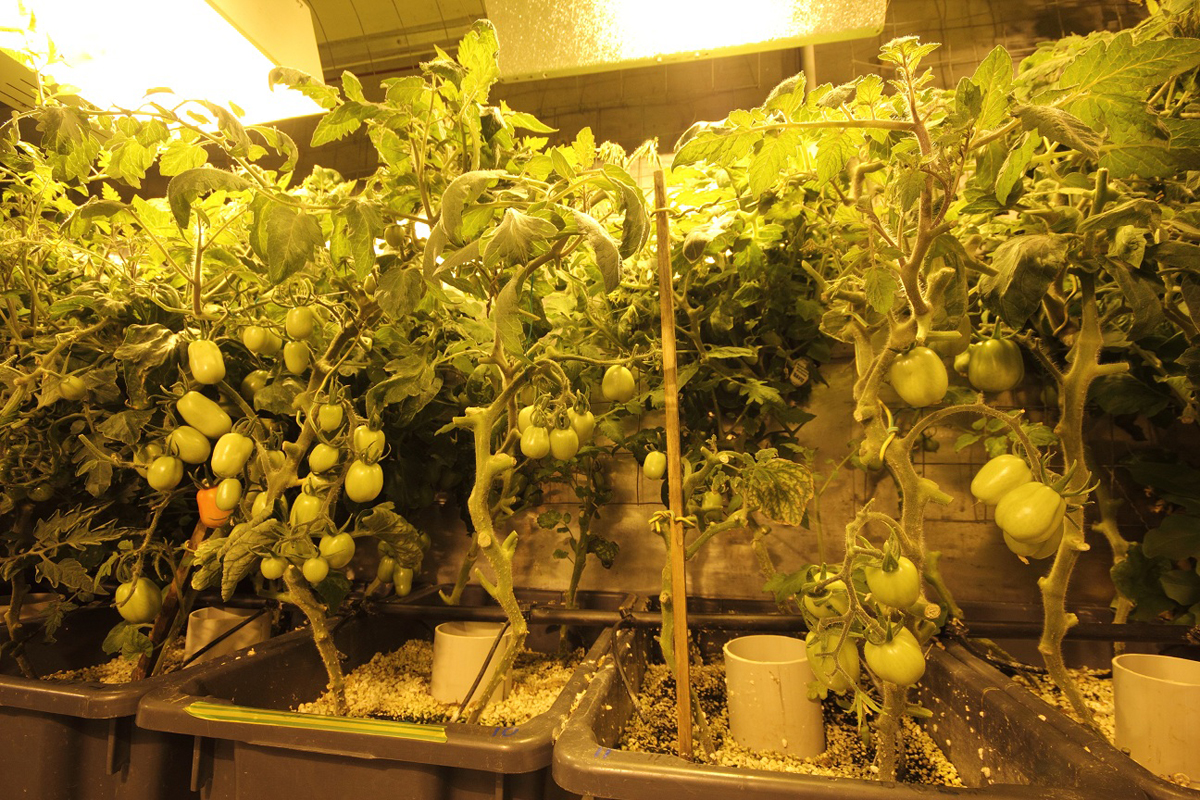
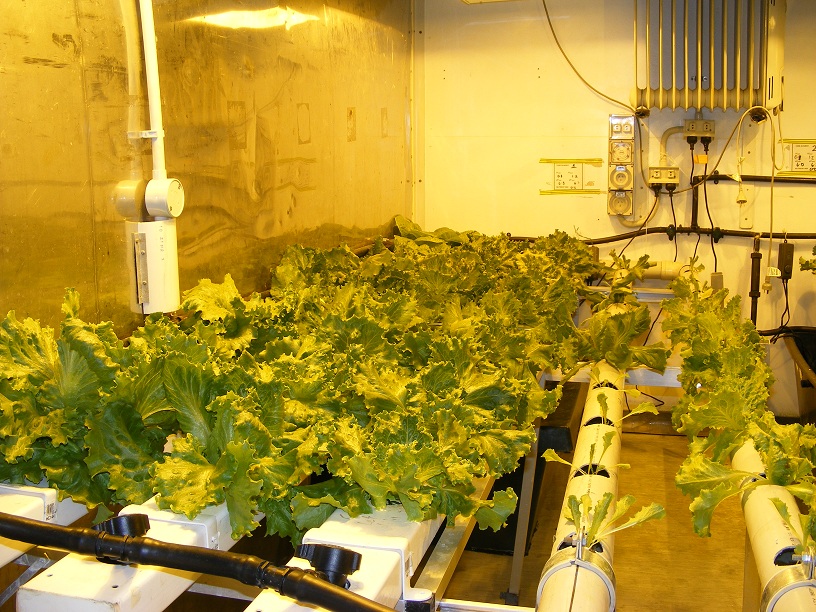
We are only allowed to grow edible produce due to quarantine and space restrictions, which this season includes iceberg and cos lettuce, varieties of tomatoes, Lebanese cucumbers, capsicums (bell peppers) and a range of herbs. We try to spend as much time in ‘the garden’ as we can because it is usually 27 degrees (80F) and 60% humidity!
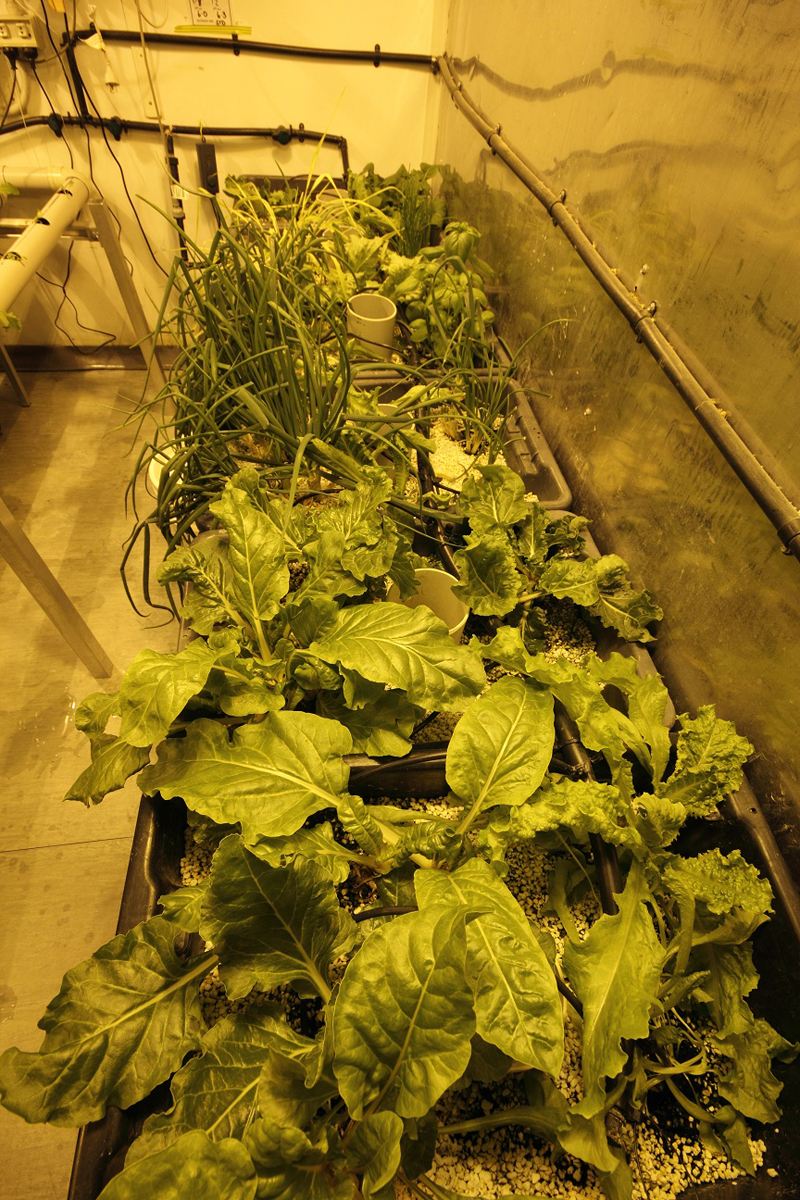
Photo/Illustration: Photograph © Darryl Seidel /Australian Antarctic Division
We roster two people on per week to monitor the plants twice daily and also have two crew members who look after seeding and propagation. Every season our crops are removed and incinerated, including the media in which the crops are grown, to help prevent the spread of disease and so we don’t introduce any non-native species into the Antarctic environment.
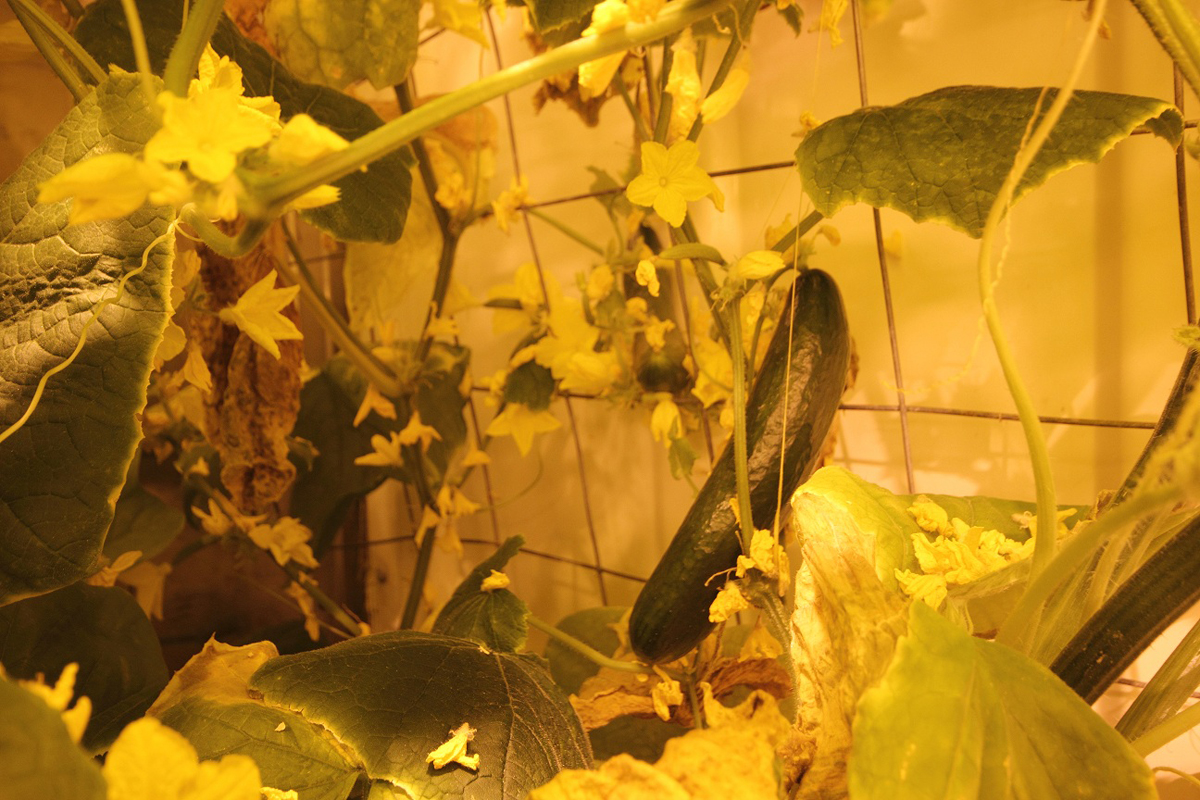
Photo/Illustration: Photograph © Darryl Seidel /Australian Antarctic Division
Keeping the water and building from freezing is our main challenge, being hydroponic and in Antarctica there aren’t many (if any) diseases to affect the plants. Around mid June we had a ‘door malfunction’, which let the heat out and the cold in for 12 hours. Most of our crop was lost due to extreme cases of frost, amazingly the majority of the herbs and lettuce survived! But we’ve started again and have bounced back stronger than before! In the 8 months that we have been running hydroponics we have harvested over 60 kg (132 pounds) of fresh produce.
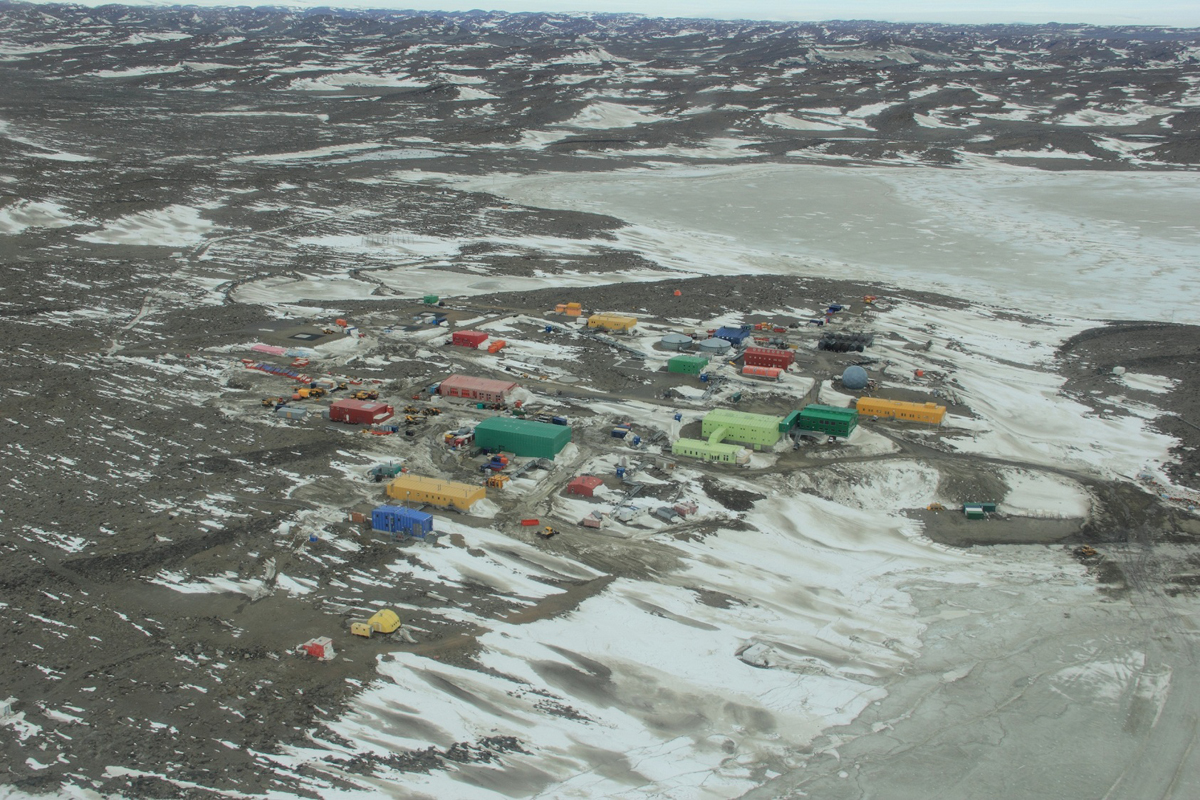
Photo/Illustration: Photograph © Darryl Seidel /Australian Antarctic Division
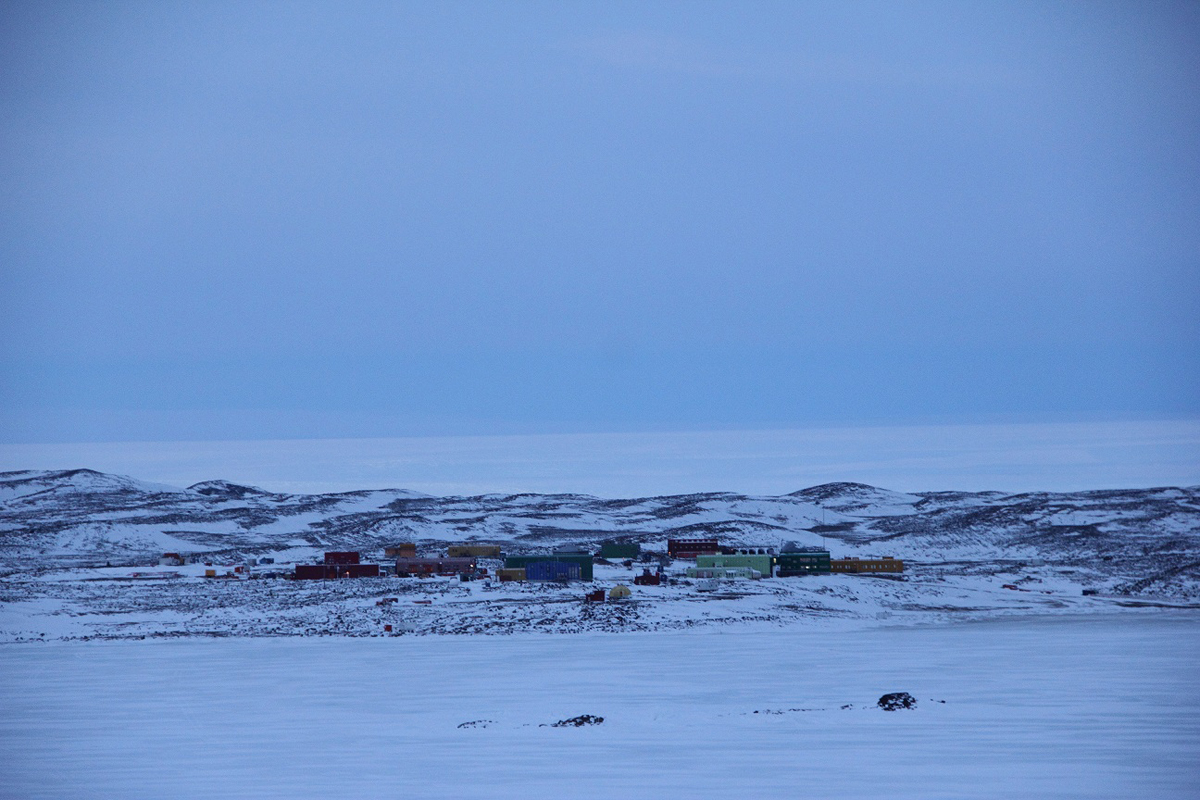
Davis Station in Winter
Photo/Illustration: Photograph © Darryl Seidel /Australian Antarctic Division
What an incredible place to have a garden! I can only imagine how welcome all that greenery and fresh produce must have been during the long Antarctic winter. It’s amazing what a little ingenuity and dedication can accomplish, even in one of the harshest environments on Earth.
A big thank-you to Michelle for pointing us back to this memorable submission, and to Darryl and the Davis Station crew for sharing their garden with GPOD readers all those years ago!
We want to see YOUR garden!
Have photos to share? We’d love to see your garden, a particular collection of plants you love, or a wonderful garden you had the chance to visit!
To submit, fill out the Garden Photo of the Day Submission Form.
You can also send 5–10 photos to [email protected] along with some information about the plants in the pictures and where you took the photos. We’d love to hear where you are located, how long you’ve been gardening, successes you are proud of, failures you learned from, hopes for the future, favorite plants, or funny stories from your garden.
Do you receive the GPOD by email yet? Sign up here
Fine Gardening Recommended Products
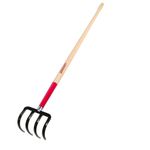
Razor-Back Potato/Refuse Hook
Fine Gardening receives a commission for items purchased through links on this site, including Amazon Associates and other affiliate advertising programs.
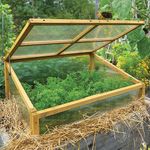
VegTrug Classic Cold Frame
Fine Gardening receives a commission for items purchased through links on this site, including Amazon Associates and other affiliate advertising programs.
Provide a natural growing habitat for your plants with VegTrug’s durable and versatile Cold Frame. A spacious and visually attractive cold frame provides the perfect microclimate environment to extend your growing season. The wood frame has 6mm double insulated and shatterproof polycarbonate that safeguards your plants from extreme weather conditions.
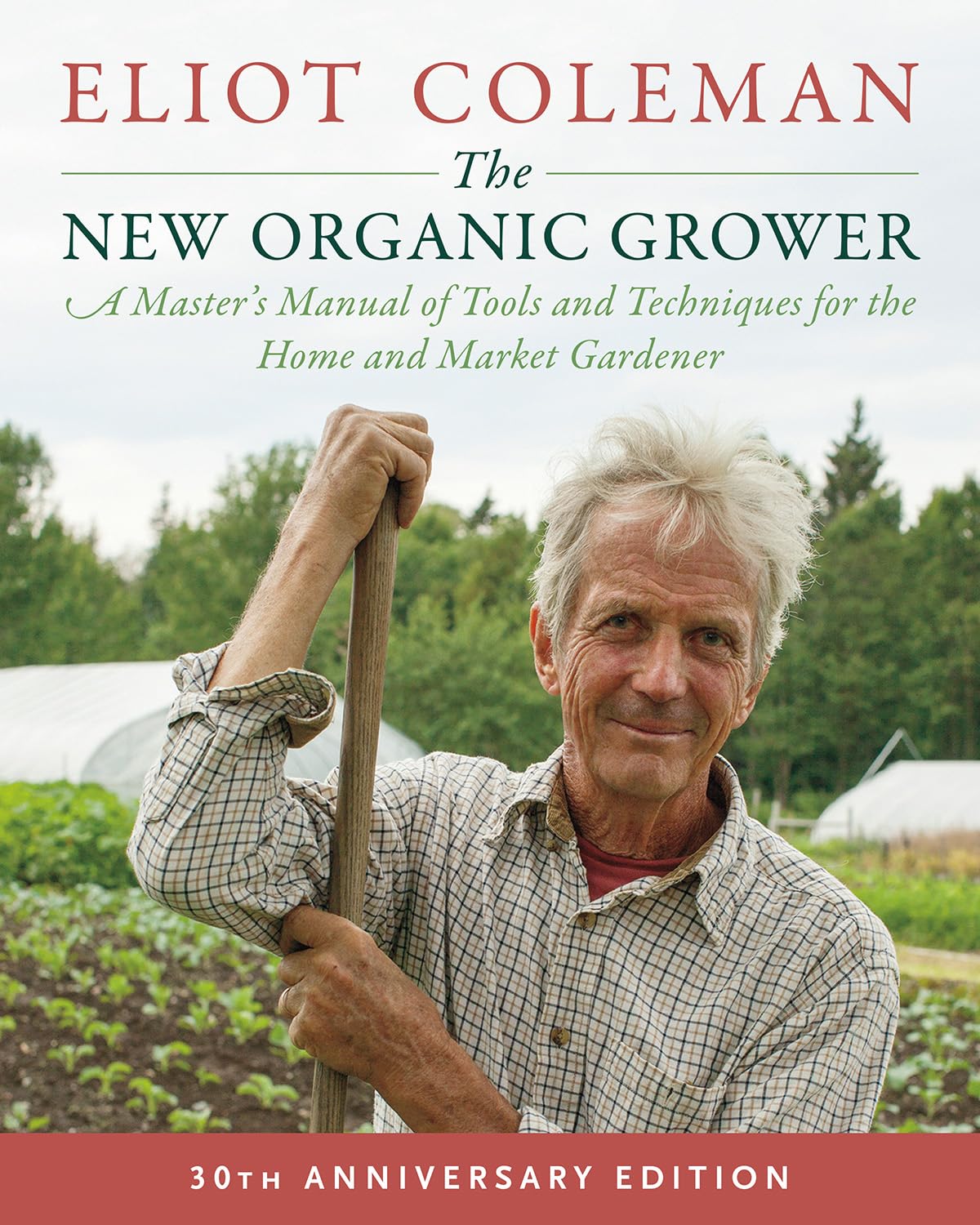
The New Organic Grower, 3rd Edition: A Master’s Manual of Tools and Techniques for the Home and Market Gardener, 30th Anniversary Edition
Fine Gardening receives a commission for items purchased through links on this site, including Amazon Associates and other affiliate advertising programs.
Since its original publication in 1989, The New Organic Grower has been one of the most important farming books available, with pioneer Eliot Coleman leading the charge in the organic movement in the United States. Now fully illustrated and updated, this 30th Anniversary Edition is a must-have for any agricultural library.