What Plants Should I Add to My Mountain West Garden?
Amy Grisak is a writer experienced with the northern landscape who gardens in Montana. Here, she shares four of her favorite plants to grow in the Mountain West. From the vibrant double flowers of ‘Giddy Pink’ coneflower to the ever-changing foliage of ‘Amber Jubilee’ ninebark, you’re sure to find a plant worth adding to your shopping list.
Read more: Expert Spring Garden Layout for the Mountain West
‘Giddy Pink’ coneflower
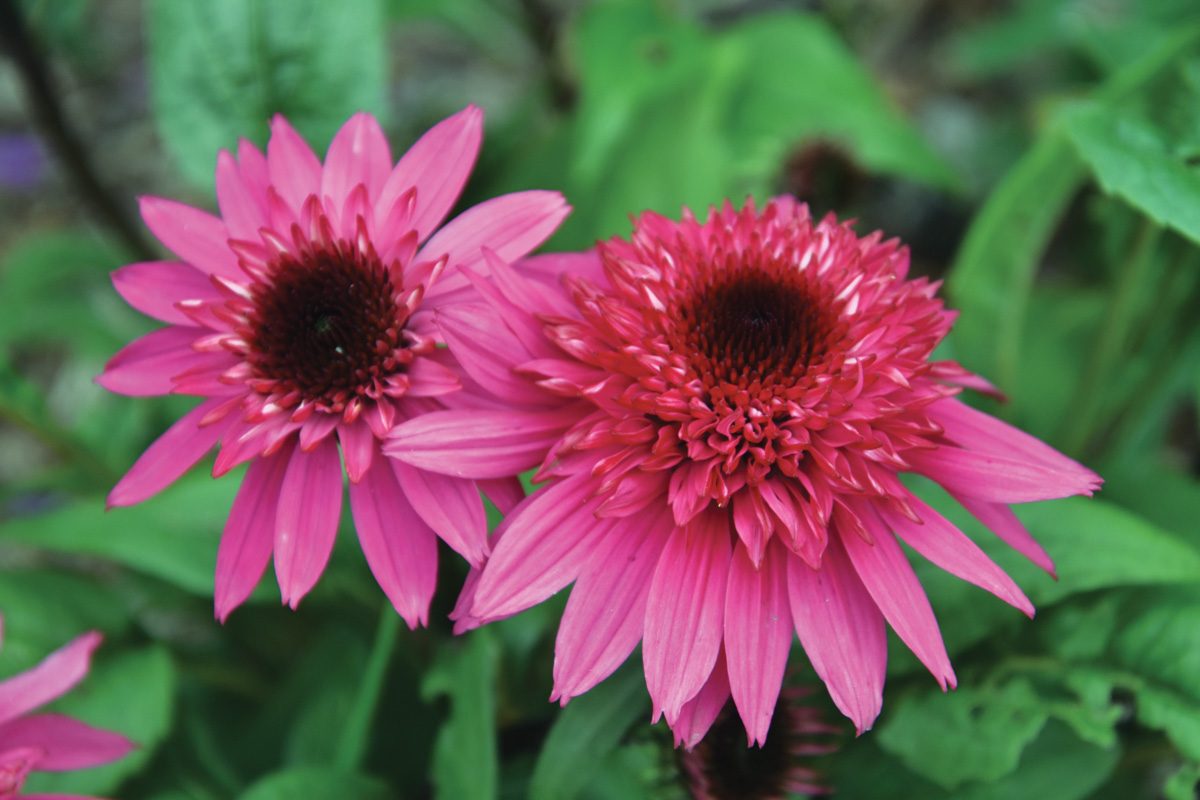
- Name: Echinacea ‘Giddy Pink’
- Zones: 4–9
- Size: 24 inches tall and 22 inches wide
- Conditions: Full sun; average to dry, well-drained soil
- Native range: Central and eastern North America
It’s almost comical how fast my head whipped around when I spotted a group of ‘Giddy Pink’ coneflowers for the first time. The vibrant pink double flowers demand attention, held on well-branched stems and set against deep green foliage. With its neat, mounding habit, a grouping looks perfect when the plants are spaced roughly 20 to 24 inches apart. To keep the blooming butterfly buffet going all summer, cut back spent flowers to the next set of leaves. But as the season winds down, leave the late August flowers standing to provide seeds for goldfinches, chickadees, and other small birds. Once established, ‘Giddy Pink’ will produce knockout blooms from early summer to frost.
‘Freya’ clustered bellflower
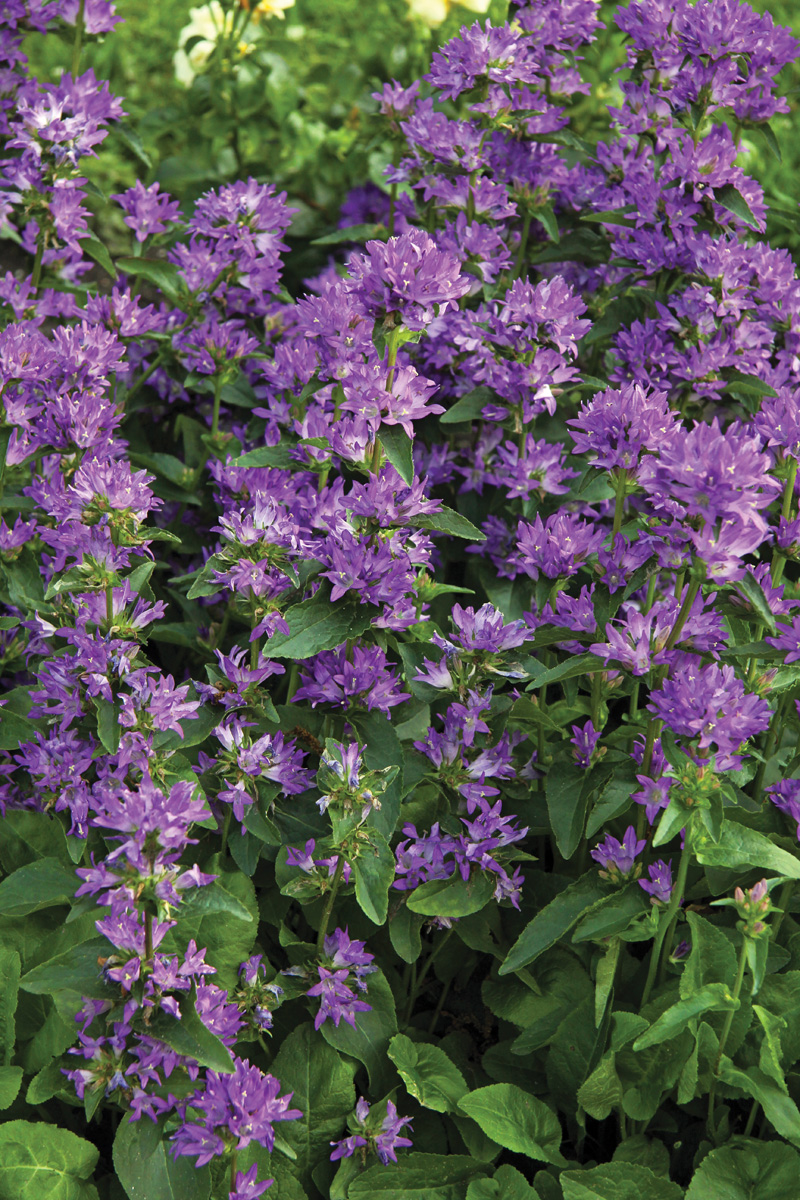
- Name: Campanula glomerata ‘Freya’
- Zones: 3–8
- Size: 18 inches tall and wide
- Conditions: Full sun to partial shade; average, well-drained soil
- Native range: Asia and Europe
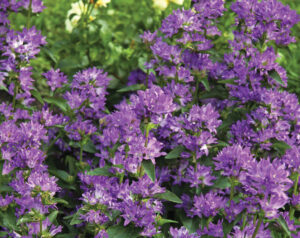
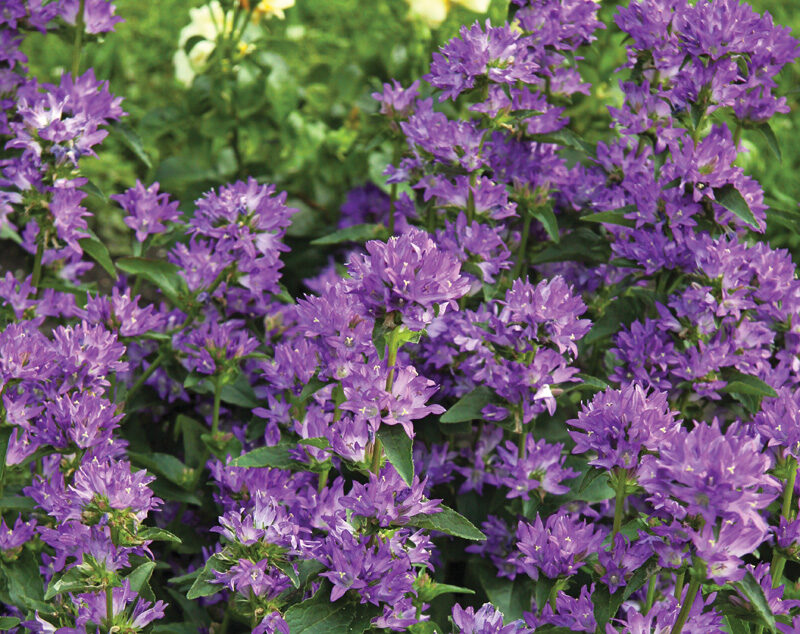
I’ve long been a fan of clustered bellflowers because of their prolific eye-catching blooms that arrive early in the season. ‘Freya’ clustered bellflower takes the spring show to another level. Bunches of the star-shaped blossoms fill the top third of the sturdy stems, which do not require staking and make for excellent cut flowers. They begin blooming in late spring and continue until the midsummer heat sets in; planting them in partial shade can slightly prolong the season. Although ‘Freya’ is less likely to reseed than other bellflower cultivars, it’s still a good idea to prune the spent stalks back to the base foliage to keep it tidy. For anyone who loves pollinators and needs a deer-resistant option to attract them, ‘Freya’ is a fantastic choice.
‘Amy Jo’ Itoh peony
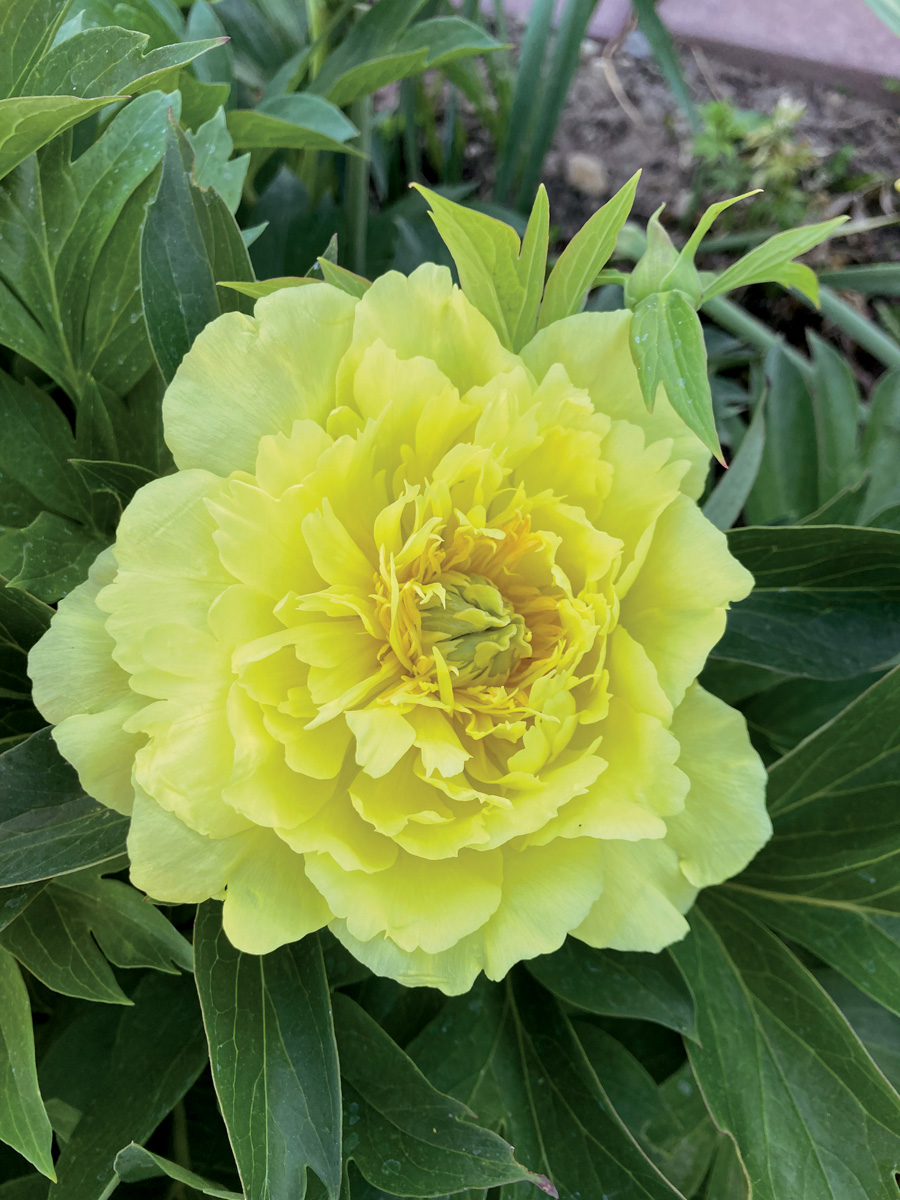
- Name: Paeonia ‘Amy Jo’
- Zones: 3–9
- Size: 30 inches tall and wide
- Conditions: Full sun to partial shade; well-drained soil
- Native range: Central Asia, China, and Europe
For over 15 years, ‘Amy Jo’ Itoh peony has been a fixture in my front garden where it has thrived, not just survived, through sub-zero temperatures, heavy snow, sparse snow, excessive moisture, drought, and blistering summer heat. Regardless of the conditions, it comes back every year in early June loaded with opulent yellow double blooms the size of my hand. The beauty of Itoh peonies, also called intersectional peonies, is made even more appealing by a sturdy habit that does not require staking. They are also extremely cold hardy, have lush foliage, and are available in exotic yellow and apricot colors, which are not found in herbaceous varieties.
Amber Jubilee™ ninebark
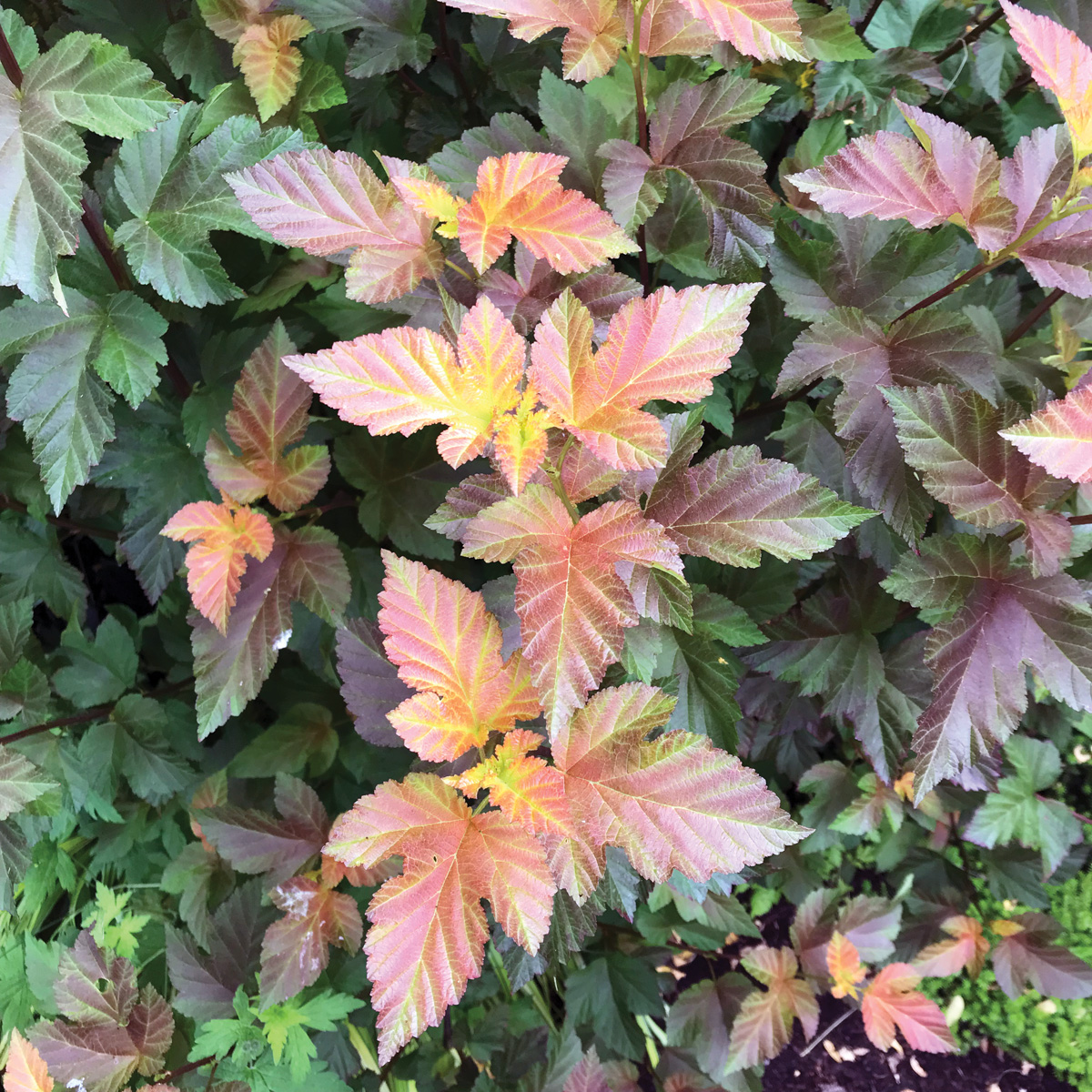
- Name: Physocarpus opulifolius ‘Jefam’
- Zones: 2–8
- Size: 5 to 7 feet tall and 4 to 6 feet wide
- Conditions: Full sun to partial shade; average to slightly acidic soil
- Native range: Eastern North America
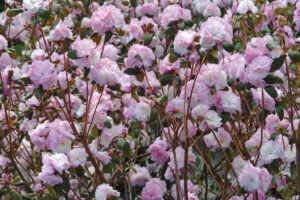
Amber Jubilee™ ninebark was developed in Manitoba, Canada, so you know it has to be winter hardy. Clusters of deep pink flower buds open with white-petaled blossoms in late spring to early summer, but the ever-changing foliage of the shrub is what truly shines. New growth is a rich orange with yellow veins that transitions to green in summer, then becomes a dramatic red and bronzy purple in autumn. After the leaves fall, deep red branches and peeling bark add distinctive winter interest. Amber Jubilee™ makes a wonderful hedge. It is tolerant of clay and wet soil, and it can be grown near black walnut trees. It is considered more disease resistant than other varieties, but watch for powdery mildew and fire blight.
Regional expert: Amy Grisak is a Montana-based writer specializing in the challenges and rewards of northern gardening.
See More:
Native Shrub Alternatives to Overused Plants in the Mountain West
Watch Videos on Our YouTube Channel
Get All Access to Fine Gardening!
Fine Gardening Recommended Products
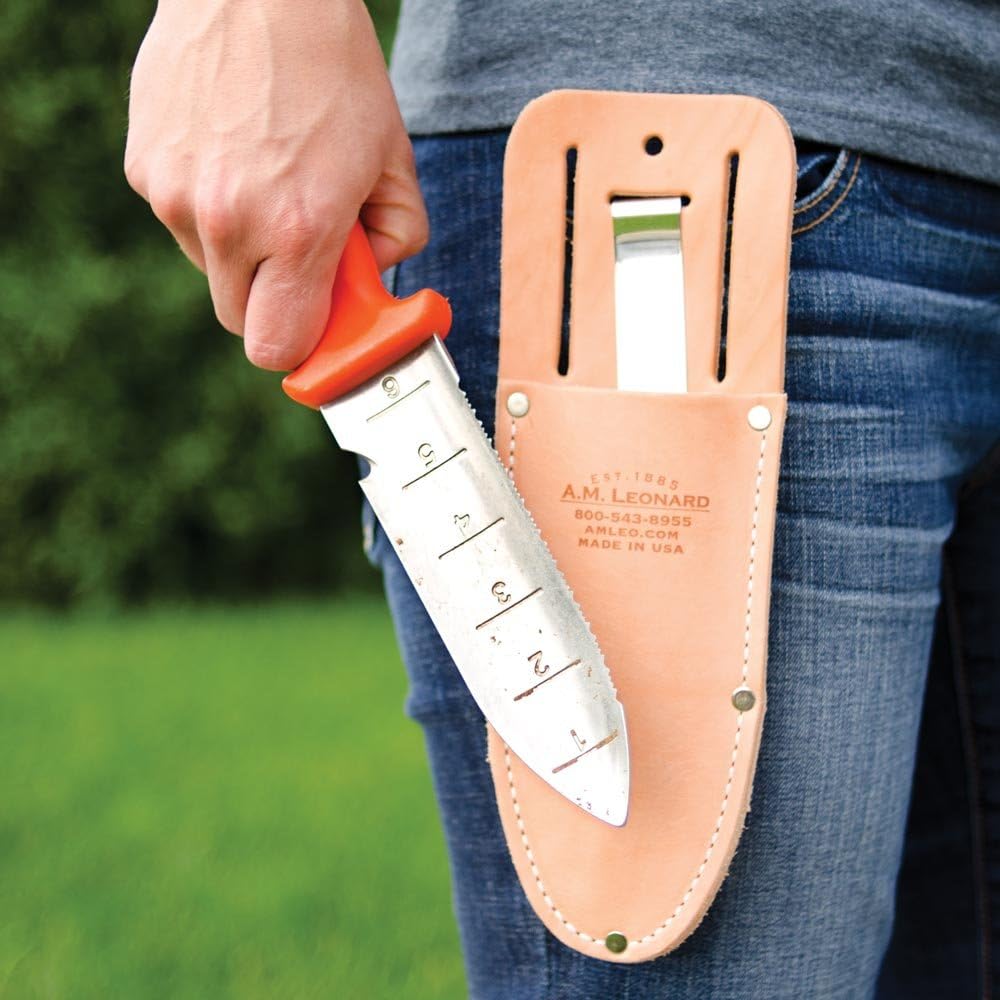
A.M. Leonard Deluxe Soil Knife & Leather Sheath Combo
Fine Gardening receives a commission for items purchased through links on this site, including Amazon Associates and other affiliate advertising programs.
MULTITASKING DUAL EDGES: a deep serrated edge and a tapered slicing edge ideal for tough or delicate cuts. DURABLE 6-inch stainless steel blade withstands 300 lbs of pressure. TWINE CUTTING NOTCH, DEPTH GAUGE MARKINGS & spear point – no need to switch tools when using this garden knife. LEATHER SHEATH: heavy duty, protective, clip on sheath to keep your knife convenient and secure. LIFETIME WARRANTY.