
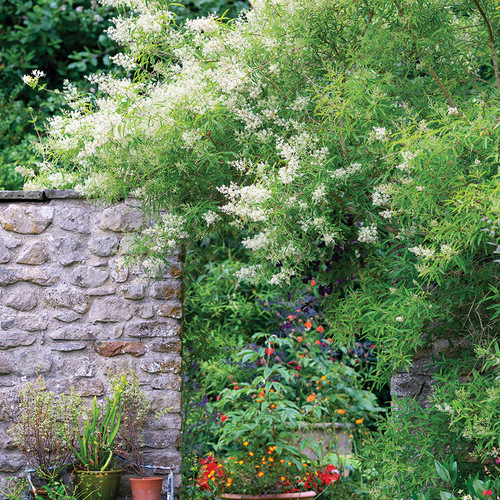
We get busy in our day-to-day lives and often don’t have time or the inclination to seek out a sensory experience in the garden. Careful consideration of the design and placement of these plants is the key to making sensory interactions accessible even when you don’t think you have time.
Read More: Best Plants for a Sensory Garden
5 Ways to Make a Garden Feel More Immersive
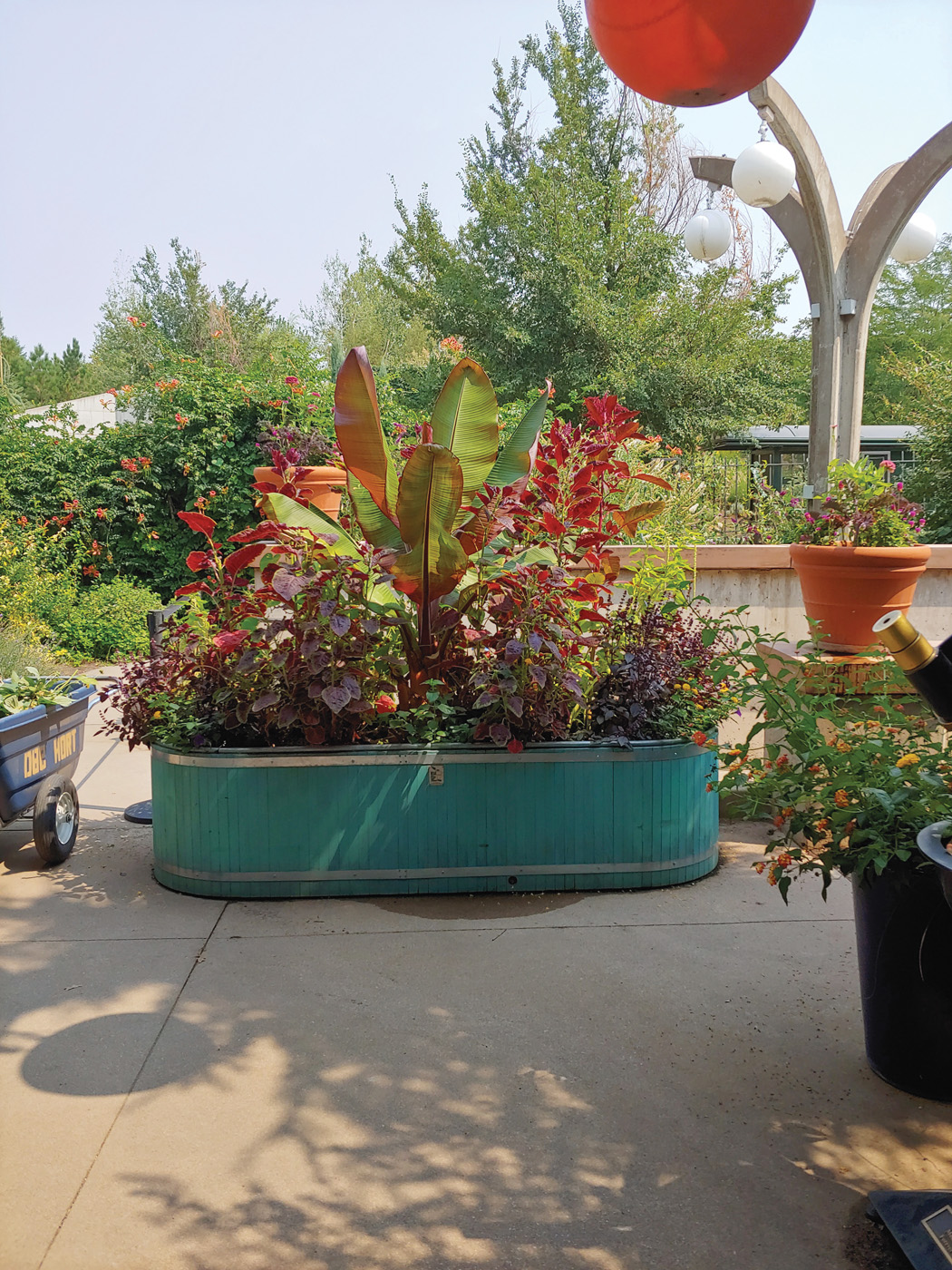
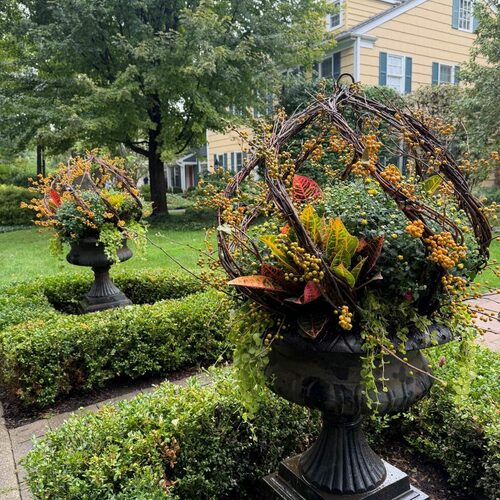
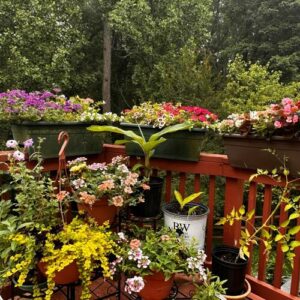
1. Plant in raised beds, containers, or green walls.
Raising the plants to eye level allows you to observe them more clearly and makes it easier to reach out and interact with them. Raised beds and containers are also a useful way to grow sensory plants that have different cultural requirements than those that grow in your in-ground beds.
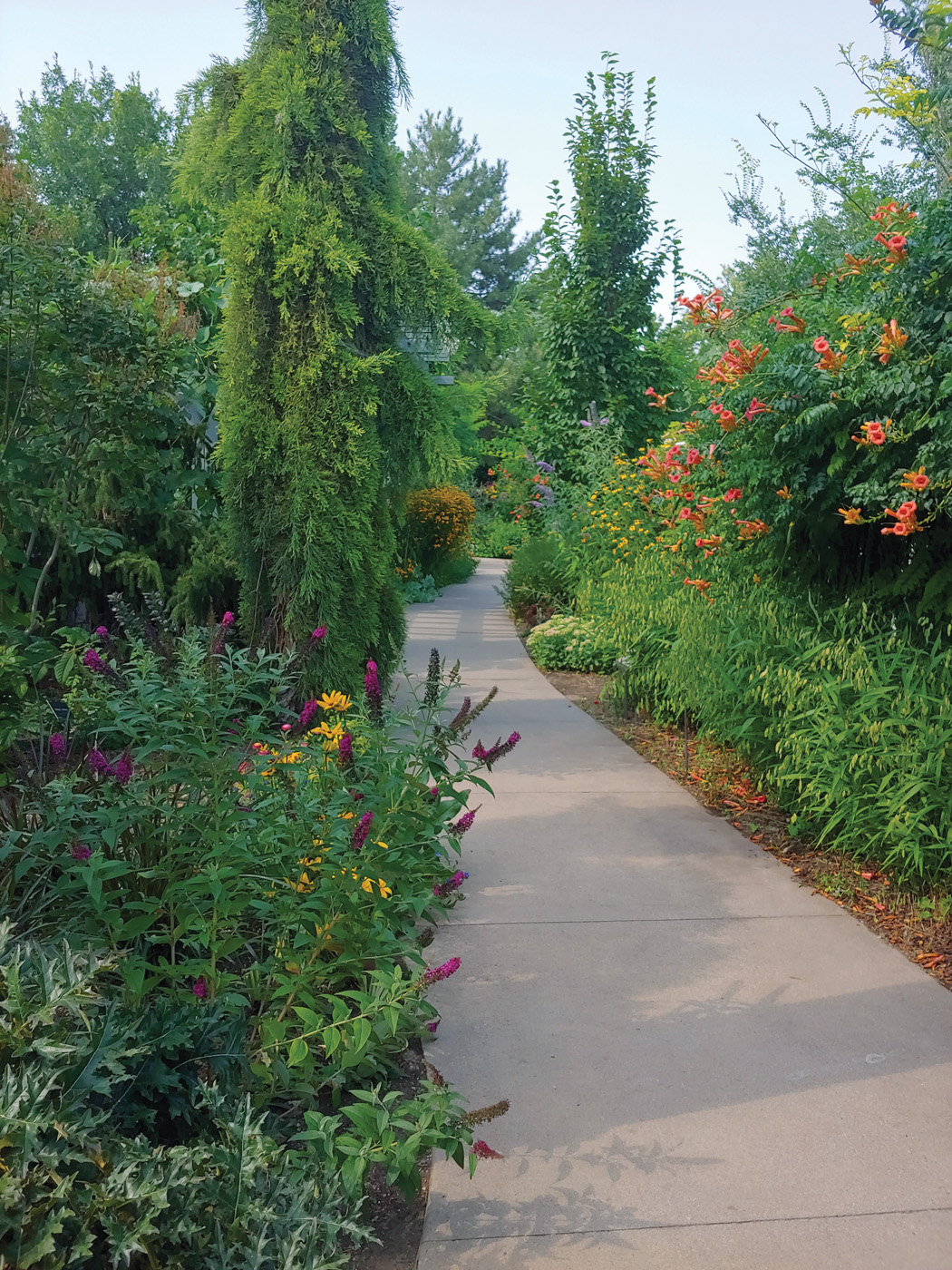
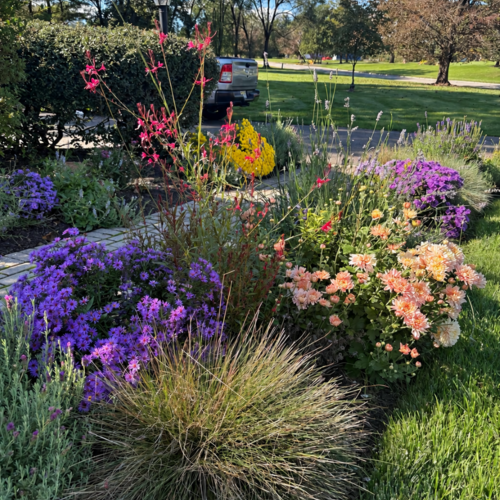
2. Put taller plants in front.
This goes against most garden design rules, but I like to intermix taller plants along the edges of beds and borders to make it easier to engage directly from the path. Having a few tall plants along the path can also give your garden a wilder feel.
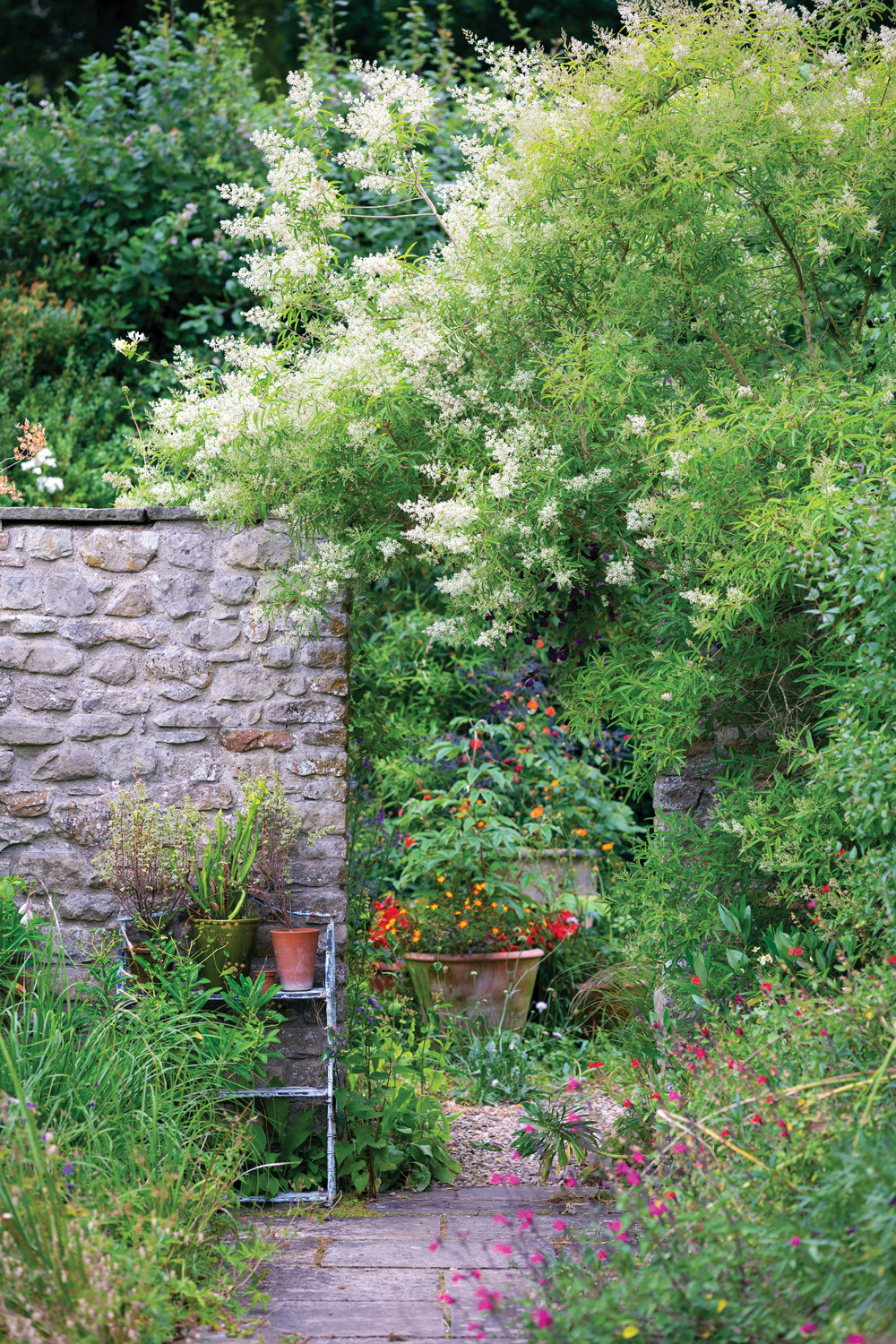
3. Place tactile and fragrant plants near benches and pathways.
When you relax and move through the garden, you can’t help but experience the plants. Consider placing a fragrant specimen where you’ll have the opportunity to brush up against it daily on your way out the door.
Read More: 12 Fragrant Plants for Pathways
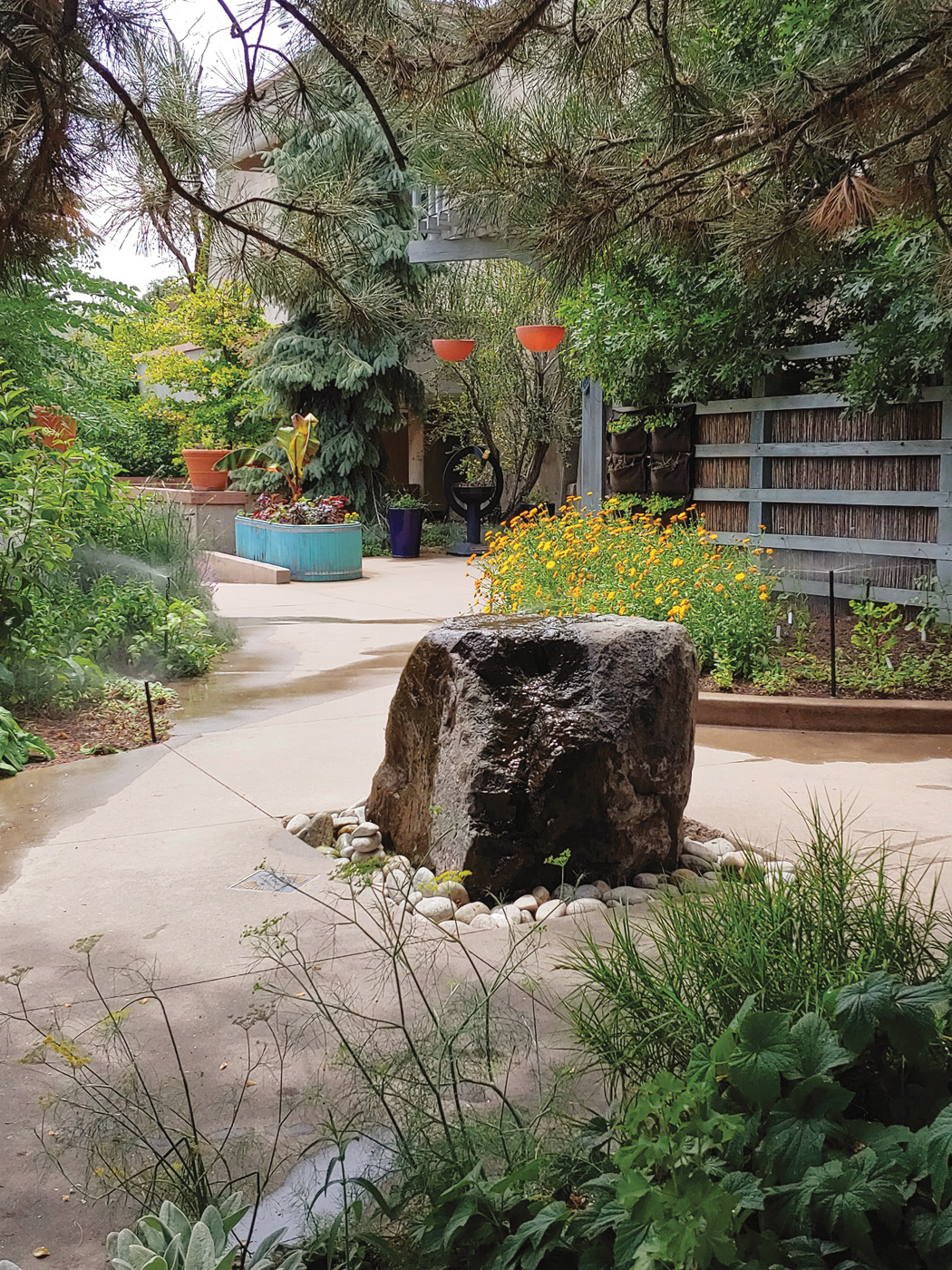
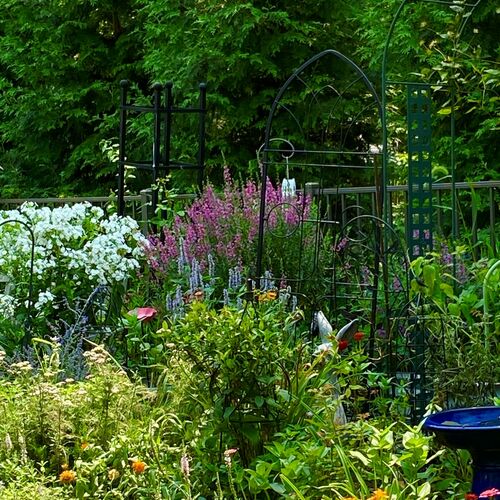
4. Add other sensory elements.
Water features, bird feeders, wind chimes, and varying pathway materials can all enhance the garden’s sensory experience.
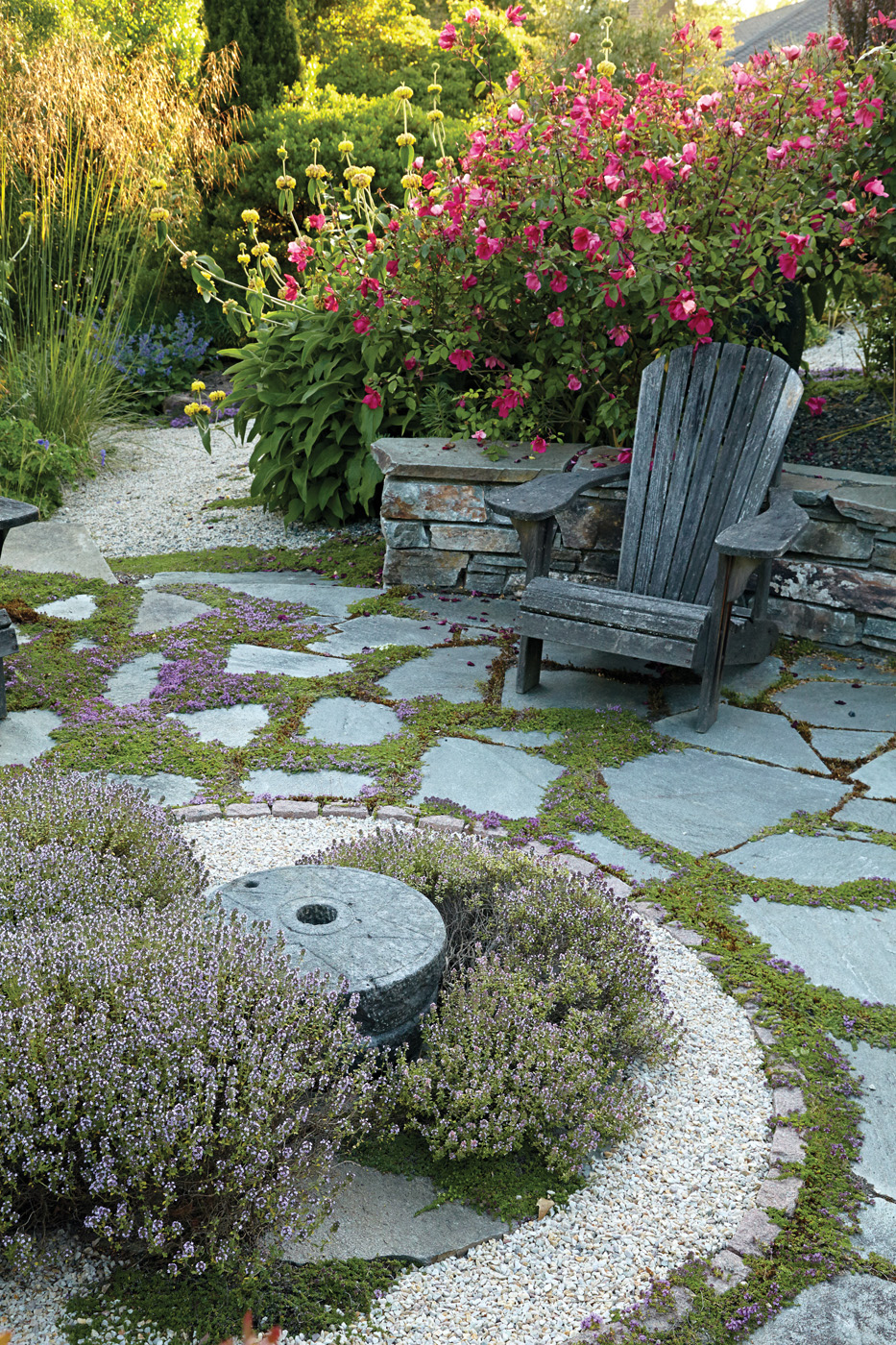
5. Don’t forget to add a chair or two.
Adding comfortable seating will encourage you to share the garden with others and remind you to occasionally stay and relax rather than rushing from chore to chore. This can range from a set of classic Adirondack chairs or a comfortable bench to linger on.
Photos by Angie Andrade unless otherwise noted.
Learn More:
Subscribe to Fine Gardening Magazine
See 12 of Our Favorite Planting Plans
Watch Videos on Our YouTube Channel!
Fine Gardening Recommended Products
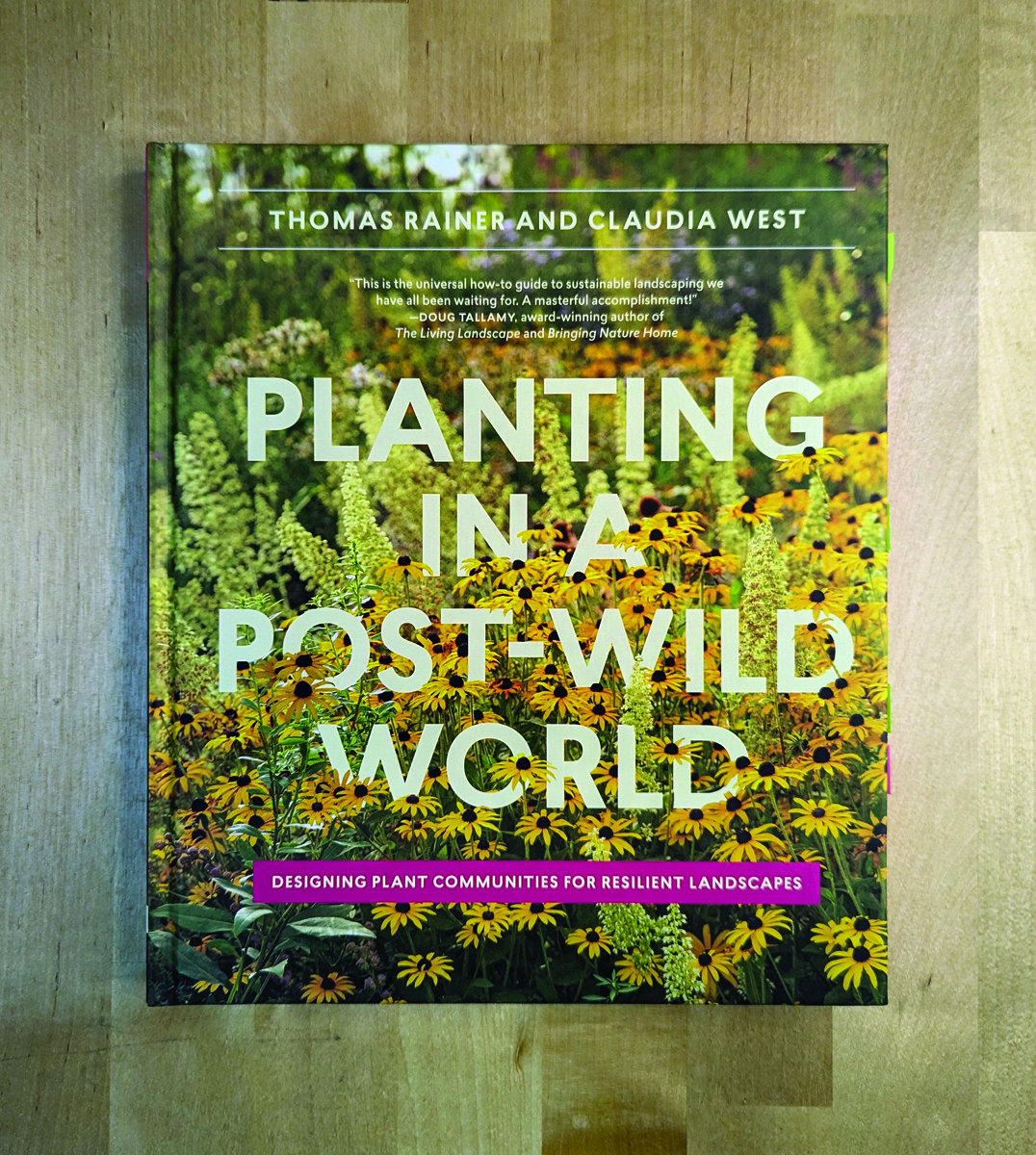
Planting in a Post-Wild World: Designing Plant Communities for Resilient Landscapes
Fine Gardening receives a commission for items purchased through links on this site, including Amazon Associates and other affiliate advertising programs.
Featuring gorgeous photography and advice for landscapers, Planting in a Post-Wild World by Thomas Rainer and Claudia West is dedicated to the idea of a new nature—a hybrid of both the wild and the cultivated—that can nourish in our cities and suburbs.