
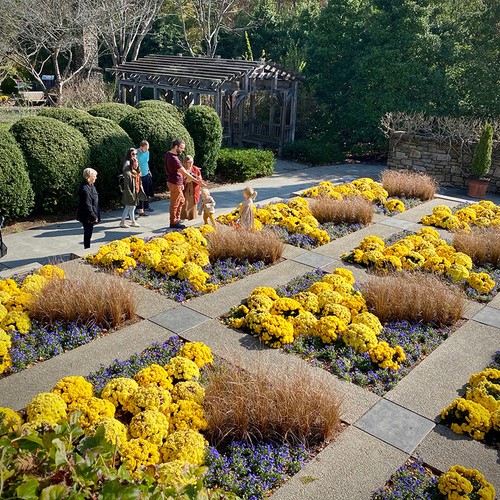
After decades of playing the guitar, or baking cakes, or knitting, or painting watercolors, you could reasonably call yourself a master of your craft. None of us are without mistakes, but someone with that much experience would be able to fix those mistakes or make them in such an imperceptible manner that the novice would never even notice. I don’t believe this is true for gardening. Of course, there are Master Gardeners as well as legends in the fields of horticulture and landscape design, but contending with living plants and the ever-changing environment means that there is no relaxing, “made it,” moment. No matter how long you have gardened, there is seemingly always something new to learn or discover. For some, this is daunting and reason enough to not get too invested in the hobby. For me, and I would assume for anyone reading this, it is one of the many reasons why gardening is such an exciting and rewarding endeavor.
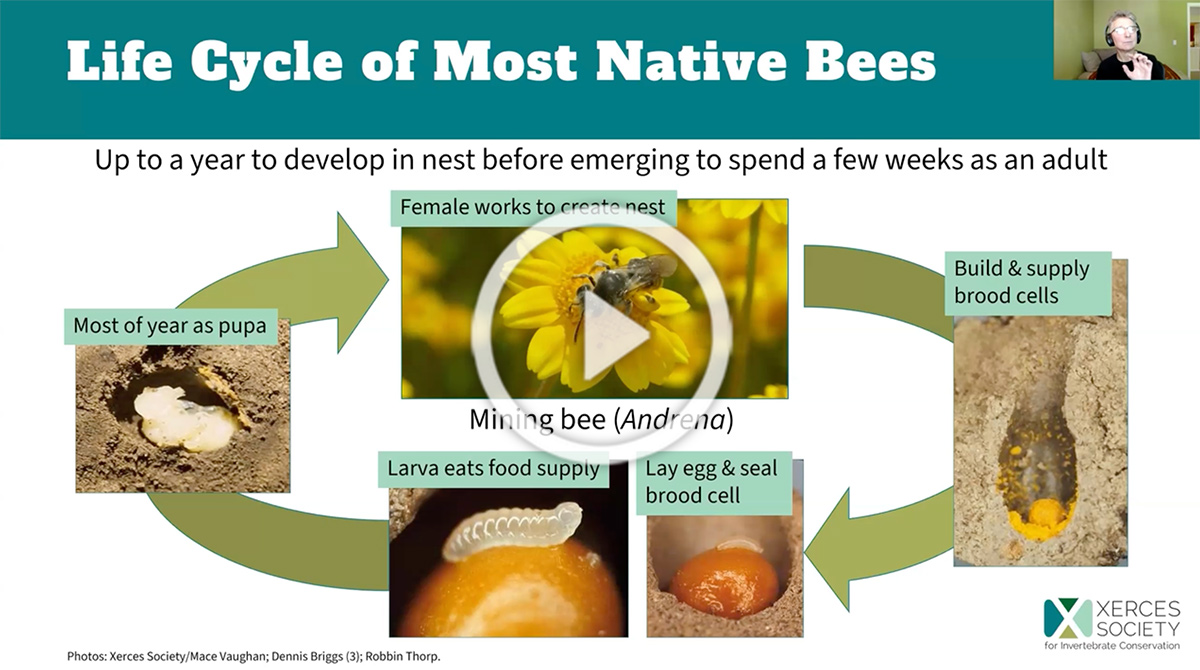
I was reminded of the constant need for continued gardening education after our latest webinar, The Science of Pollinator Gardens. In that virtual class, Matthew Shepherd, director of outreach at the Xerces Society for Invertebrate Conservation, could only scratch the surface of this wide-reaching topic but still presented a wealth of enlightening information. It was both humbling and eye-opening to realize that I still had much to learn even after my exposure to conservation and sustainable gardening practices through years of working at Fine Gardening magazine. If you missed Matthew’s fascinating presentation, you will definitely want to watch the recording that is now live.
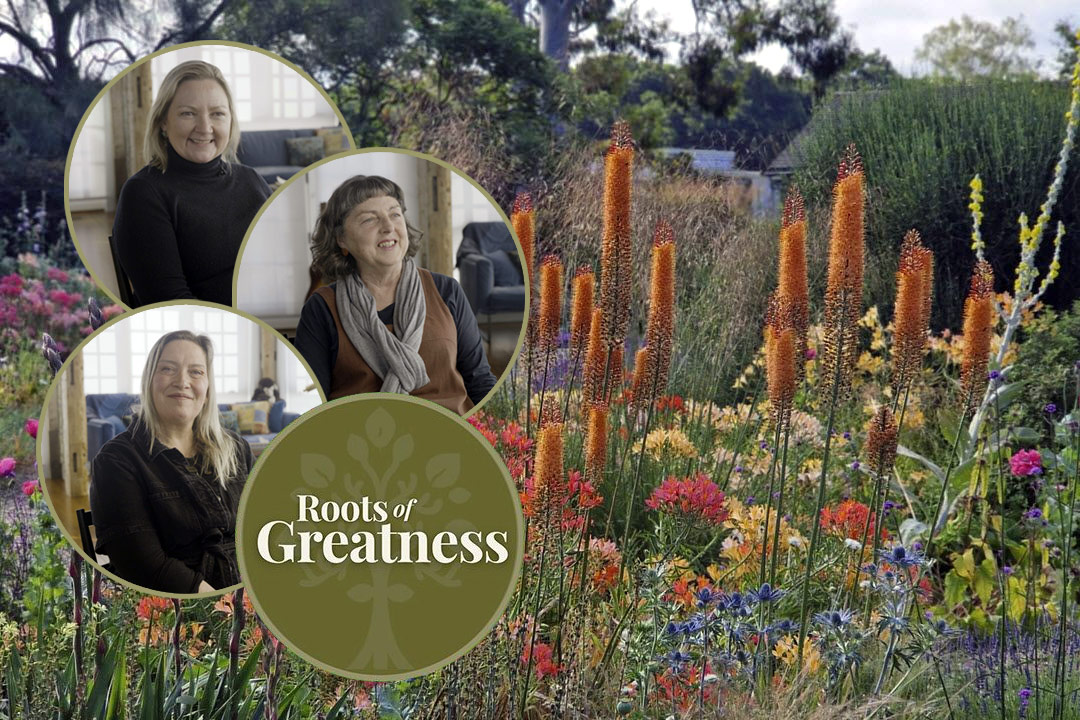
Another learning opportunity I’m excited about is our new Roots of Greatness course. With intimate interviews and a wide-ranging panel discussion, this course goes back in time to examine the lives and legacies of three incredibly influential women in horticulture through the lens of four leading women in the field today. It is easy to constantly look ahead when gardening, exploring the latest and greatest techniques, trends, and plants. However, there is just as much to be gained by looking back at the innovators of the past and how they shaped where we are today.
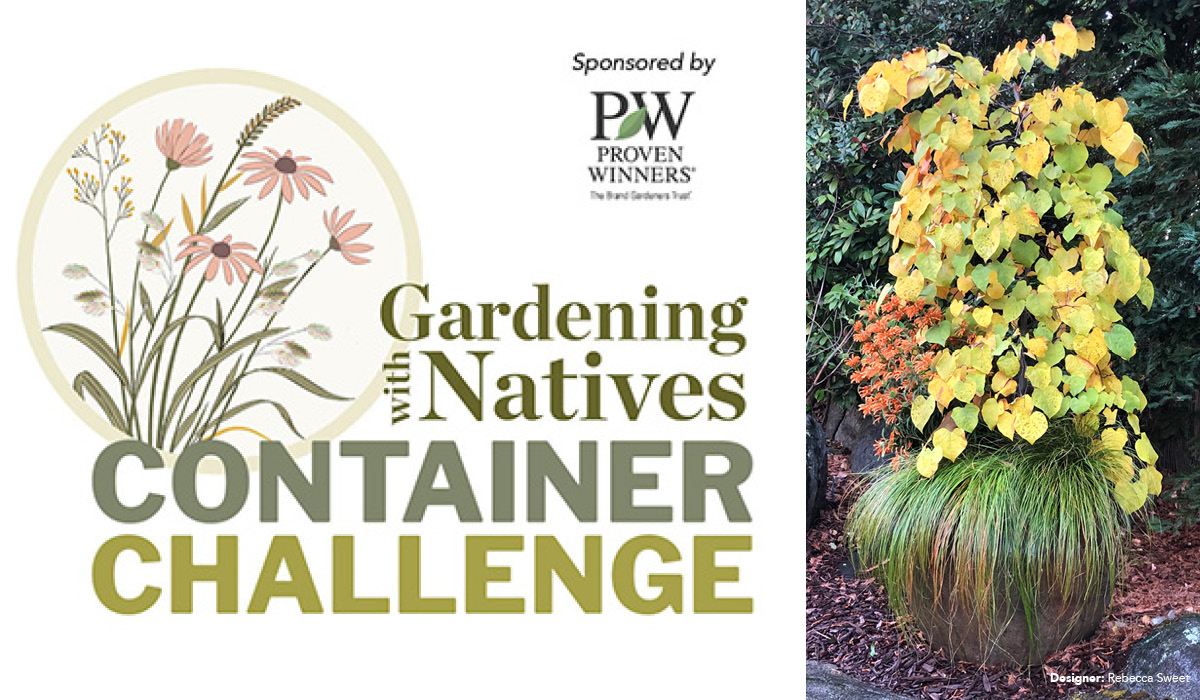
Some learning, however, cannot be experienced from video presentations, online courses, or even books. The most impactful learning is usually done hands-on. Thankfully, our gardens are the perfect testing grounds and laboratories for experimenting with new ideas and concepts. Along with watching The Science of Pollinator Gardens with Matthew Shepherd, take your knowledge of sustainable gardening to the next level by swapping some of your common garden perennials with native alternatives. A fabulous, low-commitment way to experiment in the garden is with containers, and potting up some natives is also the perfect opportunity to enter our Native Container Challenge.
How will you be growing your gardening knowledge this year?
For even more opportunities to learn, check out our full catalog of online courses as well as the schedule for upcoming webinars: courses.finegardening.com
Fine Gardening Recommended Products
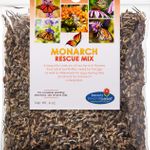
Monarch Butterfly Rescue Wildflower Seeds 4 oz.
Fine Gardening receives a commission for items purchased through links on this site, including Amazon Associates and other affiliate advertising programs.
HIGH QUALITY SEEDS and EXPERT GUIDANCE: Experience the quality seed difference. We are committed to providing the highest quality, open-pollinated, non-GMO/non-GE seeds to our customers, guaranteed. A trusted source of high quality seeds since 1985. ATTRACT MORE MONARCHS: We know seeds and we know pollinators! Our expertly crafted botanical garden seed mixes contain a wide variety of both perennials and annuals that are specifically designed to attract pollinators. Attract more Monarchs and Butterflies in general. Gardener tested, pollinator approved! All Of Our Wildflower Varieties Are 100% Pure Seed, They come with complete planting instructions. Compare and see the quality value. This Wildflower Seed Mix will make the perfect gift for those gardeners in your life.
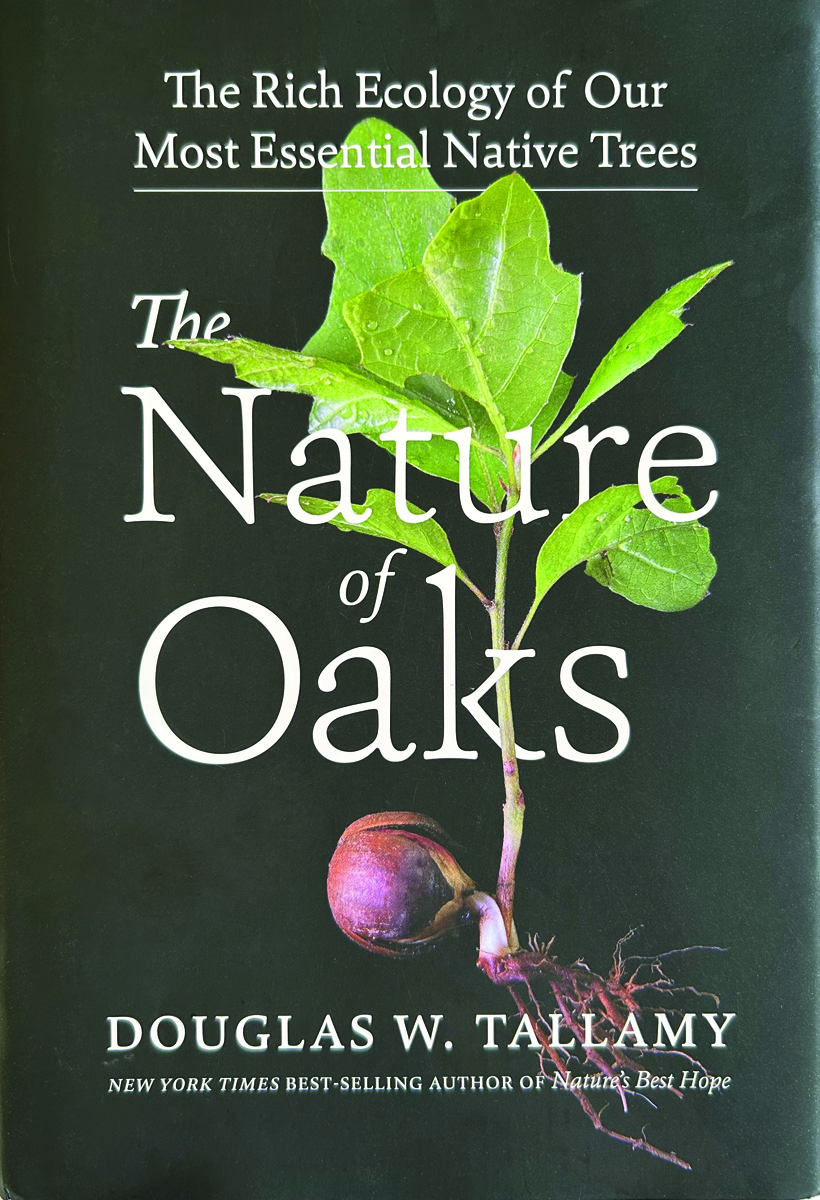
The Nature of Oaks: The Rich Ecology of Our Most Essential Native Trees
Fine Gardening receives a commission for items purchased through links on this site, including Amazon Associates and other affiliate advertising programs.
The Nature of Oaks reveals what is going on in oak trees month by month, highlighting the seasonal cycles of life, death, and renewal. From woodpeckers who collect and store hundreds of acorns for sustenance to the beauty of jewel caterpillars, Doug Tallamy illuminates and celebrates the wonders that occur right in our own backyards. He also shares practical advice about how to plant and care for an oak, along with information about the best oak species for your area.