
Plant this beautiful spring garden in the Southeast
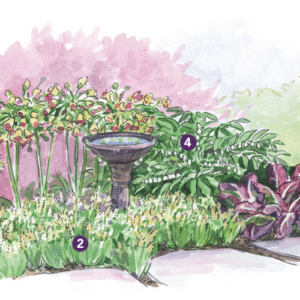
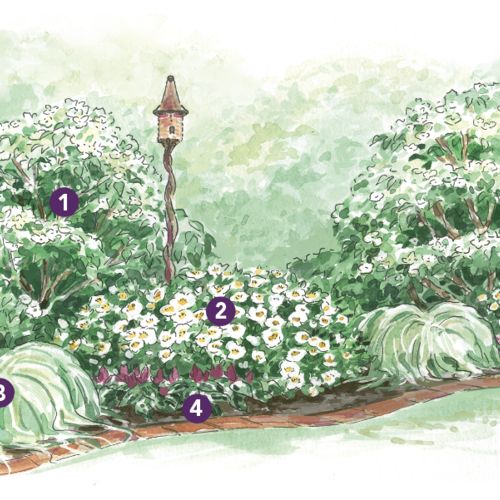
Hayes Jackson, an urban regional extension agent with the Alabama Cooperative Extension System and liaison to Longleaf Botanical Gardens in Anniston, Alabama, shares a beautiful planting plan designed specifically for the Southeast’s climate. Anchoring the bed is a compact Hong Kong dogwood, paired with the intensely fragrant Swan Princess™ gardenia for an added display of luminous white blooms. The composition is further enriched by the dappled foliage and burgundy trifoliate leaves of ephemeral trilliums alongside variegated ‘Lunar Falls’ sedge, creating a tranquil spring garden layout for the Southeast.
Spring garden layout plant list
Read on to find details about each corresponding plant numbered in the illustration above to recreate this expert design in your own landscape.
See More: Design Ideas for the Southeast
1. ‘Gekkou’ Hong Kong dogwood
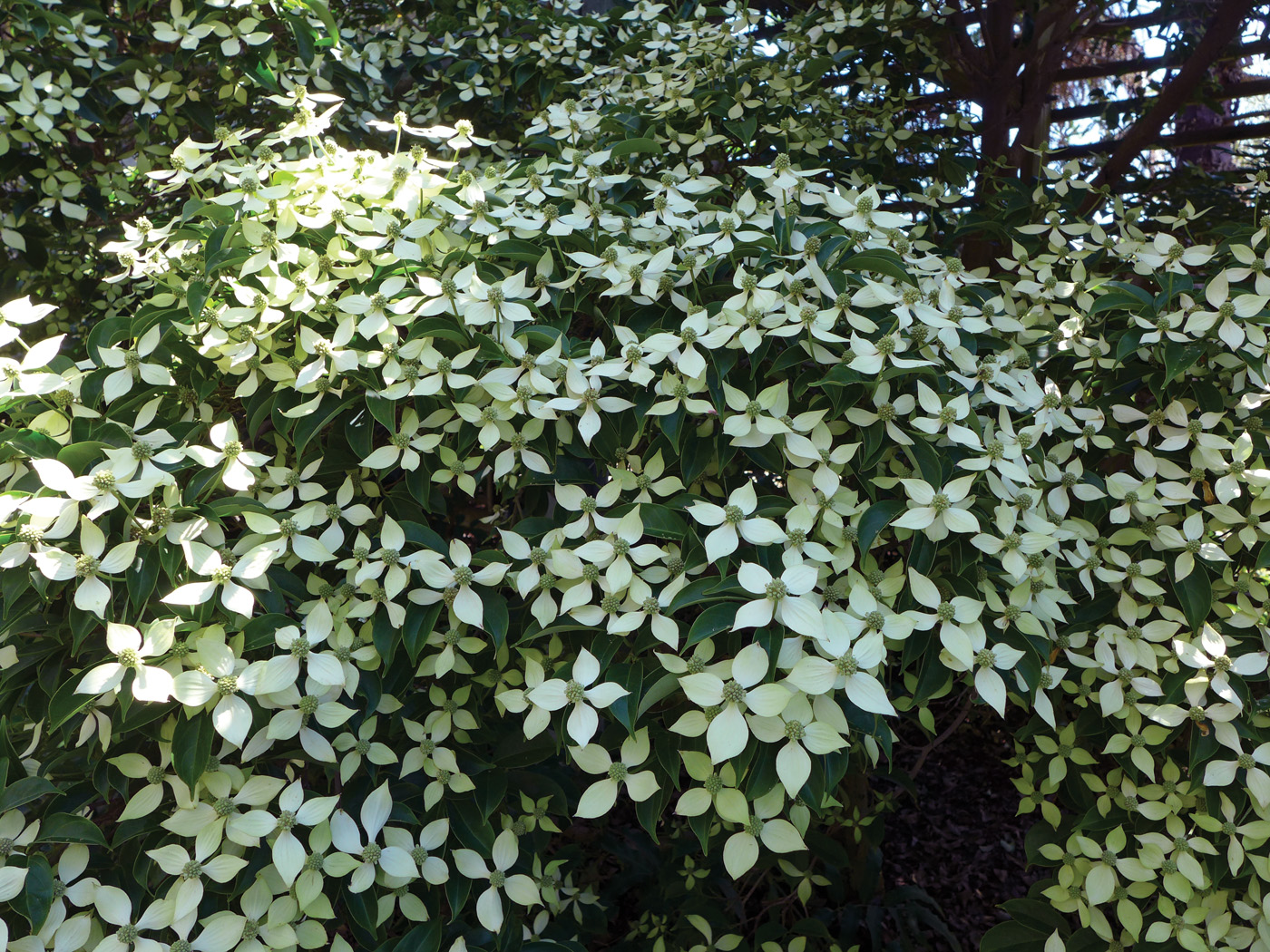
Cornus hongkongensis ‘Gekkou’
- Zones: 6–9
- Size: 10 to 15 feet tall and 6 to 10 feet wide
- Conditions: Full sun to partial shade; rich, well-drained soil
- Native range: Laos, Southern China, and Vietnam
Sadly, our native flowering dogwood (Cornus florida, Zones 5–9) has suffered from a lot of disease issues in my garden, and I’ve had to turn to other species. Hong Kong dogwood has been a delight with its evergreen foliage that takes on a purple cast in winter. ‘Gekkou’ is a compact form that is better suited to smaller spaces; I am always attracted to dwarf selections of flowering trees, as they allow me to fit many more varieties into my garden. ‘Gekkou’ is truly a multiseason show-stopper, covering itself in a cloud of late-spring flowers and producing red autumn fruits to end the season in style.
More Southeast Regional Picks: Great Plants for the Front Yard
2. Swan Princess™ gardenia
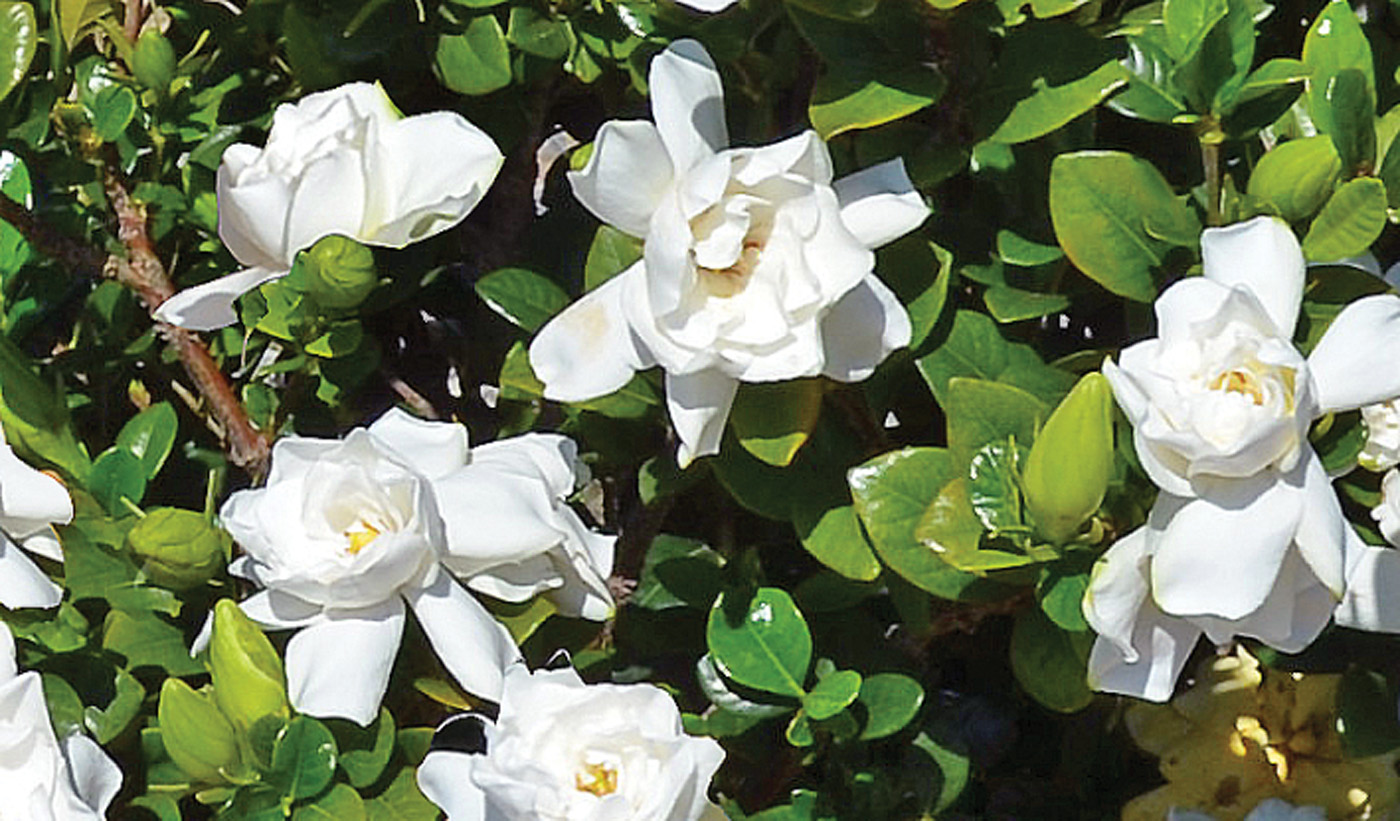
Gardenia jasminoides ‘4KIMYMJ01’
- Zones: 7–11
- Size: 2½ feet tall and 3 feet wide
- Conditions: Full sun to partial shade; rich, acidic, well-drained soil
- Native range: Japan, Southern China, and Vietnam
I’m an avid gardenia fan, seeking out varieties with interesting foliage forms, unique growth habits, and the ability to rebloom throughout the season. Swan Princess™ checks all these boxes and earns a spot as the workhorse in my spring garden. This compact variety with double blooms is an easy fit for any landscape situation, including containers. Put it in a place where you can enjoy the wonderful, overly sweet fragrance that will stop you in your tracks during the main bloom period from mid- to late spring and whenever it reblooms throughout summer and fall.
3. ‘Lunar Falls’ sedge
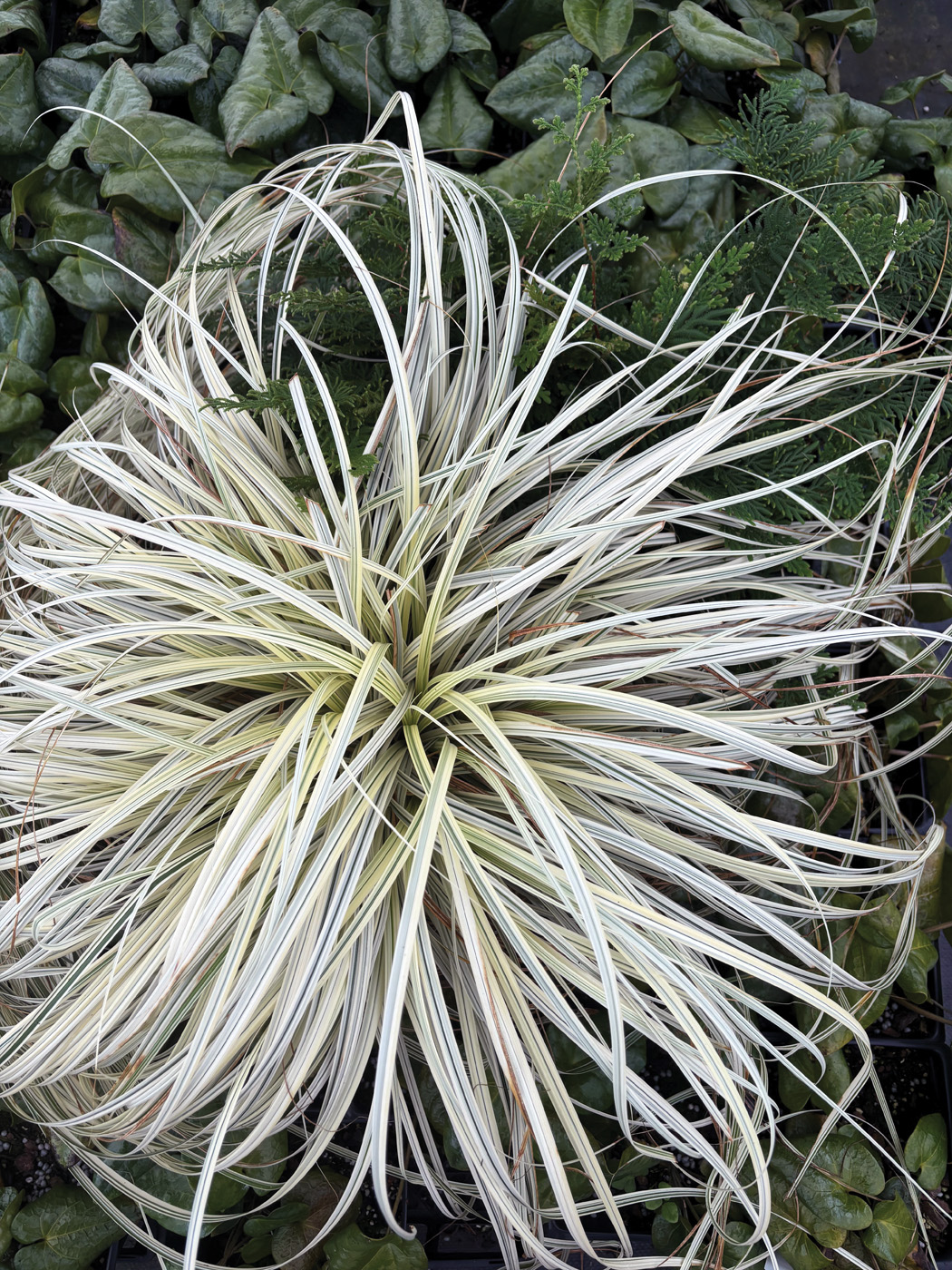
Carex ‘Lunar Falls’
- Zones: 6–9
- Size: 2 feet tall and 3 feet wide
- Conditions: Partial shade; moderately moist, well-drained soil
- Native range: Hybrid
I gasped when I took this sport of Feather Falls™ sedge (Carex ‘ET CRX01’, Zones 5–9) out of the mail-order box. I have been on a sedge binge recently, and this beauty is exquisite, with dazzling variegation and a cascading habit. It will be a showy addition to the many sedge selections that I enjoy using as fillers in the landscape or mixed containers, or as stand-alone specimens in the tall, funky pots that I love to collect.
In late spring to early summer, sedge flowers add interest to the simple, beautiful forms of the plants. ‘Lunar Falls’ brightens the spring planting quartet above with its soft, flowing habit and its eye-catching striped foliage. This hot cultivar is spanking new and well worth adding to your collection.
Learn More: Best Variegated Plants for Shade | Let’s Argue About Plants
4. Longbract trillium
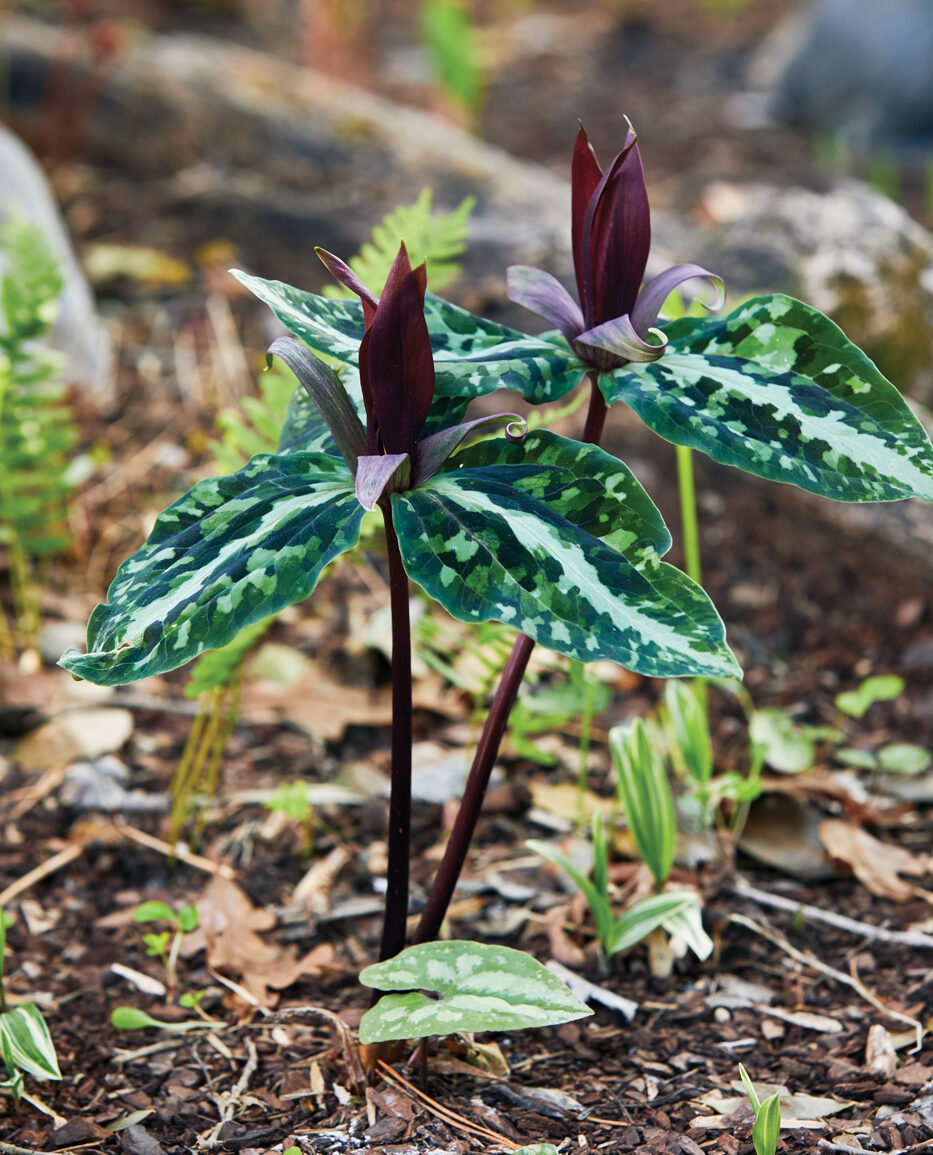
Trillium underwoodii
- Zones: 6–9
- Size: 8 to 10 inches tall and 12 to 24 inches wide
- Conditions: Partial to full shade; moist to seasonally moist soil
- Native range: Alabama, Florida, and Georgia
Our native trilliums are ephemeral perennials that put on an early show and spend the hotter and drier months of summer and fall resting quietly beneath the soil. While longbract trillium can be slow to spread and hard to find in local nurseries, this native standout is worth seeking out for its patterned foliage that looks like hand-painted camouflage.
The broad texture of the leaves provides excellent contrast and spotlights the quintessential southern spring wildflower. While the beauty may be fleeting as warmer temperatures approach, be sure to watch for the yellow jackets and other wasps harvesting the late-spring seeds from the pretty, plump fruits that sit atop the trifoliate leaves.
See More from the Summer Issue of Fine Gardening
Fine Gardening Recommended Products

Lee Valley Mini Garden Shear Set
Fine Gardening receives a commission for items purchased through links on this site, including Amazon Associates and other affiliate advertising programs.
These shears have a distinctive finger rest that not only aids grip but allows greater freedom of movement than a conventional handle design. They have a durable powder-coat finish to resist rust and wear, and a simple clasp that locks the spring-action stainless-steel blades closed. The set includes one pair of round-nose shears measuring 5 1/2″ overall with 1″ blades for cutting stems up to 3/8″ in diameter, and one pair of 6 1/2″ needle-nose shears with 2″ fine-tip blades for precise work.
ARS Telescoping Long Reach Pruner
Fine Gardening receives a commission for items purchased through links on this site, including Amazon Associates and other affiliate advertising programs.
Telescopes from 4 to 7′. Cut and Hold (160) Blades. Drop forged blades for unsurpassed long lasting sharpness. Lightweight, 2.3 lbs., for continued use. Perfectly balanced for easy pruning.

The New Organic Grower, 3rd Edition: A Master’s Manual of Tools and Techniques for the Home and Market Gardener, 30th Anniversary Edition
Fine Gardening receives a commission for items purchased through links on this site, including Amazon Associates and other affiliate advertising programs.
Since its original publication in 1989, The New Organic Grower has been one of the most important farming books available, with pioneer Eliot Coleman leading the charge in the organic movement in the United States. Now fully illustrated and updated, this 30th Anniversary Edition is a must-have for any agricultural library.