
On a snowy morning in Bernardsville, New Jersey, Kathleen Gagan stands at the end of her driveway packing peony tubers from her 20,000-root farm for a flower show in Seattle.
Gagan, owner of Peony’s Envy, is an accidental flower farmer. Fluent in Mandarin and Spanish, she spent years in Asia working as a communications consultant, living a glamorous global life in 5-inch heels.
But when she returned to the United States, those heels gave way to mud-covered boots. Her new property came with an agricultural easement requiring the land to remain in production. She had no gardening experience but needed a crop. Two false starts later—deer devoured the peach trees and iris proved a nonstarter—she tried peonies.
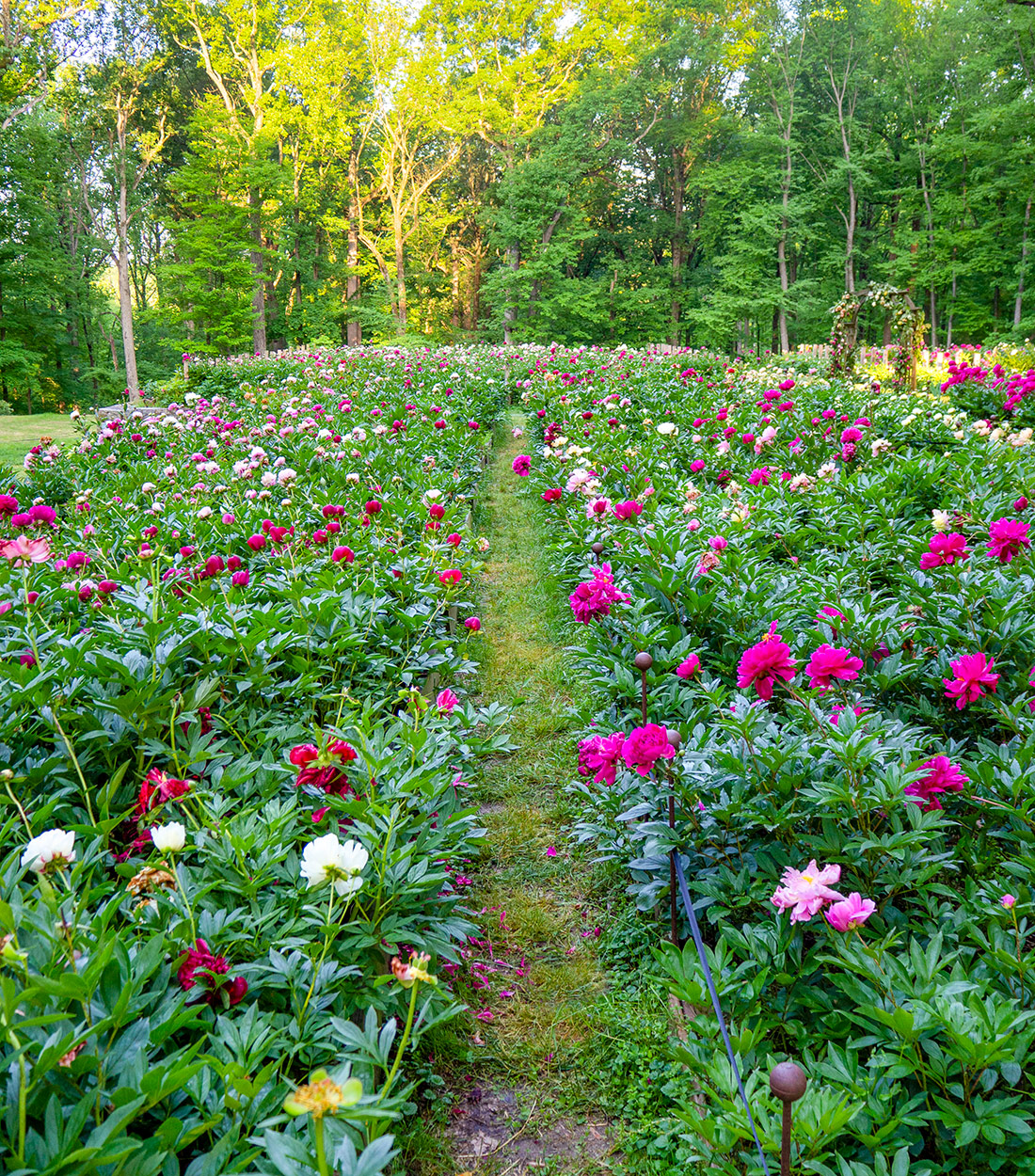
Now she has a seven-figure business with more than 700 peony cultivars on almost 8 acres. “It started literally in my backyard,” says Gagan. “I had no idea what I was doing.”
Locally grown flowers are on the rise
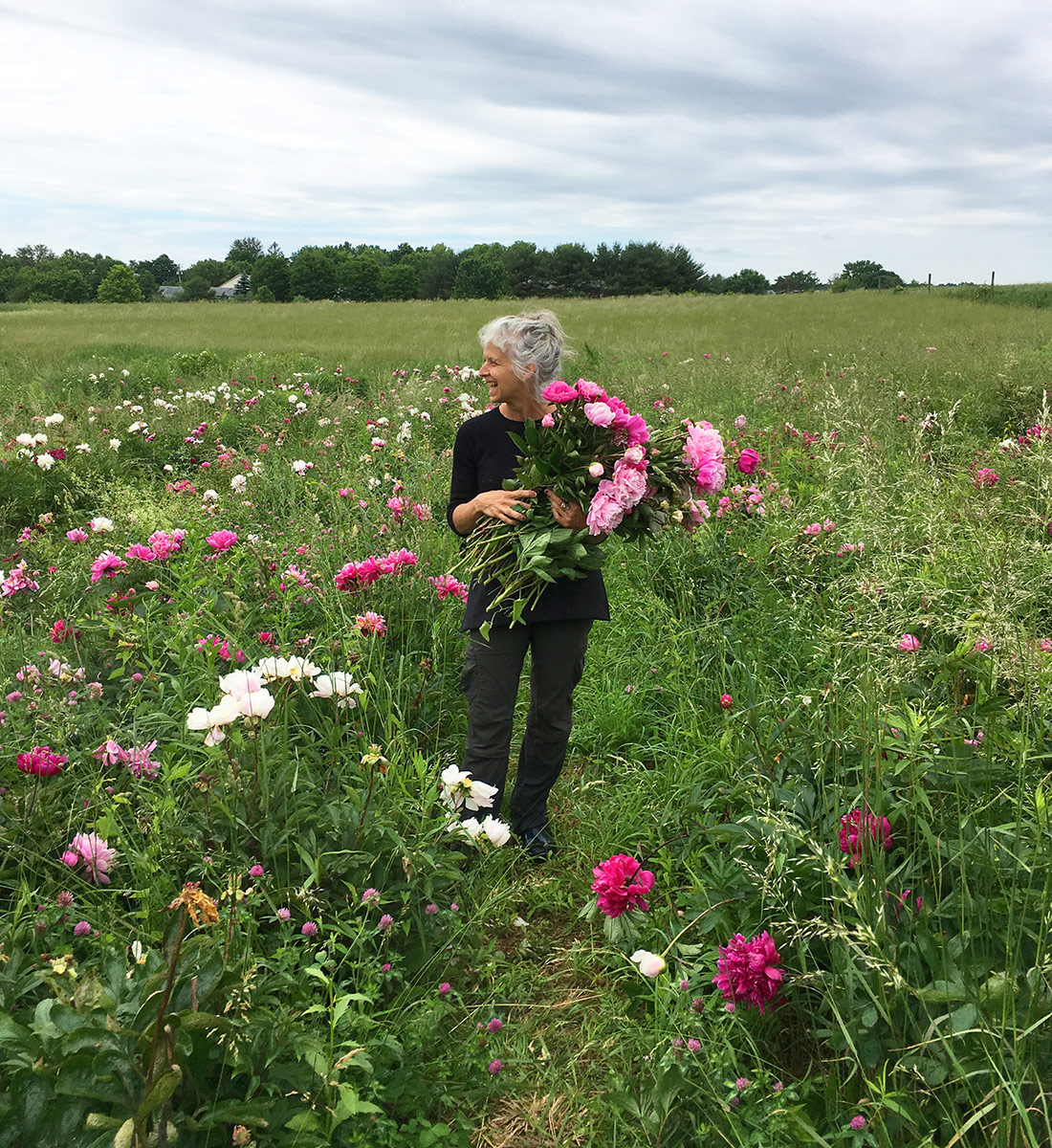
Across the country, stories like hers are becoming increasingly common. Women who once worked in offices, classrooms, and creative fields are turning backyard gardens into small flower farms, growing everything from dahlias and zinnias to peonies and ranunculus.
Some operate simple roadside stands. Others supply local florists and wedding designers or build larger-scale businesses like Gagan. It represents a part of a broader shift away from imported flowers toward locally grown ones on small-scale farms.
The number of U.S. farms reporting cut-flower production increased by roughly 50 percent between 2012 and 2022, according to the USDA Census of Agriculture.
Debra Prinzing, author of Slow Flowers: Four Seasons of Locally Grown Bouquets from the Garden, Meadow and Farm, said the rise of local flower farming has been gathering momentum for more than a decade. She founded the Slow Flowers Society 13 years ago to encourage florists and consumers to seek out seasonal blooms grown closer to home.
Now, instead of relying entirely on imported roses and carnations shipped thousands of miles, designers are increasingly building arrangements around whatever flowers are blooming locally.
A market emerges
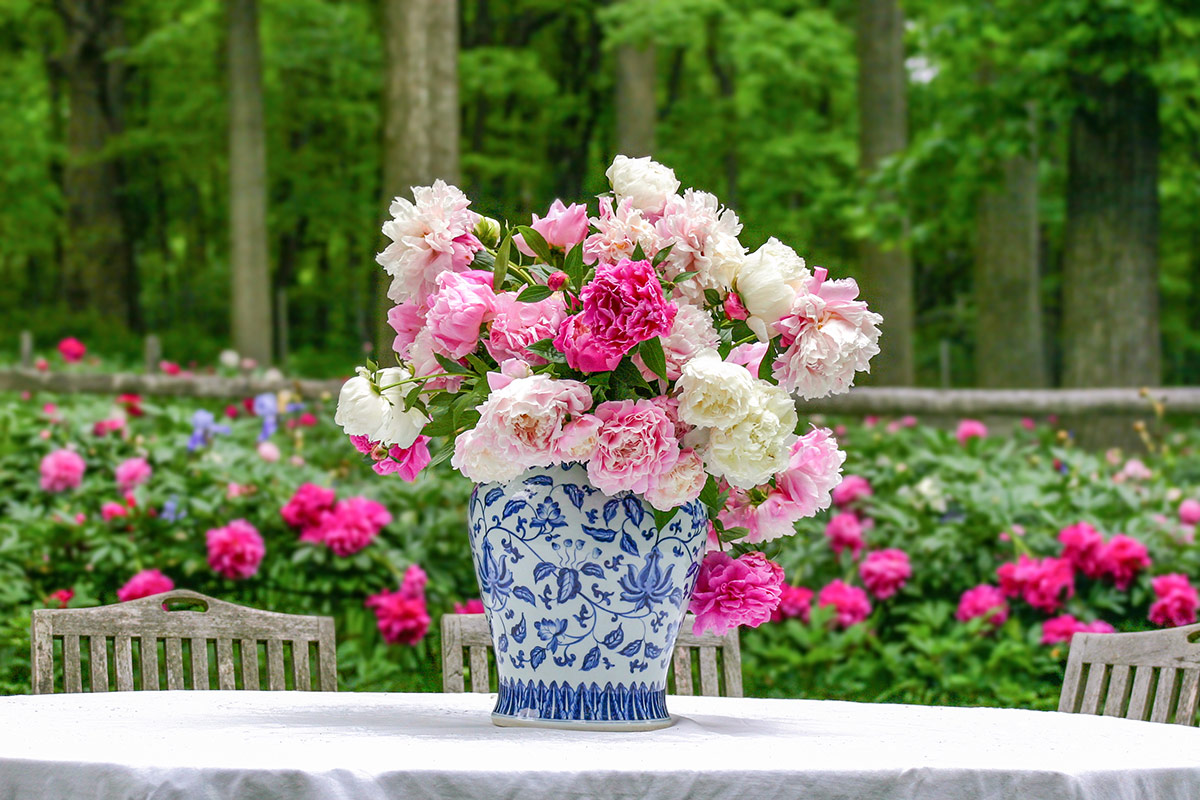
Prinzing says the shift to local flowers stems partly from changes in the flower trade. Many of the once-dominant commercial growers in California sold their land to developers or cannabis farmers as land prices rose. That opened the door for smaller specialty farms to emerge.
At the same time, consumer demand for local food and flowers began growing and created a new market. Part of the appeal for new flower farmers is the low barrier to entry—you don’t even need a tractor. “You can have a cut-flower farm on a quarter acre,” Prinzing says. “A packet of seeds costs $5.”
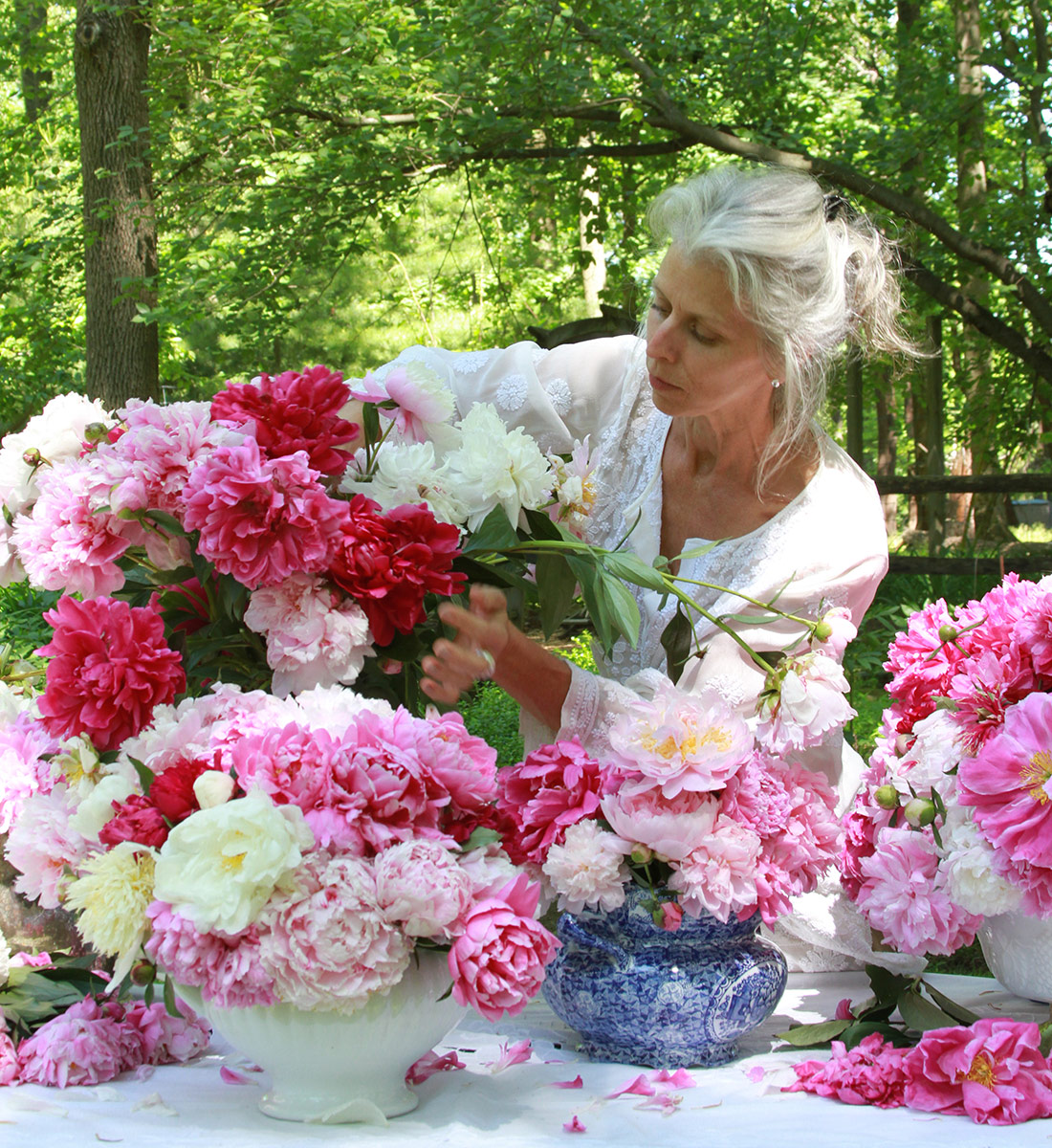
Add the ability to work from home and live among the beauty of flowers, and it is easy to see why many women are replacing their lawns with rows of blooms. “It is empowering,” Prinzing said.
The public is also eager for the flowers these budding entrepreneurs grow. In the wake of COVID-19 and an increasingly digital world, people are hungry for authentic experiences and homegrown goods.
Beyond the blooms
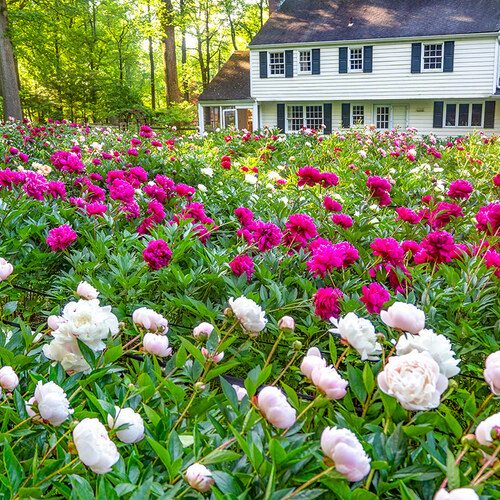
Many women have expanded their farms into agro-experiences, inviting visitors to experience life on the farm. Gagan hosts a peak-season bloom dinner at her home, which has one of the most extensive peony collections in the country. Rows of peonies line the property in shades of blush, crimson, and cream, their heavy blossoms nodding. Guests wander through the plantings before sitting down to dinner under a tent surrounded by flowers. It is so popular that people buy tickets a year in advance.
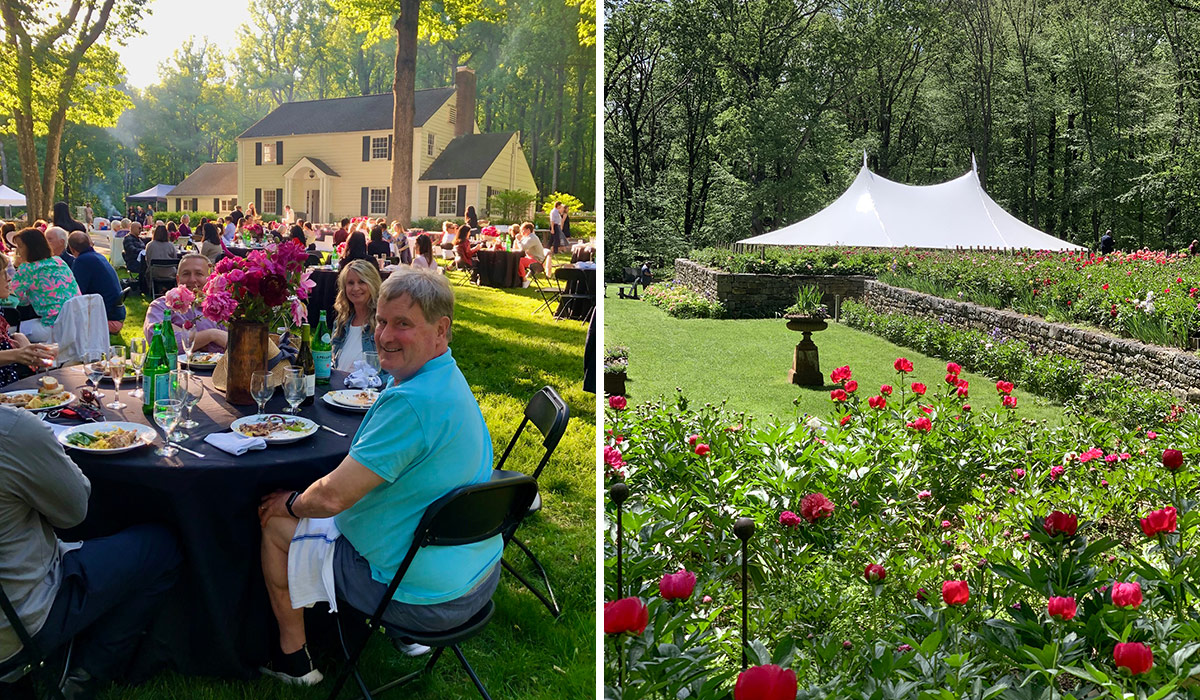
She learned quickly to think like a business owner—not because of the money, she says, but to establish credibility. The first year she offered the dinner for free, and no one came. When she began charging, people flocked. Now she is building a new space to host events and hopes to make her farm a wedding destination.
Business brings beauty
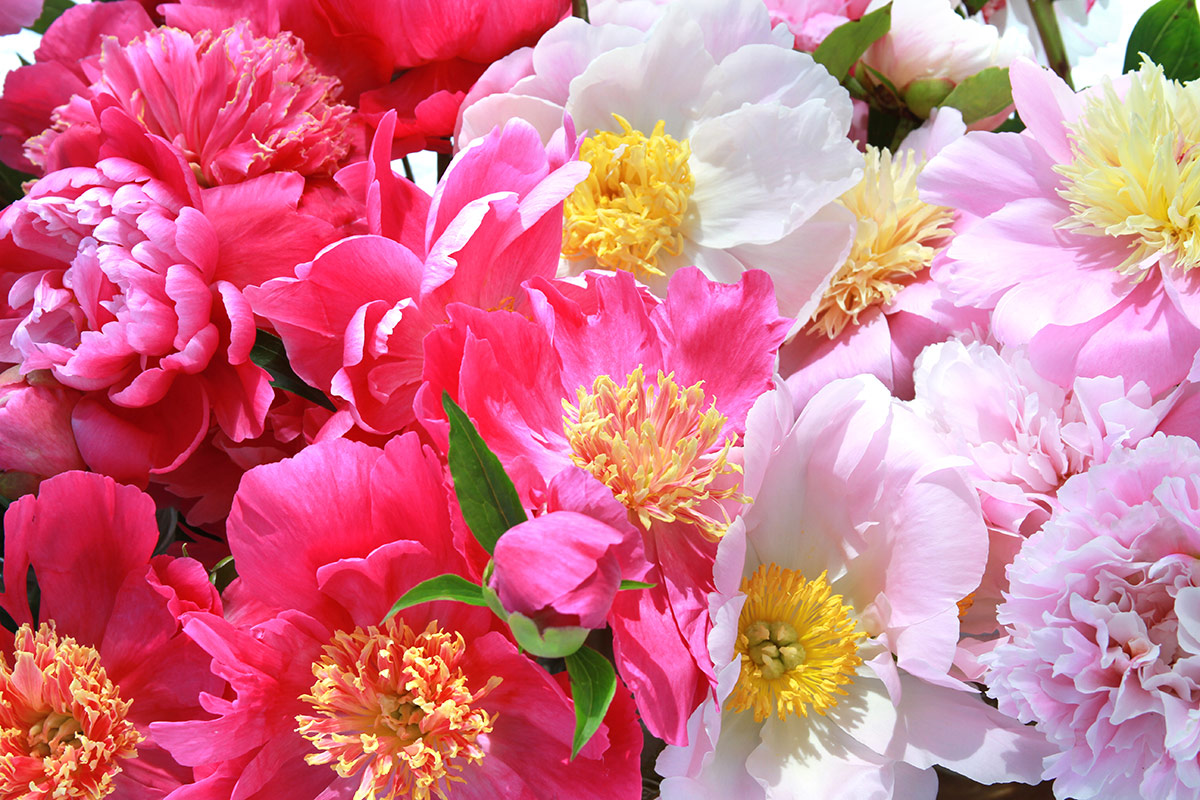
Gagan may not have intended to become a peony farmer, but along the way she has become a national expert. Her fields brim with favorite varieties, from ‘Scarlett O’Hara’ to ‘Amalia Olson’. In spring she can simply walk outside and clip bouquets from what feels like an endless supply. “Beauty makes you a better person,” she says.
Find more on growing cut flowers:
Discuss this article or ask gardening questions with a regional gardening expert on the Gardening Answers forum.
And for more Northeast regional reports, click here.
Caitlin Bird Francke is a landscape designer, writer, and speaker who owns Caitlin Bird Landscape Design in Chatham, New Jersey.
Photos: courtesy of Peony’s Envy
Fine Gardening Recommended Products
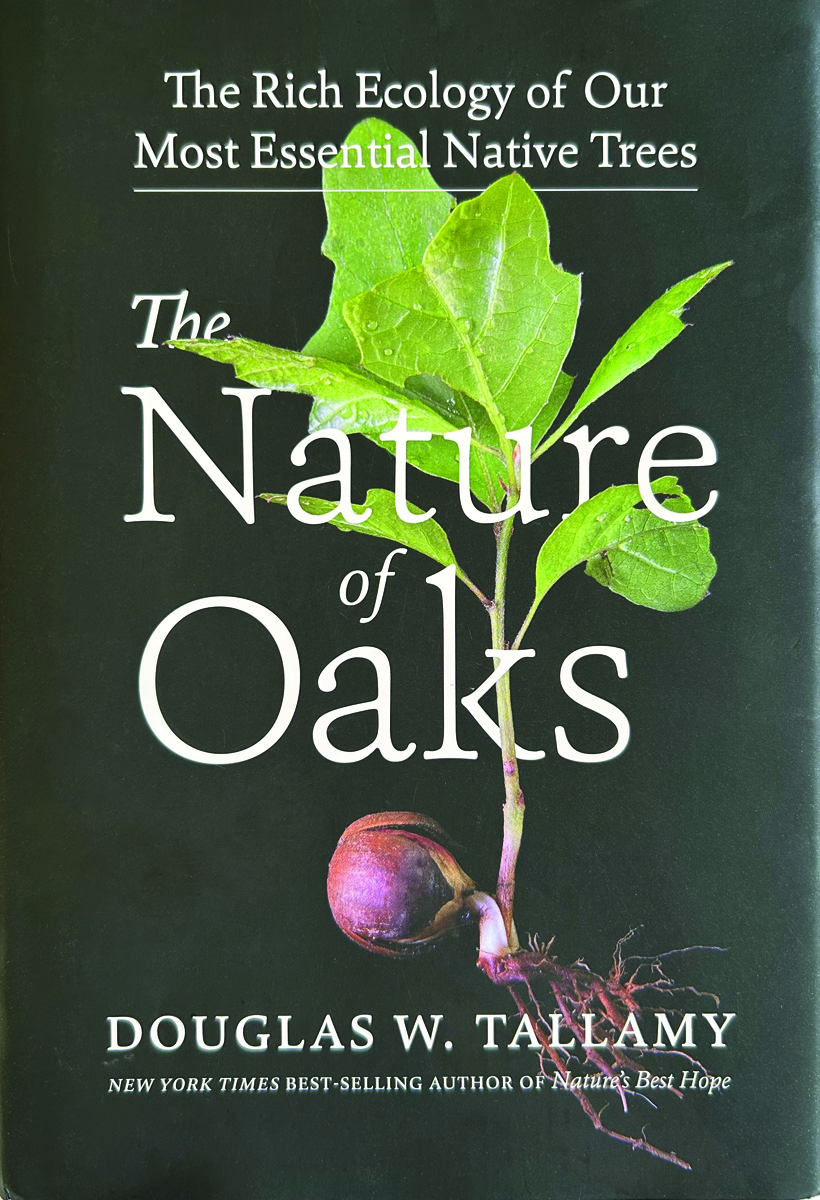
The Nature of Oaks: The Rich Ecology of Our Most Essential Native Trees
Fine Gardening receives a commission for items purchased through links on this site, including Amazon Associates and other affiliate advertising programs.
The Nature of Oaks reveals what is going on in oak trees month by month, highlighting the seasonal cycles of life, death, and renewal. From woodpeckers who collect and store hundreds of acorns for sustenance to the beauty of jewel caterpillars, Doug Tallamy illuminates and celebrates the wonders that occur right in our own backyards. He also shares practical advice about how to plant and care for an oak, along with information about the best oak species for your area.
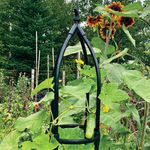
Lee Valley Garden Obelisks
Fine Gardening receives a commission for items purchased through links on this site, including Amazon Associates and other affiliate advertising programs.
Sturdy yet lightweight, these obelisks provide ample support for climbing plants while being easy to install and move. The medium obelisk stands 68 1/2″ high overall with a diameter of about 9 1/2″, compact enough for smaller containers indoors or out. The large size stands 86 1/2″ high with a diameter of 15 3/4″, ideal for larger outdoor spaces and containers.