



Find out what is wrong with your azalea
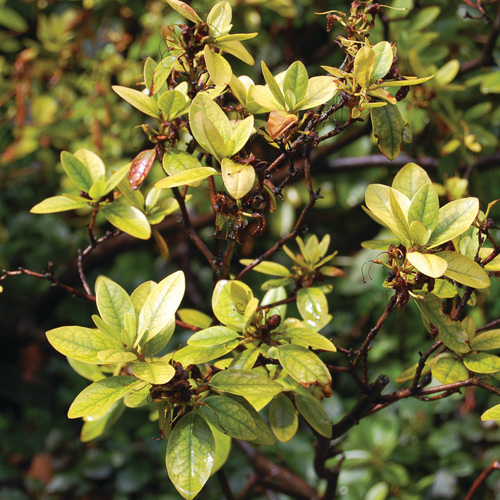
It can be frustrating when a prized shrub starts flagging and you don’t know what is wrong with your azalea. There are multiple cultural, pest, and disease issues that can cause similar-appearing symptoms in azaleas. Here are some of the most common culprits behind poor performance, how to spot them, and how to treat them.
Read More: Azaleas for Every Landscape
Symptoms of Common Azalea Problems
The leaves are getting brown spots and curling up. Some stems are dying as well.
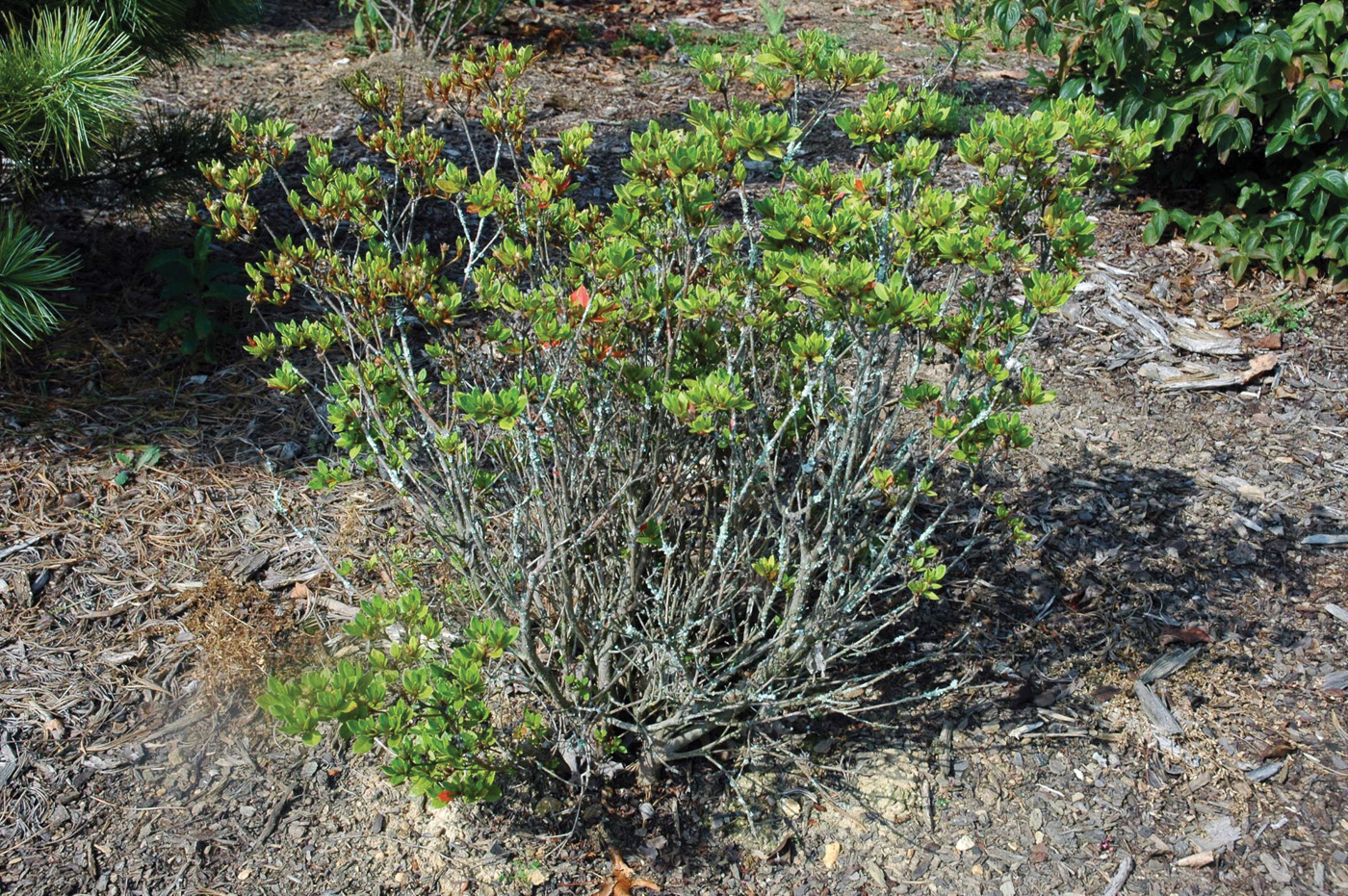
This probably means your plant has root rot (Phytophthora) due to excess water and poor drainage, and options to save the plant are limited. You can try pruning off the affected areas and attempt to rectify growing conditions by transplanting the shrub elsewhere. Even an azalea that has thrived for years can be affected by root rot, especially if the conditions around it have changed over time.
Trying to treat this soil-borne fungus is likely futile, and your best bet is to remove the shrub entirely and plant something that is more tolerant of wet feet. Azaleas want to be high and dry, with well-drained soil to prevent the roots from staying saturated where fungi can proliferate.
There are tiny white dots all over the leaves, making the whole plant look bleached.
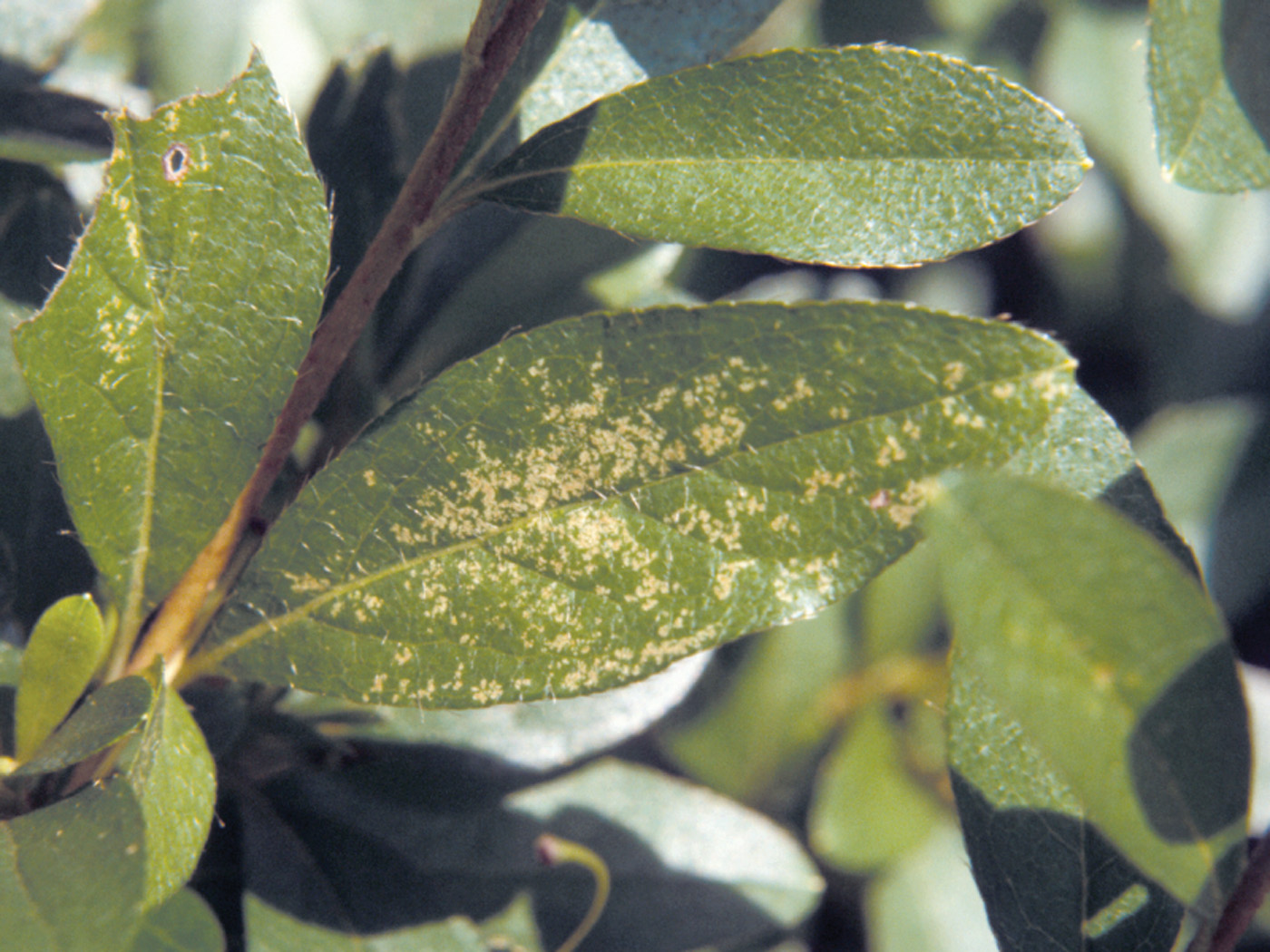
Azalea lace bugs (Stephanitis pyrioides) are attacking your plant and leaving white stippling to show where they’ve sucked the sap from the foliage. These are tough insects to control even with chemical solutions. Sometimes there will be a very bad outbreak but predatory wasps will bring the population back under control.
Unfortunately, the affected leaves will not recover their green hues, and evergreen species will retain those ugly leaves for multiple seasons. Insecticidal soaps can be effective against the young larvae, which will be on the underside of the leaves, but won’t kill the eggs that are inserted into the leaf tissue itself. If you want to try something harsher, talk to your local extension agent or someone knowledgeable at a local garden center for recommendations.
The leaves of my azalea are turning yellow.
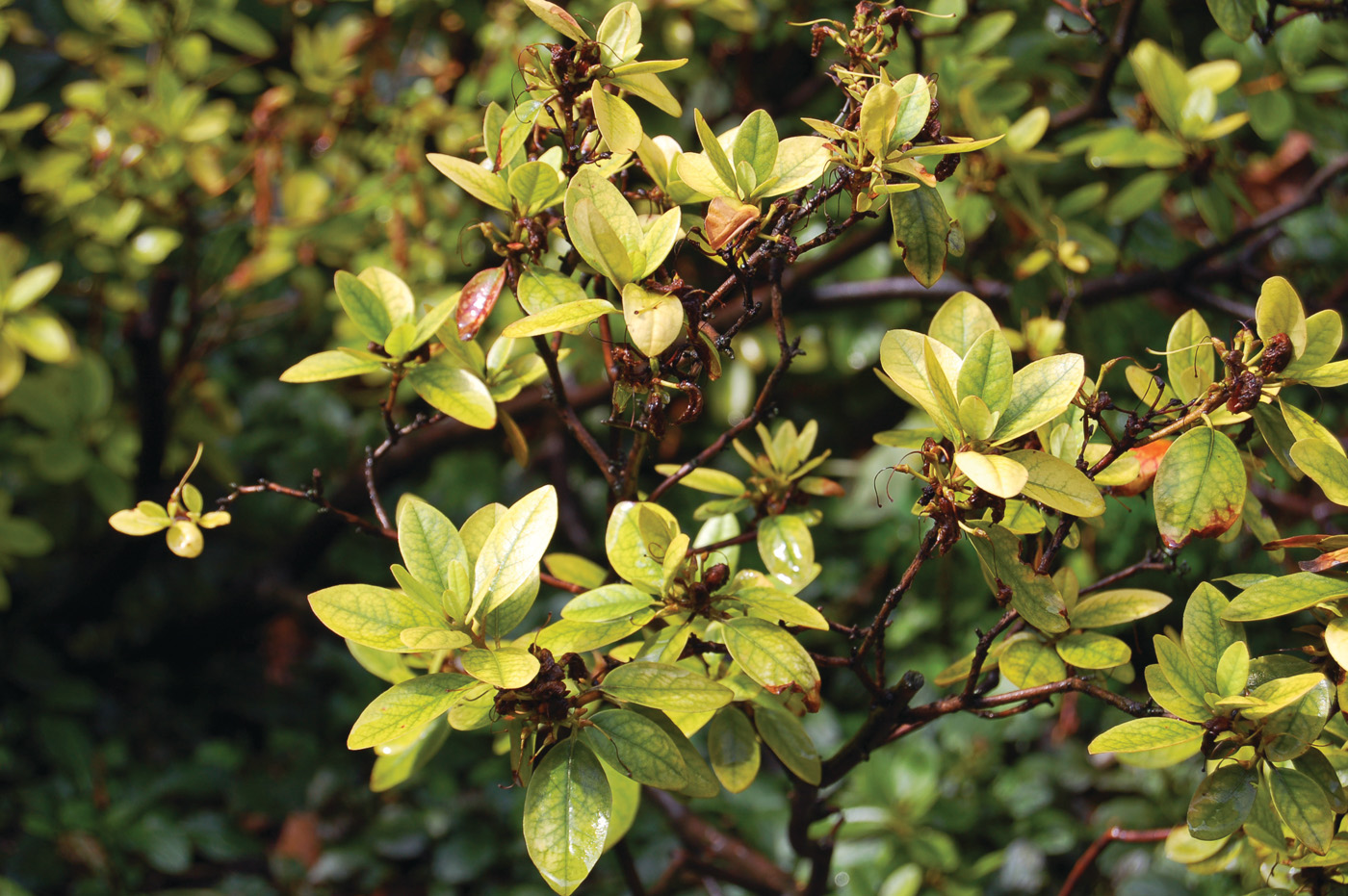
Yellow leaves on an azalea are usually due to iron deficiency. In high pH (alkaline) soils, iron is so tightly bound to the soil particles that it becomes unavailable to the plant. To rectify this, use a fertilizer made especially for evergreens or add iron sulfate to help acidify the soil.
Learn More: Four Things to Know About Soil pH
Older leaves on my evergreen azalea are looking pale and sickly, and I can see some small webbing.
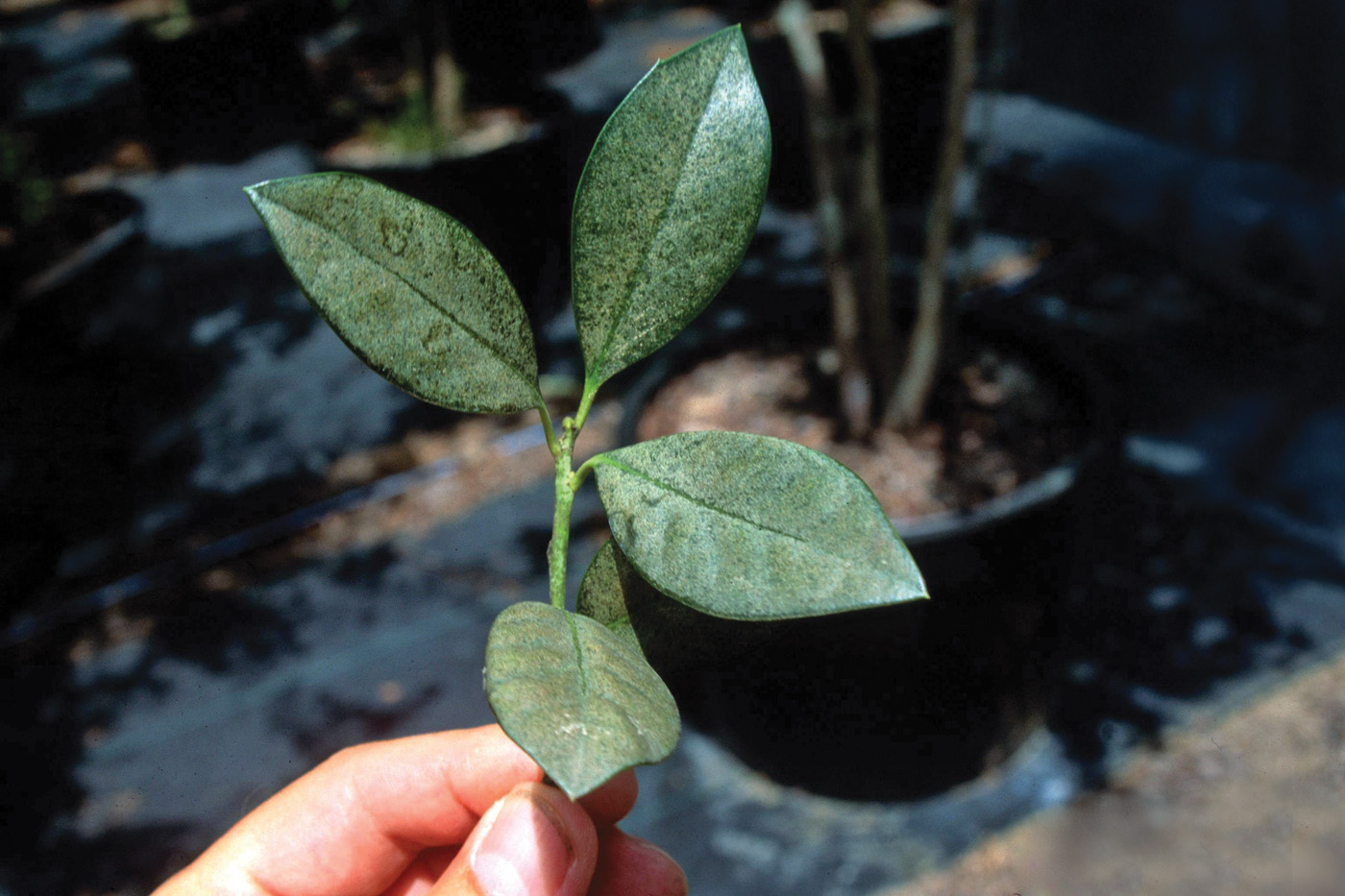
Southern red mites (Oligonychus ilicis) are likely attacking your plants. These little mites do most of their feeding on older leaves in spring and fall. Insecticidal soap or a horticultural oil are effective controls during this time. The undersides of the leaves and interior of the plants must be well sprayed.
Other products specifically labeled for mites on azaleas or rhododendrons can also be used to treat red spider mites, but a thorough blasting with a high-pressure hose is often enough to knock their populations back.
My azalea disappeared to a nub overnight!
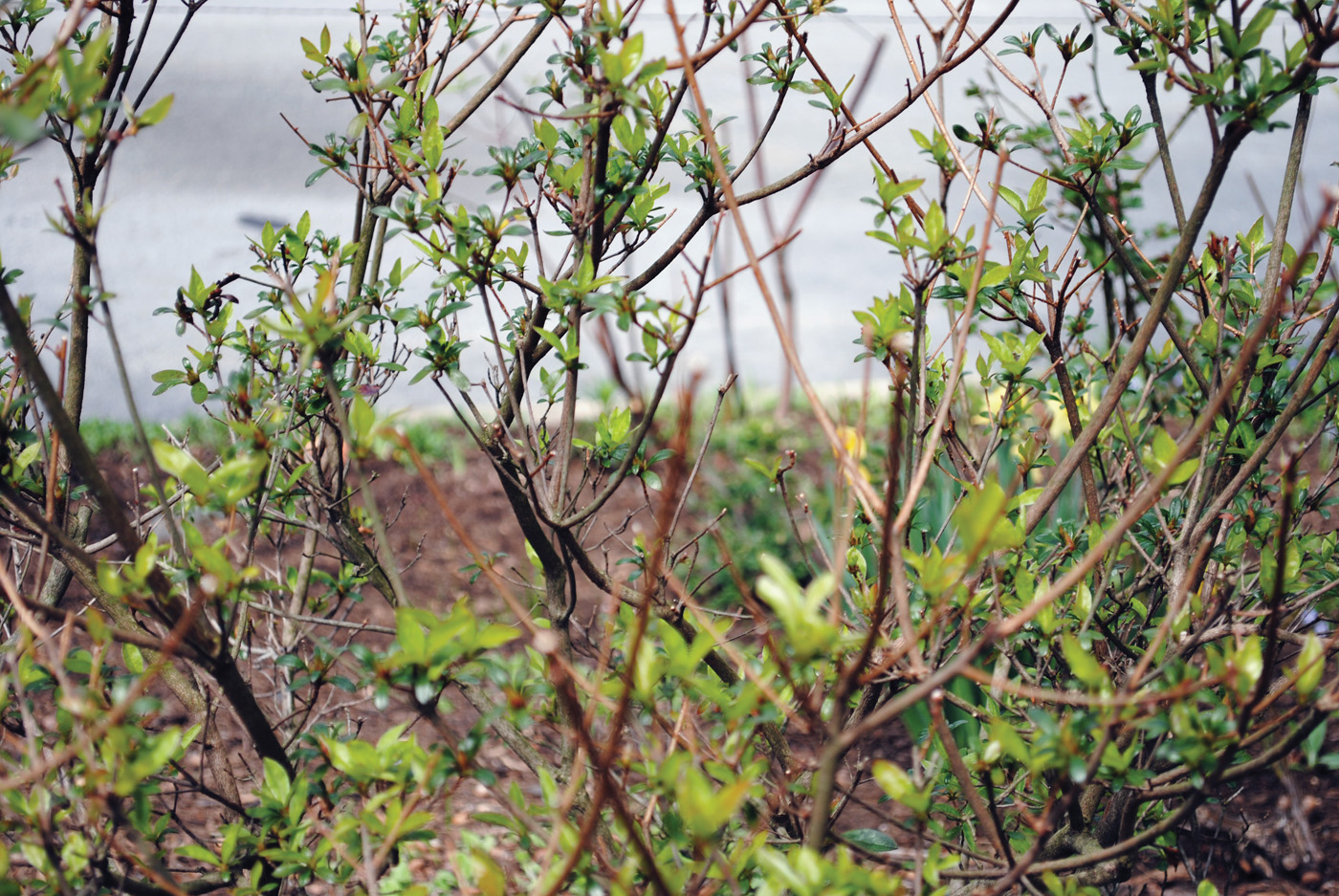
Deer blight is to blame. Unfortunately, this is a common problem for azaleas and can be hard to manage without a 12-foot-tall fence. There are various deterrents to keep deer away, but their effectiveness varies by location and usually decreases over time.
If a deer has severely damaged your azalea, don’t worry; it should grow back just fine. You can trim the plant to even it out and remove bare stubs of branches back to a leaf node. Otherwise, leave it to grow out naturally. The plant will usually rebound as a fuller, denser shrub if you can protect it from future deer browsing.
Learn More: Deer-Proof Garden Design for Dry Shade
What is causing the black spots on my azalea’s leaves?
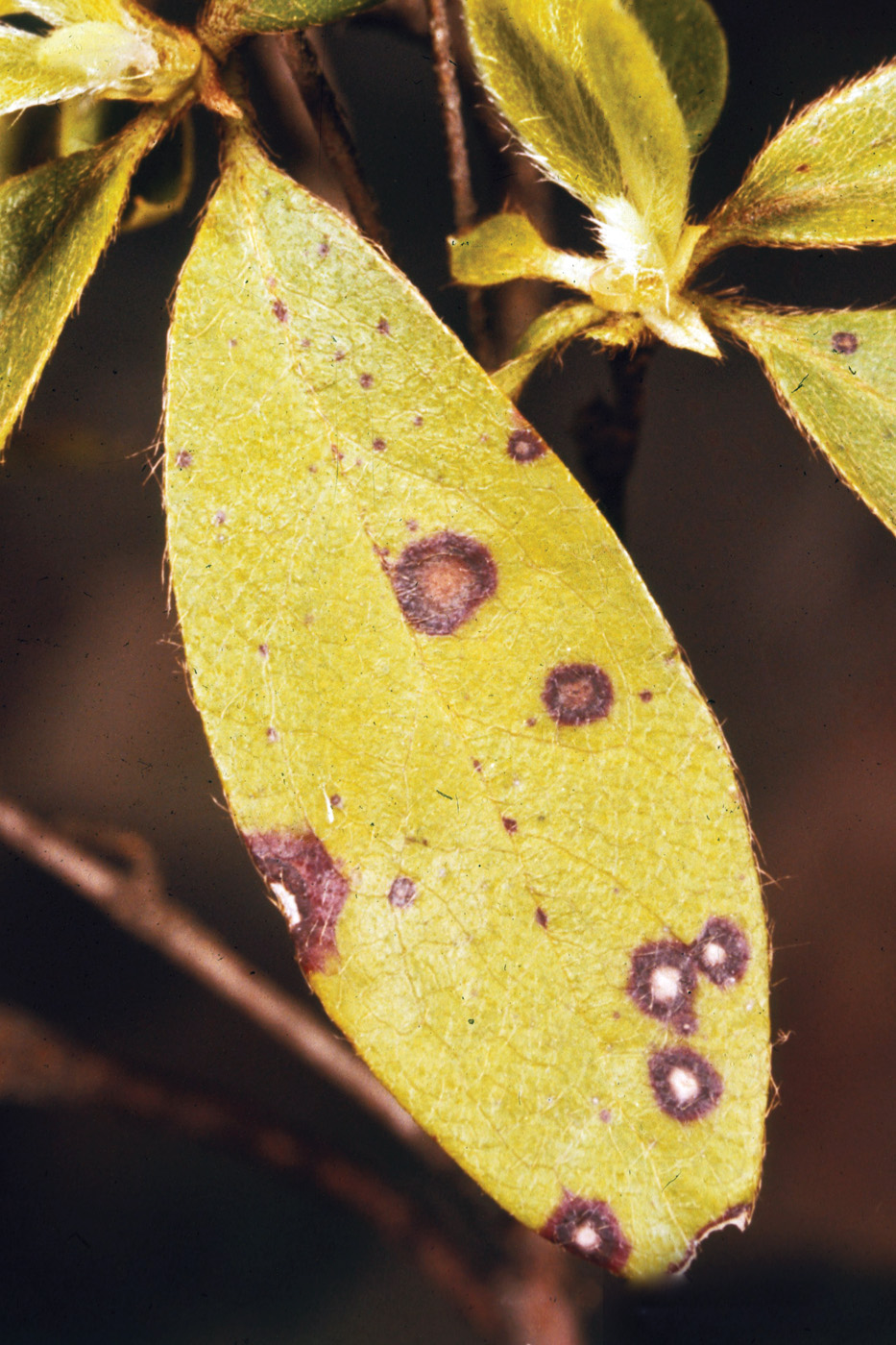
There are various fungal pathogens like leaf and twig blights, rust, and powdery mildew that can affect azaleas to some extent or another, producing black spots on foliage. Most of these issues occur when the leaves of the plants stay wet for too long. Pruning out diseased stems and providing better air circulation and more sunlight will generally take care of these issues.
Learn More:
Everything You Need to Know to Identify, Treat and Prevent Plant Disease
Check Out Our Podcast: Let’s Argue About Plants
Subscribe to Fine Gardening Magazine
Fine Gardening Recommended Products
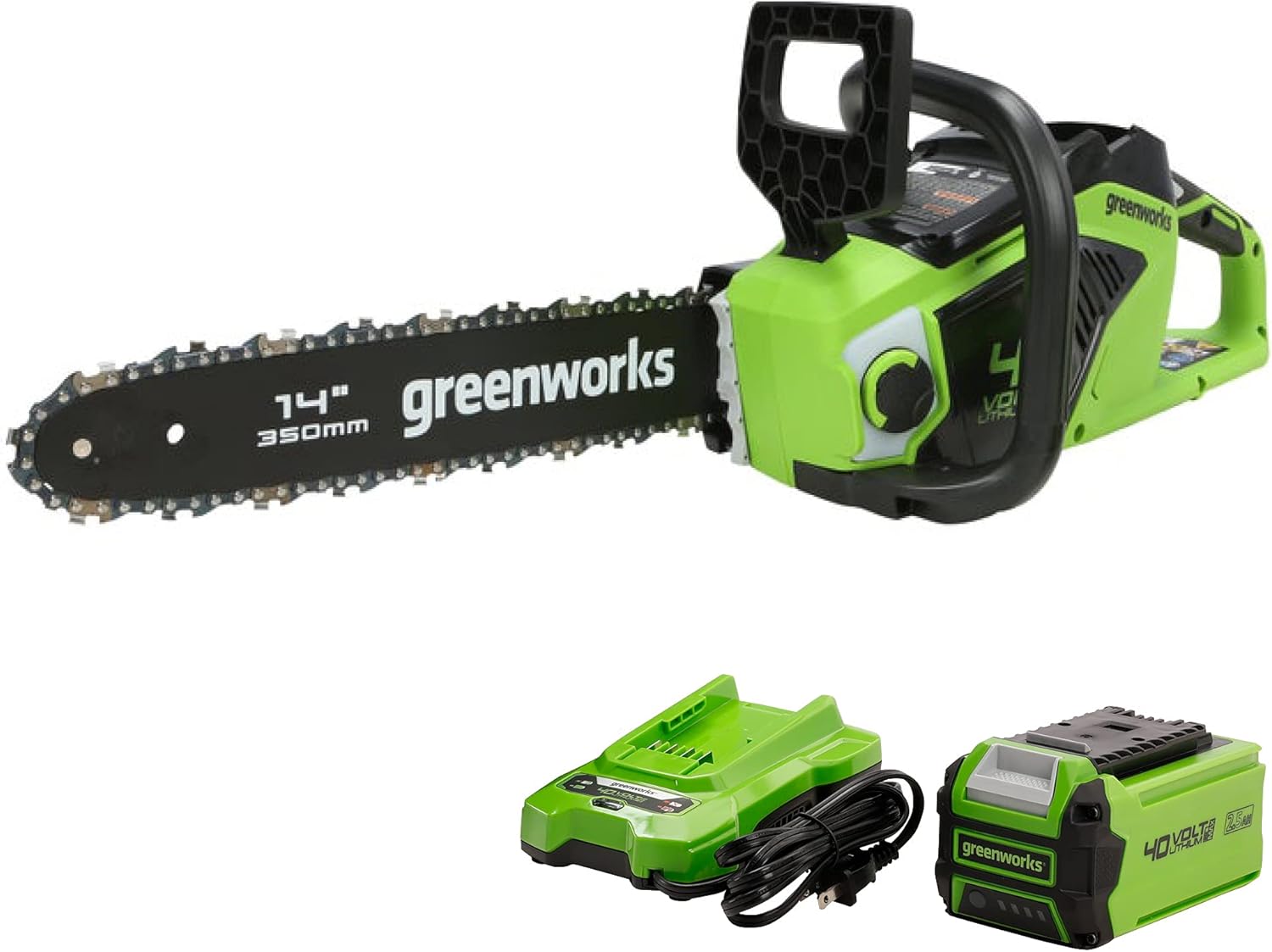
Greenworks 40V 14″ Chainsaw, 2.5Ah USB Battery and Charger Included
Fine Gardening receives a commission for items purchased through links on this site, including Amazon Associates and other affiliate advertising programs.
14” CHAIN AND BAR : great performance for tree cutting and get up to 75 cuts on 4×4 lumber on a single charge. TRUBRUSHLESS MOTOR TECHNOLOGY: 2 x more torque. Provides more power, longer runtimes, quiet operation, and extended motor life. AUTOMATIC OILER: delivers proper chain lubrication and increased productivity. EASY ADJUST TENSIONING: for easy bar and chain maintenance. EASY TO USE : push button start, no gas or fumes, no carburetor, no spark plug, and no starter rope WHAT IS INCLUDED: 40V 14-Inch chainsaw, scabbard, 2.5 Ah batteries, fast charger, operator’s manual.
Johnny’s Selected Seeds Connecta® Cultivation Kit
Fine Gardening receives a commission for items purchased through links on this site, including Amazon Associates and other affiliate advertising programs.
Choose the right tool head for the job and switch out quickly with a simple push-button release. Includes the Connecta receiver, Connecta Collinear 4 head, Connecta Collinear 7 head, Connecta Contour Wire 4 head, Connecta Contour Wire 6 head, a sustainably harvested oiled ashwood handle, and a stainless-steel carrying clip.