


Butterfly bush (Buddleja davidii, Zones 5–9) might seem like an easy choice for a pollinator bed, given the name, but is it the right shrub for your garden? There are a couple of reasons you might want to think twice and consider native butterfly bush alternatives instead.
Too Much of a Good Thing
Originally from Asia, butterfly bush is a prolific bloomer that attracts pollinators like no tomorrow. Unfortunately, it is also a prolific seeder, easily spreading past its intended area and potentially outcompeting other plants. Even after the shrub is removed, its seeds can remain viable in the soil for years until conditions are favorable for germination.
Butterfly bush is listed as an invasive plant by several state and regional invasive-plant organizations across the Southeast. Although some cultivars on the market are advertised as sterile or seedless, their fertility varies, and some can still produce small amounts of viable seed. While low-fertility cultivars can reduce the risk of spreading, butterfly bush also lacks an important benefit of many native plants: It does not serve as a host plant for native butterfly caterpillars.
Try These Native Alternatives to Invasive Butterfly Bush
The good news is that if you’re open to planting butterfly bush alternatives, there are plenty of beautiful flowering shrubs native to the Southeast that have both high visual appeal and benefits for native pollinators, including butterflies. Many also provide food and habitat beyond their flowering season. Here are just a few to get started:
False indigo bush
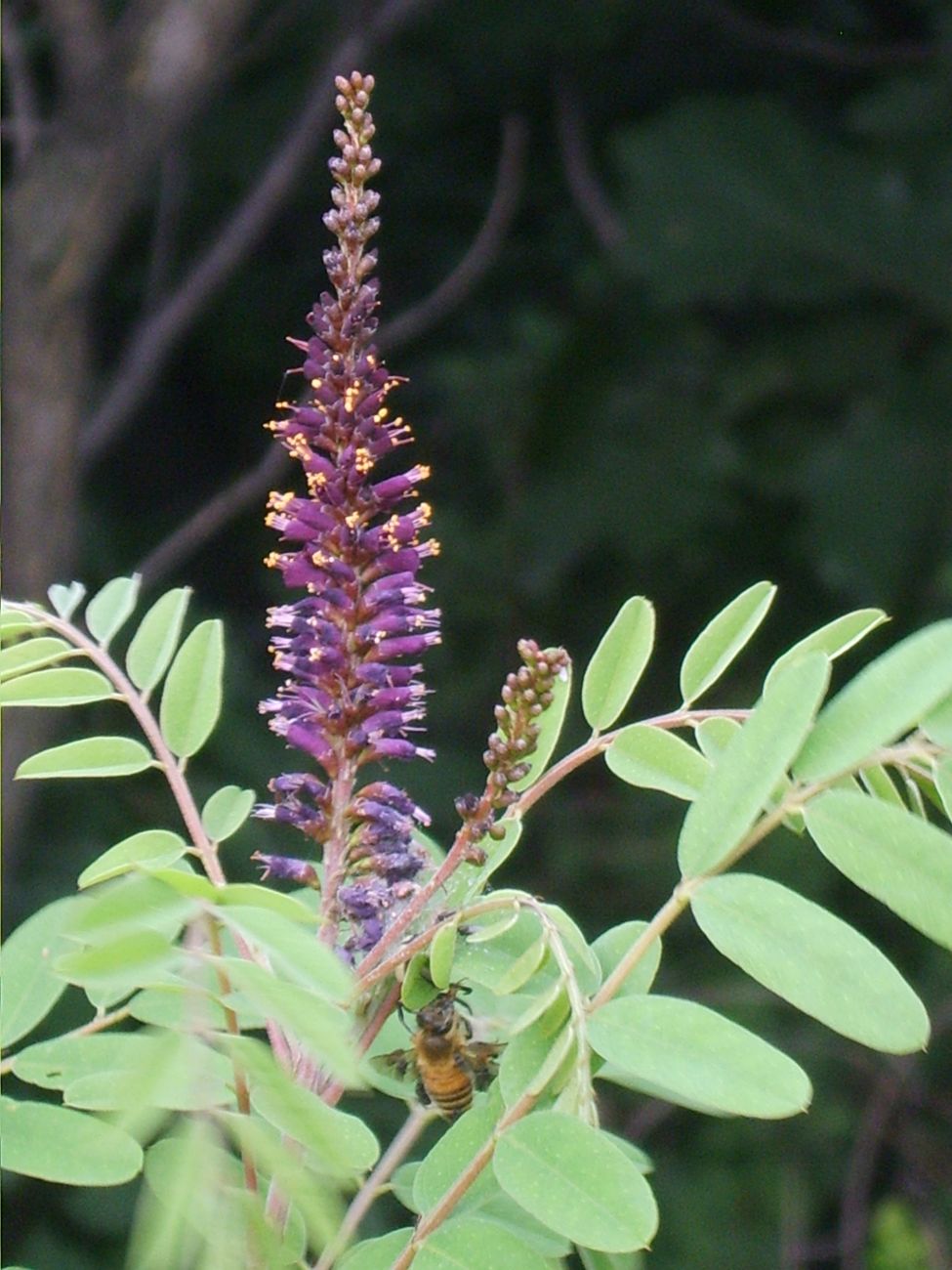
- Name: Amorpha fruticosa
- Zones: 4–9
- Size: 4 to 12 feet tall and 6 to 15 feet wide
- Conditions: Full sun to partial shade; dry to moist, well-drained soil
- Native range: Much of the southern and central United States
Blooming in late spring to early summer, false indigo bush produces distinctive spikes of purple flowers that attract bees, butterflies, and other pollinators. A wonderful nectar source for long-tongued pollinators and a host plant for several butterflies, including the silver-spotted skipper and gray hairstreak, it offers benefits besides its gorgeous blooms. Its tolerance of a range of moisture conditions makes it a versatile option for sunny garden spaces.
Virginia sweetspire
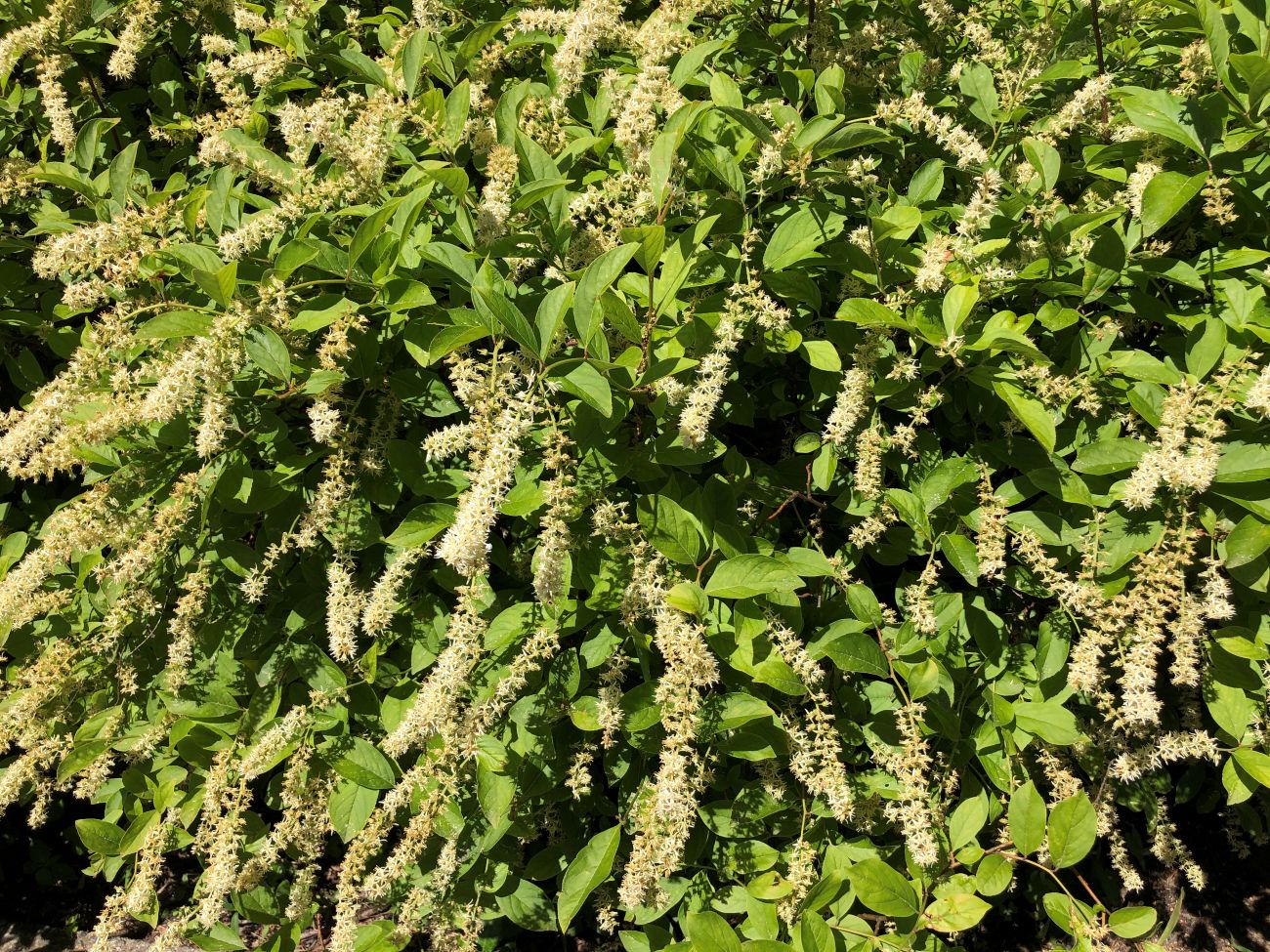
- Name: Itea virginica
- Zones: 5–9
- Size: 6 to 10 feet tall and 4 to 6 feet wide
- Conditions: Full sun to partial shade; average to wet soil
- Native range: Most of the southeastern United States
Virginia sweetspire produces fragrant white flower spikes in late spring, followed by colorful foliage in fall. Its adaptability to moist soils makes it an especially useful shrub for rain gardens and other sites where drainage can be a challenge. A nectar source for many bees and butterflies, it is also reported as a host plant for the American holly azure butterfly in the coastal Southeast.
Summersweet
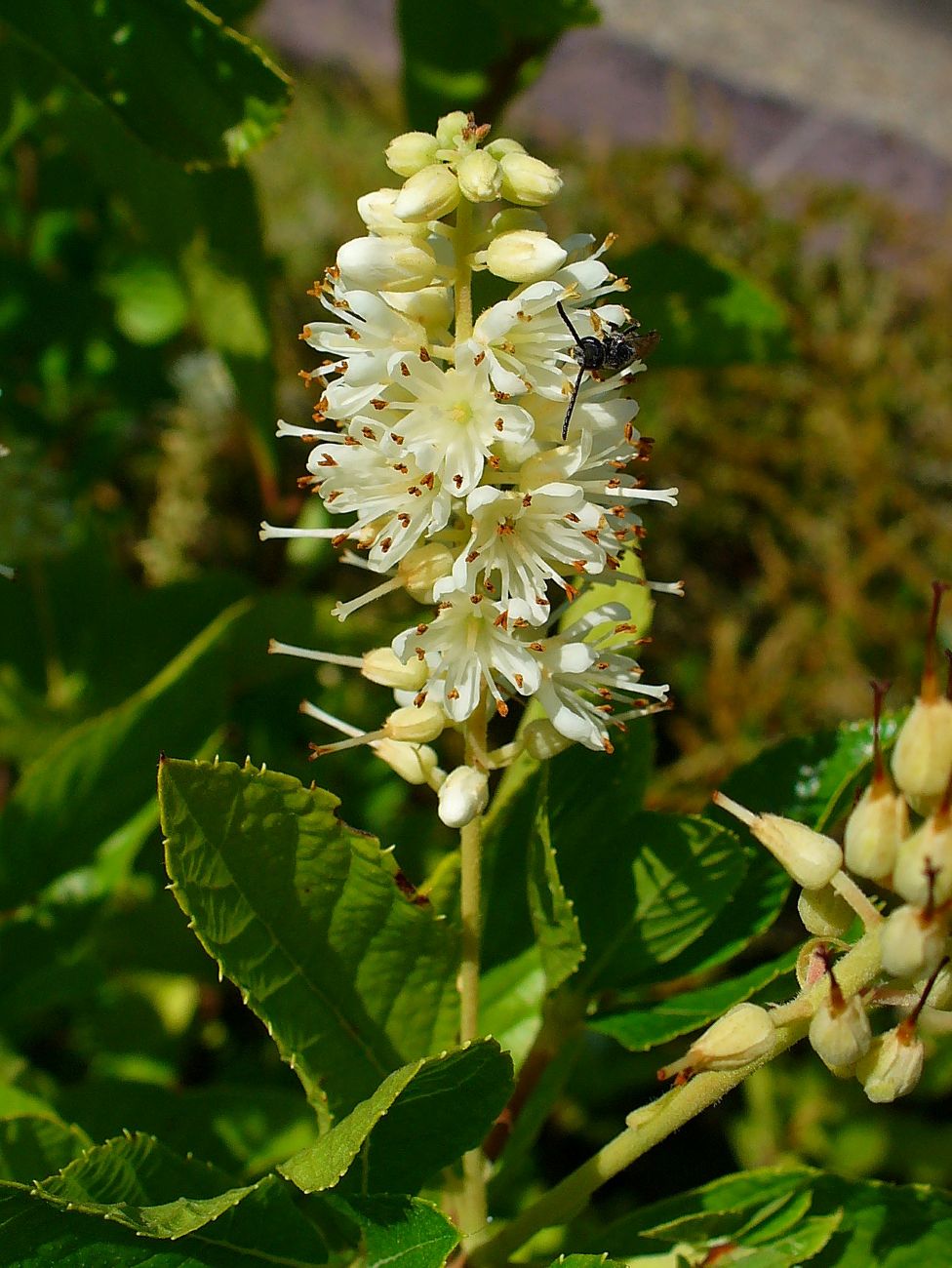
- Name: Clethra alnifolia
- Zones: 3–9
- Size: 5 to 10 feet tall and 4 to 6 feet wide, depending on pruning
- Conditions: Full sun to partial shade; average to wet soil
- Native range: Primarily coastal regions of the eastern and southeastern United States
Its fragrant flowers attract butterflies, hummingbirds, and long-tongued bees. Blooming in late summer, when some other shrubs have finished flowering, summersweet offers an additional nectar source later in the growing season. Summersweet is also worth thinking about for gardens with consistently moist soil. Although it tolerates full sun, it generally needs more moisture in sunnier locations.
Pinxterbloom azalea
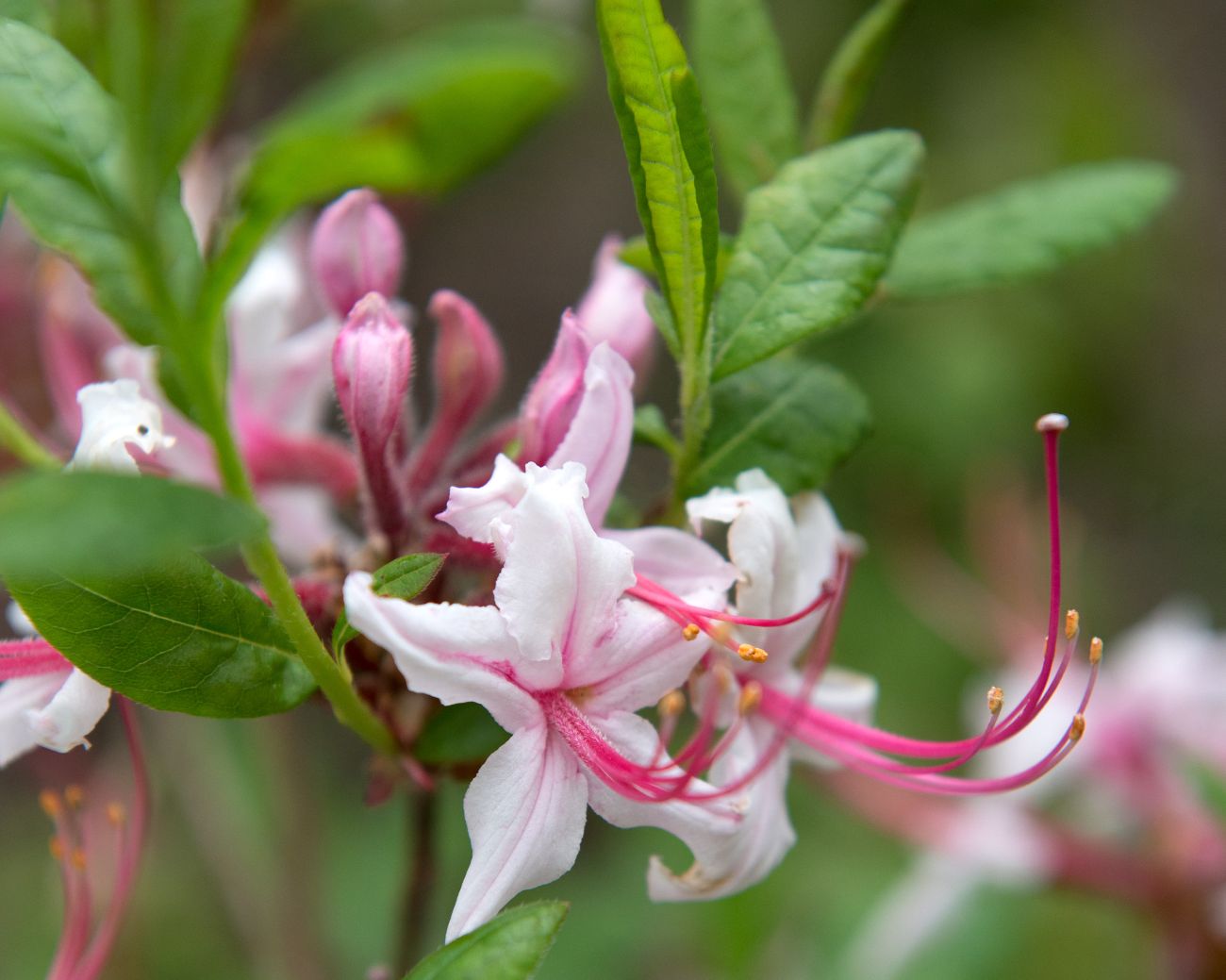
- Name: Rhododendron periclymenoides
- Zones: 4–9
- Size: 4 to 6 feet tall and 4 to 7 feet wide
- Conditions: Dappled shade; moist, well-drained, acidic soil
- Native range: Parts of the Mid-Atlantic and Southeast
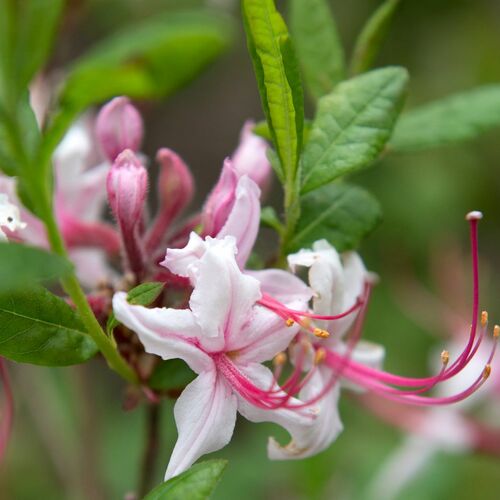
This deciduous native azalea brings soft pink to white flowers to woodland gardens in mid-spring, often before its foliage has fully emerged. An excellent nectar source for many pollinators, including hummingbirds and butterflies, pinxterbloom azalea is particularly well suited to partially shaded garden beds with acidic soil.
Spicebush
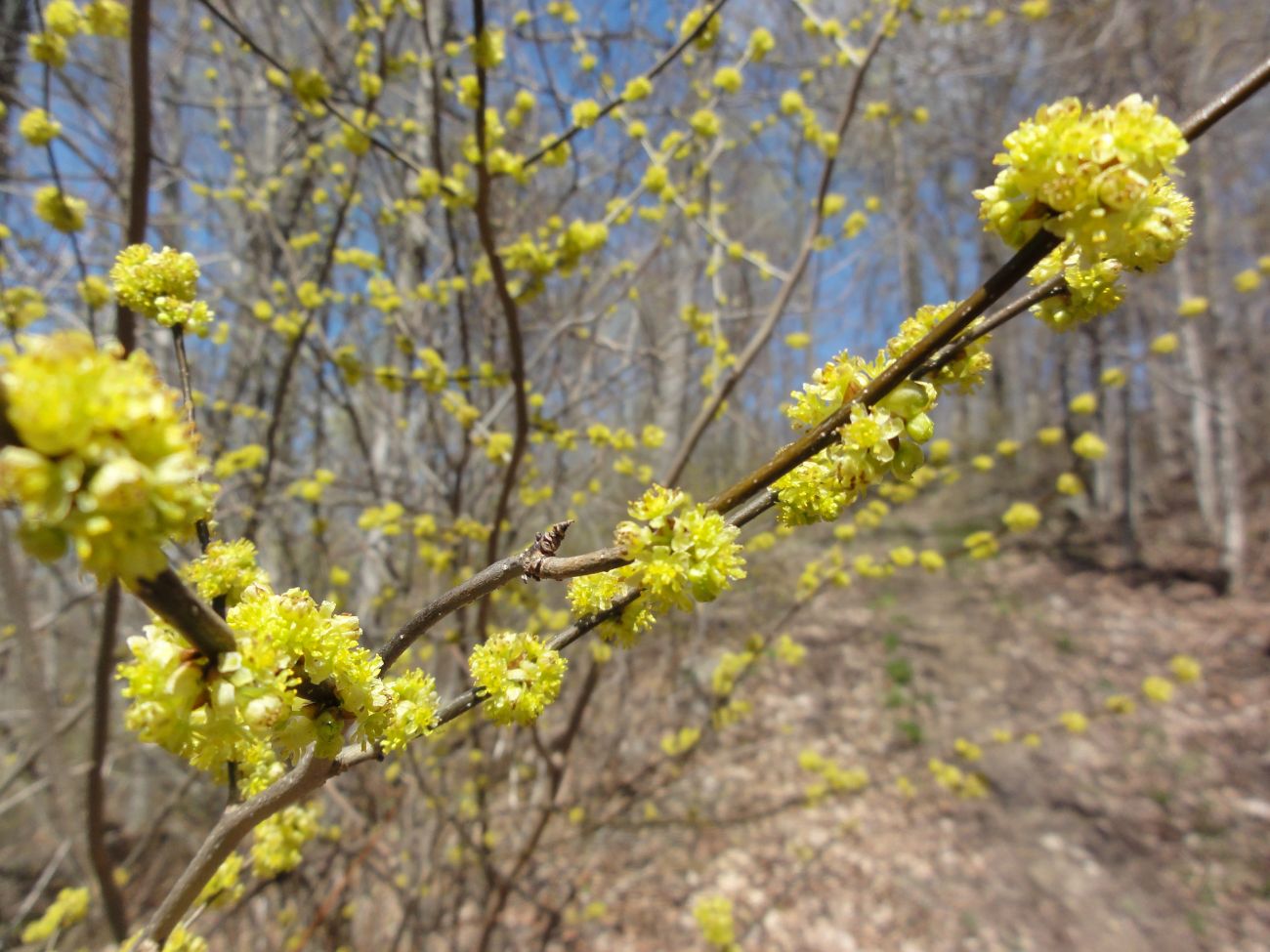
- Name: Lindera benzoin
- Zones: 4–9
- Size: 6 to 12 feet tall and wide
- Conditions: Partial shade; moist, well-drained soil
- Native range: Eastern North America
Spicebush blooms in early spring, producing small yellow flowers before its leaves emerge. Its early flowers also provide nectar for pollinators, while the bright red fall fruits on female plants, when a male plant is nearby for pollination, offer food for birds. A host plant for the spicebush swallowtail, this native shrub also brings pretty yellow foliage to the fall landscape.
Flame azalea
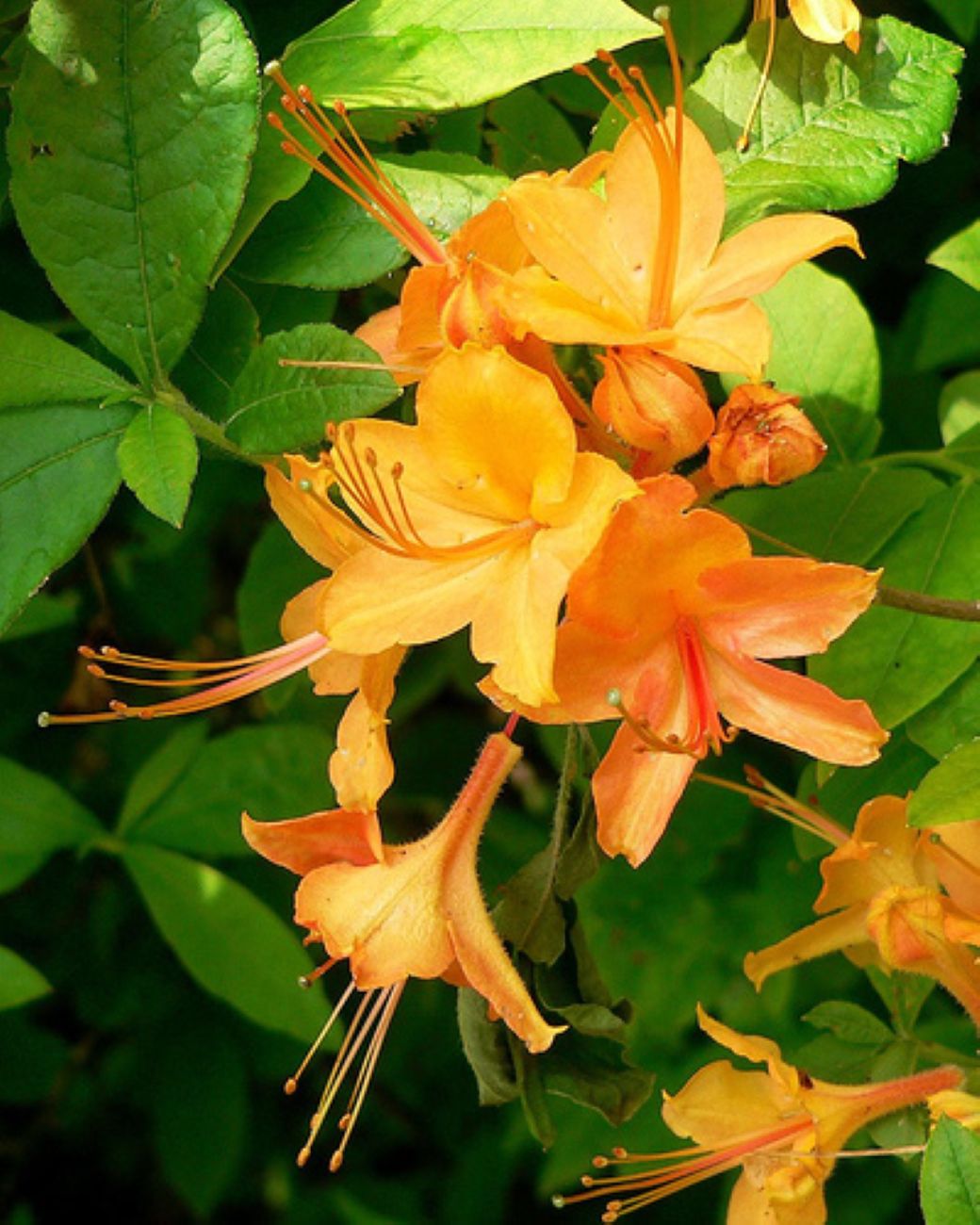
- Name: Rhododendron calendulaceum
- Zones: 5–7
- Size: 4 to 8 feet tall and 8 to 10 feet wide
- Conditions: Dappled to partial shade, needs protection from afternoon sun; moist, well-drained, acidic soil
- Native range: Appalachian Mountains in the eastern United States
Flame azalea earns its name from its showy flowers, which bloom in shades of yellow, orange, and red from late spring to early summer. A terrific general nectar source for many pollinators, particularly butterflies, this deciduous shrub adds striking seasonal color to woodland gardens and other partially shaded spaces.
What If I Just Want to Attract More Butterflies?
If you’re only interested in the “butterfly” aspect of butterfly bush and not the “bush” aspect, choosing a great plant becomes even easier. There is an entire world of pollinator plants to explore, from host plants for the Southeast to nectar-rich native perennials and annuals. By incorporating both nectar plants for adults and host plants for caterpillars, you can create a garden that supports butterflies throughout their life cycle.
For more ideas on creating a garden that welcomes butterflies and other beneficial insects, explore these articles:
Discuss this article or ask gardening questions with a regional gardening expert on the Gardening Answers forum.
And for more Southeast regional reports, click here.
Cheyenne Wine is a writer and gardener with experience in the plant nursery industry. She currently helps promote conservation efforts through the Virginia Department of Conservation and Recreation.
Fine Gardening Recommended Products
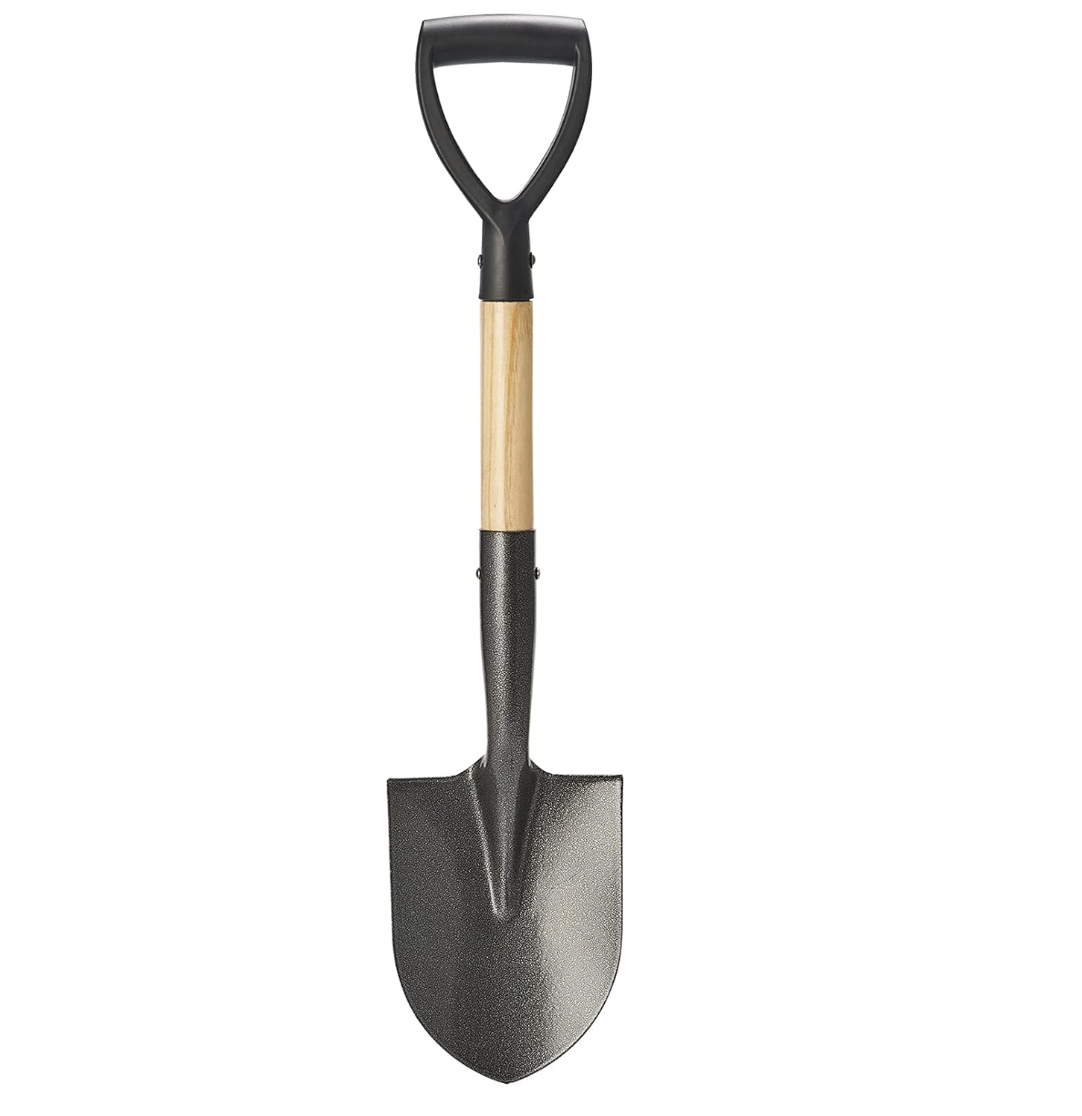
Corona® Multi-Purpose Metal Mini Garden Shovel
Fine Gardening receives a commission for items purchased through links on this site, including Amazon Associates and other affiliate advertising programs.
Longer Service Life: The blade of this round small shovel is made of carbon steel, which can effectively improve the hardness by high temperature quenching, and the surface has anti-rust coating to avoid rusting. In the process of use when encountering hard objects will not bend and deformation.
Sturdy Structure: The small garden shovel with D-handle, ergonomically designed grip can increase the grip of the hand when using, the handle is made of strong fiberglass, will not bend and break under heavy pressure. Quick Digging: Well-made digging shovel has a sharp blade, and the round shovel head is designed to easily penetrate the soil and cut quickly while digging to enhance your work efficiency.
XLUX Soil Moisture Meter
Fine Gardening receives a commission for items purchased through links on this site, including Amazon Associates and other affiliate advertising programs.
– Large and clear dial, including ten scales, plug and read
– Simply insert the moisture meter into soil and you’ll get the test result instantly
– Single probe, less hurts to the roots, doesn’t dig up too much soil after test