





Growing hedges is a timeless way to add structure to your landscape
Hedges have been used for centuries to define space, create separation, and add privacy in landscapes. In contemporary gardens, which often blend formality with natural abundance, hedges offer a sense of permanence. Taller boundaries that divide outdoor rooms bring flow and mystery into the design equation, drawing visitors from space to space in anticipation.
Clipped, linear forms lend a soothing sense of formality to a design. The hedges seen above serve as counterpoints that contain what might otherwise feel like chaotic exuberance. They help the eye make sense of this space and are a visual reminder that this is a carefully curated scene.
Growing a hedge of any size will provide year-round interest and shelter for native fauna, particularly birds. With all of these benefits in mind, let’s get down to the nuts and bolts of preparation, installation, and care.
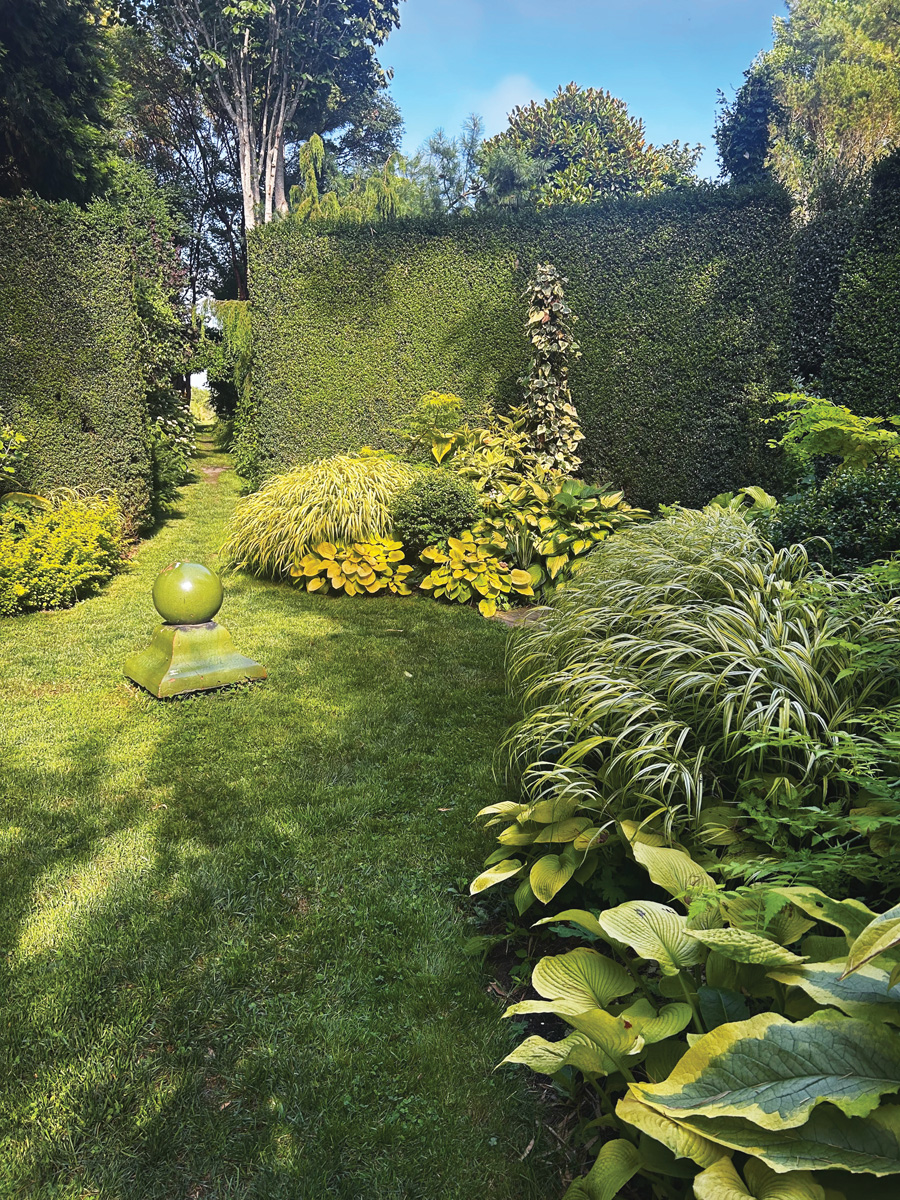
Give your hedge the best possible start with careful planning, site preparation, and planting
As you consider adding a new hedge, ask yourself what you want it to do. Will its primary function be to provide screening? Will it guide foot traffic through a space? Will it be clipped tightly, or will it have a natural, informal look? Will it be a mixed-species hedge, or will you be working with just one selection?
Choose the right plant to grow for your hedge
Choosing the best plants for your living boundary means finding the right match for your site and climate. If light or soil conditions vary across the length of the hedge, seek out adaptable species that will tolerate the full range of conditions reasonably well. Once you’ve decided on the plant material you’ll use, remove sod or other vegetation and prepare the planting bed as you would do for any other new garden.
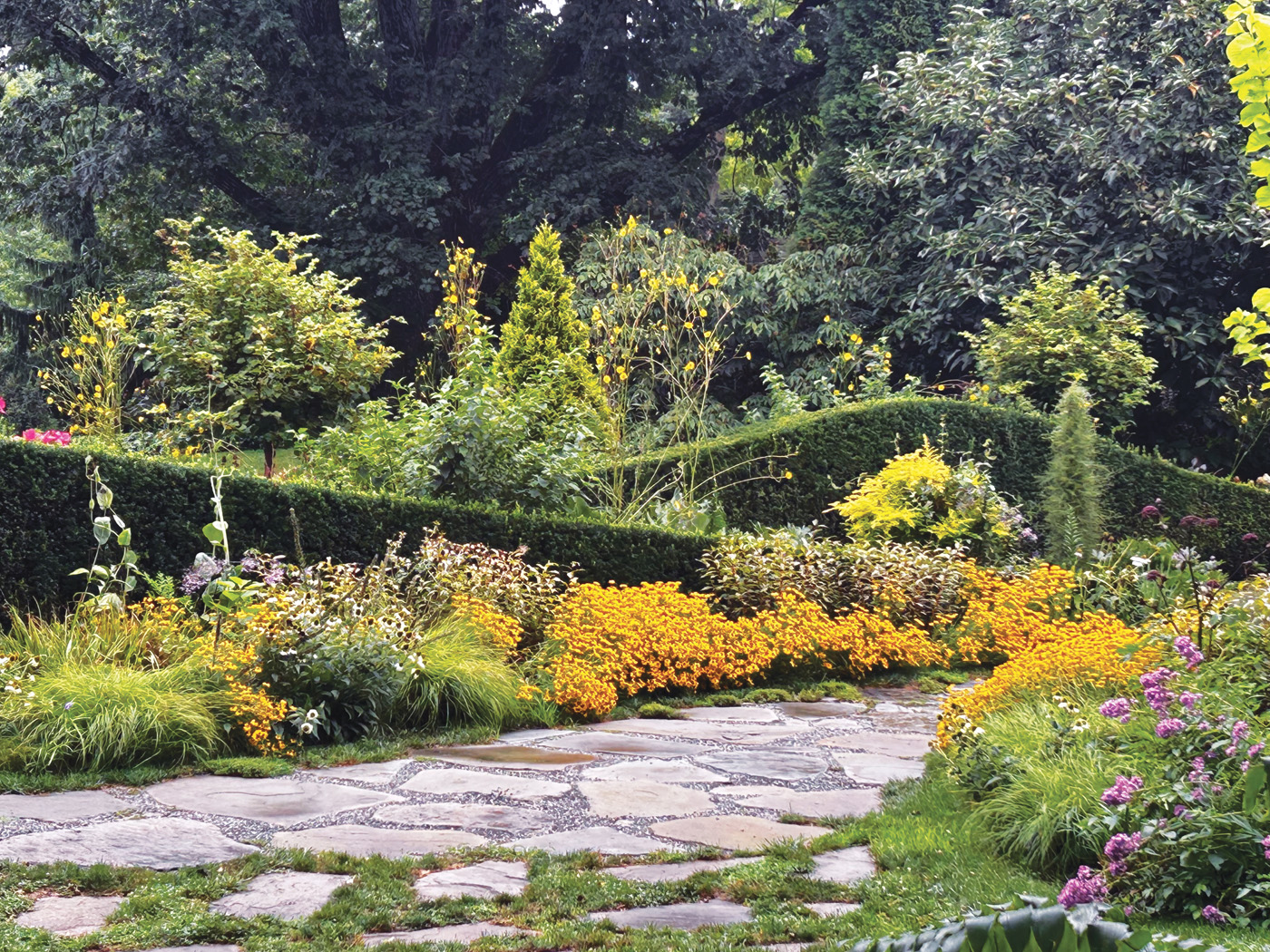
Determine how many plants you need to grow a hedge
Calculate the number of plants needed to build your hedge, factoring in the ultimate size of the cultivar you are using. Large and fast-growing plants can be spaced farther apart and allowed to fill in, while varieties that take several years to reach full size will need closer spacing. Screens and formal hedges are typically spaced more closely to fill in densely, whereas natural or loose hedges may have wider spacing.
A good rule of thumb is that the spacing between plants is often about two-thirds of the intended height of the hedge. Using this guidance, a hedge that will be 6 feet tall will have plants spaced about 4 feet apart, and in a 12-foot-tall hedge, the plants will be spaced about 8 feet apart. Measure the length of your run, and divide that number by the spacing you’ve chosen. Round up to make sure you don’t fall short.
Follow the normal planting recommendations for your chosen trees or shrubs, keeping the spot where the trunk flares out into the root system at or slightly above the surrounding grade. If you are planting a long hedge, particularly with heavier balled and burlapped (B&B) material, it may be most efficient to excavate a planting trench with power equipment. Be sure to alleviate compaction caused by the equipment to the sides and bottom of the trench. Try not to excavate too deeply, and firmly tamp any backfill used to adjust planting depth. Completely remove metal baskets and burlap, since leaving these materials in place impedes healthy root growth.
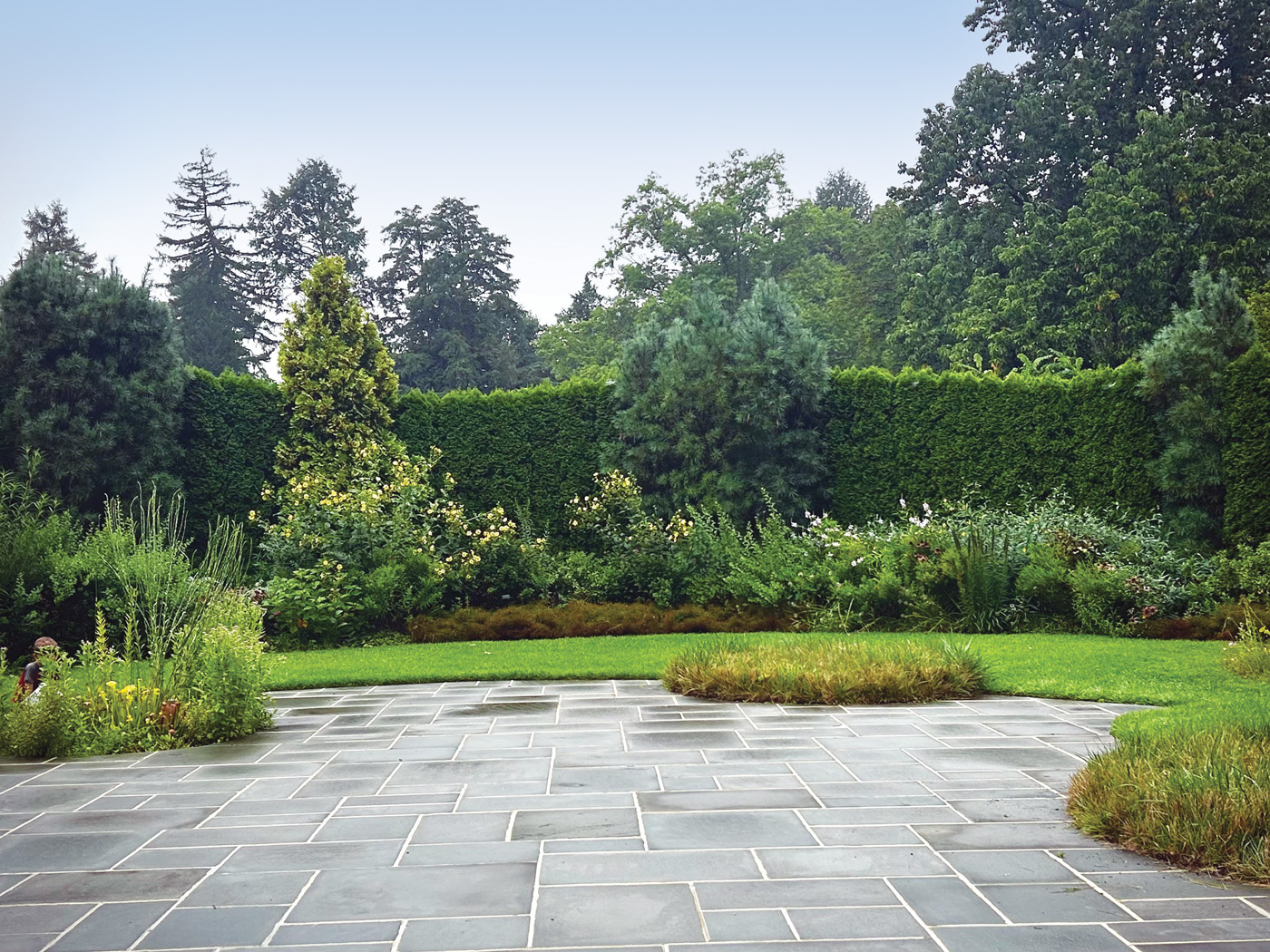
If you are purchasing bare root plants, it is important to get them into the ground and watered as quickly as possible. Most bare root material is delivered and planted in early spring, before the plants break dormancy. Staking is important to keep them upright until new roots develop enough to stabilize the plant.
Immediately after planting, drench the soil thoroughly to eliminate air pockets and improve soil contact with roots. Top the soil with a 2-inch layer of shredded leaf mulch or finely ground bark mulch to conserve soil moisture, moderate soil temperature, reduce weeds, and gradually add organic matter in the root zone.
Keep new plants watered to help them get established
Keeping new transplants watered will be critically important during the first one to five years, depending on the size and type of plants you are using. Generally, the larger the plant is, the longer the establishment period will be. Consider adding a soaker hose or drip irrigation during planting to help ensure success. Depending on how much rain Mother Nature provides, water once a week for the first growing season, making sure to continue watering up until the ground freezes in late fall or early winter. If you choose species that are well adapted to your site condition, the plants will only need irrigation in times of deep drought once established.
Learn More: Planting Trees & Shrubs the Right Way
Proper shaping ensures long-term success when growing hedges
It is important to batter, or taper, the sides of a hedge, making it slightly narrower at the top and wider at the base. This increases the amount of sunlight that reaches the bottom portion of the hedge, which could otherwise grow thin and defoliate in the shade of the upper branches.
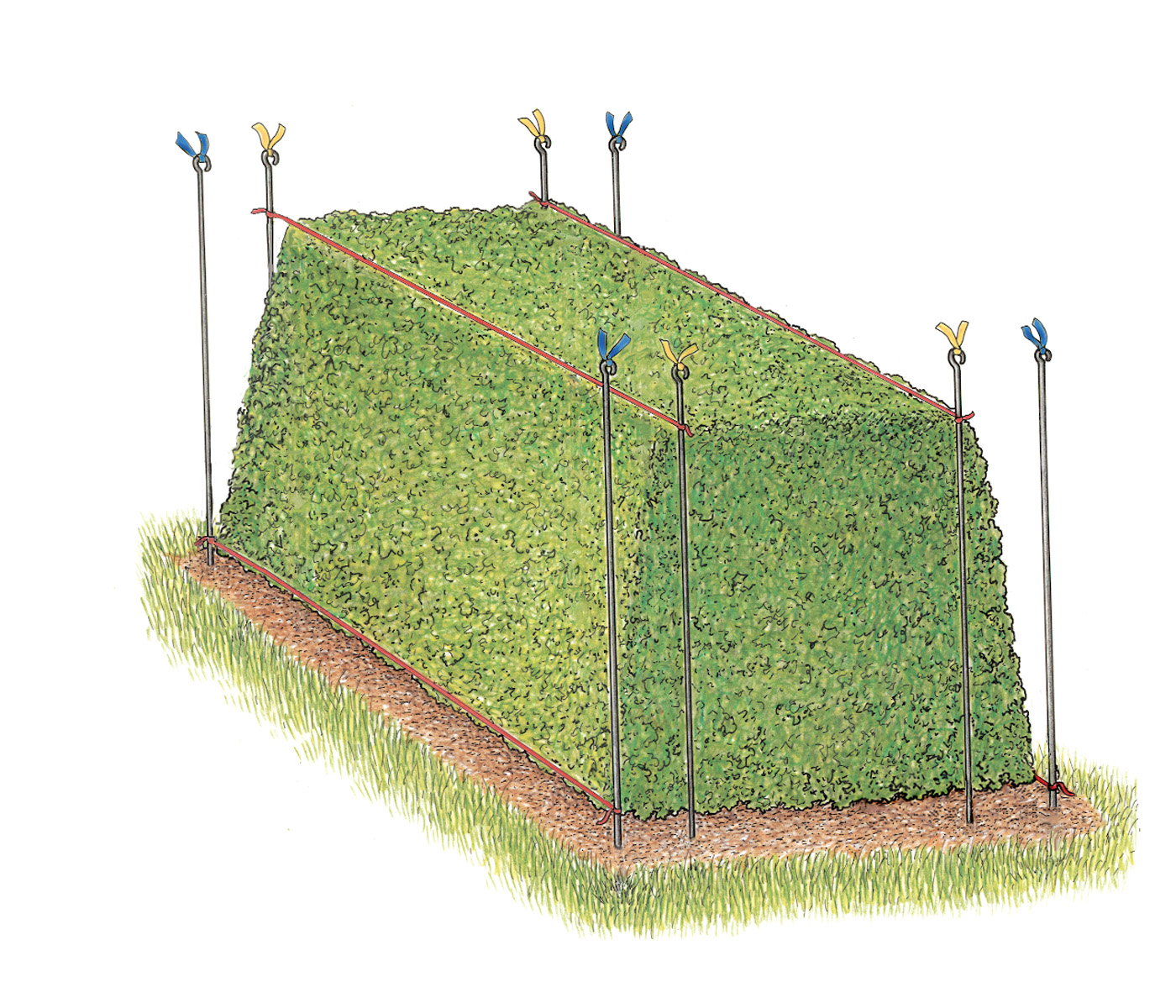
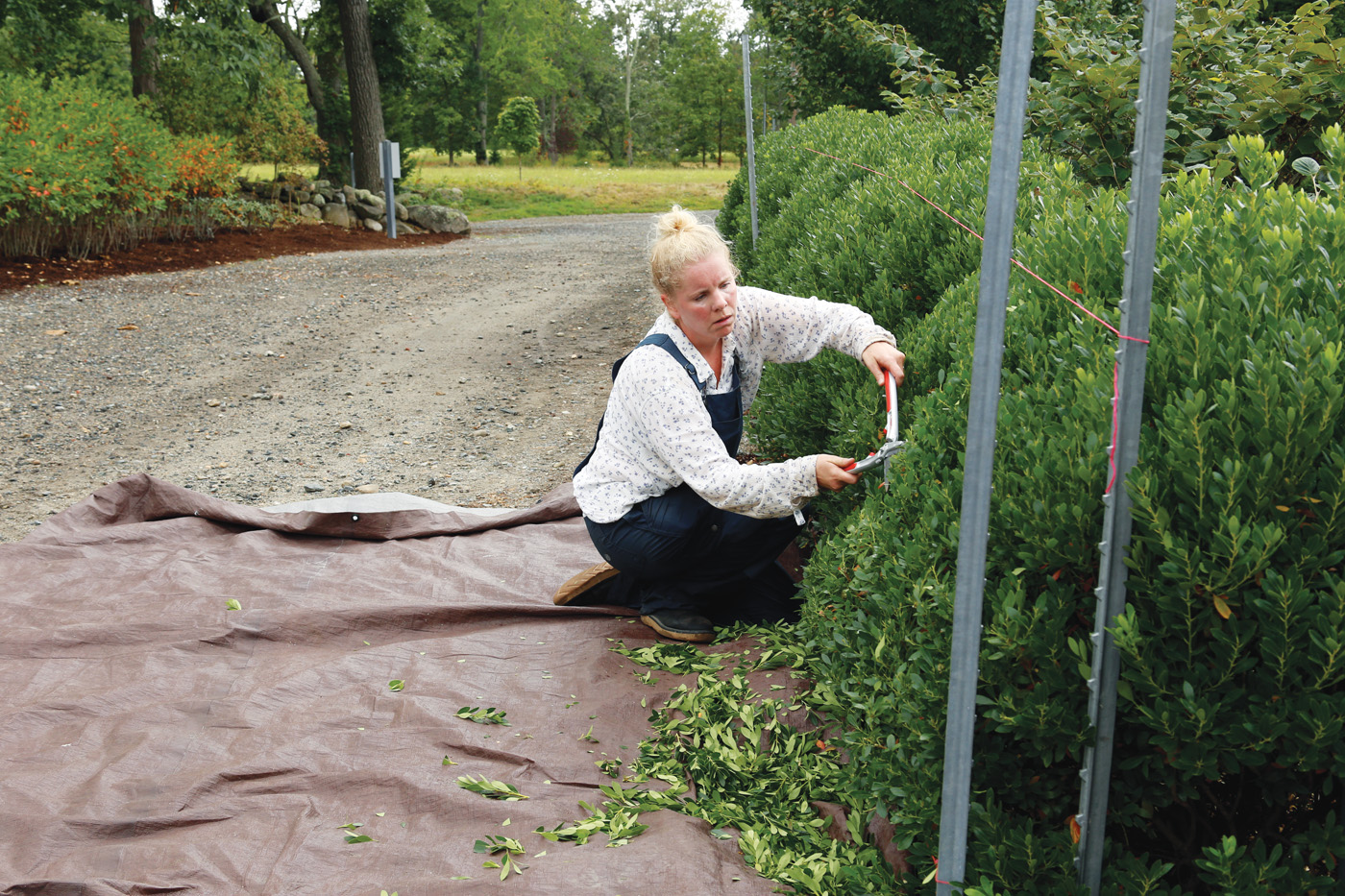
To batter your hedge like a pro, set up some stakes, strings, and line levels to help you achieve crisp lines and a smooth taper (illustration above). Place four stakes at each end of a straight run. The two inner stakes will mark the narrower width at the top of the hedge, and the two outer stakes will mark the width at the base.
Run a string between each pair of inner stakes, placing it at the desired height of the hedge. Use a line level to make sure the top of the hedge is truly level; measuring the height from the ground to the top of each plant will yield an uneven line if the ground is not flat. Run two more strings between the stakes that mark the bottom outer corners. If you’re pruning a very long hedge, you can add intermediate stakes to break up the long run, double-checking the top string to ensure that it is level between stakes.
Trim the sides and top of the hedge carefully using either a power tool or hedge shears, stepping back periodically to assess your progress. Prune in light layers, gently rather than aggressively. You can always prune a little more, but there’s no way to put back what you have cut off.
If you are pruning a more informal hedge, or if you intend to rejuvenate or reduce the hedge in the near future, it is a good practice to strategically make a few deeper cuts to permit more light into the center of the plants and stimulate interior growth.
Learn More: How to Trim a Formal Hedge
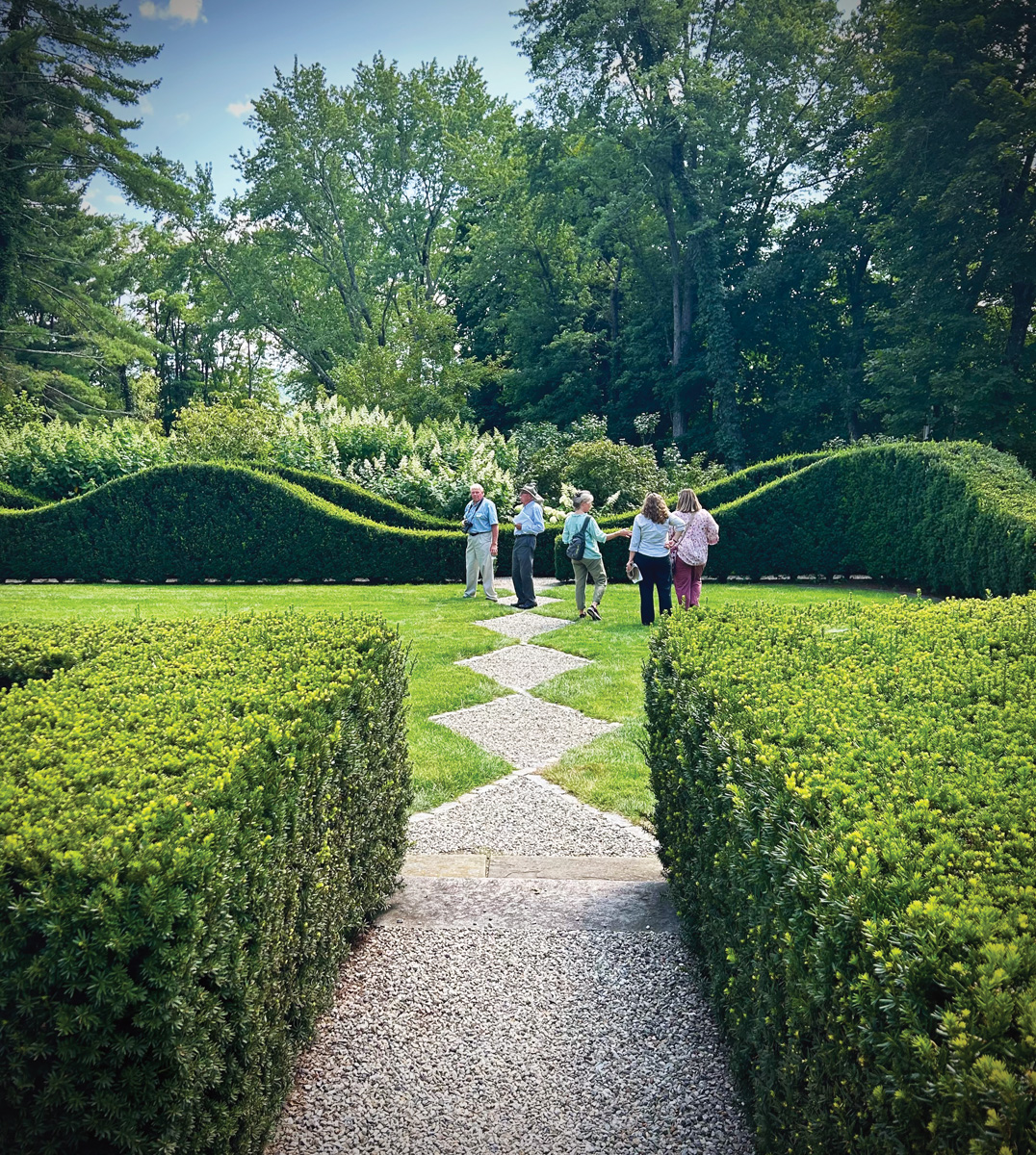
Regular maintenance will keep hedges healthy and tidy for years to come
How and when you prune your hedge will depend on the look you are trying to achieve and which plants you have chosen. Many hedges are trimmed in summer as the first flush of growth hardens off. Here in the Northeast, that’s usually in late June or early July. A second round of trimming often follows in late July or early August. Formal clipped hedges may require light shearing throughout the growing season, while informal hedges may require only a little annual shaping.
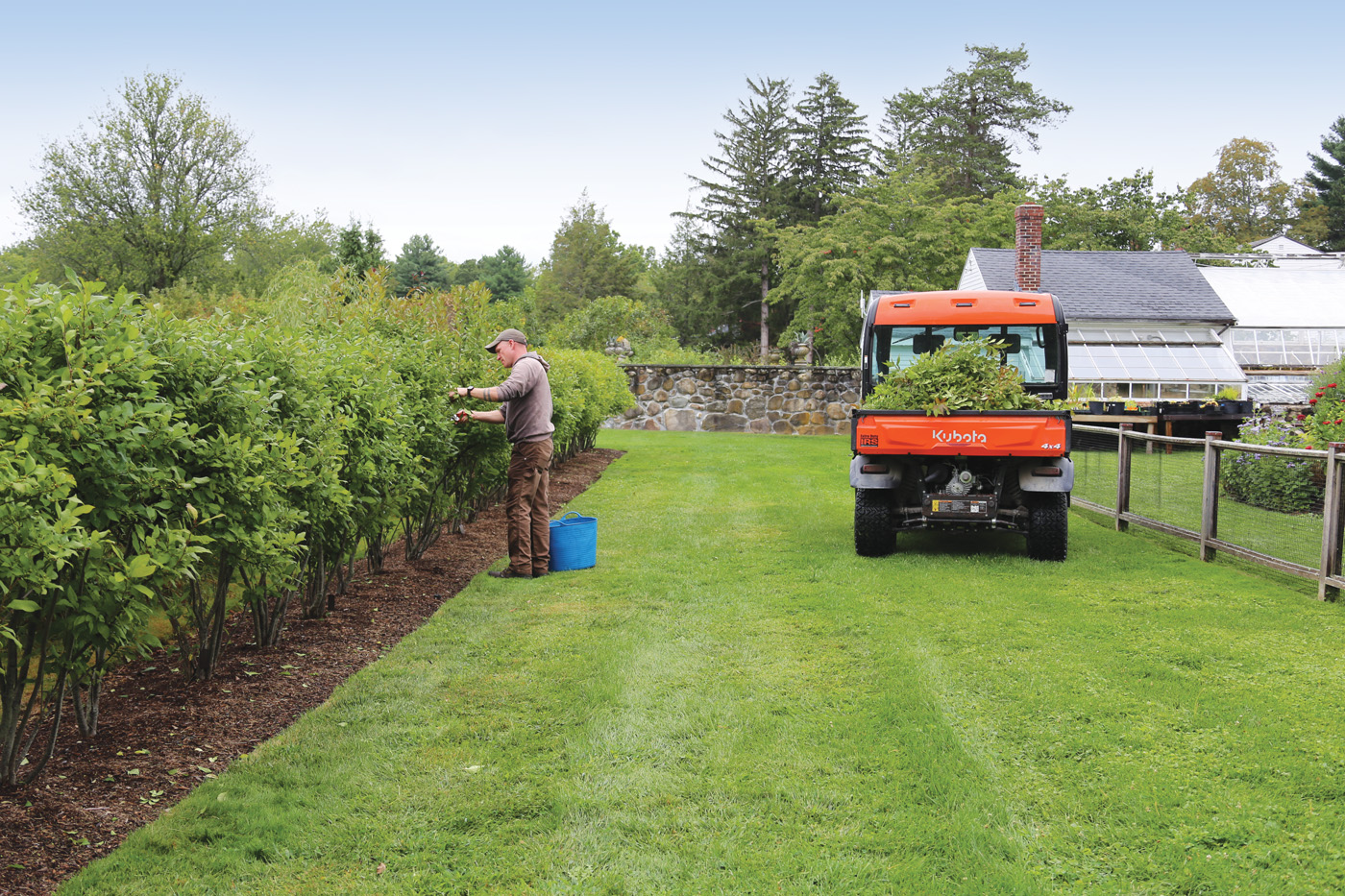
Helpful guidelines for growing hedges and keeping them maintained:
- Remove broken, dead, or diseased branches as soon as possible. This helps to keep your plants healthy. Sterilize tools after cutting diseased material.
- Maintain an existing shape with light pruning early in the growing season. Traditional hedging plants respond well to a trim in late spring as new growth begins to elongate, followed by another session in midsummer after the surge of early summer growth has tapered off.
- Limit the number of living branches cut late in the season. Heavy pruning in late summer or early fall can stimulate new growth that might not harden off before winter.
- Avoid cutting into old wood unless you are rejuvenating an overgrown shrub. There are a few species that will sprout new growth from old wood, but woody plants, including most conifers, generally will not.
- Rejuvenate or coppice deciduous hedges ahead of budbreak. Making big cuts in late winter or early spring while the plant is still dormant will cause less stress to the plant.
- Hand prune to encourage interior growth before or after new growth emerges. Selectively removing modestly sized branches rather than shearing tips will allow light penetration and promote new growth in the center of a hedge.Removing one-third of the new branch tips of pines (Pinus spp. and cvs., Zones 2–9), known as “candling,” can be done in late spring to early summer to promote denser growth.
- Prune flowering woody plants based on bloom time. Summer-flowering shrubs should be pruned in early spring, and spring-flowering species are best pruned just after they finish flowering.
- Keep large, fast-growing trees in bounds with a steady pruning routine. Once lower branches are lost they will not regrow, so it is important to batter the plants carefully when young. Longer hedges might need to be tackled over longer timelines, with a section pruned each year, for example. This works best with informal hedges or sections that are neatly divided by a corner, path, or structure.
Whether your goal is to make a quick privacy screen, define the boundaries of a space, or create dramatic and artistic forms, hedges offer endless possibilities. Understanding plant characteristics and growth, pruning requirements, and site conditions will get you off to a healthy start. Combine these with a dose of patience and creativity, and soon you’ll be enclosed with a vibrant living canvas.
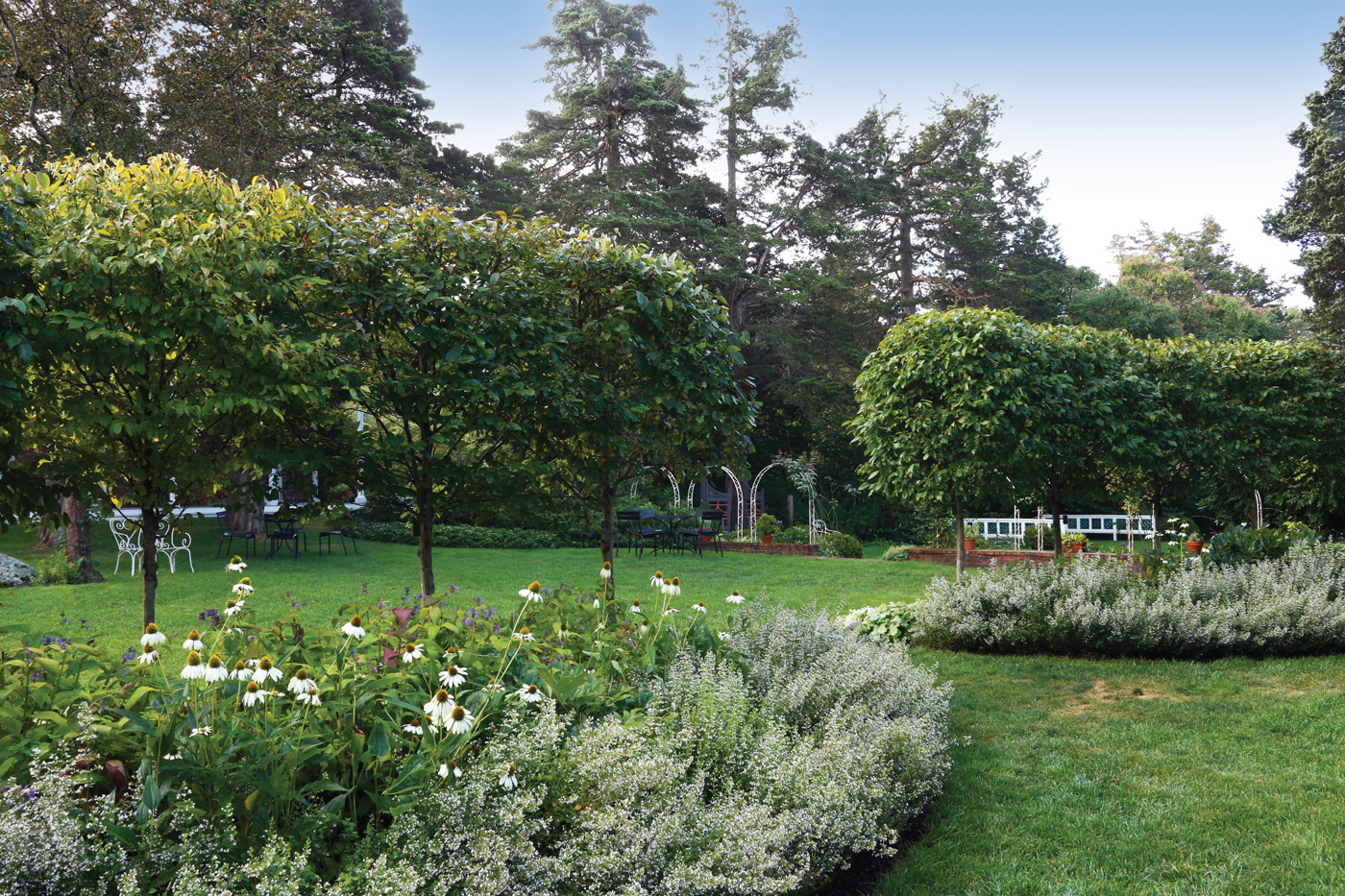
Joann Vieira is the director of public gardens and horticulture at The Trustees of Reservations in Massachusetts.
Watch Our Podcast: Let’s Argue About Plants
Fine Gardening Recommended Products
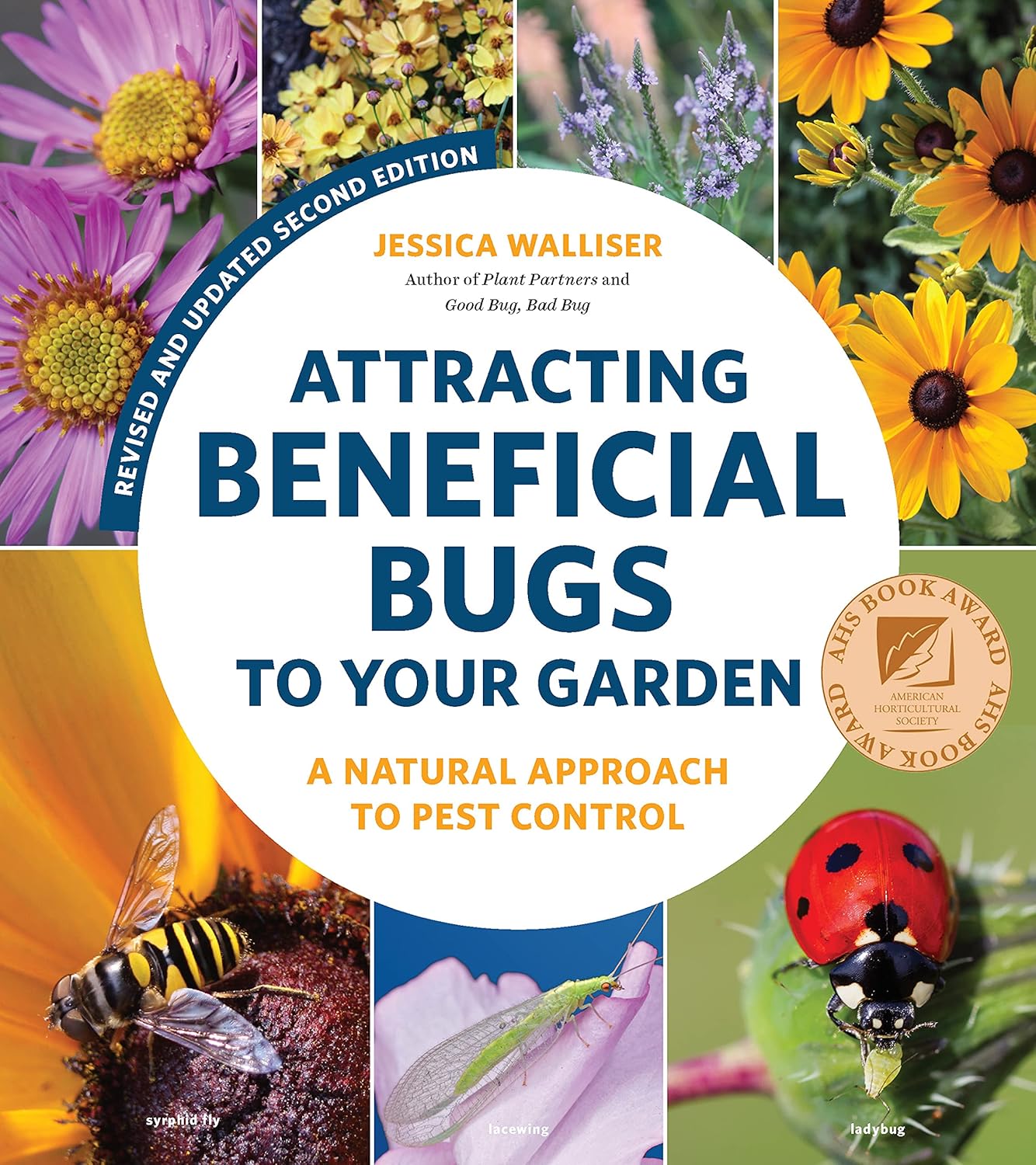
Attracting Beneficial Bugs to Your Garden, Revised and Updated Second Edition: A Natural Approach to Pest Control
Fine Gardening receives a commission for items purchased through links on this site, including Amazon Associates and other affiliate advertising programs.
This revised and updated edition of Jessica Walliser’s award-winning Attracting Beneficial Bugs to Your Garden offers a valuable and science-backed plan for bringing balance back to the garden. With this indispensable gardening reference—now updated with new research, insights, and voices—learn how to create a healthy, balanced, and diverse garden capable of supporting a hard-working crew of beneficial pest-eating insects and eliminate the need for synthetic chemical pesticides.
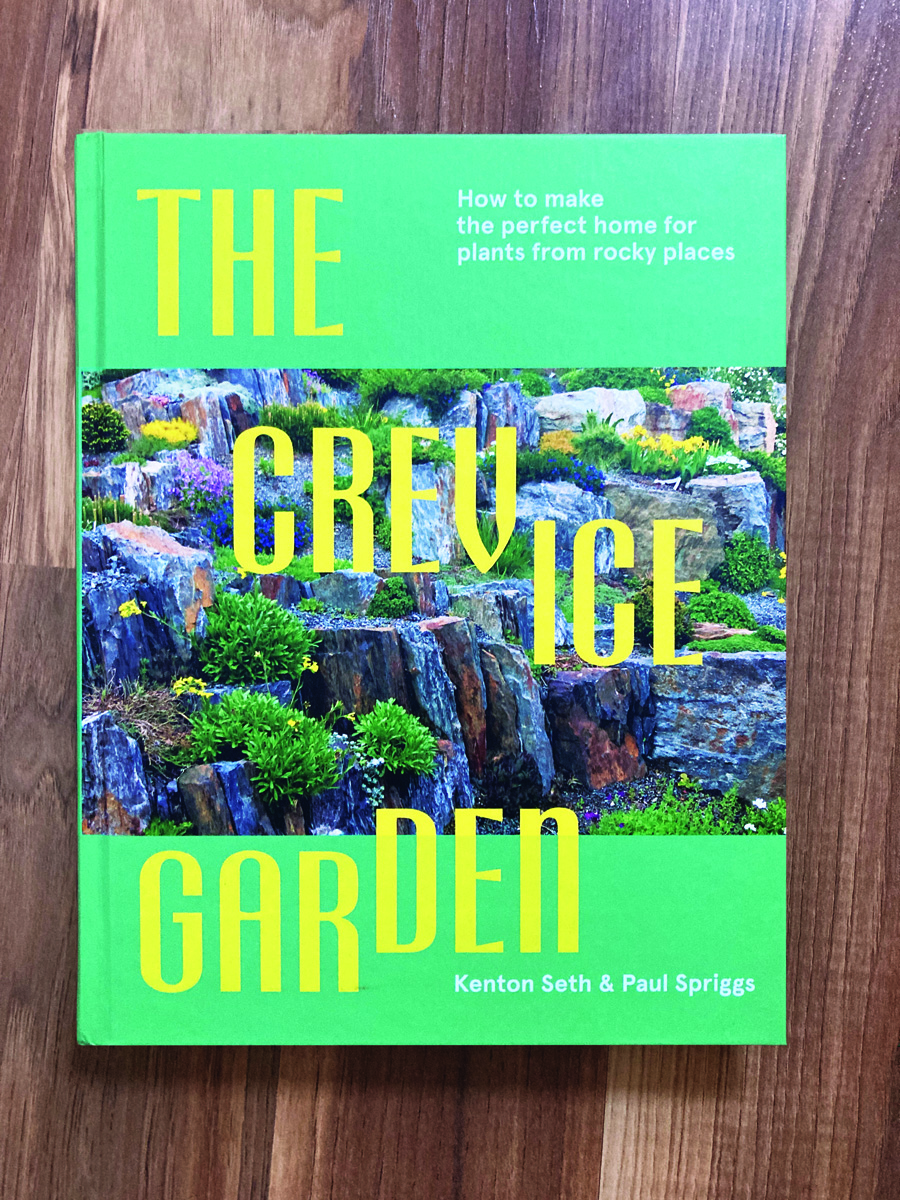
The Crevice Garden: How to make the perfect home for plants from rocky places
Fine Gardening receives a commission for items purchased through links on this site, including Amazon Associates and other affiliate advertising programs.
A crevice garden replicates the environmental conditions of mountain tops, deserts, coastlines, and other exposed or rocky places on earth. These striking garden features provide perfect conditions for the plants native to these far-off places, bringing the cultivation of these precious gems within everybody’s reach.