


Best New Plants to Look for in 2026!
We all love the thrill of discovery when we find a new plant that improves upon a favorite one. This year, many of our featured introductions take the best qualities of much-loved classics and upgrade them with new colors, improved disease resistance, and plenty of other fun and functional features.
Here you’ll find the best new plants for 2026 including problem-solving perennials, shrubs that endure tough growing conditions with style, and some tender plants and veggies that will truly earn their keep. For us, the only difficult part is figuring out what plant we’d like to try first. Which ones will stand out for you?
Best New Plants for 2026: Perennials
Editor’s Top Pick: Count on this statuesque beauty for spring pollinator appeal
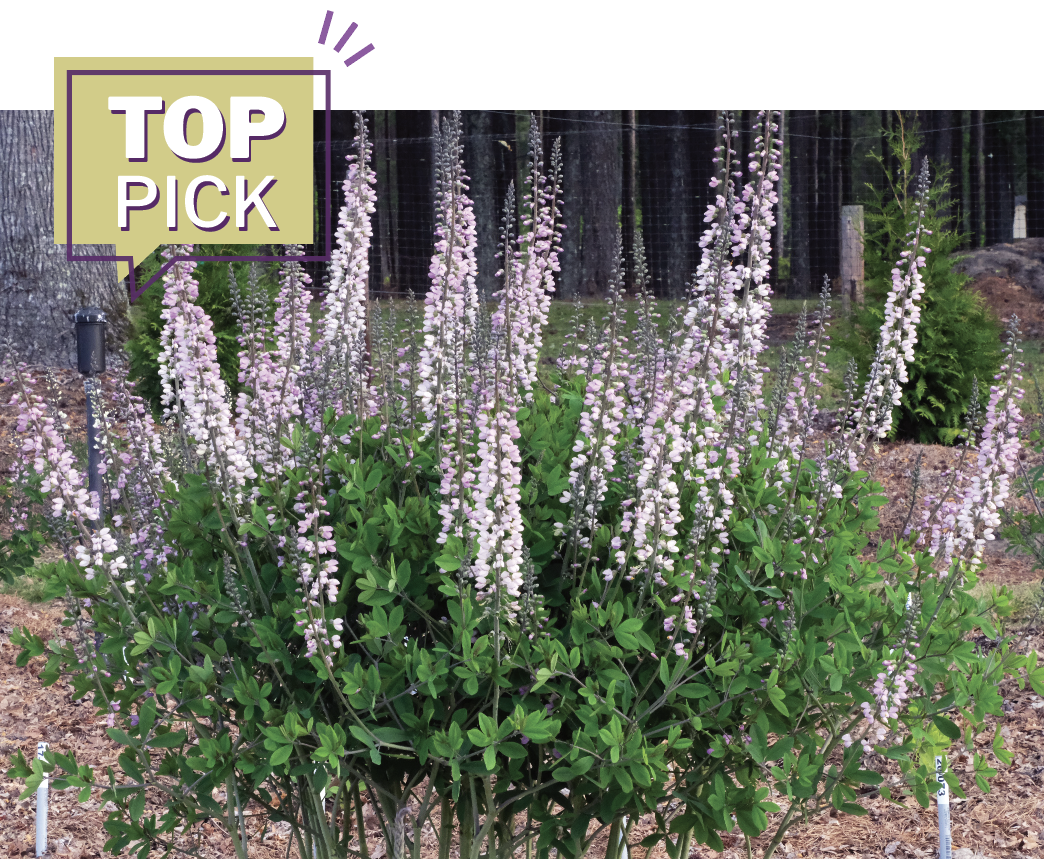
‘Lavender Towers’ baptisia
(Baptisia ‘Lavender Towers’)
- Zones: 4–9
- Size: 65 inches tall and 48 inches wide
- Conditions: Full sun; dry to moderately moist, well-drained soil
- Native range: Hybrid of North American species
- Introduced by: Plant Delights Nursery
‘Lavender Towers’ is the result of a 2010 hybridization project by Plant Delights Nursery and Juniper Level Botanic Garden involving Baptisia alba, B. australis, B. albescens, and B. tinctoria. Very cold hardy and drought tolerant once established, it is quick to emerge early in the season, sending up enormous spires of glowing pastel blooms that open in mid-spring (around April 15 at JLBG). For the rest of the season, the attractive, shrub-like greenery will hold its own as a supporting actor on the summer and fall stage. Tony Avent gives this exceptional nativar two thumbs up.
A petite and pretty shrub that can handle both heat and cold
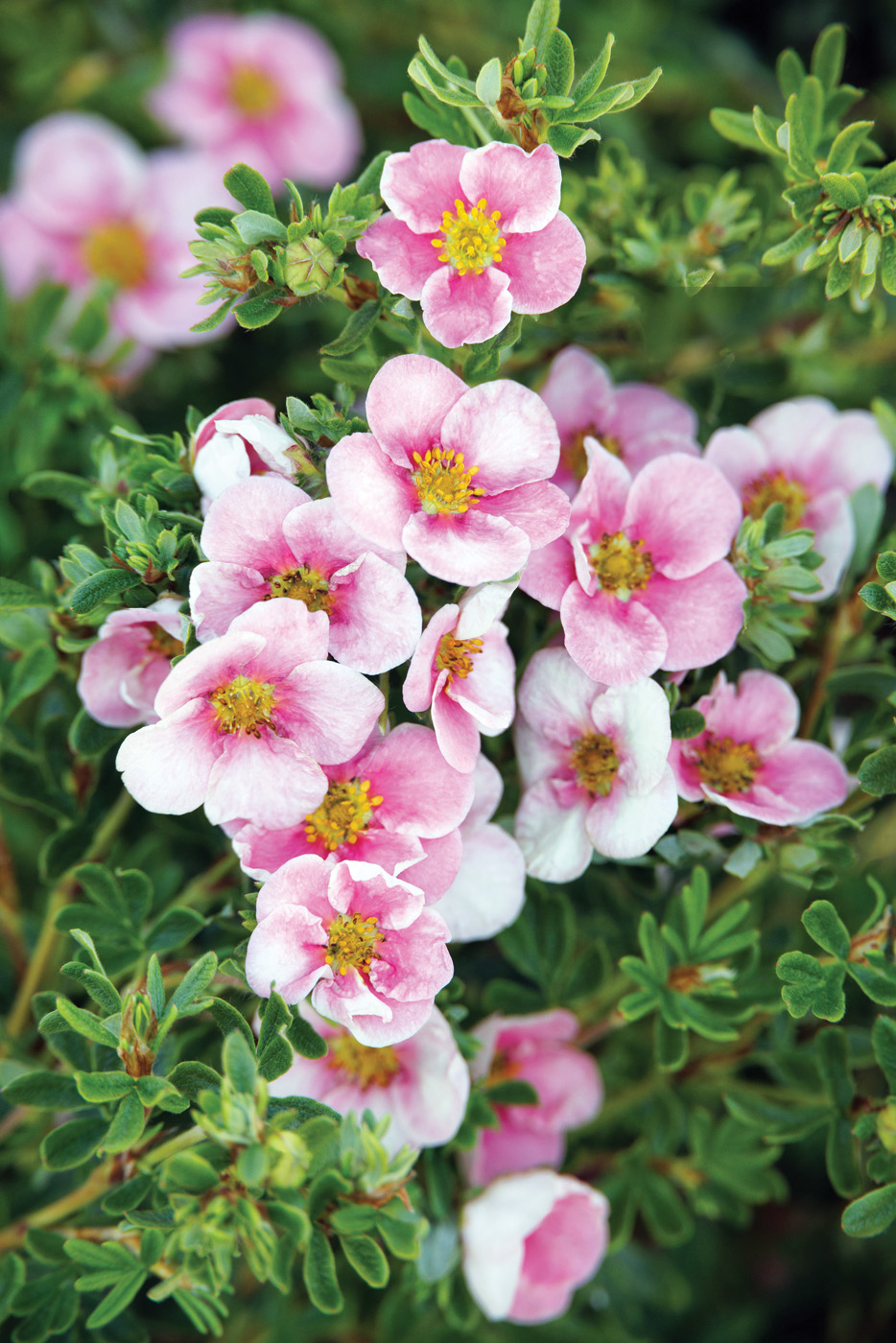
Pink N’ Pretty® shrubby potentilla
(Potentilla fruticosa ‘Pink with White’)
- Zones: 3–8
- Size: 2 feet tall and wide
- Conditions: Full sun; average to dry, well-drained soil
- Native range: Canada, northern Asia, northern Europe, and northern United States
- Introduced by: Monrovia®
This potentilla selection is all about the flowers, which open over a long period from spring through summer. Bright pink blooms develop white edges as they age, giving them a two-toned ombré effect. Cold hardy and heat loving, Pink N’ Pretty® is adaptable to a variety of soil types. With attractive compound foliage and a compact habit, it makes an easy-care addition suitable for nearly any garden space.
Give this cutie shade and moisture and it will happily join the jamboree
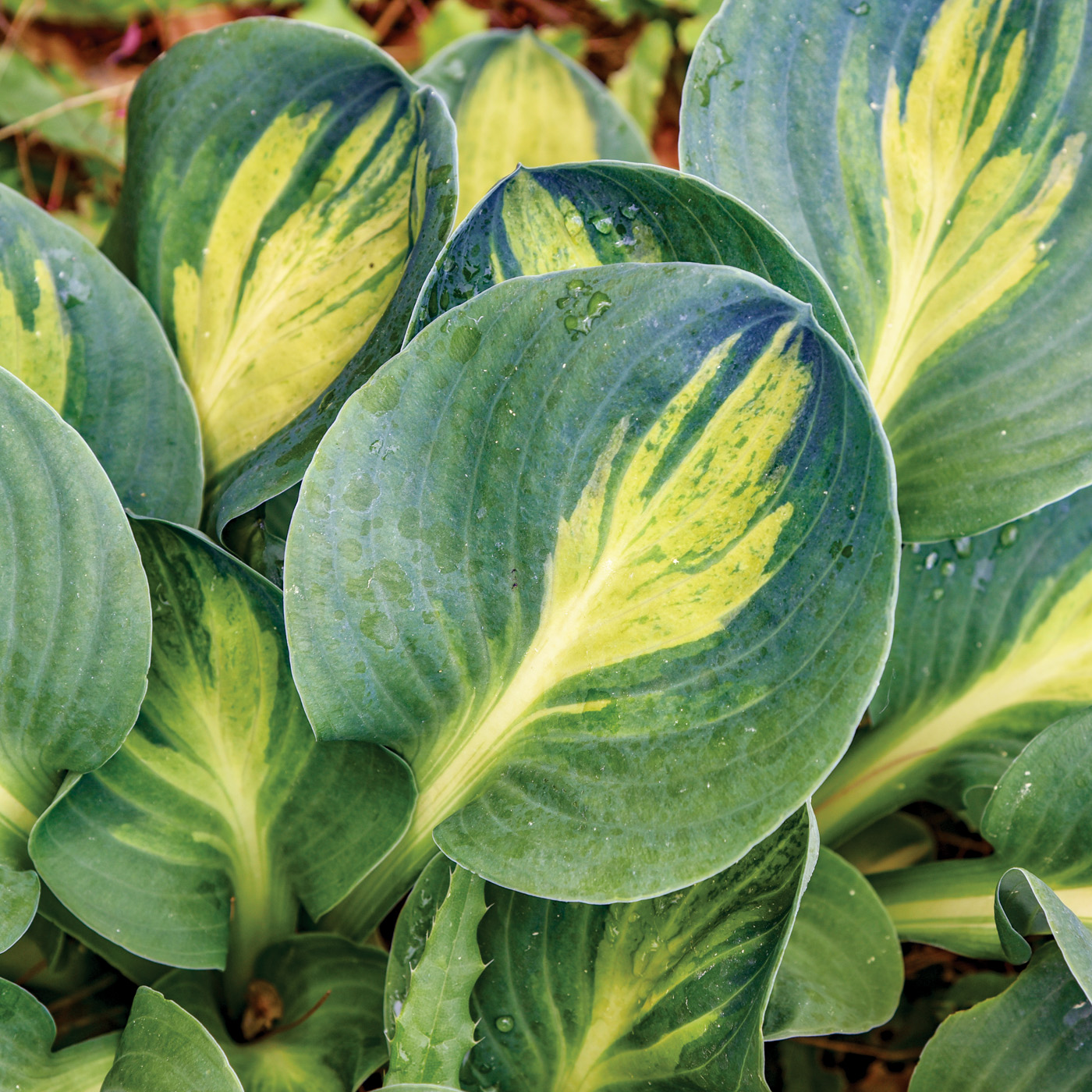
‘Mouseketeer’ hosta
(Hosta ‘Mouseketeer’)
- Zones: 3–9
- Size: 8 to 10 inches tall and 16 to 18 inches wide
- Conditions: Partial to full shade; average to consistently moist soil
- Native range: Hybrid of Asian species
- Introduced by: Walters Gardens
‘Blue Mouse Ears’ hosta became an instant classic when it was introduced in the early 2000s, beloved for its miniature size, cool blue color, and sturdy, slug-resistant foliage. ‘Mouseketeer’ shares many of these winning attributes, adding a splash of painterly variegation and a slightly chunkier habit to the mix. Be sure to site this little gem in a spot where you won’t miss the beautiful spectacle of its fresh foliage unfurling in spring. Purple flowers on 8- to 10-inch scapes arrive in early summer, a thrill for hummingbirds fortunate enough to find them.
Read More: Top 10 Tiny Hostas
A late-summer icon has added disease resistance to its resume
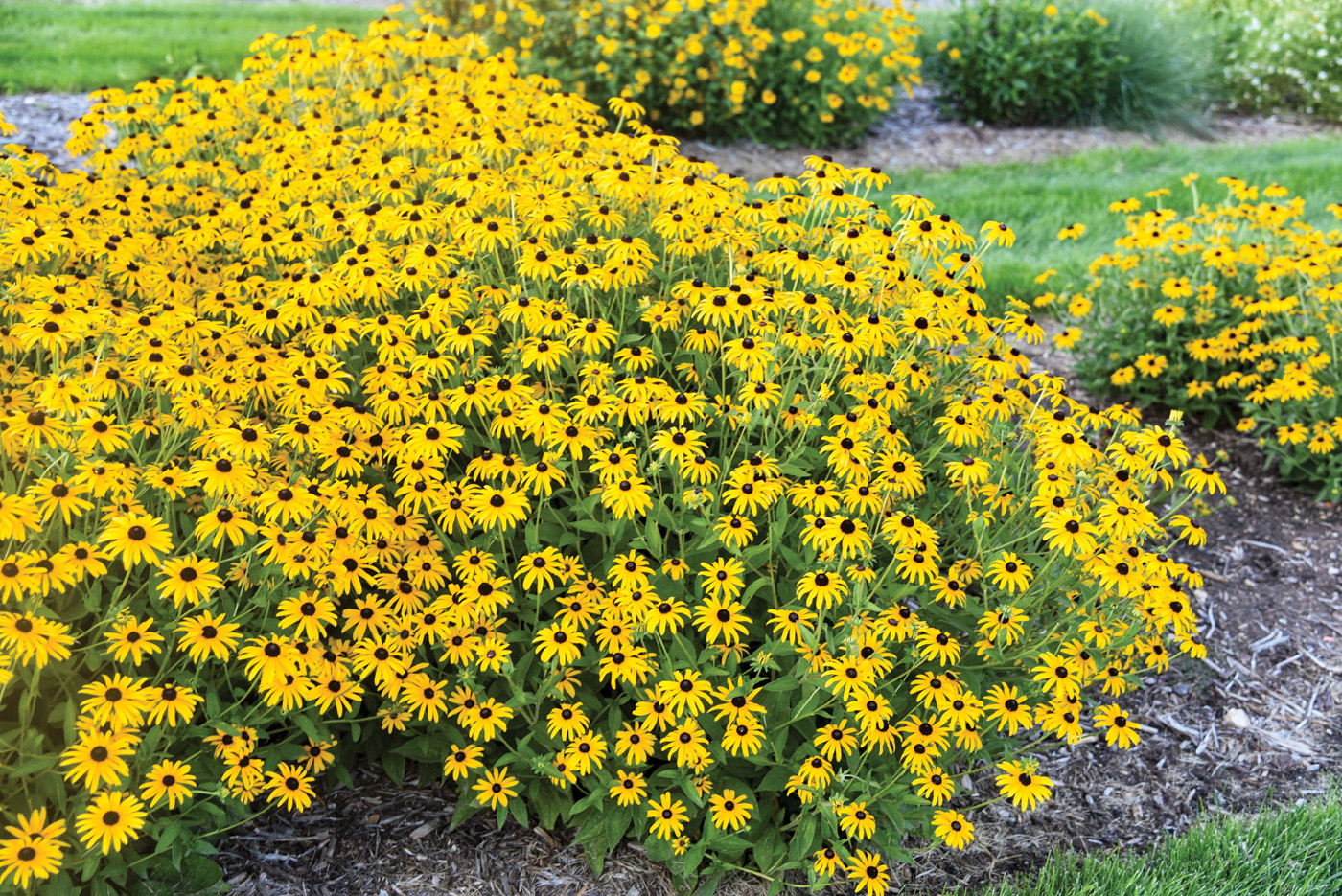
‘Treasure Trove’ black-eyed Susan
(Rudbeckia ‘Treasure Trove’)
- Zones: 4–9
- Size: 32 to 38 inches tall and 36 to 42 inches wide
- Conditions: Full sun to partial shade; average to dry, well-drained soil
- Native range: Hybrid of North American species
- Introduced by: Walters Gardens and Proven Winners®
‘Treasure Trove’ starts the season by developing a robust, well-branched mound of healthy foliage that will then be completely covered with golden, star-shaped blooms from late summer through autumn. The plants are deer and rabbit resistant, and highly invulnerable to Septoria leaf spot, making them reliable standouts late into fall. Bees, butterflies, and hummingbirds will be attracted to an over-the-top pollinator buffet that lasts for several weeks. For the best floral performance, site it in full sun with loose, fertile soil that is on the dry side.
Choose a sun-loving Southwest native to add sizzle in containers and hot, dry spots
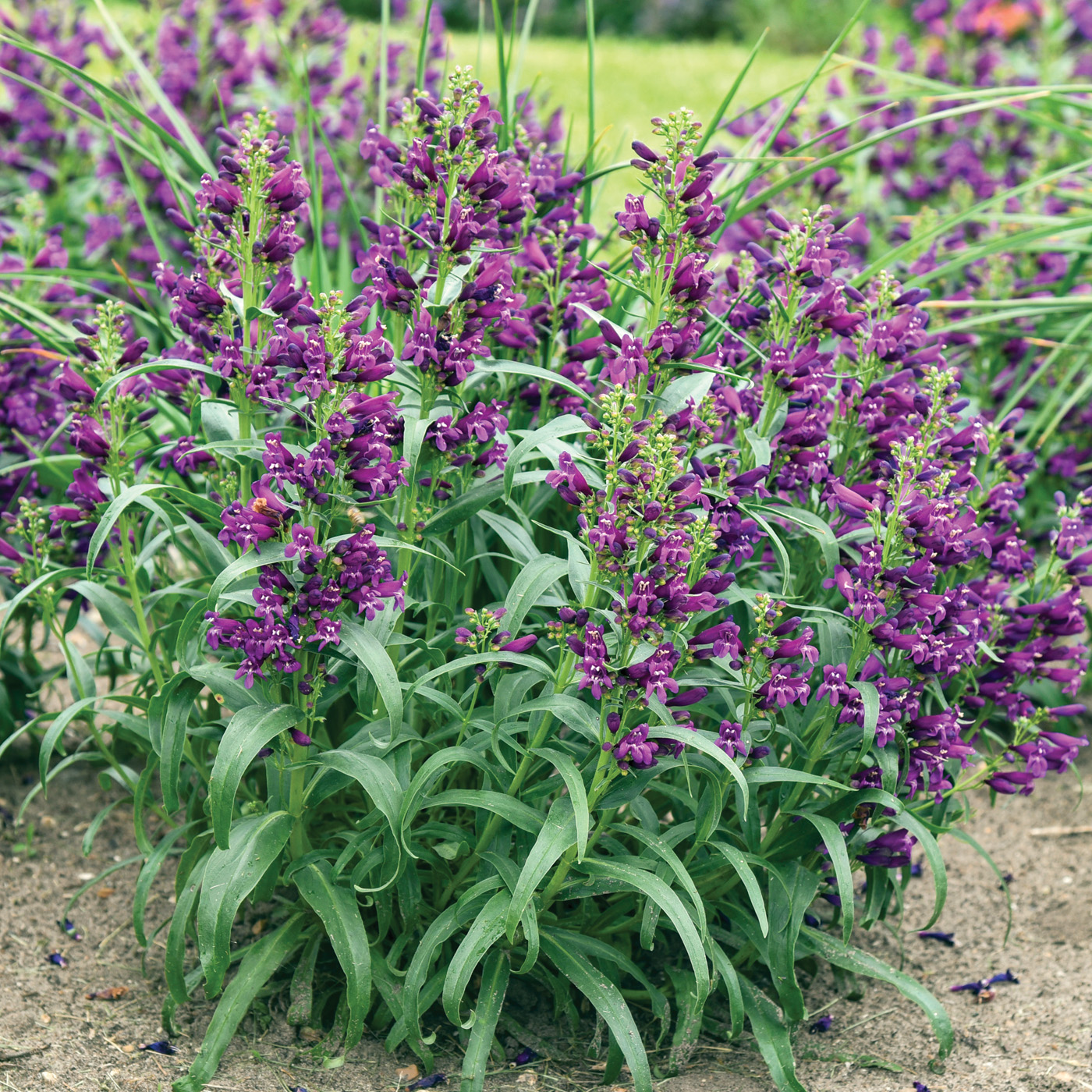
‘Dark Amethyst’ beardlip penstemon
(Penstemon barbatus ‘Dark Amethyst’)
- Zones: 4–8
- Size: 18 to 22 inches tall and 20 to 26 inches wide
- Conditions: Full sun; average to dry, well-drained soil
- Native range: Northern Mexico and southwestern United States
- Introduced by: Walters Gardens and Proven Winners®
‘Dark Amethyst’ beardlip penstemon is a colorful new selection from a native species known for stellar performance through summer’s most searing weather. It will withstand the heat and arid conditions of the desert Southwest and the intense humidity of the Southeast, and it is also quite cold hardy. Try it in containers, where it will require much less water than your typical annuals, or in a parking strip where it will bask in the reflected heat from the pavement.
Try this snazzy nativar for elegant texture in shade
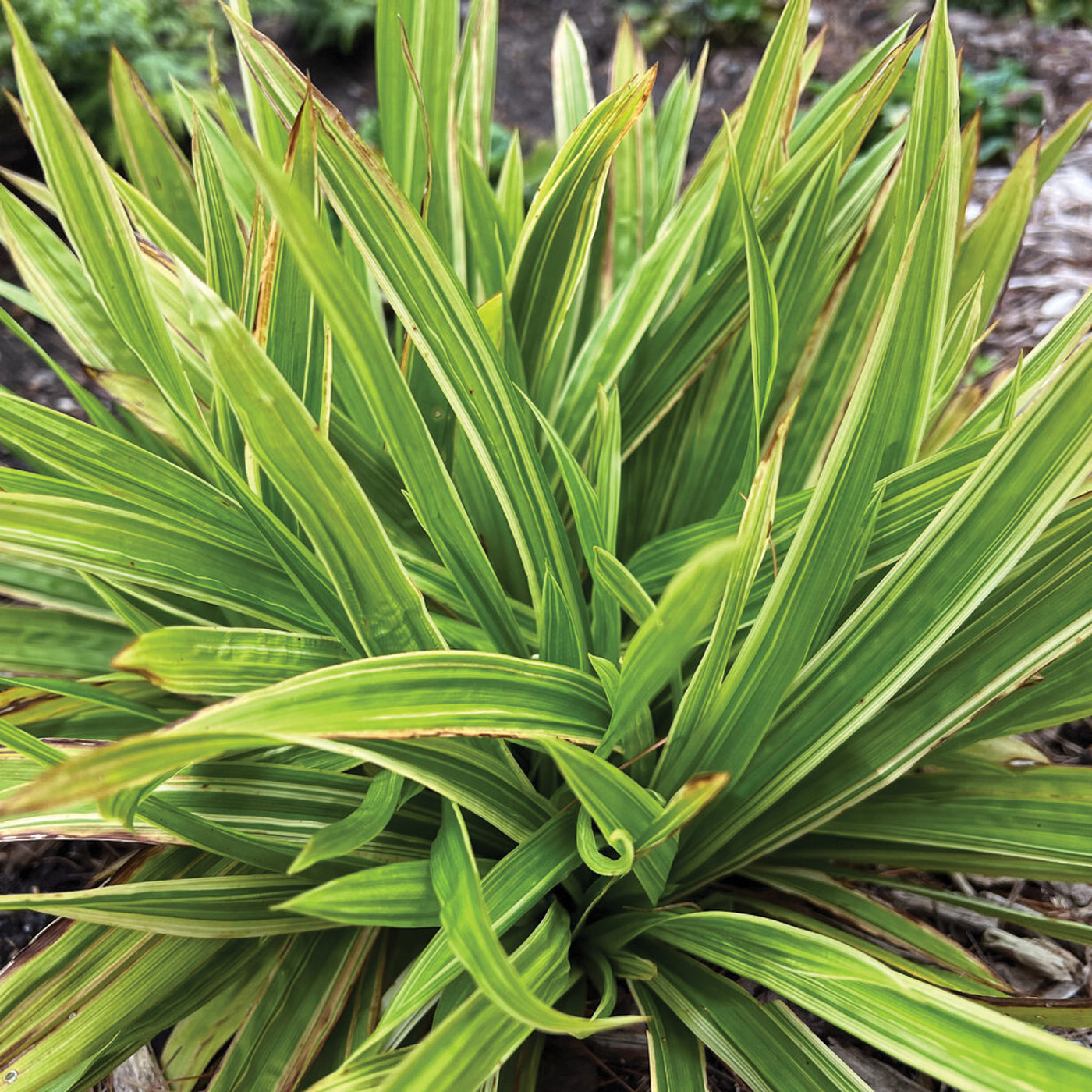
‘Shade Fanfare’ seersucker sedge
(Carex plantaginea ‘Shade Fanfare’)
- Zones: 3–8
- Size: 8 to 12 inches tall and 12 to 24 inches wide
- Conditions: Full to partial shade; moist, humus-rich soil
- Native range: Eastern North America
- Introduced by: Walters Gardens and Proven Winners®
Broad, puckered green leaves edged in creamy white deliver crisp texture and semi-evergreen interest all season long. Consider the possibilities of using this sedge as a deer-resistant hosta substitute, or as a stylish ground cover in that dark spot between the house and garage where nothing else will grow. It is also perfect for edging pathways in woodland settings or as a low-maintenance filler in partially shaded borders and rock gardens. Unlike some other native sedge species, it will not tolerate foot traffic, and it can’t take full sun, even with plenty of soil moisture. But with no serious insect, disease, or pest problems, it is otherwise a practically carefree choice for shady situations.
Chocolate-red foliage makes an adaptable North American native selection even more appealing
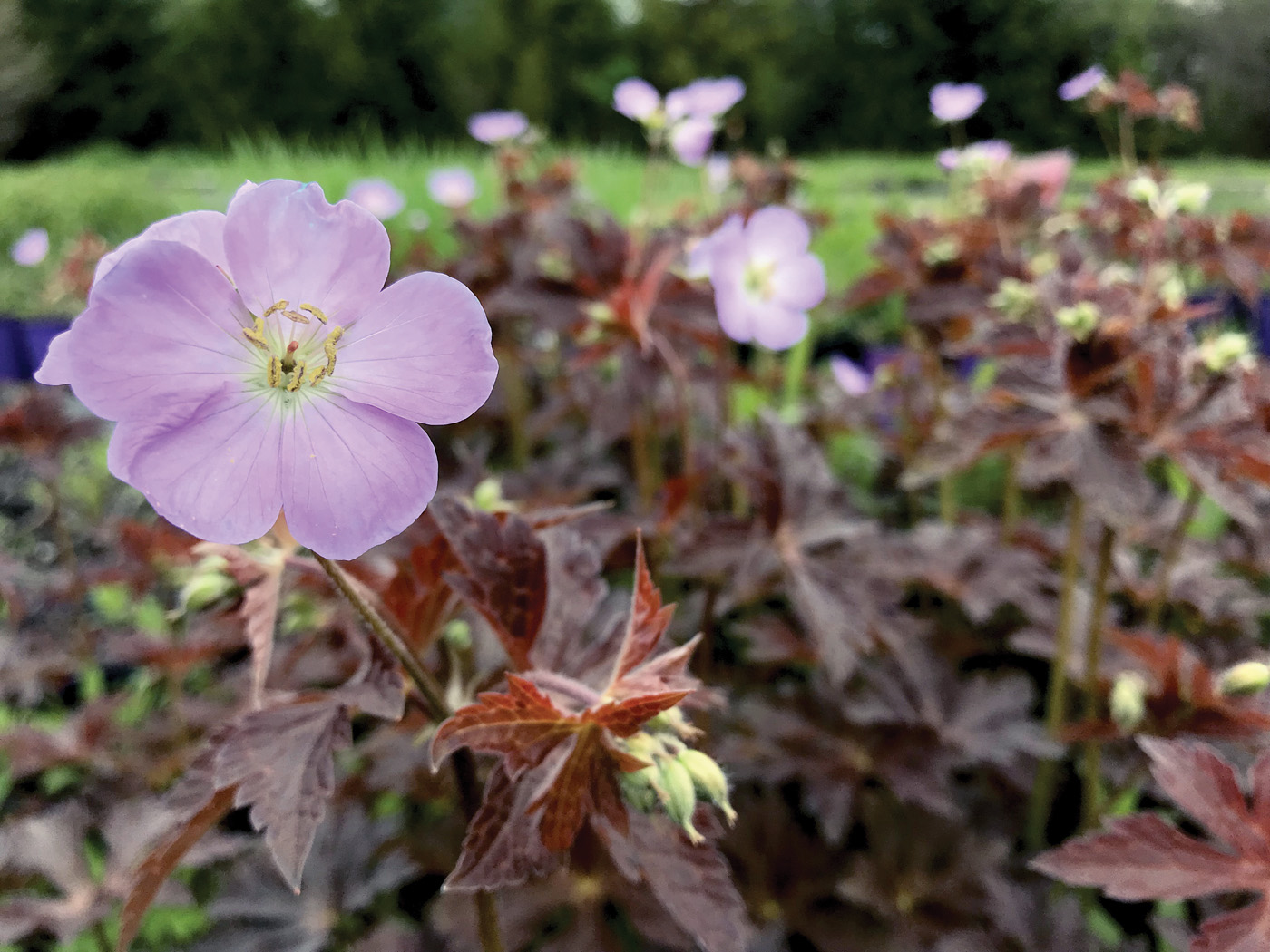
‘Huggy Bear’ spotted geranium
(Geranium maculatum ‘Huggy Bear’)
- Zones: 5–8
- Size: 18 to 24 inches tall and 6 to 12 inches wide
- Conditions: Full sun to partial shade; moist, well-drained soil
- Native range: Eastern North America
- Introduced by: Intrinsic Perennial Gardens
When this charmer blooms from late spring to early summer, the soft pink petals of its dainty flowers stand out strikingly against the warm reddish leaves. The rest of the season, plants provide a pop of consistent foliage color that can stand up to full sun, as long as there is sufficient moisture. Ensuring that it has rich, fertile soil will enhance its performance, and it may need some afternoon shade in hotter summer climates. ‘Huggy Bear’ is an earlier introduction that has just recently built up a good supply, so it will be more widely available this season.
Cool blue color and treelike architecture set this perennial apart
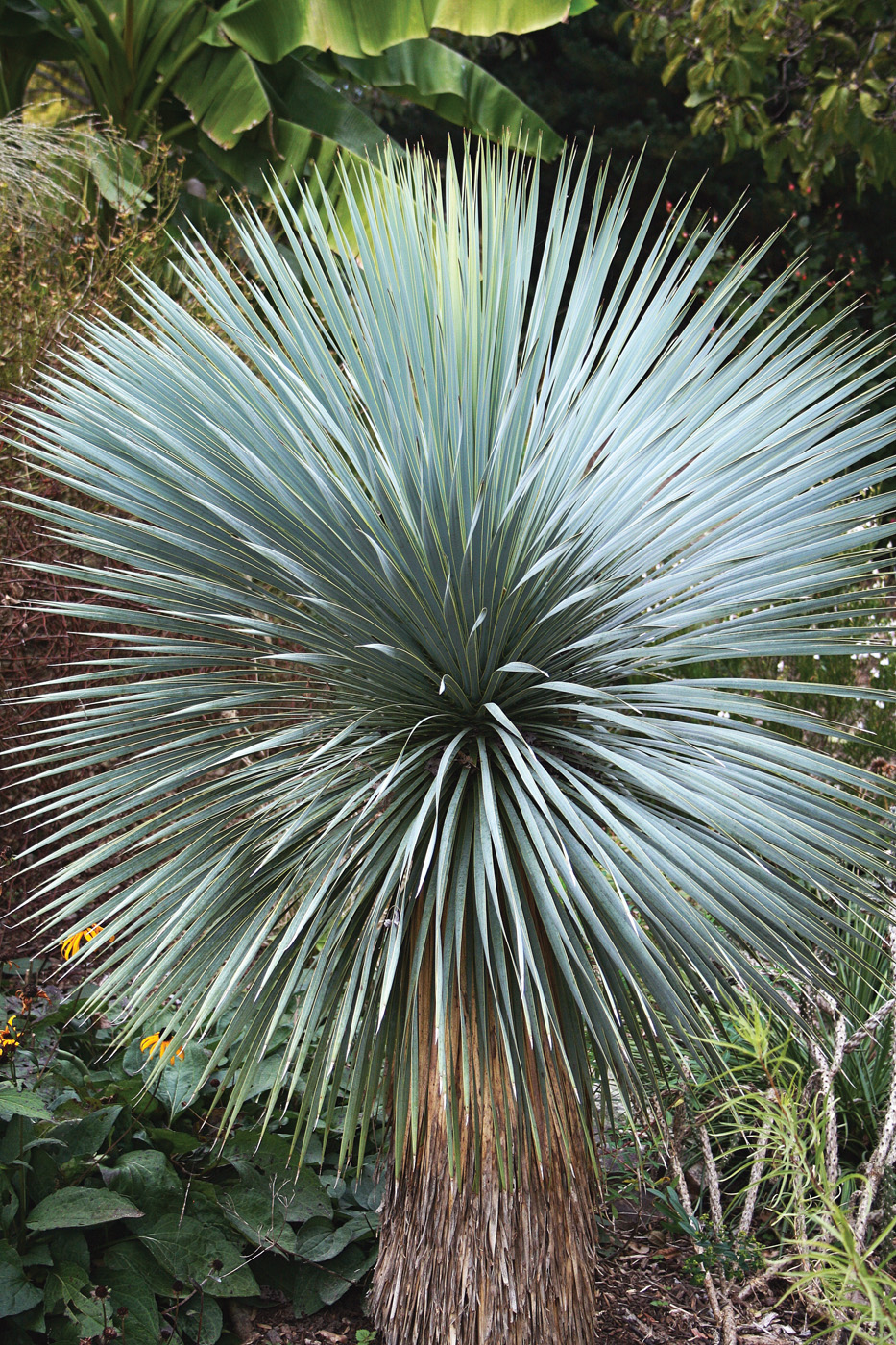
‘Blue-haired Lady’ beaked yucca
(Yucca rostrata ‘Blue-haired Lady’)
- Zones: 3–8
- Size: 4 to 11 feet tall and 4 to 8 feet wide
- Conditions: Full sun; average to dry, rocky, well-drained soil
- Native range: Northern Mexico and Texas
- Introduced by: Plant Delights Nursery
‘Blue-haired Lady’ is a clonal selection with genetics from the beaked yuccas that grow near Mamulique Pass in Nuevo Leon, Mexico. This long-lived, slow-growing plant will start to produce spires of creamy, bell-shaped flowers in spring to early summer after it matures to a height of about 4 feet tall. As the trunk-like main stem continues to grow, it will become clad in layers of dried foliage that can be retained for its interesting texture or removed without affecting hardiness.
Ember-colored blooms glow against deep purple leaves
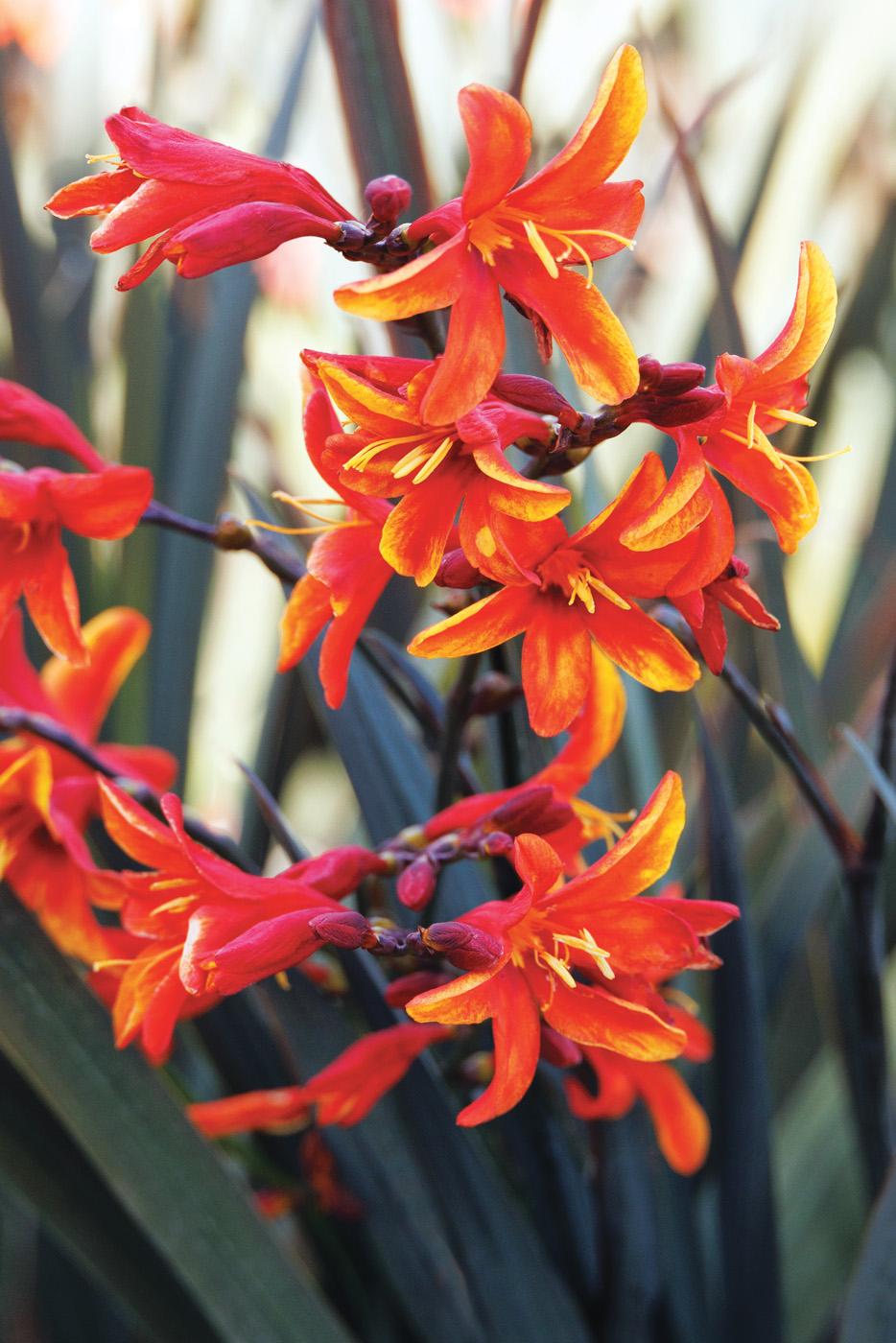
‘Dark Fire’ crocosmia
(Crocosmia ‘Dark Fire’)
- Zones: 6–9
- Size: 20 inches tall and 12 inches wide
- Conditions: Full sun to partial shade; rich, moist, well-drained soil
- Native range: South Africa
- Introduced by: Monrovia®
Flame red flowers accented with streaks of warm yellow become even more eye-catching with a built-in backdrop of moody purple foliage. Of course, the hummingbirds will adore this plant as much as the gardeners do, as will the bees and butterflies. A good layer of organic mulch and even watering in the first year will help it to become well established and relatively drought tolerant.
Back to Top ↑
Best New Plants for 2026: Shrubs & Trees
Editor’s Top Pick: An effortless, classic form that doesn’t require much pruning puts this holly over the top
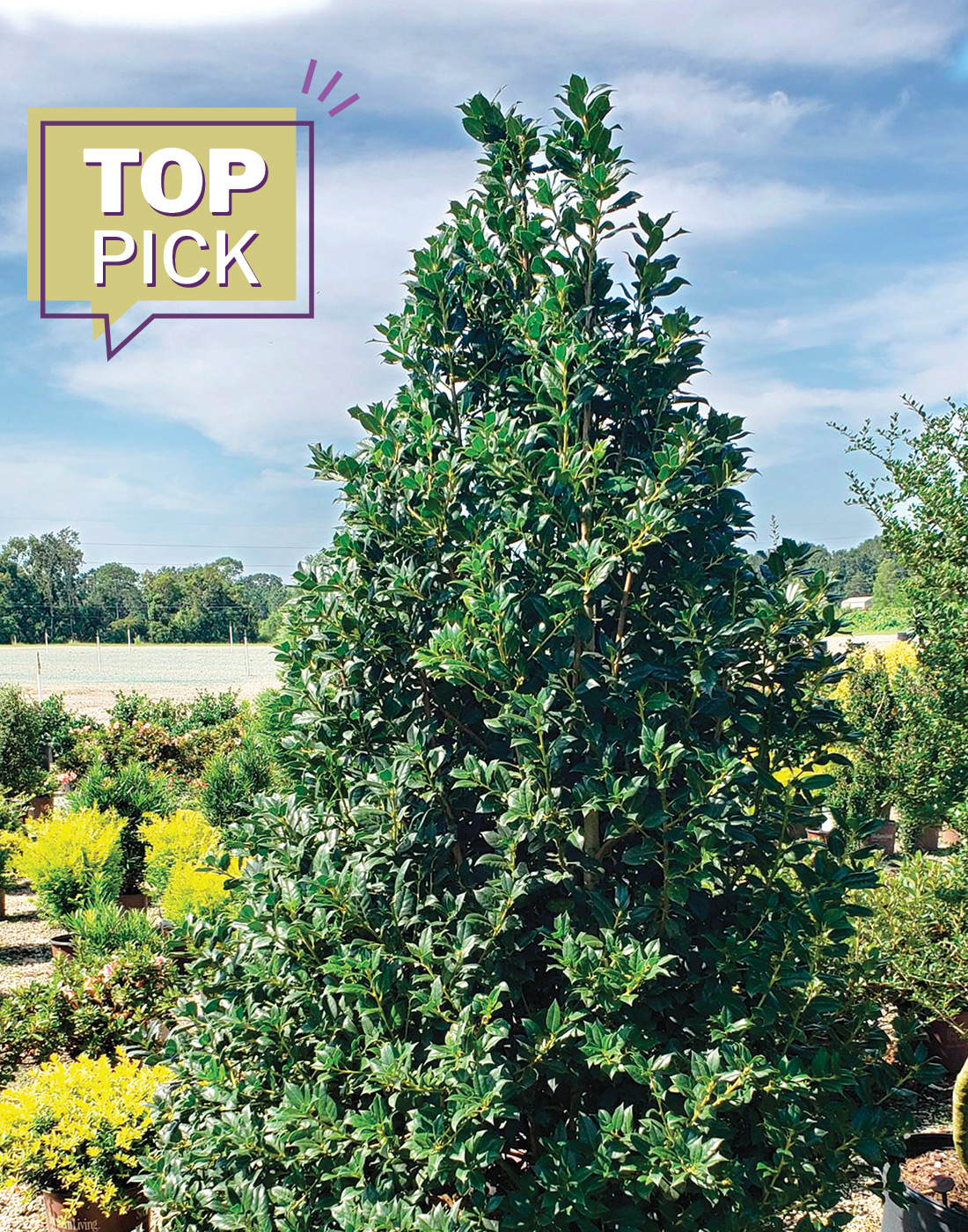
Nelliet™ holly
(Ilex ‘ROX’)
- Zones: 6–9
- Size: 15 to 25 feet tall and 10 to 15 feet wide
- Conditions: Full sun to partial shade; average to moist, well-drained soil
- Native range: Hybrid
- Introduced by: Southern Living Plant Collection
This hybrid holly was selected as one of the best new plants for 2026 for superior branching and denser foliage, which means it should look good with less maintenance than classic holly cultivars. It develops a loosely symmetrical pyramid form draped in shiny, dark evergreen foliage that’s perfect for complementing brightly colored garden companions. It flowers in winter and looks especially stunning when studded with the shiny, ripe red berries that follow. With its compact, upright habit, Nelliet™ is a great choice for entryway screening or for privacy hedging along property lines.
This reblooming hydrangea keeps the show going all summer long
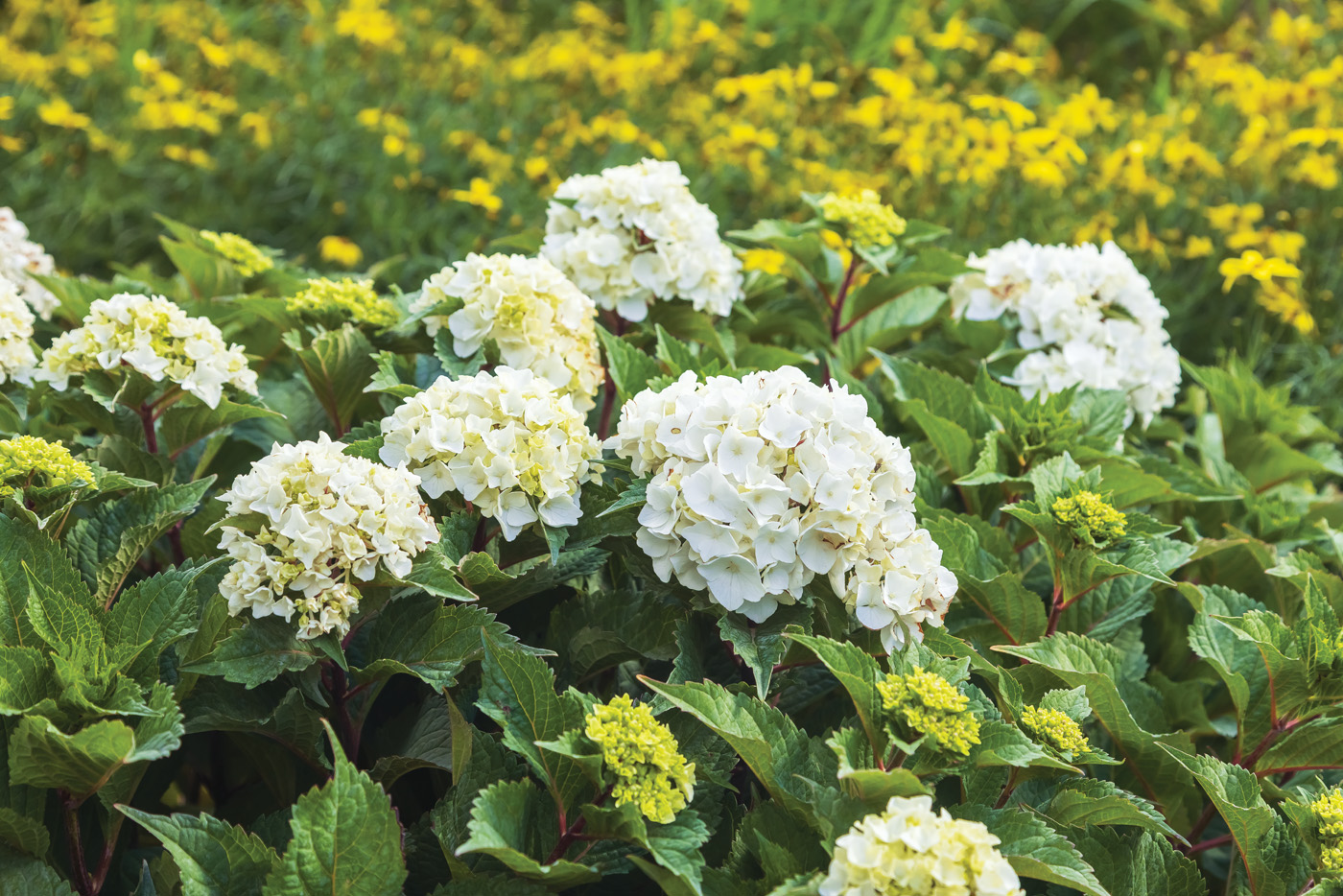
DreamCloud® bigleaf hydrangea
(Hydrangea macrophylla ‘Bailmaceight’)
- Zones: 6–9
- Size: 3 to 4 feet tall and wide
- Conditions: Partial shade; moist, fertile, well-drained soil
- Native range: China, Japan, Korea, and southeast Asia
- Introduced by: Endless Summer® Hydrangeas
The bright white blooms of DreamCloud® cover the plant all season long; they are slower to fade than those of other varieties and will age to deep pink in certain climates. Because it blooms on both old and new wood, you can count on this cheerful little workhorse to put on a good summer show regardless of any iffy weather events it may have experienced the previous winter. The compact size makes it a great fit for a container, too.
Read More: The Best New Hydrangeas to Grow
Wake up your senses with a big dose of spring color
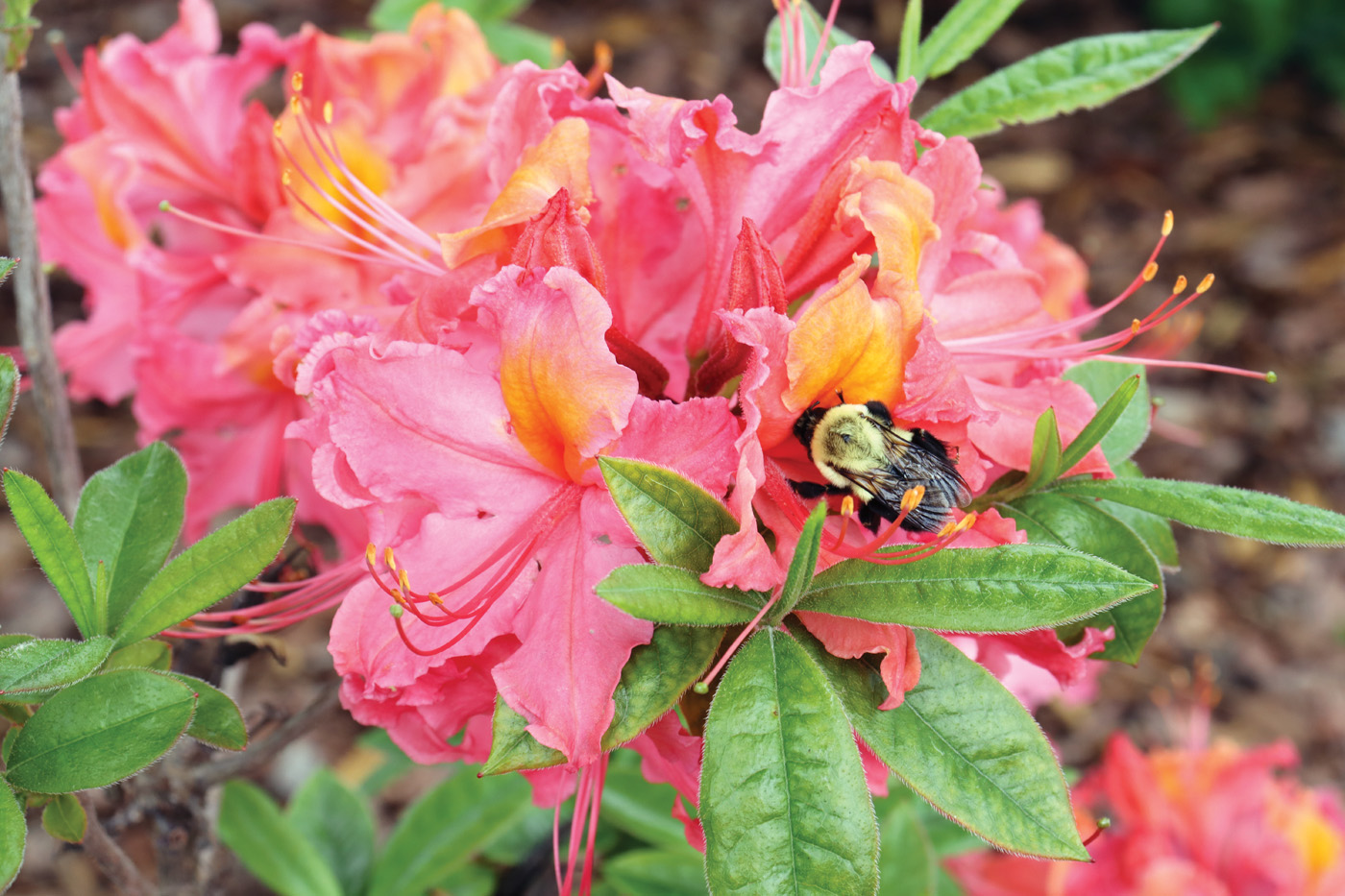
Sweet Reward® Coral Azalea
(Rhododendron × ‘NCB195’)
- Zones: 5–8
- Size: 3 to 6 feet tall and wide
- Conditions: Partial shade; average to moist, acidic soil
- Native range: Hybrid of North American native species
- Introduced by: Proven Winners® ColorChoice®
The intense mix of coral-pink and bright clementine orange hues of this azalea is accompanied by an equally enticing scent. Bloom time will be an event that draws you outdoors to experience the show up close. Because it flowers on old wood, limit your cuts to a light pruning after it finishes blooming. To help fuel the floral fury, give it a dose of rose fertilizer in early spring, as new growth starts to emerge, and again after flowering finishes.
Citrusy, spicy fragrance adds to its charm
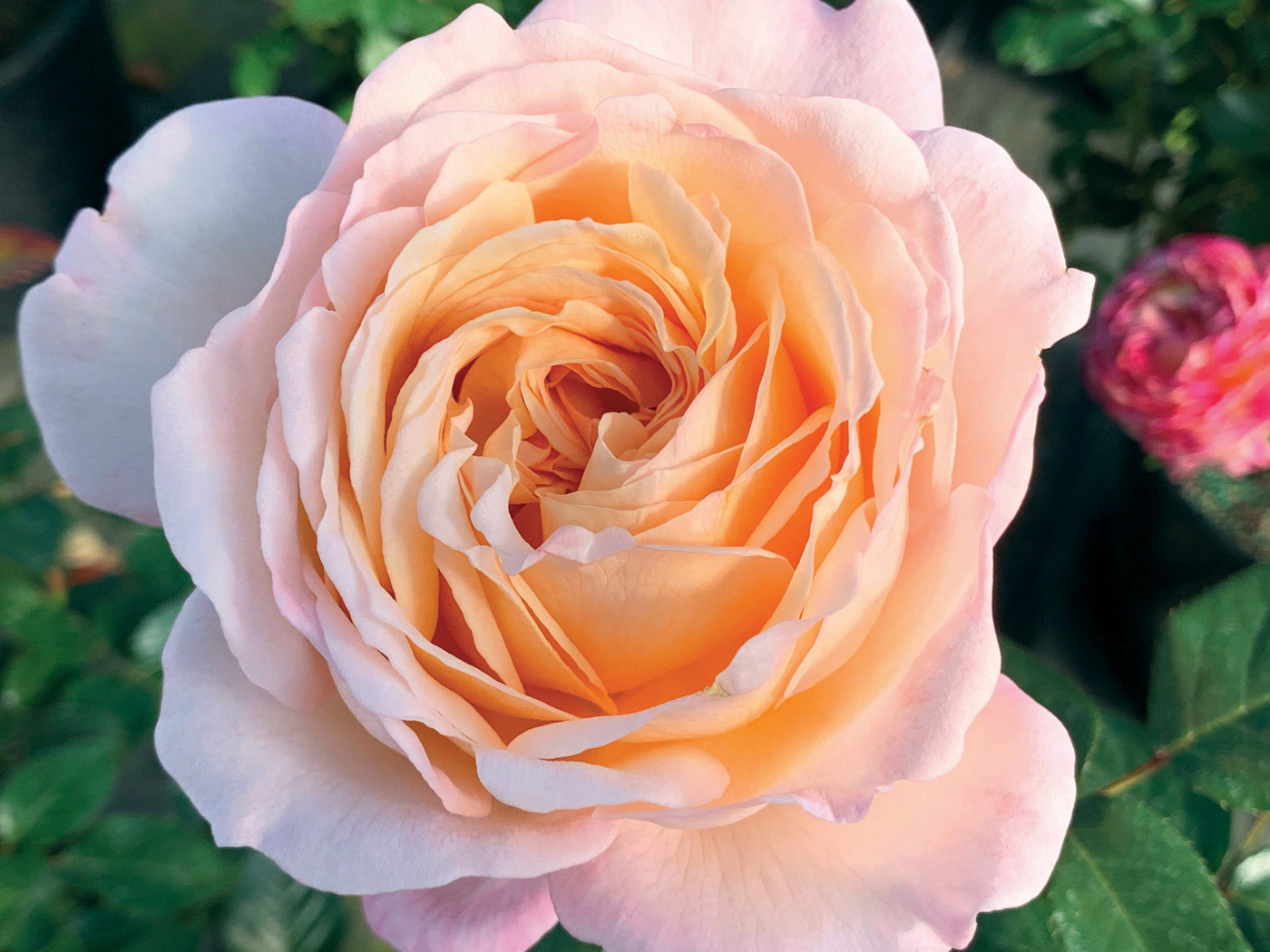
Parfuma® Sunrise hybrid tea rose
(Rosa ‘KORbrocaze’)
- Zones: 4–9
- Size: 4 feet tall and 2 to 3 feet wide
- Conditions: Full sun; average to moist, fertile, well-drained soil
- Native range: Hybrid
- Introduced by: Star® Roses and Plants
The new leaves of this sweetly scented hybrid tea rose emerge with a dark burgundy tint, the chef’s kiss accompaniment for its dreamy apricot-blush blooms. Selected for strong resistance to rusts and mildews, Parfuma® Sunrise will develop a bushy, upright framework of slender branches enveloped in dark green, glossy foliage. It is grown on its own rootstock and performs well over a large zonal range.
A semi-evergreen spring bloomer with multiple seasons of interest
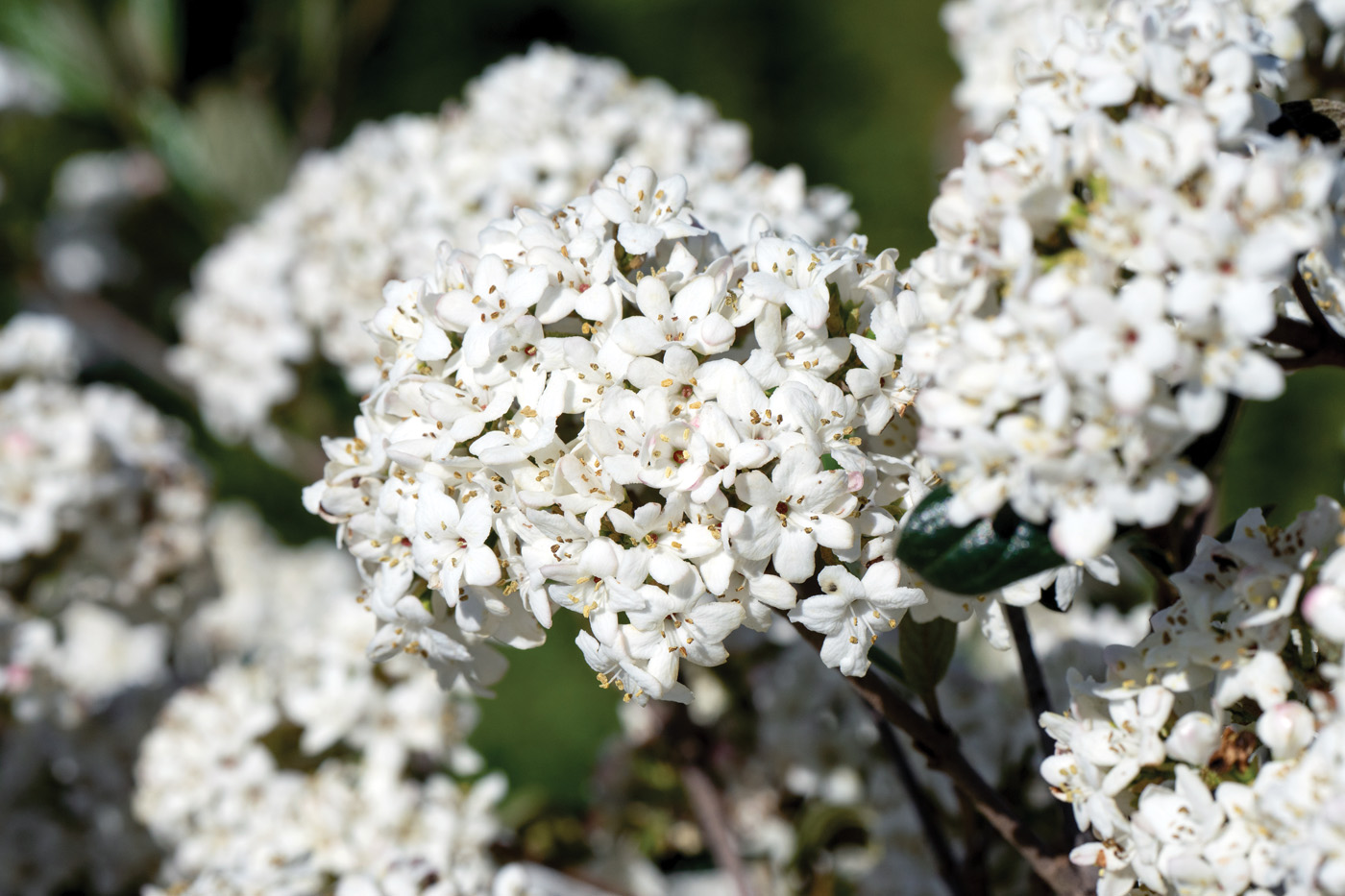
POWFume™ viburnum
(Viburnum ‘Bailvibone’)
- Zones: 6–9
- Size: 6 to 8 feet tall and 5 to 7 feet wide
- Conditions: Full sun; average to moist, well-drained soil
- Native range: Hybrid
- Introduced by: First Editions® Shrubs & Trees
Glossy new leaves combined with large clusters of snowy white flowers make POWFume™ viburnum a centerpiece of the early spring garden. Its dense, upright form and dark semi-evergreen foliage give it staying power in summer, fall, and winter. Early-emerging pollinators are grateful for the bounty of blooms this shrub provides when little else is available, but deer are not particularly interested in it.
Easy-care summer drama in a compact, water-wise package
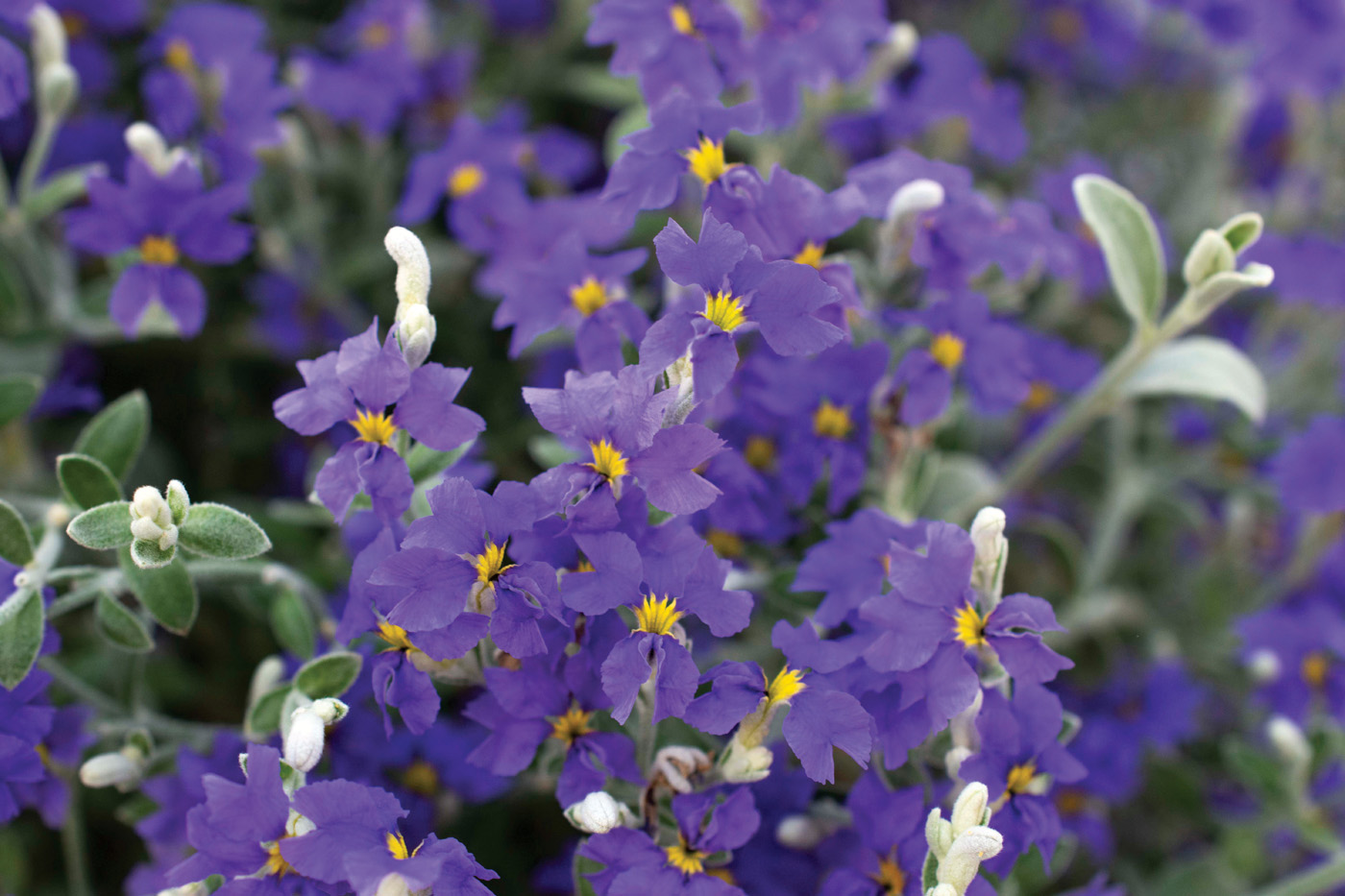
Purple Oz™ dampiera
(Dampiera altissima ‘Altmp2336’)
- Zones: 8–11
- Size: 2 to 3 feet tall and 3 to 4 feet wide
- Conditions: Full sun; average to dry soil
- Native range: Western Australia
- Introduced by: Star® Roses and Plants
Silvery foliage sets off the rich purple flower color of this showy small shrub from the land down under. Selected for its tidy, compact habit, Purple Oz™ is equally at home in a xeric container planting or as a colorful bedding plant in a hot, dry border. Golden throats set off the bluish violet blooms, which open in abundance from June to October. Treat yourself to a hot-weather performer that will look great with very little input from you during the dog days and right up until frost and cold set in at season’s end.
Enjoy these magenta-pink umbels from July to September
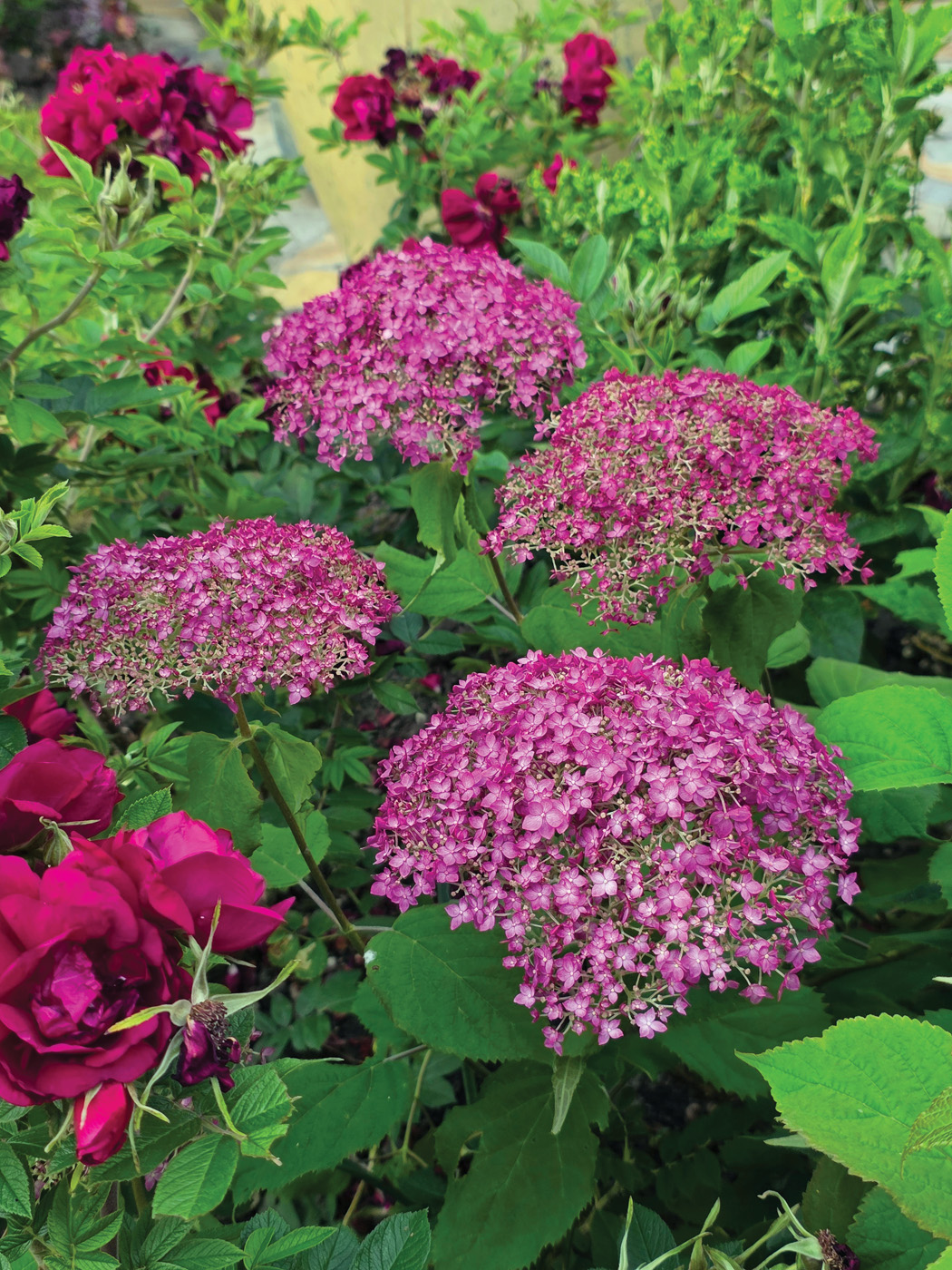
Candybelle® Winegum smooth hydrangea
(Hydrangea arborescens ‘GRHYAR2008’)
- Zones: 5b–8
- Size: 40 inches tall and 36 inches wide
- Conditions: Full sun to partial shade; average to moist, well-drained soil
- Native range: Eastern United States
- Introduced by: Concept Plants
For a colorful new take on our native smooth hydrangea, look no further than Candybelle® Winegum. Healthy foliage and strong burgundy-tinted stems provide a compact framework for showing off its lacy-looking mophead blooms brushed with saturated wine-tinted hues. These make great cut flowers that can also be dried for fall and winter wreaths and bouquets. A little light pruning after bloom time finishes is all you need to keep this carefree shrub looking its best.
Pollinators will love the bounty of fertile florets, and you’ll love the sturdy, upright habit
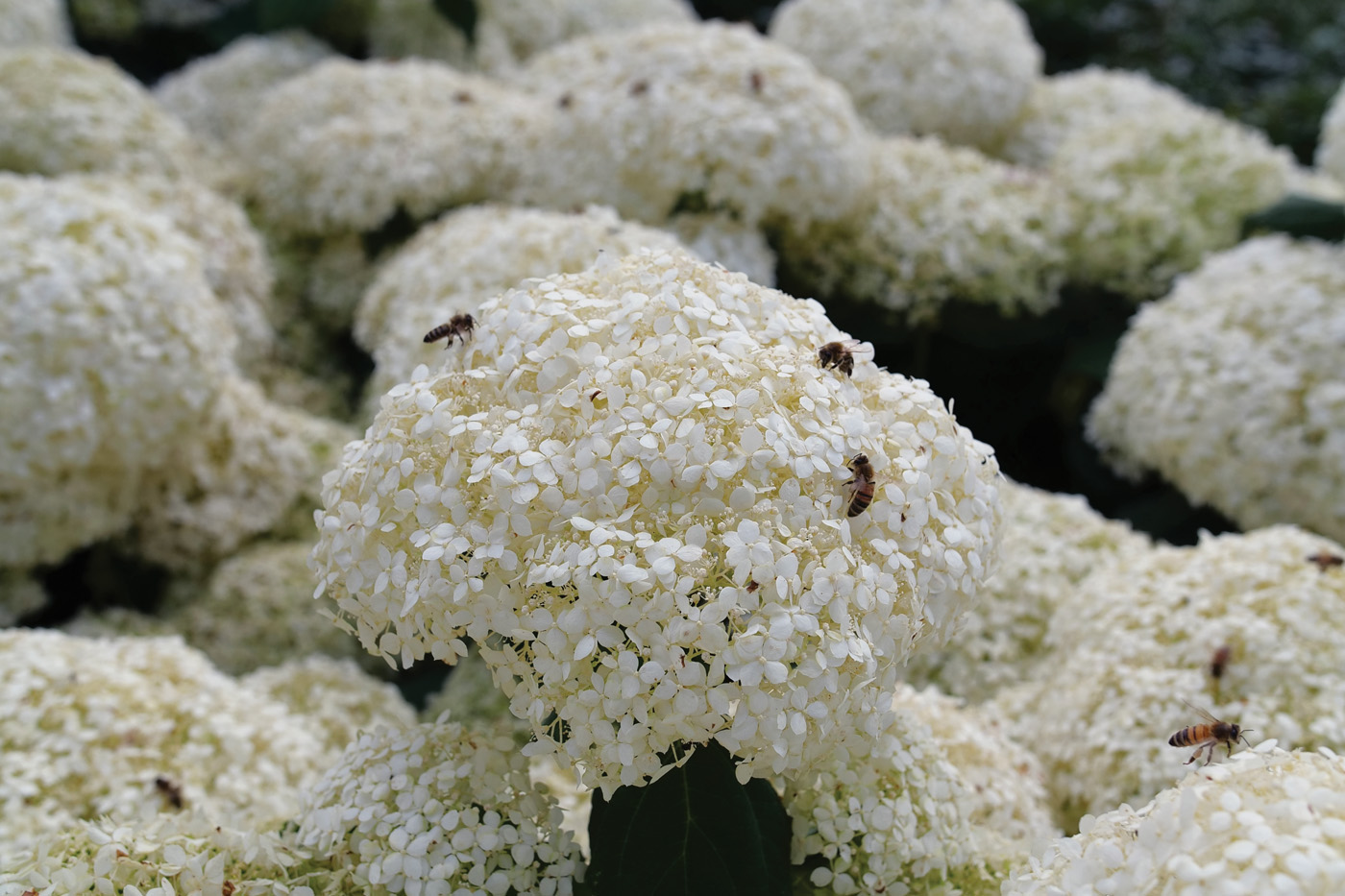
Incrediball Storm Proof™ smooth hydrangea
(Hydrangea arborescens ‘SMNHAGOV’)
- Zones: 3–8
- Size: 42 to 48 inches tall and 36 to 48 inches wide
- Conditions: Full sun to partial shade; average to moist, well-drained soil
- Native range: Eastern United States
- Introduced by: Proven Winners® ColorChoice®
Dense growth, strong stems, and reliable blooms may make this show-stopping new nativar a design staple, but its wildlife value elevates it to something truly special. Frothy inflorescences are packed with fertile florets, drawing in bees, butterflies, and other hungry pollinators. For the best flowering performance, site it in a spot that receives at least six hours of good sun, or a bit less in hotter climates.
Back to Top ↑
Best New Plants for 2026: Annuals
Editor’s Top Pick: A favorite coleus color that can take some sun
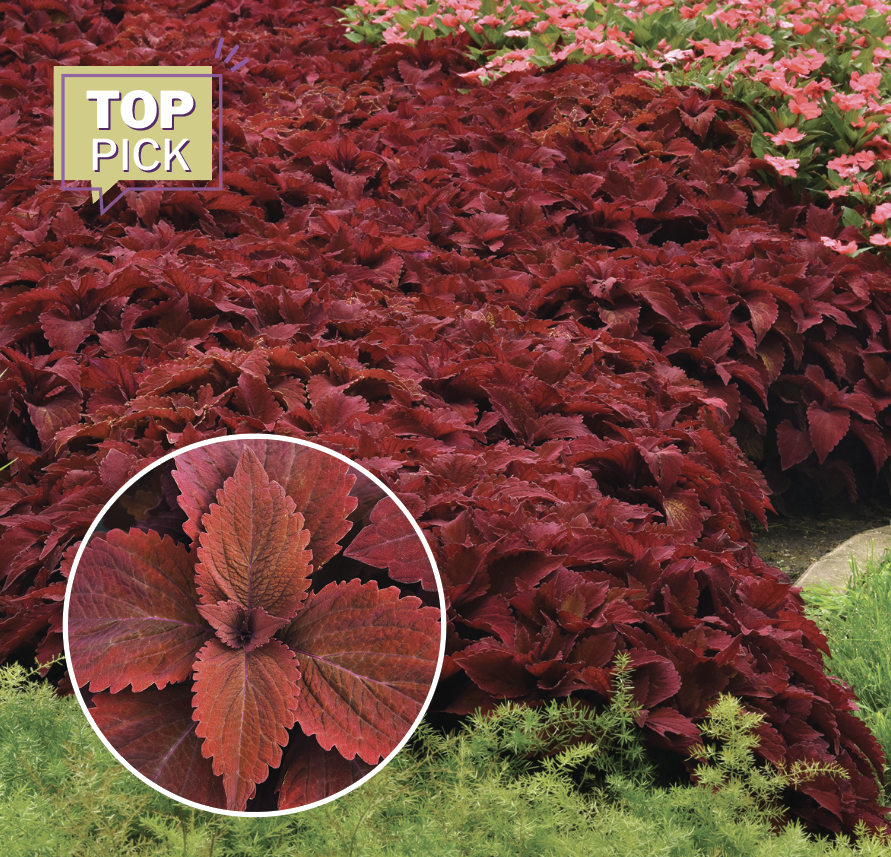
Premium Sun Sweet Paprika™ coleus
(Solenostemon scutellarioides ‘PAS1231185’)
- Zones: 10–11
- Size: 15 to 24 inches tall and 8 to 12 inches wide
- Conditions: Partial to full shade; average to moist, well-drained soil
- Native range: Subtropical regions of Southeast Asia
- Introduced by: PanAmerican Seed®
The well-branched plants of this coleus series, which includes Premium Sun Sweet Paprika™, can grow successfully in full sun in areas with high relative humidity in summer. The one caveat is that full sun may still scorch the leaves if it is more arid in your region. Regardless of meteorological conditions, this is a great solution for adding an annual flush of deep, spicy summer color in partly to fully shaded beds and containers.
These shimmering hues enhance garden beds, fresh bouquets, and dried arrangements
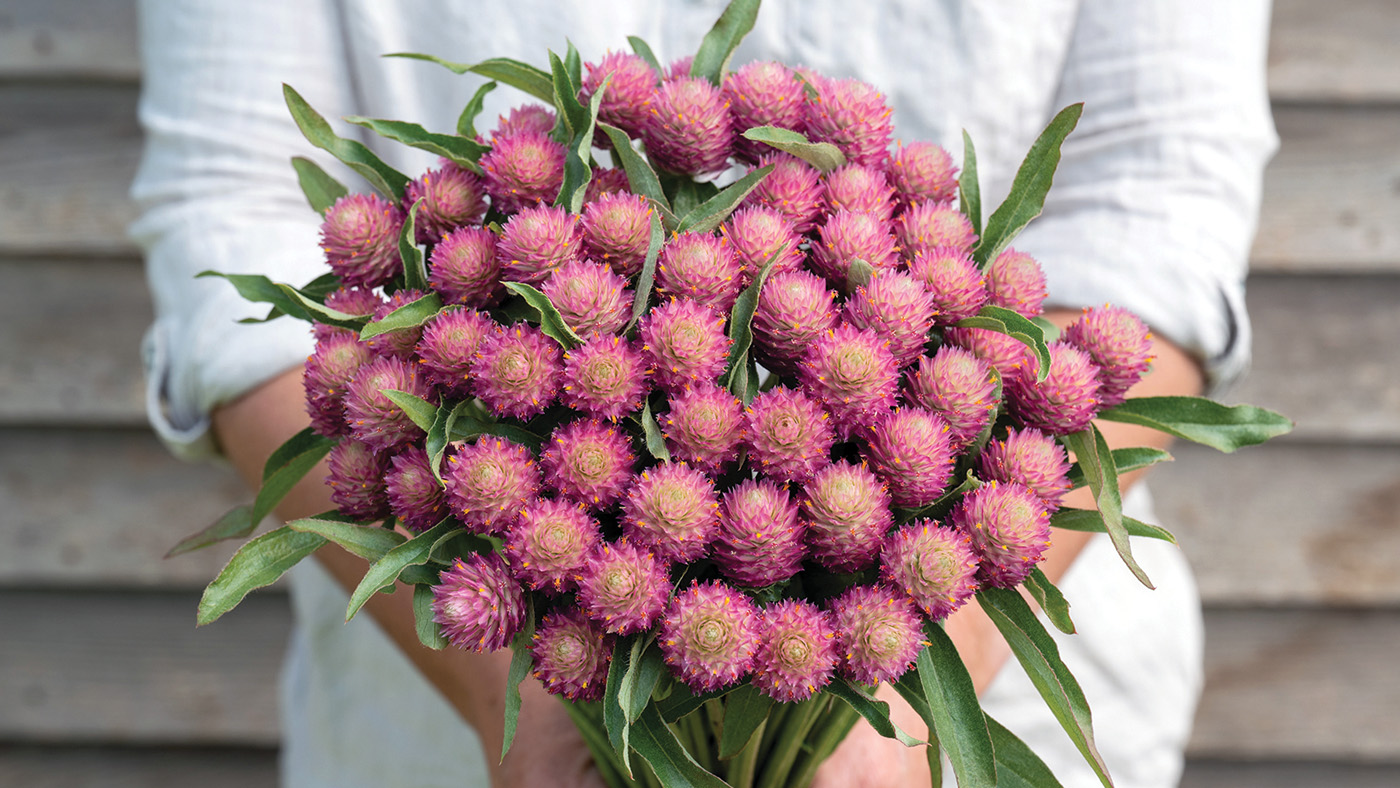
‘Sequin’ globe amaranth
(Gomphrena haageana ‘Sequin’)
- Zones: 9–11
- Size: 18 to 28 inches tall and wide
- Conditions: Full sun; moist, well-drained soil
- Native range: Northern Mexico and southwestern United States
- Introduced by: Johnny’s Selected Seeds
Fresh, long-lasting color is the hallmark of this showy relative of ‘Strawberry Fields’. Start seeds indoors six to eight weeks before planting outside, after all danger of frost has passed. Seedlings will mature and begin flowering on long, well-branched stems 85 to 100 days from the time of transplant. Because it branches at the base and its stems tend to have only a few sparse leaves, this beauty makes an excellent cut flower, and its soft color fits in well with both cool and warm palettes. The papery, opalescent bracts hold their rosy hues beautifully if the flowering stems are cut and hung upside down to dry as soon as the blooms are fully open.
Read More: Pollinator Container Gardening Ideas
Vibrant double flowers and impressive disease resistance are a winning combination for shade
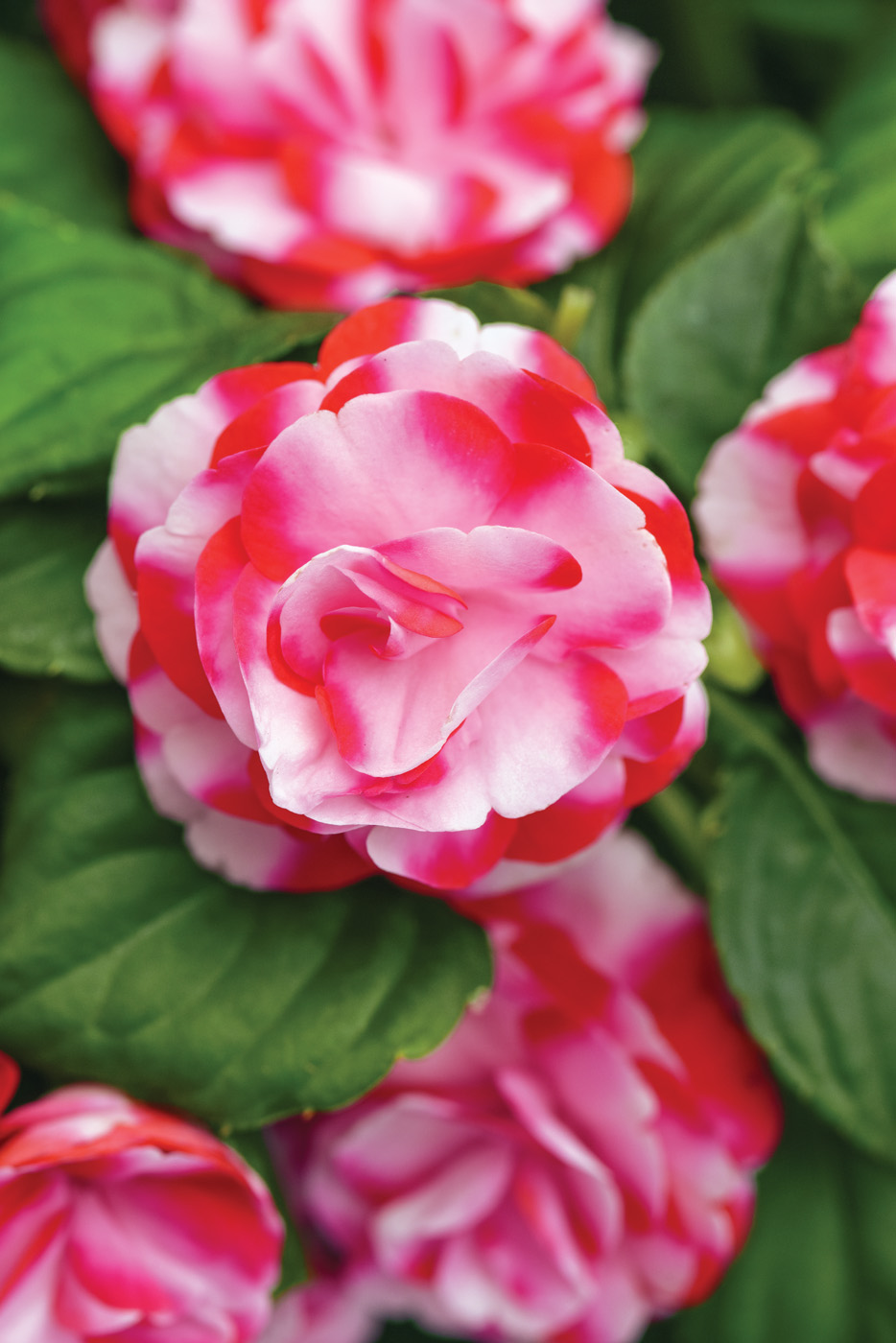
Glimmer® Strawberry Sparkler impatiens
(Impatiens walleriana ‘Balglimstark’)
- Zones: Annual
- Size: 10 to 16 inches tall and 10 to 12 inches wide
- Conditions: Full to partial shade; consistently moist, fertile, well-drained soil
- Native range: Eastern Africa
- Introduced by: Ball FloraPlant®
Romantic, roselike double blooms are the icing on the cake for this impatiens introduction. Strawberry Sparkler is the latest addition to the Glimmer® series, bred for high resistance to impatiens’ downy mildew. The beautiful bicolor blooms look perfectly at home cascading out of hanging baskets or patio pots and serve as sparkling fillers in beds that receive less sunlight.
Tuck tiny galaxies into containers, or brighten the edges of a border
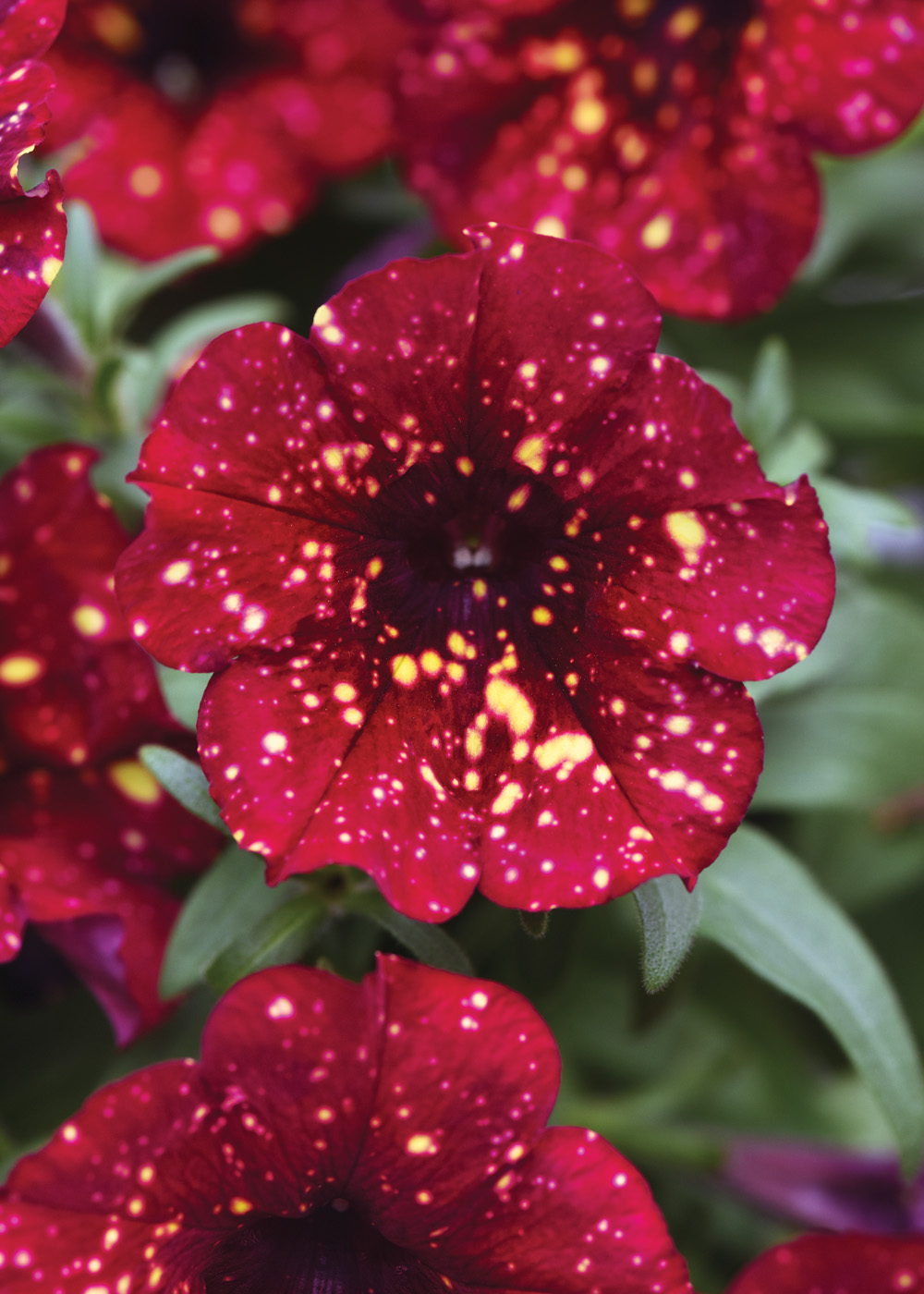
Main Stage™ Burgundy Sky petunia
(Petunia ‘KLEPH24909’)
- Zones: Annual
- Size: 12 to 16 inches tall and 24 to 30 inches wide
- Conditions: Full sun; consistently moist, fertile, well-drained soil
- Native range: Hybrid
- Introduced by: Selecta One®
From a new line of vigorous, trailing petunias, Main Stage™ Burgundy Sky evokes the afterglow of a summer sunset with bright stars just beginning to emerge. Give it a spot in a window box or tall container where it can do what it does best, cascading and putting out continuous blooms throughout the course of summer. Regular doses of fertilizer (weekly or biweekly) will enhance its performance.
Zero deadheading is required to keep the colorful double blooms coming
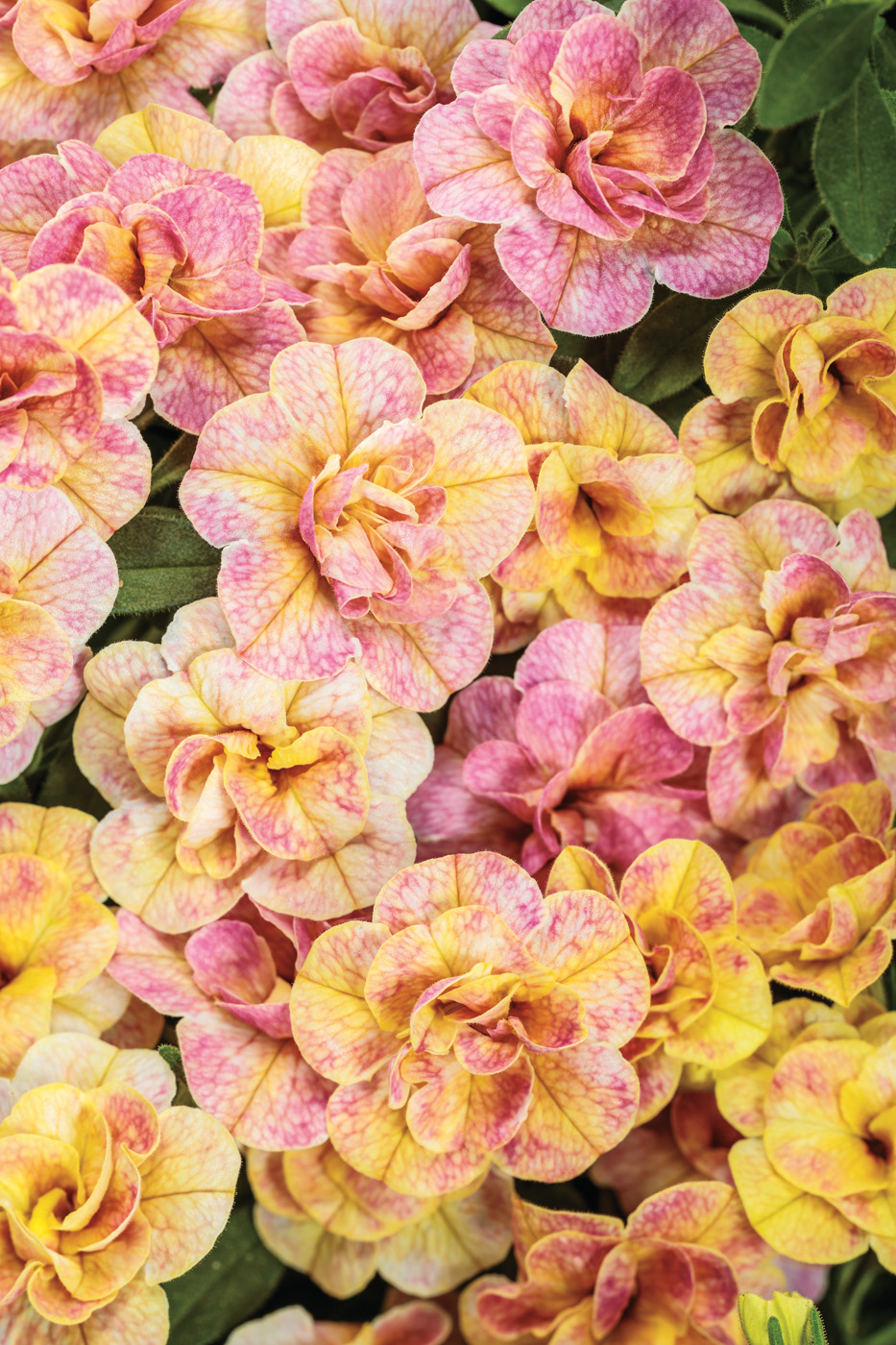
Magic® Double Grapefruit calibrachoa
(Calibrachoa ‘WNCALSBDBLGF26’)
- Zones: 9–11
- Size: 6 to 12 inches tall and 12 to 24 inches wide
- Conditions: Full sun; average to dry, well-drained soil
- Native range: Central and South America
- Introduced by: Proven Winners
The double, color-shifting blooms of this cute trailer start off primrose yellow and take on pink tones as they soak up the summer sun. It will bloom from the time it is set out in spring until frost takes it down in fall. An occasional trim with clean, sharp shears will help keep the plant looking tidy. Although plants are very heat tolerant, they do not appreciate constantly wet soil and can do better in containers than they do in the ground.
Back to Top ↑
Best New Plants for 2026: Vegetable Introductions
Editor’s Top Pick: Expect early yields of blocky, bright red peppers
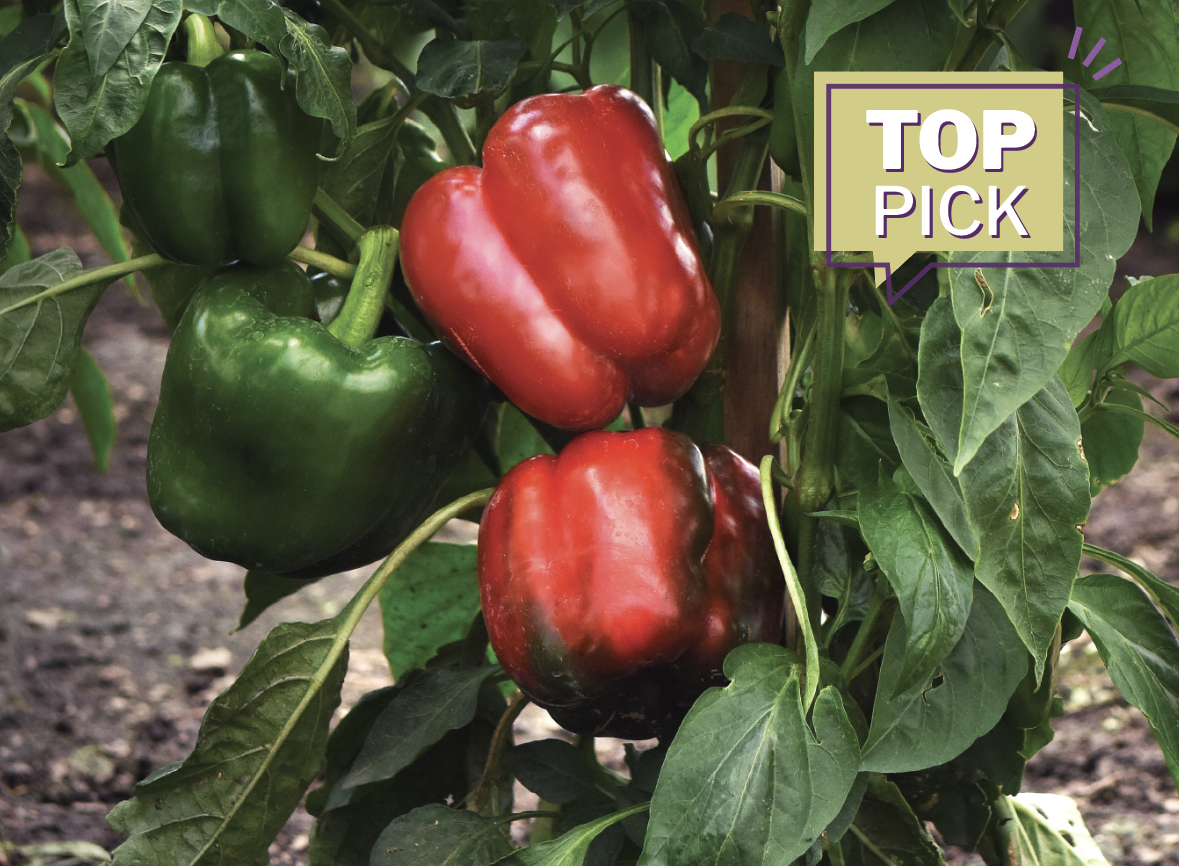
KickStart™ sweet bell pepper
(Capsicum annuum ‘PAS1443591’)
- Days to maturity: 70 to 75
- Introduced by: PanAmerican Seed®
Upright, disease-resistant plants produce peppers that ripen to red about two and a half months after being transplanted. The thick-walled fruit can also be eaten green if they are harvested starting around 50 to 55 days from transplant time. Grow it in a large container, or in the ground spaced 12 to 18 inches apart. Staking the plants will help to prevent lodging and protect fruit from coming into contact with the ground.
This grape tomato is sweet, disease resistant, and not prone to splitting
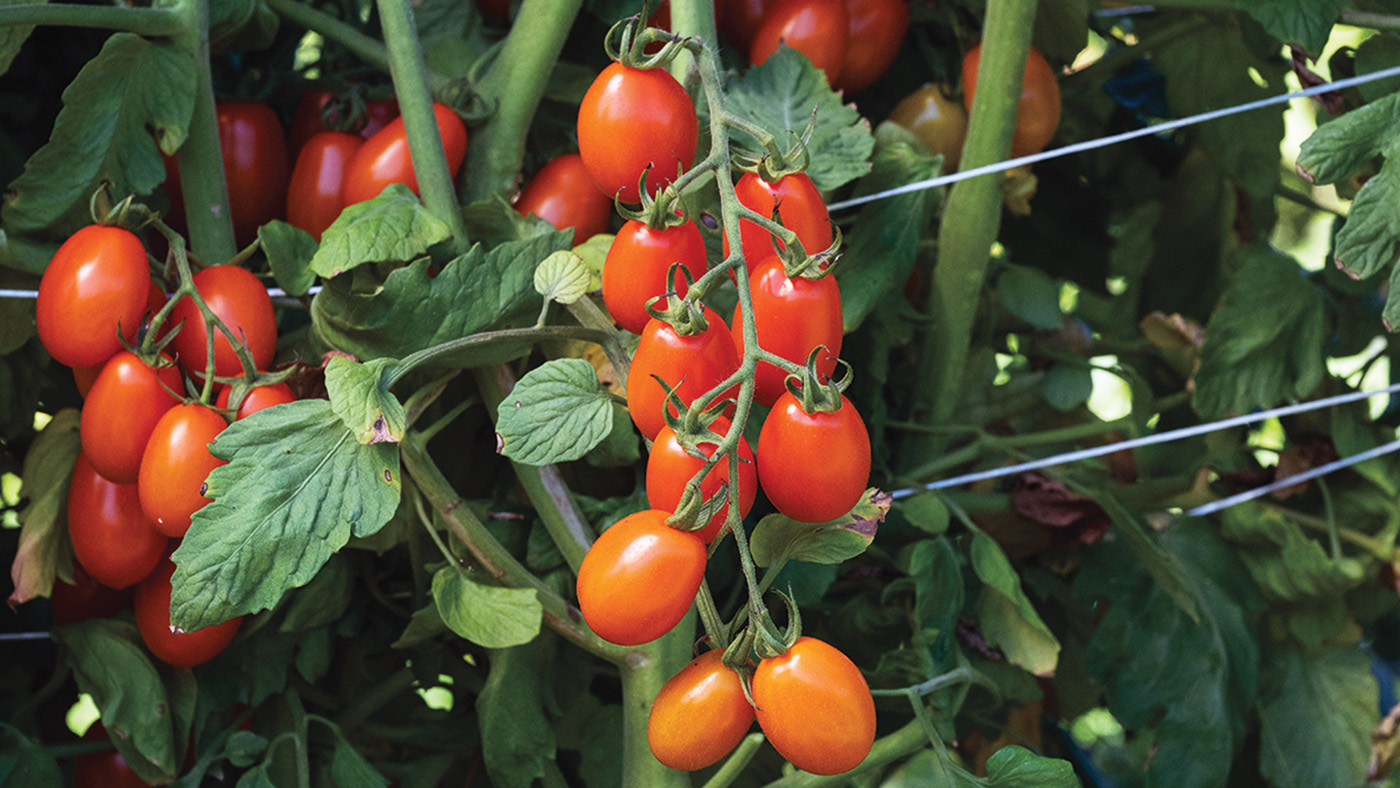
‘Mimosa’ organic tomato
The tangerine-orange fruit of this new tomato variety are tasty and an ideal size for snacking and topping summer salads. Plants were developed to have high resistance to a number of fungal diseases, including late blight. The first fruit should begin to ripen about two months after transplants are set out in the garden, which is nice and early compared to varieties with larger fruit. You can expect the indeterminate vines to reach about 5 to 6 feet tall and 3 to 4 feet wide in a season.
Enjoy gourmet flavor with a shorter wait time
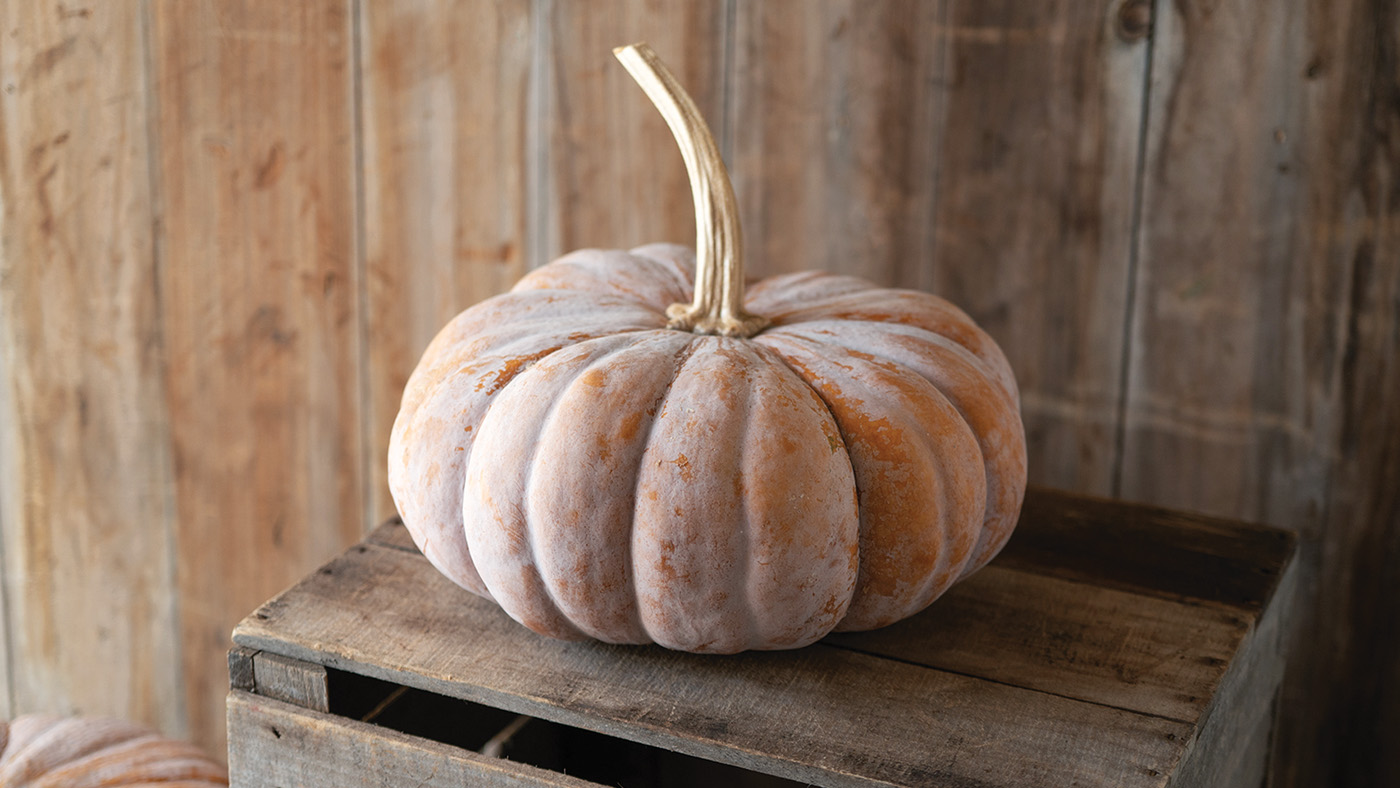
‘Wan Fu’ pumpkin
(Cucurbita moschata ‘Wan Fu’)
- Days to maturity: 110
- Introduced by: Johnny’s Selected Seeds
This beautiful winter squash has similar flavor to ‘Musquee de Provence’ but ripens much earlier than that venerable heirloom. You can expect to begin harvesting fully ripe pumpkins about 110 days after seeds are direct-sown, and a couple of weeks earlier if you start transplants indoors ahead of time. The fruit can also be harvested earlier and used like summer squash. Be sure to leave room for its extra-long vines to spread.
Back to Top ↑
The editors of Fine Gardening have several decades of combined experience trialing new plants.
See More: Best New Plants for 2025
Fine Gardening Recommended Products
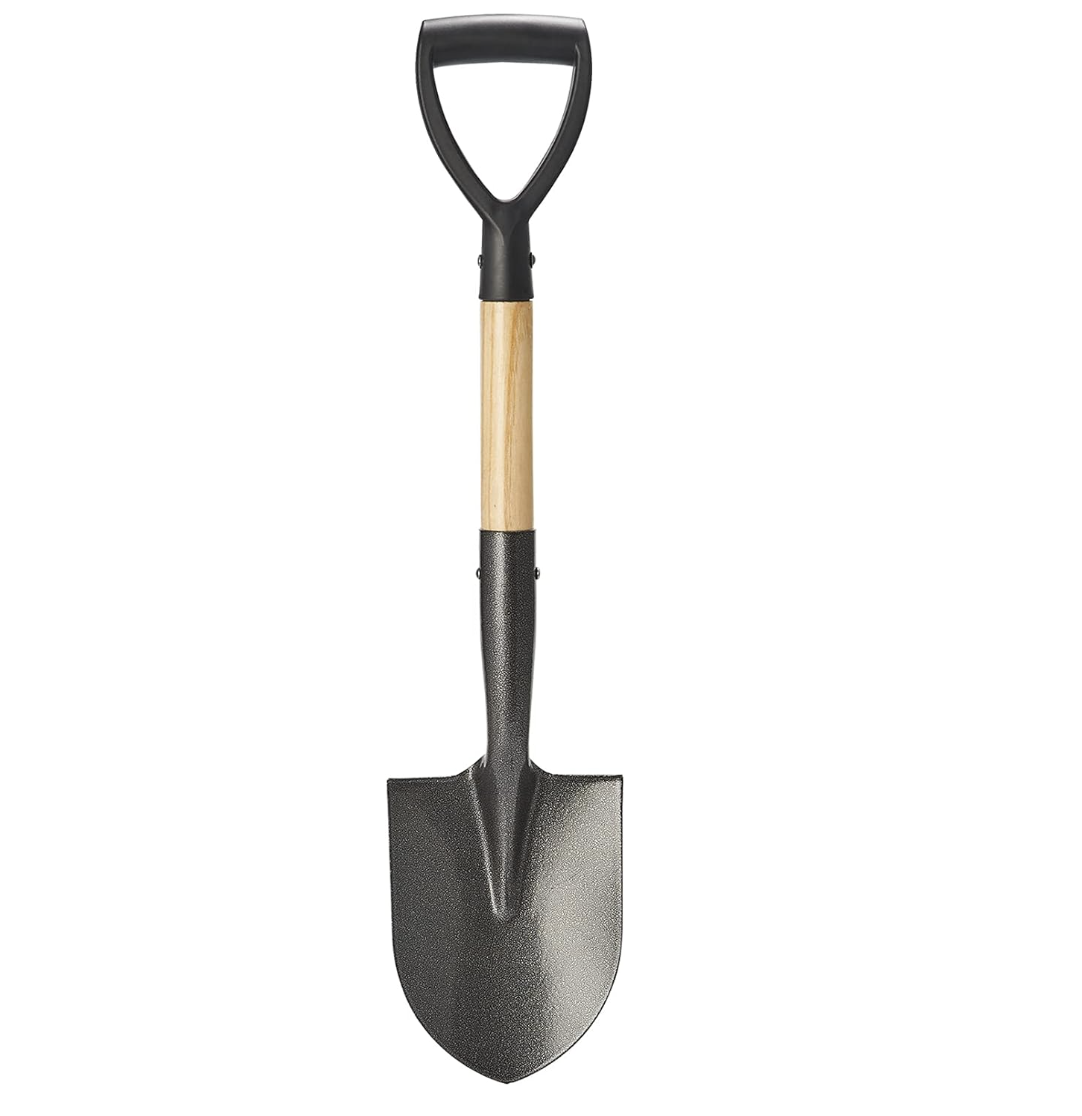
Corona® Multi-Purpose Metal Mini Garden Shovel
Fine Gardening receives a commission for items purchased through links on this site, including Amazon Associates and other affiliate advertising programs.
Longer Service Life: The blade of this round small shovel is made of carbon steel, which can effectively improve the hardness by high temperature quenching, and the surface has anti-rust coating to avoid rusting. In the process of use when encountering hard objects will not bend and deformation.
Sturdy Structure: The small garden shovel with D-handle, ergonomically designed grip can increase the grip of the hand when using, the handle is made of strong fiberglass, will not bend and break under heavy pressure. Quick Digging: Well-made digging shovel has a sharp blade, and the round shovel head is designed to easily penetrate the soil and cut quickly while digging to enhance your work efficiency.
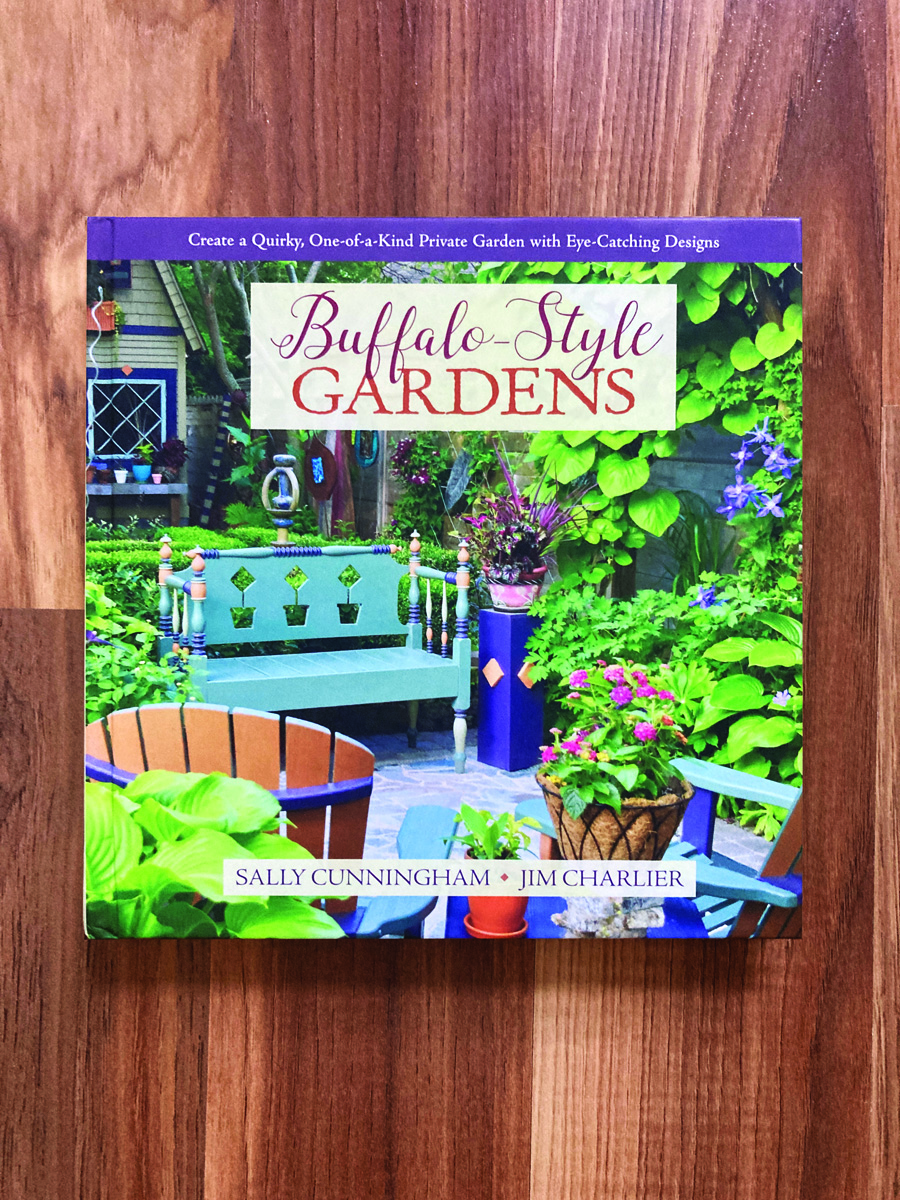
Buffalo-Style Gardens: Create a Quirky, One-of-a-Kind Private Garden with Eye-Catching Designs
Fine Gardening receives a commission for items purchased through links on this site, including Amazon Associates and other affiliate advertising programs.
Buffalo-Style Gardens is a one-of-a-kind, offbeat garden design book that showcases the wildly inventive gardens and gardeners of Buffalo – and offers readers “the best of the best” ideas to use in their own small-space gardens.
ARS Telescoping Long Reach Pruner
Fine Gardening receives a commission for items purchased through links on this site, including Amazon Associates and other affiliate advertising programs.
Telescopes from 4 to 7′. Cut and Hold (160) Blades. Drop forged blades for unsurpassed long lasting sharpness. Lightweight, 2.3 lbs., for continued use. Perfectly balanced for easy pruning.