



Hi GPODers!
As much as our gardens are our own personal havens, and there is always a glimmer of pride when we delight and impress our garden guests, we can’t forget that our outdoor spaces are also essential for the beneficial bugs and wildlife that we cohabitate with. Barbara Mrgich in Adams County, Pennsylvania is here to give us a great reminder of the impact our gardens can have on our ecosystems by showcasing the ways she supports the marvelous monarch. These butterflies are well-loved for their striking wing color and pattern as well as revered for their incredible ability to migrate thousands of miles every fall and spring. However, monarch populations have been in decline because of increased habitat loss and these important pollinators need more gardeners like Barbara to provide the the plants that are vital in different stages of their lifecycle.
I am a master gardener in Adams County, PA. For the past ten years, I have been studying the importance of supporting pollinators and other beneficial insects in my suburban zone 6b garden. (They keep telling us we are now zone 7a, but this year, my birdbaths froze solid two times before Thanksgiving, so I’m not buying it.)
The first step in supporting more pollinators is to plant more native plants, making sure to include host plants for specific species that are common in your area. I am devoting this post to monarch butterflies (Danaus plexippus), and will follow up with a few others in a future submission.
Here are a few of my photos from 2025.
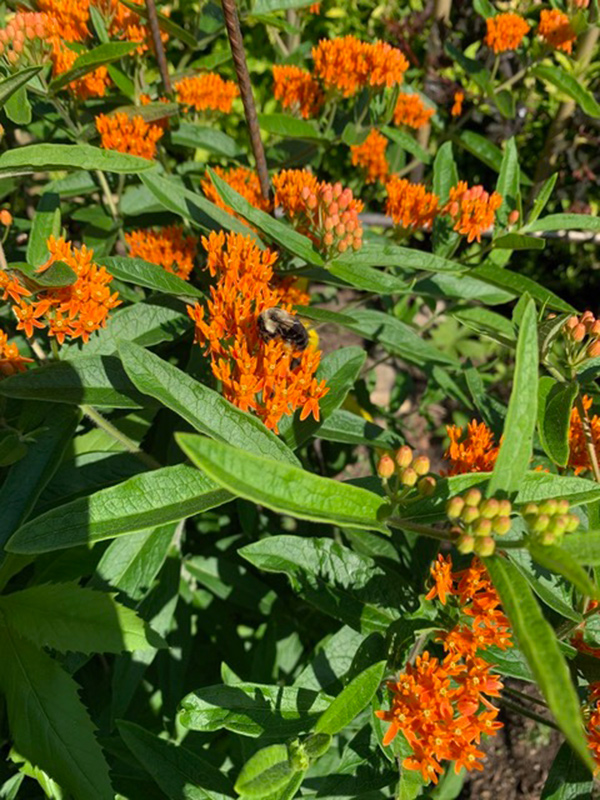 If you are interested in supporting monarch butterflies, you need milkweed. Milkweed species (Asclepias spp.) is the only plant monarch caterpillars can eat. Without it, there will be no monarch butterflies. Here is the beautiful butterfly weed (Asclepias tuberosa, Zone 3–9). Be careful not to confuse it with butterfly bush (Buddleja davidii, Zone 5–9), which is highly invasive in our area and very much undesired!
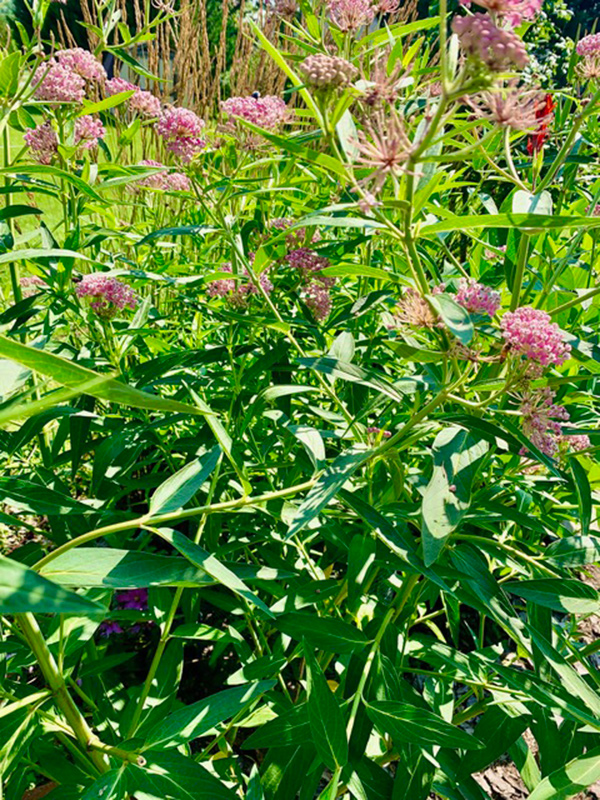 Along with butterfly weed, you may choose swamp milkweed (Asclepias incarnata, Zone 3–9), another beautiful Asclepias species. Depending on the area of the country where you live, other milkweed species native to your area, may be more to your choosing. Swamp milkweed is highly attractive to many different pollinators as a nectar plant, and extremely attractive to monarchs as a host plant. This plant was covered with monarch caterpillars from July through September this year. Its blooms attracted many different species of pollinators.
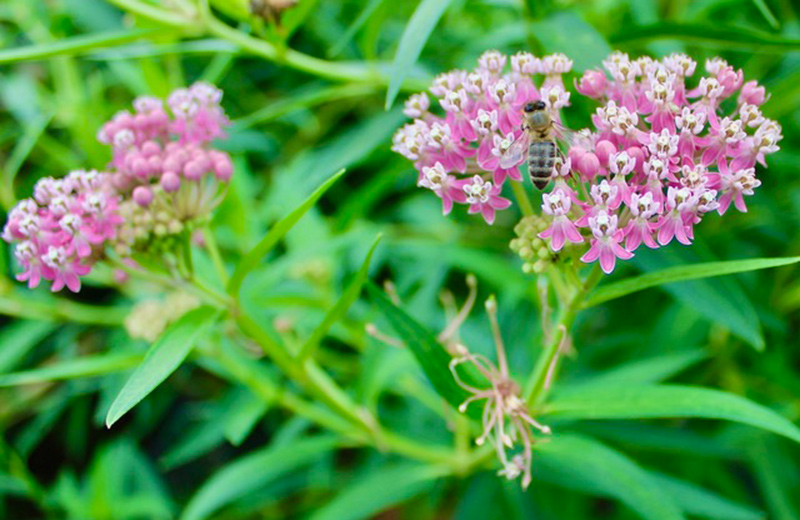 Swamp milkweed feeds bees and other pollinators of all sorts. Neither Asclepias tuberosa nor Asclepias incarnata spread by rhizomes to invade your garden as common milkweed (Asclepias syriaca, Zone 3–8) is known to do. They will not take over your garden.
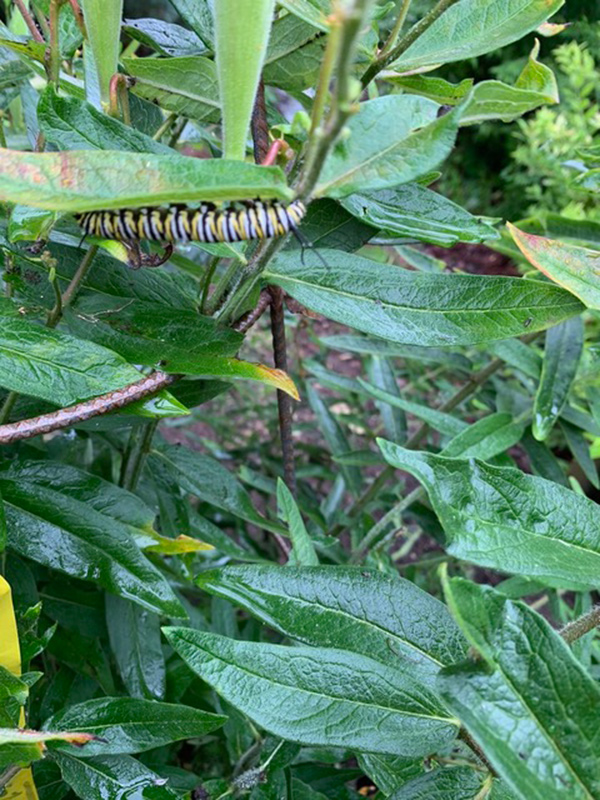 Monarch caterpillars first appeared on my butterfly weed in early July.
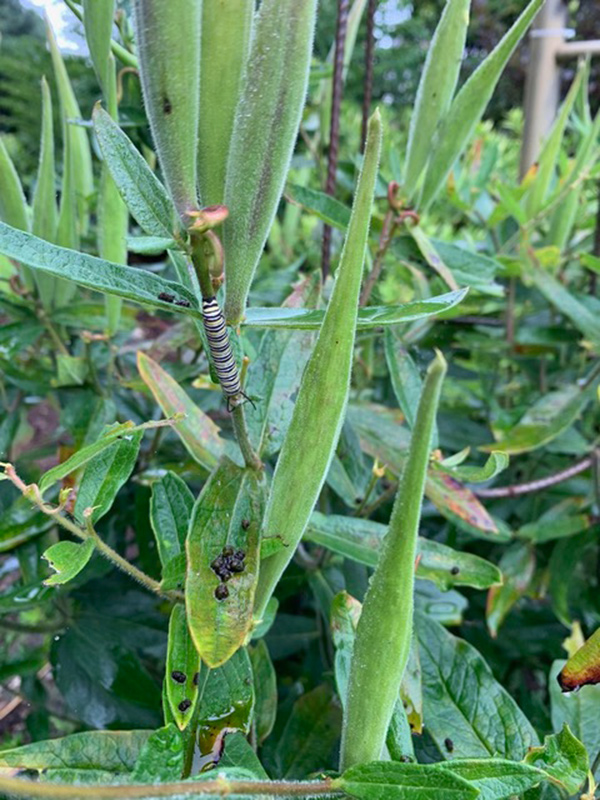 Shortly thereafter, in August, they began to appear on the swamp milkweed. (Caterpillars are dirty things. All they do is eat and poop!) One way to find them on the plant is to look for the fras (poop) directly below where they are eating.
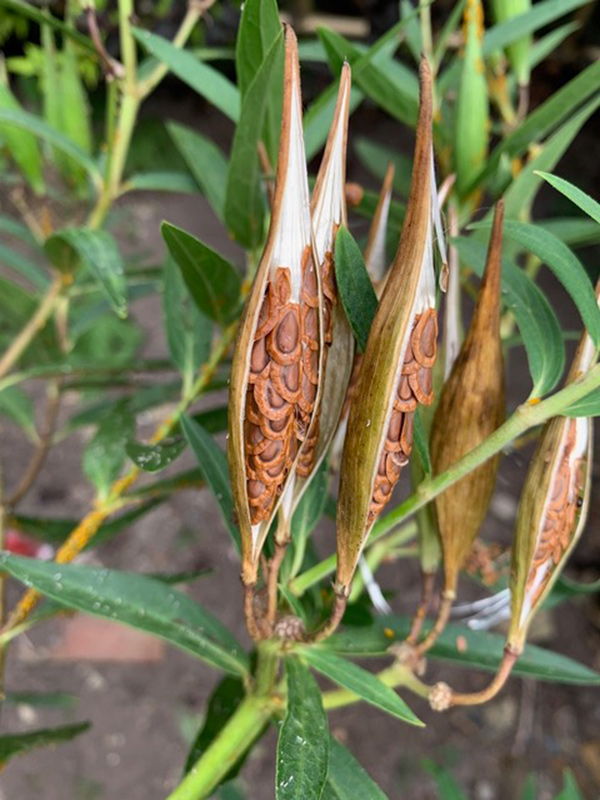 Around the middle of August the seedpods on the swamp milkweed begin to open. This is how you know they are ripe. At this point it is easy to collect them to start plants for next year. Milkweed needs cold stratification, so I start them sometime after Christmas in milk jugs using winter seed sowing techniques (very easy).
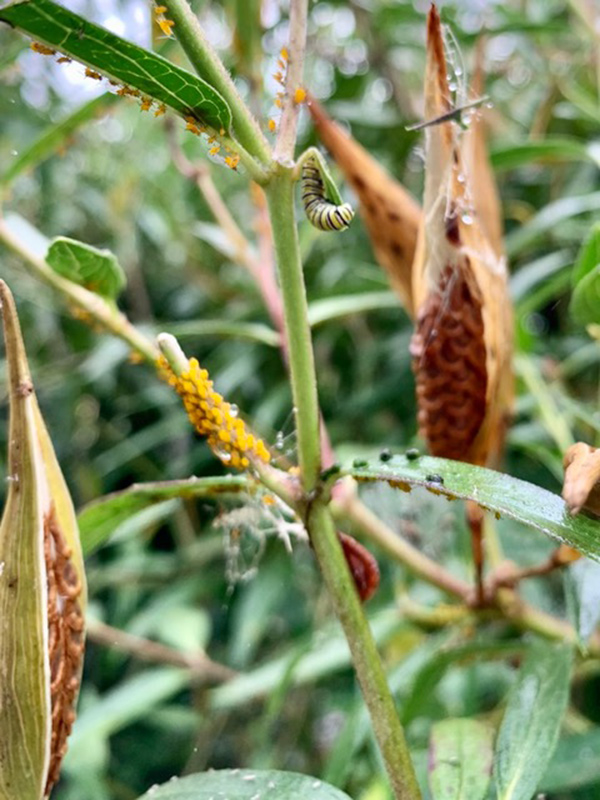 Aphids are an unsightly pest who are especially attracted to milkweed. You definitely don’t want to spray them because any spray will also kill the caterpillars. You can wash them off with a strong spray of water, but you are also washing and drowning the eggs and caterpillars. As you can see in this photo, they don’t bother the caterpillar, just the gardener!
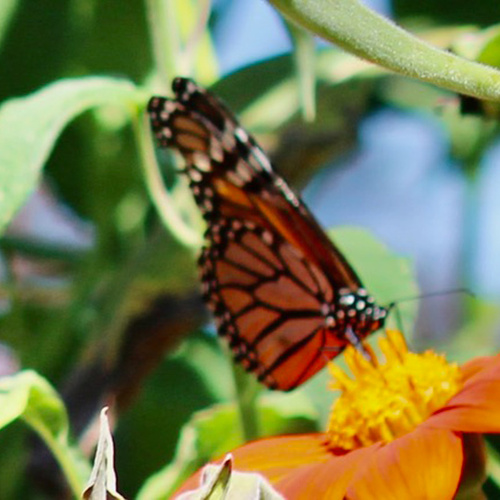
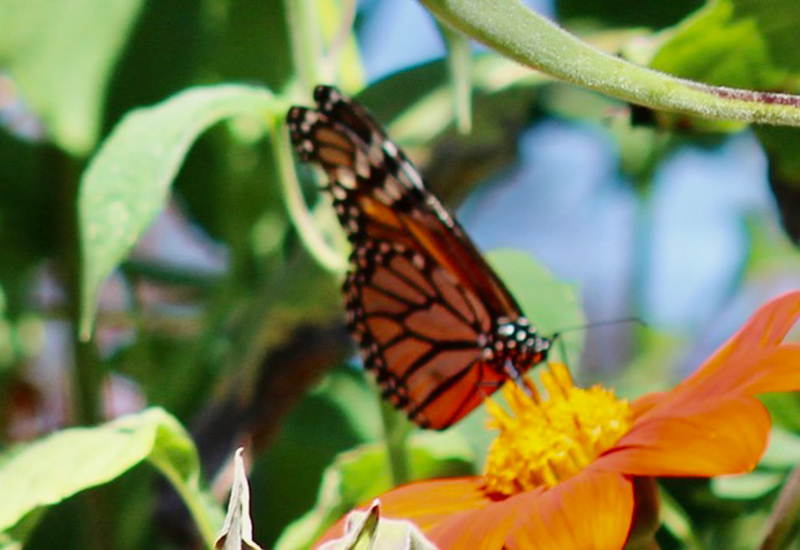 I always plant a big patch of zinnias, coneflowers, and tithonia right beside my milkweeds. They are favorite nectar plants of butterflies and many other pollinators. Here is a monarch butterfly on tithonia.
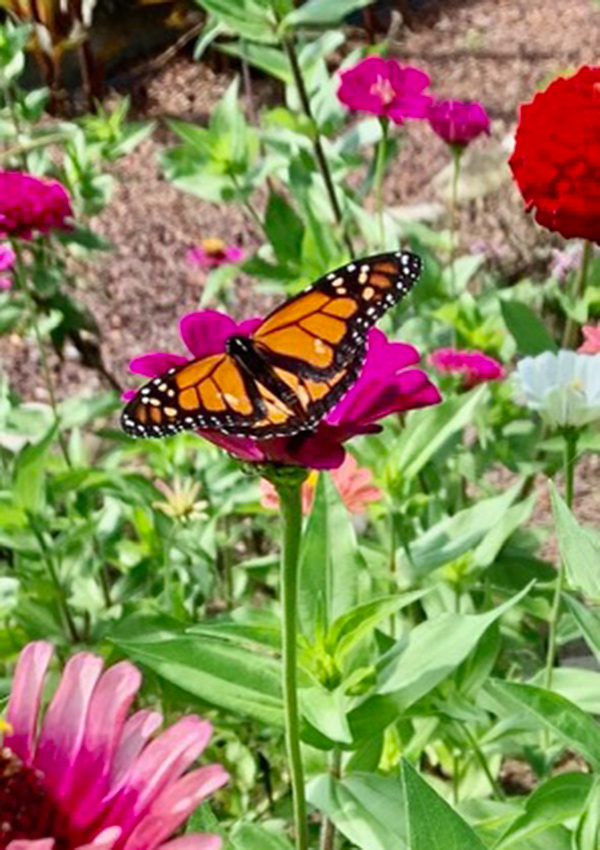 A monarch butterfly nectaring on echinacea.
Thank you so much for this informative and inspiring submission, Barbara! I think we all garden with the hope of attracting and supporting some beautiful pollinators, but you go the extra mile to ensure your garden is having a big beneficial impact.
We all miss the flowers once they fade, but we will also miss the beautiful pollinators and cute creatures that visit our gardens during the warmer months. If you’ve captured photos of the various wildlife and insects that visited your garden this year, consider sharing them with Garden Photo of the Day! Follow the directions below to submit photos via email, or send me a DM on Instagram: @agirlherdogandtheroad.
We want to see YOUR garden!
Have photos to share? We’d love to see your garden, a particular collection of plants you love, or a wonderful garden you had the chance to visit!
To submit, send 5–10 photos to [email protected] along with some information about the plants in the pictures and where you took the photos. We’d love to hear where you are located, how long you’ve been gardening, successes you are proud of, failures you learned from, hopes for the future, favorite plants, or funny stories from your garden.
Have a mobile phone? Tag your photos on Facebook, Instagram, or Twitter with #FineGardening!
Do you receive the GPOD by email yet? Sign up here
Fine Gardening Recommended Products
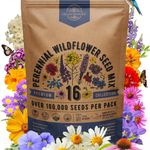
Organo Republic 16 Perennial Wildflower Seeds Mix for Indoor & Outdoors
Fine Gardening receives a commission for items purchased through links on this site, including Amazon Associates and other affiliate advertising programs.
Premium 16 Perennial Wildflower Seeds Mix – Special Garden Flower Seeds Blend designed for planting indoor & outdoors across North America. With over 16 varieties and 100,000 wildflower seeds, this mix is the best solution to attract pollinators – bees, butterflies & birds are essential for garden plants health. Our Special Perennial Wildflower Seeds Mix Includes White Yarrow, Columbine, New England Aster, Siberian Wallflower, Shasta Daisy, Lance-Leaf Coreopsis, Sweet William, Purple Coneflower, Blanketflower, Gayfeather, Blue Flax, Lupine, Dwarf Evening, Primrose, Mexican Hat, Prairie Coneflower, Black Eyed Susan. Easy & Fun Growing Experience with our online guides – Don’t plant disappointment – Add more colors to your wildflower garden! We send only super hearty heirloom flower seeds with the highest germination rate and fast sprout. Our detailed growing guide helps you grow seeds the garden of your dream like a PRO. Colorful Wildflower Garden from Seeds – Grow wildflowers everywhere – Indoor in window garden or Outdoors Flower garden Garden make a beautiful design for your garden borders, pathways, field or meadow and attract pollinators. Made in the USA by Small Family-Owned Business – Quality You Can Trust – Our wildflower bulk seeds variety pack are tested at the highest germination rates before being sealed to last for up to 3 years before you need to plant. Each packet of our flower seeds variety pack is resealable to make it easy to store and has its own label with a QR code for the growing instructions.
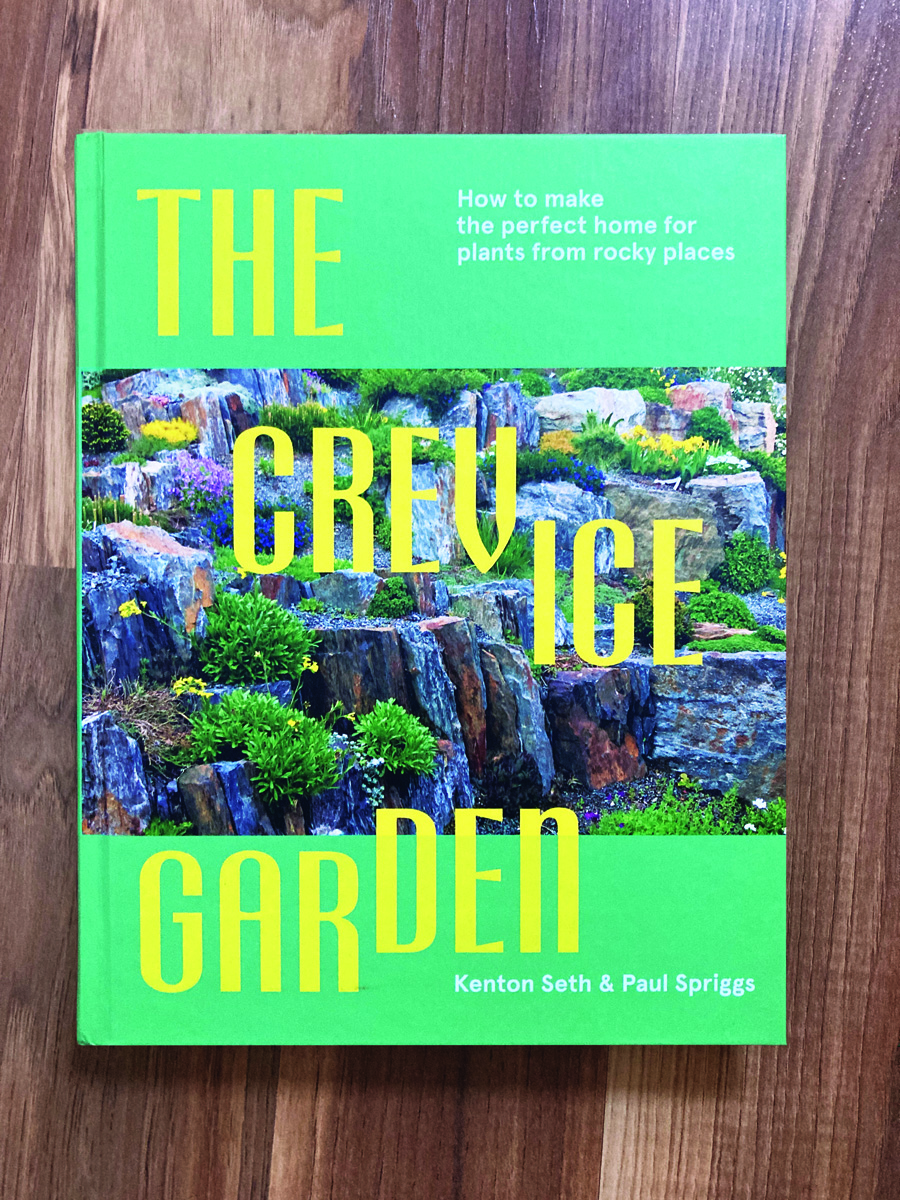
The Crevice Garden: How to make the perfect home for plants from rocky places
Fine Gardening receives a commission for items purchased through links on this site, including Amazon Associates and other affiliate advertising programs.
A crevice garden replicates the environmental conditions of mountain tops, deserts, coastlines, and other exposed or rocky places on earth. These striking garden features provide perfect conditions for the plants native to these far-off places, bringing the cultivation of these precious gems within everybody’s reach.