
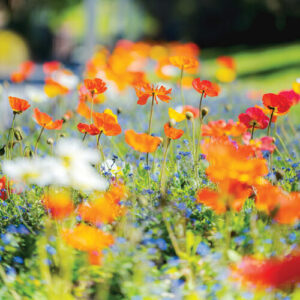
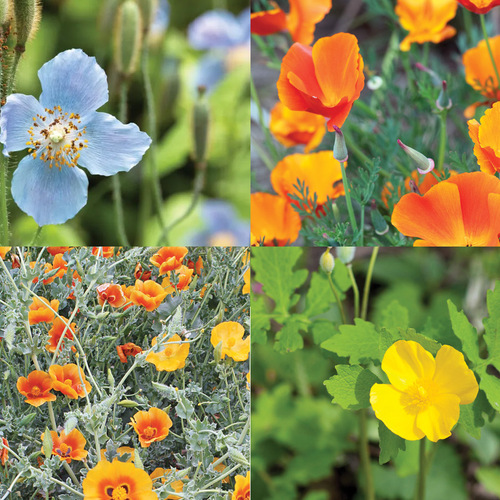
Try these poppy-like plants to get a similar look in different conditions
If you love traditional Oriental and breadseed poppies but are looking for something different, try these four plants with poppy-like flowers that thrive in a wide range of conditions. Plus find a recommended companion plant pick for each to create an easy garden combo.
Read More: A Poppy for Every Garden
4 Poppy-Like Flowers and Best Companion Plants
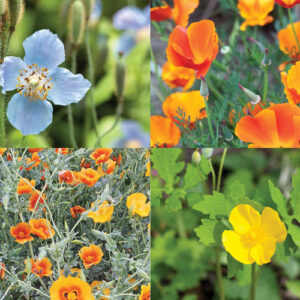
1. With the right conditions, ‘Lingholm’ Himalayan blue poppy will steal the show with its bright blue blossoms
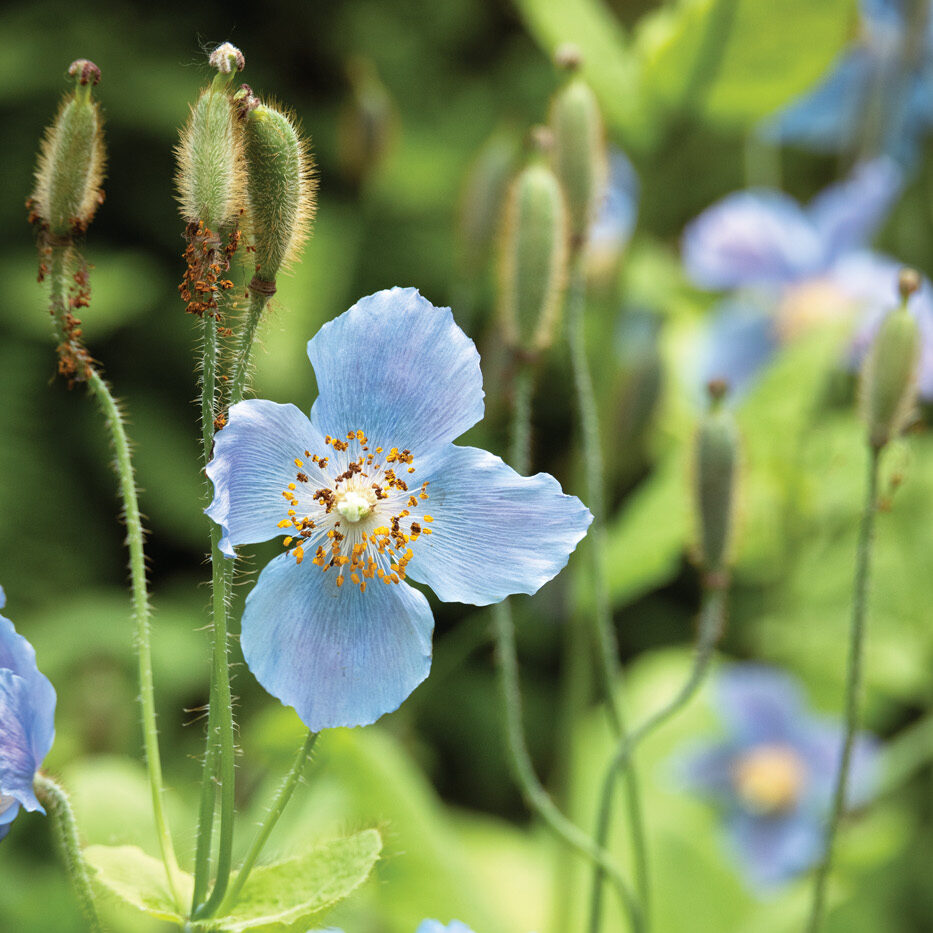
Meconopsis ‘Lingholm’
- Zones: 5–7
- Size: 3 to 4 feet tall and 1 to 2 feet wide
- Conditions: Partial shade; loose, acidic, well-drained soil
- Native range: Hybrid
Himalayan blue poppy is a horticultural white whale for many, as it is notoriously difficult to grow. This, of course, is climate dependent; if your garden has dappled shade, moist but well-drained soil that is acidic and light, and summers that don’t get hotter than 80°F, then give Himalayan poppies a try. Its blooms come in many different colors, but ‘Lingholm’ Himalayan blue poppy, a cross between M. betonicifolia and M. grandis, blooms with an otherworldly shade of cerulean.
It was discovered at Lingholm Estate in England and is one of the rare blue hybrids that will set seed. Flowers can be up to 6 inches wide and bloom in early summer, typically from late May through July. Remove all flowers the first year to allow energy to be spent on root development.
Companion plant:
|
|
2. ‘Mikado’ California poppy features darker two-tone flowers on an iconic native species
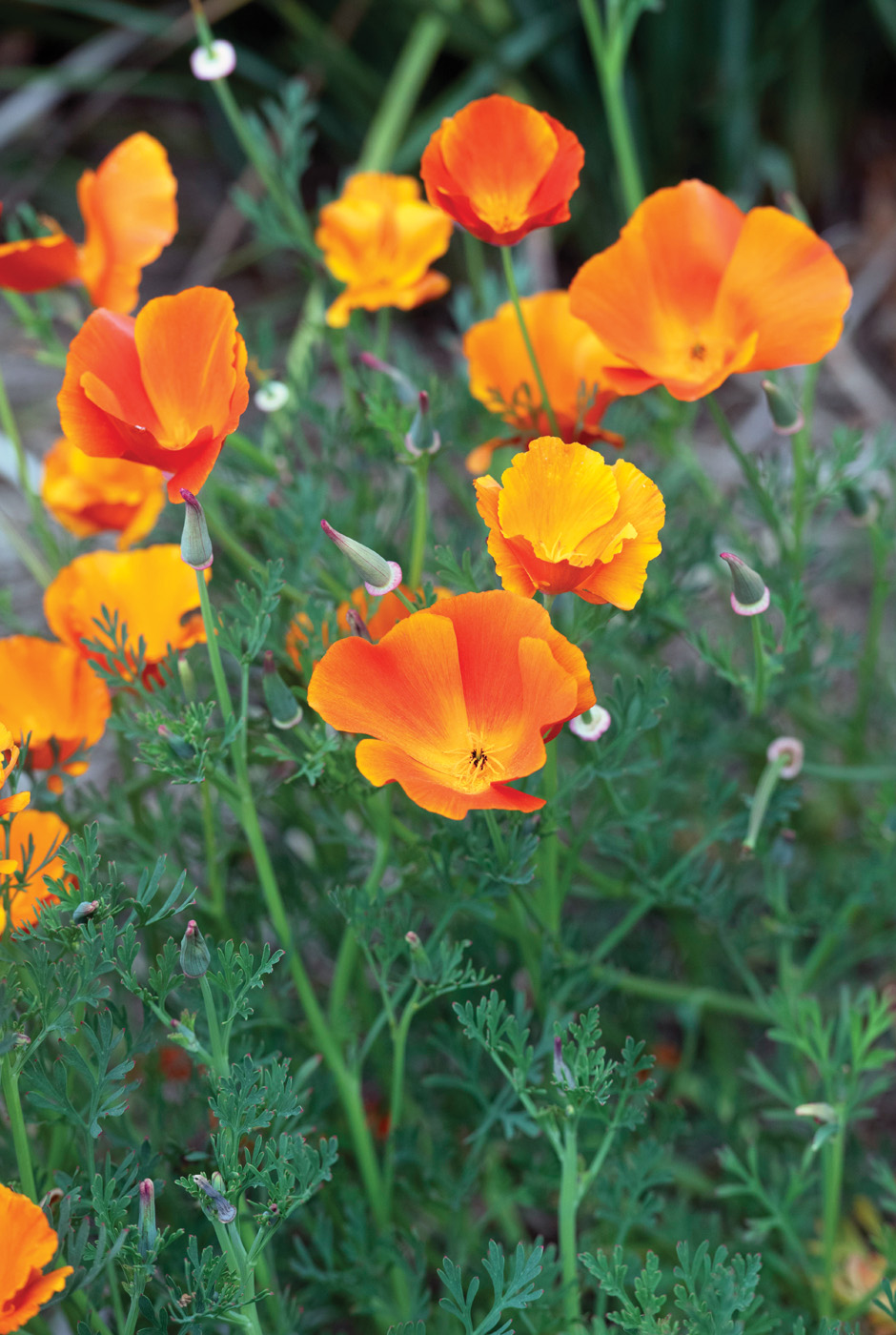
Eschscholzia californica ‘Mikado’
- Zones: 6–10
- Size: 12 to 18 inches tall and 8 to 12 inches wide
- Conditions: Full sun; well-drained soil
- Native range: Western coast of North America
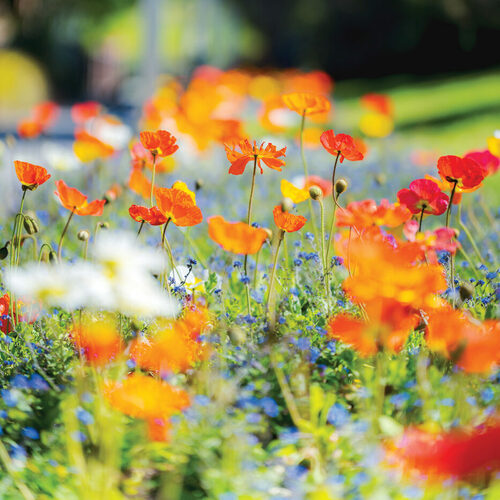
California poppy is an annual native to North America that is a spectacle in its natural habitat during periodic “super blooms.” Its finely dissected silver-green foliage is very ornamental and persists after blooming has finished. Flowers and foliage gracefully weave among other plants. If the soil is too rich, stems that don’t have support can flop.
Blooming starts in mid-May, lasting through early summer. The blossoms are typically oriole orange, but other color selections are available, including ‘Mikado’ California poppy, whose orange blooms are flushed with red.
Companion plant:
|
|
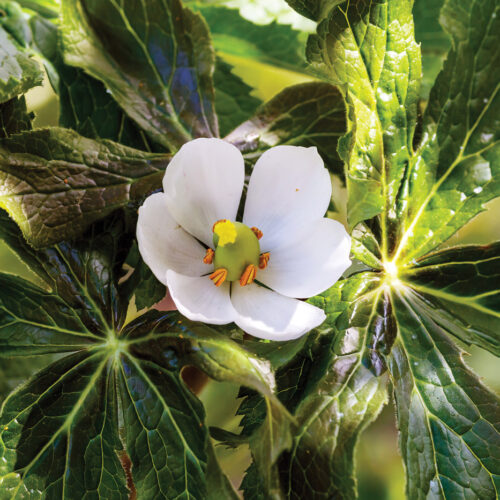
3. Celandine poppy brings bright color and classic elegance to shady spots
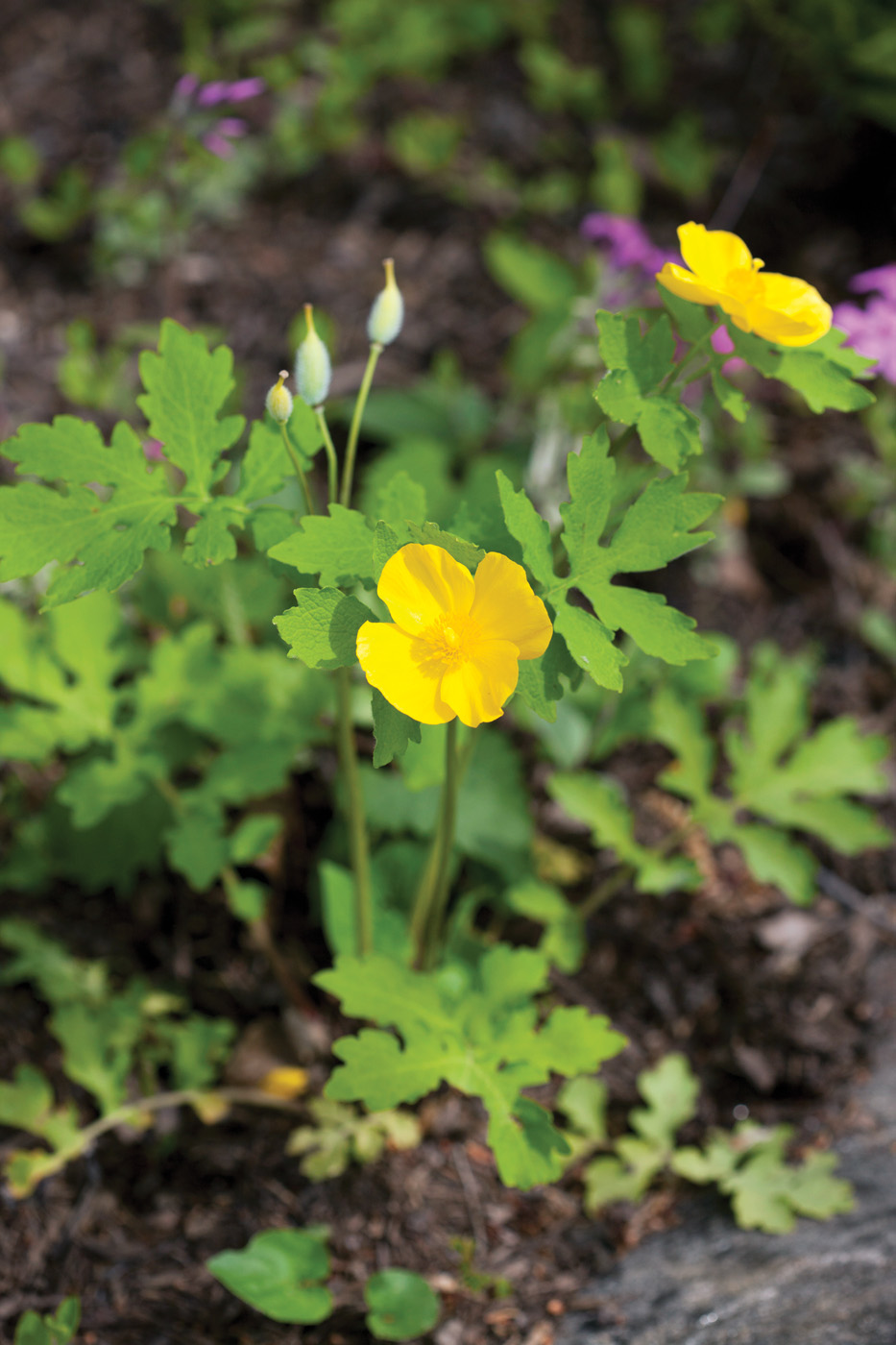
Stylophorum diphyllum
- Zones: 4–9
- Size: 12 to 18 inches tall and 8 to 12 inches wide
- Conditions: Partial to full shade; rich, medium to wet soil
- Native range: Eastern North America
Celandine poppy is a native poppy relative for the woodland garden. Deeply lobed leaves emerge in early spring, shortly after the 1½-inch-wide pure yellow flowers begin blooming. These flowers develop into interesting bristled seedpods that split open in early summer, often self-sowing under ideal conditions.
The plants can go dormant in summer drought but will return the following year. This species can sometimes be confused with the weedy and invasive greater celandine (Chelidonium majus, Zones 4–8), but they can be differentiated. Celandine poppy has larger leaves with fewer lobes, larger flowers, and bristled and oval-shaped seedpods, instead of greater celandine’s elongated ones.
Companion plant:
|
|
4. Horned poppy has foliage and seedpods that are as interesting as its flowers
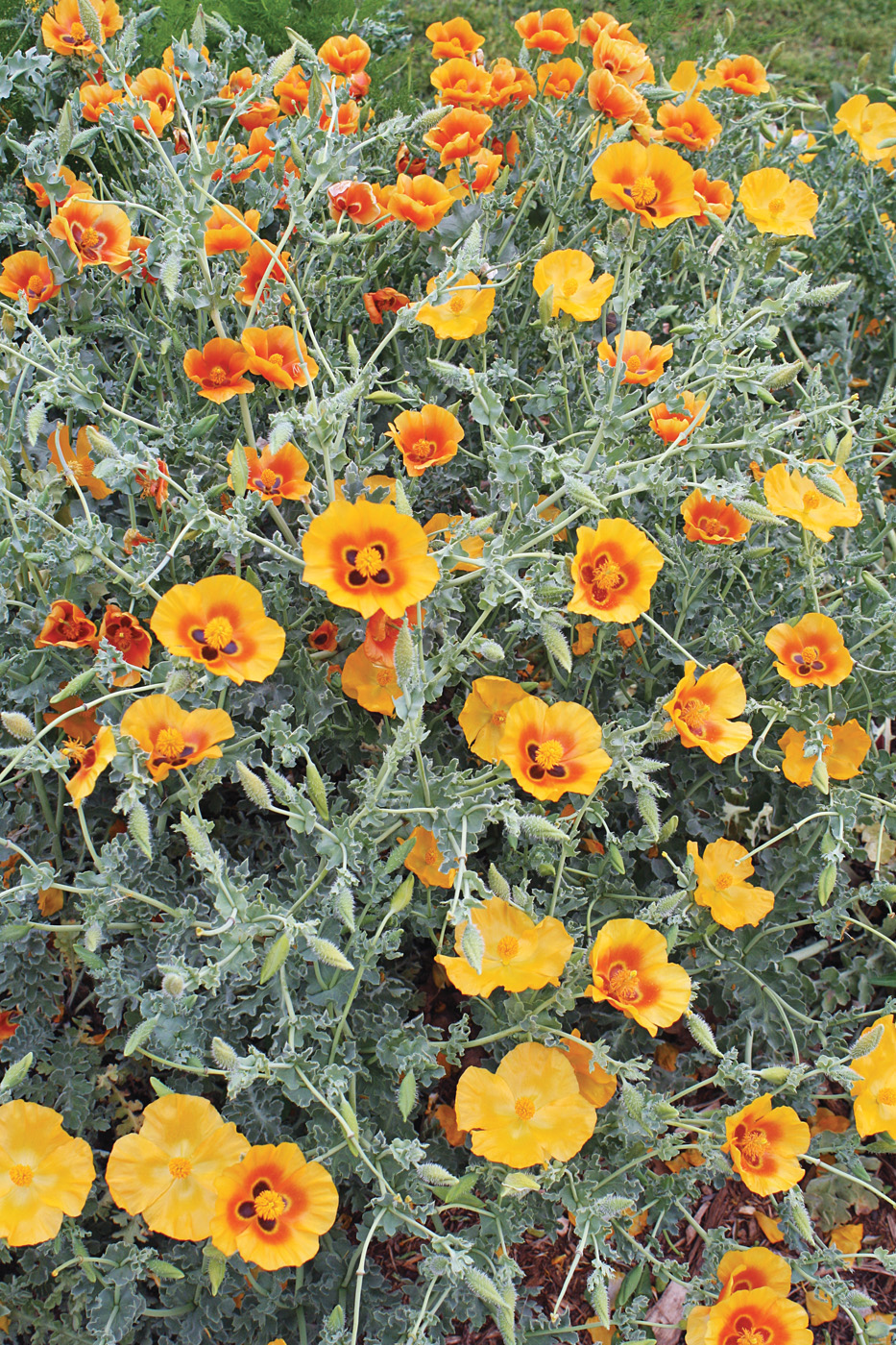
Glaucium grandiflorum
- Zones: 7–10
- Size: 2 to 3 feet tall and wide
- Conditions: Full sun; average to poor, well-drained soil
- Native range: Eastern Mediterranean and the Middle East
Horned poppy is a herbaceous perennial that has presence for the entire growing season. Flowering begins in June and continues throughout summer. Each bloom is about 2 inches wide. They are golden orange with a dark eye and black patches at the base of the petals. The lobed leaves and conical seedpods provide interest after the bloom period has finished.
This species can seed in areas with well-drained soil and has the potential to become problematic in some parts of the Western United States. It is drought tolerant after establishment and looks at home in a gravel garden.
Companion plant:
|
|
Tess Kuracina is the director of living collections and curator of herbaceous plants at the New York Botanical Garden.
PLANT SOURCES
The following mail-order sources may offer some of the plants featured in this article:
- Dutch Grown, West Chester, PA; 833-693-8824; dutchgrown.com
- Eden Brothers, Arden, NC; 855-440-2929; edenbrothers.com
- Far Reaches Farm, Port Townsend, WA; 360-385-5114; farreachesfarm.com
- High Country Gardens, Clinton, UT; 801-769-0300; highcountrygardens.com
- Plant Addicts, Omaha, NE; 833-577-0999; plantaddicts.com
- Select Seeds, Co., Union, CT; 800-684-0395; selectseeds.com
Fine Gardening Recommended Products
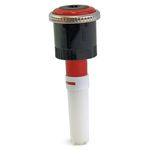
Hunter Industries MP-1000-90 Hunter Nozzle
Fine Gardening receives a commission for items purchased through links on this site, including Amazon Associates and other affiliate advertising programs.
– 8′ to 15′ radius with an adjustable arc of 90° to 210°, radius can be reduced by up to 25% to fit landscape needs
– Double-pop technology flushes the nozzle during start-up and shutdown to prevent clogging
– Wind-resistant, multi-directional streams provide even coverage
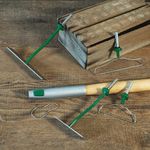
Johnny’s Selected Seeds Connecta® Cultivation Kit
Fine Gardening receives a commission for items purchased through links on this site, including Amazon Associates and other affiliate advertising programs.
Choose the right tool head for the job and switch out quickly with a simple push-button release. Includes the Connecta receiver, Connecta Collinear 4 head, Connecta Collinear 7 head, Connecta Contour Wire 4 head, Connecta Contour Wire 6 head, a sustainably harvested oiled ashwood handle, and a stainless-steel carrying clip.