


Garden Q&A: Your Garden Questions, Answered!
One of our favorite things to do on the podcast is to hear from you, our loyal listeners. We recently scrolled through our emails and social media messages to see what kinds of questions you all had from the past season for this Garden Q&A. We love hearing about what’s happening in your gardens—especially the challenges—and sharing advice drawn from our decades of horticultural experience. And when we don’t have the answer, we’re lucky to have a network of experts we can tap for plant recommendations or to help troubleshoot tricky garden situations.
These Q&A episodes are always a highlight for us, and your inquiries this time around did not disappoint. The topics range from disease-free hemlock options to deep thoughts on non-native plants. Tune in to see if one of your questions made the list—or to pick up solutions to a few common garden problems along the way.
Danielle’s Garden Questions
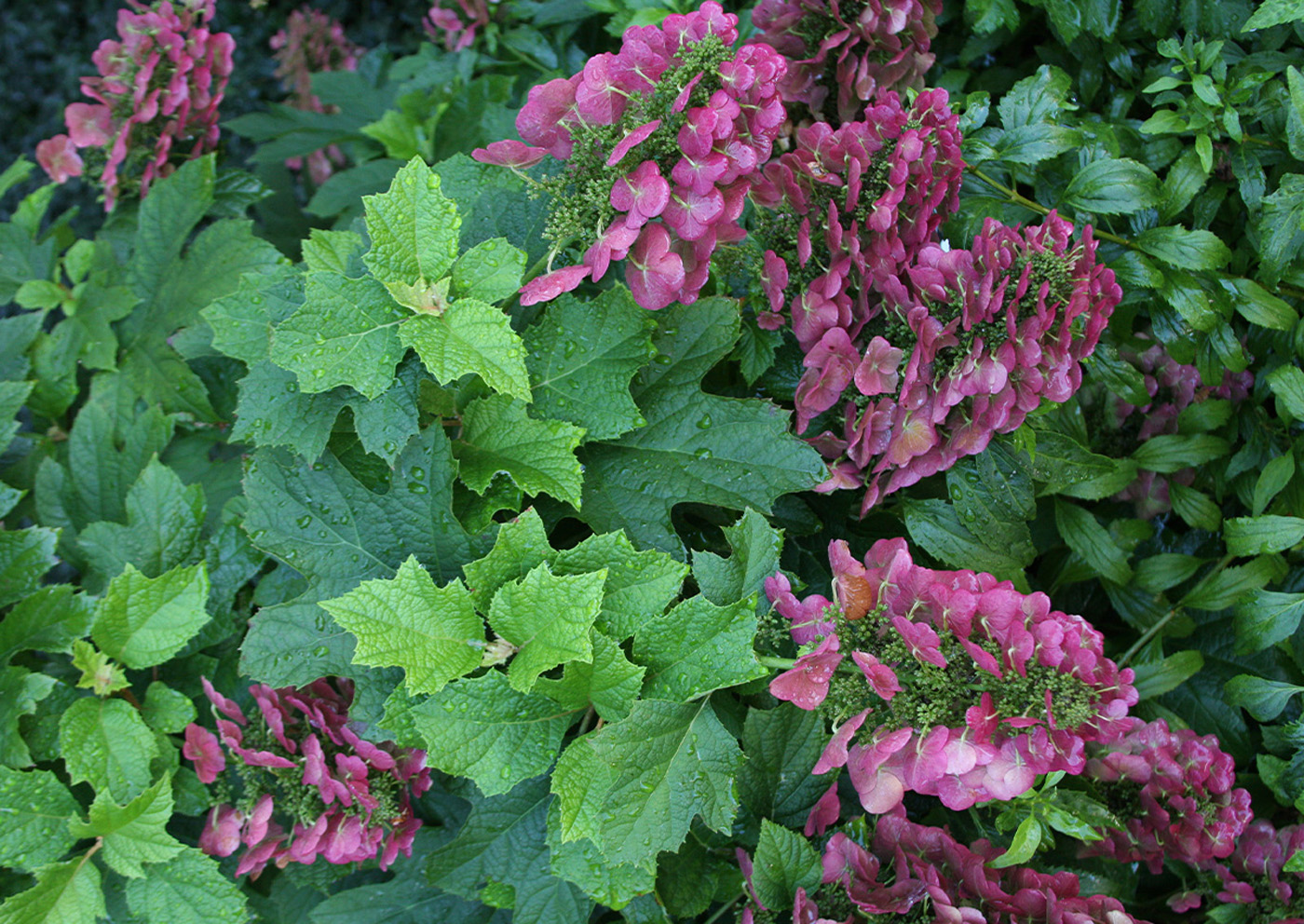
- Why didn’t my Ruby Slippers oakleaf hydrangea bloom last year after planting in May?
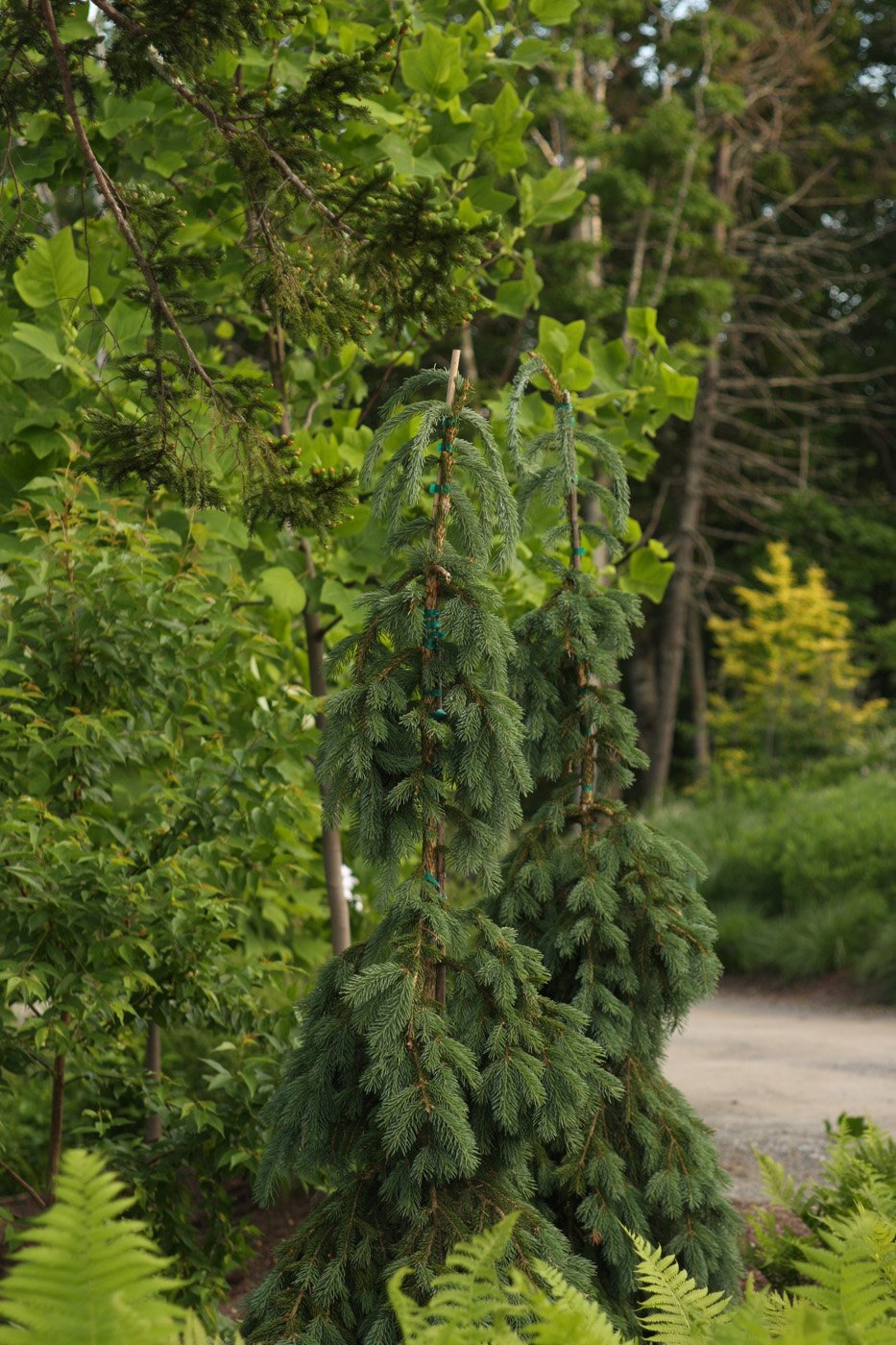
- Is it worth planting spruces in Michigan if they might get fungal diseases?
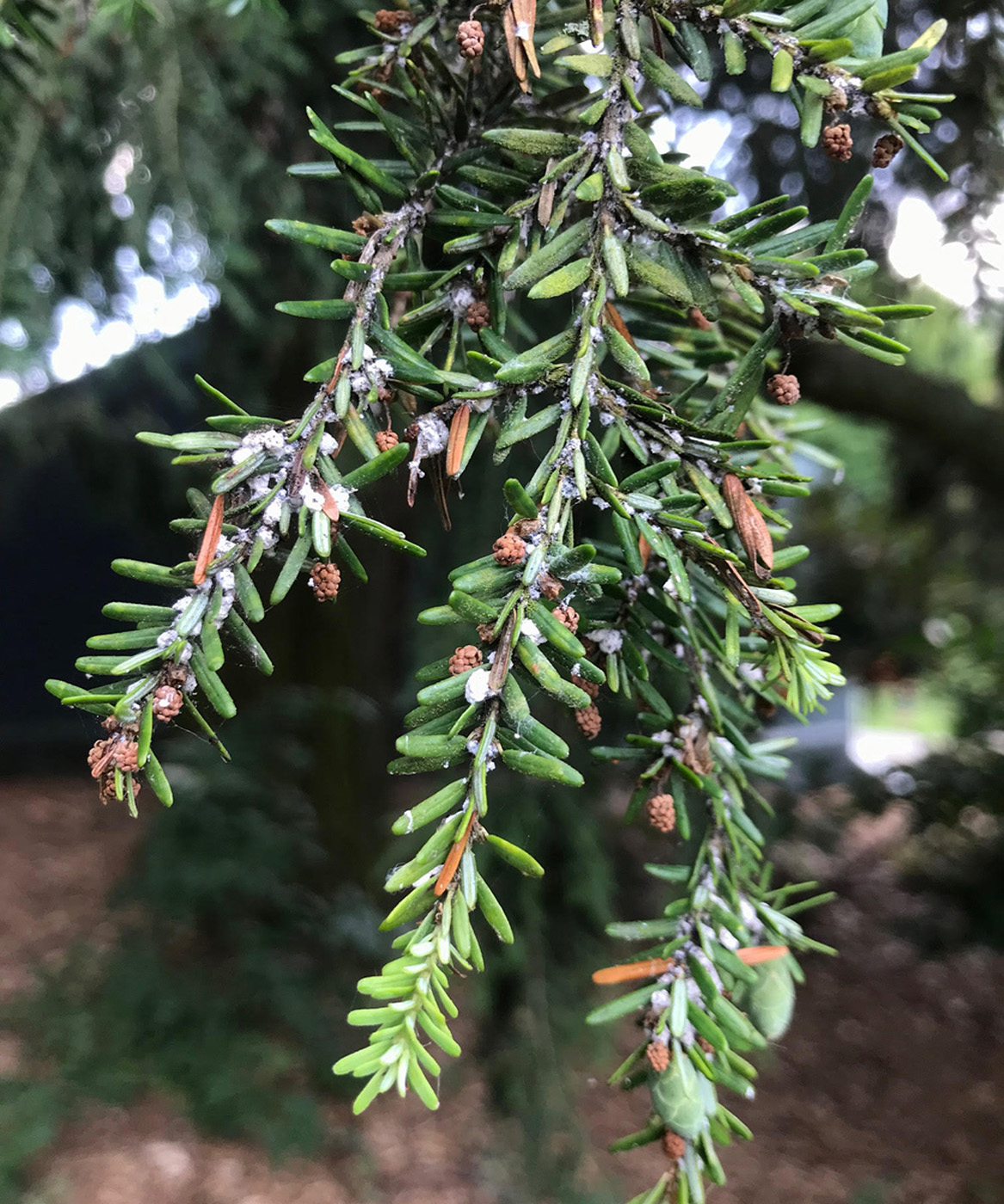
- Are Canadian hemlocks OK to plant in the Eastern United States given the hemlock wooly adelgid problems?
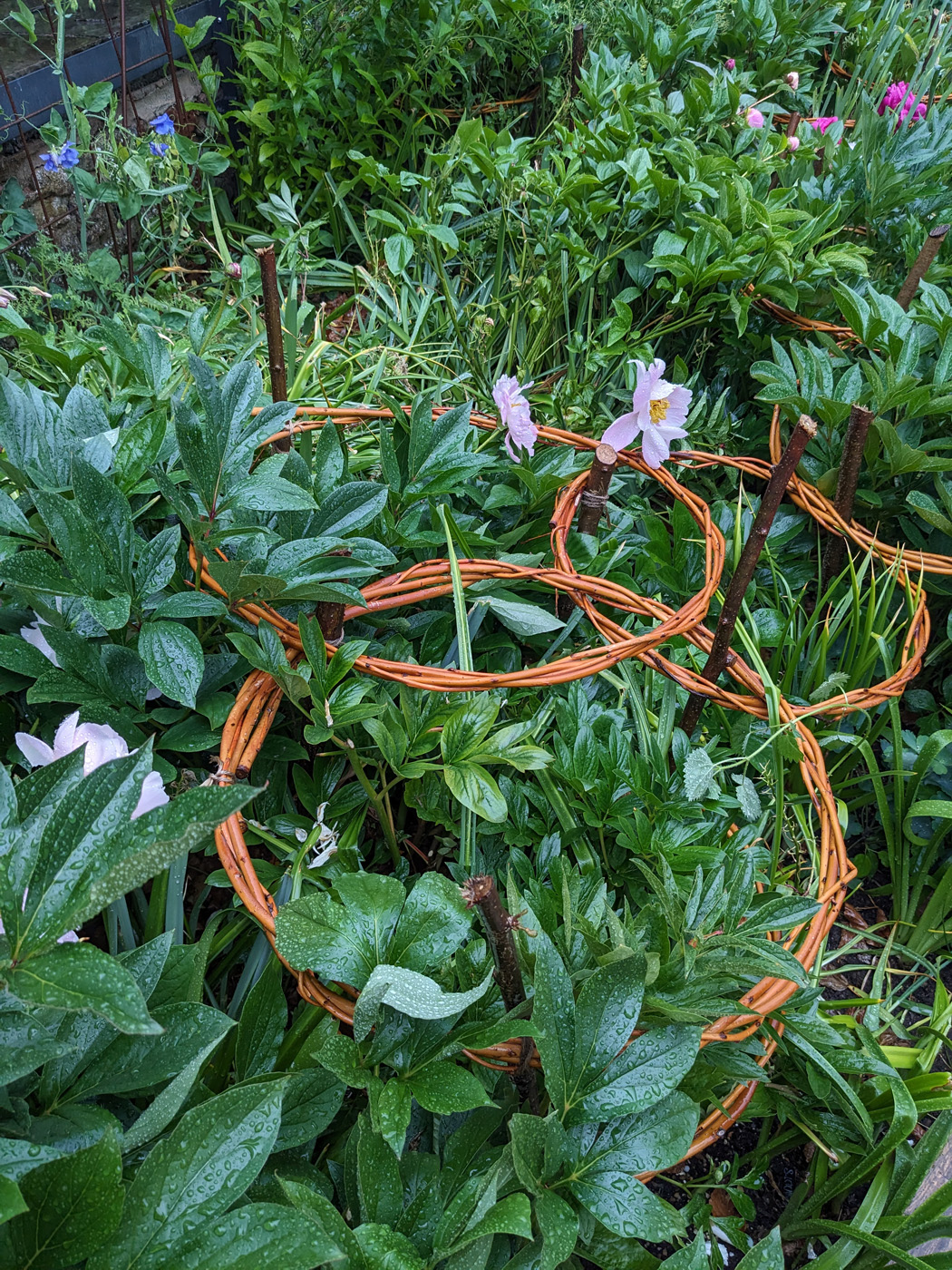
- What are some economical solutions for floppy perennials like Autumn Joy sedum and garden phlox?
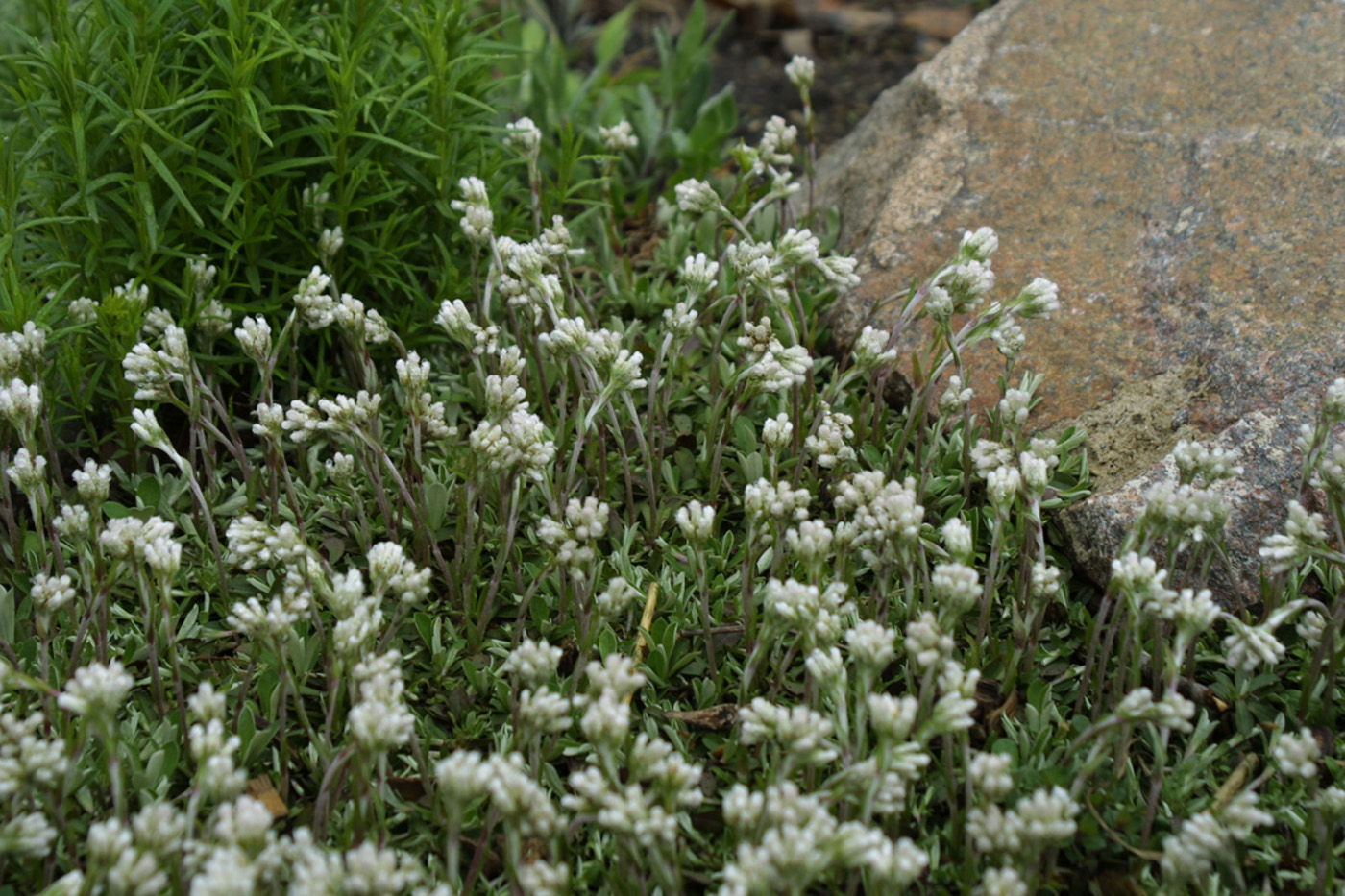
- Can you recommend some North American native plants for growing between patio stones?
Carol’s Garden Questions
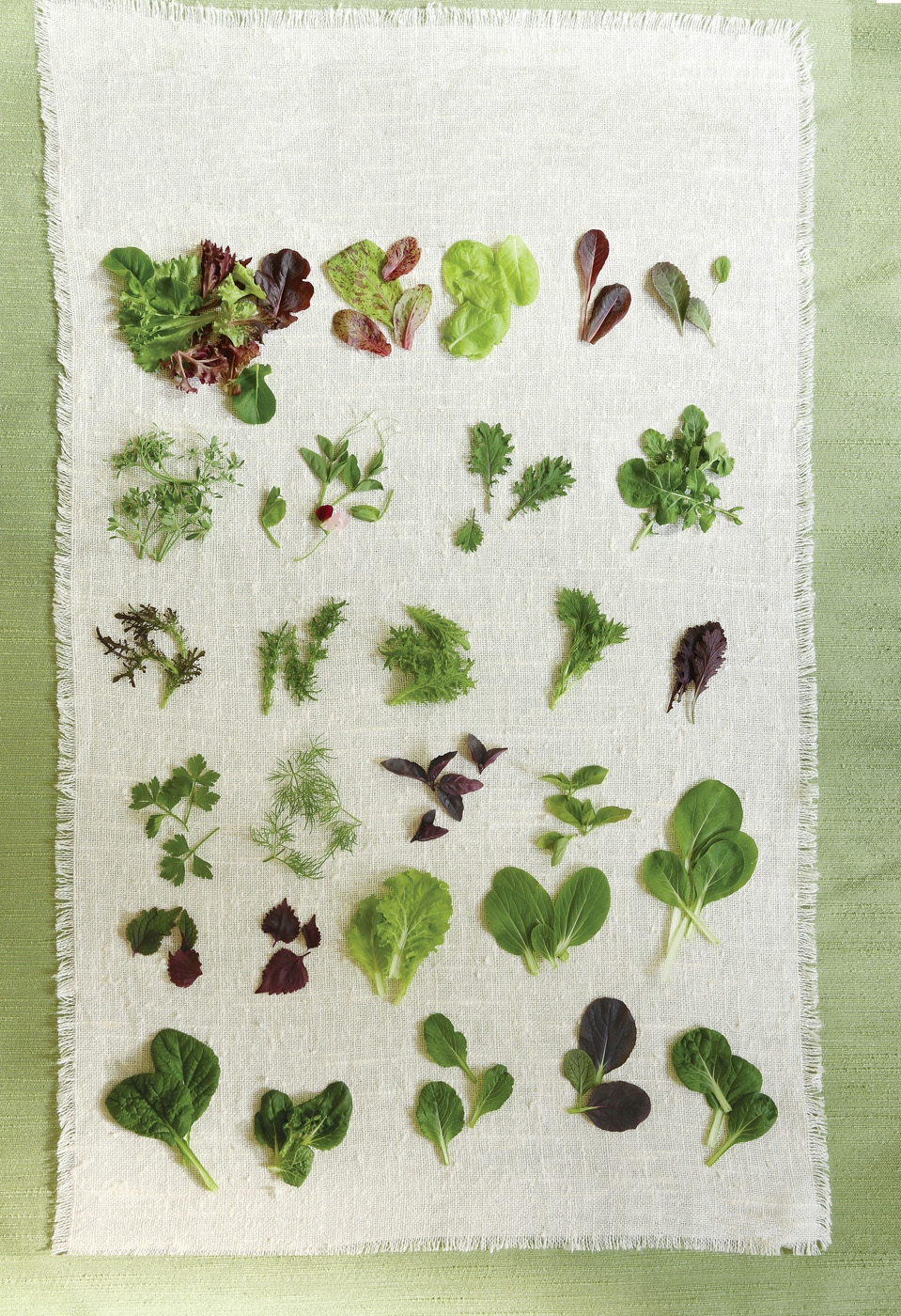
- What is the best container vegetable plant for northern exposure?
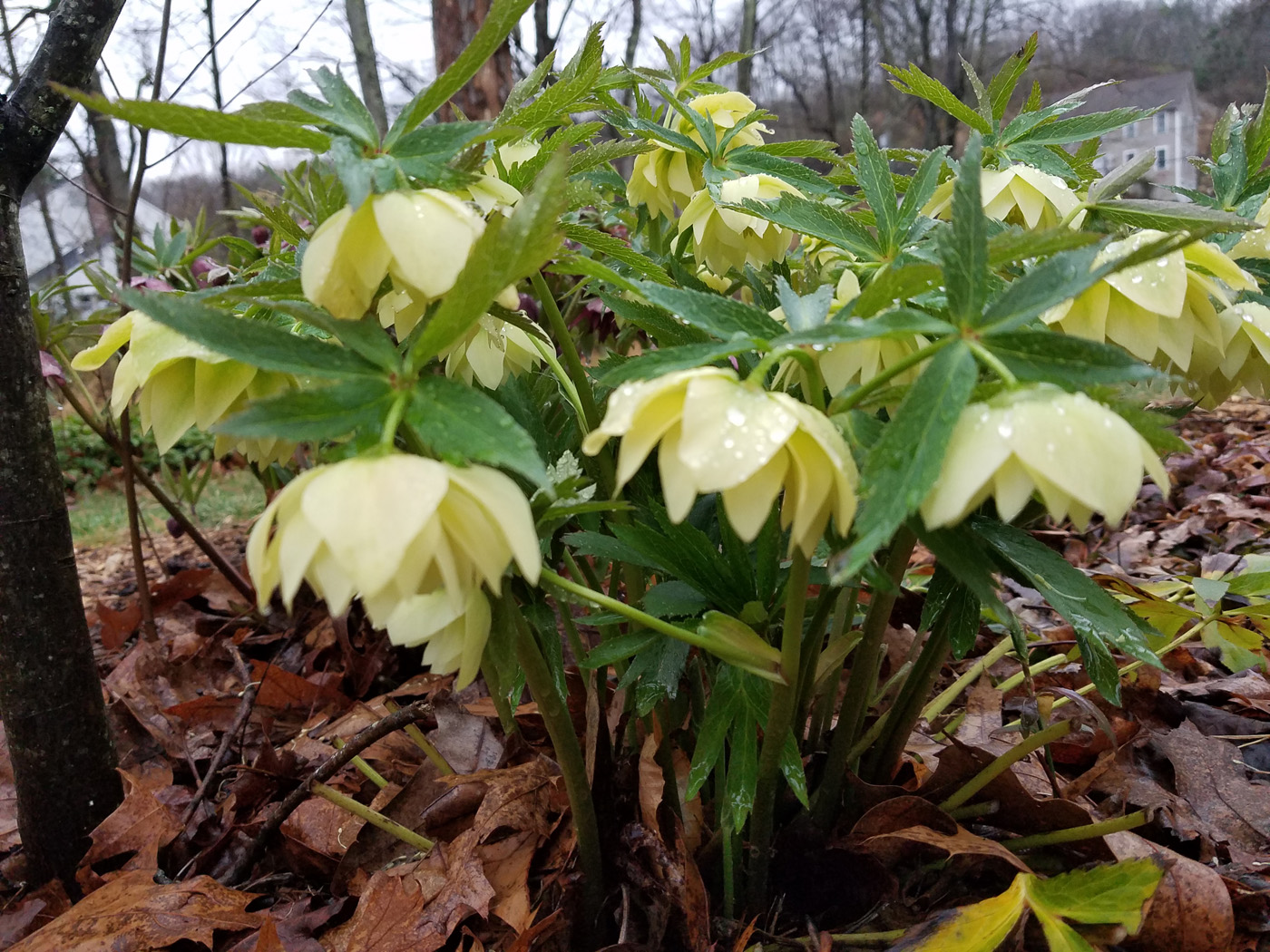
- Why isn’t my hellebore growing blooms?
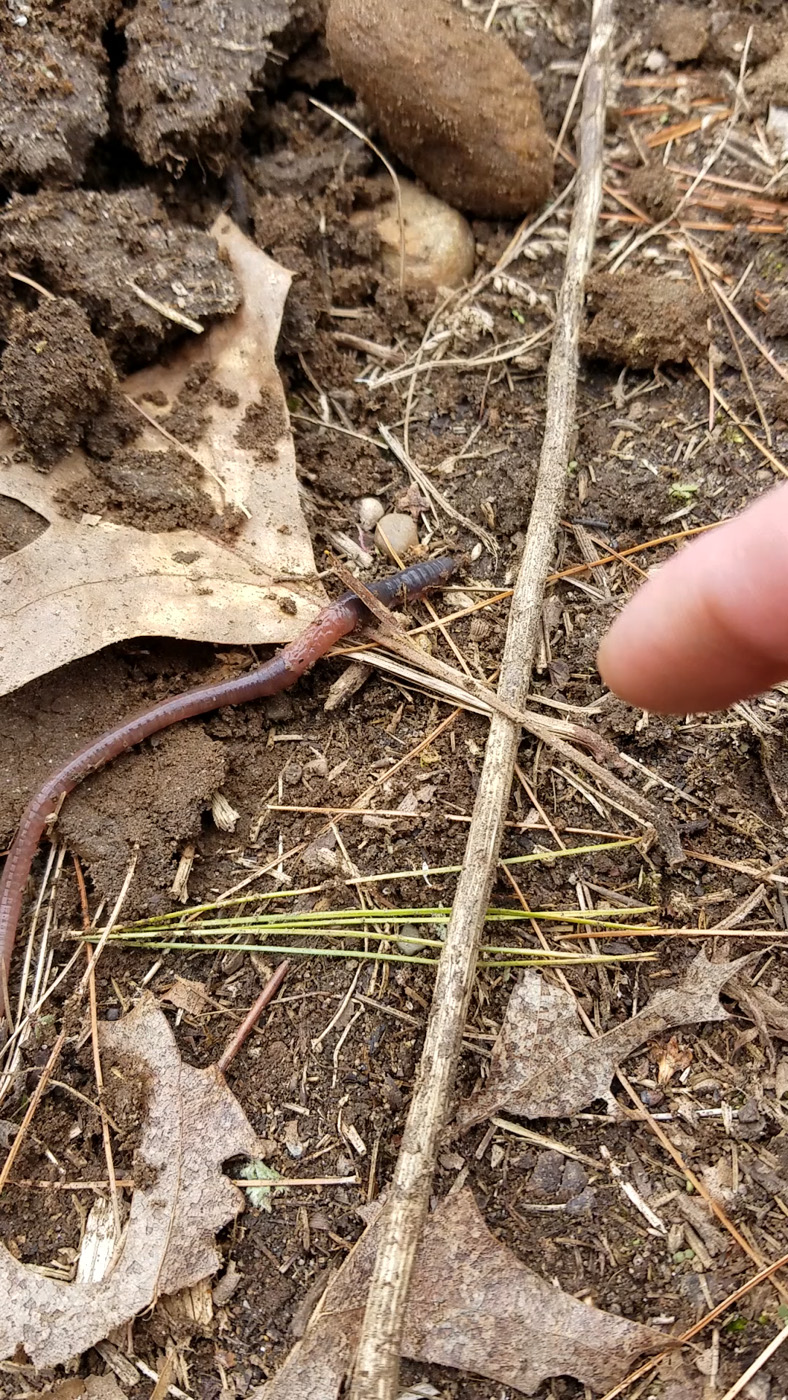
- Can I safely share plants if I have jumping worms in my garden?
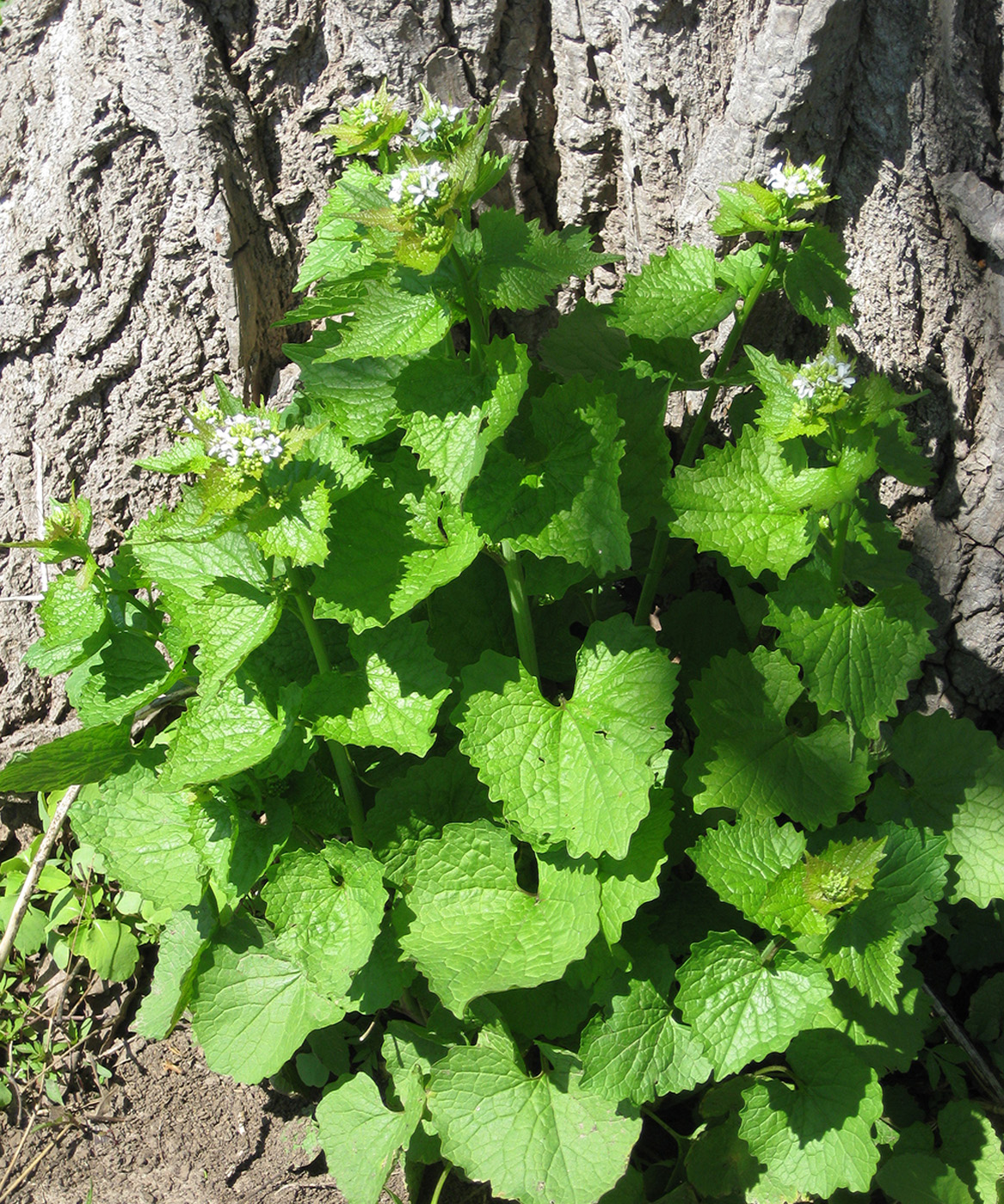
- Rebecca McMackin’s column, “Rethinking Invasives”, in the AHS publication American Gardener. makes me wonder if we should be rethinking how we talk about non-native species. How do editors decide which plants to flag as invasive in the magazine/online?
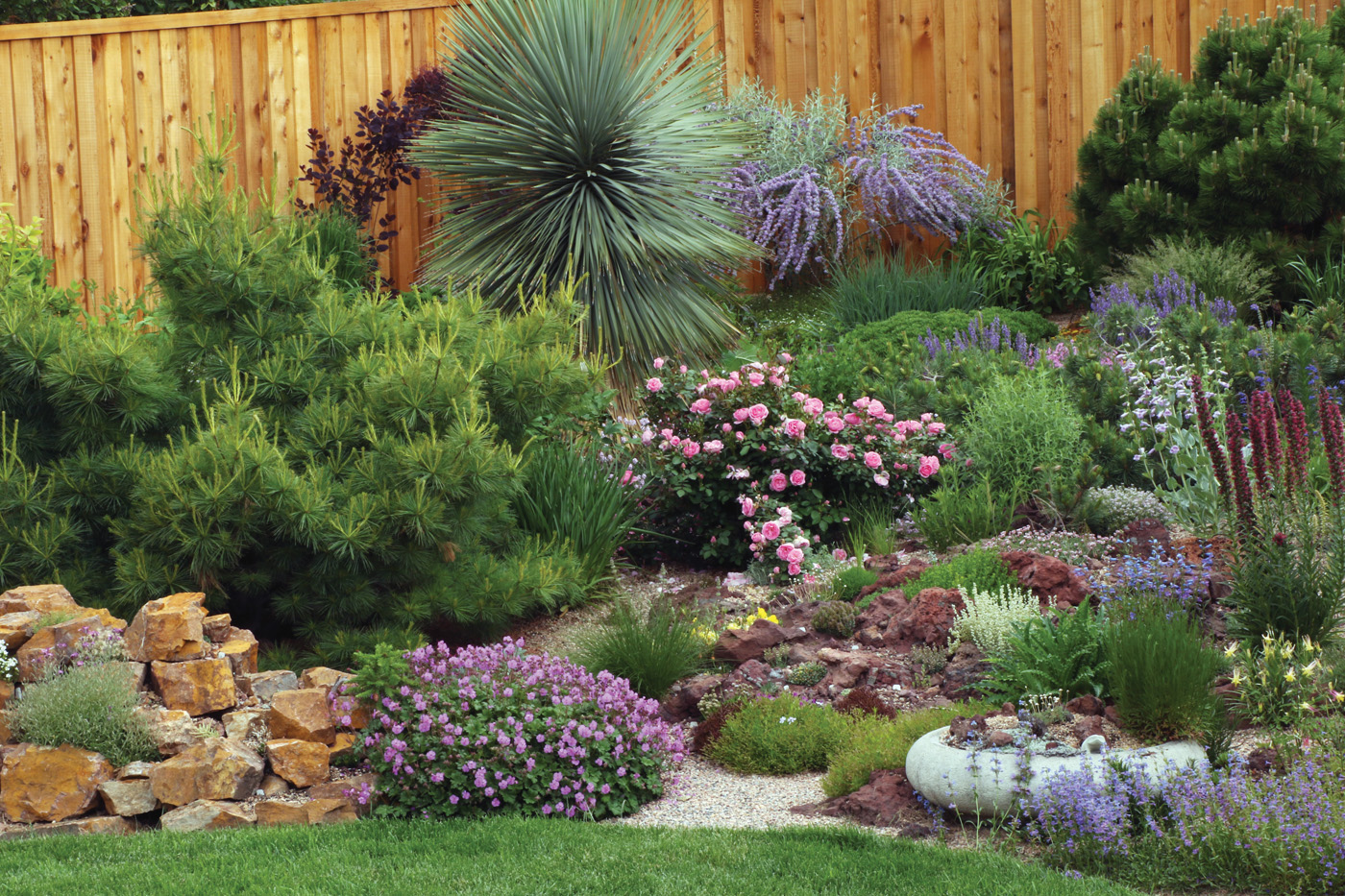
- There is a big difference in Southwest growing conditions depending on elevation. What are the best articles and resources for planting and garden planning at about 4,000 feet?
Watch More of Our Q&A Podcast Episodes:
Fine Gardening Recommended Products
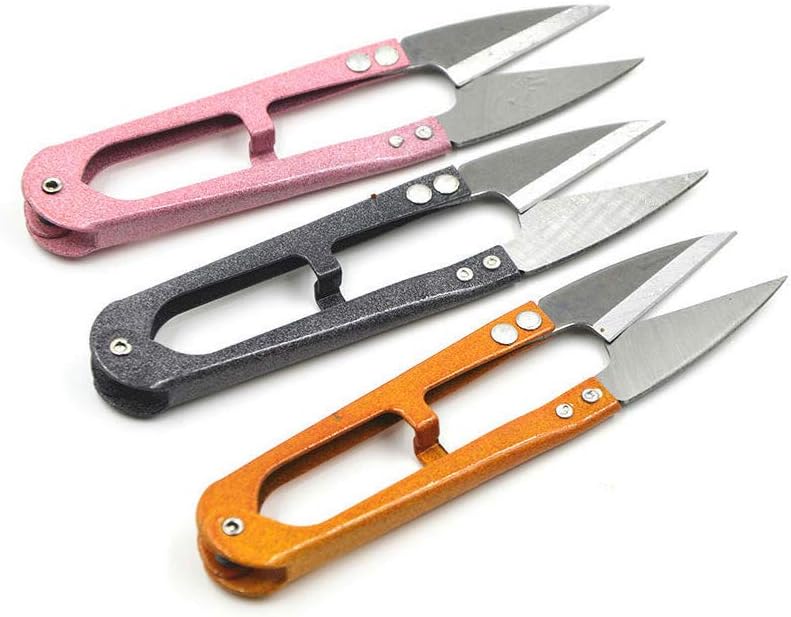
3 Pack 4.1Inch Bonsai Pruning Scissors
Fine Gardening receives a commission for items purchased through links on this site, including Amazon Associates and other affiliate advertising programs.
Packing: 3pcs. Trim small stems and light branches, buds, and leaves. Small and lightweight bonsai tool. Sharp blade makes cutting easier. The sharp blade makes trimming easier, springs back to open by itself.
SHOWA Atlas 370B Nitrile Palm Coating Gloves, Black, Medium (Pack of 12 Pairs)
Fine Gardening receives a commission for items purchased through links on this site, including Amazon Associates and other affiliate advertising programs.
Lightweight and close-fitting for excellent dexterity. Machine washable. Breathable back of hand to reduce perspiration. Designed for easy movement and continuous wear. Ideal for aerospace, assembly, automotive, construction, final fix, gardening, manufacturing, operating machinery, packaging, precision handling, tiling, warehousing.