



Try ‘Gold Nugget’ hens and chicks in your garden and containers
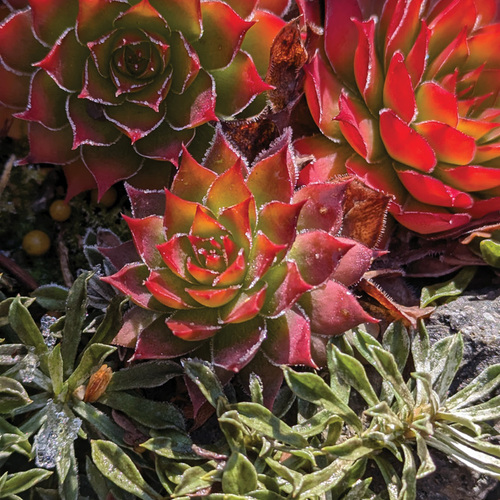
I try not to get swept up in new plant fads, but every once in a while something is introduced that just cannot be ignored. ‘Gold Nugget’ hens and chicks is one of these plants. As soon as I saw it, I knew that I must have it. My first few plants came from a friend’s display at a garden show in late winter. I was mesmerized by the deep golden hues accented with contrasting shades of maroon and vibrant orange-red on artfully arranged rosettes of thick succulent leaves. This hardy horticultural star was meant to sparkle, and I could not wait to try it at the Miller Garden.
Knowing that rainy Pacific Northwest winters are tough on hardy succulents, we put ‘Gold Nugget’ in frost-proof terra-cotta pots with very well-drained potting mix. A light top layer of fine gravel kept weeds out and prevented soil from splashing onto the leaves. The plants thrived and displayed brilliant color through winter. As the days lengthened and the weather warmed in spring, the colors softened to chartreuse with hints of red, a palette that persisted through the growing season. With the arrival of cool autumn weather, the intensely vivid hues returned.
Tips for growing ‘Gold Nugget’ hens and chicks
Even though hens and chicks can tolerate some dry weather, keeping the plants regularly watered and fertilized during the growing season ensures vigorous growth and multiple “chicks.” ‘Gold Nugget’ is a relatively robust cultivar, but it does not like competition. It is best used alone in a container or combined with smaller, less vigorous succulents or alpine plants. Excellent drainage is a must in the Pacific Northwest, but in other regions, where winter rain is less frequent and the summer temperatures are hotter, average coarse potting soil should suffice, or plant it in the ground in a well-drained spot.
Learn more: Plants for Nooks and Crannies
‘Gold Nugget’ will have the best color when it is grown in a bright, open location. Full sun is difficult for gardeners in my region to provide during our gray winters, but a minimum of four to six hours of sunlight during fall and winter has proven to be enough for our plants to put on a colorful show. This year, we are experimenting with growing hens and chicks on vertical surfaces with other succulents, making a colorful mosaic. The amazing cold hardiness and ease of cultivation make this selection a choice garden plant for almost anyone.
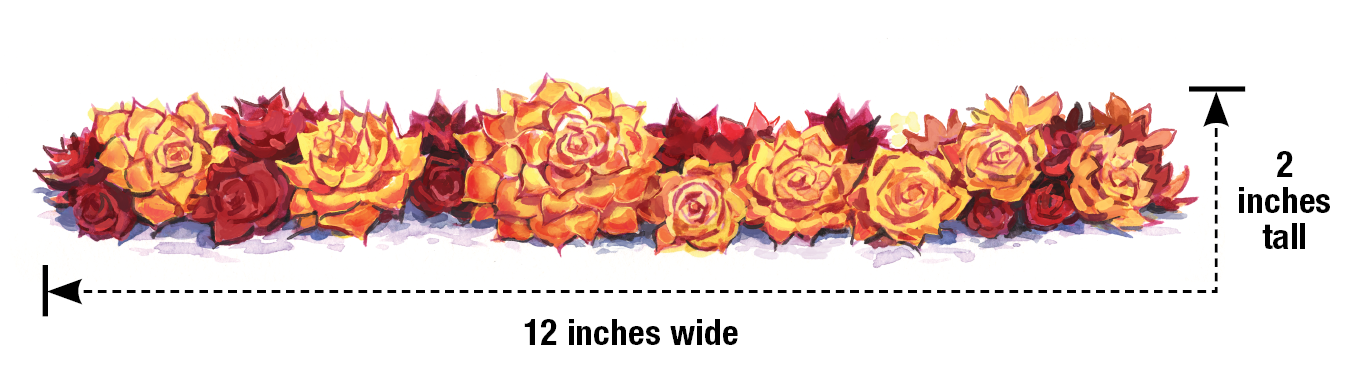
‘Gold Nugget’ hens and chicks
Sempervivum ‘Gold Nugget’
Zones: 3–8
Conditions: Full sun to partial shade; moderately moist to dry, well-drained soil
Native Range: Africa and Eurasia
Yes—this low-growing sedum now comes in red!
New Plant for 2026: Red Angelina™ sedum
If you love the spiky yellow leaves and creeping form of ‘Angelina’ sedum (S. rupestre ‘Angelina’, Zones 5–9), just wait until you take Red Angelina™ sedum for a spin. This exciting new introduction has the same great form but in cherry red. A stunner trailing over the edge of containers and hugging the ground along a bed edge, Red Angelina™ struts its spectacular color for 10 months of the year, turning a bit green during the heat of summer. Give it a sunny location, sit back, and watch the show.
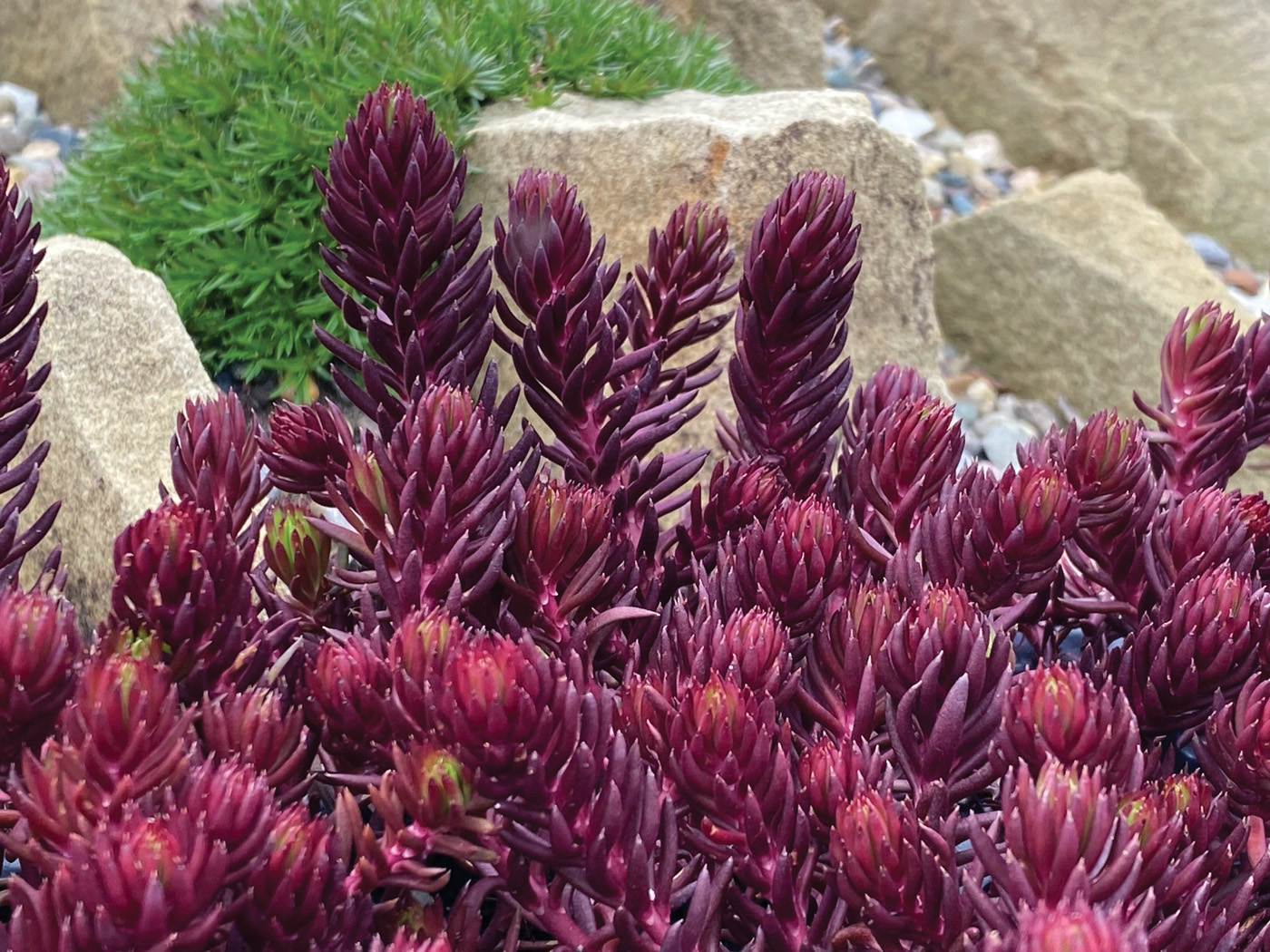
Red Angelina™ sedum
Sedum ‘GarSol2’
Zones: 3–9
Size: 4 to 6 inches tall and 12 to 24 inches wide
Conditions: Full sun; average to dry, sharply drained soil
Native Range: Europe and Turkey
Plant Sources:
Richie Steffen is a contributing editor and the executive director of the Miller Garden in Seattle.
‘Gold Nugget’ hens and chicks photo courtesy of Richie Steffen; Red Angelina™ sedum courtesy of Chris Hansen; Illustration by Elara Tanguy
Learn More:
See More Super Cool Plants
Growing Succulents for Color
Episode 139 Let’s Argue About Plants: Favorite Succulents
Fine Gardening Recommended Products
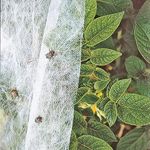
Gardener’s Supply Company Summerweight Fabric Plant Cover
Fine Gardening receives a commission for items purchased through links on this site, including Amazon Associates and other affiliate advertising programs.
Ideal for summertime pest control, this garden cover effectively screens out Japanese beetles, potato beetles, cabbage worms, leaf miners, carrot flies and most vine borers. It transmits 97.6% of the light to your plants without allowing heat build-up, and it provides cold protection down to 41° F, to extend your growing season.

Lee Valley Garden Knife
Fine Gardening receives a commission for items purchased through links on this site, including Amazon Associates and other affiliate advertising programs.
These knives have a trowel-like blade with a sharp edge to let you use the same tool for digging, planting and cutting. The blade is sharpened on both sides, with serrations on one edge to help with cutting tough roots or dividing perennials. Deeply stamped markings on the blade (in 1/2″ and 5mm increments) help you set the correct planting depth for seeds and bulbs.
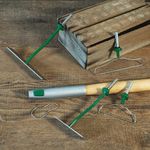
Johnny’s Selected Seeds Connecta® Cultivation Kit
Fine Gardening receives a commission for items purchased through links on this site, including Amazon Associates and other affiliate advertising programs.
Choose the right tool head for the job and switch out quickly with a simple push-button release. Includes the Connecta receiver, Connecta Collinear 4 head, Connecta Collinear 7 head, Connecta Contour Wire 4 head, Connecta Contour Wire 6 head, a sustainably harvested oiled ashwood handle, and a stainless-steel carrying clip.