



Meet an exciting new lambs’ ears introduction
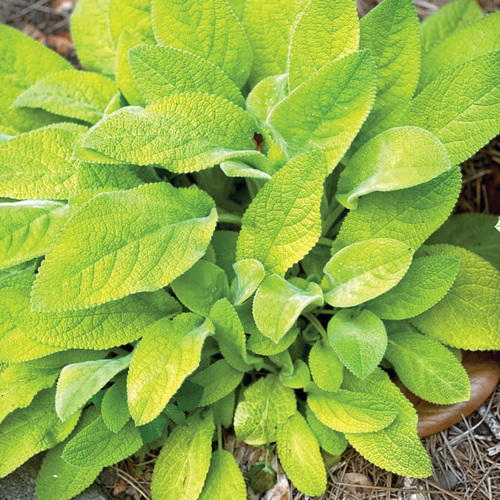
Looking for an easy-to-grow perennial to brighten your garden? Look no further than to the recently introduced ‘Key Lime’ lambs’ ears. Found as a sport of the hugely popular cultivar ‘Big Ears’ in Georgia, ‘Key Lime’ lambs’ ears is sure to become a favorite of anyone who loves gold foliage. It has the same growing habit and texture as the original, but with a twist. Its leaves change color throughout the growing season; sometimes they are lime-green, other times a bright glowing yellow.
Lambs’ ears has been cultivated throughout much of the world for hundreds of years for its velvety silver leaves and ground-hugging habit. The alluring tomentose leaves are covered in a dense mat of soft, woolly hairs. A single plant spreads by creeping stems that root as they grow, forming a carpet of impenetrable foliage. Plants are generally deer and rabbit resistant, too. ‘Key Lime’ has all these great traits and more, except that the leaves are more citrusy in color instead of gray. In warmer climates, it is evergreen, providing unexpected winter interest. Removing old or dead foliage in the early spring will tidy the plant’s appearance. Like many other cultivars, ‘Key Lime’ lambs’ ears produces very few flower spikes. The blooms take away from the plant’s tidy look, in my opinion, so I like to remove any that appear, to enhance the overall appearance.
Tips for growing lambs’ ears
Lambs’ ears is native to the arid, rocky hills of the Middle East and is moderately drought tolerant once established. Overhead watering should be avoided to prevent the leaves from getting wet, which can lead to fungal diseases. In hot climates, it benefits from afternoon shade, and planting on a slope will help to prevent root rot in heavier soils. For gardens in more humid areas, removing some of the older leaves during summer can increase airflow and help with overall plant health. ‘Key Lime’ performs best when provided with more fertilizer than you would normally give lambs’ ears. A slow-release formula applied a couple of times a year will keep it looking amazing.
With its zesty color, soft texture, and tough-as-nails attitude, ‘Key Lime’ lambs’ ears is like the garden’s answer to a strong margarita—refreshing, vibrant, and just the right amount of bold. This is a new plant that will only be carried by local nurseries and garden centers in 2025. Please check your local resources to inquire about availability.
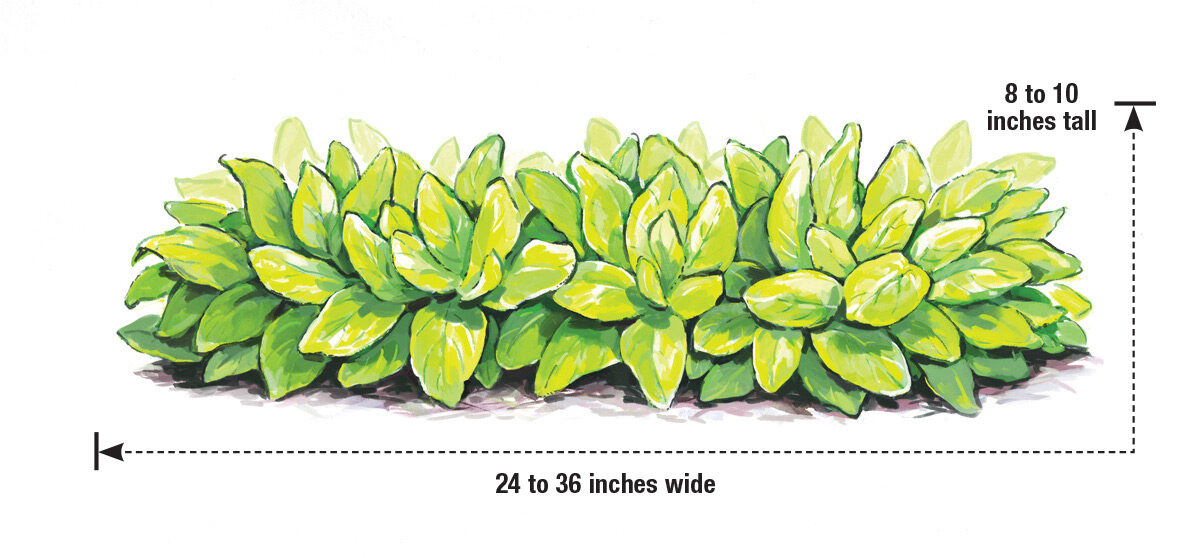 |
‘Key Lime’ lambs’ earsStachys byzantina ‘Key Lime’ |
Learn more:
See More Super Cool Plants
Plants with Chartreuse Foliage
How to Use Chartreuse in the Garden
Jason Reeves is a contributing editor and the curator of the University of Tennessee Gardens in Jackson. Follow him on Facebook at Jason Reeves – in the garden.
Photo courtesy of Plants Nouveau; Illustration by Elara Tanguy
Fine Gardening Recommended Products

Lee Valley Mini Garden Shear Set
Fine Gardening receives a commission for items purchased through links on this site, including Amazon Associates and other affiliate advertising programs.
These shears have a distinctive finger rest that not only aids grip but allows greater freedom of movement than a conventional handle design. They have a durable powder-coat finish to resist rust and wear, and a simple clasp that locks the spring-action stainless-steel blades closed. The set includes one pair of round-nose shears measuring 5 1/2″ overall with 1″ blades for cutting stems up to 3/8″ in diameter, and one pair of 6 1/2″ needle-nose shears with 2″ fine-tip blades for precise work.
The Nature of Oaks: The Rich Ecology of Our Most Essential Native Trees
Fine Gardening receives a commission for items purchased through links on this site, including Amazon Associates and other affiliate advertising programs.
The Nature of Oaks reveals what is going on in oak trees month by month, highlighting the seasonal cycles of life, death, and renewal. From woodpeckers who collect and store hundreds of acorns for sustenance to the beauty of jewel caterpillars, Doug Tallamy illuminates and celebrates the wonders that occur right in our own backyards. He also shares practical advice about how to plant and care for an oak, along with information about the best oak species for your area.

Lee Valley Garden Knife
Fine Gardening receives a commission for items purchased through links on this site, including Amazon Associates and other affiliate advertising programs.
These knives have a trowel-like blade with a sharp edge to let you use the same tool for digging, planting and cutting. The blade is sharpened on both sides, with serrations on one edge to help with cutting tough roots or dividing perennials. Deeply stamped markings on the blade (in 1/2″ and 5mm increments) help you set the correct planting depth for seeds and bulbs.