


The increasingly common term “eco-friendly” encourages us to think more carefully about the products and practices we use every day. When applied to hardscaping, it brings to mind materials and techniques that minimize environmental impacts and reduce our carbon footprints.
It’s exciting to have such a vast and diverse selection of landscape materials available for our designs and garden improvements, but many of those options have a significant impact on our planet through their creation, shipping, and installation. By thinking about how our hardscaping choices affect natural resources, pollution, and local ecosystems, we can create landscapes that are attractive, functional, and potentially more affordable.
With 30 years of experience as a landscape designer, I’ve recommended countless decks, patios, paths, fences, and other hardscaping elements to my clients, admittedly with minimal guidance about the actual materials used. In recent years, I’ve seen a notable uptick in clients who have expressed strong interest in locally sourced materials and in repurposing or recycling materials for these features.
Reclaimed materials are eco-friendly options
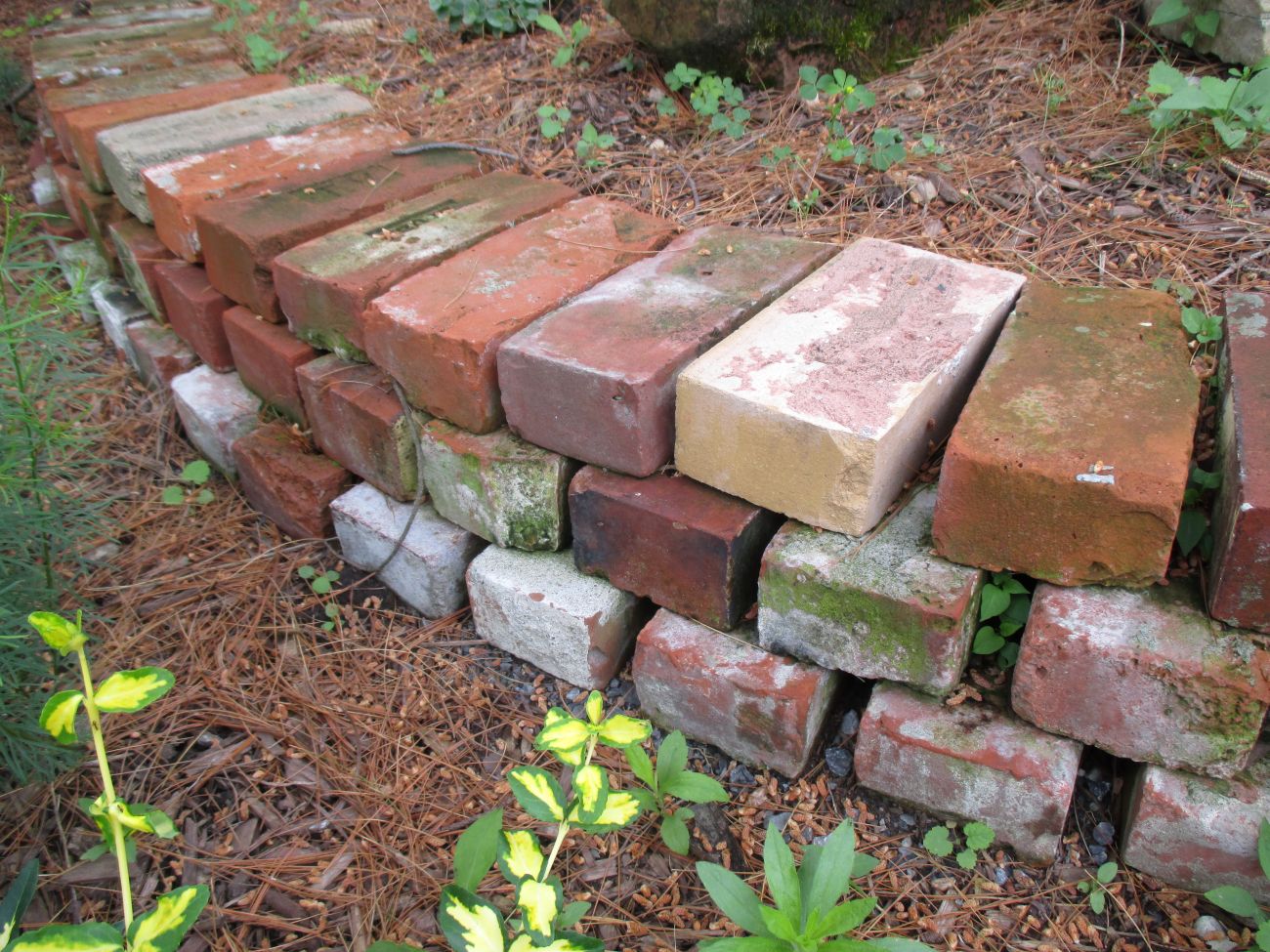
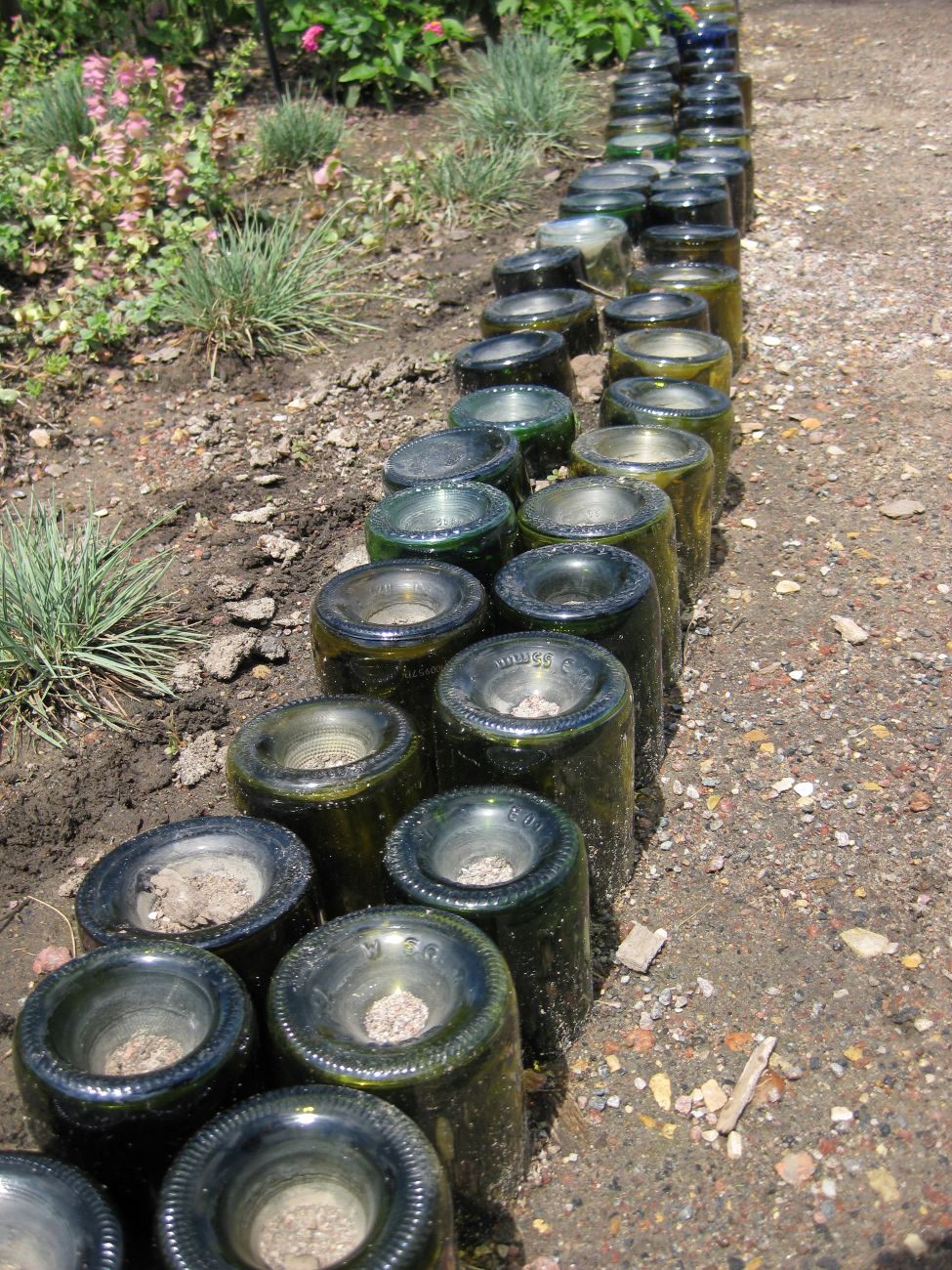
Some have even accumulated reclaimed bricks, large concrete pieces, and other materials with the intent of incorporating them into the design. This is exciting to me, as designs should balance the durability and longevity of products with a focus on resource efficiency and environmentally friendly options. These creative approaches are becoming more readily available and are being sought out by eco-savvy gardeners.
Read More: How Space and Structure Create a Living Oasis
Consider the Environmental Impact of Hardscaping Materials
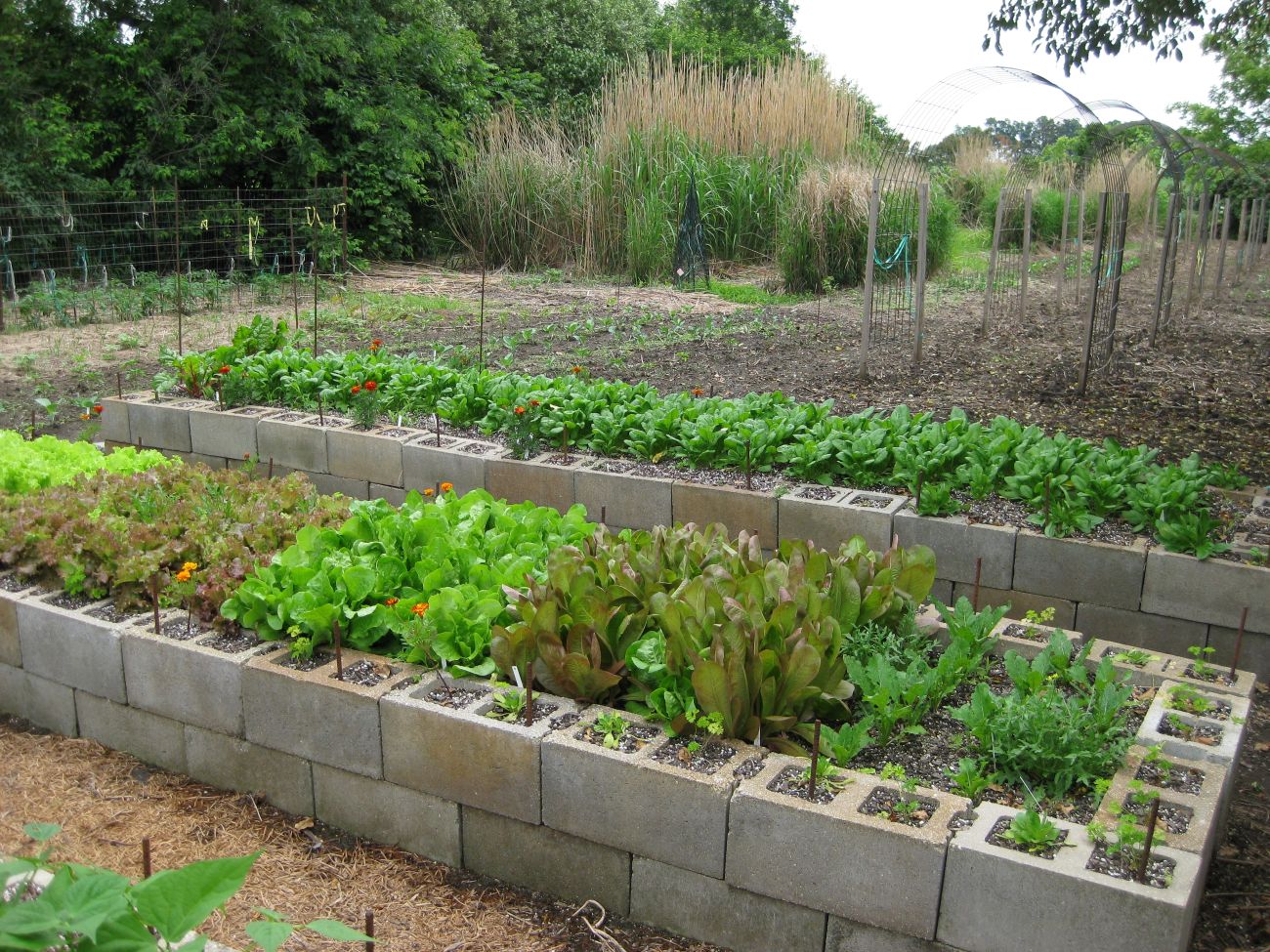
Conventional hardscape materials have a “production history” that often comes with a heavy environmental cost. This might include the lumber we purchase, edging materials, or the pavers and path materials we specify. Their history includes not only energy and resources used in production but also shipping and transport, and ultimately, their disposal or reuse at the end of their useful lives.
Finding lower-impact materials takes some research, but sustainability doesn’t have to come at the expense of durability or functionality. Interestingly, eco-friendly options can be more cost-effective over the long run because of lower maintenance needs and durability.
Explore recycled and responsibly sourced lumber
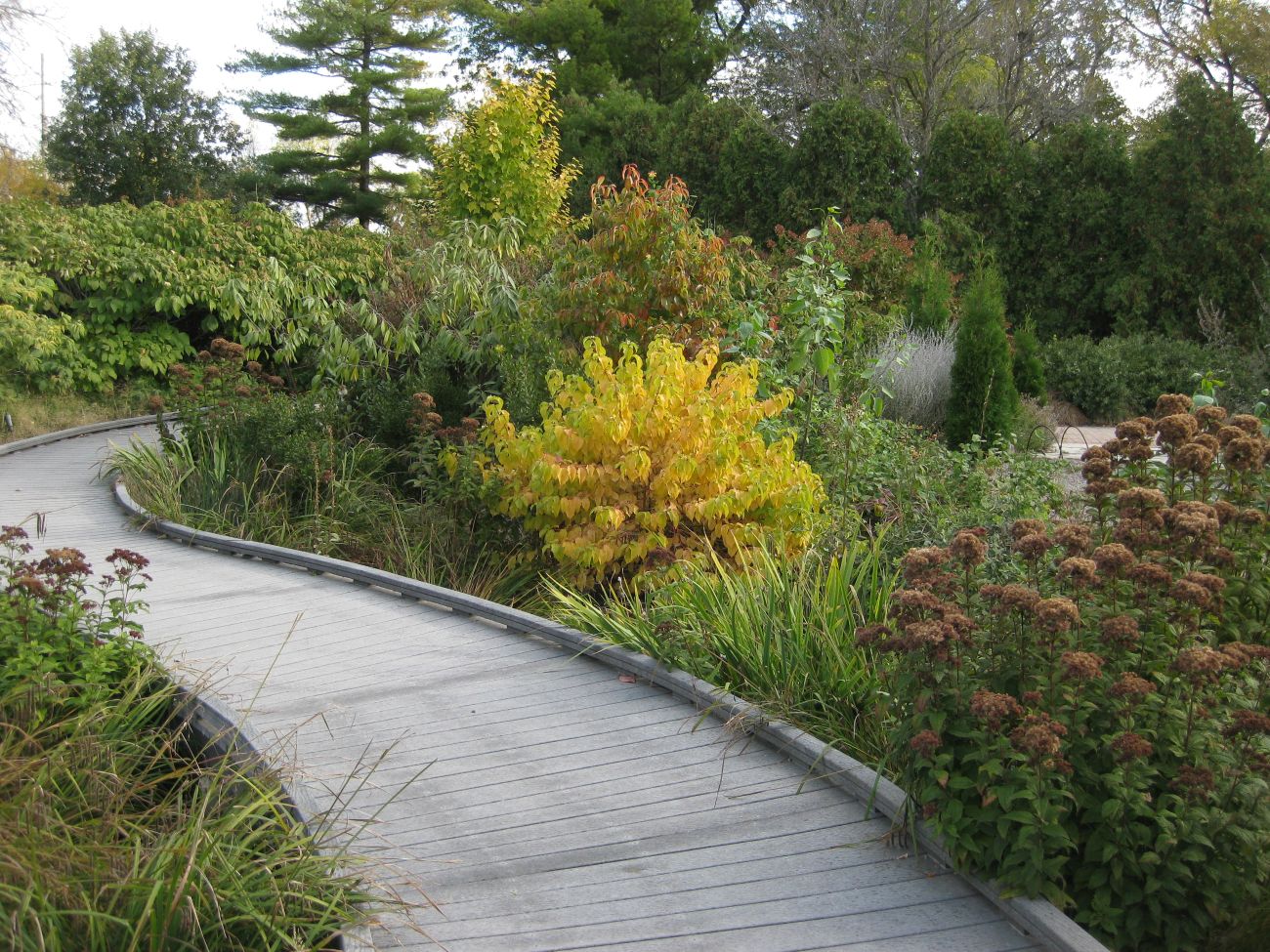
Hardscaping elements such as decks and fences are great examples to explore. Decades ago, the question for clients in my Midwest location was “cedar or treated pine” for most fences or decks. Now, the evolution and wider availability of composite decking and recycled plastic lumber have created increasingly popular alternatives.
Of course, the manufacture of composite lumber isn’t carbon neutral, and its environmental benefits depend on the materials and manufacturing processes involved. However, products incorporating recycled materials can reduce demand for virgin resources, and their durability may offer advantages over time.
Another option for traditional wood features is to seek out responsibly sourced, third-party-certified lumber, such as wood carrying Forest Stewardship Council (FSC) certification. This certification means the wood and products were harvested, processed, and tracked according to established environmental and sourcing standards.
Choose Permeable Paving and Reclaimed Materials
Patios are another popular garden feature, and while I appreciate a nicely installed patio made with concrete, new pavers, or bricks, there are some other options available. It is important to consider the permeability of our pavement selections as challenges of runoff and erosion come into play.
Permeable pavers, open-grid pavers, and some types of pervious concrete can allow water to pass through the surface and into underlying layers, helping reduce runoff when properly installed and maintained.
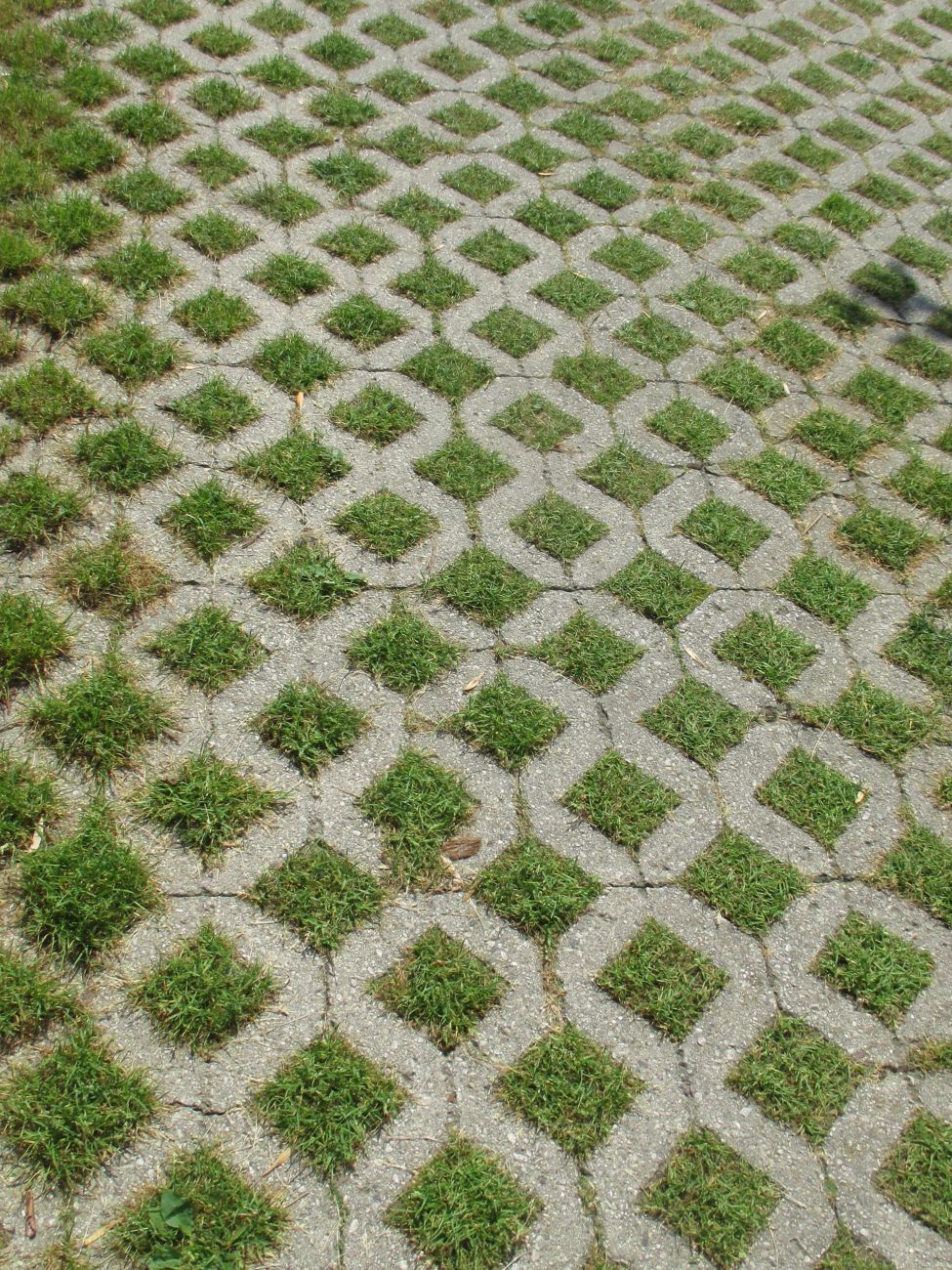
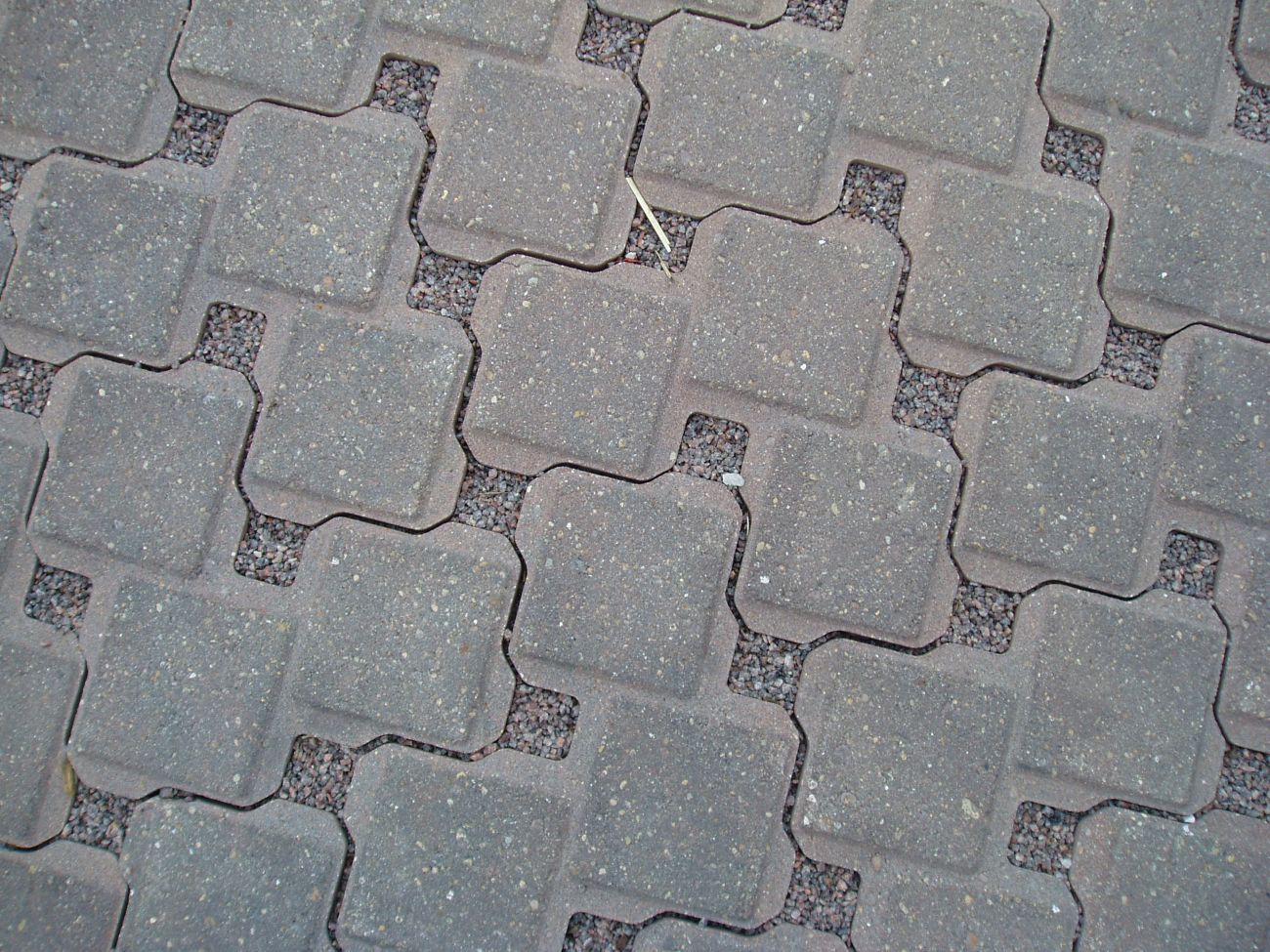
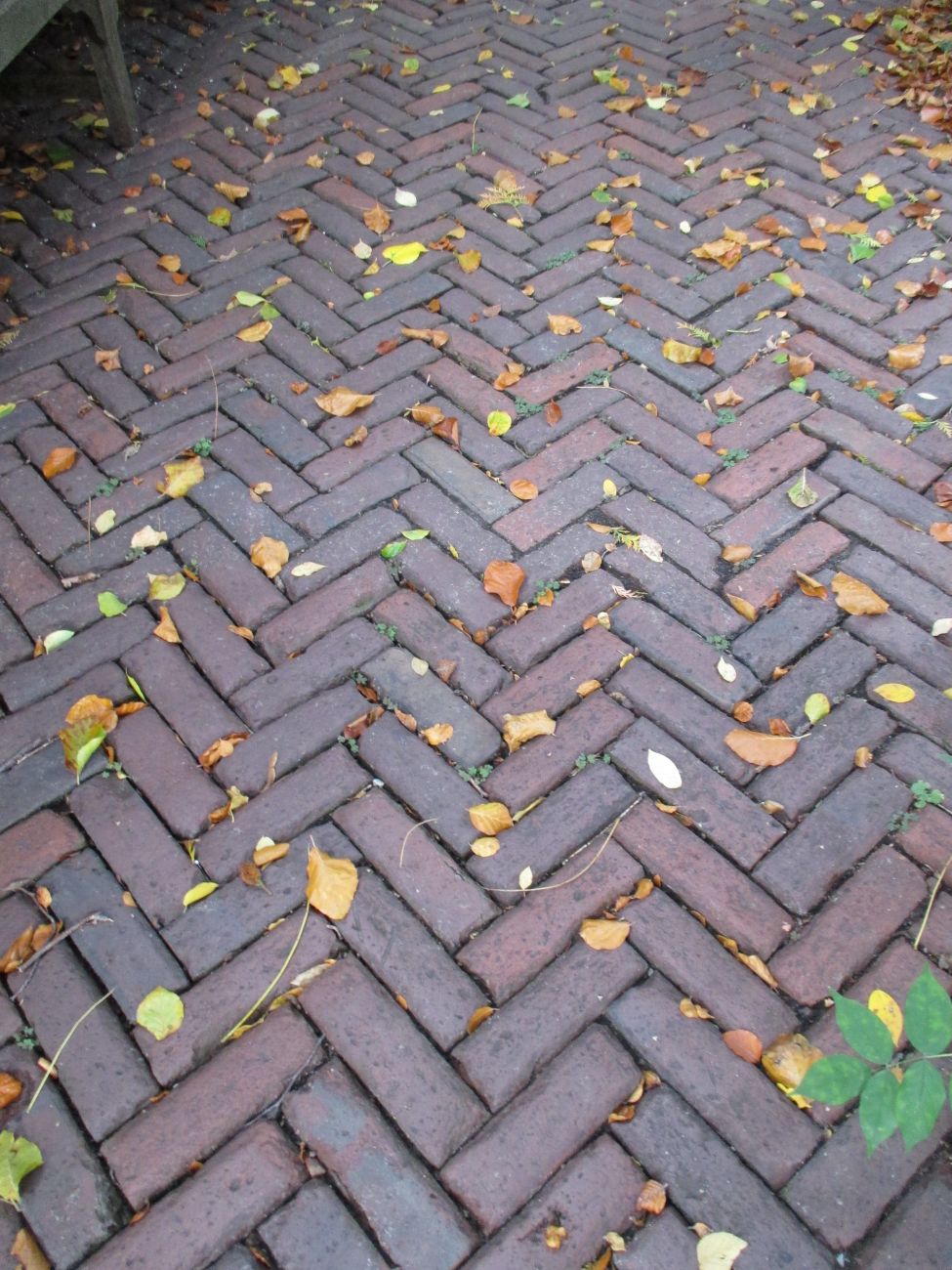
Repurposing brick or other paving materials from another project is also an opportunity to add a vintage look and possibly save money. I have a client who obtained more than 4,000 free vitrified clay pavers from the early 1900s (used for streets!) that we used for his paths and patios, and they look fabulous. Reusing these durable materials also kept them in circulation rather than requiring newly manufactured pavers.
Don’t neglect to check out the wide range of energy-efficient lighting options for your landscape as well.
Give Old Concrete a New Purpose
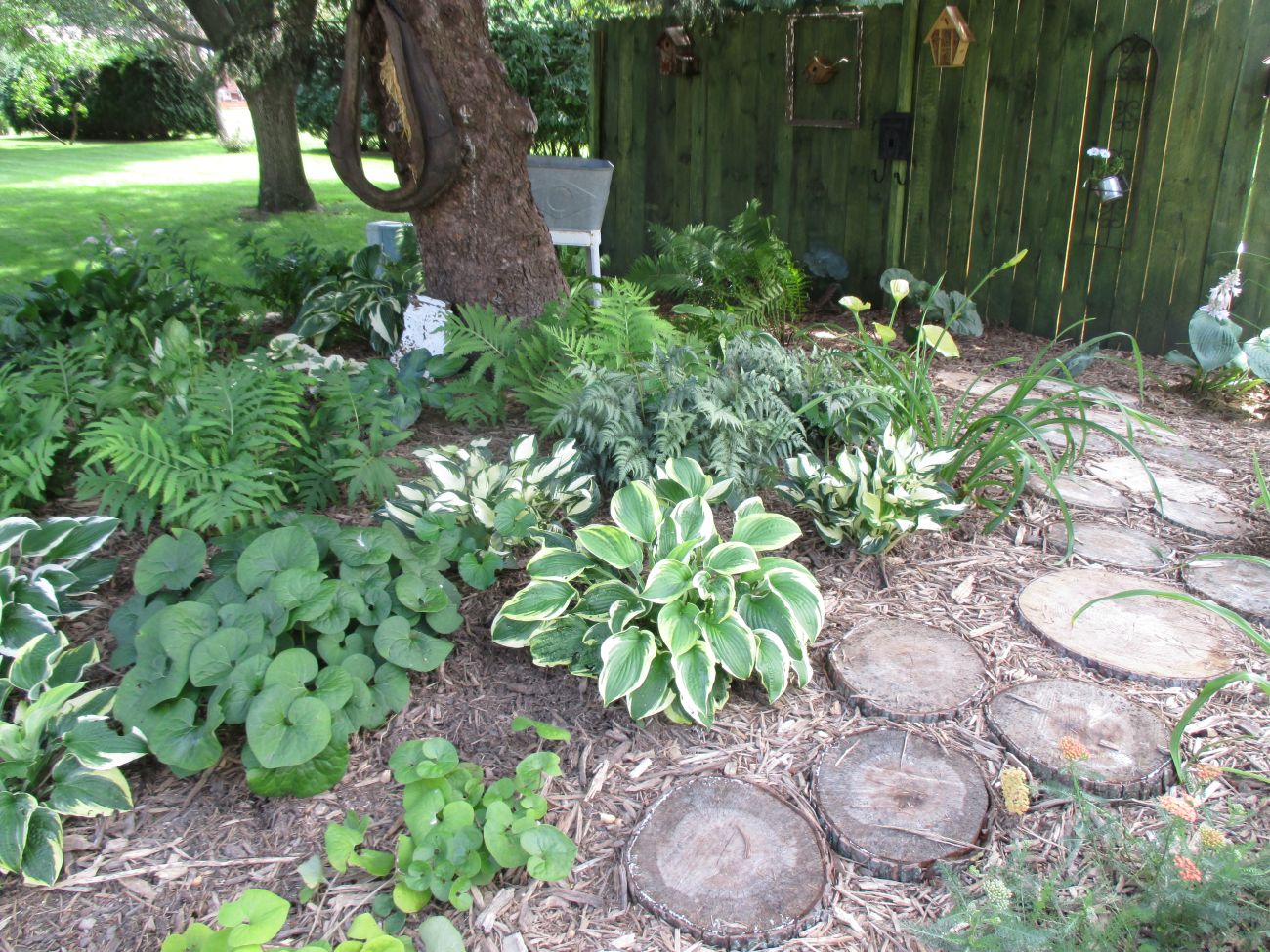
I’ve also been involved with some rustic patios made of upcycled concrete pieces that were fitted together like puzzle pieces, the gaps filled with plants. Research “urbanite” patios and paths, and see the amazing results!
It’s a great use of a common material that frequently ends up in our landfills. Crushed concrete is another useful material for paths. It can also be used as a base layer for paths and patios, provided it is suitable for the intended application. Again, local sourcing can reduce the carbon footprint associated with shipping and transportation.
Think Creatively About Materials You Already Have
Our reasons for supporting eco-friendly hardscaping decisions in our landscapes include, of course, preventing waste, conserving resources, and protecting our local and regional ecosystems and habitats.
While the convenience of buying readily available new materials may be appealing, taking the time to look into salvaged, recycled, locally sourced, and responsibly manufactured alternatives can yield equally attractive results.
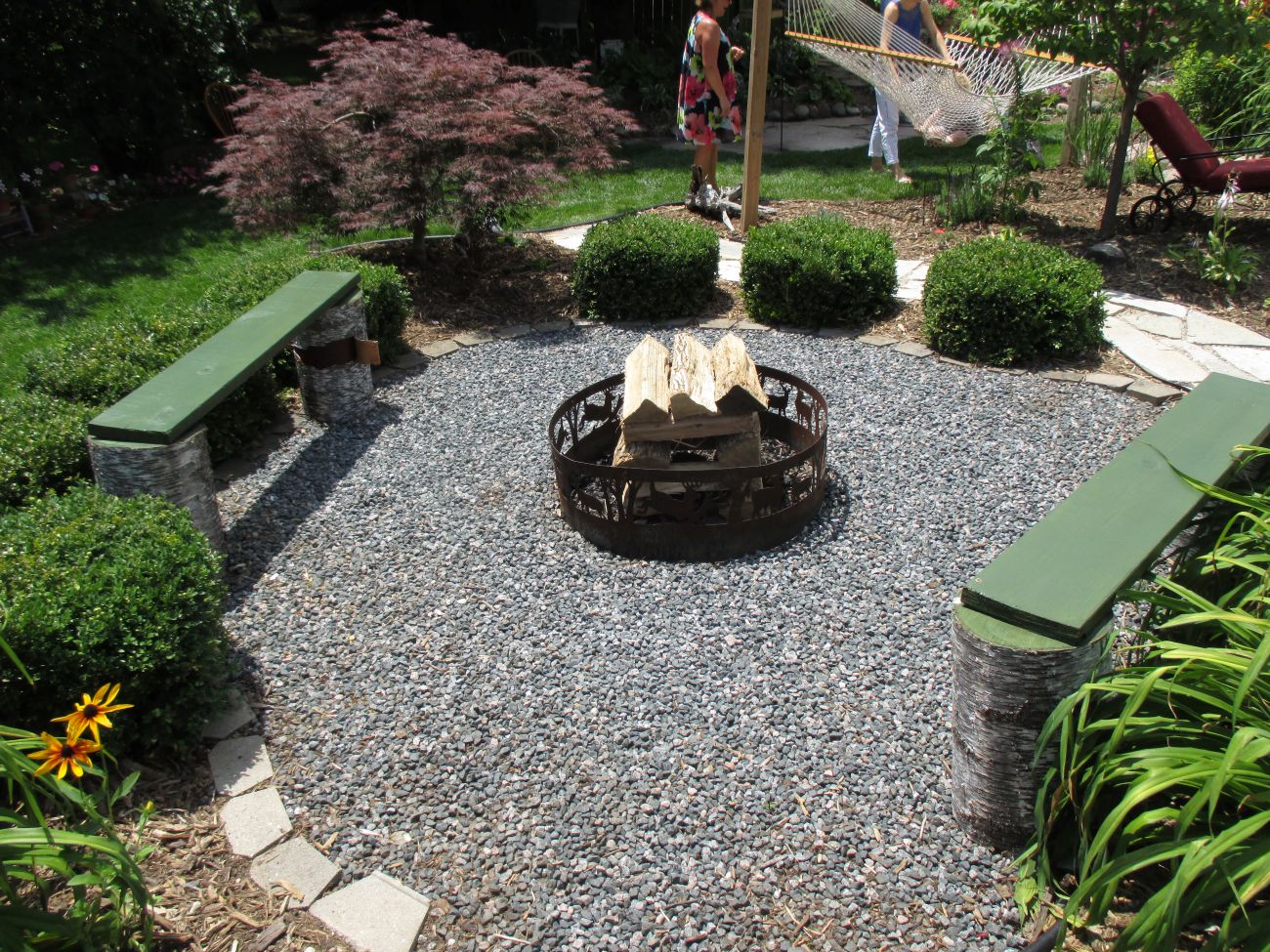
Whether you’re planning a new patio, replacing an aging deck, or adding a garden path, find out what materials might already be available for reuse. Explore these opportunities!
For more ideas on creating an eco-friendly and functional landscape, see these articles:
Discuss this article or ask gardening questions with a regional gardening expert on the Gardening Answers forum.
And for more Midwest regional reports, click here.
Mark Dwyer owns Landscape Prescriptions by MD and is the garden manager for the Edgerton Hospital Healing Garden in Edgerton, Wisconsin. He previously served as director of horticulture at Rotary Botanical Gardens in Janesville, Wisconsin, for 21 years.
Photos: Mark Dwyer
Fine Gardening Recommended Products
Gardener’s Log Book from NYBG
Fine Gardening receives a commission for items purchased through links on this site, including Amazon Associates and other affiliate advertising programs.
This weatherproof five-year log book includes the following features:
· Sturdy waterproof cover to protect pages from rain and muddy soil
· Lined pages and gridded paper for plotting beds
· Five years of 12-month bloom and harvest grids for recording what you planted and when
· Authoritative appendices on composting, pruning, pest and disease control, and container gardening
· Useful reminders by season on fertilizing, mulching, and transplanting
· Space for listing your favorite sources and suppliers.
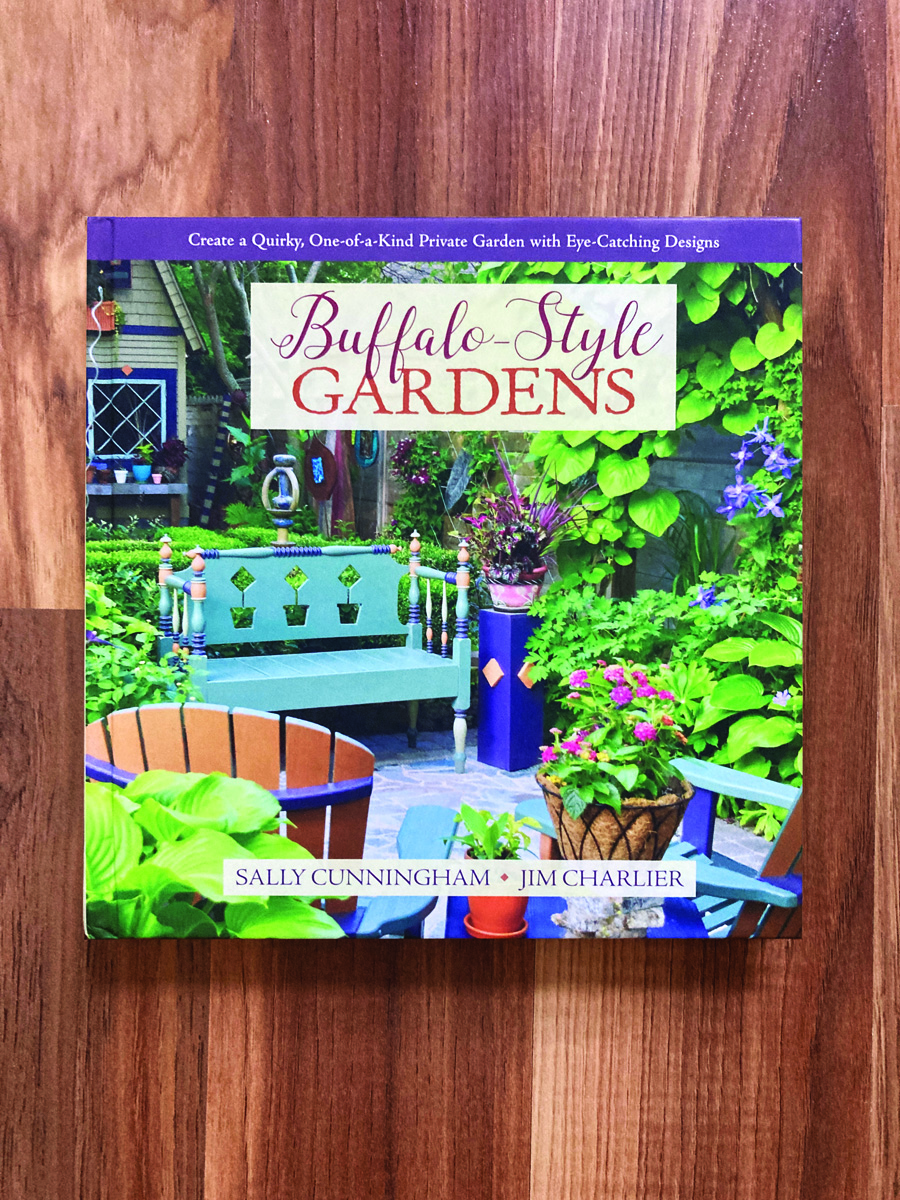
Buffalo-Style Gardens: Create a Quirky, One-of-a-Kind Private Garden with Eye-Catching Designs
Fine Gardening receives a commission for items purchased through links on this site, including Amazon Associates and other affiliate advertising programs.
Buffalo-Style Gardens is a one-of-a-kind, offbeat garden design book that showcases the wildly inventive gardens and gardeners of Buffalo – and offers readers “the best of the best” ideas to use in their own small-space gardens.
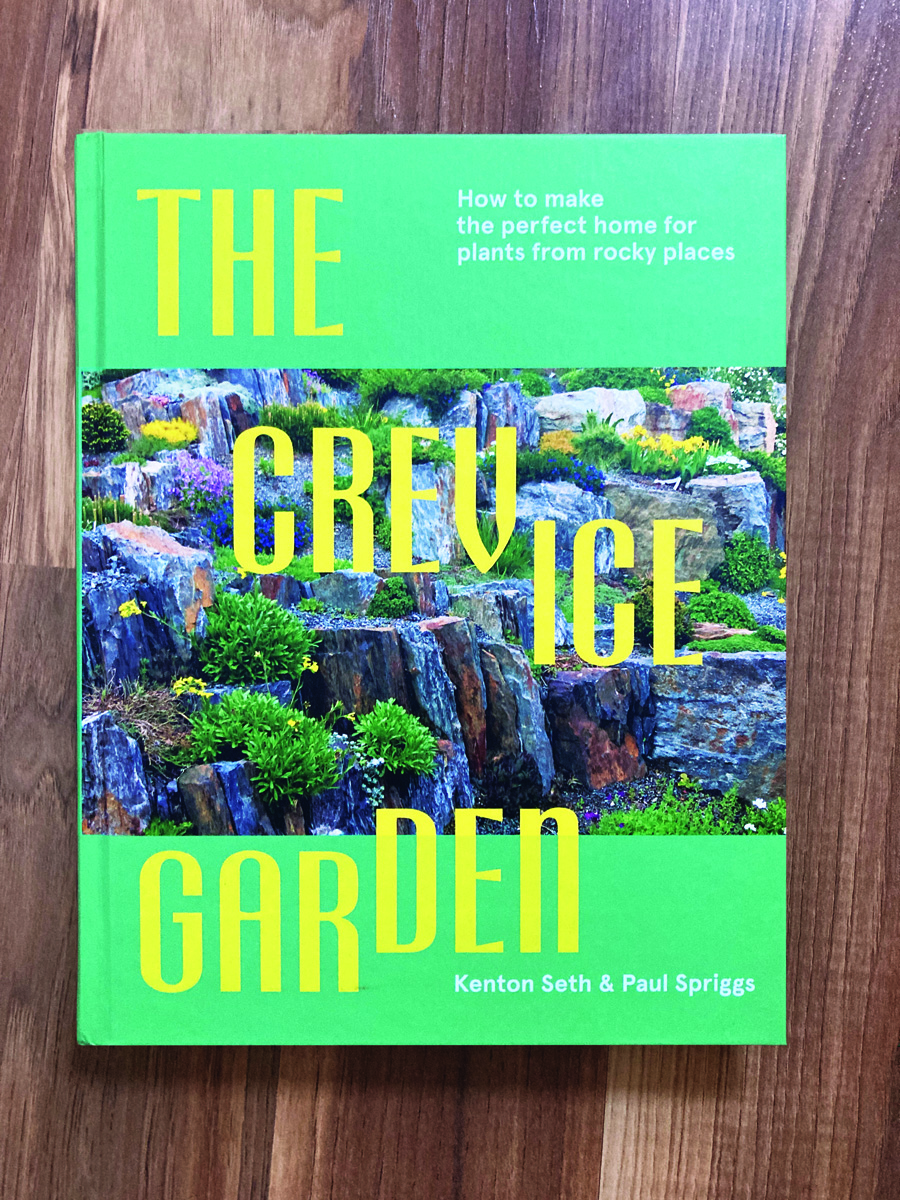
The Crevice Garden: How to make the perfect home for plants from rocky places
Fine Gardening receives a commission for items purchased through links on this site, including Amazon Associates and other affiliate advertising programs.
A crevice garden replicates the environmental conditions of mountain tops, deserts, coastlines, and other exposed or rocky places on earth. These striking garden features provide perfect conditions for the plants native to these far-off places, bringing the cultivation of these precious gems within everybody’s reach.