


Longtime GPOD contributor Jane in Apalachin, New York, has shared her colorful perennial gardens with us many times over the years. This time, we’re heading indoors to see another side of her garden.
I’ve been gardening indoors since the 1970s and have a large indoor plant collection, mostly succulents, cacti, and begonias.
I’ve never met a succulent I didn’t like! I enjoy planting many of them in bonsai containers and decorating the displays with stones and shells collected during my travels. The stones and shells are a daily reminder of places I’ve been.
My begonias overwinter on a wrought-iron stand in front of a sunny window. I put some of the smaller ones in old fish tanks that act like terrariums. In summer, I move the iron stand outdoors under my awning, where the begonias thrive in the humidity.
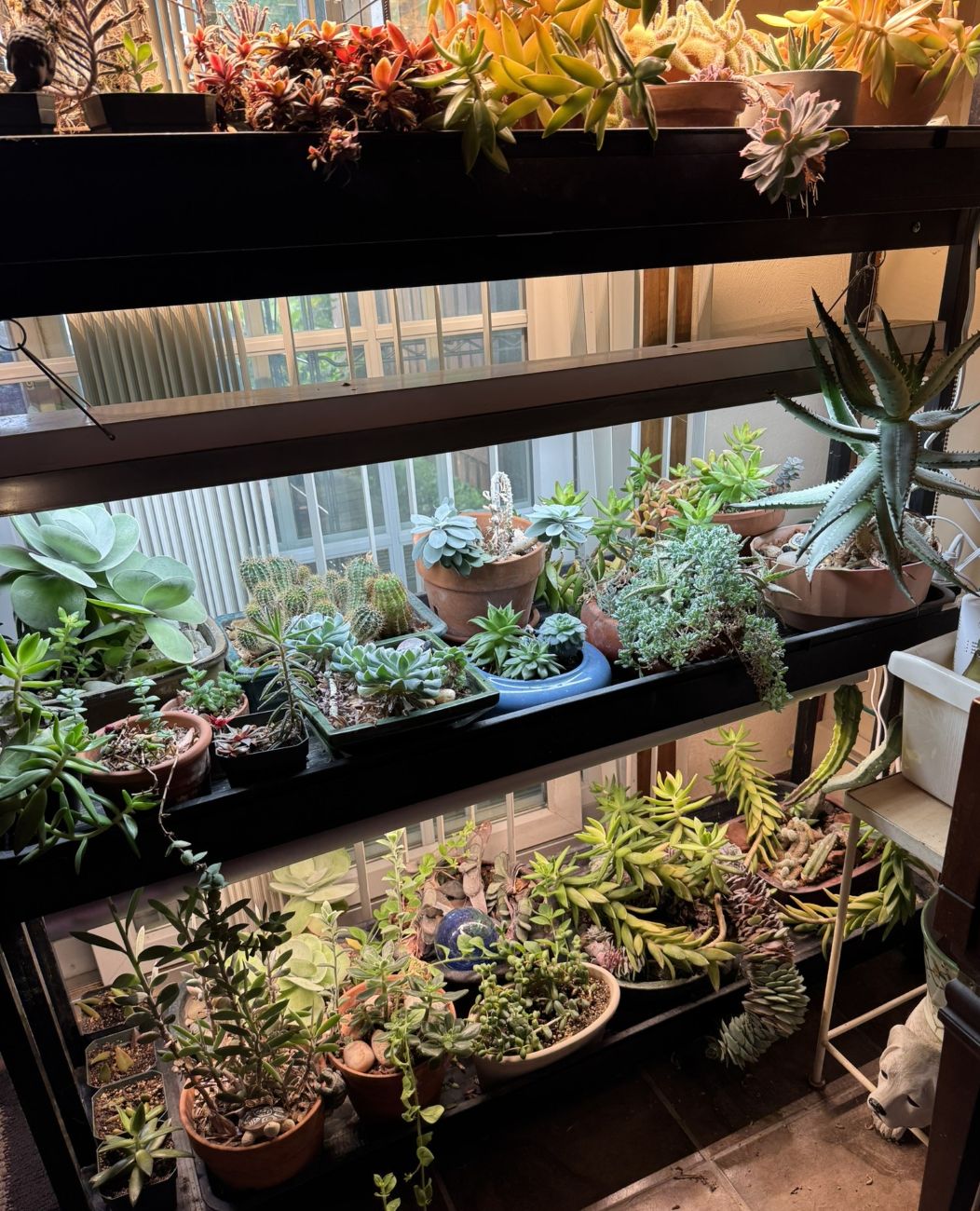
Jane purchased this three-tiered lighted plant stand about 25 years ago, and today it accommodates a sizable portion of her indoor succulent and cactus collection. Supplemental light helps her maintain the collection indoors through the colder months.
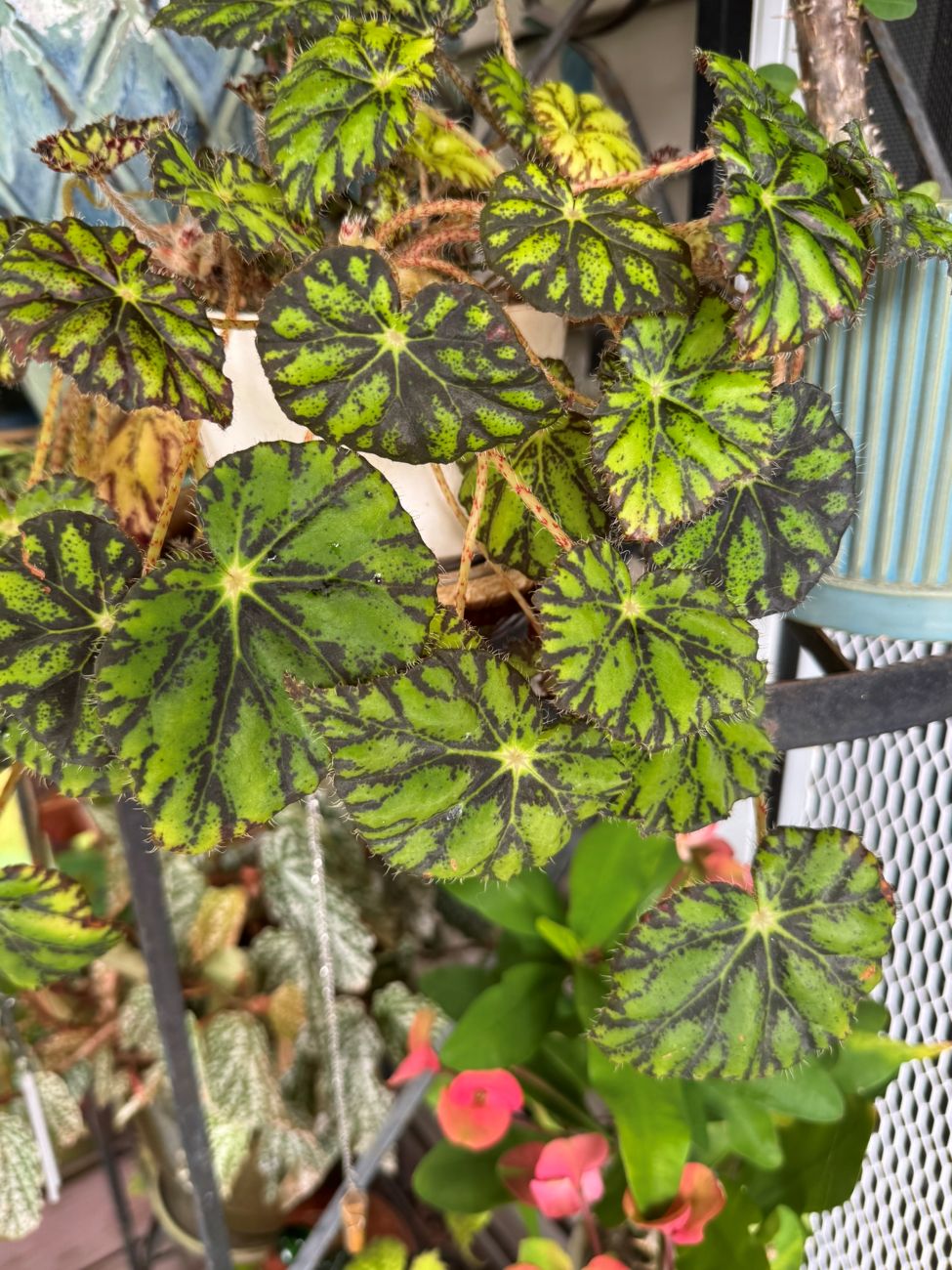
The dramatically patterned foliage of ‘Lime Fever’ eyelash begonia (Begonia bowerae ‘Lime Fever’, Zones 10–11) shows why begonias can become such collectible houseplants. Its chartreuse leaves are overlaid with dark markings, while fine hairs along the leaf margins contribute to the “eyelash” appearance associated with this group.
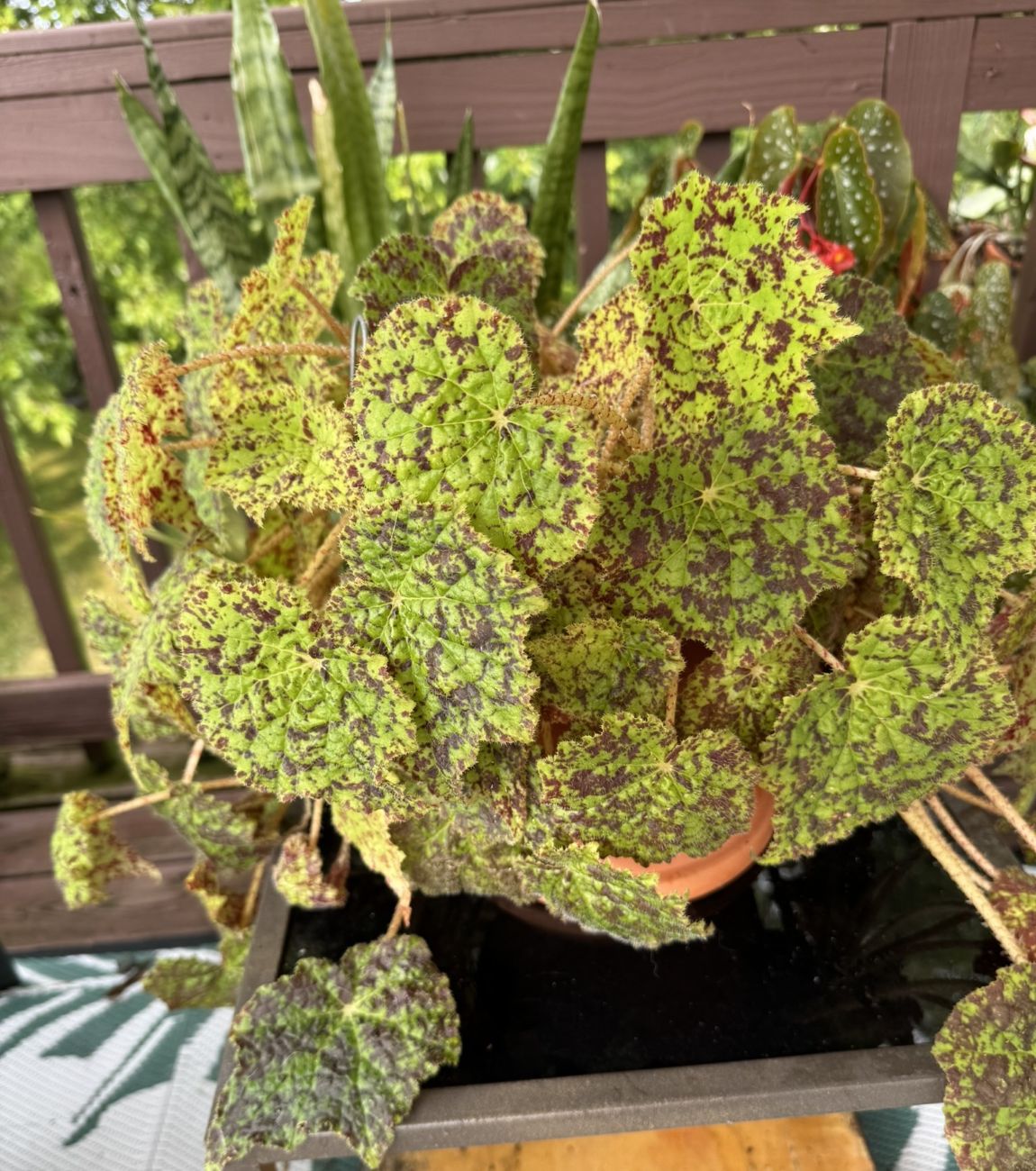
One of Jane’s favorites is ‘Marmaduke’ begonia (Begonia ‘Marmaduke’, Zones 10–11). Rex begonias are rhizomatous plants known for the extraordinary range of colors, textures, and patterns found in their foliage.
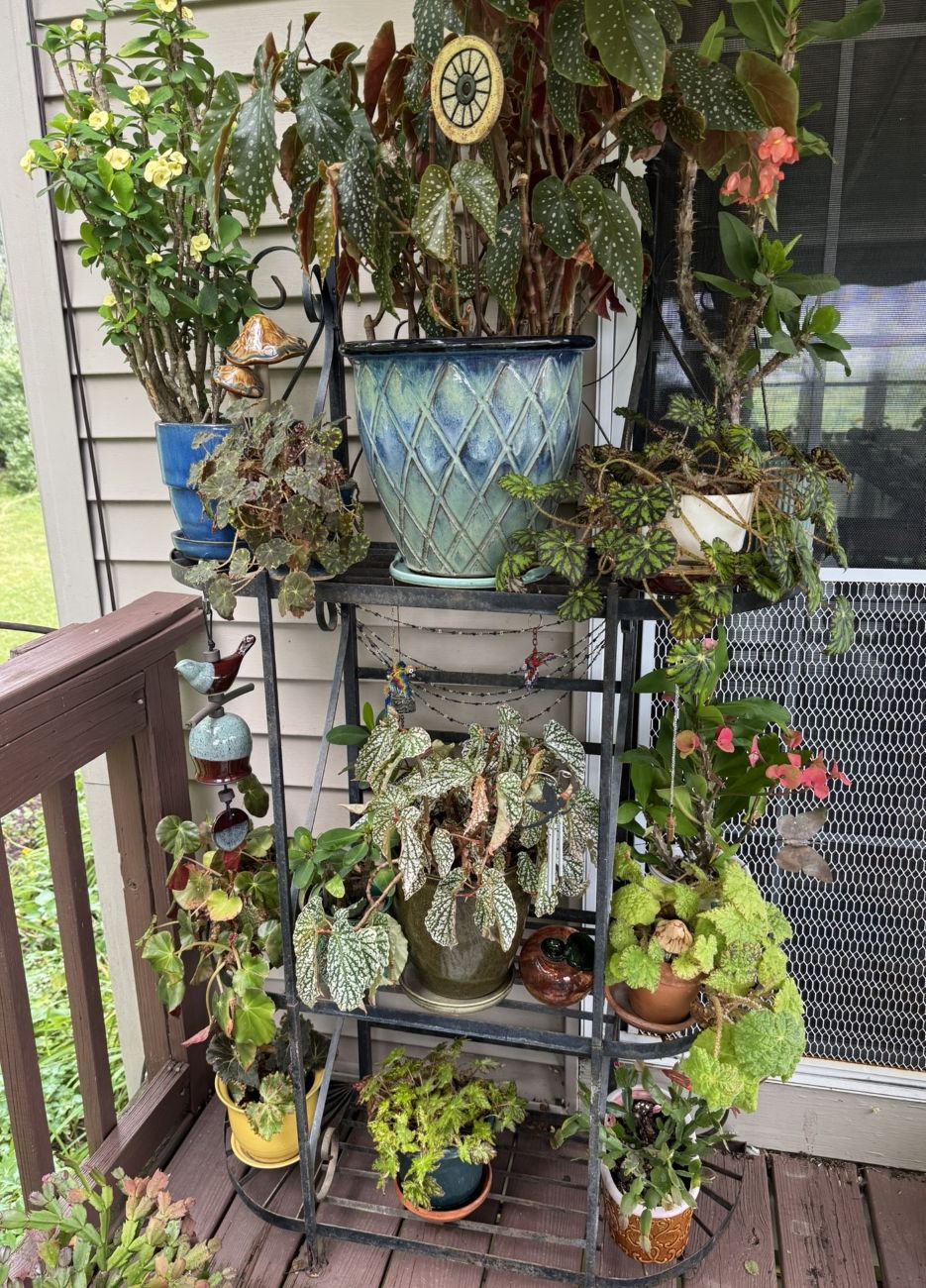
The tall, dark-leaved ‘Cracklin Rosie’ begonia (Begonia ‘Cracklin Rosie’, Zones 10–11) grows at the top of the stand, while ‘Snowcap’ begonia (Begonia ‘Snowcap’, Zones 10–11) grows below. ‘Cracklin Rosie’ is a cane-type begonia, characterized by upright, bamboo-like stems. Jane cuts it back each winter, roots the stem cuttings, and sells the young plants at her annual Master Gardener plant sale.
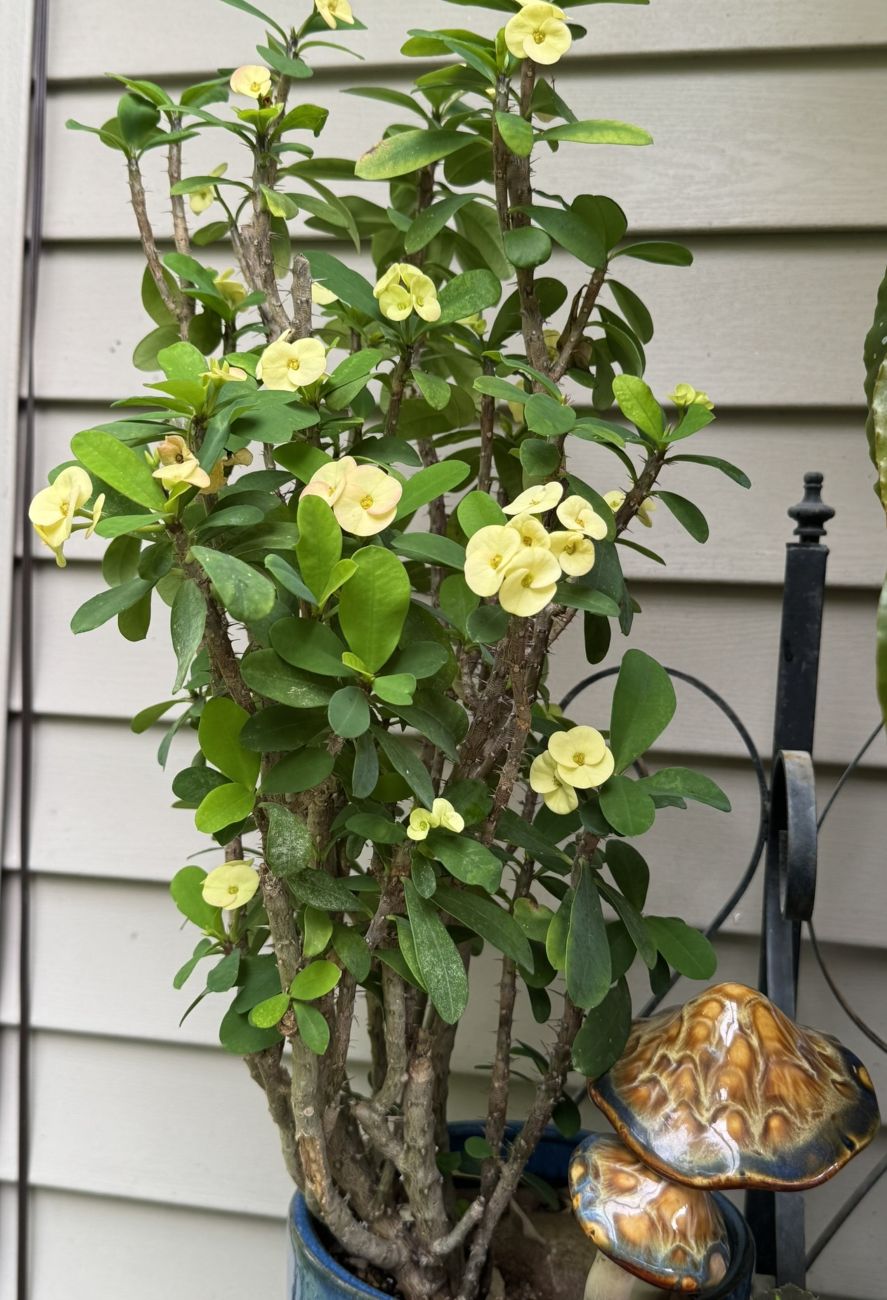
Jane also loves euphorbias, and this yellow crown of thorns (Euphorbia milii, Zones 10–12) has proved particularly resilient. It once fell from Jane’s second-story deck and bounced right back. The pale yellow structures that look like petals are actually colorful bracts surrounding the plant’s much smaller true flowers.
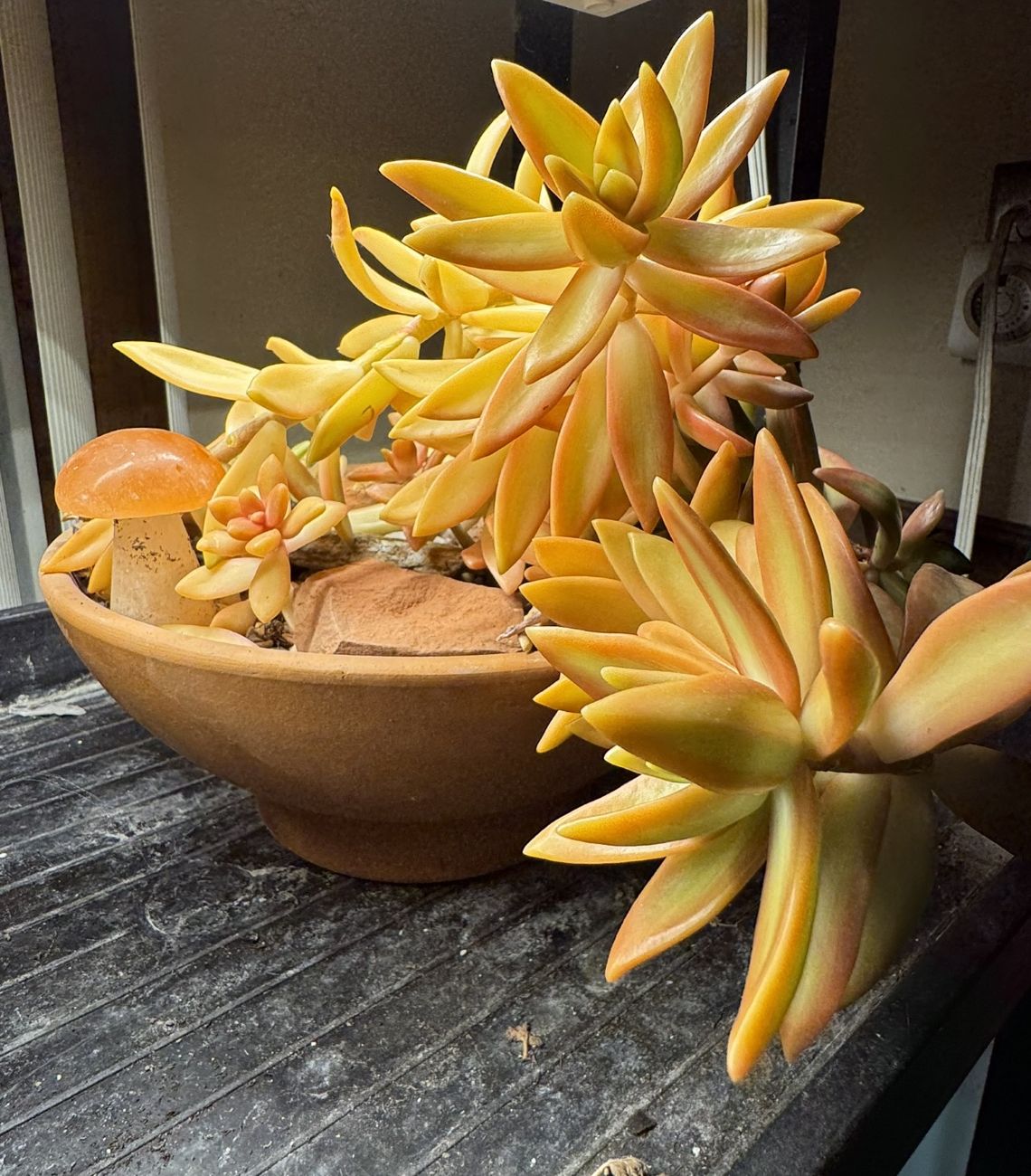
Jane paired this warm-toned echeveria with stones she collected in Sedona, Arizona. Their similar colors tie the planting together while bringing a little piece of the desert landscape into her indoor collection.
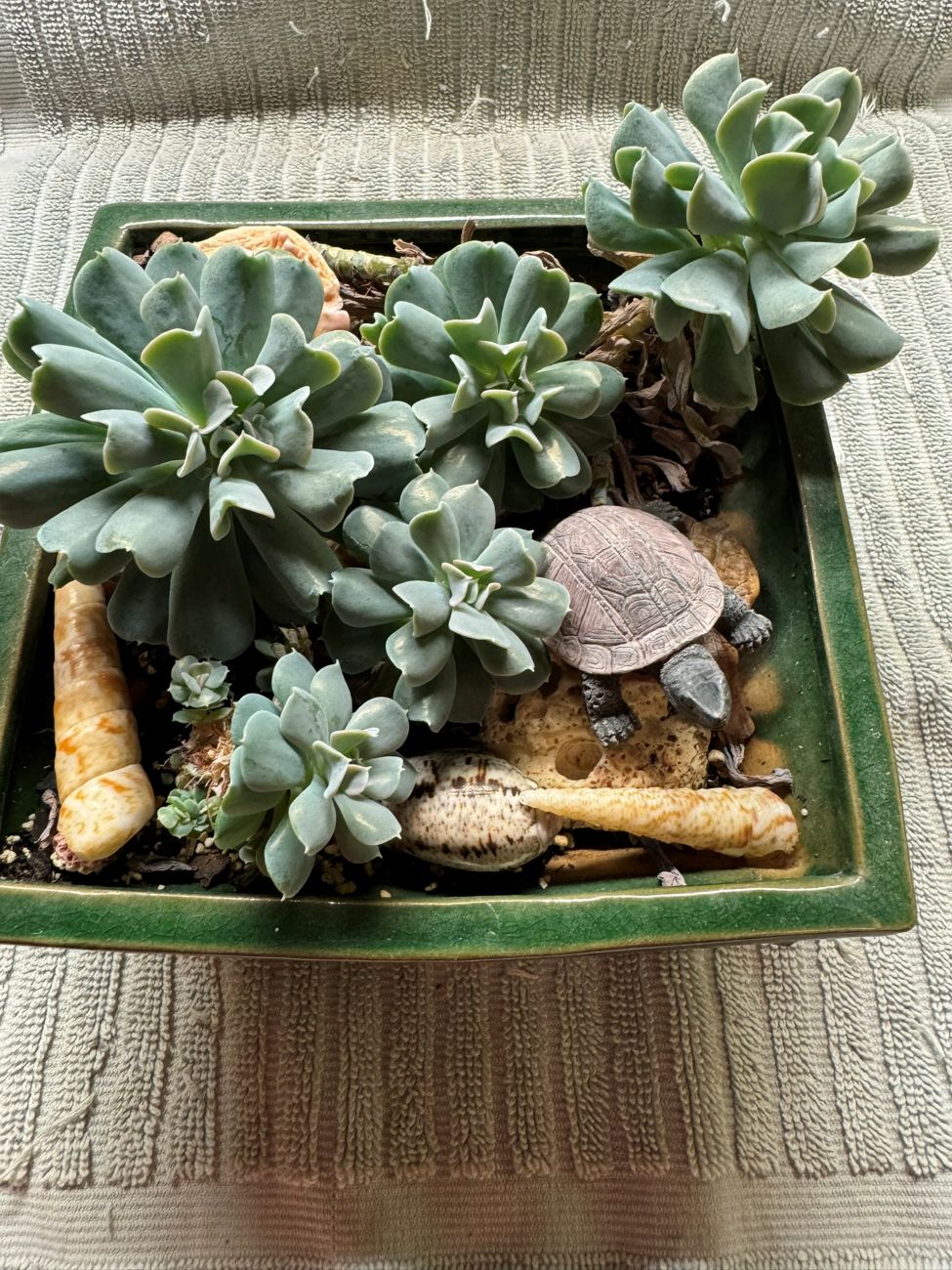
Blue-gray echeveria rosettes share this container with shells Jane collected in Mexico. The cool-toned foliage and pale shells create a softer combination than the warm colors of the Sedona planting.
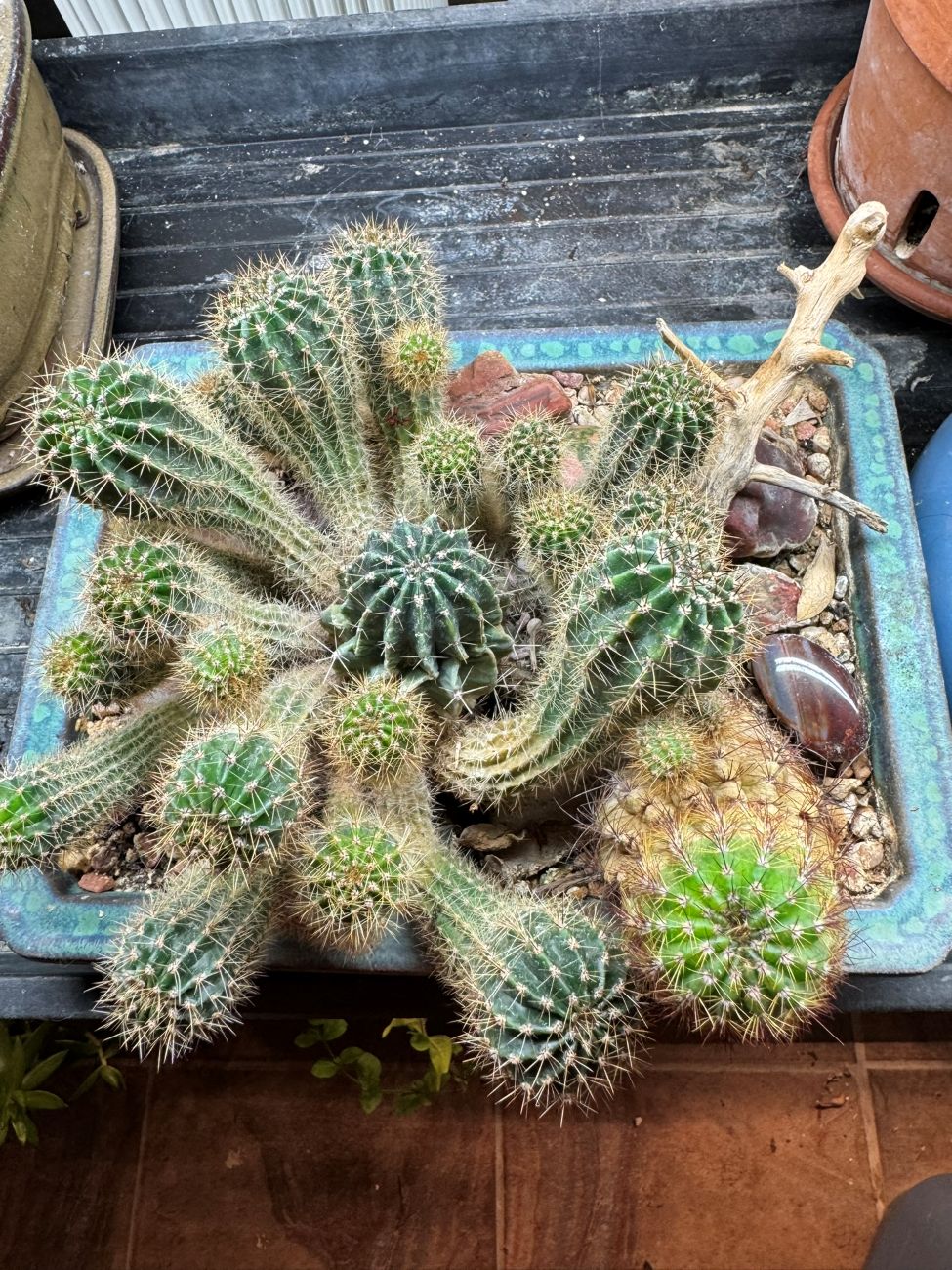
Jane added stones purchased during a visit to Petrified Forest National Park to this cactus container, another example of how she incorporates travel memories into her indoor collection.
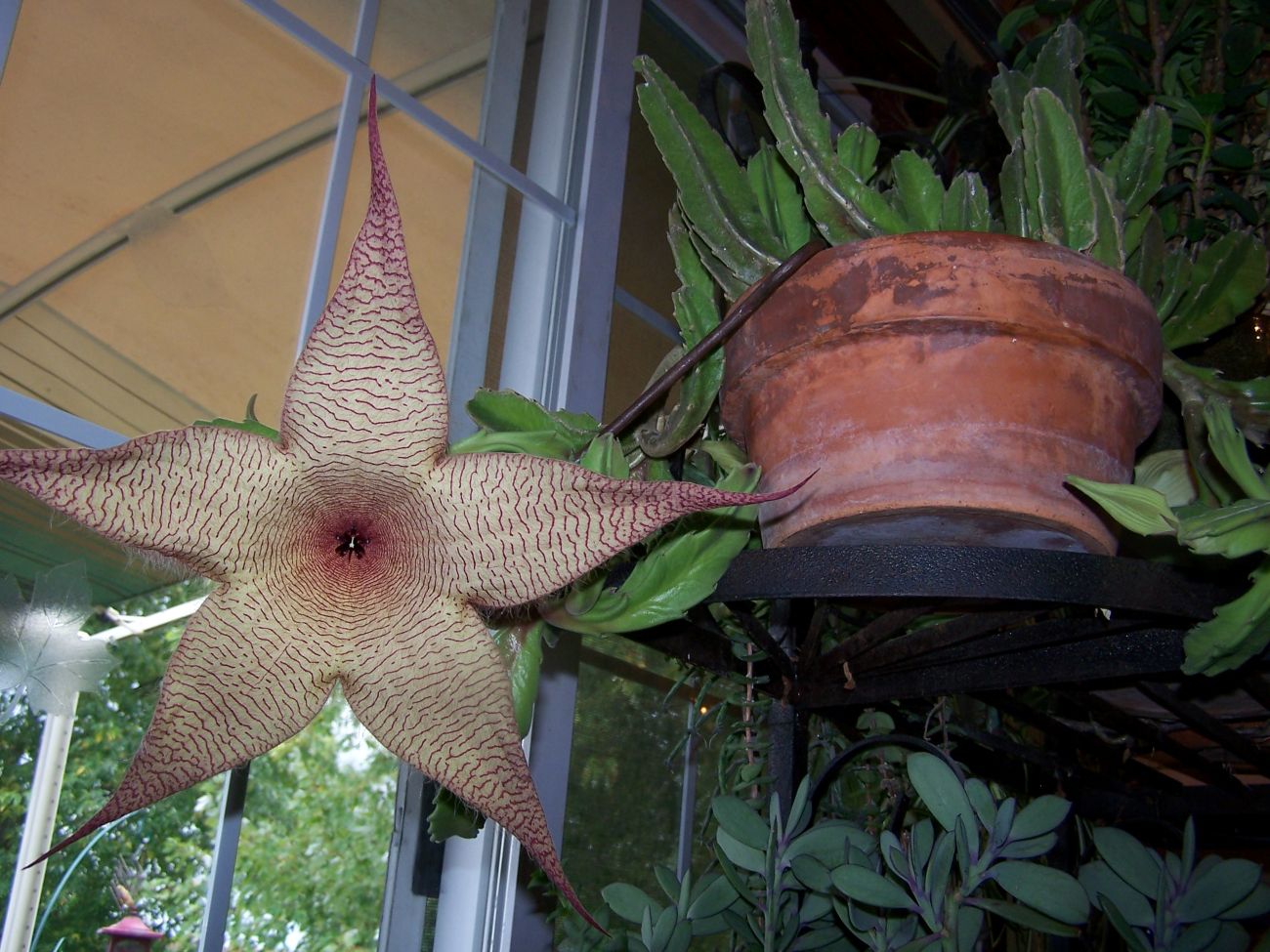
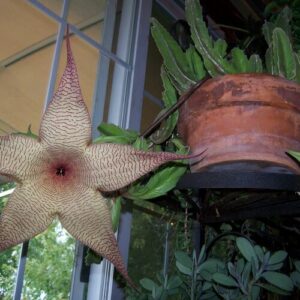
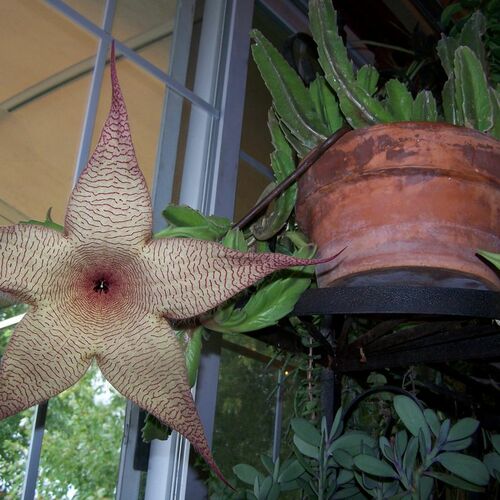
Jane has grown this carrion flower (Stapelia gigantea, Zones 9–10) since purchasing it from a greenhouse that was going out of business in 1979. She says it blooms only about every five years, making each flower an event. The five-pointed blooms can reach up to 16 inches across and mimic the smell of decaying flesh to attract the flies that pollinate them. When Jane’s plant decides to bloom, she moves it outside to spare the house from the smell.
Thank you for sharing this side of your garden, Jane. After seeing your outdoor garden over the years, it’s wonderful to get a glimpse of the collections that keep your gardening going indoors.
We want to see YOUR garden!
Have photos to share? We’d love to see your garden, a particular collection of plants you love, or a wonderful garden you had the chance to visit!
To submit, fill out the Garden Photo of the Day Submission Form.
You can also send 5–10 photos to [email protected] along with some information about the plants in the pictures and where you took the photos. We’d love to hear where you are located, how long you’ve been gardening, successes you are proud of, failures you learned from, hopes for the future, favorite plants, or funny stories from your garden.
Do you receive the GPOD by email yet? Sign up here
Fine Gardening Recommended Products
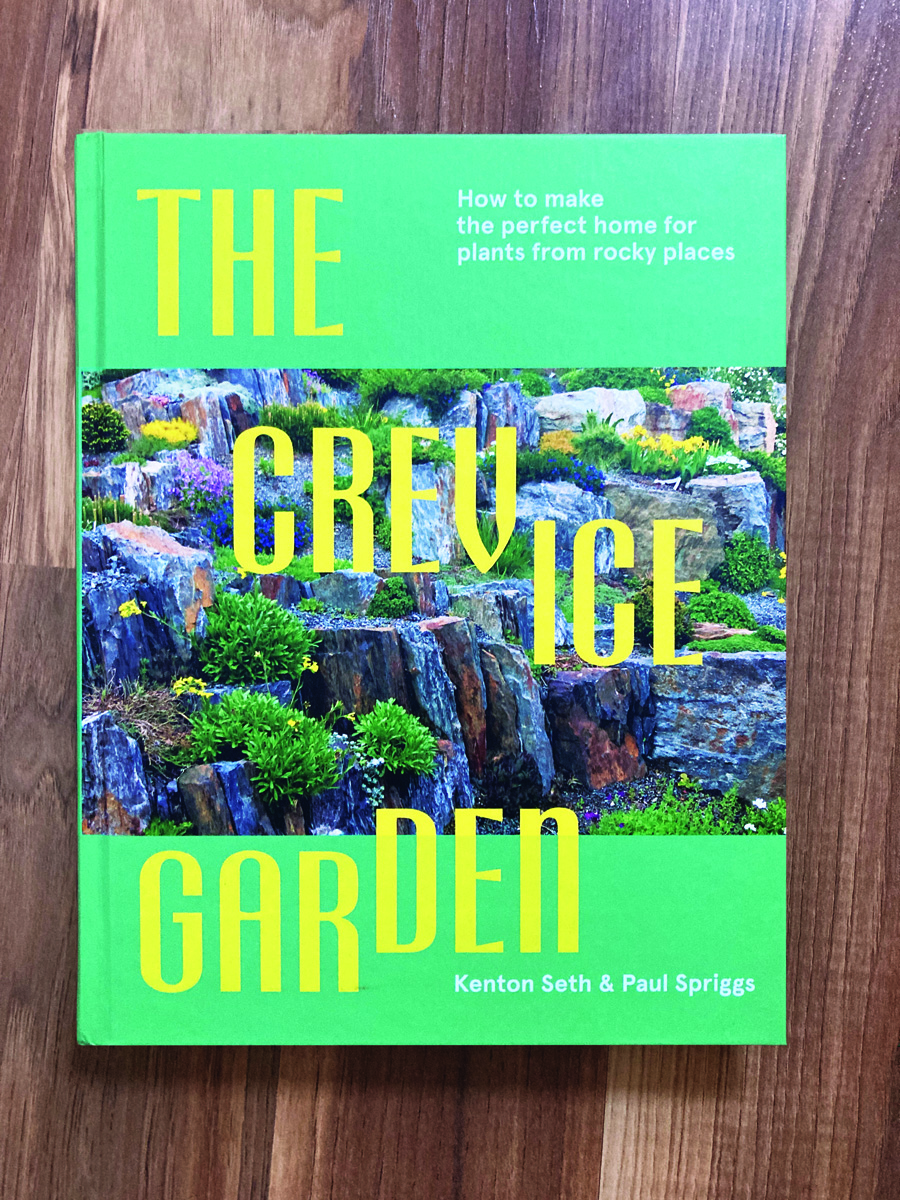
The Crevice Garden: How to make the perfect home for plants from rocky places
Fine Gardening receives a commission for items purchased through links on this site, including Amazon Associates and other affiliate advertising programs.
A crevice garden replicates the environmental conditions of mountain tops, deserts, coastlines, and other exposed or rocky places on earth. These striking garden features provide perfect conditions for the plants native to these far-off places, bringing the cultivation of these precious gems within everybody’s reach.

SHOWA Atlas 370B Nitrile Palm Coating Gloves, Black, Medium (Pack of 12 Pairs)
Fine Gardening receives a commission for items purchased through links on this site, including Amazon Associates and other affiliate advertising programs.
Lightweight and close-fitting for excellent dexterity. Machine washable. Breathable back of hand to reduce perspiration. Designed for easy movement and continuous wear. Ideal for aerospace, assembly, automotive, construction, final fix, gardening, manufacturing, operating machinery, packaging, precision handling, tiling, warehousing.