
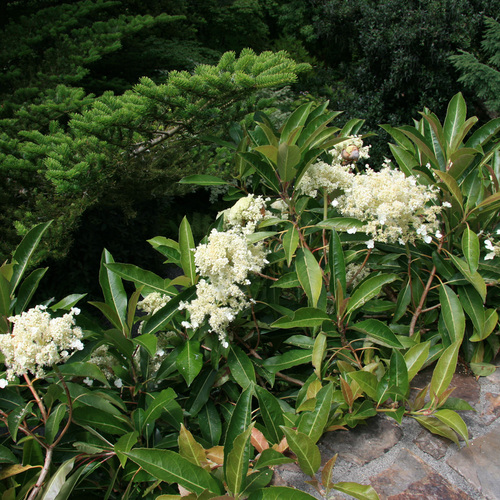
Try These 3 Lesser-Known Hydrangeas
In “Not Your Typical Hydrangeas” (Fine Gardening, Issue 229, Fall 2026), renowned plantsman Daniel J. Hinkley shared some of his favorite rare hydrangeas, many of which were recently reclassified into the species Hydrangea from other former species in the family. There wasn’t room for every plant Daniel wrote about in the print article, and below you can find three more. These lesser-known hydrangeas feature interesting flowers, foliage, and forms that make them worth knowing and growing, although some may be difficult to source.
Learn More in Our Hydrangea Collection
1. Didrangeas bring midnight blue flowers and other exciting traits
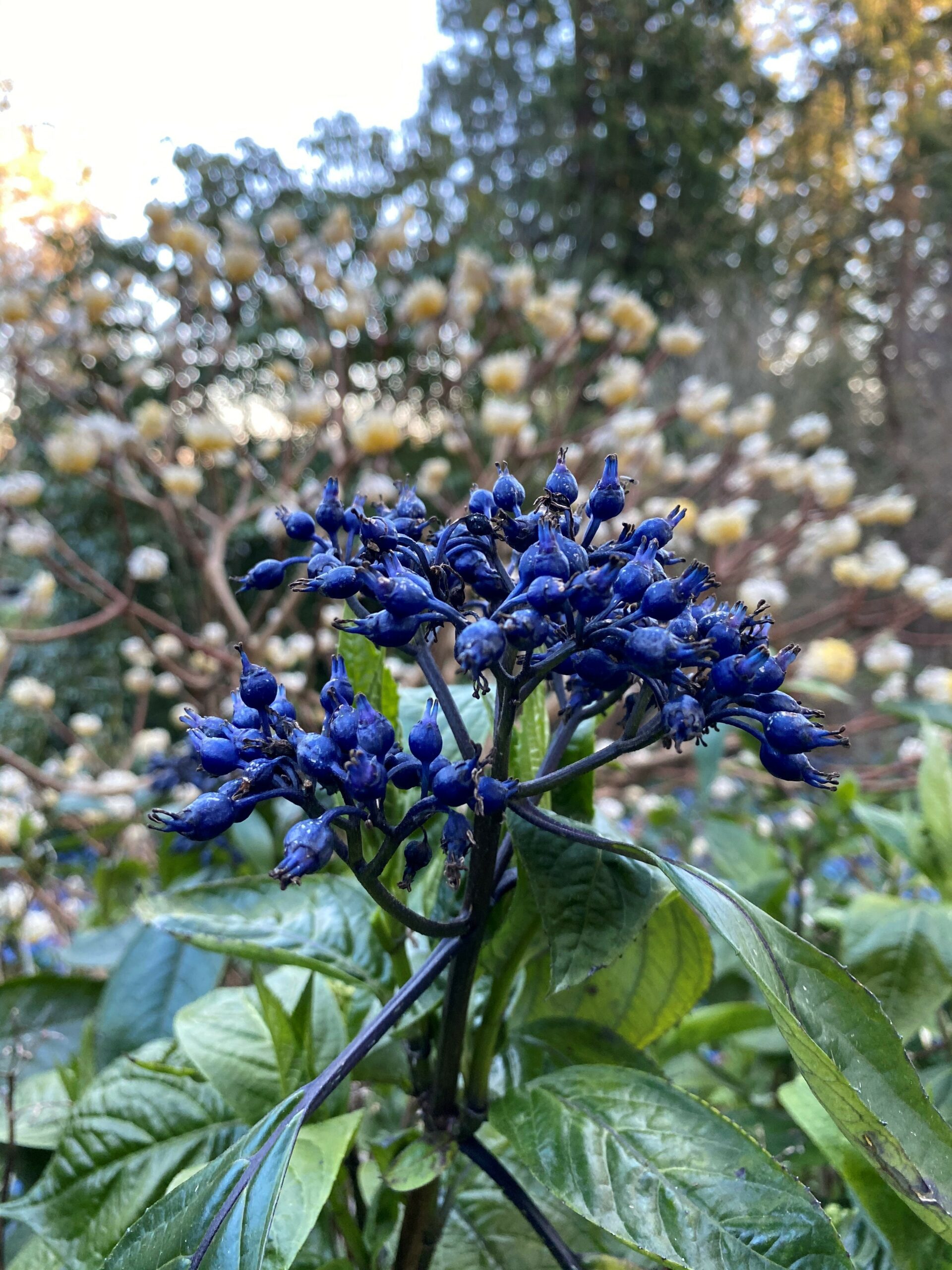
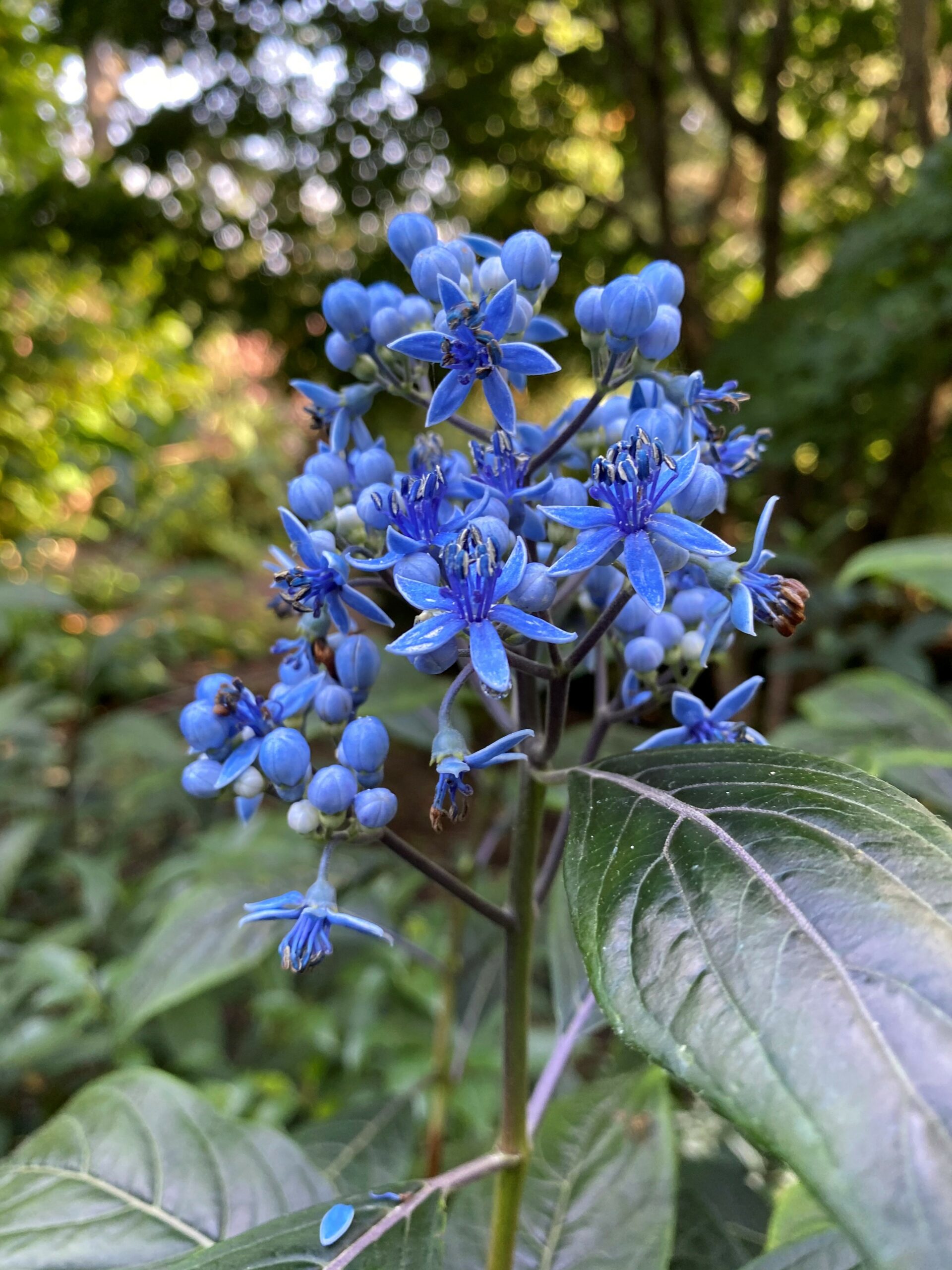
- Name: Hydrangea × ytiensis cvs. syn. × Didrangea ytiensis cvs.
- Zones: 7–9
- Size: 8 to 10 feet tall and 5 feet wide
- Conditions: Partial shade; evenly moist soil
- Native range: Hybrid
Chinese quinine (H. febrifuga, Zones 7–9, syn. Dichroa febrifuga) easily hybridizes with other hydrangeas both in the wild as well as in the garden (see pg. 45, Fine Gardening issue 229, Fall 2026). The U.S. National Arboretum began a breeding program between Chinese quinine and the commonly cultivated bigleaf hydrangea (H. macrophylla, Zones 5–9) two decades ago, attempting to create a showy flowering shrub that resulted in equally handsome crops of blue berries.
I have grown these cultivars under trial for numerous years and find them to be compelling, with rather large heads of mid-blue flowers that intensify to midnight blue all the way into midwinter here in Washington state. The downside is that they can’t decide whether they are evergreen or deciduous, a trait that is shared with bigleaf hydrangea. Subsequently, they appear disheveled during cold winters. As additional crosses are made between Chinese quinine and an assortment of other species, gardeners across all growing zones in North America might expect new and exciting additions to their gardens to become available.
Read More: Winter Hardy Hydrangeas
2. Evergreen climbing hydrangea’s showy blossoms are complemented by its shiny, deeply green foliage
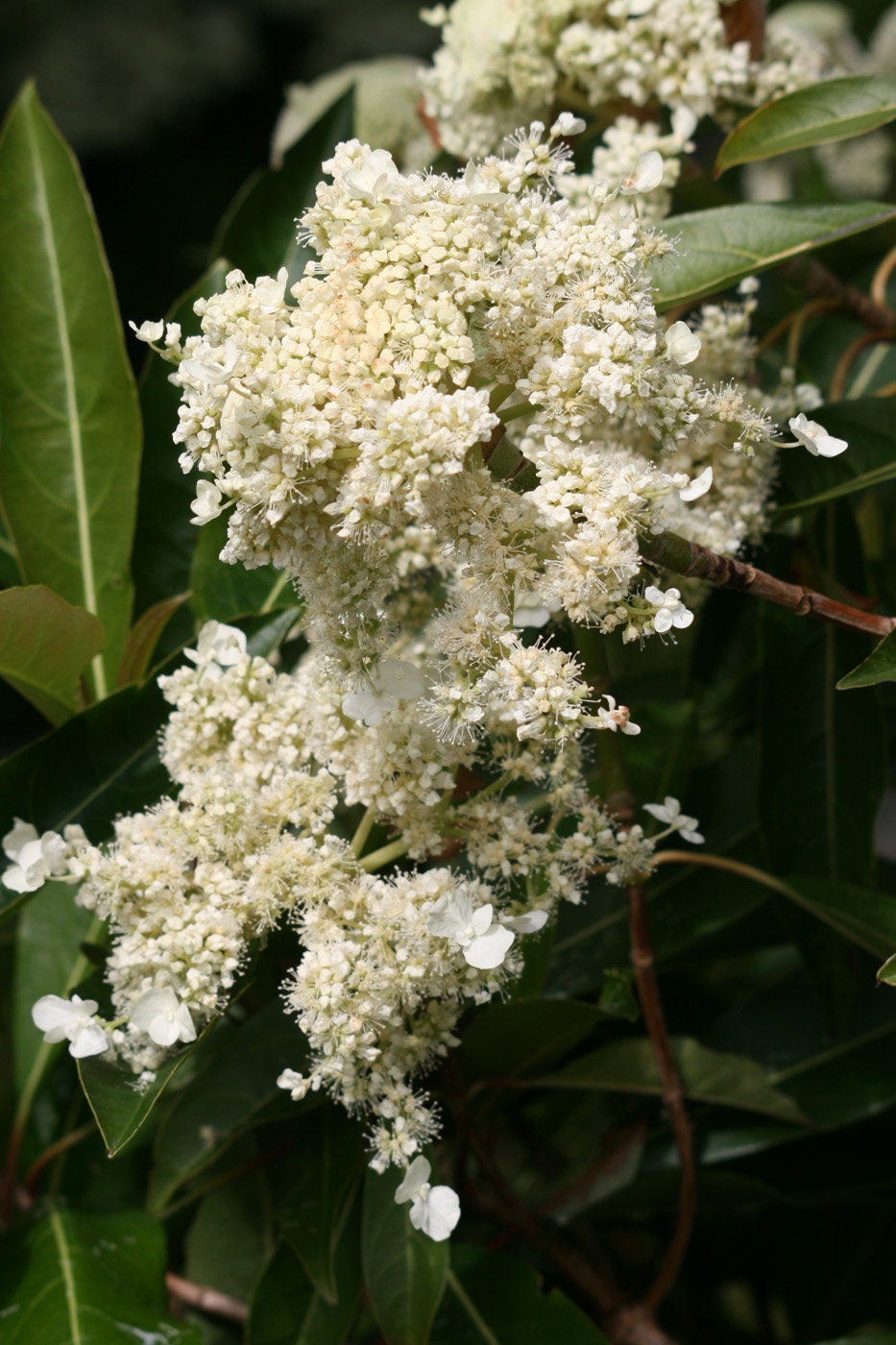
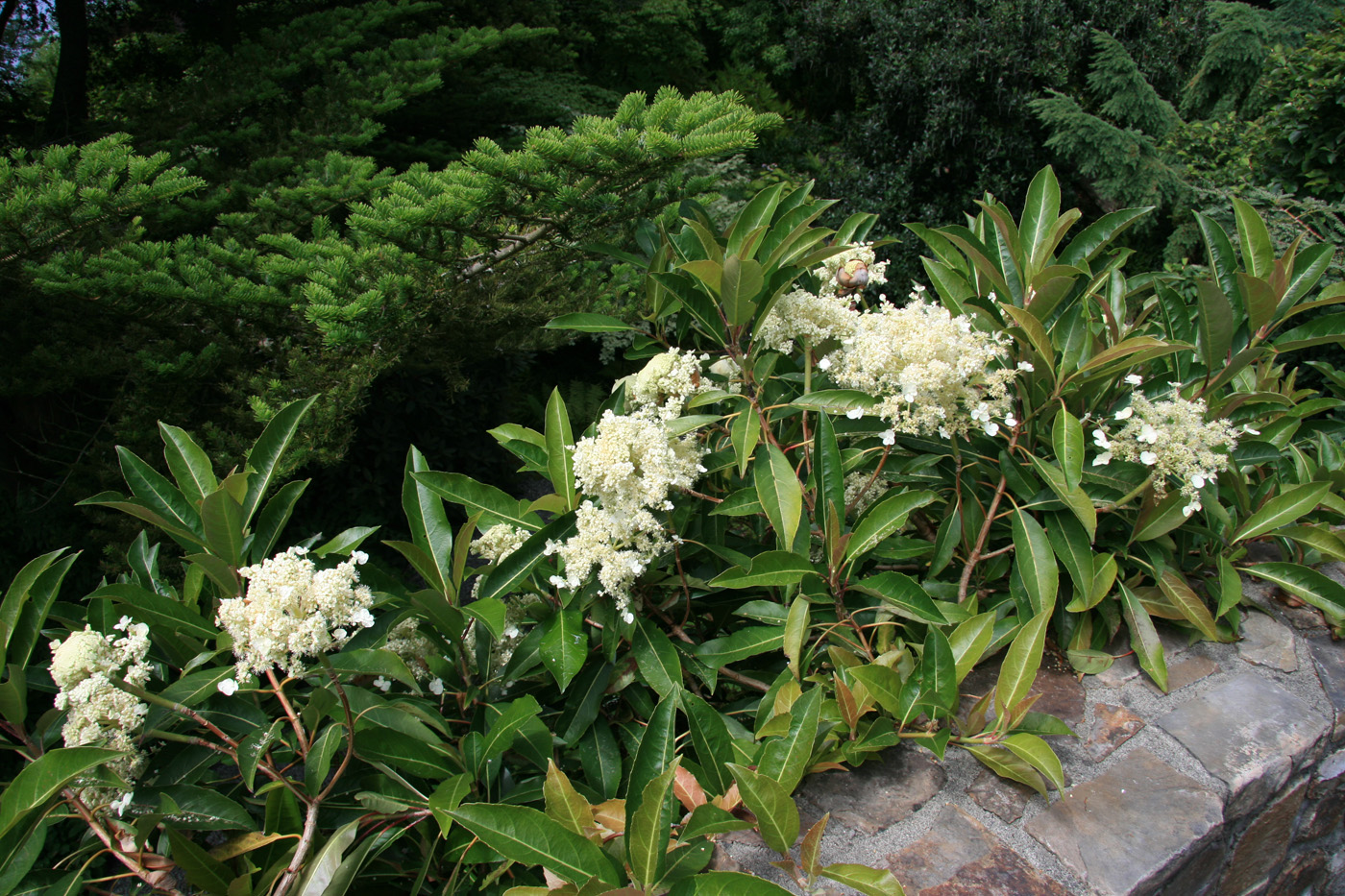
- Name: Integrifolia
- Zones: 7–10
- Size: 40 to 50 feet tall and 10 to 20 feet wide
- Conditions: Partial shade; rich, moist, well-drained soil
- Native range: Taiwan and the Philippines
As many gardeners are aware, hydrangeas come not only as small trees, shrubs, and herbaceous perennials, but as vines as well. The hardy, deciduous common climbing hydrangea (H. petiolaris, Zones 4–9) from Japan is widely grown across North America, while the southeastern-native woodvamp (H. barbara, Zones 6–8) can be frequently encountered in the woodlands of the southern Appalachians. However, many people do not know that of the dozens of species of climbing hydrangeas across our planet, the vast majority are evergreen.
One of these, from Asia, makes a fine garden specimen. Its linear evergreen foliage is held by handsome red petioles to self-clinging stems that can rise to towering heights on both rock cliffs as well as trees. In early summer, white flowers, often without a ring of sterile bracts, open from curious globular buds. In the early stage of opening, they look like popcorn balls adhered to the climbing stems. Evergreen climbing hydrangea’s height can be checked if grown on a fence or trellis. It is ideal for providing a narrow privacy screen.
3. Lesser-known Taiwanese hydrangea vine puts on a spectacular show with its large, unusual flowers
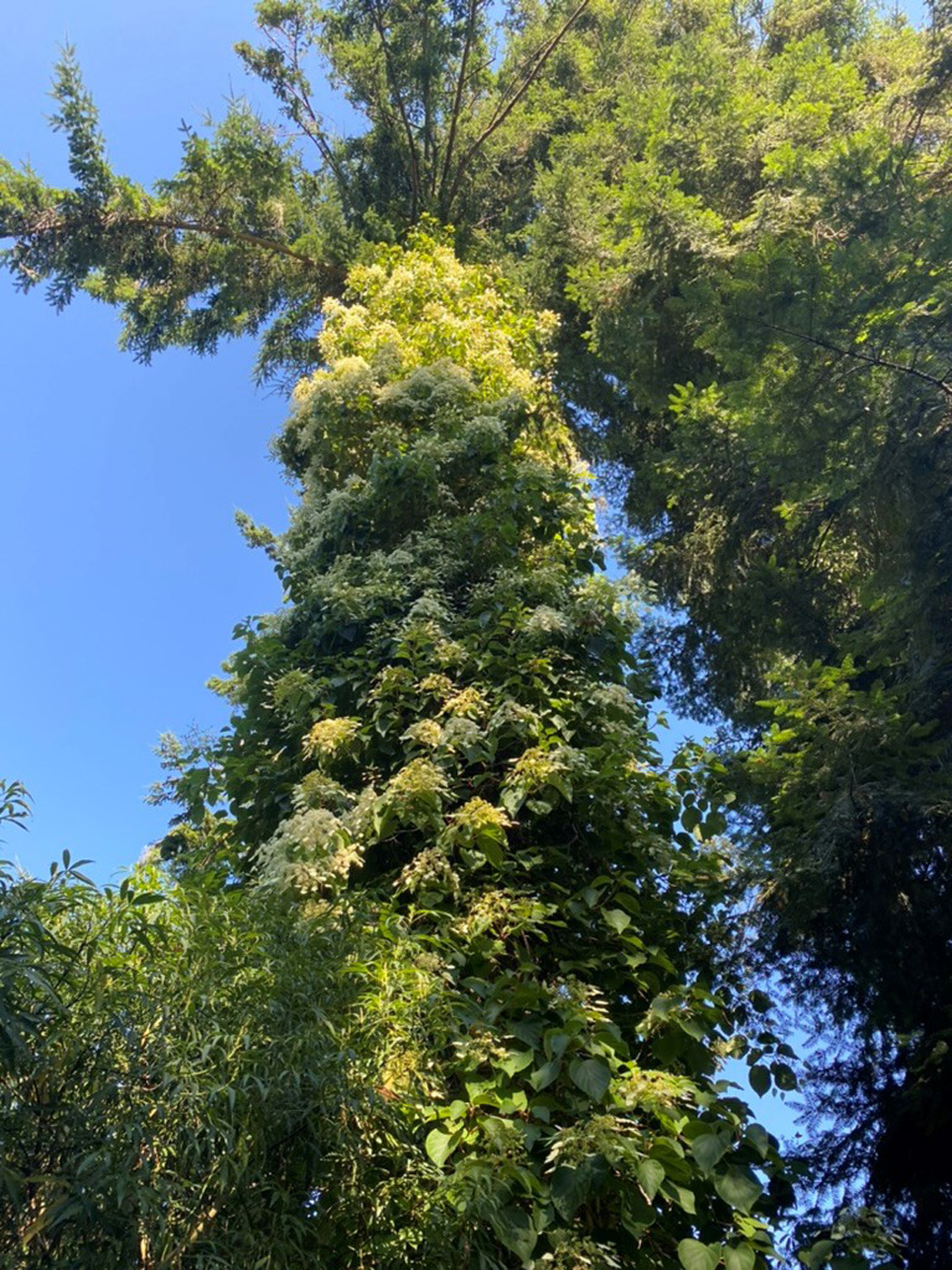
- Name: Fauriei syn. Schizophragma integrifolium var. fauriei
- Zones: 7–9
- Size: 20 to 50 feet tall and 10 to 20 feet wide
- Conditions: Partial shade; rich, evenly moist, well-drained soil
- Native range: Taiwan
This handsome, self-clinging, deciduous species might be, at first glance, easily mistaken for the common climbing hydrangea. A closer examination will show that the blossoms possess a notably different, and in my estimation a much showier, floral structure.
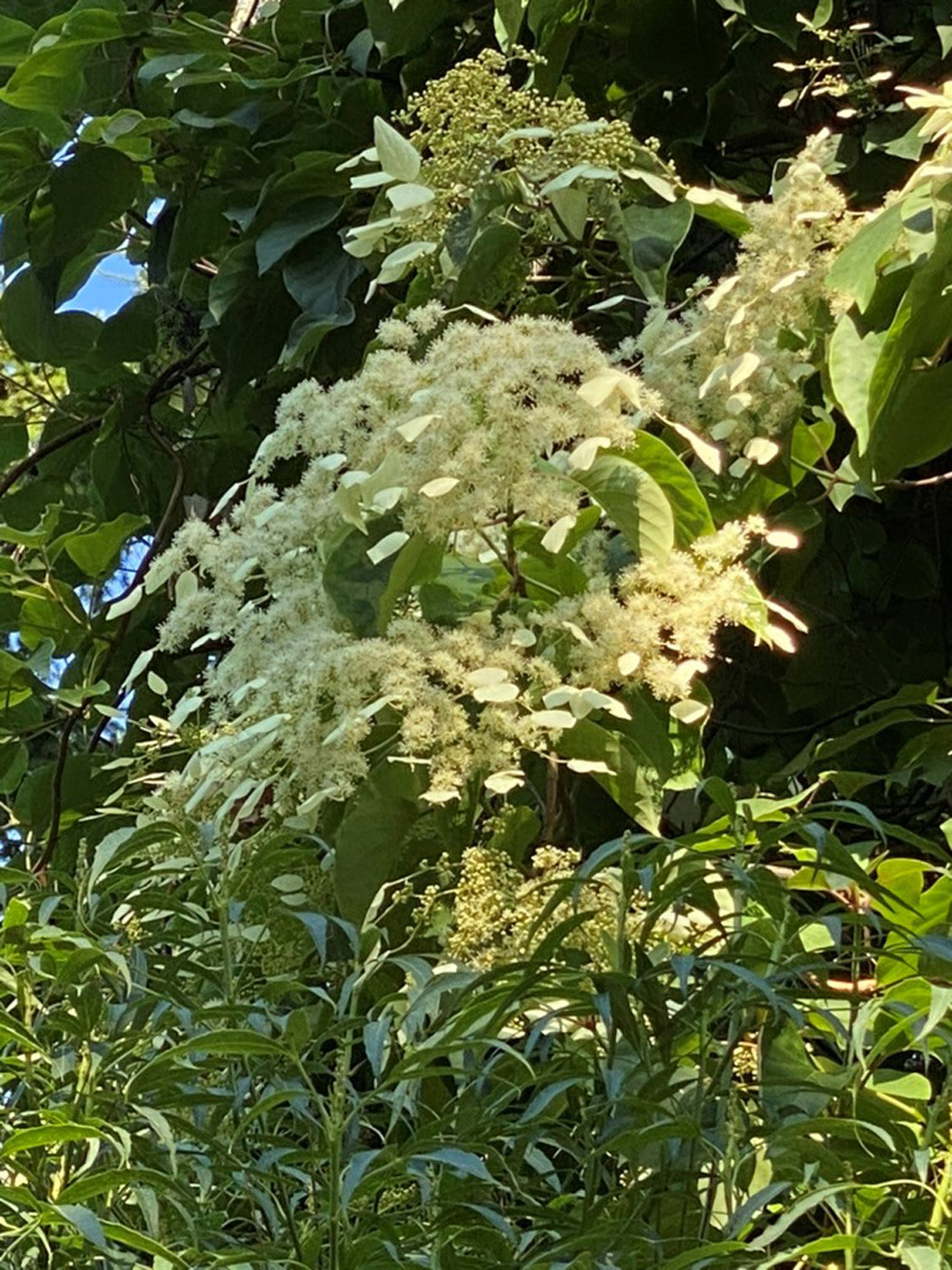
Each cluster of frothy white fertile flowers is surrounded by numerous large, tear-shaped petaloid sepals, while the flowers of the common climbing hydrangea are surrounded by several sterile florets comprised of four smaller, rounded petaloid sepals. Consequently, the flowers of Taiwanese hydrangea vine offer a far greater visual punch. In my experience, it also blossoms much sooner than its more popularly planted counterpart.
All photos courtesy of Daniel J. Hinkley, except where noted.
Daniel J. Hinkley is a plant explorer, nurseryman, lecturer, and author. His most recent book, Windcliff: A Story of People, Plants, and Gardens, chronicles the evolution of his home landscape.
More from Fine Gardening:
Become an All-Access Member!
Watch Videos on Our YouTube Channel
Check Out Our Podcast
Fine Gardening Recommended Products
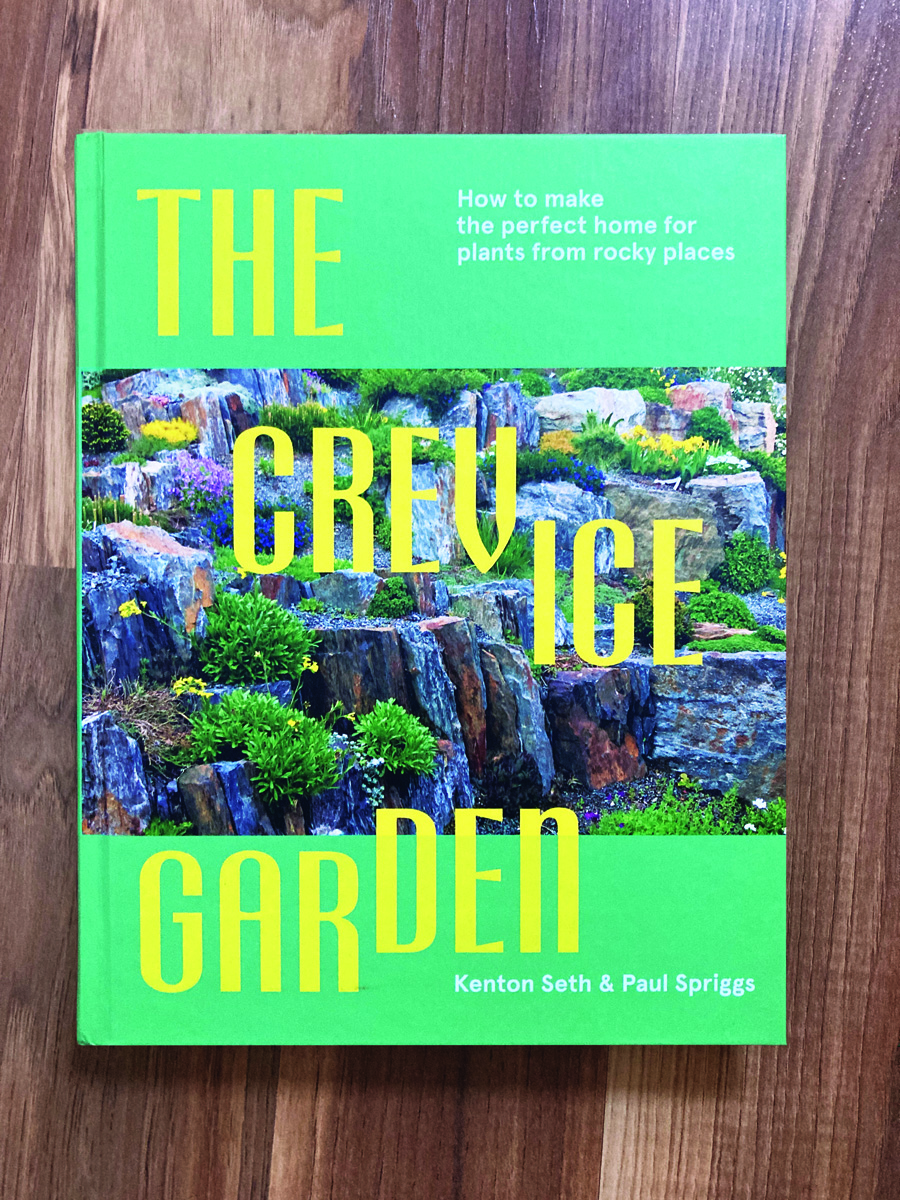
The Crevice Garden: How to make the perfect home for plants from rocky places
Fine Gardening receives a commission for items purchased through links on this site, including Amazon Associates and other affiliate advertising programs.
A crevice garden replicates the environmental conditions of mountain tops, deserts, coastlines, and other exposed or rocky places on earth. These striking garden features provide perfect conditions for the plants native to these far-off places, bringing the cultivation of these precious gems within everybody’s reach.