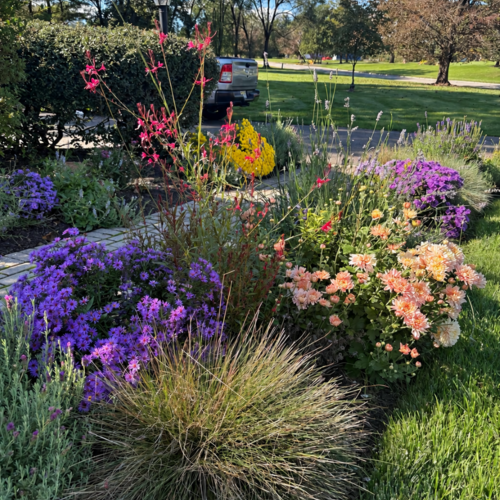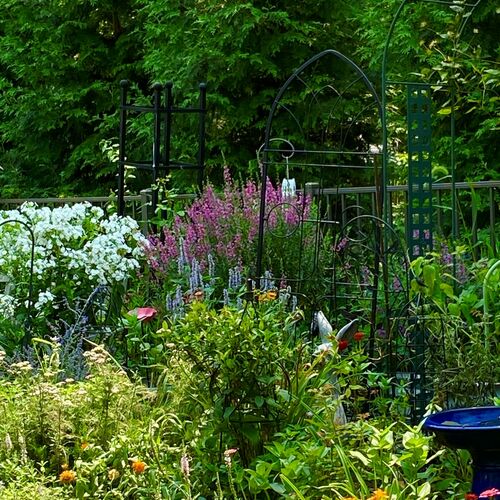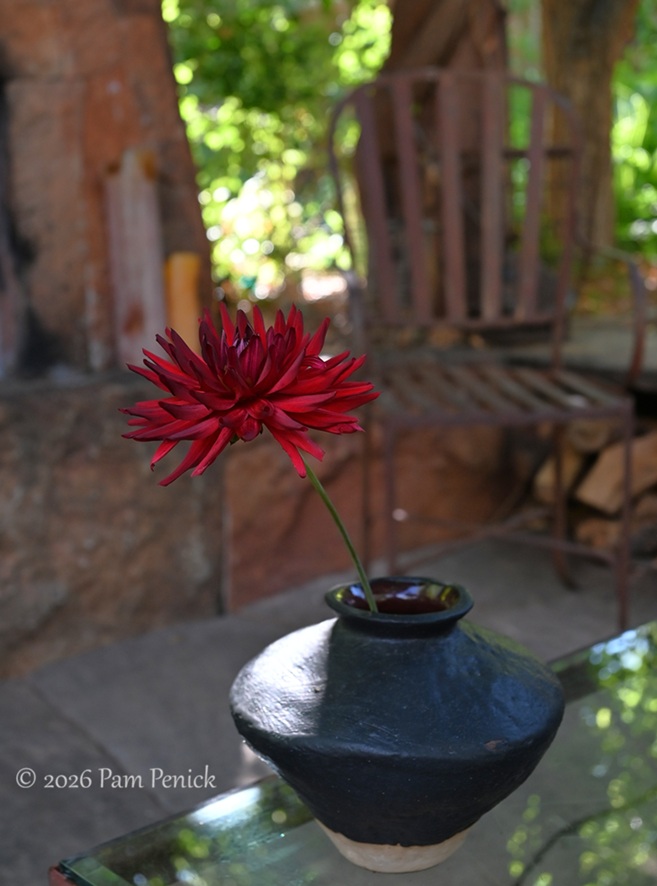

My February journey to the Southern Hemisphere took me to some of the most delightful landscapes and gardens imaginable, including those of the Royal Botanic Garden Sydney, an extraordinary oasis set right in the heart of the city in New South Wales, Australia, barely a 10-minute walk from the iconic Sydney Opera House and picturesque Sydney Harbour Bridge. With free admission, 74 acres to explore, and housing over 27,000 plants — with an impressive number of rarities — it is an absolute magnet for anyone plant-obsessed.
Royal Botanic Garden Sydney: An Australian Garden Gem
Being a self-proclaimed plant addict, I found myself visiting the Royal Botanic Garden on three separate occasions during my five-day stay in Sydney. Established in 1816, it is also home to Australia’s oldest scientific institution, the Australian Institute of Botanical Science, which is still an operating research center to this day, working on preserving and restoring plant species and ecosystems.
Plant Varieties at the Royal Botanic Garden
Visiting the Botanic Garden was a wonderful experience, with extraordinary greenery and unusual plant species around every corner. It is humid, subtropical, and filled with many specimens that we in the Pacific Northwest can only grow as houseplants—including stromanthe, philodendrons, gigantic bird’s nest ferns (Asplenium nidus, Zones 11–12)—all performing everyday landscape adornment roles here.
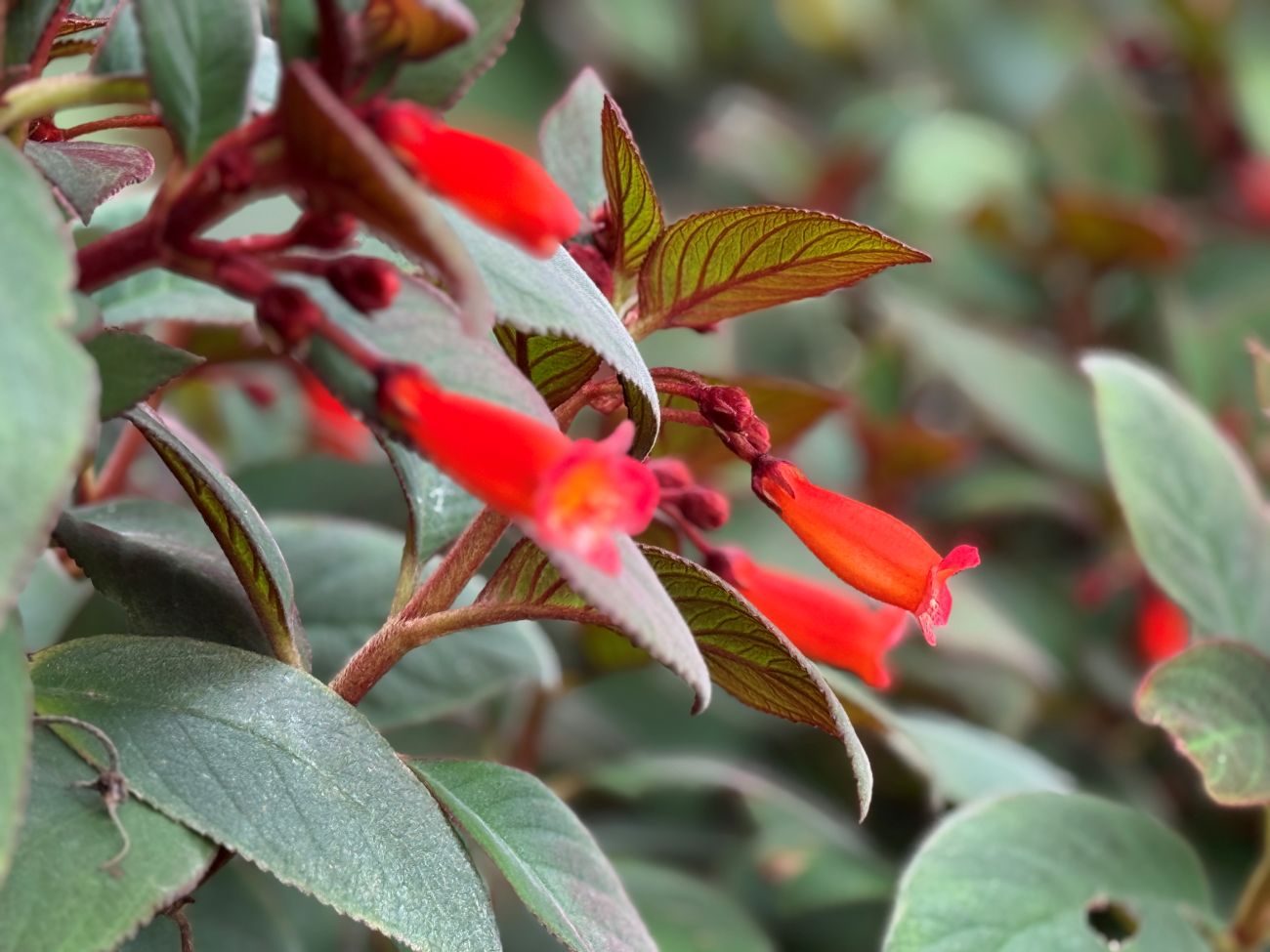
I was surprised, however, to find several familiar PNW garden plants flourishing as well. Zinnias, fuchsias, petunias, salvias, geraniums, begonias, hydrangeas, and even roses could be found thriving throughout various borders.
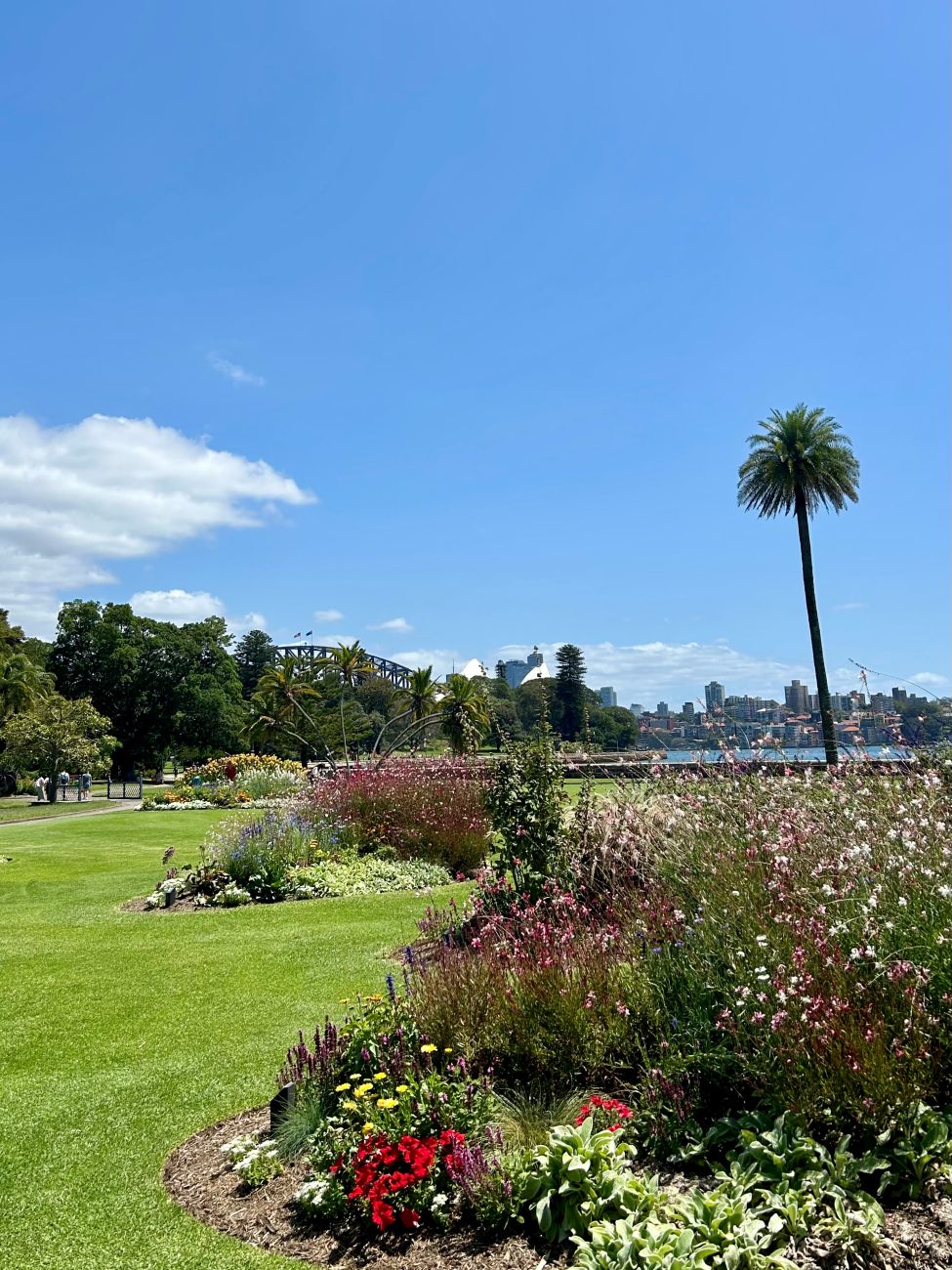
The garden also includes an impressive succulent collection filled with surprisingly happy succulents and cacti. I had presumed they would be averse to Sydney’s humidity. A beautiful border was filled with familiar gaura, petunias, salvias, limonium and more, all with the glittering waters of Sydney Harbour and the iconic Sydney Harbour Bridge as a backdrop.
Exotic Unusuals
In my wanders, I came across a slew of remarkable exotics, natives and nativars. The astonishing flowers of blue ginger (Dichorisandra thyrsiflora, Zones 10–12), red tower ginger (Costus comosus var. bakeri, Zones 9–10), beehive ginger (Zingiber spectabile, Zones 8–11), and two urn plants—Aechmea rubens and Aechmea fendleri (Zones 10–12)—were particularly captivating.
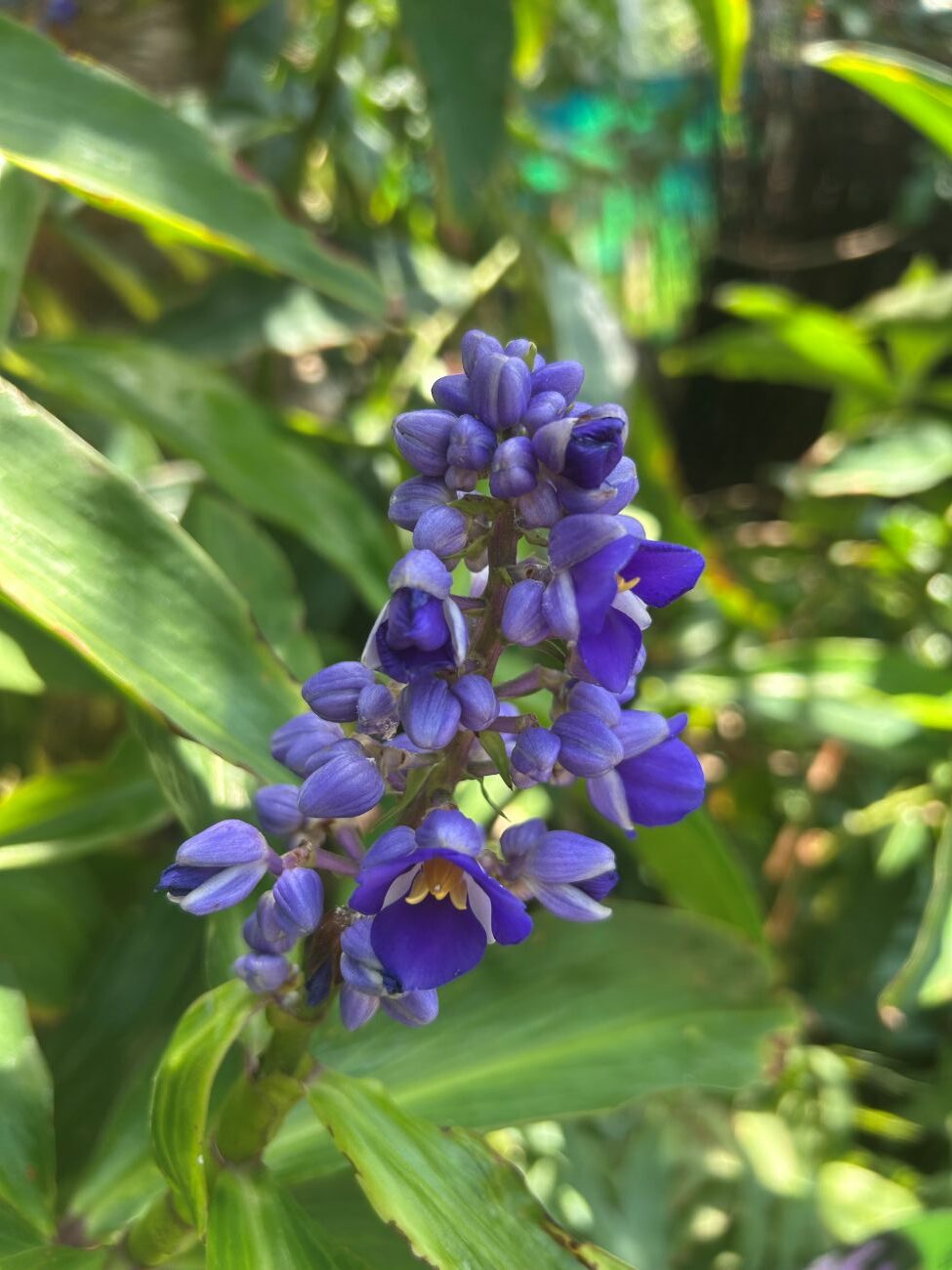
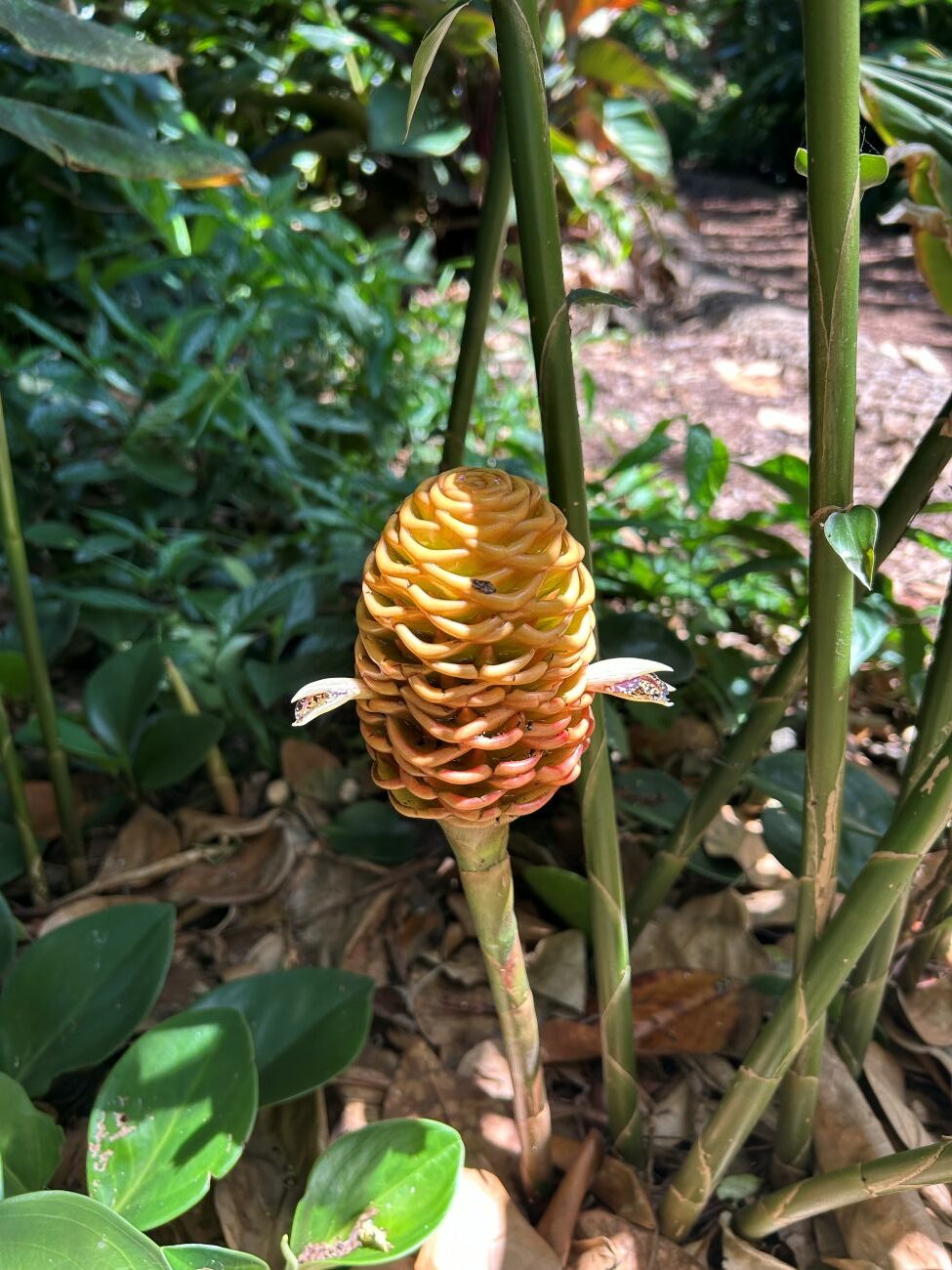
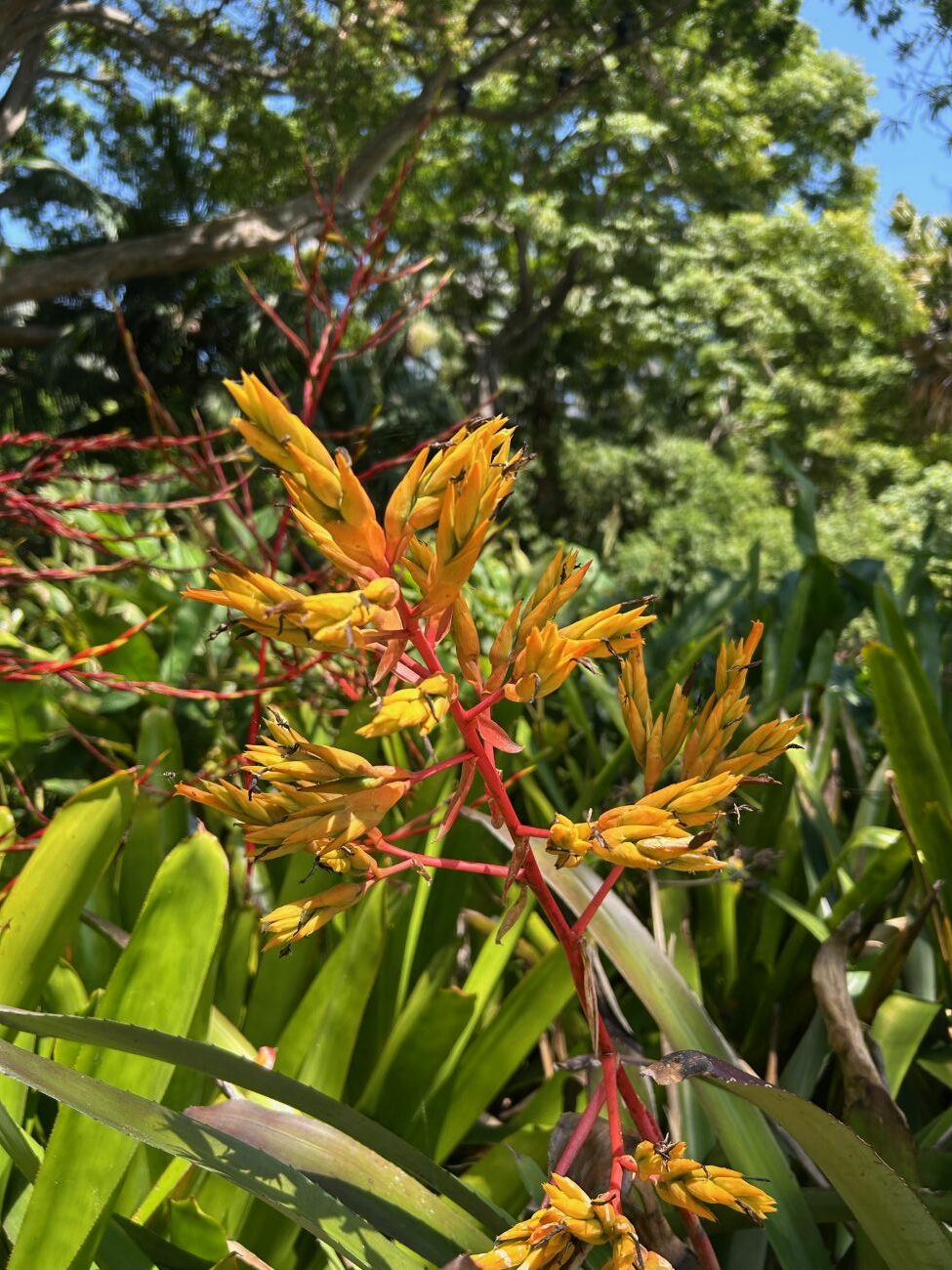
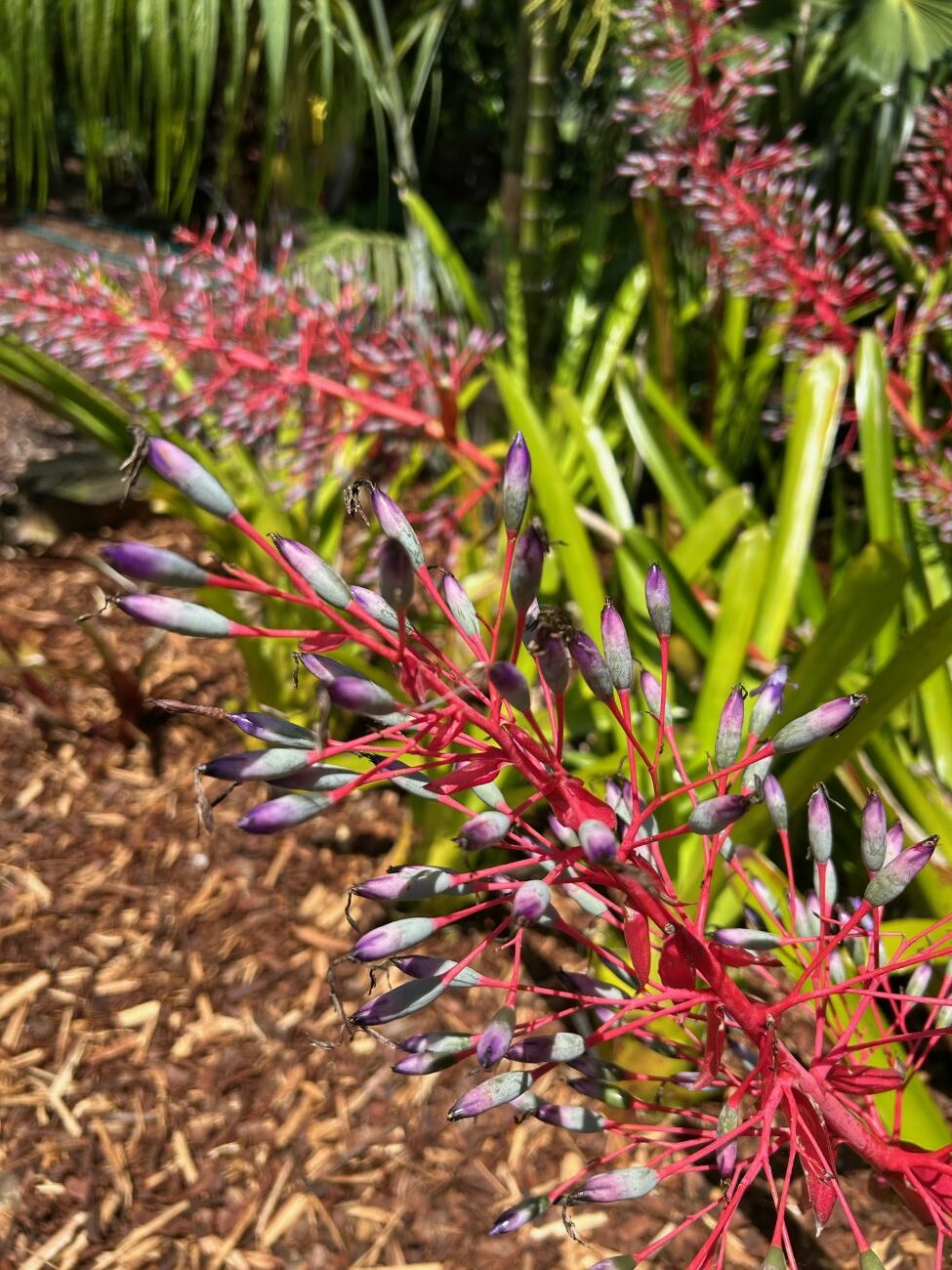
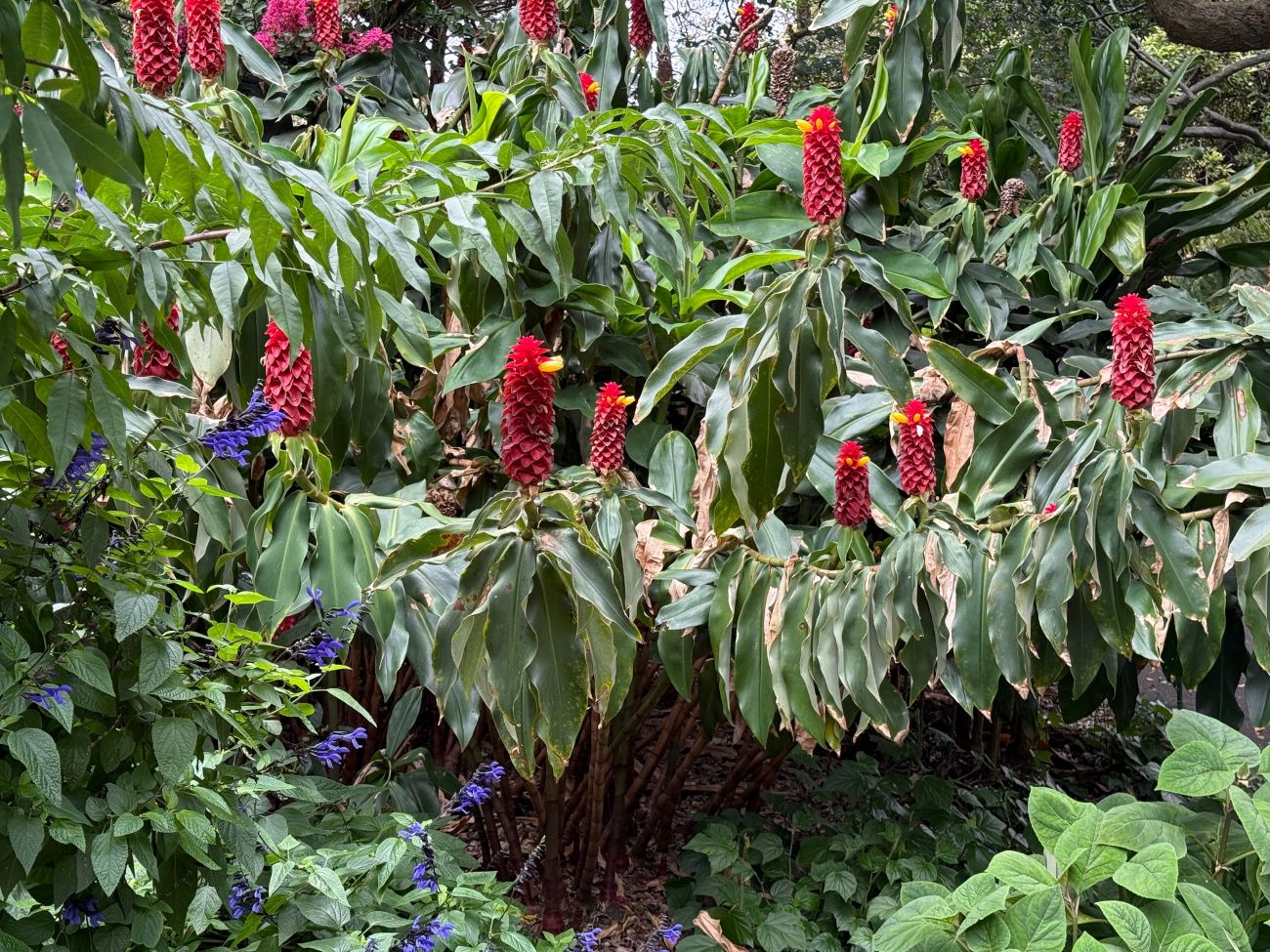
These are oversized, lush, humidity-loving tropical plants, but they are so spectacular that I’d consider every one of them worth trying in the more sheltered regions of our PNW climate — perhaps in a cozy, protected atrium or greenhouse. If I can find it, I am starting with blue ginger. The flower is absolutely traffic-stopping in its beauty!
Two New-to-Me Discoveries
There were two new-to-me plant discoveries that I found enchanting. I am now on the hunt for these plants to put in my nursery here in Northern California, to try them out in my region. The first was the airy red swamp hibiscus (Hibiscus coccineus, Zones 6–9), which I was thrilled to find out is a southeastern native. The second was an elegant white bottlebrush with snowy blooms set against fresh apple green foliage.
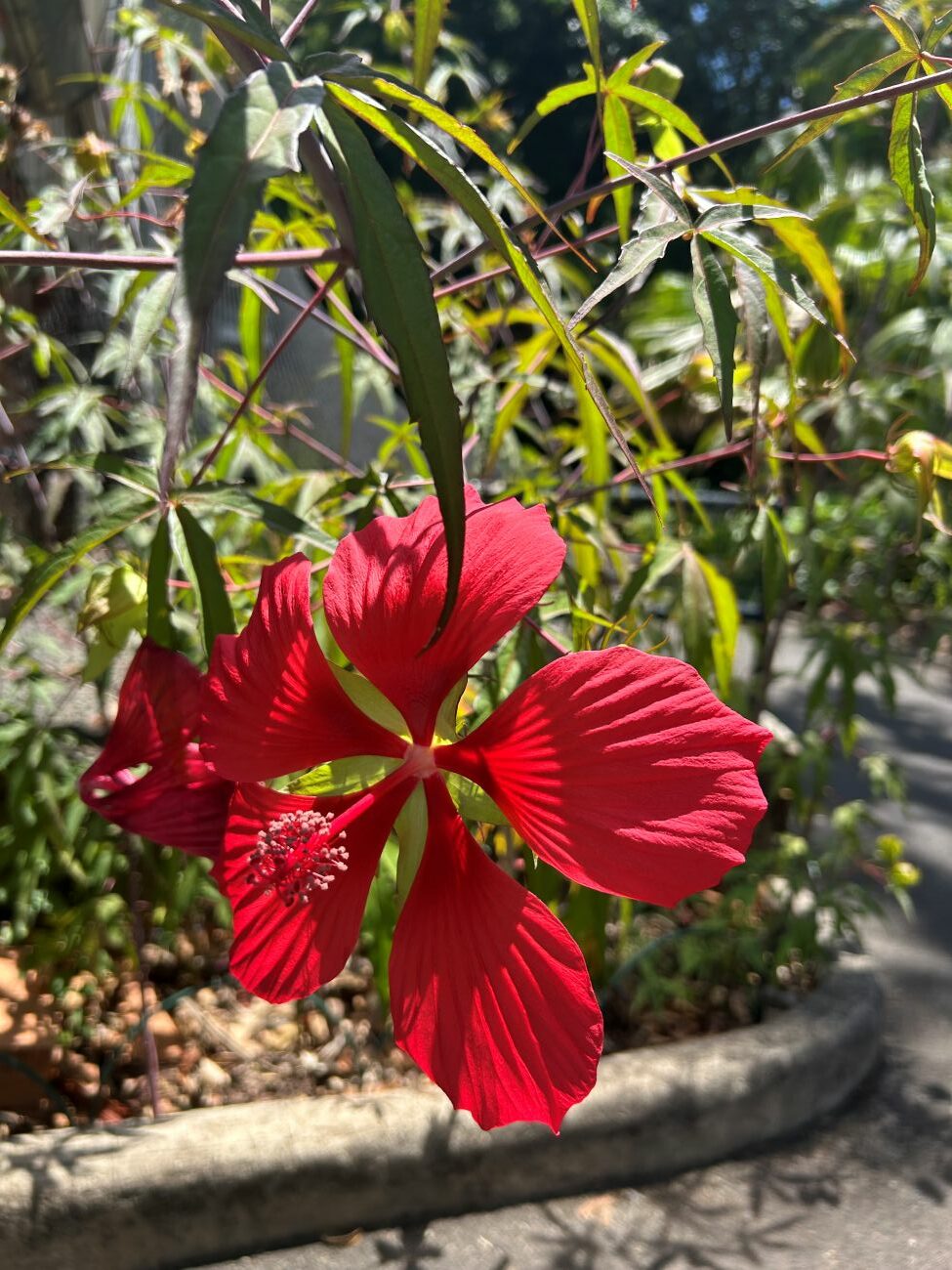
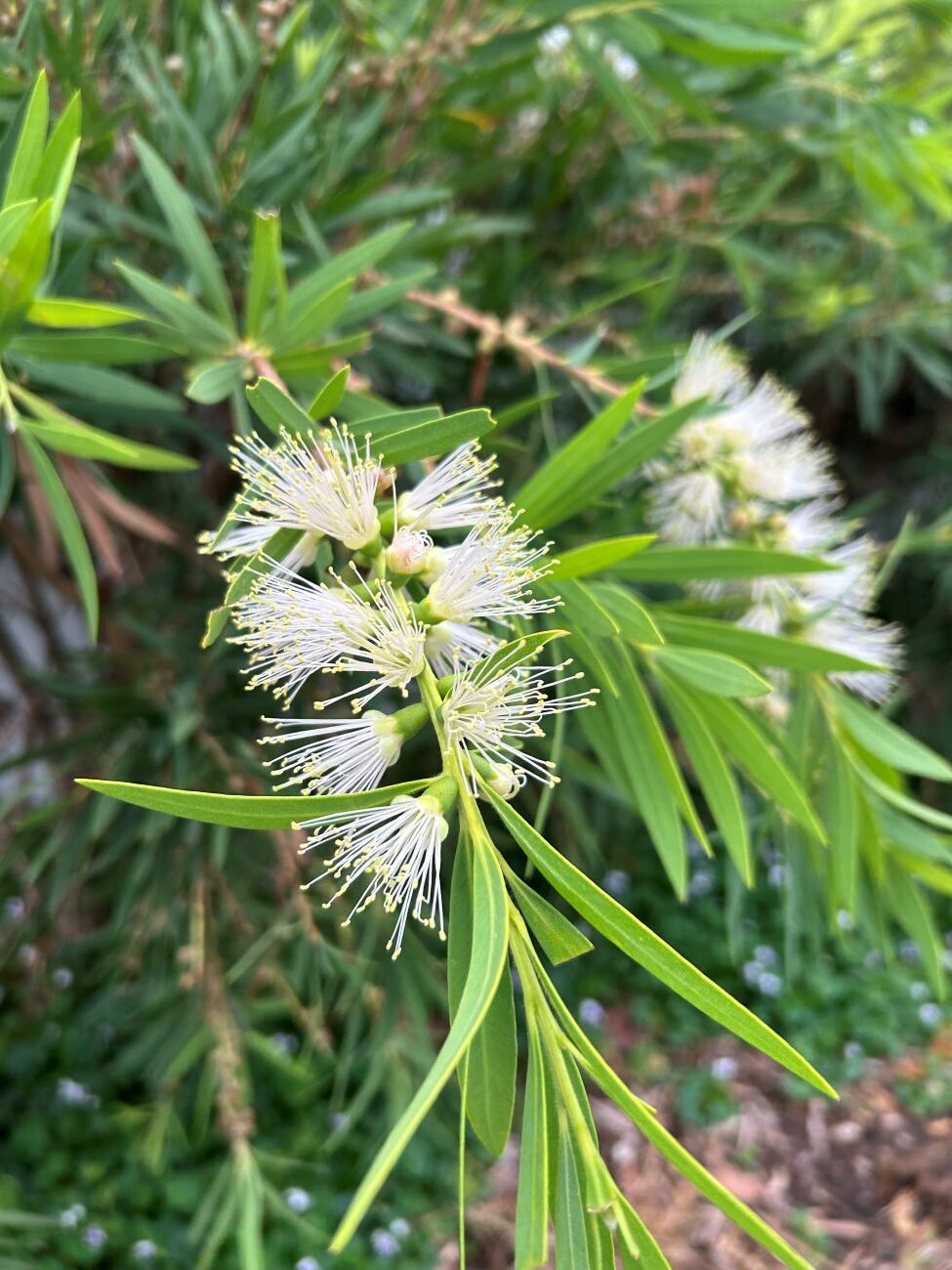
***One quick note about USDA hardiness zones as they relate to Sydney’s climate: USDA zones are designed for the United States, so comparisons with Australian climates are only approximate. The Royal Botanic Garden’s warm-temperate coastal climate is roughly comparable to Zone 11, while areas farther inland can experience colder winter minimums.***
Design Ideas Worth Bringing Home from the Royal Botanic Garden
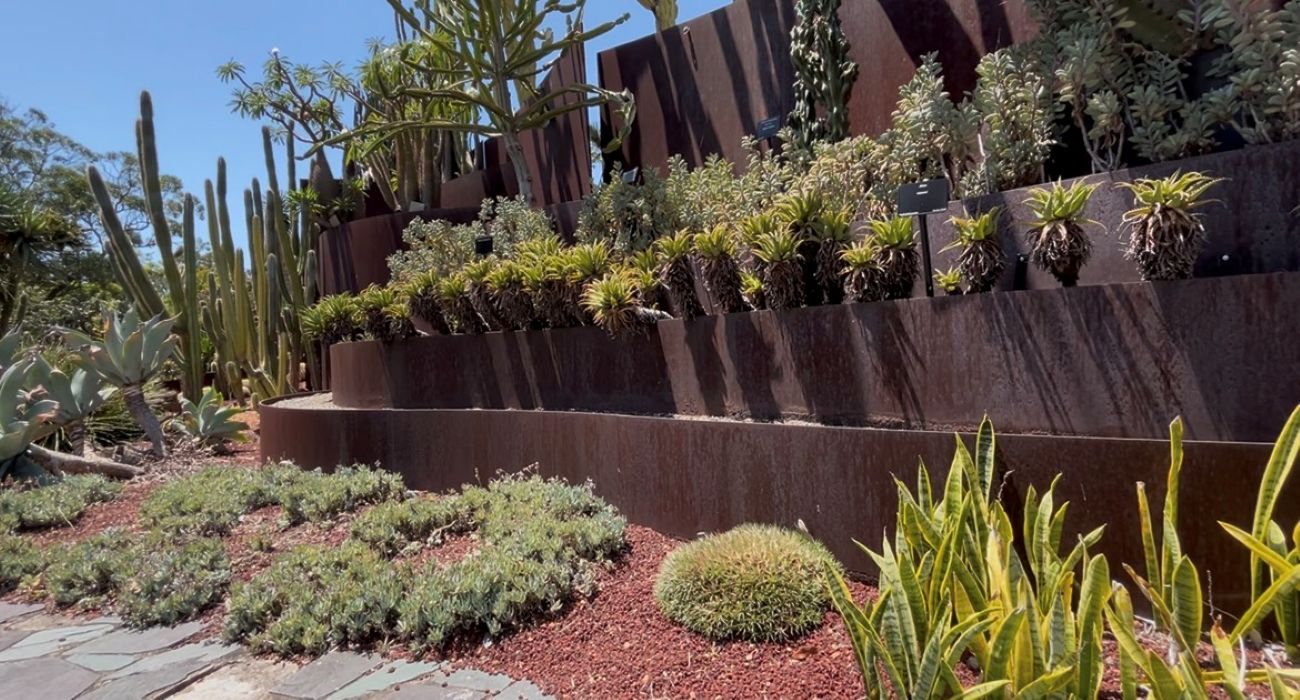
It was February, yet summertime, when I visited. There were several beautiful plant combinations and displays that I am determined to replicate now that I am home and spring has finally sprung—for example, fountains spilling over with petunias and other colorful annuals instead of water. I also loved the intriguing mixed-succulent combinations in a dry garden bound by boulders and rusted Corten steel retaining walls.
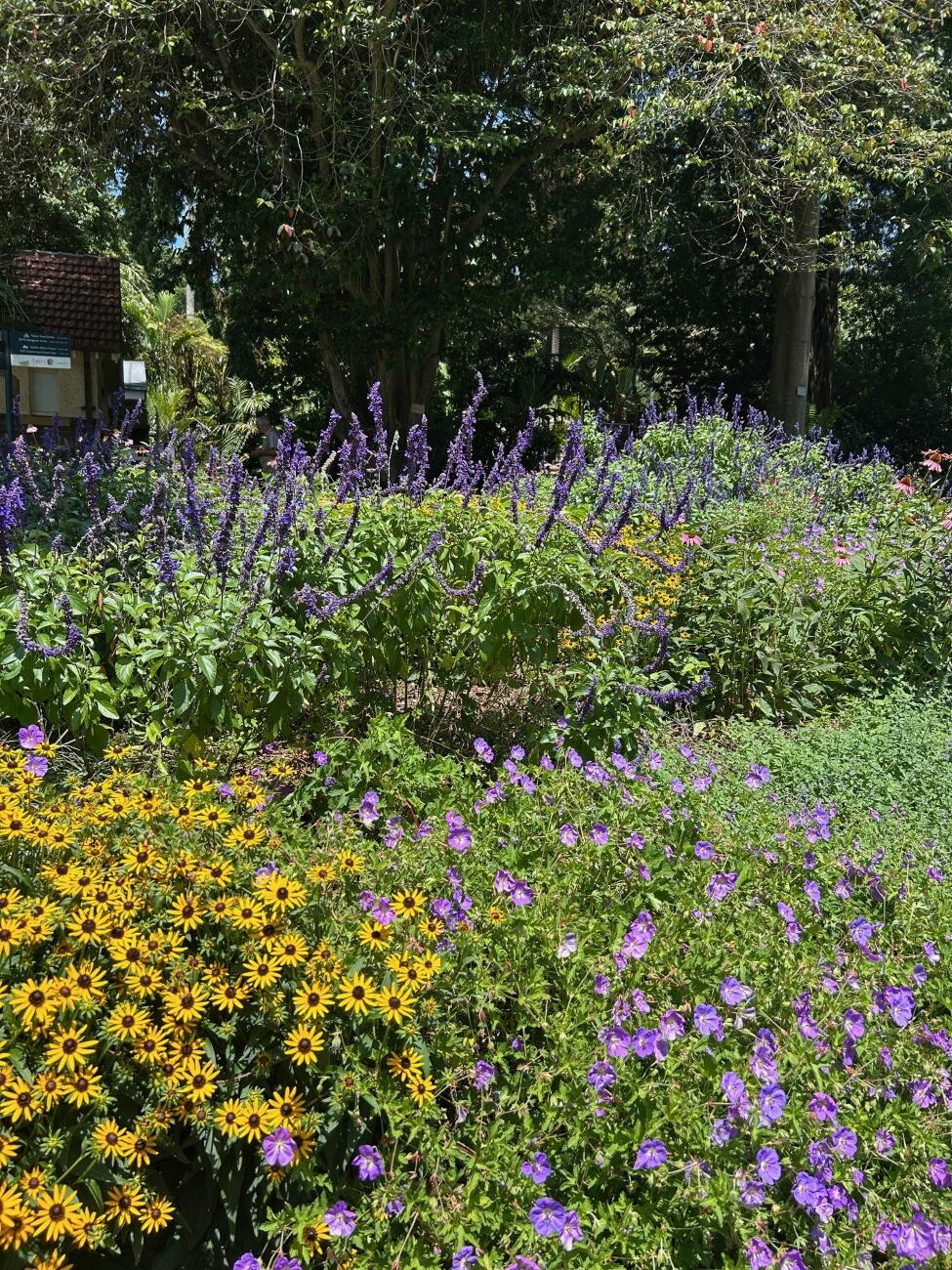
Another favorite was a lovely late-summer border filled with a gorgeous tapestry of salvias, coneflowers, black-eyed Susans, and billowy ‘Rozanne’ geranium (Geranium ‘Rozanne’, Zones 5–8) weaving through it all.
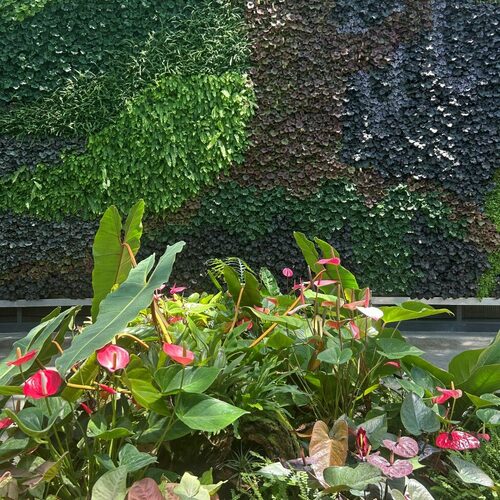
But the design idea I found most impressive was the stunning 150-foot-long, 20-foot-high curved living wall inside The Calyx. Ferns, colorful impatiens, and over 5,000 contrasting heucheras were artfully arranged across the wall.
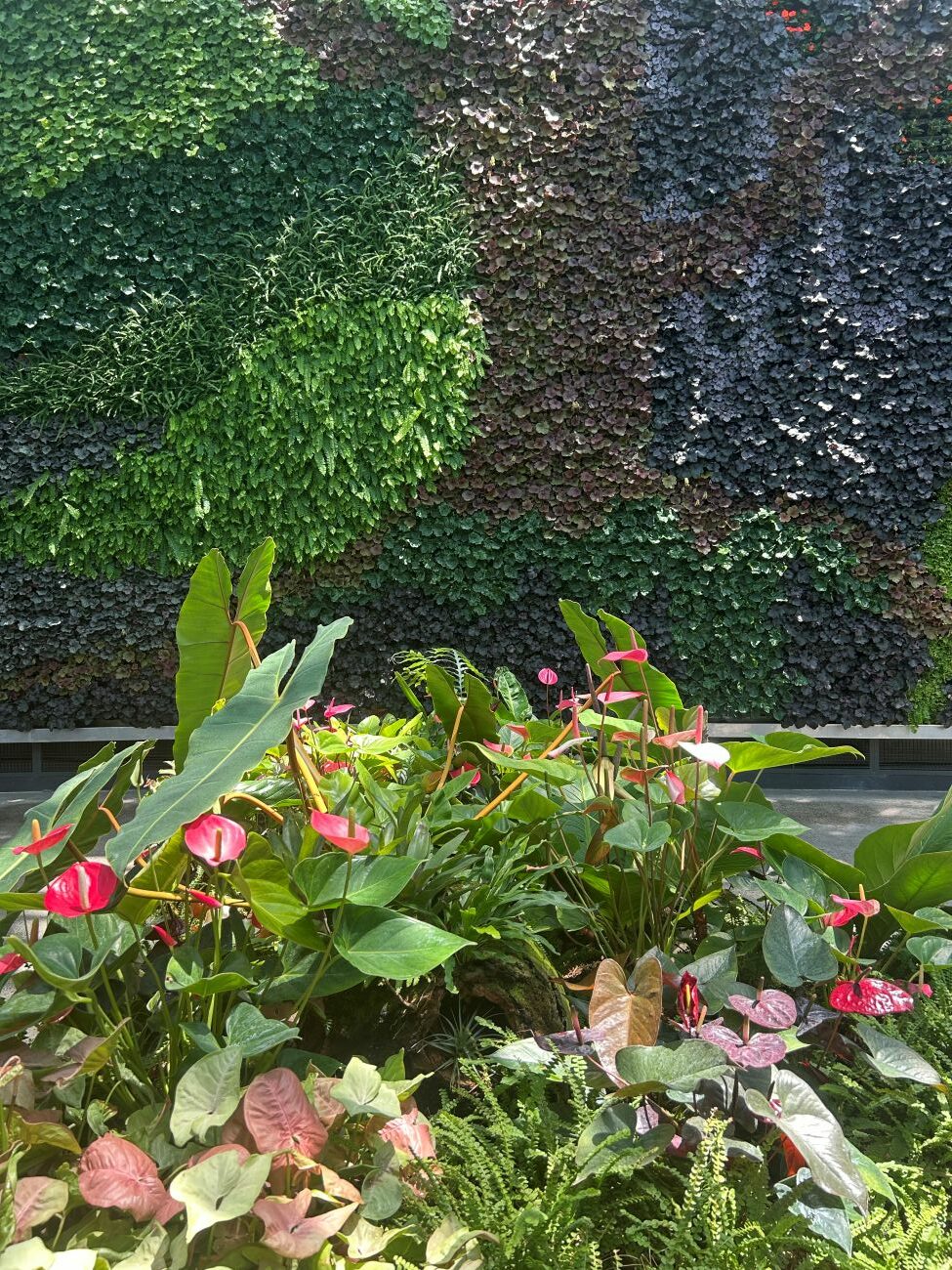
Sheltered and grown in full shade, the plants were supported by a specialized wall system that obviously provides exactly the support this gorgeous display requires (cool, deep root pockets, obviously rich soil, plus a mister to keep the plants’ environment cool and hydrated). The waves of contrasting colors, textures, and patterns were simple but spectacularly effective, and the concept could work just as well horizontally in a well-shaded woodland garden. I also appreciated their use of mass planting, with large numbers of the same plant arranged in swirls and waves. The harmonious repetition was spot-on, with occasional surprises using rivulets of brightly colored impatiens in full bloom.
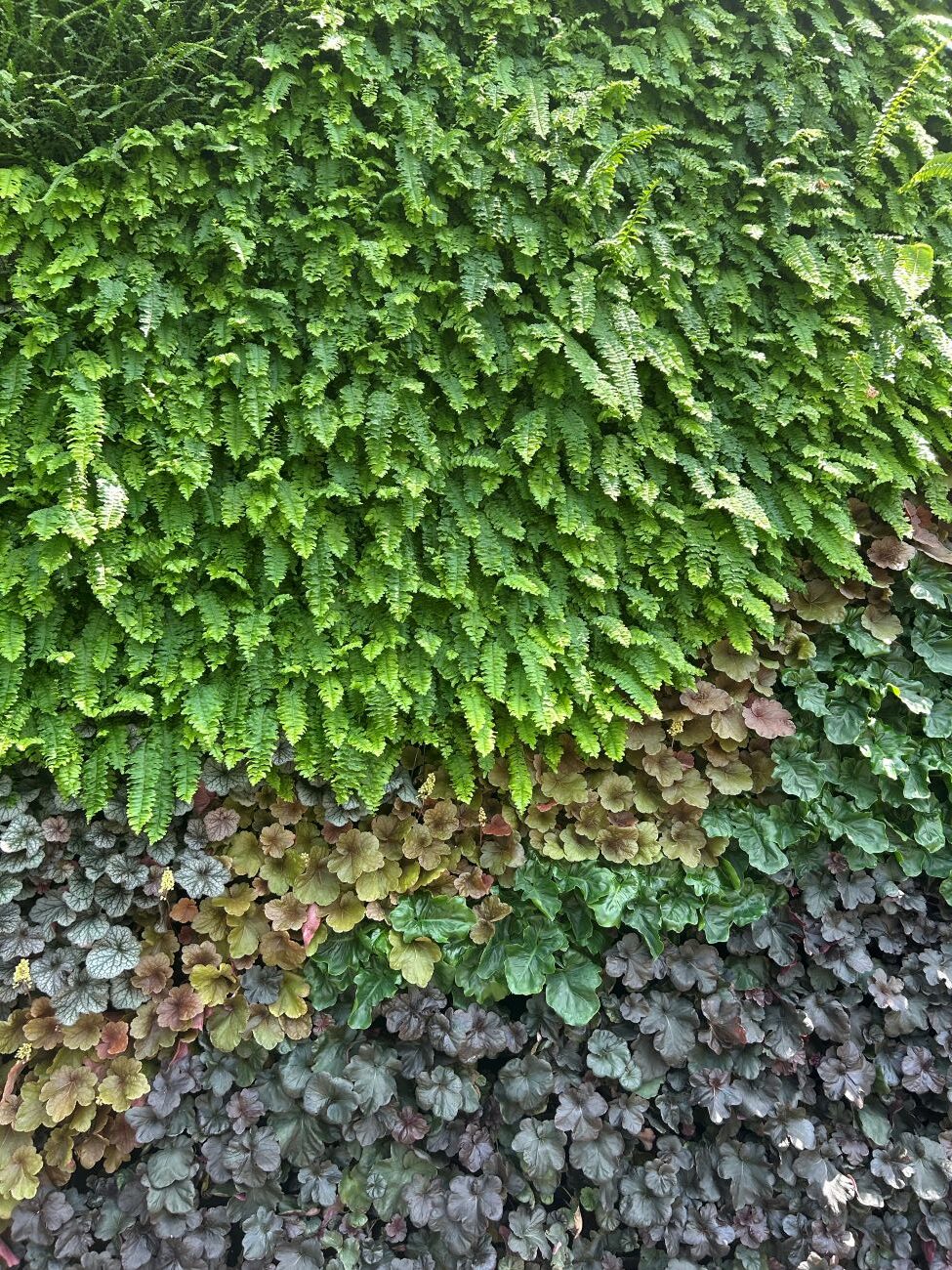
It was truly delightful and on a scale I doubt I’ll ever have enough space to replicate. But it was inspiring enough that I’ve found myself staring at random shady walls ever since I returned, imagining what I could do.
Traveling internationally is rewarding in so many ways, and if you’re horticulturally inclined, a visit to a botanical garden adds a whole other dimension to the experience. There is something so wonderful about returning home with memories of new plants and strange birds and animals, the experience of seeing native species growing in their natural environment, and design ideas from an entirely different hemisphere.
For me, there is no better souvenir.
More garden inspiration from Fionuala:
Discuss this article or ask gardening questions with a regional gardening expert on the Gardening Answers forum.
And for more Pacific Northwest regional reports, click here.
Fionuala Campion is the owner and manager of Cottage Gardens of Petaluma in Petaluma, California.
Photos: Fionuala Campion
Fine Gardening Recommended Products
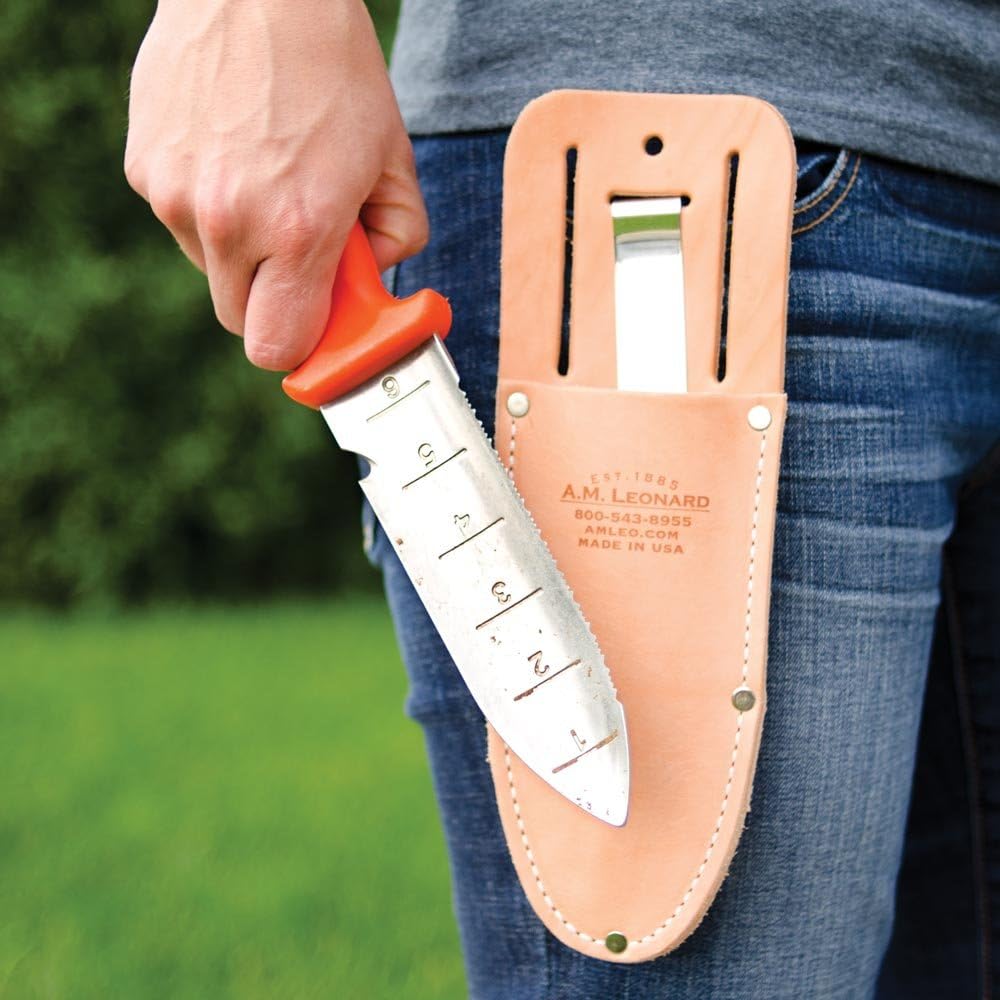
A.M. Leonard Deluxe Soil Knife & Leather Sheath Combo
Fine Gardening receives a commission for items purchased through links on this site, including Amazon Associates and other affiliate advertising programs.
MULTITASKING DUAL EDGES: a deep serrated edge and a tapered slicing edge ideal for tough or delicate cuts. DURABLE 6-inch stainless steel blade withstands 300 lbs of pressure. TWINE CUTTING NOTCH, DEPTH GAUGE MARKINGS & spear point – no need to switch tools when using this garden knife. LEATHER SHEATH: heavy duty, protective, clip on sheath to keep your knife convenient and secure. LIFETIME WARRANTY.