
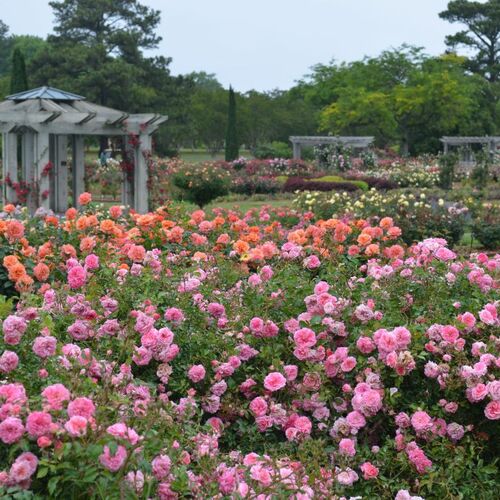
In my previous report, I explored Norfolk Botanical Garden’s Garden of Tomorrow, an ambitious expansion opening in September 2026. This time, I’m taking a closer look at the established gardens and family-friendly spaces that make this 175-acre destination worth a visit.
The Story of Norfolk Botanical Garden
The story of Virginia’s largest botanical garden began with a single plant species almost 90 years ago. In 1938, a Works Progress Administration crew of 200 African American women and 20 African American men cleared the way for the property’s first azaleas. Those azalea beds still put on a show every spring, and around them, Norfolk Botanical Garden has thrived.
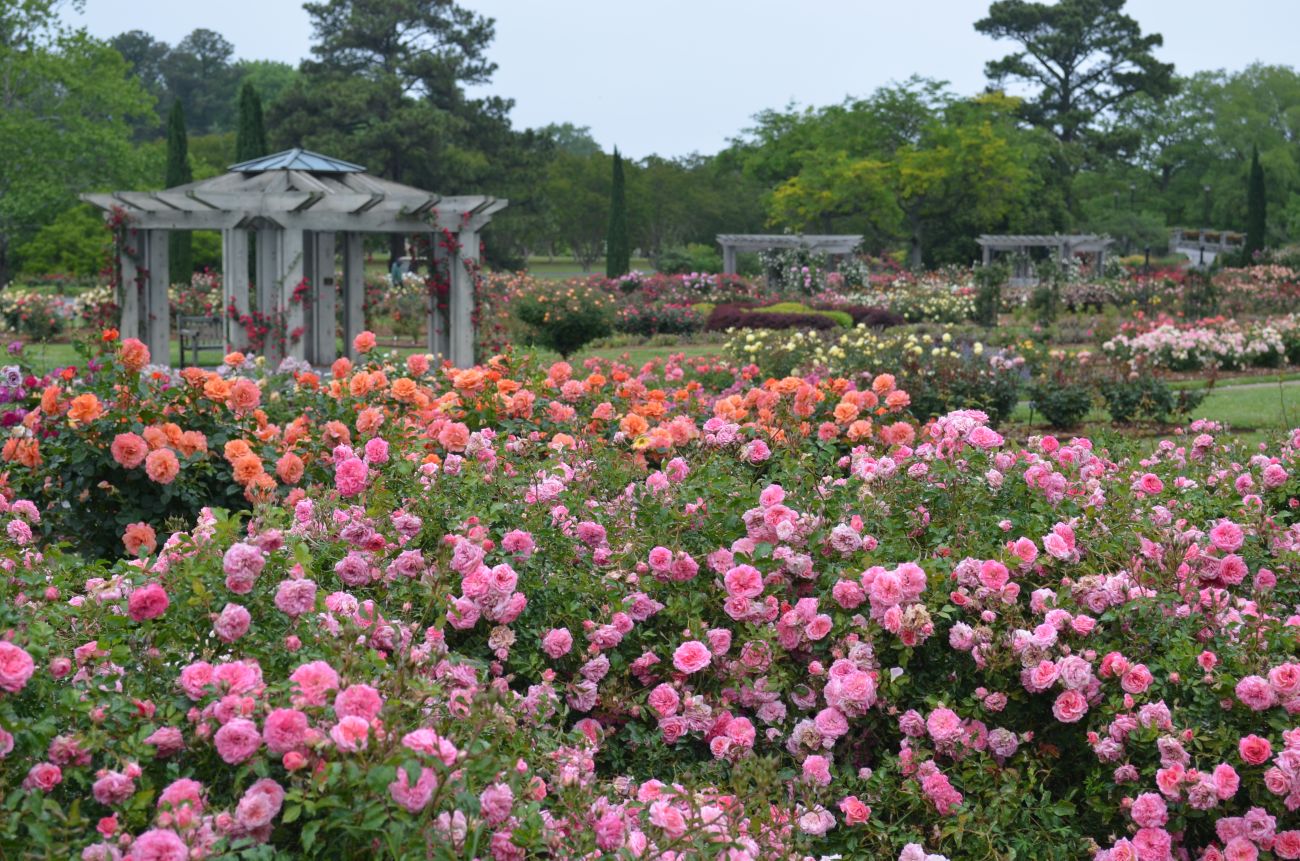
From roses in spring to camellias in winter and a conifer garden filled with color and texture year-round, there’s something to enjoy in every season. Today, there are more than 60 themed gardens to explore, linked by meandering pathways and an expansive inner canal system. Even on the busiest days, the mood is peaceful. Around every corner is a private “room” of layered plantings—a natural buffer of sight and sound that encourages visitors to linger and relax awhile.
Read More: Finding Inspiration at Public Gardens

A few highlights of the 60-plus themed gardens at Norfolk Botanical Garden
- One of the largest rose gardens on the East Coast, featuring more than 3,000 individual rose plants
- The Enchanted Forest, with secluded shaded paths and lakeside views
- A Colonial Garden with formal plantings and heirloom roses
- A Native Plant Garden that offers a close-up look at the ecology of Virginia’s southeast coastal plain
- A wildflower meadow that shows off alternative landscaping methods and plenty of pollinators
- Renaissance Court, with its classic symmetry, statues, and grassy terraces
- A hill-and-pond-style Japanese Garden that offers year-round tranquility with evergreen plants and elegant stonework
- A functioning Kitchen Garden in the traditional French potager style
- A camellia collection with more than 1,700 individual plants
- A 17.5-acre Flowering Arboretum with more than 300 flowering trees
Wonder for Every Age
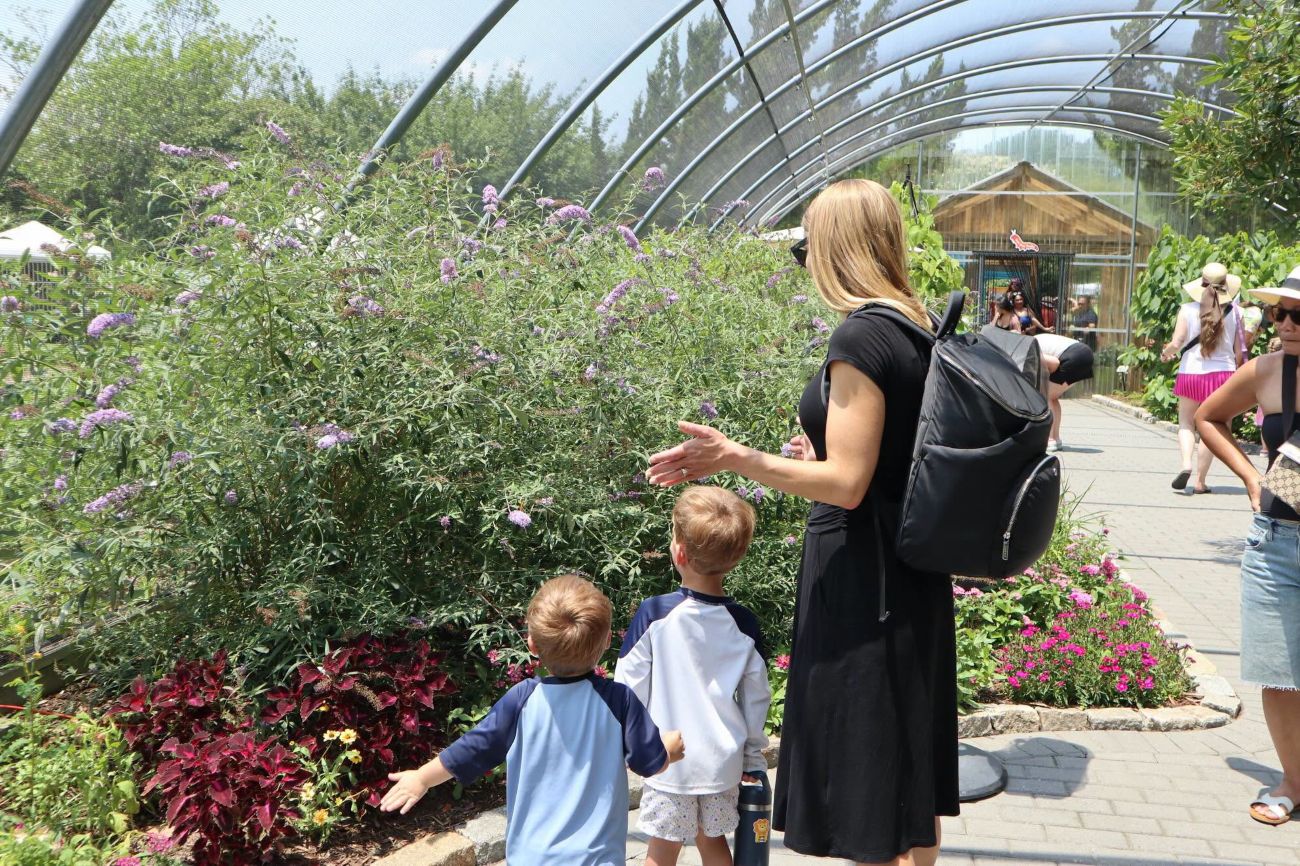
This year, Norfolk Botanical Garden’s Summer Butterfly House was voted the number one Butterfly House in the USA Today 10 Best Readers’ Choice Awards for the second year in a row. It’s well-deserved: Filled with nectar-rich flowers and eastern native butterflies, this space offers a front-row seat to the butterfly life cycle and an engaging experience for children and adults alike. More than 45,000 visitors come to the Butterfly House each year, which opens seasonally every summer.
The magic doesn’t end there. Families with children should stop by the World of Wonders Children’s Garden, appropriately called “WOW,” for three acres with plenty to explore. This colorful space features Passport Gardens styled to represent different parts of the world and the animals that live there. Children can venture up Discovery Peak and prowl through the Plant Safari, all while learning important lessons about protecting the environment and coexisting with wildlife. On warm days, though, nothing tops the splash fountains in World Plaza.

Visit the Norfolk Botanical Garden
There’s almost too much to see at Norfolk Botanical Garden in one day, but that just means it’s worth coming back. To make the most of your visit, take advantage of the free public tram tours and seasonal boat tours.
Hours, events, and seasonal openings are available on the Garden’s website at norfolkbotanicalgarden.org. There’s also a convenient What’s in Bloom calendar to help plan around the plants you most want to see.
Learn more about great public gardens worth visiting:
Discuss this article or ask gardening questions with a regional gardening expert on the Gardening Answers forum.
And for more Southeast regional reports, click here.
Cheyenne Wine is a writer and gardener with experience in the plant nursery industry. She currently helps promote conservation efforts through the Virginia Department of Conservation and Recreation.
Photos: Courtesy of Norfolk Botanical Garden
Fine Gardening Recommended Products
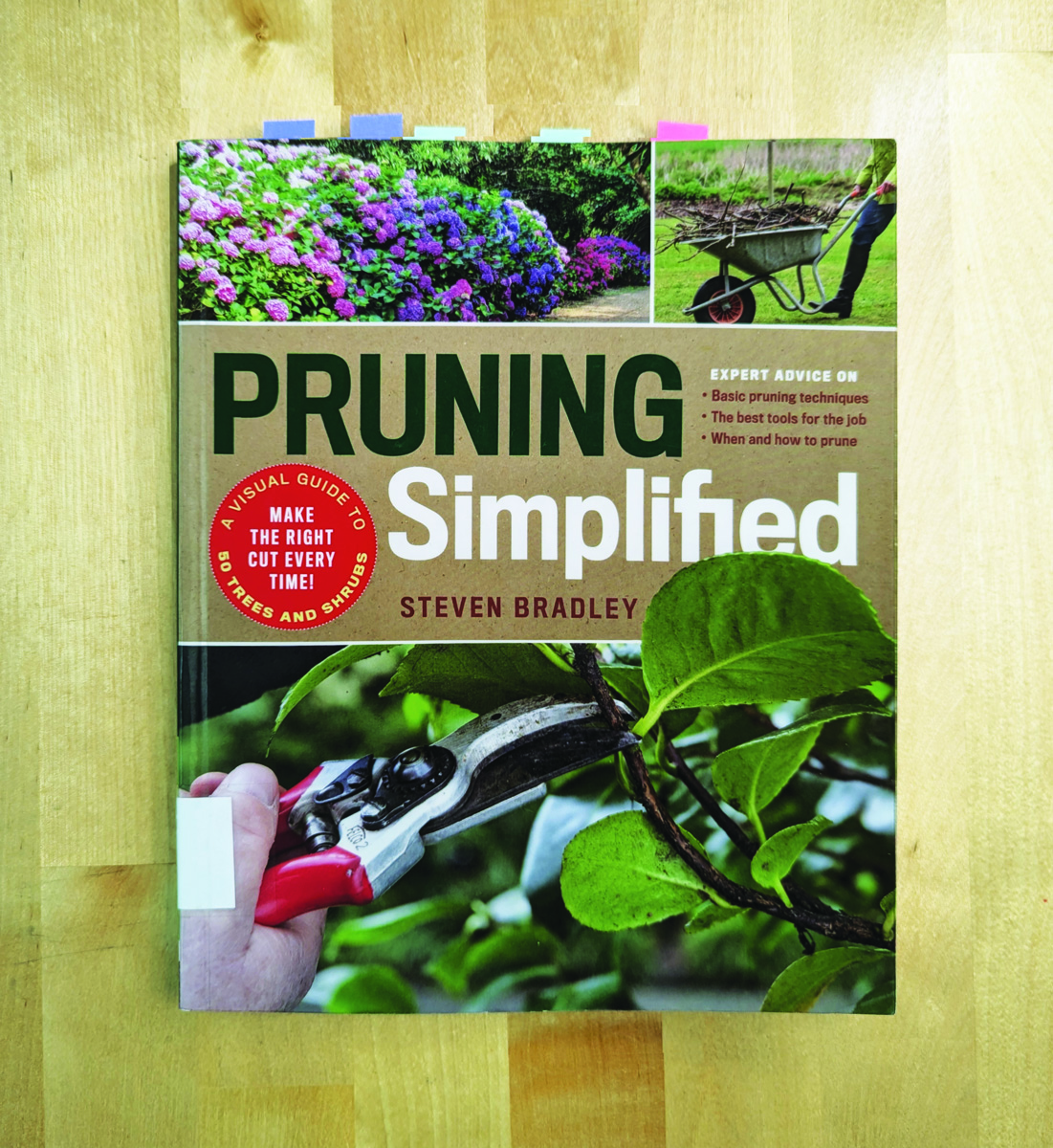
Pruning Simplified: A Step-by-Step Guide to 50 Popular Trees and Shrubs
Fine Gardening receives a commission for items purchased through links on this site, including Amazon Associates and other affiliate advertising programs.
Pruning Simplified shows you exactly how to do it. This must-have guide offers expert advice on the best tools for the job, specific details on when to prune, and clear instructions on how to prune. Profiles of the 50 most popular trees and shrubs—including azaleas, camellias, clematis, hydrangeas, and more—include illustrated, easy-to-follow instructions that will ensure you make the right cut the first time.
The Nature of Oaks: The Rich Ecology of Our Most Essential Native Trees
Fine Gardening receives a commission for items purchased through links on this site, including Amazon Associates and other affiliate advertising programs.
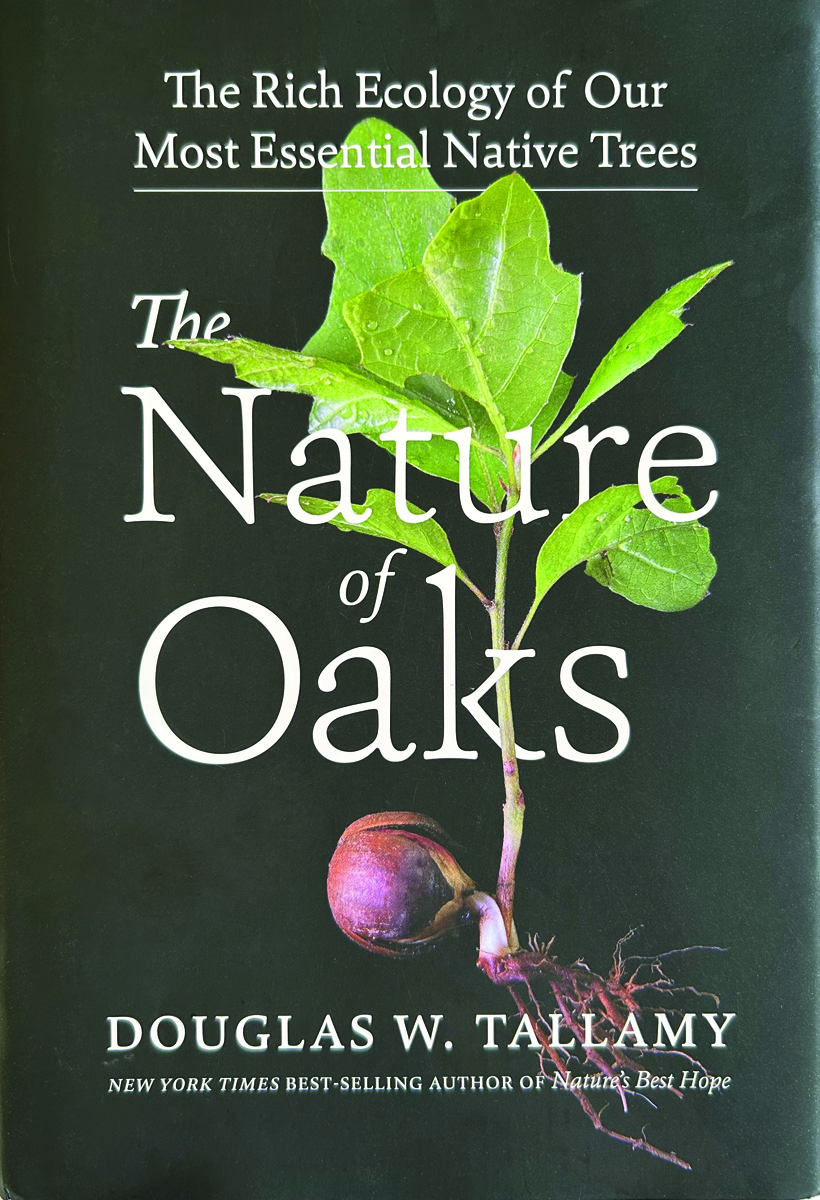
The Nature of Oaks reveals what is going on in oak trees month by month, highlighting the seasonal cycles of life, death, and renewal. From woodpeckers who collect and store hundreds of acorns for sustenance to the beauty of jewel caterpillars, Doug Tallamy illuminates and celebrates the wonders that occur right in our own backyards. He also shares practical advice about how to plant and care for an oak, along with information about the best oak species for your area.

Gardener’s Supply Company Summerweight Fabric Plant Cover
Fine Gardening receives a commission for items purchased through links on this site, including Amazon Associates and other affiliate advertising programs.
Ideal for summertime pest control, this garden cover effectively screens out Japanese beetles, potato beetles, cabbage worms, leaf miners, carrot flies and most vine borers. It transmits 97.6% of the light to your plants without allowing heat build-up, and it provides cold protection down to 41° F, to extend your growing season.