
Find the Right Poppy Varieties for Your Garden
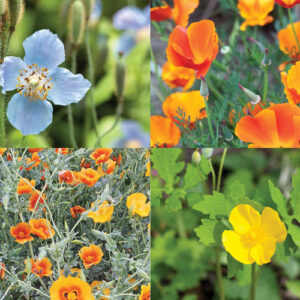
Conjuring images of pastoral scenes and colorful cottage gardens, poppies are a charismatic addition to the landscape. There are over 60 species of true poppies (Papaver spp. and cvs., Zones 3–9), which have a native distribution throughout northern and southern Africa, western Asia, southern and central Europe, and western North America. Their family, Papaveraceae, contains 42 additional genera, including other common garden plants like bleeding heart (Lamprocapnos spectabilis and cvs., Zones 3–9).
Poppy varieties generally prefer average to poor soil and full sun, and are tolerant of dry conditions. Typically, the plants are hairy and exude sap that makes them resistant to browsing from deer and other herbivores. Many commonly grown poppies are annuals, completing their life cycle in a single season but persisting in the garden through reseeding. Others are short-lived perennials that are often grown functionally as annuals. Most selections are only available to purchase as seed. While they are easy to grow, knowledge and effort are required. With all the different species and selected varieties, poppies are a wonderful low-stakes way to experiment with color while adding ephemerality and serendipity to beds and borders.
Read More: Try These 4 Poppy-Like Plants
Perennial poppy varieties provide years of bold color and may self-sow
Oriental poppies are reliable perennials with a wide variety of cultivars to choose from
P. orientale and cvs.
- Zones: 3–7
- Size: Variable, typically up to 3 feet tall and 2 feet wide
- Conditions: Full sun; medium, well-drained soil
- Native range: Caucasus Mountains, Iran, and Turkey
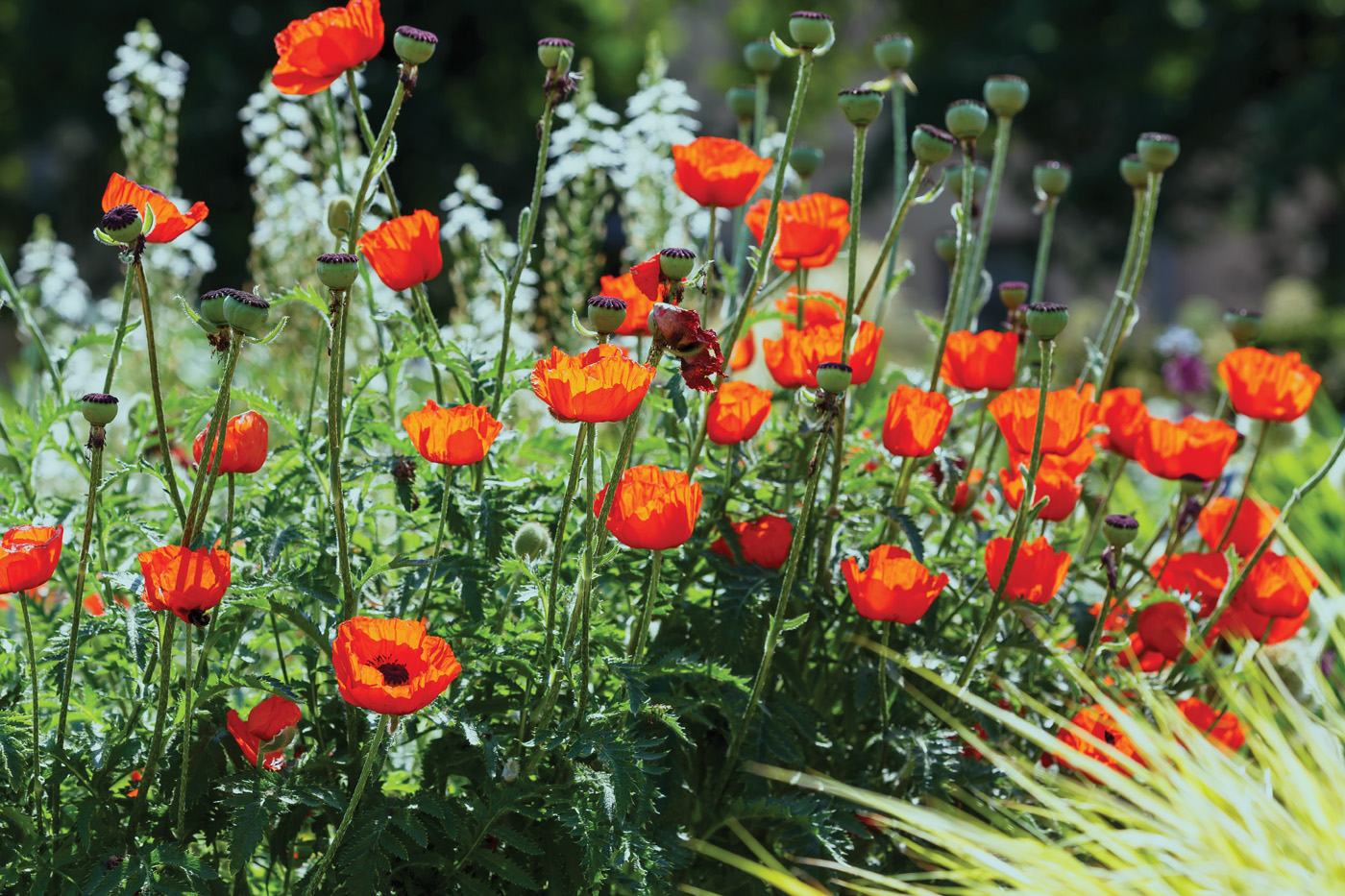
Oriental poppy is the most common true perennial poppy available to gardeners. Along with the straight species (photo above), a variety of cultivars are available that display large flowers in shades of red, orange, pink, mauve, and white. The plants have basal rosettes of bright green, toothed leaves. Blooms emerge in mid-spring, typically from mid-May through early June. These poppies will disappear in summer heat and humidity but begin growing again when the temperatures cool off, and will return for the upcoming year.
Add them alongside other perennials that will continue to grow as the season progresses to ensure that summer gaps are filled. Maintenance is simple—a cutback to the ground after they have faded for the summer is typically all that’s required.
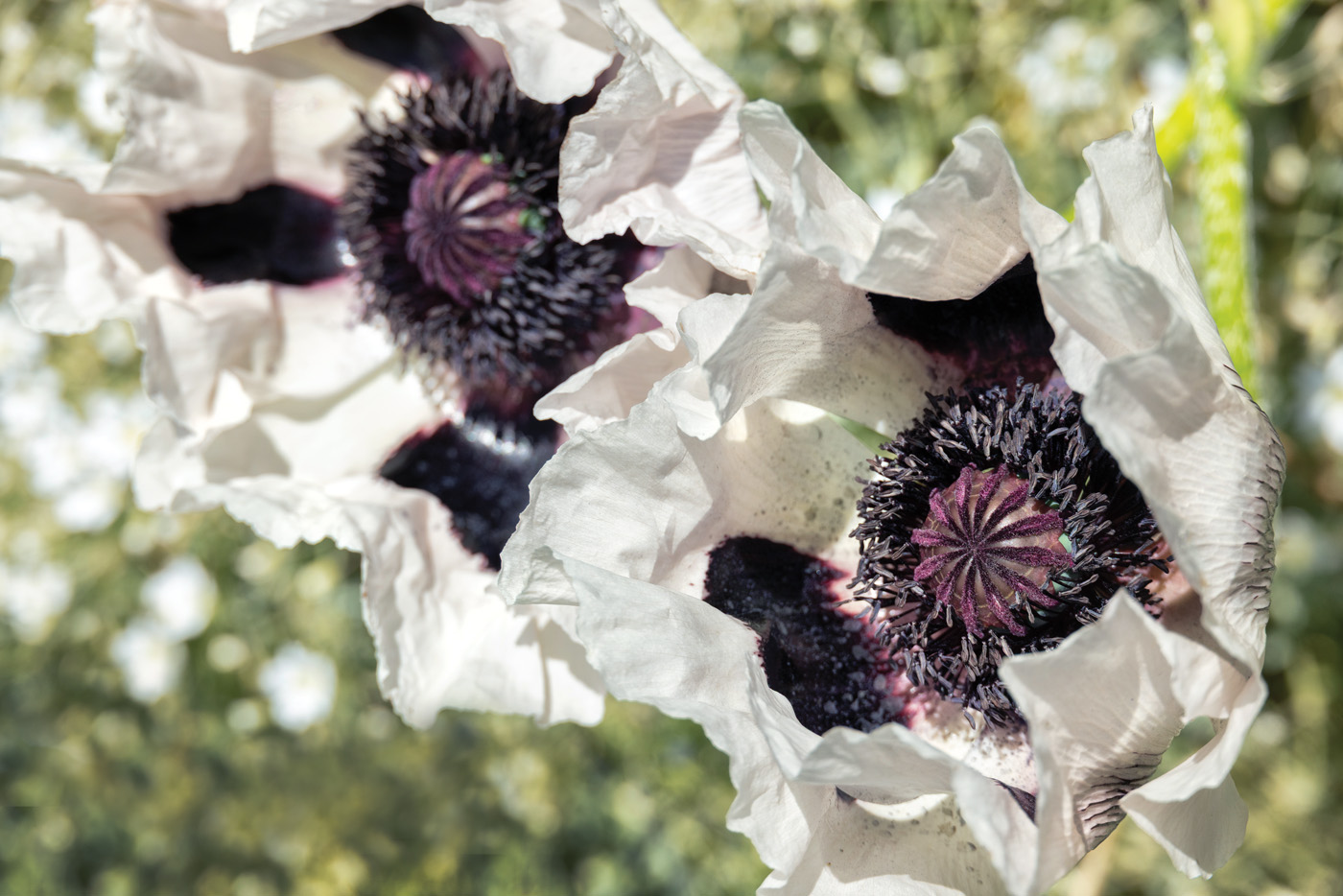
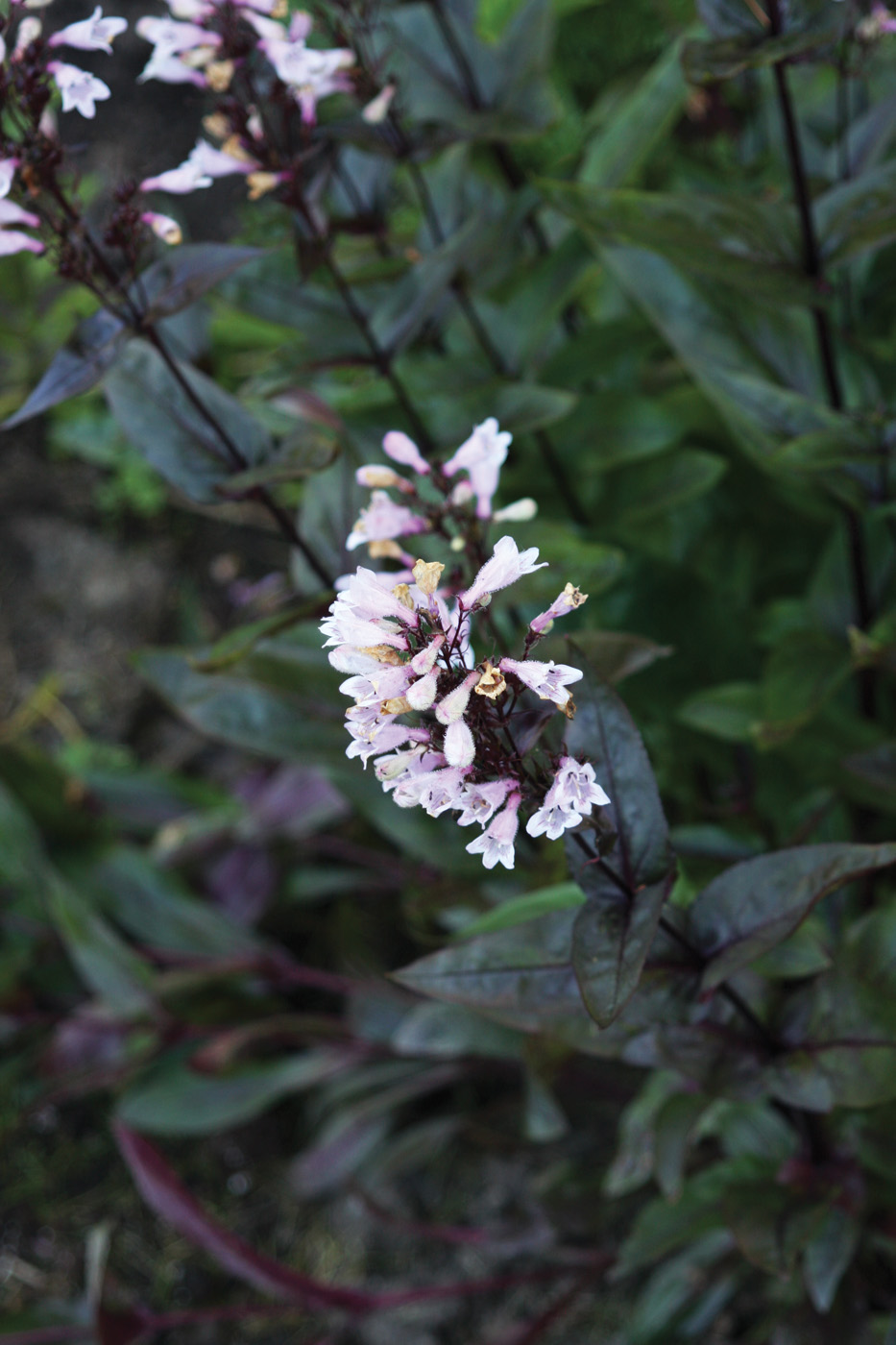
‘Royal Wedding’ is a selection that blooms with semidouble pure white petals that graphically contrast with the black patches at the base. Blooms are large, up to 6 inches wide, and when flowering, plants can grow to 34 inches tall. To enhance the contrast, grow ‘Royal Wedding’ alongside herbaceous perennials with dark foliage like ‘Husker Red’ penstemon (Penstemon digitalis ‘Husker Red’, Zones 3–8).
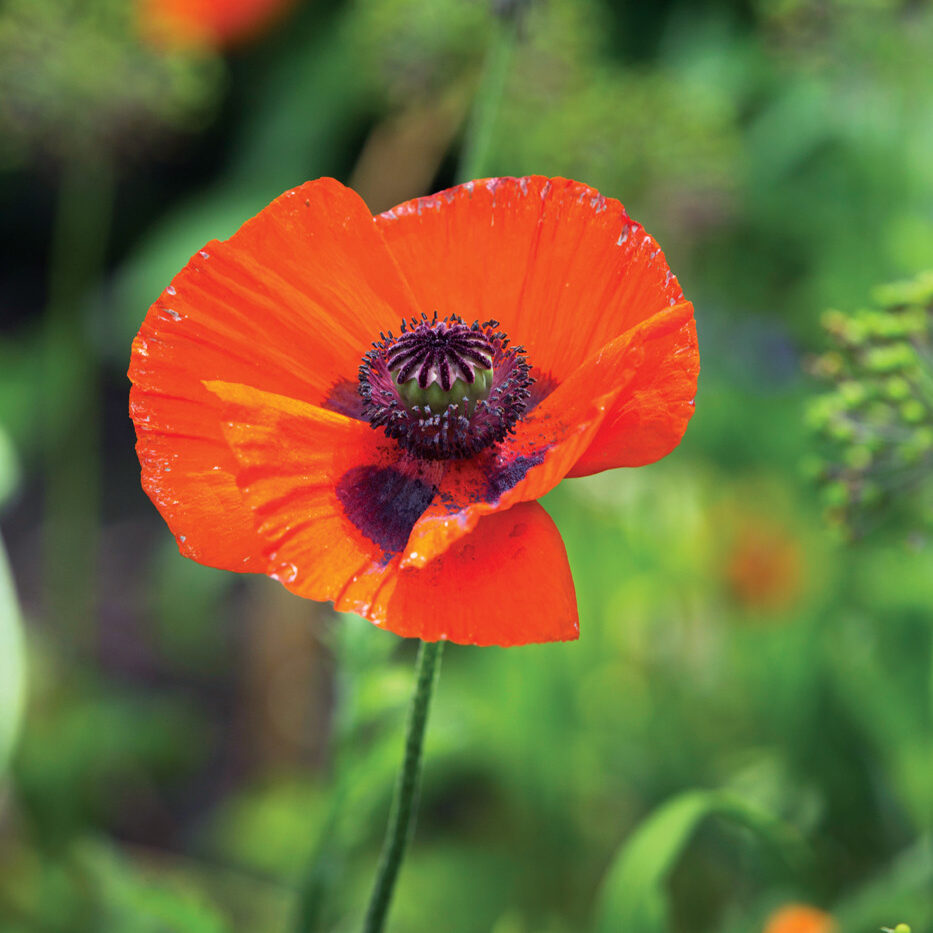
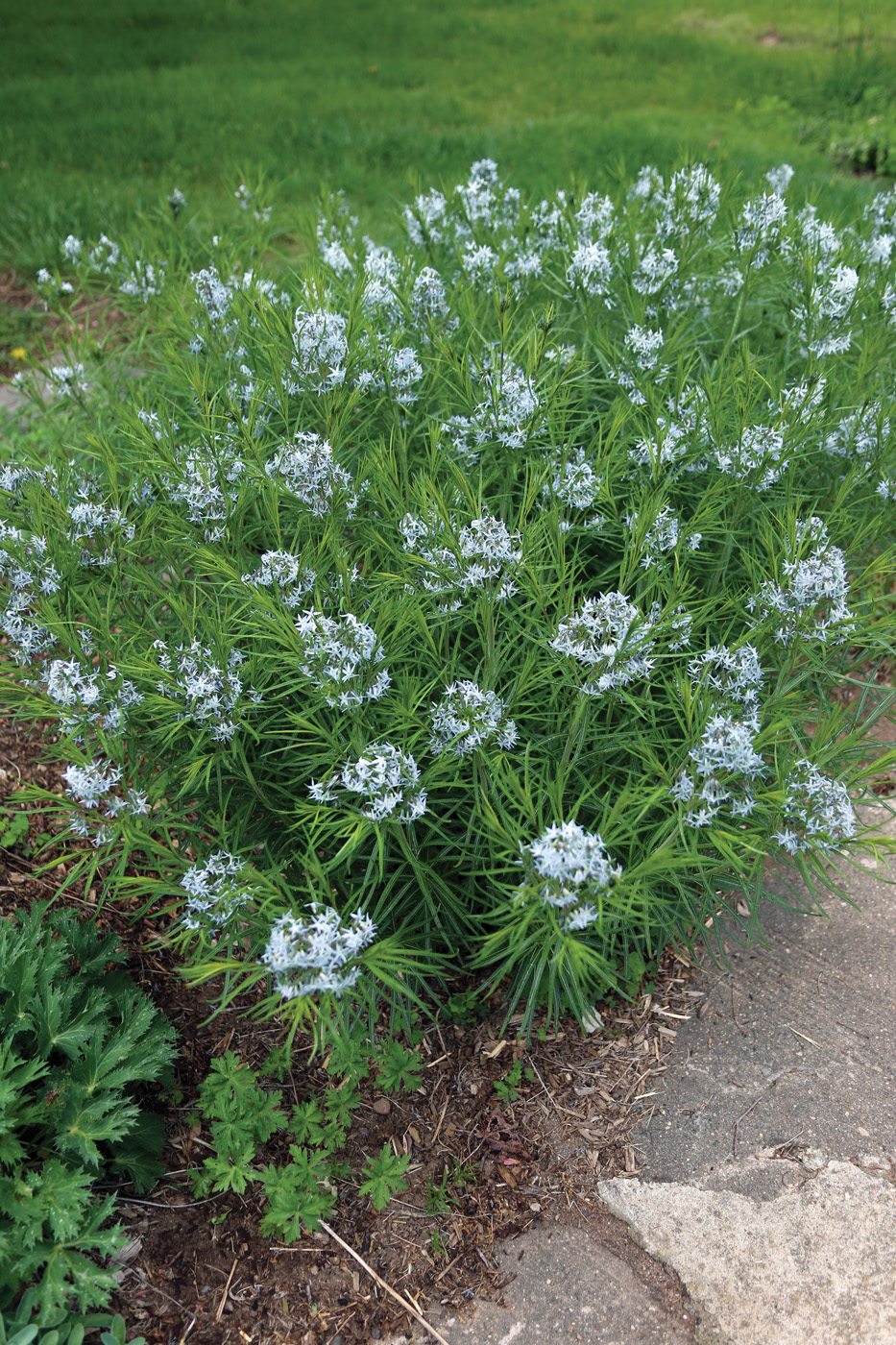
A robust cultivar, ‘Prince of Orange’ has semidouble brilliant vermillion petals that are slightly more orange than the species, and feature black spots at the center of the blossoms. This selection is especially eye-catching when its royal purple pollen sprinkles over the petals. Flowers are up to 5 inches across and stems grow to 3 feet tall when in bloom. These vibrant flowers are best complemented by soft blue ones like those of threadleaf bluestar (Amsonia hubrichtii, Zones 5–8).
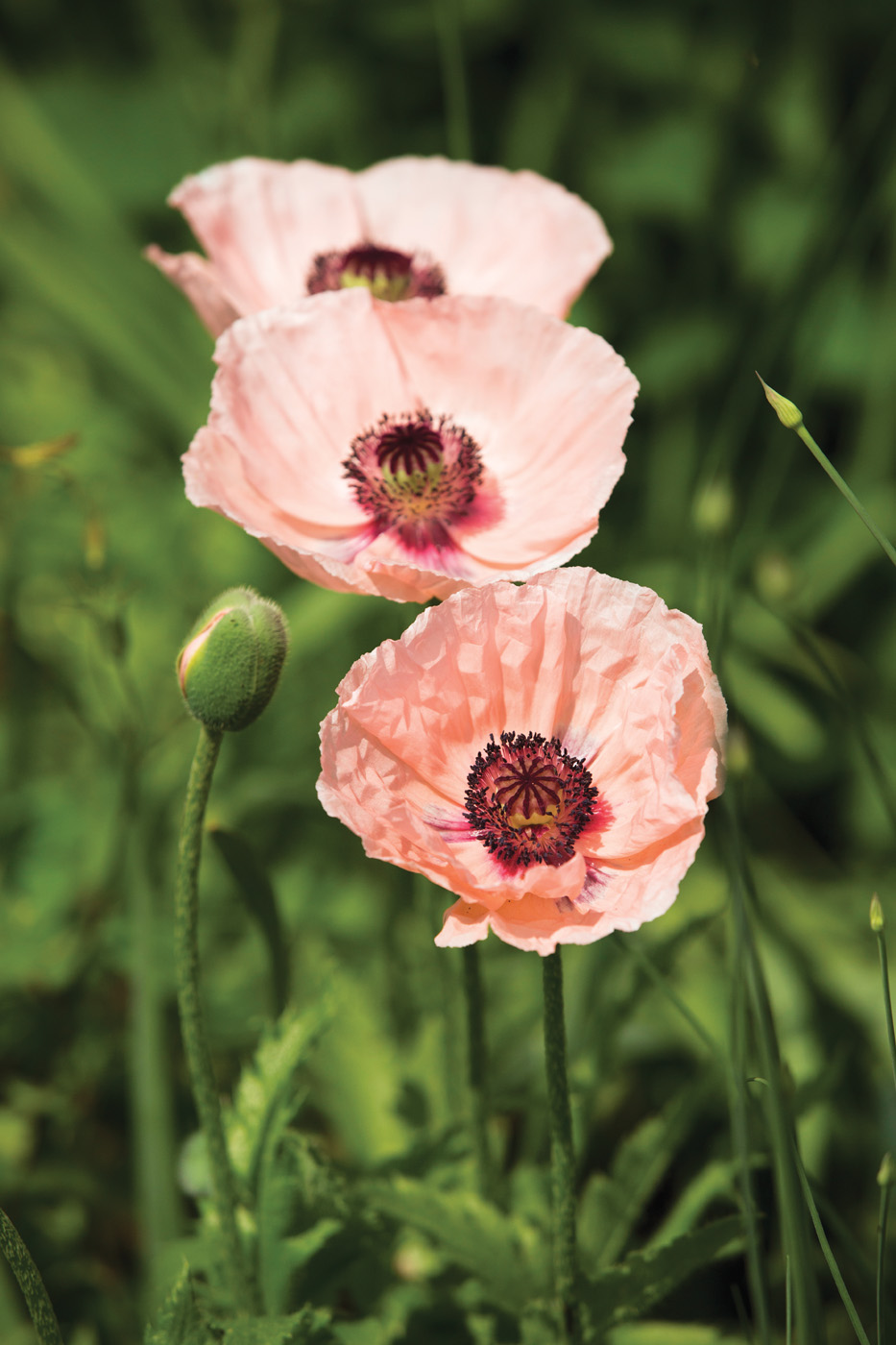
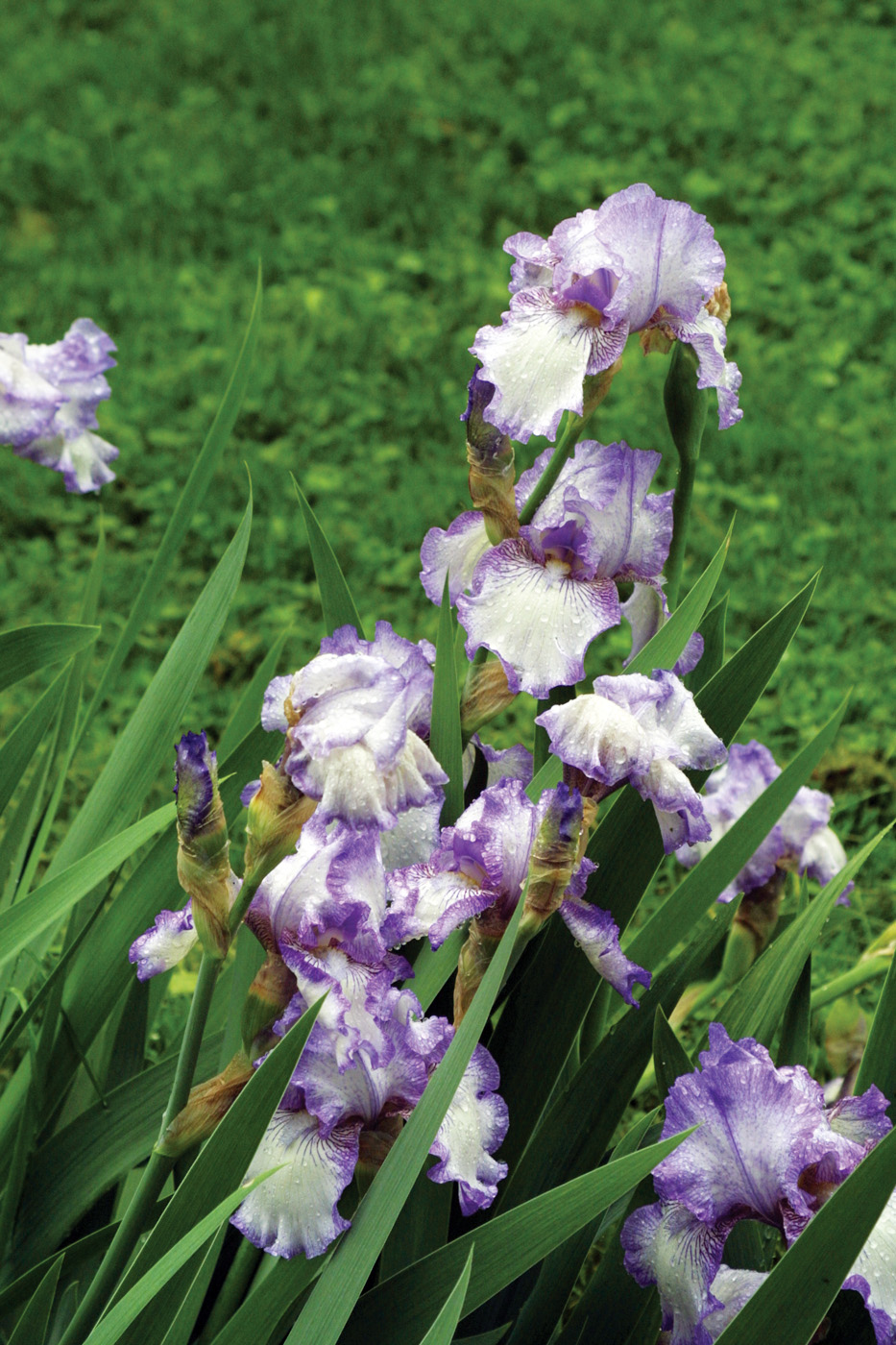
‘Karine’ has shell pink petals that darken toward the interior. This selection differs from ‘Prince of Orange’ and ‘Royal Wedding’ with its single blooms that give it a more elegant shape, and its lack of black markings at the base of the petals. This poppy is a little more compact, reaching 28 inches tall when flowering, but the shorter height makes the stems less likely to flop or get damaged in stormy weather. Pair ‘Karine’ with bearded irises (Iris × germanica cvs., Zones 3–9) to reinforce the beauty of its blousy flowers.
Moroccan poppy offers a perennial presence in warmer zones
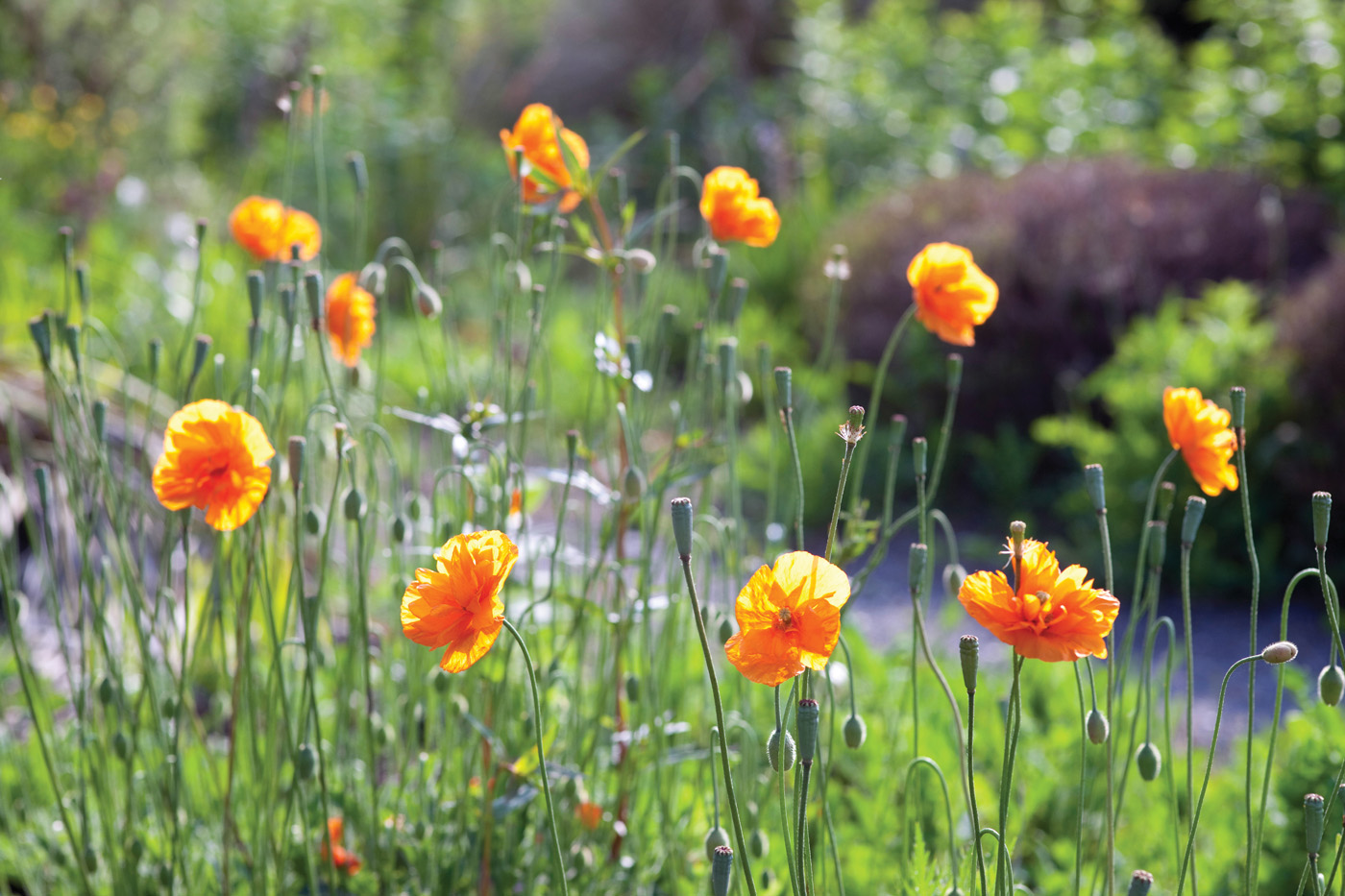
P. atlanticum
- Zones: 5–9
- Size: 1 to 2 feet tall and 1 foot wide
- Conditions: Full sun to partial shade; well-drained soil
- Native range: Algeria, Morocco, and Tunisia
Moroccan poppy is a short-lived perennial that persists year after year by seeding itself around. Flowering begins in May, and blooms continue to emerge sporadically throughout summer. This is a delicate species with thinner coral petals that, when sited well, are backlit, emitting a vibrant glow.
It will self-sow in areas with sharp drainage, like crevices and along the edge of pathways. In typical garden soil, it will need to be occasionally reseeded. This species is best used as a connecting thread, polka-dotted throughout the garden. Try growing it alongside other airy perennials that appreciate the same dry conditions, like white gaura (Oenothera lindheimeri and cvs., Zones 5–8).
Best Companion Plants for Perennial Poppy Varieties |
|||
 |
 |
 |
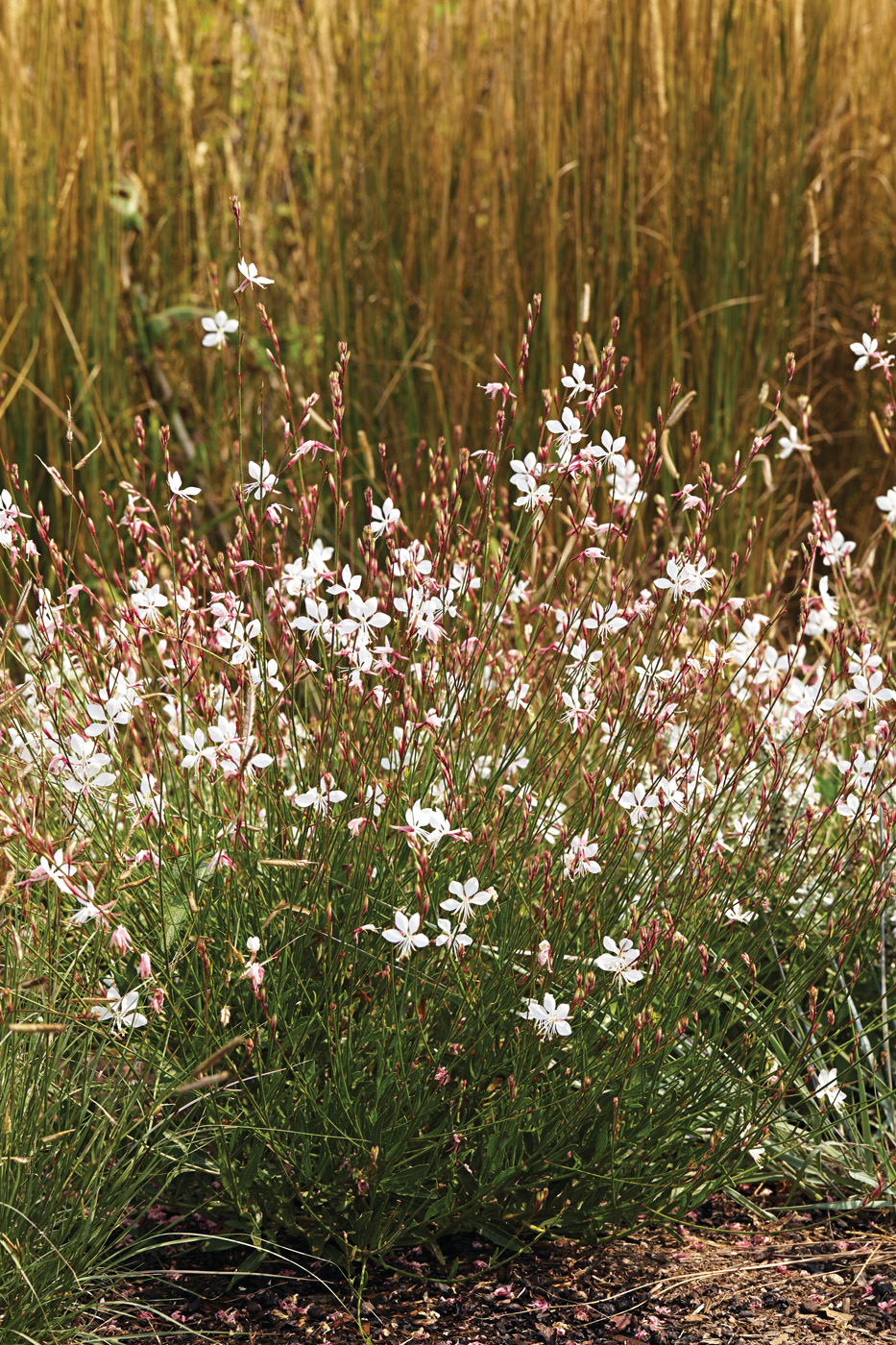 |
| ‘Royal Wedding’ Oriental poppy companion plant: ‘Husker Red’ penstemon | ‘Prince of Orange’ Oriental poppy companion plant: Threadleaf bluestar | ‘Karine’ Oriental poppy companion plant: Bearded iris | Moroccan poppy companion plant: White gaura |
Read More: All About Growing Poppies
Hardworking annual poppy varieties offer a wide range of colors and forms
Breadseed poppies have been cultivated for a long time, with the first written reference to them dating to around 3400 BCE. Yes, these plants produce opioids that are used in pharmaceuticals, but they also produce the poppy seeds that we eat and are wonderful garden plants. They are annuals, but the seeds are hardy and will self-sow if conditions are right.
The seed heads of ‘Bowling Ball’ breadseed poppy are even more impressive than its pretty flowers
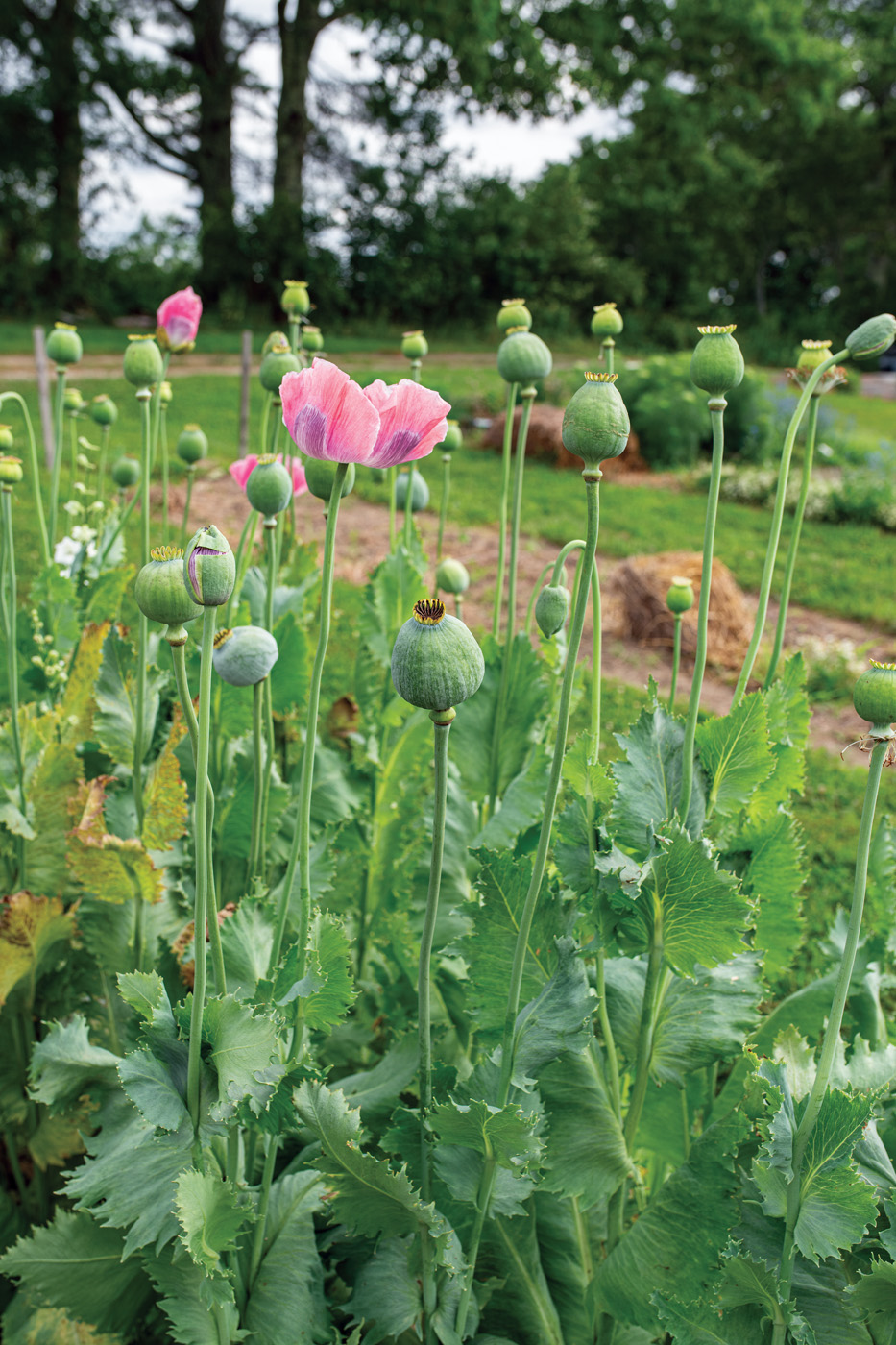
P. somniferum ‘Bowling Ball’
- Zones: Annual
- Size: 3 to 4 feet tall and 1 foot wide
- Conditions: Full sun; well-drained soil
- Native range: Eastern Mediterranean
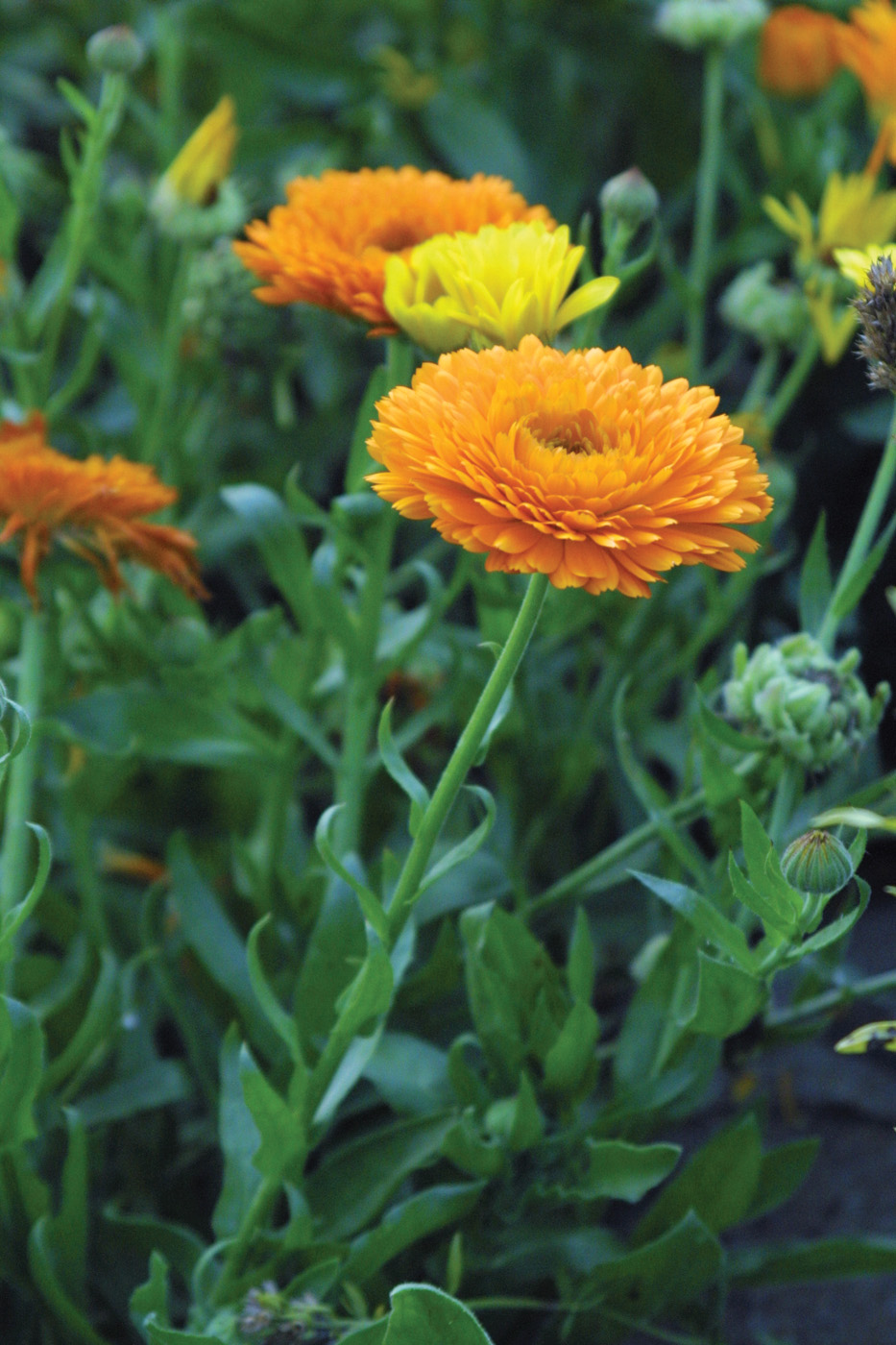
‘Bowling Ball’ breadseed poppy, from the QIS® series, has leaves that are a soft green-blue and sculpturally wrap themselves around the stems. This selection is grown for its huge ornamental seedpods, which can get up to 2½ inches wide and persist in the garden or in a vase for many weeks after flowering. The preceding blooms are also showy, with fruit punch pink petals that fade to purple and white at the base. Grow this plant alongside other ornamental edibles like calendula (Calendula officinalis and cvs., annual). While you can grow breadseed poppies for ornamental purposes in the United States, it is illegal to do so in Canada.
‘Amazing Grey’ corn poppy stands out with its unusual blooms
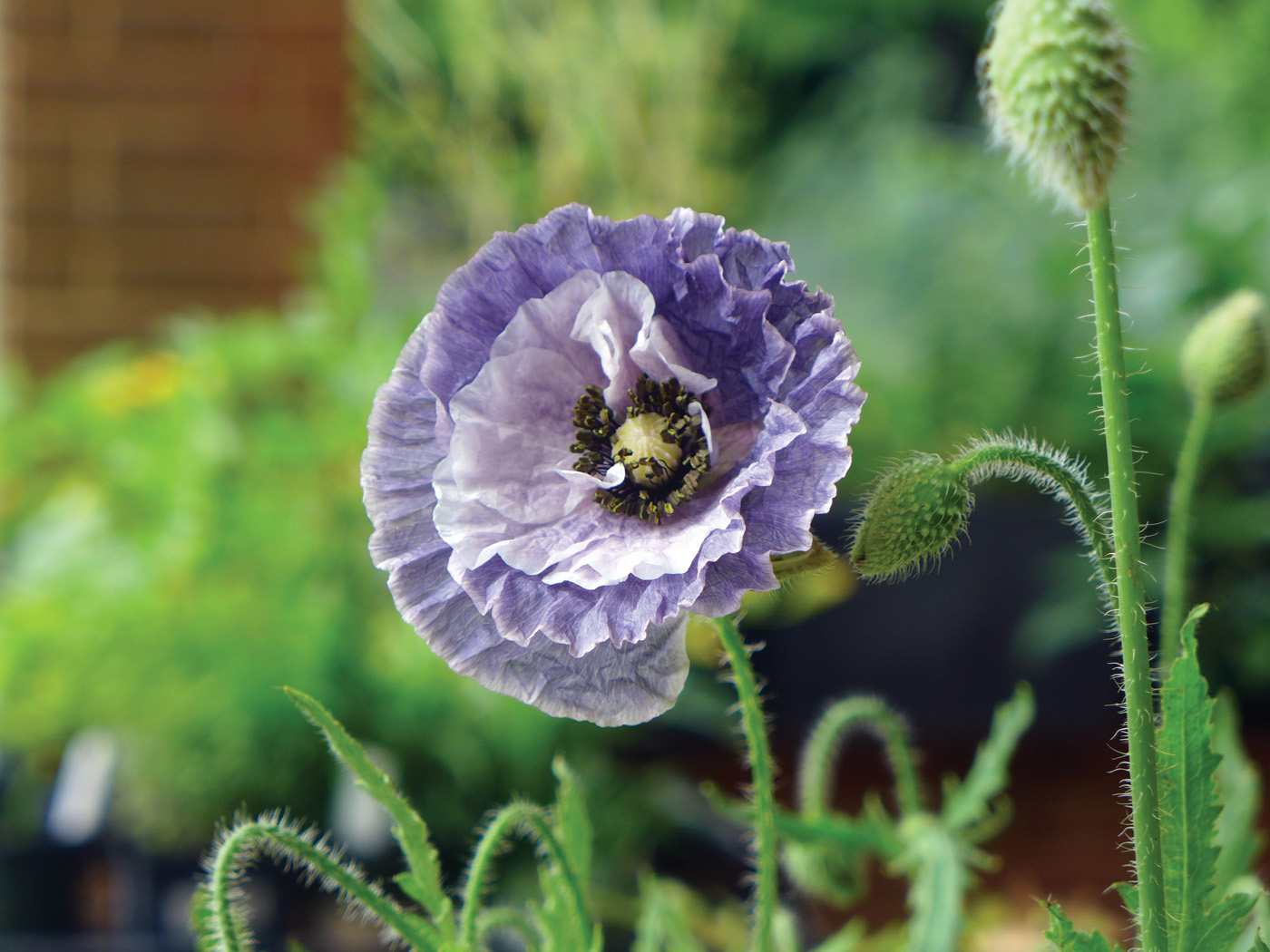
P. rhoeas ‘Amazing Grey’
- Zones: Annual
- Size: 2 to 2½ feet tall and 1 foot wide
- Conditions: Full sun; rich, well-drained soil
- Native range: Europe, northern Africa, and western Asia
Corn poppies are plentiful throughout their native range, adding eye-catching swaths of red to fields and meadows, and along transportation corridors. ‘Amazing Grey’ corn poppy differs from the straight species greatly; instead of the typical cadmium red flowers, this selection features 3-inch-wide blooms in shades of lavender, powder pink, mauve, and gray.
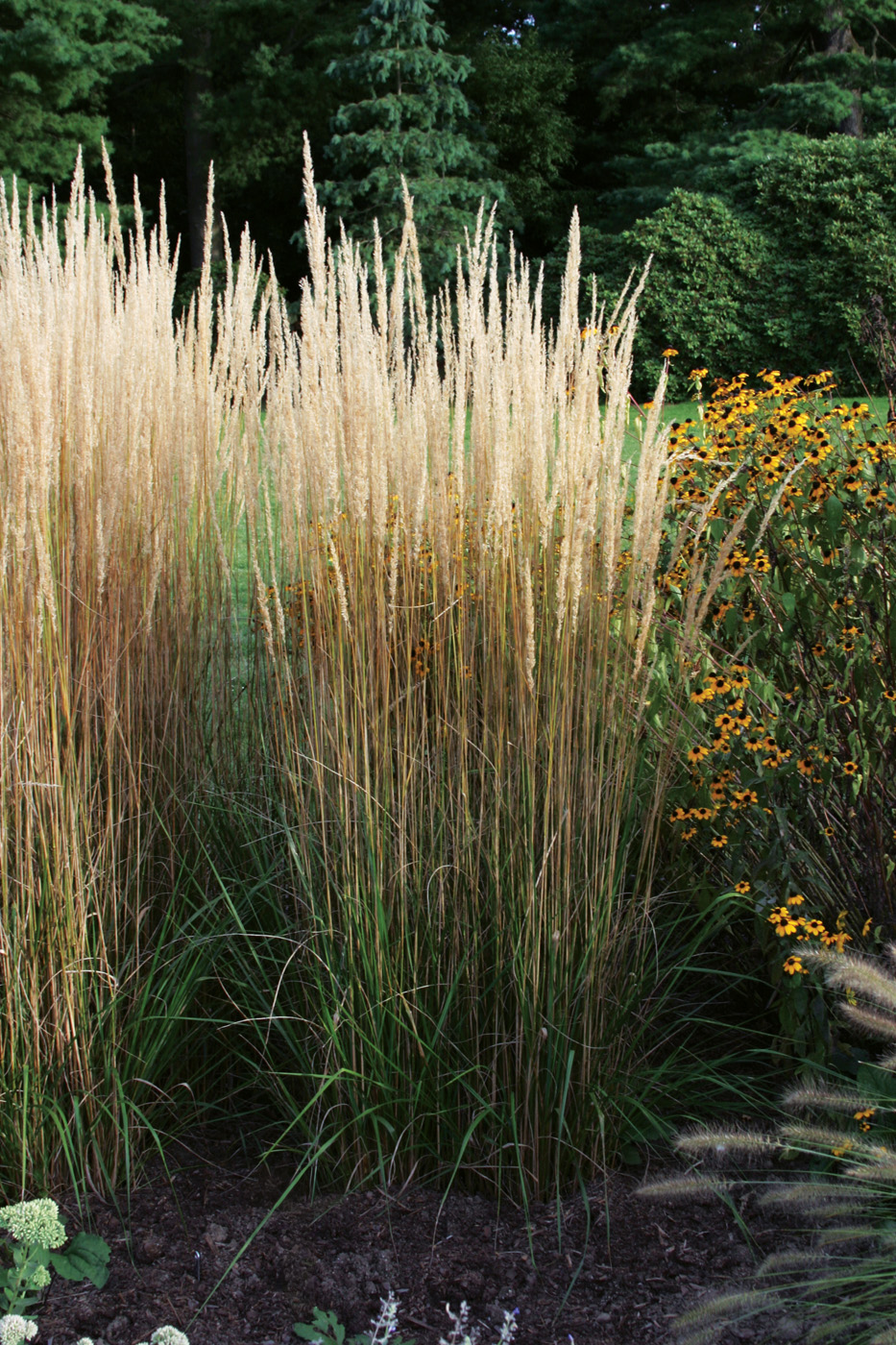
They can be either single or semidouble and will bloom throughout spring and into early summer, typically from mid-April through early June. Flowering can be prolonged by deadheading. This species dislikes root disturbance, so direct-sow the seeds outdoors or allow it to seed naturally. Try pairing it with cool-season grasses like feather reed grass (Calamagrostis × acutiflora and cvs., Zones 5–9) to emulate its native habitat.
‘Champagne Bubbles’ Icelandic poppy showcases all the colors of this unique species
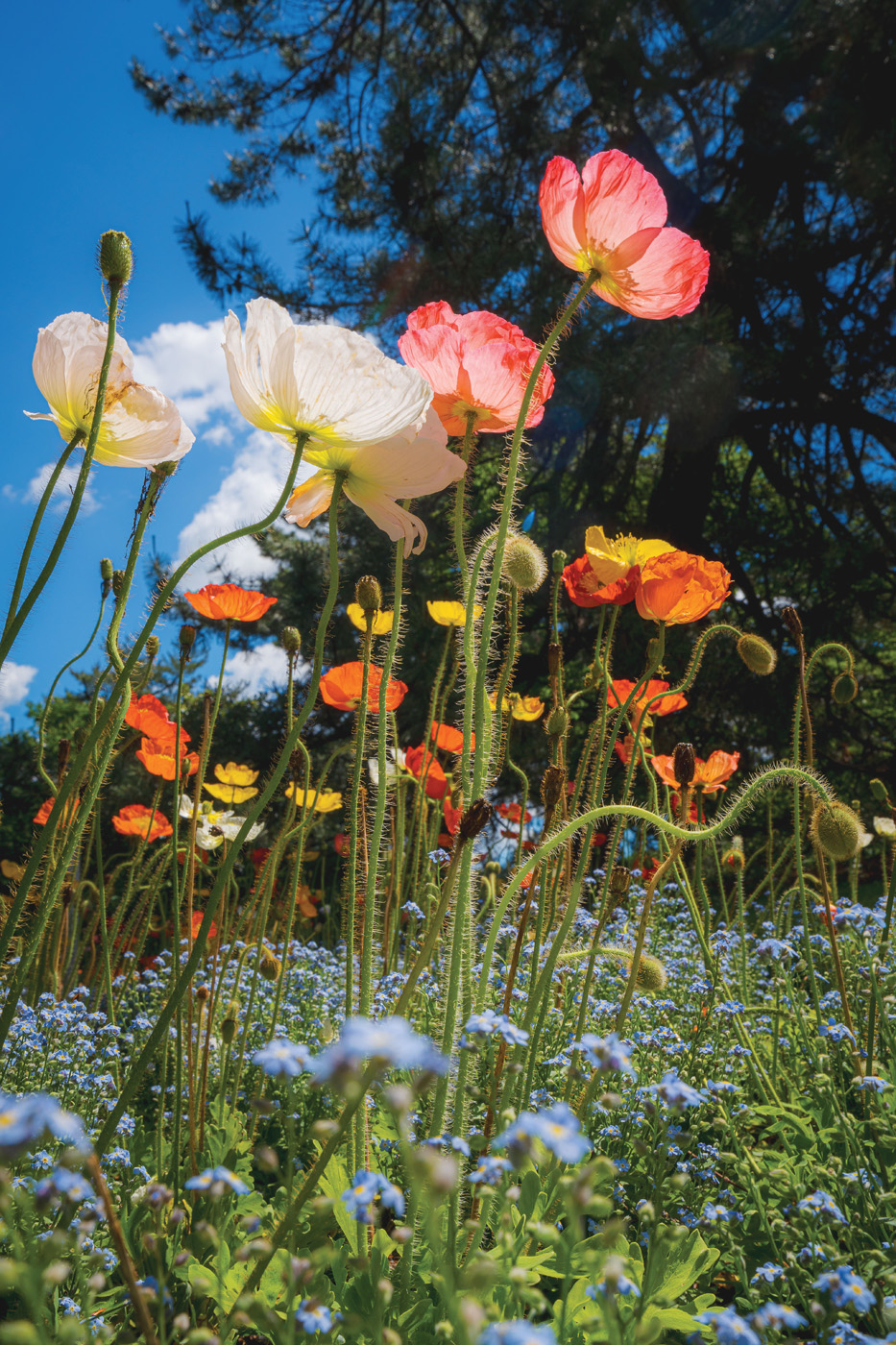
Oreomecon nudicaulis ‘Champagne Bubbles’ syn. Papaver nudicaule ‘Champagne Bubbles’
- Zones: 4–8
- Size: 18 inches tall and 10 inches wide
- Conditions: Full sun; rich, well-drained soil
- Native range: Northeastern Asia and northwestern North America
Icelandic poppies (confusingly not native to Iceland) were recently reclassified into the Oreomecon genus, along with several other Papaver species. They are technically short-lived perennials, but are most commonly grown as spring annuals because they do not thrive in hot and humid conditions. The show begins with large flower buds atop twisted stems that open in April, continuing until summer kicks in, typically in mid- to late June.
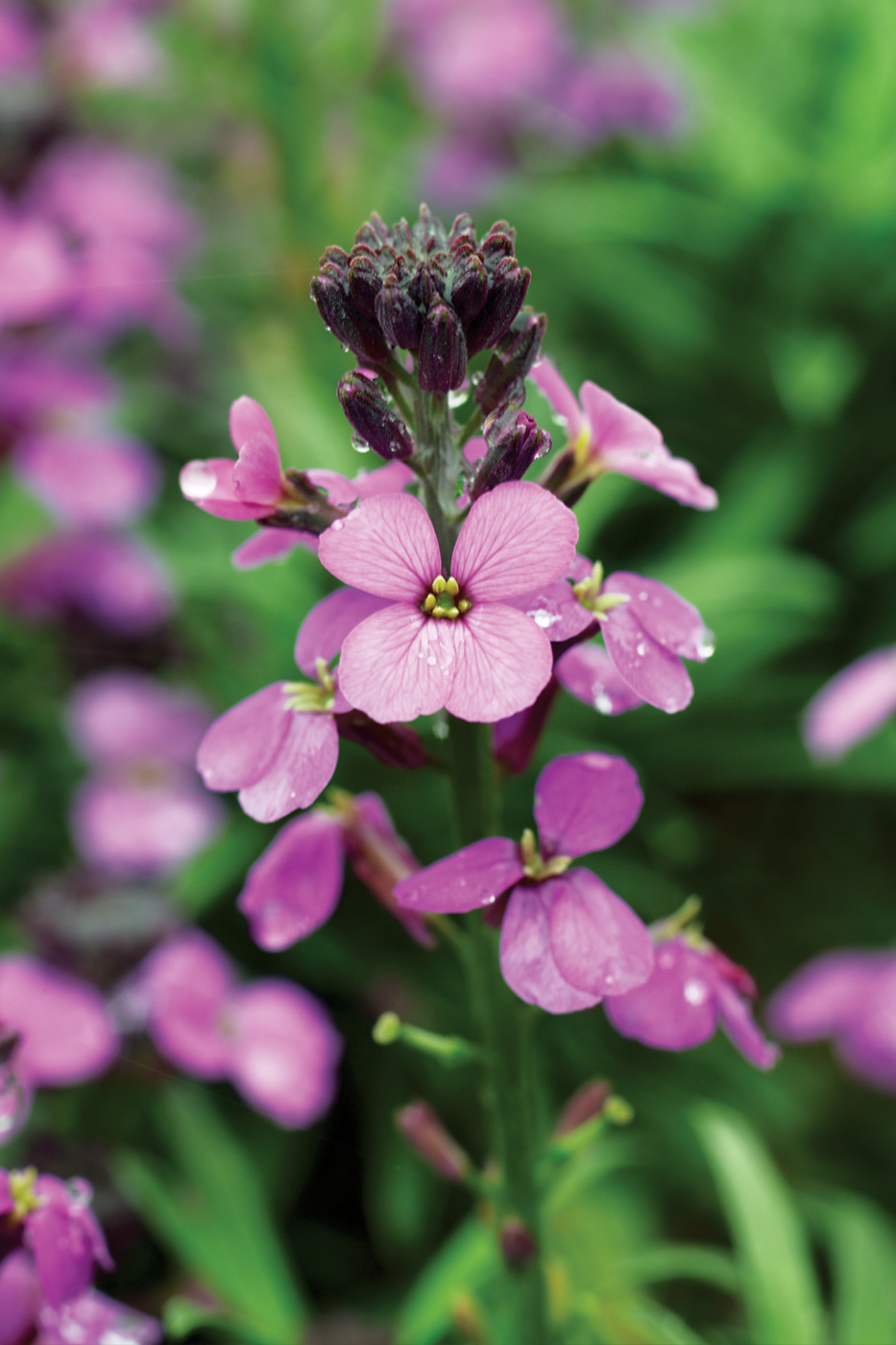
‘Champagne Bubbles’ is a series of cultivars that showcases the full flower color range of the species, with single blooms from scarlet to gold, orange to white, and pink to peach. Gardeners can order individual colors, but there is magic in the mixes that many suppliers offer. The blooms are large—up to 4 inches wide. They have a subtle citrus fragrance and make good cut flowers. You can extend the flowering season by deadheading. Grow ‘Champagne Bubbles’ alongside spring-flowering bulbs or other spring-bedding plants like wallflowers (Erysimum spp. and cvs., Zones 3–9).
‘Ladybird’ scarlet poppy’s stark black and red flowers jump out of the landscape
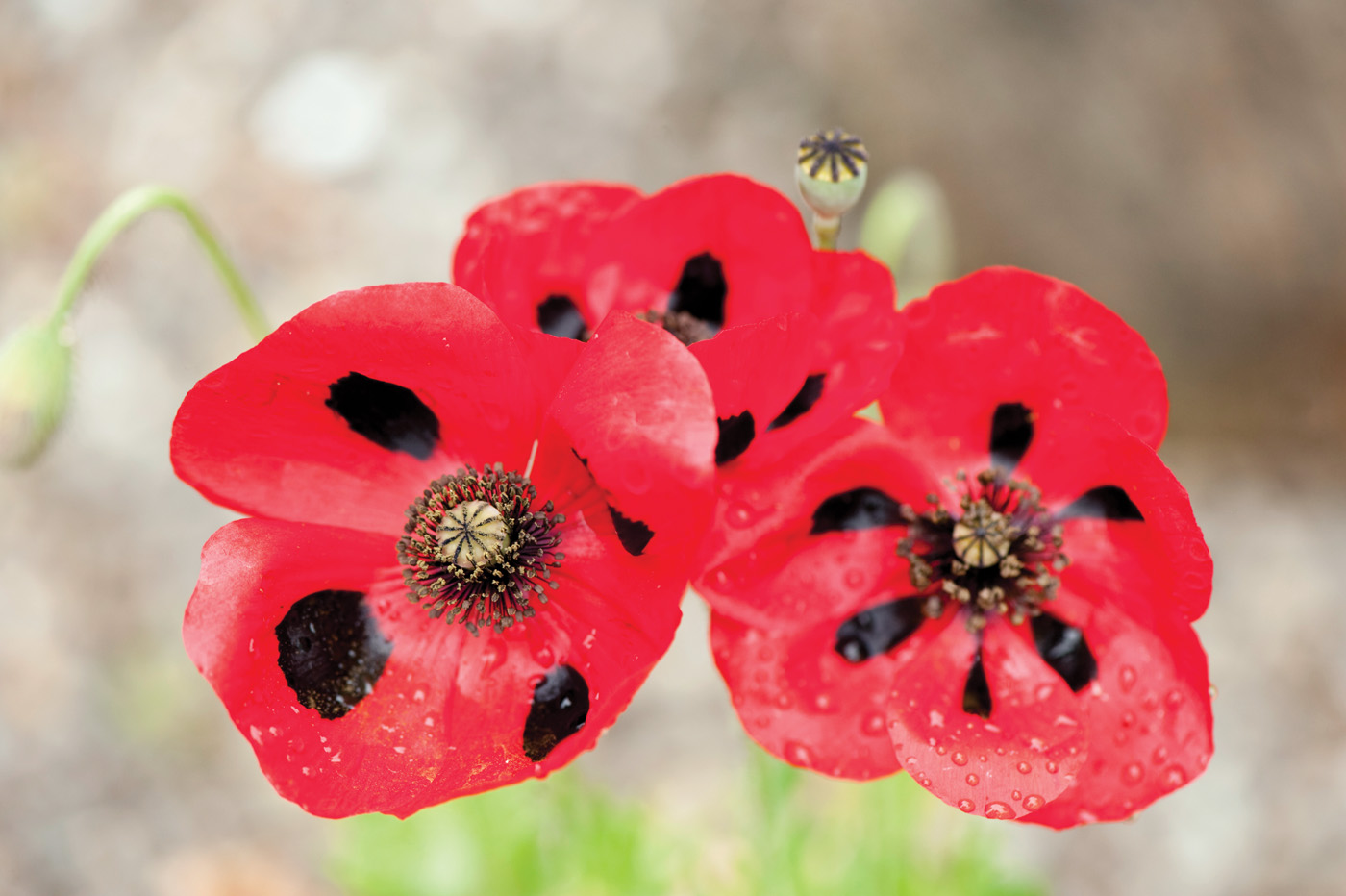
P. commutatum and cvs.
- Zones: Annual
- Size: 12 to 18 inches tall and 8 to 10 inches wide
- Conditions: Full sun; rich, well-drained soil
- Native range: The Caucasus, Iran, and Turkey
Scarlet poppies distinguish themselves from other species with their graphic flowers. Blooms begin in mid-spring and continue until early summer, typically from May through June. They are bowl-shaped, about 2 inches across, and have vibrant red petals with large, square black splotches at the base. ‘Ladybird’ scarlet poppy is most commonly available in the trade and is very similar to the species. Scarlet poppies are less likely to self-sow, so when deadheading, collect seed to keep the population going. They complement other vibrant late-spring bloomers like woodland sage (Salvia nemorosa and cvs., Zones 5–9).
Best Companion Plants for Annual Poppy Varieties |
|||
 |
 |
 |
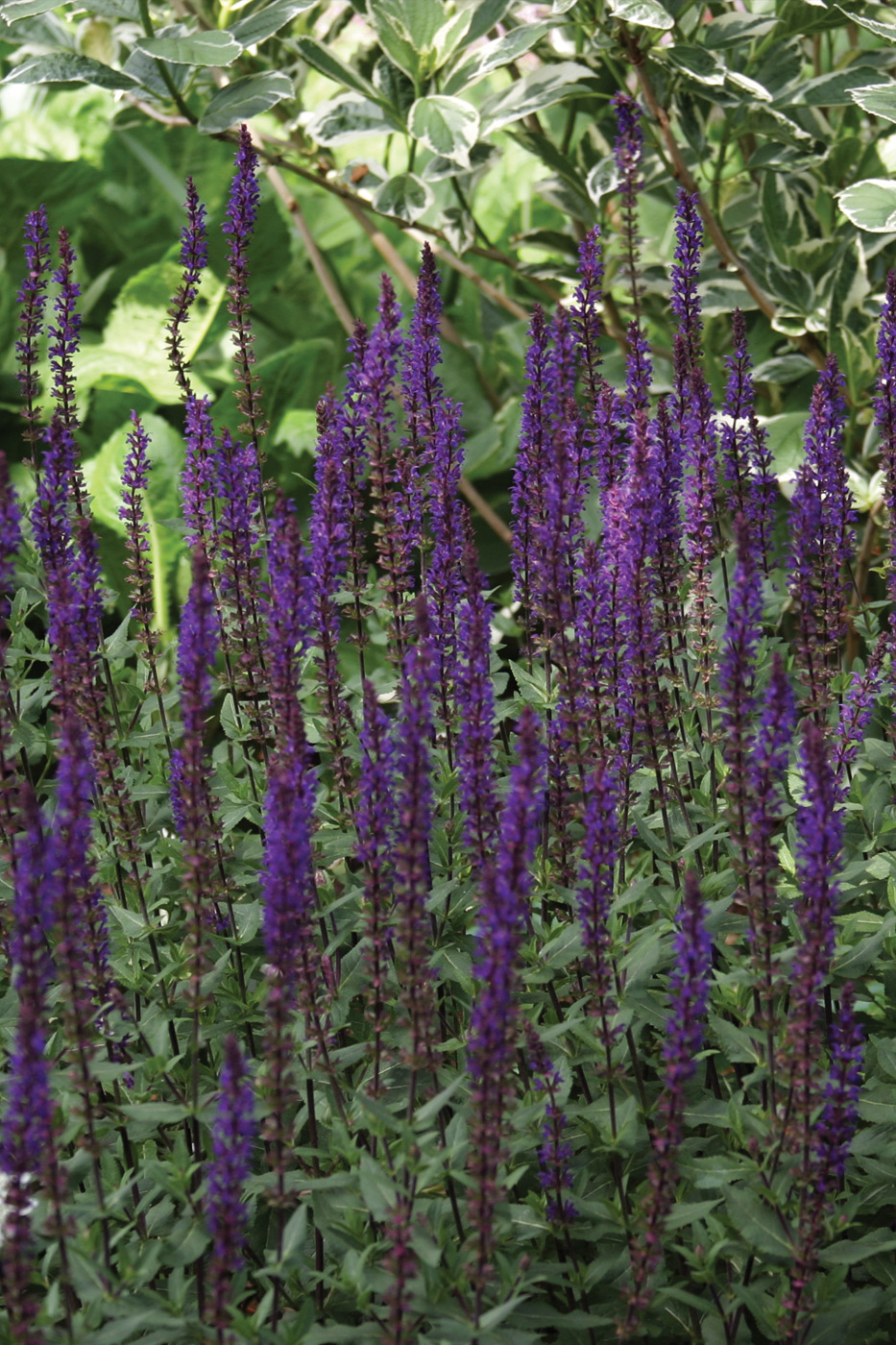 |
| ‘Bowling Ball’ breadseed poppy companion plant: Calendula | ‘Amazing Grey’ corn poppy companion plant: Feather reed grass | ‘Champagne Bubbles’ Icelandic poppy companion plant: Wallflower | ‘Ladybird’ scarlet poppy companion plant: Woodland sage |
How to grow poppies from seed
While you can find some poppies available for purchase online as bareroot plants, many are only available in seed form. Even if established, they will need to be replenished to be a permanent part of the garden. Knowing how to collect and start seed is crucial in maintaining a poppy show for years to come. Luckily, the process is fairly straightforward.
Harvesting and storing seed
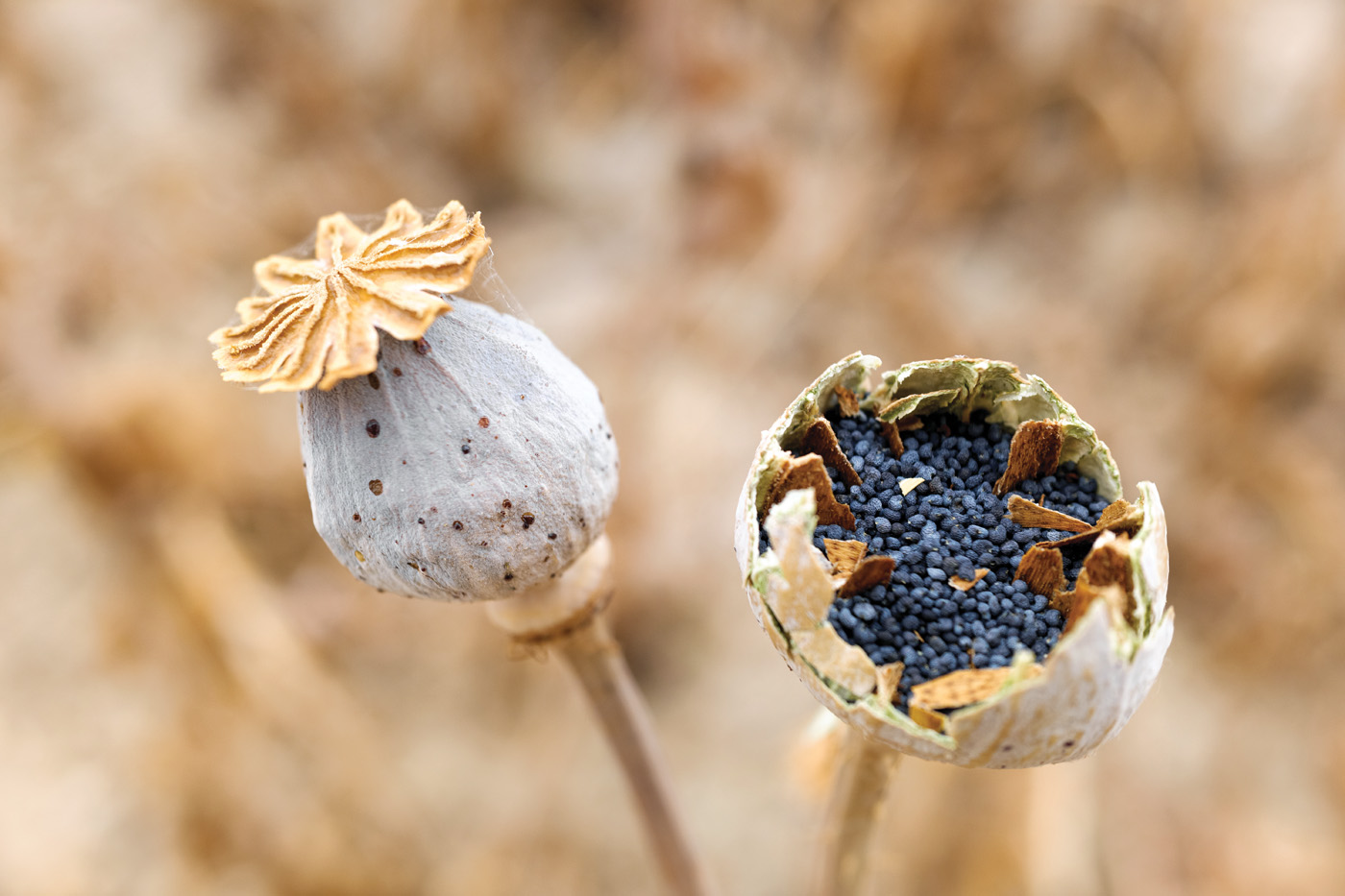
Poppy flowers develop into capsules that contain fine seeds. Collect the pods as they begin to mature, placing them into a paper bag to fully dry and dehisce. Label and store in a cool, dry place until they are ready to use. For some species, the seed is perfectly hardy and will germinate on its own in spring. To achieve this, just leave some seedpods standing in the garden and allow them to scatter naturally.
Starting poppy seeds indoors
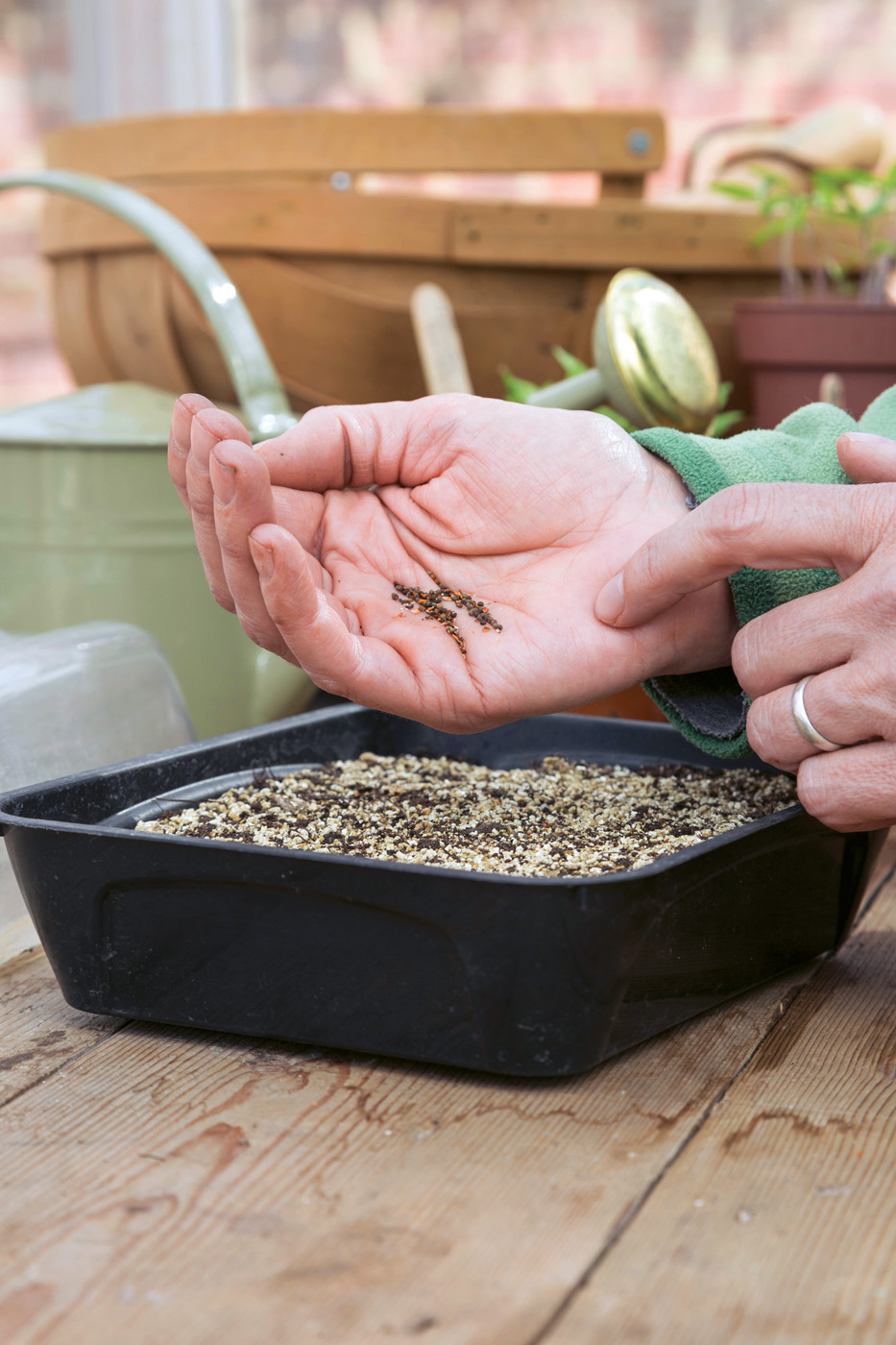
Sow poppy seeds into a standard seed-starting mix, adding in extra grit or perlite if the media is too heavy. Do not cover seeds with soil, as they often need light to germinate. Bottom water to avoid the seedlings damping off. Seeds should generally be sown about six to eight weeks before planting out and can go into the garden once nighttime temperatures are mostly above 40°F. This can change slightly for different species, so follow the instructions on the seed packets.
Direct-sowing poppy seeds in the garden
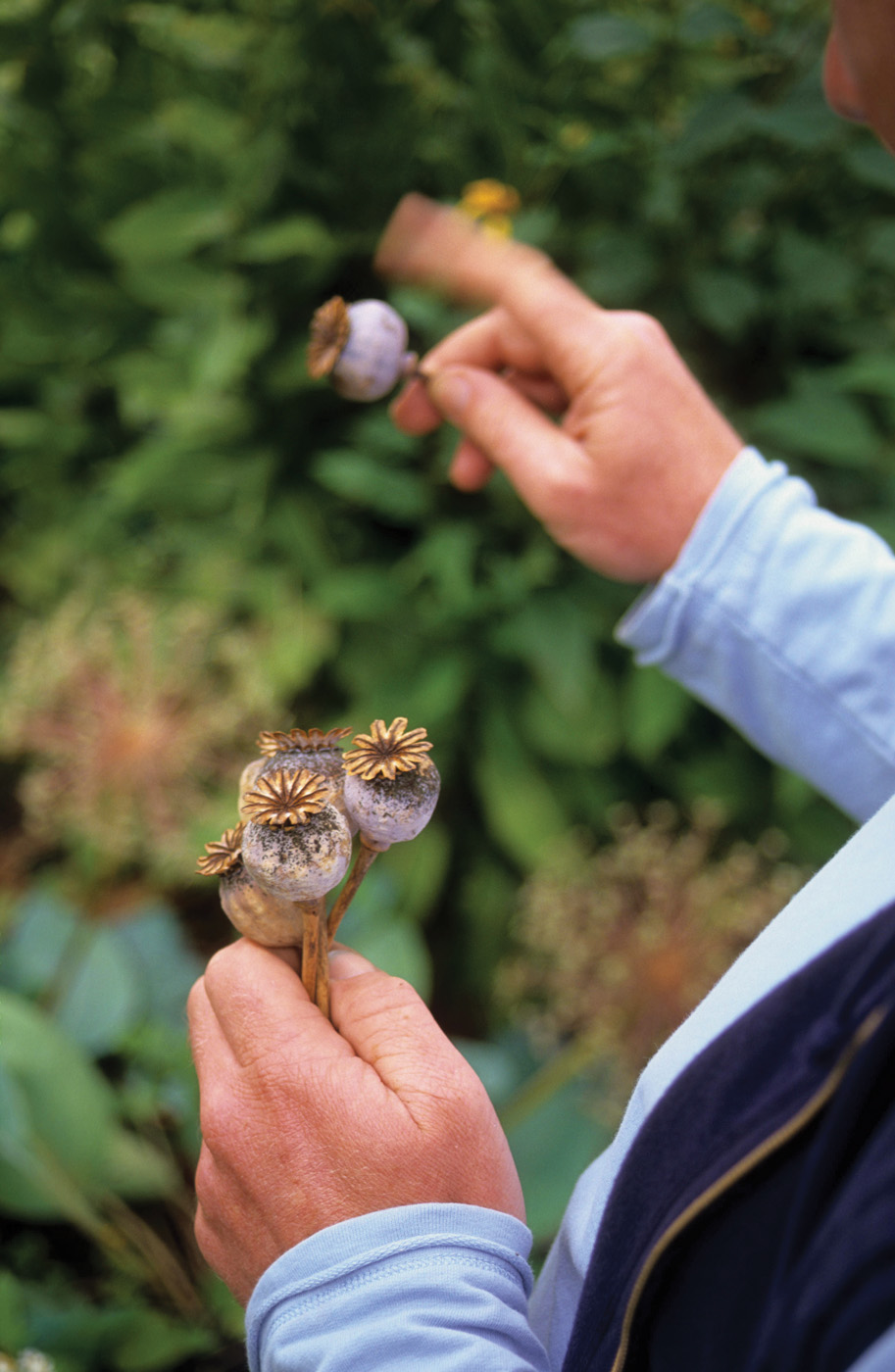
Poppies generally dislike root disturbance and take some time to recover from transplanting; because of this, direct-sow whenever possible. The timeline of direct-sowing should mimic when the plants would naturally disperse their seeds. For poppies, this would be anywhere from late fall through early spring. Since many poppy species are disturbance adapted, germination will improve if the soil in the immediate area is scratched up.
Tess Kuracina is the director of living collections and curator of herbaceous plants at the New York Botanical Garden.
PLANT SOURCES
The following mail-order sources may offer some of the plants featured in this article:
- Dutch Grown, West Chester, PA; 833-693-8824; dutchgrown.com
- Eden Brothers, Arden, NC; 855-440-2929; edenbrothers.com
- Far Reaches Farm, Port Townsend, WA; 360-385-5114; farreachesfarm.com
- High Country Gardens, Clinton, UT; 801-769-0300; highcountrygardens.com
- Plant Addicts, Omaha, NE; 833-577-0999; plantaddicts.com
- Select Seeds, Co., Union, CT; 800-684-0395; selectseeds.com
Fine Gardening Recommended Products
Johnny’s Selected Seeds Connecta® Cultivation Kit
Fine Gardening receives a commission for items purchased through links on this site, including Amazon Associates and other affiliate advertising programs.
Choose the right tool head for the job and switch out quickly with a simple push-button release. Includes the Connecta receiver, Connecta Collinear 4 head, Connecta Collinear 7 head, Connecta Contour Wire 4 head, Connecta Contour Wire 6 head, a sustainably harvested oiled ashwood handle, and a stainless-steel carrying clip.
ARS Telescoping Long Reach Pruner
Fine Gardening receives a commission for items purchased through links on this site, including Amazon Associates and other affiliate advertising programs.
Telescopes from 4 to 7′. Cut and Hold (160) Blades. Drop forged blades for unsurpassed long lasting sharpness. Lightweight, 2.3 lbs., for continued use. Perfectly balanced for easy pruning.
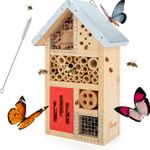
Niteangel Natural Wooden Insect Hotel, Garden Insect House for Ladybugs, lacewings, Butterfly, Bee, Bug
Fine Gardening receives a commission for items purchased through links on this site, including Amazon Associates and other affiliate advertising programs.
The insect nest box provide a safe environment where garden creatures can shelter, hibernate and lay their eggs, the insect house can also keep insects from entering your warm room. The insect hotel makes it easy to find and observe fascinating creatures. the butterfly, bees and ladybugs can use this product as habitat. Dry wood and Bamboo can be home to many insects such as ladybirds and lacewings which eat aphids and help keep your plants pest-free. the insect hotel improve the growth of plants in your yard by attracting beneficial insects. The iron design on the top can keep the insect house from rainwater. Let the insect house have a longer useful life and make the insects more comfortable. If you only have a balcony or yard, the hanging garden shelter is ideal as it provides a choice of suitable habitats in a small area.