
“Water-wise” Starts with Proper Care
Putting the right plant in the right place is only half the battle of creating a truly water-wise garden. The care and maintenance you provide in getting new additions well established will set them up for drought tolerance, stress resistance, and long and healthy lives.
Learn More: Grow These Water-Wise Woodies
3 Features of a Water-Wise Plant
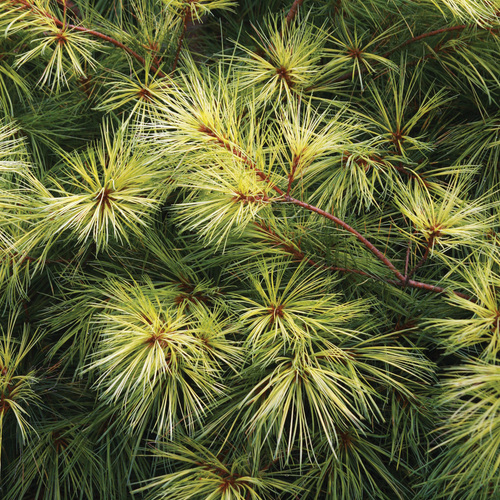
As plants evolved over time, their native environmental conditions shaped how they manage water. These adaptive features are seen in two main places: the roots, where water is taken up and stored; and the stems and leaves, which store water but also lose it through transpiration. Some plant features, like the needles of conifers (above), are adaptations that indicate drought tolerance because their reduced foliage surface area limits moisture loss.
1. Different kinds of root systems can capture and store water efficiently.
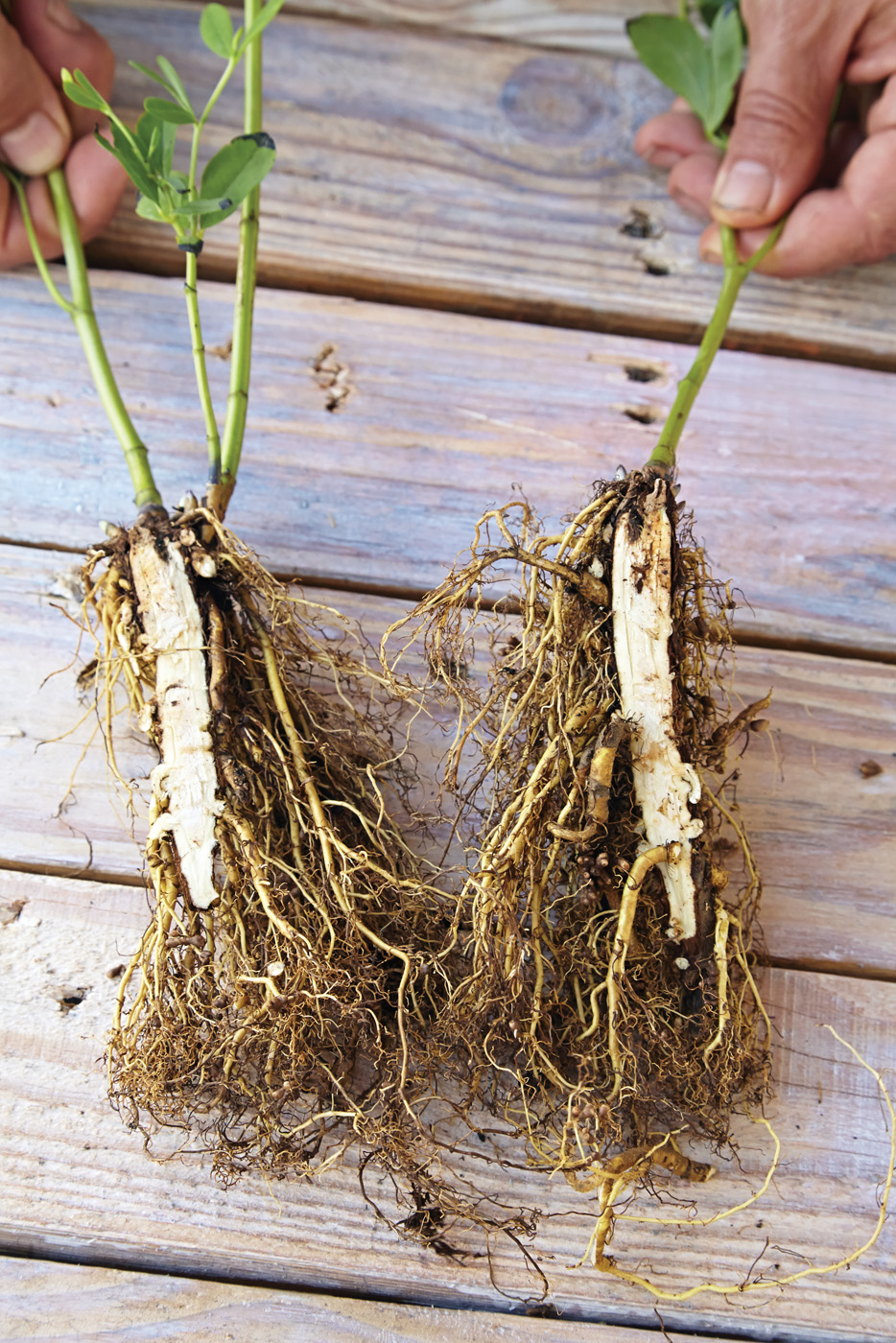
Taproots can reach deeper into the soil than other roots to find water and store it in thick tissue (photo above). Some water-wise woodies are drought tolerant for this reason, but others have developed different strategies. Many plants with low water needs have extensive, fibrous, and more shallow root systems. These are incredibly efficient at not letting a single drop of water escape their network.
2. Leaf structures affect the rate at which a plant loses water.
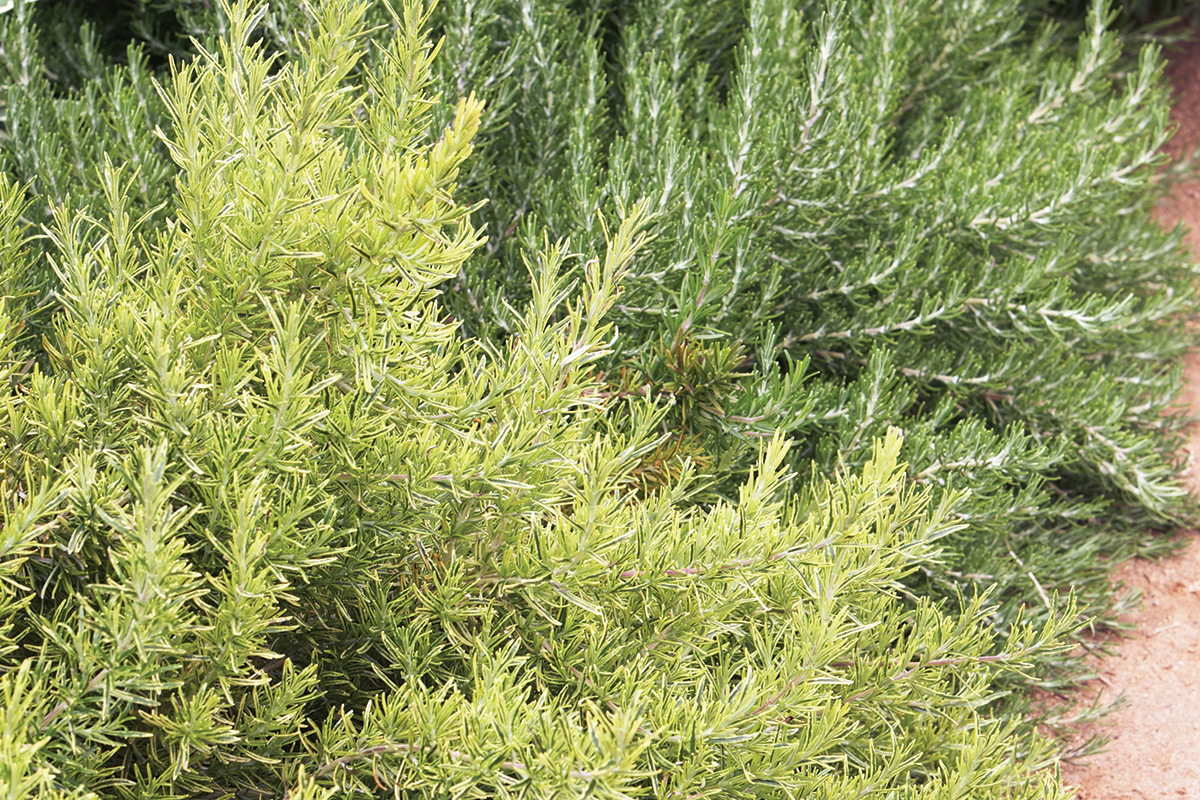
Above ground, water exits a plant’s leaves through transpiration. Plants native to perennially or seasonally dry environments, like rosemary (Salvia rosmarinus and cvs., Zones 8–11), often have relatively small, thick leaves coated in a waxy cuticle that reduces the amount of water vapor lost (photo above). This may mean slower growth, but in a dry environment, it’s all about surviving for the long haul.
3. Adaptability and maturity are important factors in resisting stress.
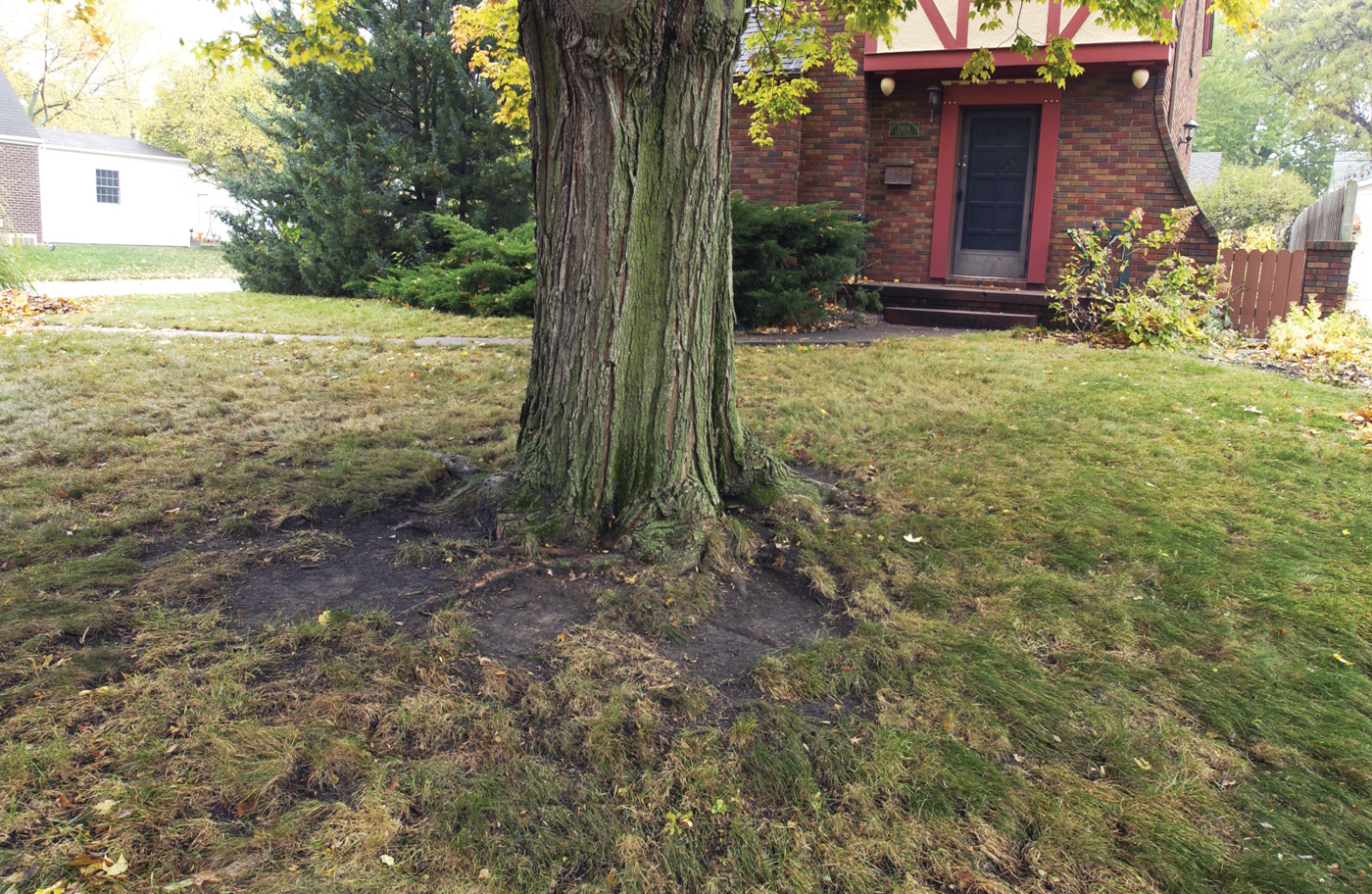
Some plants are able to withstand more drought (or other stressors) because they have more “plasticity,” a term used to refer to the ability to adjust their physiology to short-term changes in their environment. And with age comes wisdom and experience. Mature and well-established plants with healthy root systems are less impacted by periods of drought (photo above).
Learn more: Design a Water-Wise Garden
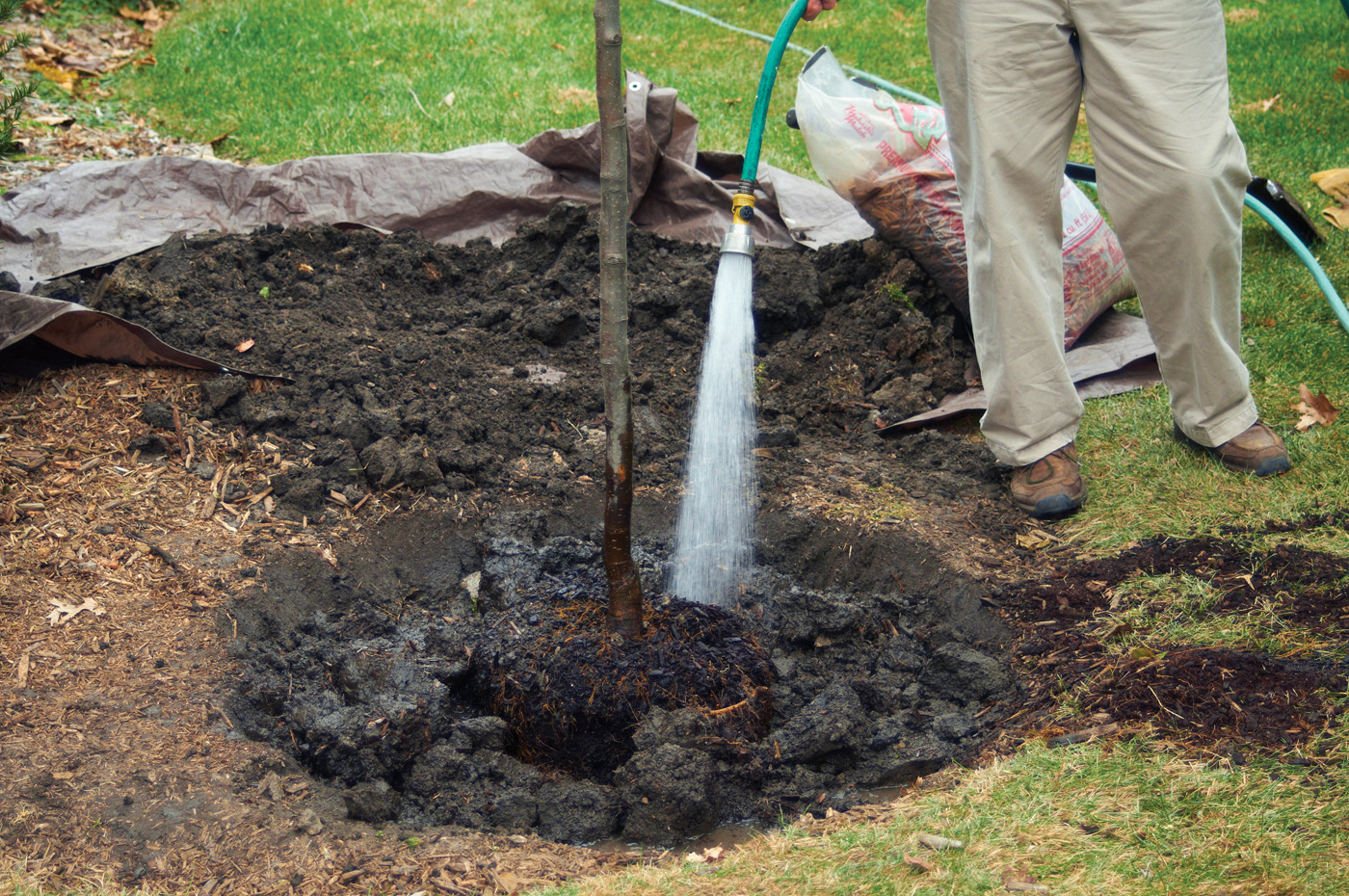
What does plant establishment really mean, and why is it important?
We hear it all the time: “Water well until establishment”—and for good reason. This is one of the most essential actions you can take to set your plant up for success. “Establishment” means much more than a root ball that remains moist so new root hairs can grow. It means actual root growth that is significant enough to anchor your plant and make inroads into the native soil. This takes time, and there are no shortcuts.
1. What indicates that your plant has become established?
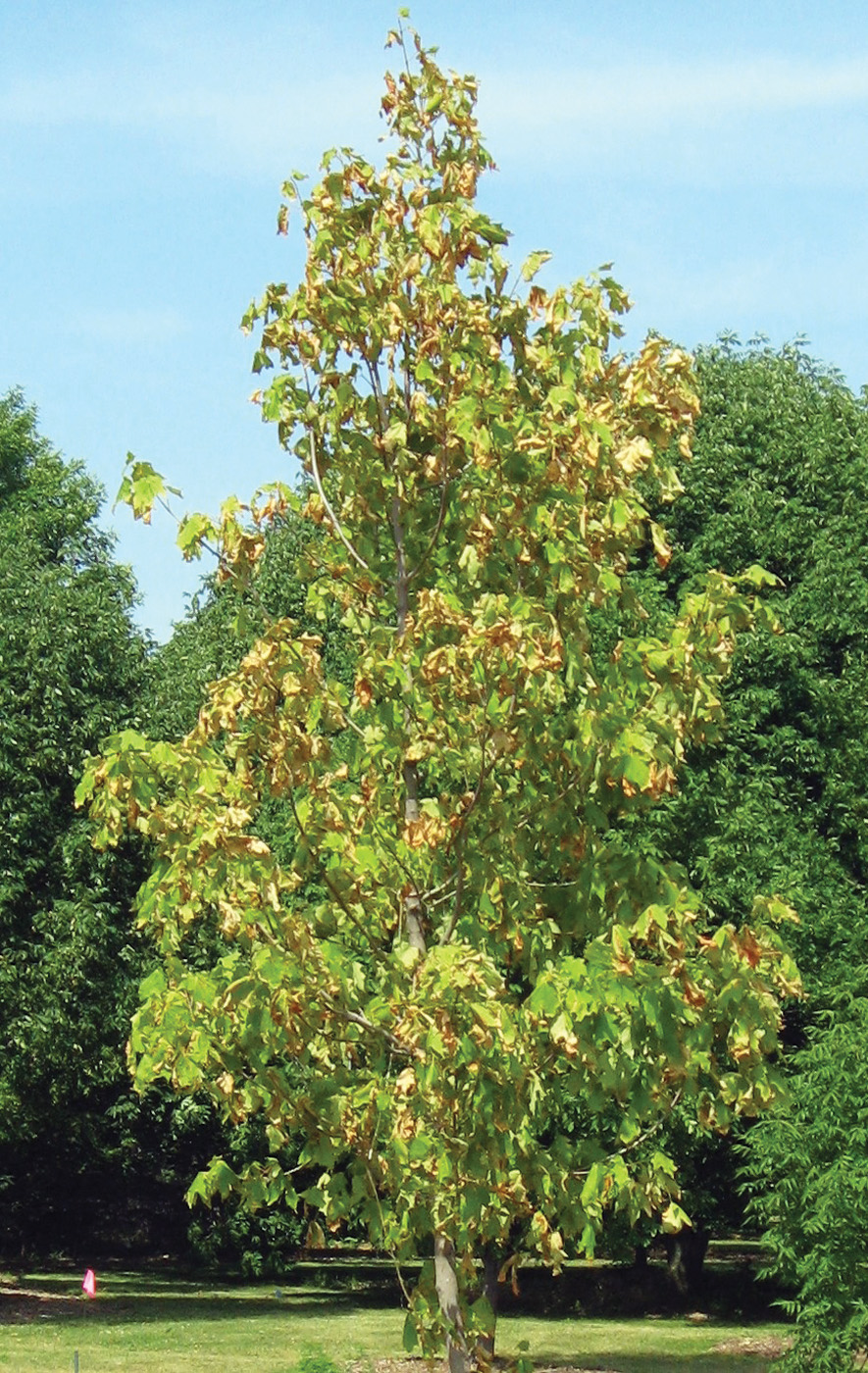
Unfortunately, the direct evidence—the extended root system—is hidden from us. I recommend observing the above-ground growth. If a plant doesn’t have a good root system, it will rarely put on appreciable growth, and wilting is an even stronger sign of non-establishment (photo above). You can also gently tug at the base of the plant to feel for the strong resistance of a new root system.
2. What can you do to make sure your plant becomes well established?
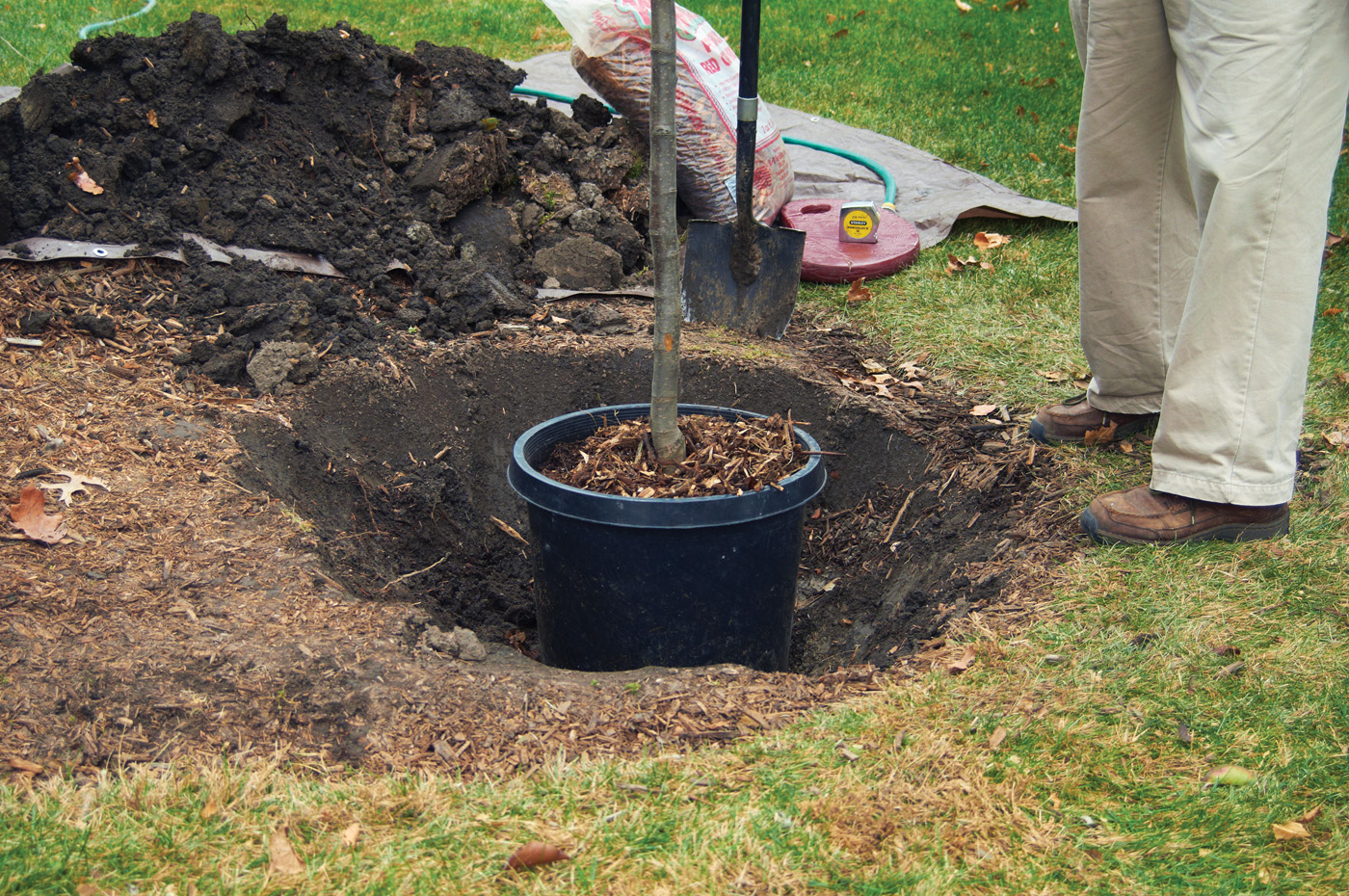
All the factors that go into best planting practices affect the success of establishment. For each woody you plant:
- Choose the best woody-planting season for your zone (spring or fall).
- Pick the right spot, with light conditions your plant favors.
- Dig a wide planting hole that provides ample room for contact between roots and native soil.
- Plant the root collar at soil level, and water in deeply (photo above).
- Take care not to damage brittle taproots.
- Mulch lightly so that water can easily infiltrate the soil to get to the roots. You can add a couple of inches of mulch yearly.
- Water consistently for the first two months, then water deeply during any dry spells during the first year.
- Continue providing supplemental irrigation if the plant’s second year is dry, to ensure the development of a strong root system that won’t need supplemental irrigation in the future.
3. How do regional differences affect a plant’s drought tolerance?

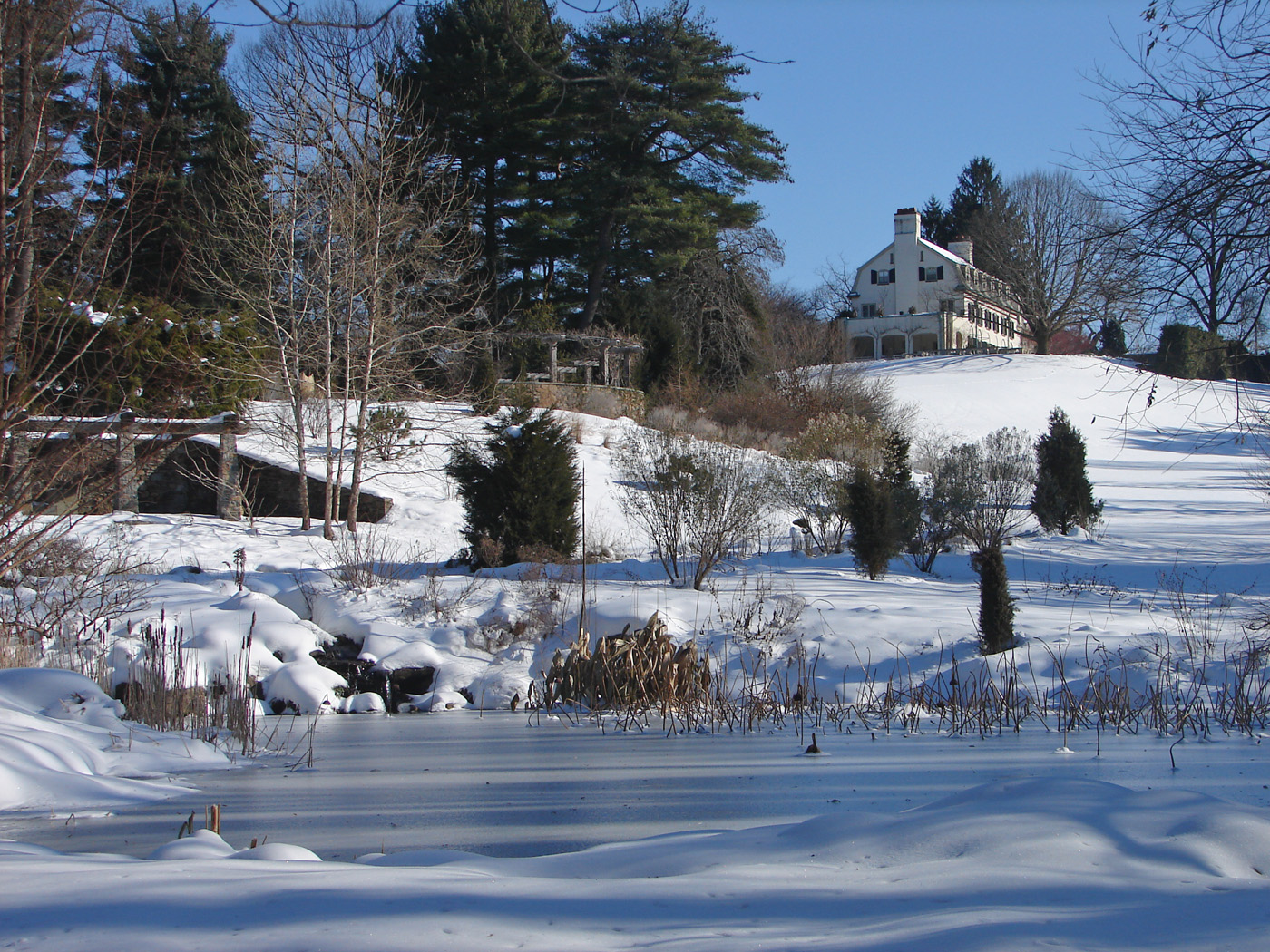
Water is a universal constant. Soil compositions, extreme temperatures, and seasonal rain patterns are not. A great water-wise woody in Denver won’t necessarily be water-wise in Boston because of the unique combinations of those environmental factors in each region. If you’re gardening in an already arid (or seasonally arid) climate, it’s even more important to look for plants that evolved in similar conditions. Your best bet will be locally native plants that have evolved to call your area home. The more extreme your habitat, whether that includes very sandy soil types or long, cold winters, the more you’ll want to talk to experienced local gardeners for plant selection advice. Extreme cold can also stress plants, so maintaining a plant’s drought tolerance means not pushing the envelope with borderline hardiness zones.
Paula Gross is the former associate director of the University of North Carolina at Charlotte Botanical Gardens and a co-author of The Southeast Native Plant Primer: 225 Plants for an Earth-Friendly Garden.
Fine Gardening Recommended Products
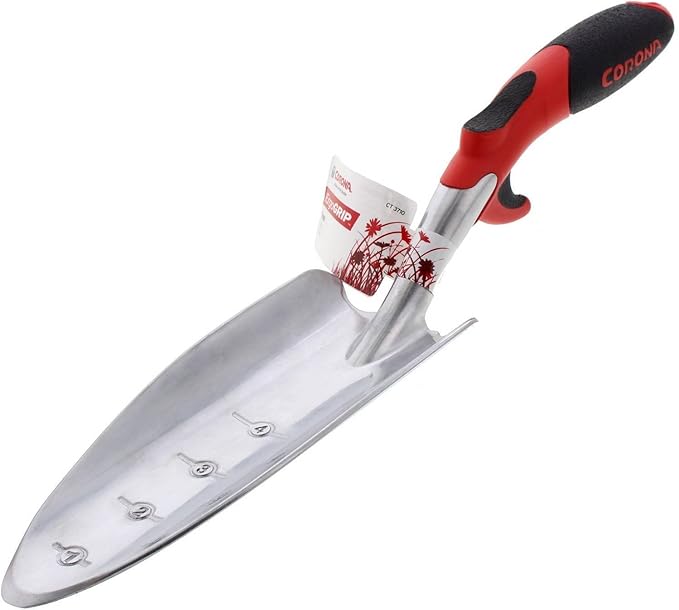
Corona E-Grip Trowel
Fine Gardening receives a commission for items purchased through links on this site, including Amazon Associates and other affiliate advertising programs.
Handle Material: Aluminum. Handle Length: 14-1/2 in. Overall Length: 14.5 in. Head Material: Aluminum. Handle Color: Red.
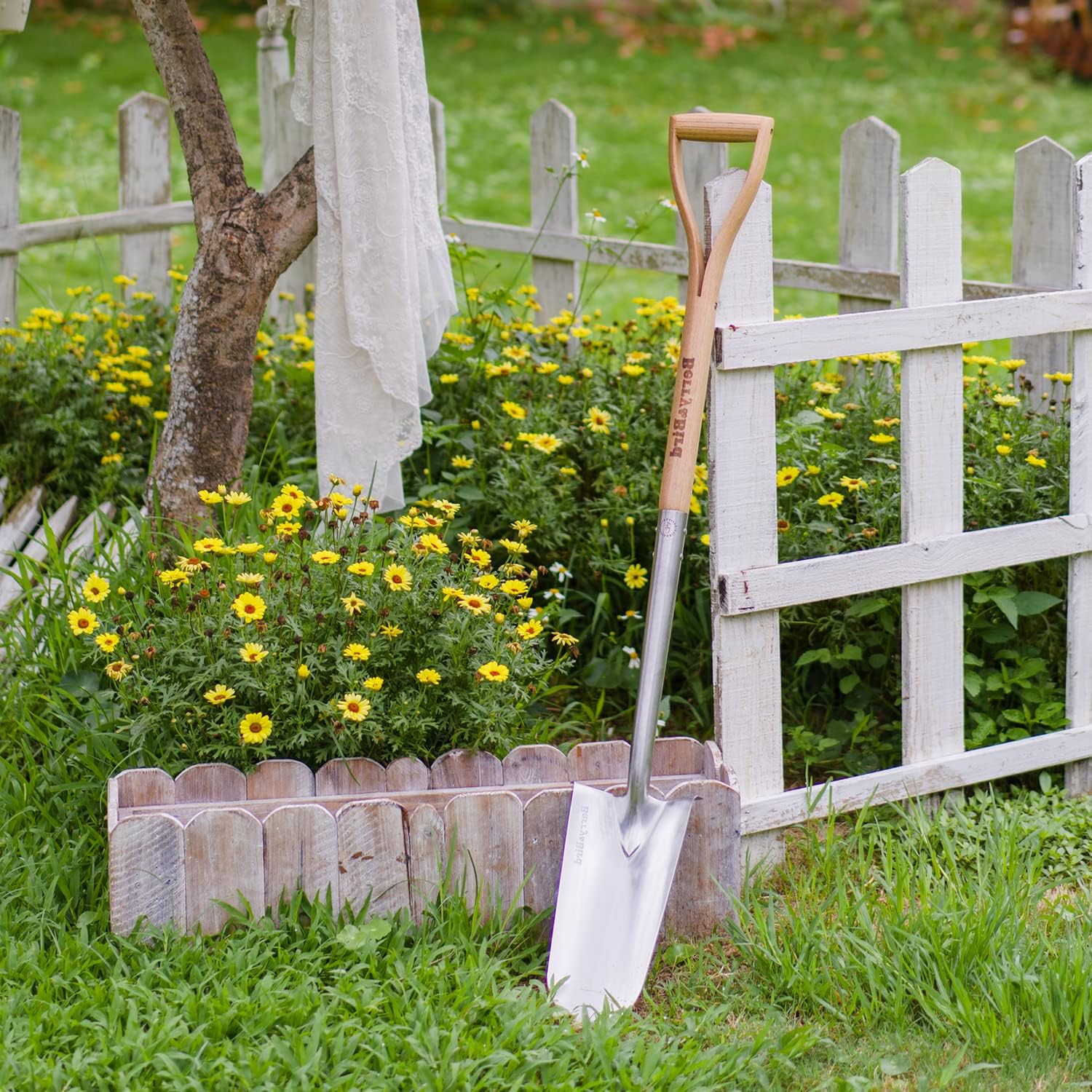
Berry & Bird Rabbiting Spade, Trenching Shovel
Fine Gardening receives a commission for items purchased through links on this site, including Amazon Associates and other affiliate advertising programs.
Ideal Tool for All Gardeners Use: Our heavy duty trenching shovel is designed by a professional gardening tool designer. Lifetime Durability: This heavy duty drain spade is made of high-quality stainless steel, it is very strong and durable, even if it is used for high-strength work, it will not bend. Ergonomic Wood Handle: The handle of this planting spade is made of ash hardwood harvested from FSC-certified forests and has an ergonomically streamlined design, making it very suitable for everyone’s hands. Multi-Use: This digging shovel is generally used for digging trenches, digging holes, transplanting, edging, moving compost, cutting thick turf and furrowing. The sharp blade allows you to cut, scoop, dig, lift and dice in hard soil.
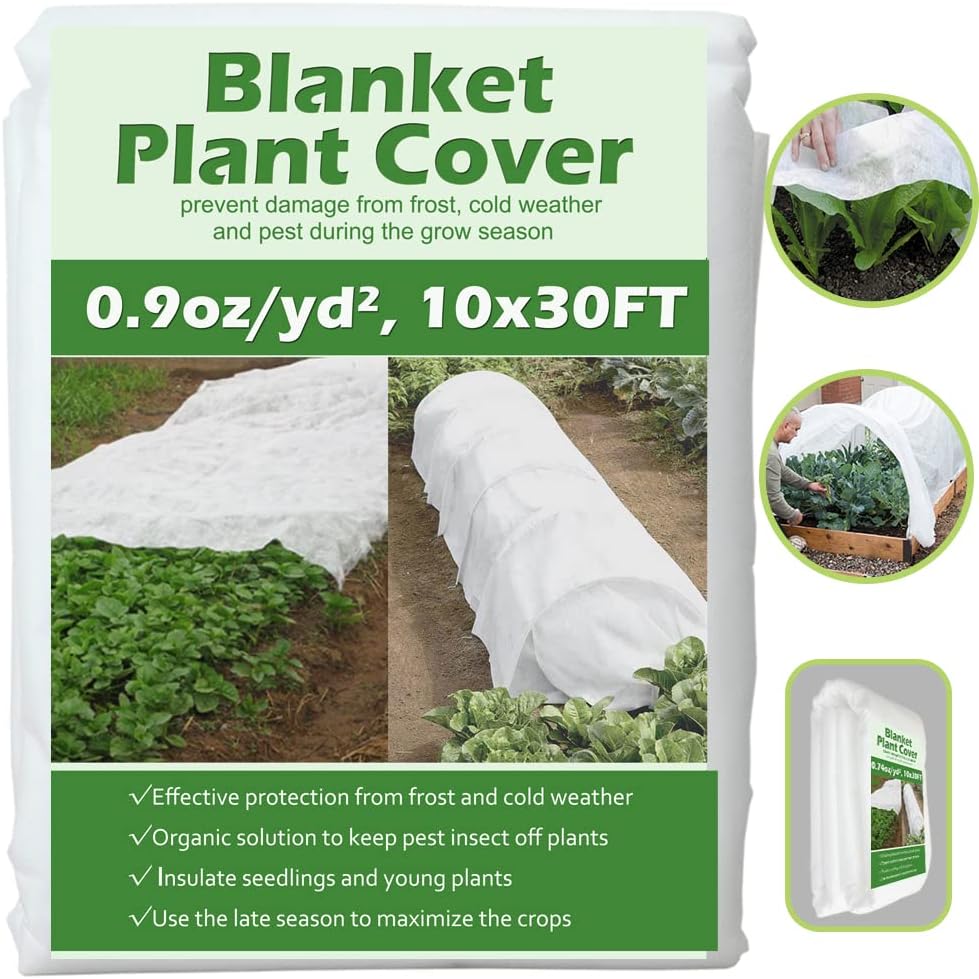
Plant Covers Freeze Protection 10 ft x 30 ft Floating Row Cover 0.9oz/yd²
Fine Gardening receives a commission for items purchased through links on this site, including Amazon Associates and other affiliate advertising programs.
Lightweight and Breathable MATERIAL Good for protecting Plant: the plant frost cover material is 0.74 oz/sq non-woven polypropylene fabric, which is lightweight, breathable, and durable. The plant blanket frost protection allows sunlight reach the plants, perfect for protecting plants from the damage of freeze or frost. Wide Application In your Garden Work. The plant row cover not only can work as a barrier against frost, but also can be a great tool for germination and good for rapid seedling growth. By using the fabric plant covers over your plant, you can start the plant earlier in the spring and extending the growing season of your plants. How to Use the Plant Covers: you can cover the plant covers for freeze over your the plants loosely directly and then secure the plant frost blanket with soil, stones or staples. You can also support the floating row covers with a hoop, make enough room for plants to breath and grow. You could also cut the plant covers into different sizes for different purposes.