




We’re still in the early months of 2026, and many frequent flyers are thinking through their airline elite status strategy for the year. Perhaps you’re going for an AAdvantage tier that gets you complimentary checked bags and priority boarding, or a higher Delta Medallion level that gives you upgrade certificates.
For my part, I’m thinking about how to leverage elite status with non-U.S. airlines in order to enjoy still more benefits when I fly.
I earned my first foreign airline elite status in 2018 and have since pursued status with two other non-U.S. airlines. However, I’ve only once pursued elite status specifically for perks on those airlines themselves — and I never did so because I planned to fly them more often than their U.S. alliance partners.
Instead, I’ve mostly gone for status with foreign airlines when it has been easy to earn, or when it would provide additional benefits I wouldn’t get from equivalent status with a domestic carrier.
Opting to earn status with a foreign airline comes with real tradeoffs, though, and won’t be the best choice for many travelers. But since achieving elite status with U.S. airlines often requires higher spending than comparable status with a foreign carrier, going the international airline route remains a compelling option for travelers who fly often but don’t spend heavily on airfare.
What’s more, earning foreign airline status doesn’t mean you need to fly international airlines frequently (or at all, in many cases). Chances are, you can earn status through your typical flight activity with U.S. carriers.
Here’s what’s drawn me to foreign airline status, and how to decide whether earning status through an airline that partners with your preferred U.S. airline(s) might make sense for you.
How I ended up with foreign airline elite status
Over the past eight years, I’ve earned elite status with three foreign airlines — each for a different reason.
I didn’t set out to collect foreign airline elite statuses. Instead, I took advantage of one unusually generous promotion and, in the other cases, opted for programs that rewarded the flying I was already doing.

Reward your inbox with the TPG Daily newsletter
Join over 700,000 readers for breaking news, in-depth guides and exclusive deals from TPG’s experts
Star Alliance: Asiana Club Diamond
In 2018, I earned my first foreign airline status: Asiana Club Diamond, which confers Star Alliance Gold.
Asiana Club gives members 24 months to qualify for status, then allows them to keep that status for another 24 months once the qualification period ends — meaning it’s much more flexible in terms of earning and maintaining status than most U.S. programs.
Plus, requalifying carries lower requirements than the initial qualification. By contrast, you must requalify each year for MileagePlus Premier status with Asiana’s primary U.S. airline partner, United, and requalification carries the same requirements as initial qualification.
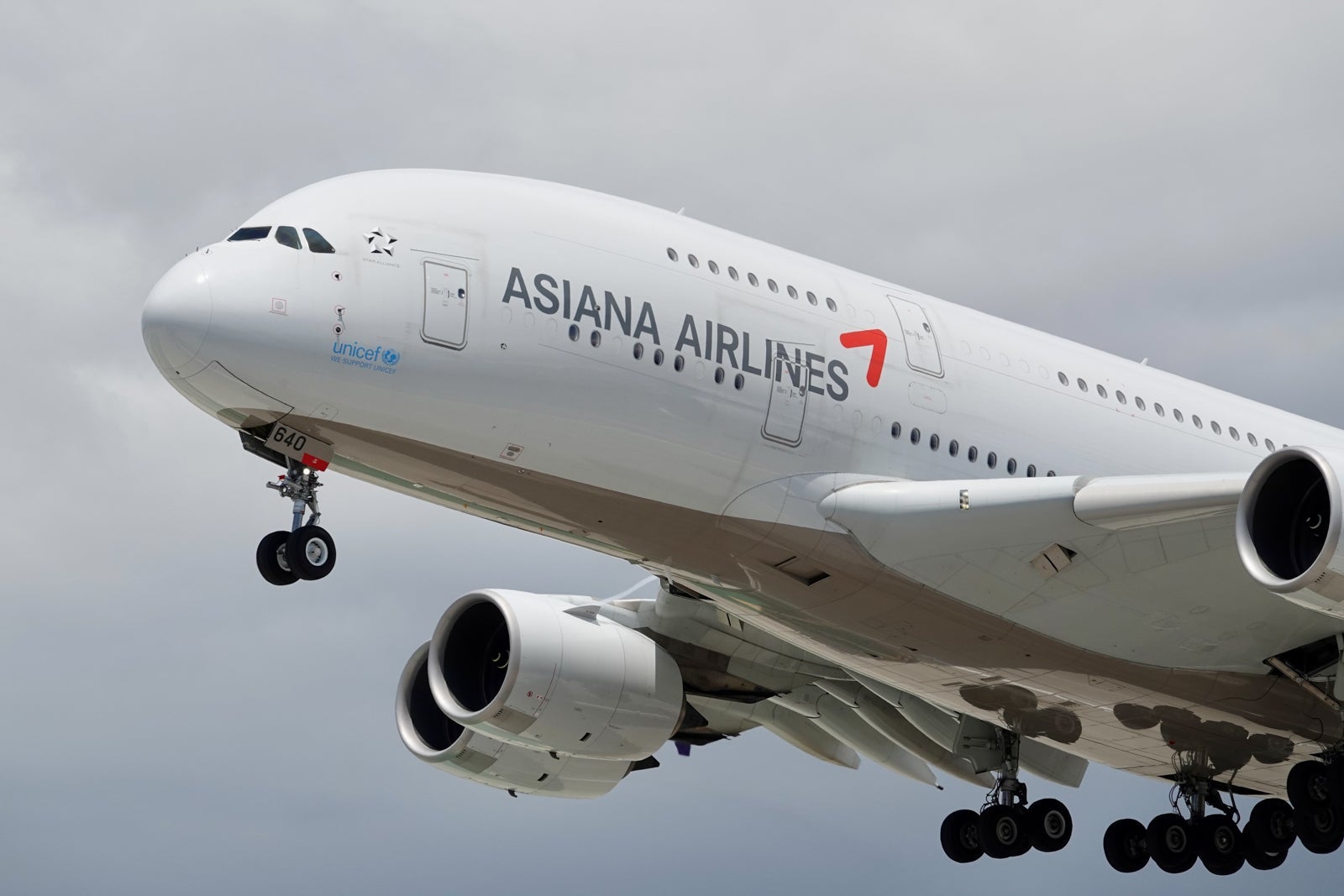
I initially qualified by crediting three tickets to Asiana across my 24-month qualification period: a business-class ANA flight from Vancouver to Sydney and two Air Canada round-trip economy flights to China. These three tickets earned me the 40,000 flight miles — awarded based on the airline, fare class and flight distance — I needed for Asiana Club Diamond. But, considering how some of these flights were in December 2017 and others were in January 2018, I wouldn’t have even earned United Silver status in either year if I’d credited these flights to United, since United’s qualifying year aligns to the calendar year.
In short, the same flying that wouldn’t have earned me United status qualified me for Star Alliance Gold through Asiana.
Plus, I only need 30,000 flight miles every 24 months to requalify for Asiana Club Diamond — so it’s been easy to requalify by crediting one or two long-haul premium economy round-trips on a partner airline and a handful of short-haul Star Alliance flights over the course of 24 months. In comparison, I’d likely earn at most United Silver (which I already have through Marriott’s partnership with United) if I credited these flights to United.
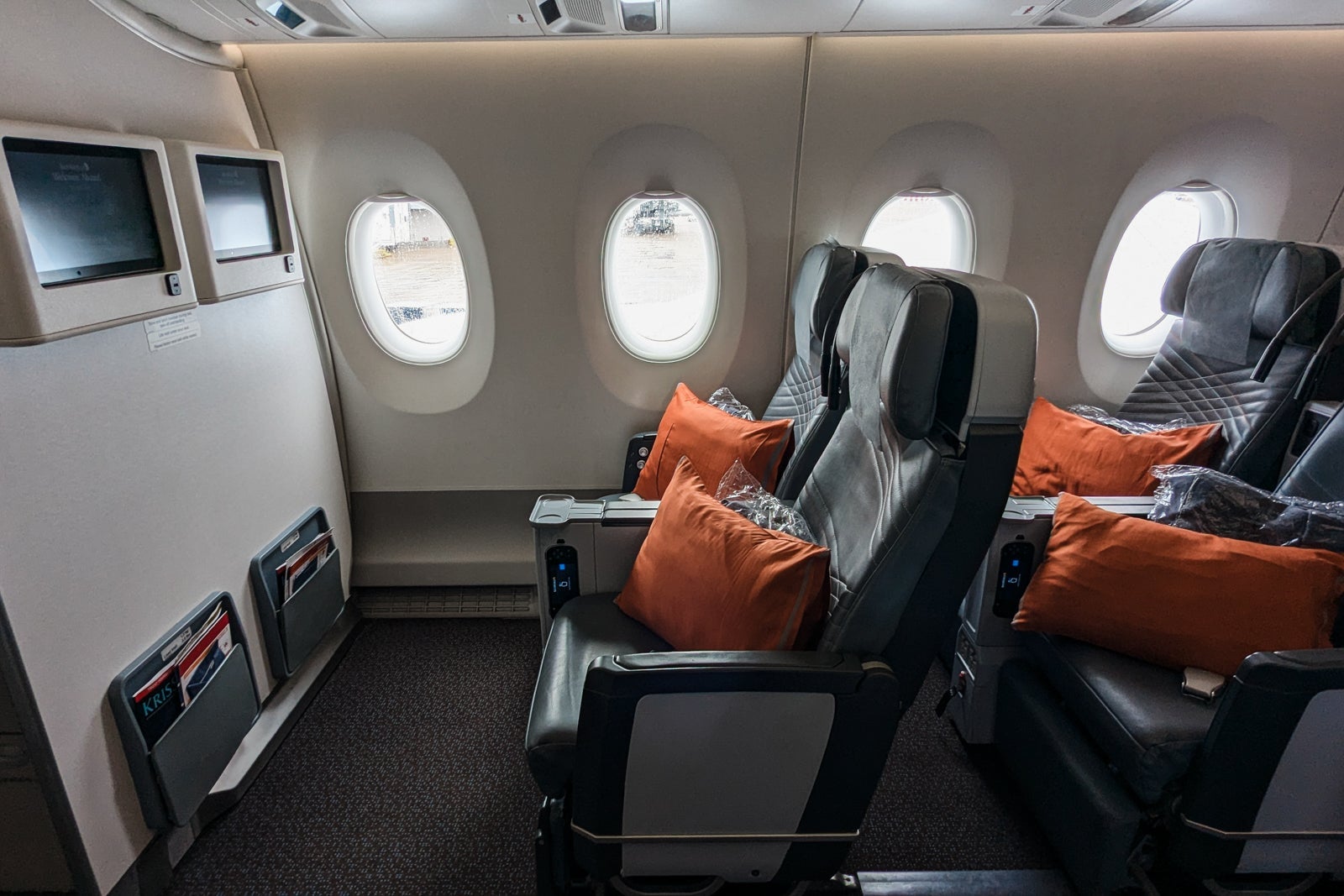
I still hold Asiana Club Diamond status, though I’ll likely let it lapse at the end of 2026 due to the airline’s merger with Korean Air.
Oneworld: Malaysia Enrich Gold
The following year, I earned Malaysia Enrich Gold status, which comes with Oneworld Sapphire benefits.
Malaysia Airlines ran a Triple Everything promotion that let me earn Gold status after just 17 short-haul Malaysia Airlines-marketed, -operated and -ticketed segments booked during a six-day window and flown within just over a five-month window.
This promotion wasn’t useful for most U.S.-based travelers, but I had an upcoming trip to Malaysia and thought it would be fun to use it. So I booked four round-trips from Medan, Indonesia, to different Malaysian cities, each connecting in Kuala Lumpur, Malaysia, for four segments per round-trip. Plus, I booked a segment from Kuala Lumpur to Medan ahead of the four round-trips.

These 17 flights cost under $500 but got me status through March 31, 2021 — which was extended to March 31, 2022, thanks to a COVID-19 status extension. I then extended the status even longer by purchasing status-eligible miles.
However, besides the flights I needed for the Triple Everything promotion, I never credited any flights to Malaysia Enrich. Instead, I credited my Oneworld flights to American AAdvantage (where I’ve maintained at least Platinum Pro status for the past nine years) because I believe American AAdvantage is the easiest program for me to maintain top-tier Oneworld Emerald status.
But, while I didn’t credit many flights to Malaysia Enrich, I found having the status extremely useful when flying American Airlines within North America. After all, my American Airlines status doesn’t give me lounge access on flights within the U.S. But I could get lounge access even on short domestic American Airlines flights by showing my Malaysia Enrich Gold card at the lounge entrance desk. Best of all, I’d even get Flagship Lounge access as an international airline elite member flying on these routes.
Star Alliance: Turkish Miles&Smiles Elite
More recently, I status-matched my American Airlines Platinum Pro status to Turkish Miles&Smiles Elite status (which confers Star Alliance Gold status) after deciding to take on the airline’s Six Continents Challenge. I then extended this status through July 2026 by flying Turkish Airlines to six continents, and I have already met the requirements to extend it even further.
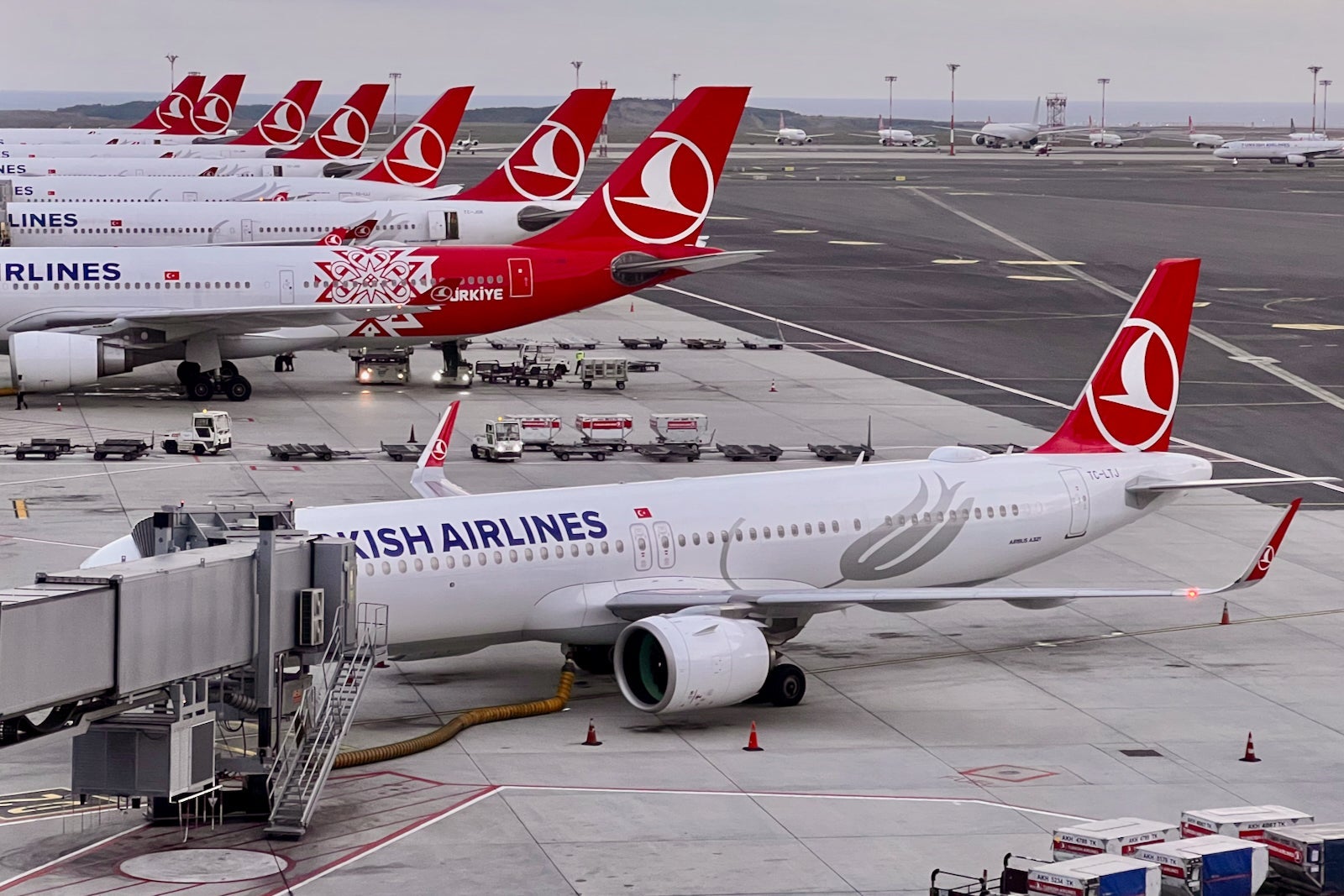
Turkish is my primary Star Alliance program, at least for now. The program awards status miles based on a mix of fare class and distance, and I’ve found it relatively easy to earn status miles on inexpensive long-haul economy flights. Plus, Turkish Airlines lets travelers who are not residents of Turkey requalify with 25,000 status miles in the first year or 37,500 status miles in the two-year membership period. So, it will be easier for me to maintain Star Alliance Gold by crediting flights to Turkish rather than United.
Related: Love it or leave it: TPG lead writer Katie Genter’s airline and hotel elite status plans for 2026
Why I like earning foreign airline status
I like earning foreign airline status for several reasons, stemming from how and where I tend to fly.
Domestic lounge access
Foreign airline elite status can unlock benefits on U.S. airlines that even U.S. elite members don’t get. Specifically, while most domestic carriers don’t offer complimentary airport lounge access to their own elite members on flights within North America, they often do offer lounge access to foreign airline elite members on such flights (even when flying in economy).

For example, when I held Oneworld Sapphire status through Malaysia Enrich, I could access Admirals Club lounges and Flagship Lounges when flying American Airlines domestically in economy. By contrast, American Airlines elite members flying in economy with the same Oneworld Sapphire status only get this lounge access when flying American Airlines flights between the U.S. and Asia, Australia, Canada, the Caribbean, Central America, Europe, Mexico, the Middle East, New Zealand and South America.
Related: 5 ways to ensure you have lounge access before your next flight
Different, and sometimes easier, qualification requirements
Many international airline loyalty programs have qualification requirements that are easier for me to meet than those of their U.S. airline partners.
I typically pay for economy or premium economy flights and redeem my frequent flyer miles for business-class travel, so I appreciate programs that let me earn elite status based on fare class and distance flown, rather than on the amount I spend.
For example, consider a round-trip premium economy flight on Singapore Airlines from New York to Singapore in the L fare class. This type of flight was one of my favorite ways to requalify for Asiana Club status, as I’d earn 100% of the flight distance and could usually find them on select dates for $1,200 or less. This means I’d earn 19,068 of the 30,000 flight miles I’d need for Diamond status (which gives Star Alliance Gold status) over a two-year qualification period on a single round-trip itinerary.
However, if I booked this flight through Singapore and credited it to United MileagePlus, I’d earn 19,068 miles but only 1,000 PQPs due to the per-flight cap on earning with non-preferred partner airlines. This is only one-tenth of the way to United Gold (the lowest United status that gives Star Alliance Gold status) if I’d hit the 30 PQFs threshold; otherwise, it’s a mere one-twelfth of the way to United Gold. Meanwhile, if I booked this round-trip $1,200 fare through United on Singapore Airlines as a general MileagePlus member, I’d earn even fewer miles and PQPs.
Likewise, while most U.S.-based loyalty programs use a calendar year or 12-month period for qualification, some international programs offer longer qualification periods that can make qualification easier if your travel is inconsistent. For example, while United MileagePlus uses a January through December qualification period and has status that expires on Jan. 31, Turkish Miles&Smiles uses a rolling 12-month period for earning status. Once you have a particular Miles&Smiles status, you keep it for two years — and can extend it by meeting the requirements in either the first year you have status or the two-year status period.
Related: How to choose an airline credit card
There are many programs to consider
Of course, every airline loyalty program is different — and what you value in an airline loyalty program may be different from what I value. But while there are only one or two North American airlines in each alliance, there are dozens of international ones.
Once I started looking beyond U.S. programs, I found I had far more options. These options gave me a much better chance of finding one that aligned with how I already travel.
When looking at a new program, consider how the flights you’d likely be crediting to it would earn. Specifically, compare whether you’d be earning the same tier of alliance status quicker or slower, and how the value of the redeemable miles you’d be earning compares. But especially if you’re leaving a program you frequently fly with (such as United MileagePlus), be sure to also consider the perks you might miss out on (such as complimentary upgrades on domestic United flights) if you switch to a partner program.
Downsides of foreign airline status
The biggest downside of foreign airline status is that I’m not a top-tier customer with the airlines in my home country. While alliance partners are required to honor certain elite benefits based on status level, those benefits are typically more limited than what an airline offers its own elite members at the same tier.
Fewer upgrades
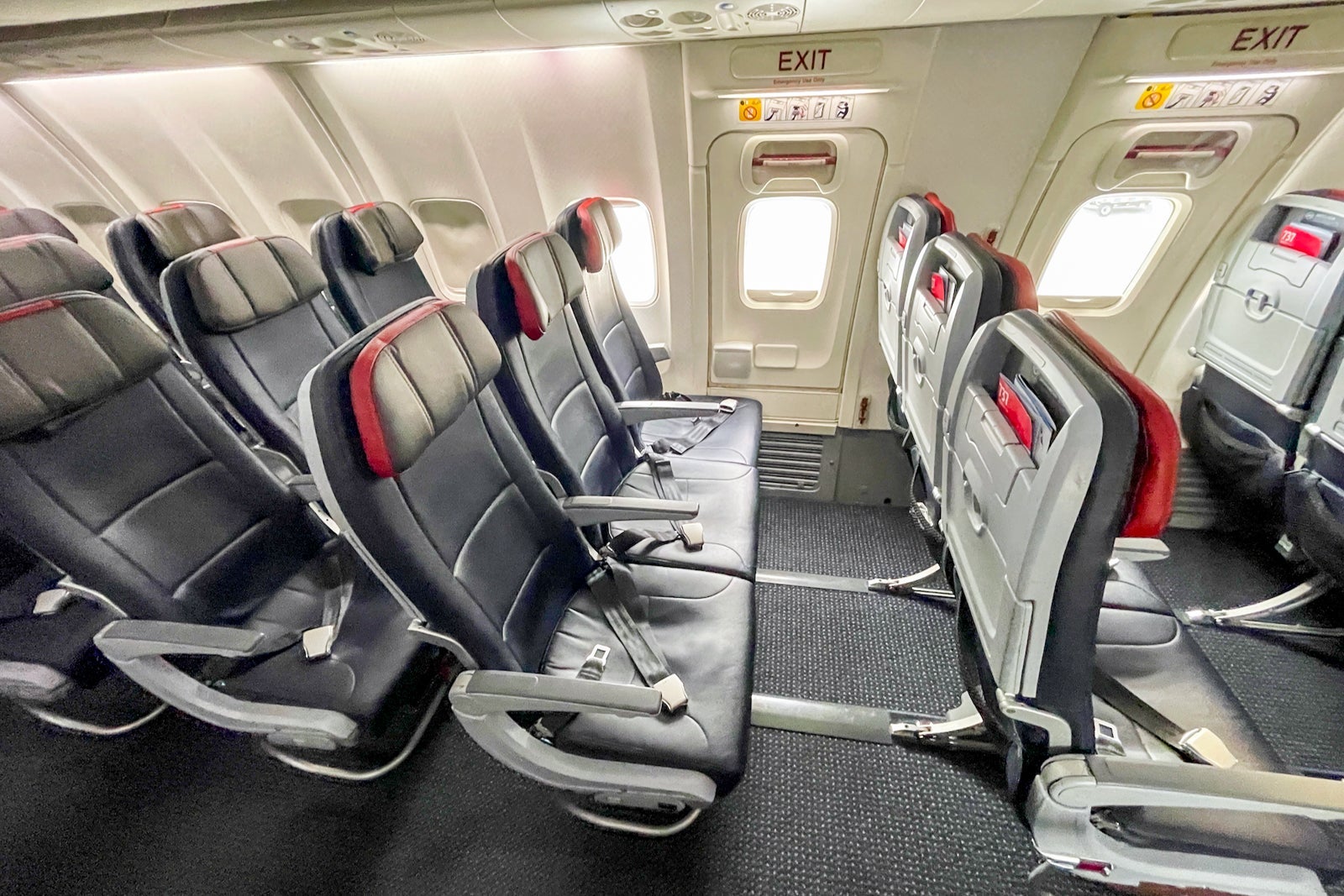
I miss out on space-available upgrades and extra-legroom seating if an airline reserves those perks for its own elite members. For example, American Airlines restricts complimentary Main Cabin Extra seating selection to American Airlines, Alaska Airlines, British Airways, Iberia, Finnair, Qatar Airways and Japan Airlines elite members. Likewise, United only offers complimentary Economy Plus seating to MileagePlus members, not to other Star Alliance elite members.
Less same-day change flexibility
I’m also often ineligible for same-day change or standby benefits, even when those options are available to an airline’s home-program elite members. For example, American Airlines lets its Executive Platinum and Platinum Pro elite members do same-day confirmed changes on paid and award tickets, and Alaska Airlines Atmos Titanium and Platinum elite members can do same-day confirmed changes on non-basic economy paid fares — but other AAdvantage members and Oneworld elite members only get access to same-day standby benefits.
It can also be more difficult to get rebooked quickly during delays or cancellations. While home-airline elite members may have special phone lines and even a rebooking process via the airline’s app or website, these options aren’t always available to travelers who booked through (or have status with) a partner airline.
No surprise and delight moments
I also miss out on some of the “surprise and delight” moments airlines may extend to their highest-tier elite members, such as special food and drink options, gate-to-gate transfers on tight connections (for you or your checked bags) and onboard greetings. These perks are usually inconsequential, but they can sometimes offer real value — especially when a gate-to-gate transfer is the only reason you or your checked bags make a connecting flight.
Limited cobranded credit cards
There are also tradeoffs when it comes to cobranded credit cards. Even if I hold elite status with a foreign airline, I often can’t access the same cobranded credit cards available to residents of that airline’s home country — which can mean missing out on extra mileage and status-earning opportunities.
For example, Malaysia Airlines Enrich has several cobranded cards that offer flight discounts and a 30% reduction in elite requirements. I haven’t specifically tried applying for these cards as a U.S. resident, but the application process makes it clear these cards are targeted at, if not restricted to, residents of Malaysia.
Related: The best credit cards to reach elite status
Who foreign airline status makes sense for, and who should skip it
Whether to go for foreign airline status isn’t a clear-cut decision for most travelers. But, going for status with a foreign airline might make sense if you:
- Travel internationally more than domestically
- Care more about lounge access than upgrades
- Often book inexpensive long-haul flights

Meanwhile, you’ll likely want to stick with a domestic airline for status if you:
- Strongly value upgrades
- Often book last-minute fares
- Fly mostly domestic short-haul flights
- Earn status easily with the flights you book
- Maximize cobranded card perks
- Are close to earning a new lifetime status tier
- Utilize region-based methods for earning rewards or status (such as Bask Bank and SimplyMiles for American AAdvantage)
Additionally, if you frequently travel with another person, it could make sense for one of you to earn high-tier status in a domestic program and the other to earn high-tier status with one of that domestic program’s partners. Doing so may let you enjoy the best of both statuses when traveling together.
For example, my husband had British Airways Gold status (which confers Oneworld Emerald status ) until recently, so we would put his British Airways number and my American AAdvantage number on flights when traveling together. By doing so on domestic American Airlines flights, he could bring me as his guest into Admirals Club and Flagship Lounges, and we’d both be listed on the complimentary upgrade list due to my Platinum Pro status.

The decision depends on the specific airline loyalty programs you’re considering, so be sure to thoroughly research the programs you’re considering before you switch.
In particular, consider the following for each program:
- Which status tier would you want to earn?
- What are the qualification requirements for this tier, and how would you meet these requirements?
- How long do you have to qualify?
- How long does the status last once you qualify?
- Are the requalification requirements or period different?
- What alliance benefits will you get?
- How does lounge access work on partner-operated flights within the U.S.?
- Are you eligible for a cobranded credit card, and can this card give you a status boost?
- How valuable are the points or miles you’d earn?
Related: Best frequent flyer programs for US travelers
Bottom line
In addition to the three foreign airline statuses I’ve earned — and the two I still hold — I’ve also held Platinum Pro status with American AAdvantage and Premier Silver status with United MileagePlus for multiple years.
So, while I currently credit most of my Star Alliance flights to Turkish Miles&Smiles, I’ll occasionally put my United MileagePlus number on United domestic flights to enjoy better seats and become eligible for space-available upgrades. Or, if I’m traveling with my husband, one of us will use our Turkish number and the other will use our United number so that we can enjoy the benefits of both statuses.
And while I certainly enjoyed having Malaysia Enrich status, I’ve opted to focus on maintaining my American AAdvantage status rather than a foreign airline’s for Oneworld flights. For me, it’s easy enough to earn the Loyalty Points I need for Platinum Pro (and the Oneworld Emerald status it confers), and I appreciate being able to earn Loyalty Points through spending on my AAdvantage credit cards.
While foreign airline status isn’t always the best option, if you’re finding that status with domestic airlines isn’t working well for you, it may be time to look into whether earning status with a foreign airline could work better.