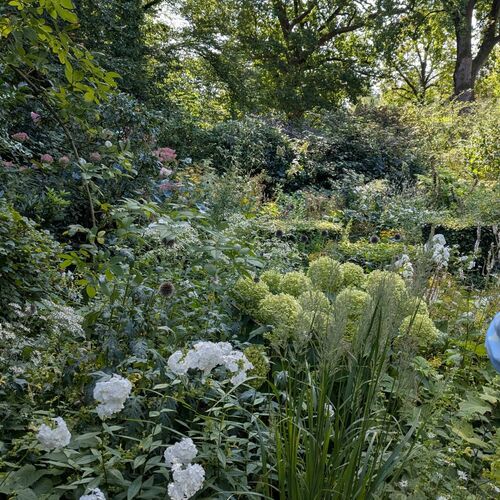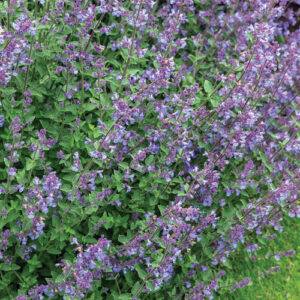




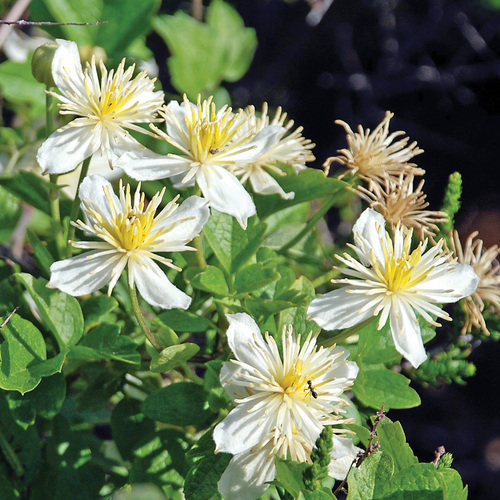
These fast-growing plants are well suited to Mountain West gardens, where quick coverage and adaptability matter. Thriving in sun to part shade, they’re dependable background plants for filling gaps and building a strong garden framework. Our expert chose each plant for regional performance.
Read More Regional Reports for the Mountain West Here
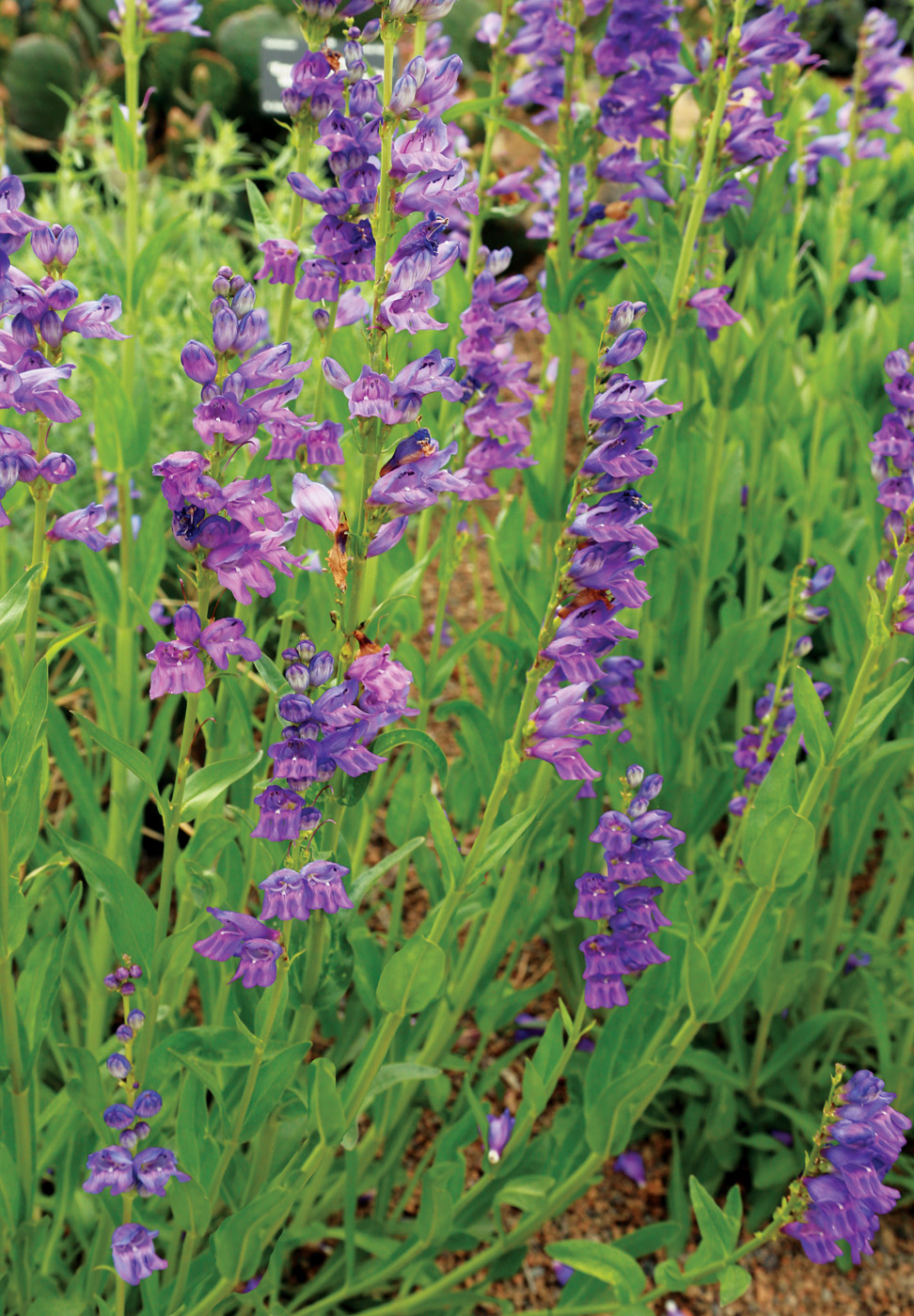
Name: Penstemon strictus
- Zones: 3–8
- Size: 1 to 3 feet tall and wide
- Conditions: Full sun; sandy to rocky, well-drained soil
- Native range: Western United States, primarily the Southern Rocky Mountains
Rocky Mountain penstemon is a native perennial that is both beautiful and water-wise, offering stunning color without demanding constant attention. Its dense spikes of tubular royal blue to purple flowers rise above a low mat of evergreen foliage for several weeks from late spring into early summer, which provides a fantastic beacon for hummingbirds and native bees.
This plant is a workhorse, naturally adapted to the challenging conditions of our region. It is also very hardy; it tolerates full sun and drought once established, and will continue to look amazing even when summer weather is hot and dry. As one of the easiest penstemons to grow, it is an excellent choice for low-water landscapes.
Western white clematis
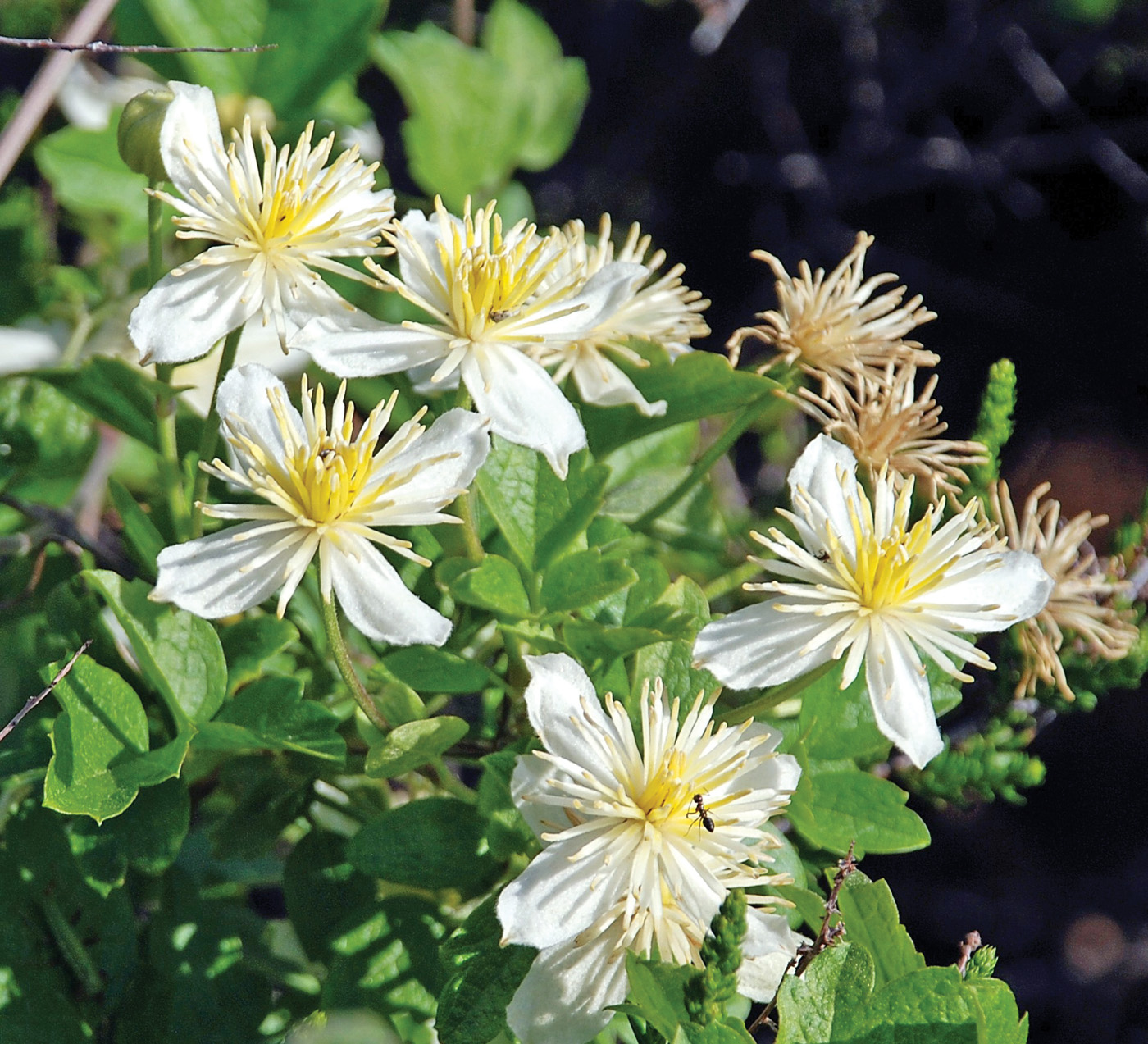
Name: Clematis ligusticifolia
- Zones: 4b–8
- Size: 10 to 30 feet tall and 3 to 10 feet wide
- Conditions: Full sun to partial shade; moist, rich soil
- Native range: Western United States
This vigorous and reliable native vine provides lush coverage that is beautiful and exceptionally tough. Its semi-woody stems will rapidly weave their way up arbors, fences, trellises, or through existing shrubbery to create a dense green screen.
Flowering season begins in midsummer, when the vine becomes blanketed in massive clusters of fragrant creamy white or pale pink flowers. The small blossoms appear in such profusion that they often cover the foliage, providing a long-lasting display that continues through the end of summer. Even as the flowers fade, the plant maintains its appeal well into fall and winter with fluffy, silvery white seed heads that inspired one of the plant’s common names, old man’s beard.
‘Panchito’ manzanita
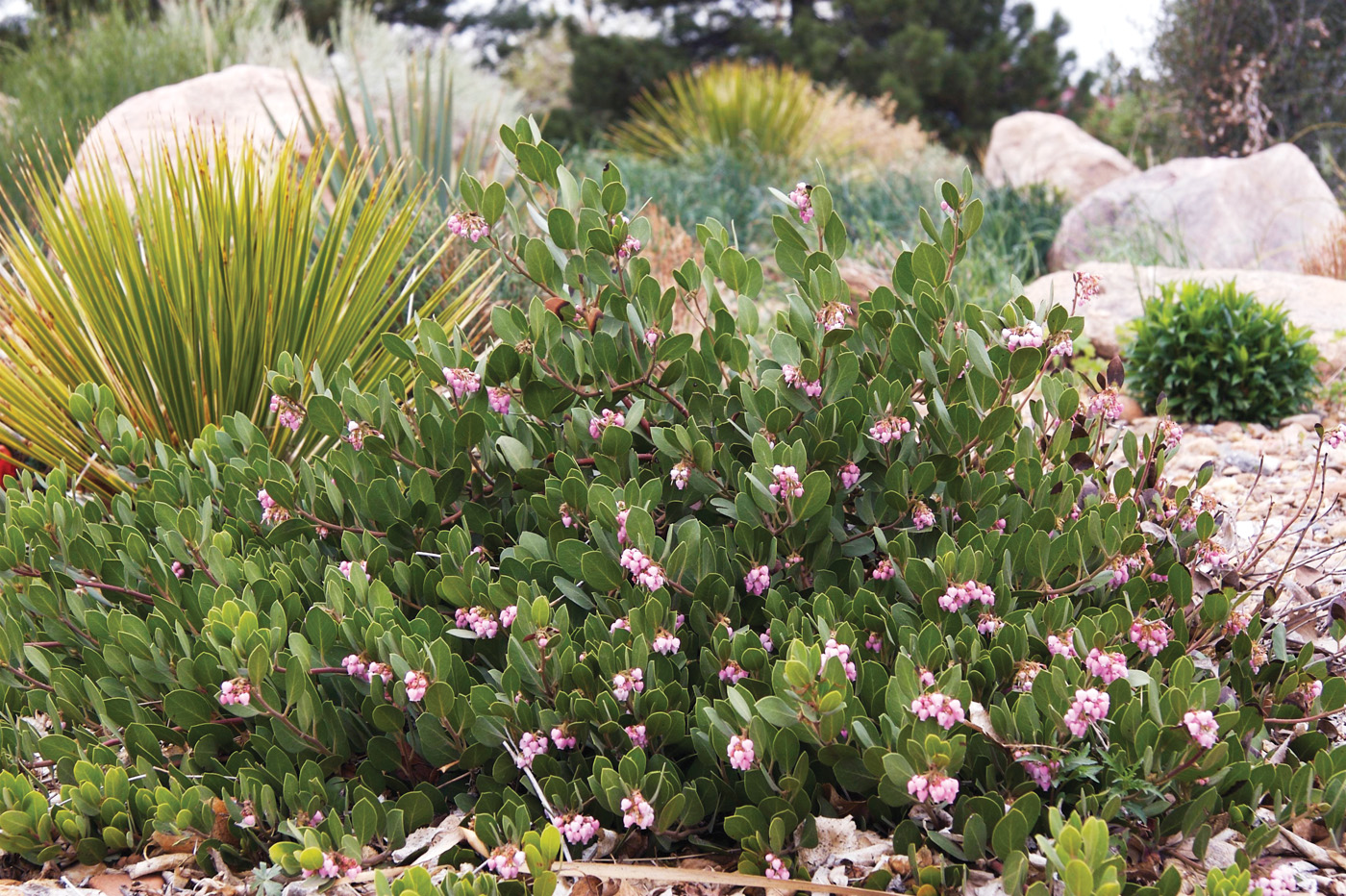
Name: Arctostaphylos × coloradensis ‘Panchito’
- Zones: 4b–8
- Size: 18 to 30 inches tall and 36 to 60 inches wide
- Conditions: Full sun to partial shade; sandy to rocky, well-drained soil
- Native range: Naturally occurring Colorado hybrid
For reliable year-round interest, this low-maintenance native broadleaf evergreen is perfect. Prized for its low, spreading habit and its ability to hold the dark green foliage through winter, it produces a generous cover of tiny, urn-shaped, rose-pink flowers in early spring, followed by small red berries in fall. Even its smooth reddish brown bark is ornamental.
‘Panchito’ is one of the easiest manzanitas to grow. An extremely hardy selection from a naturally occurring hybrid, it is well adapted to survive high-altitude conditions, heavy snow, and periods of drought once established, and will even thrive in the dry shade underneath large, established conifers.
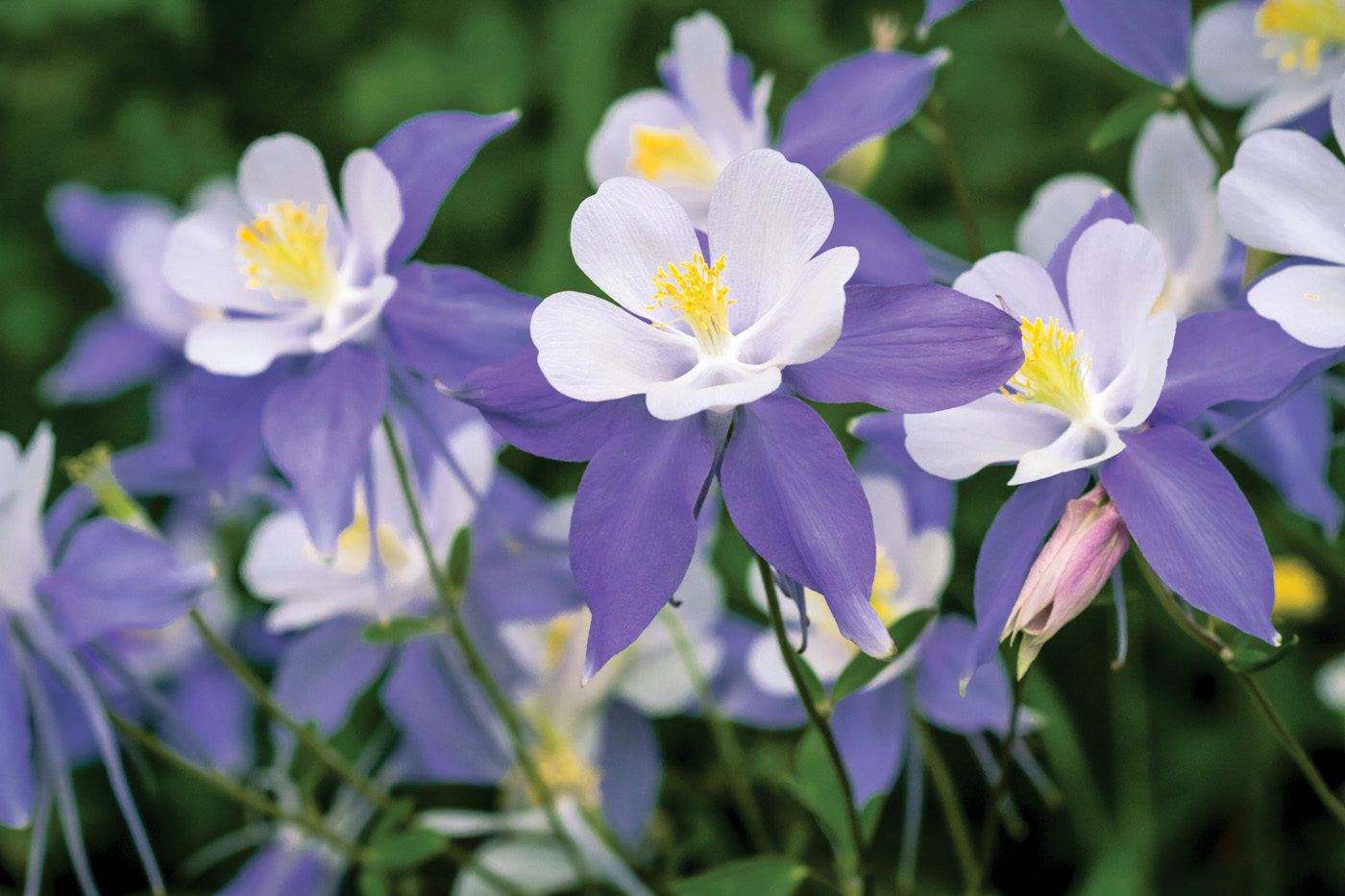
Name: Aquilegia caerulea
- Zones: 3–10
- Size: 12 to 30 inches tall and 12 to 24 inches wide
- Conditions: Full sun to partial shade; rich, moist, well-drained to rocky soil
- Native range: Western United States within the Southern Rocky Mountains
This robust and lovely native perennial combines the speedy establishment of an annual with the reliability of a hardy wildflower. It is custom-built for high-altitude Western gardens, easy to grow, and readily available in nurseries. Once established, it can tolerate full sun and even drought. Its intricate spurred blossoms emerge from late spring to early summer. They are favored by hummingbirds and typically a gorgeous bicolor combination of sky blue and white. Although a single plant may live only three to five years, prodigious self-seeding means the next generation is always ready to fill the space, resulting in an effective, long-lasting display.
Regional expert: Colin Velazquez Lee is the curator of plant collections at the Betty Ford Alpine Gardens in Vail, Colorado.
Fine Gardening Recommended Products
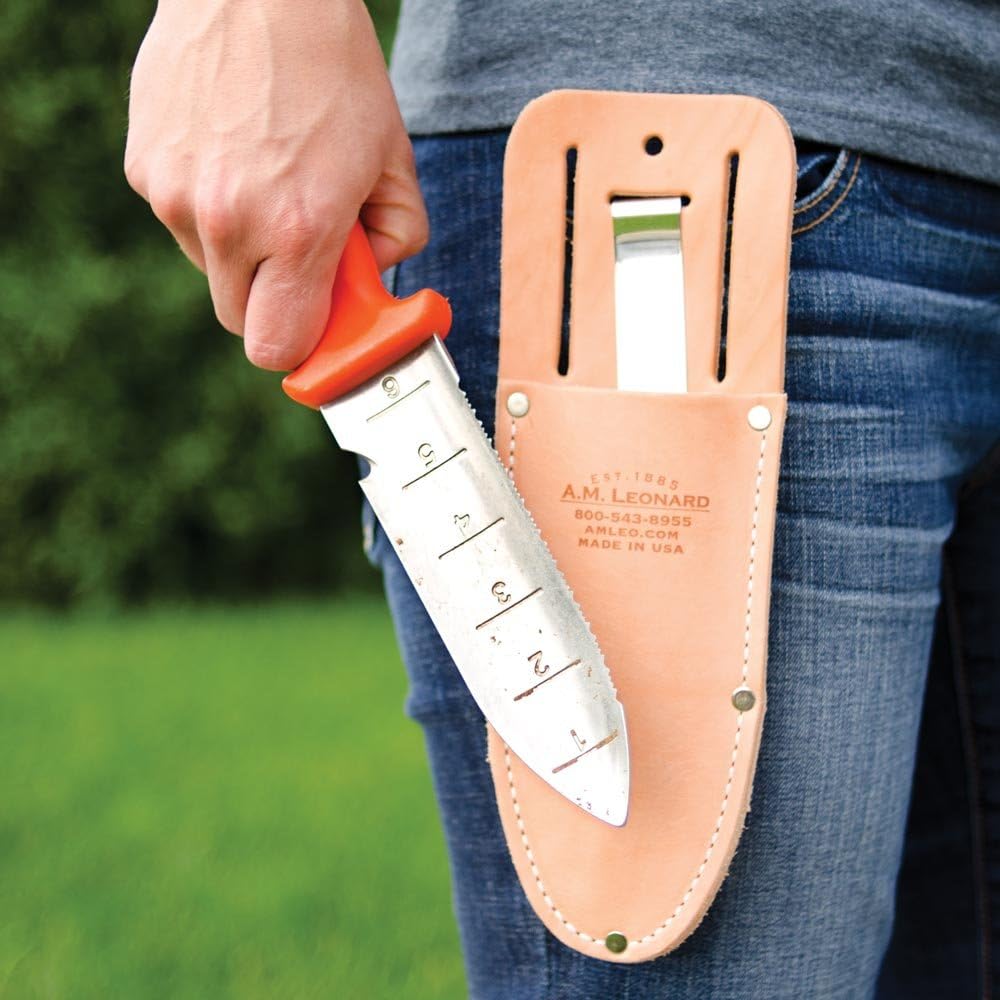
A.M. Leonard Deluxe Soil Knife & Leather Sheath Combo
Fine Gardening receives a commission for items purchased through links on this site, including Amazon Associates and other affiliate advertising programs.
MULTITASKING DUAL EDGES: a deep serrated edge and a tapered slicing edge ideal for tough or delicate cuts. DURABLE 6-inch stainless steel blade withstands 300 lbs of pressure. TWINE CUTTING NOTCH, DEPTH GAUGE MARKINGS & spear point – no need to switch tools when using this garden knife. LEATHER SHEATH: heavy duty, protective, clip on sheath to keep your knife convenient and secure. LIFETIME WARRANTY.