


Discover top fast-growing perennials and shrubs for Midwest gardens, with reliable picks for both sun and shade. Perfect for filling gaps and building structure quickly, these versatile background plants are smart, hardworking choices—each selected by our expert to thrive in your region.
Read More Regional Reports for the Midwest Here
‘Karmina’ geranium
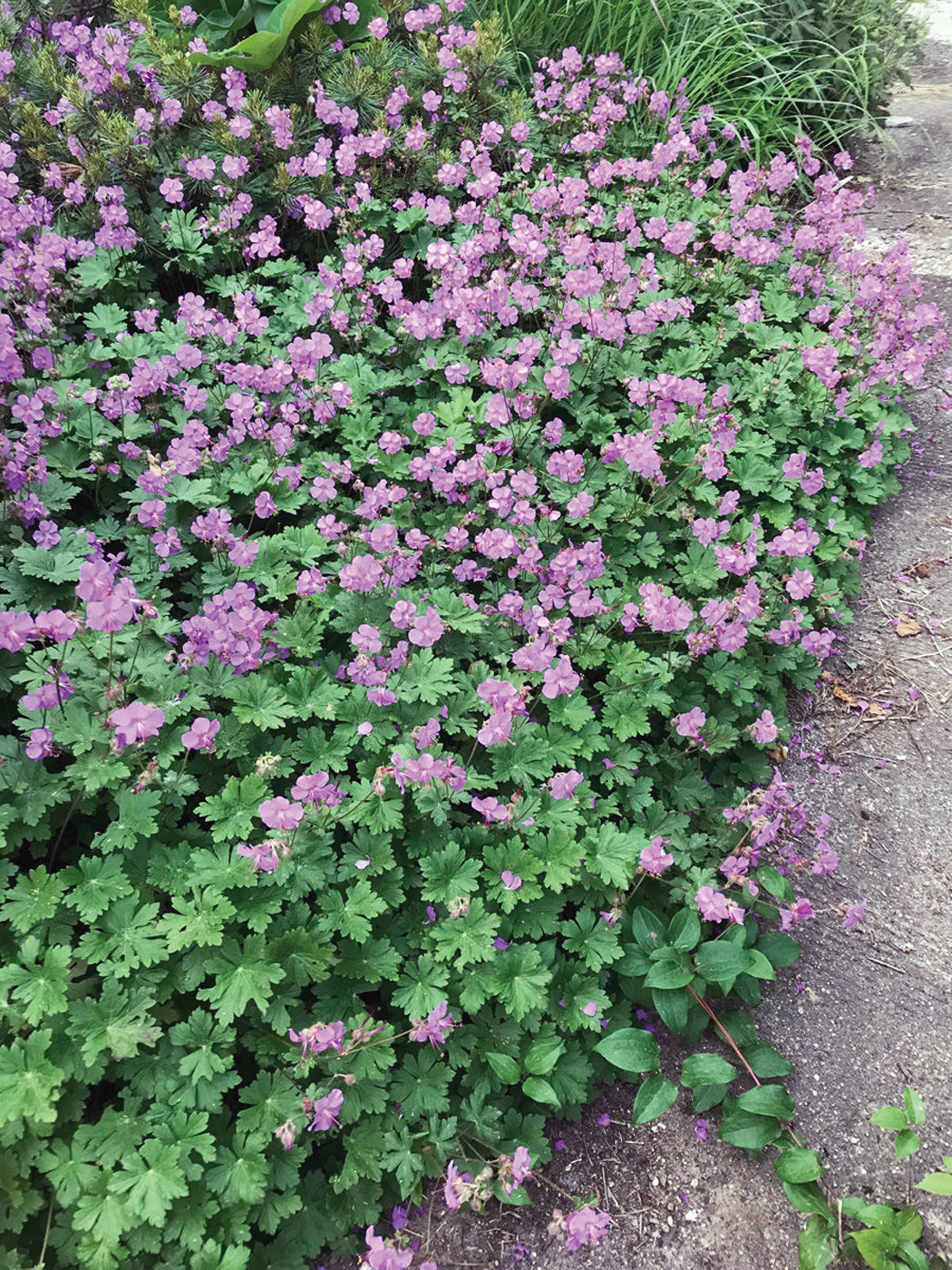
Name: Geranium × cantabrigiense ‘Karmina’
- Zones: 5–8
- Size: 6 to 12 inches tall and 12 to 24 inches wide
- Conditions: Full sun to partial shade; moderately fertile, average, well-drained soil
- Native range: Hybrid
This low-growing perennial geranium forms a short, rounded semi-evergreen mat of foliage, unlike most geraniums, which sprawl. Adorned with five-petaled flowers that begin as dark red buds and open to lilac-pink, it blooms profusely from late spring to midsummer. The leaves are fragrant, taking on the color of crimson in fall as temperatures begin to drop.
These characteristics make it a choice selection for ground cover plantings, underplantings, or edging. ‘Karmina’ requires only a light shearing to clean up its surface after a flush of blooms. Resistant to both diseases and pests, this perennial is one to try.
Kodiak® Orange diervilla
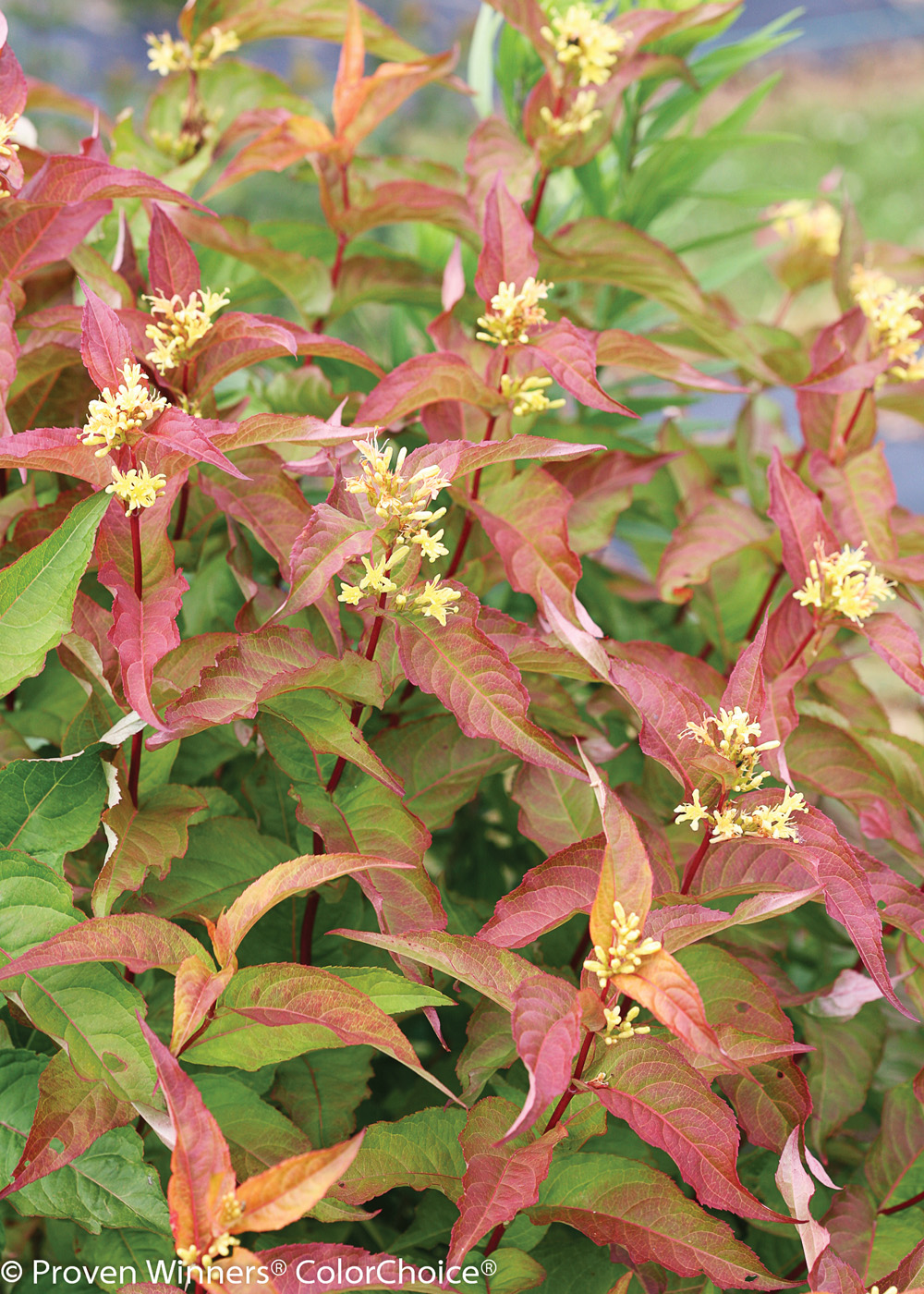
Name: Diervilla × splendens ‘G2X88544’
- Zones: 4–7
- Size: 3 to 4 feet tall and wide
- Conditions: Full sun to full shade; medium to dry, well-drained soil
- Native range: Hybrid of North American species
One of the few shrubs with foliage that emerges orange in spring, turns green, and then burns an even brighter orange in fall, this hybrid of native Diervilla species is truly unique. Kodiak® Orange is a sturdy shrub that makes a more sustainable alternative to burning bush (Euonymus alatus*, Zones 4–8).
Thriving in sun or shade, it does well in most soils and is resistant to deer and drought tolerant. In summer, its yellow flowers will attract a variety of pollinators. Loose in habit, it works well in mass plantings, along the foundation of a building, or as an accent in a mixed border. I find it to be the most attractive and versatile of all the diervilla cultivars available today.
‘Kit Cat’ catmint
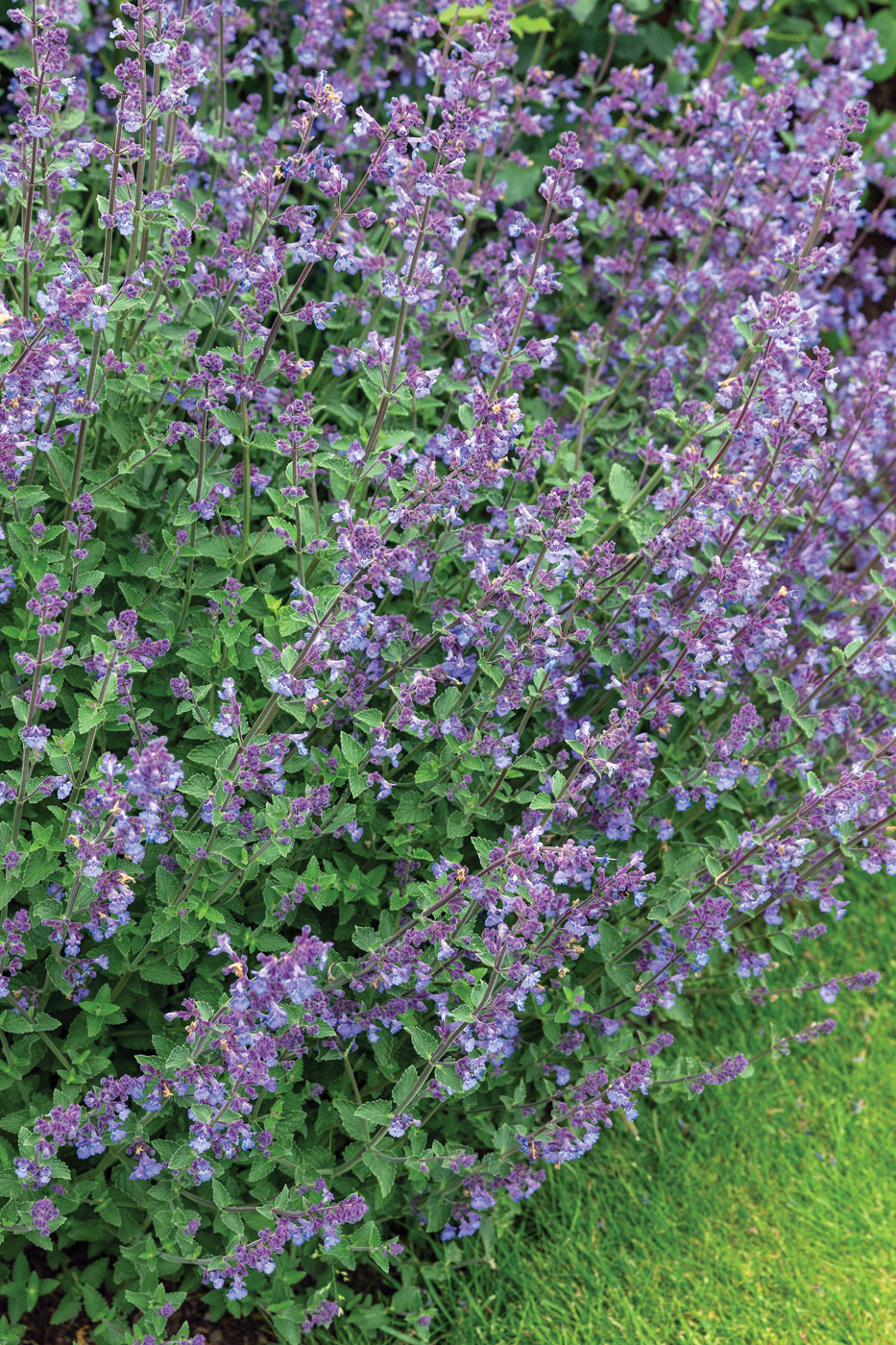
Name: Nepeta × faassenii ‘Kit Cat’ (syn. N. × faassenii ‘Kit Kat’)
- Zones: 3–8
- Size: 1 to 1½ feet tall and 1½ to 2 feet wide
- Conditions: Full sun to partial shade; light, dry to medium, well-drained soil
- Native range: Hybrid
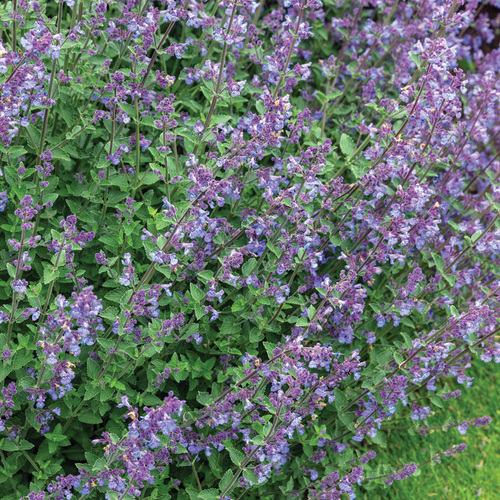
The gray-green foliage of this compact variety of catmint is not only attractive but quite fragrant when crushed. A member of the mint family, it will bloom reliably from May through September. Shearing off the spent blooms increases the emergence of new flowers.
This hardy perennial is covered in short, deep violet-blue flower spikes that attract bees, butterflies, and hummingbirds. Resistant to deer, it is a wonderful addition to the front of a landscape bed or the edge of a pathway. It’s also adaptable to growing in containers and looks best along the rim, where it can cascade and soften the edge.
‘Autumn Amber’ three-leaf sumac
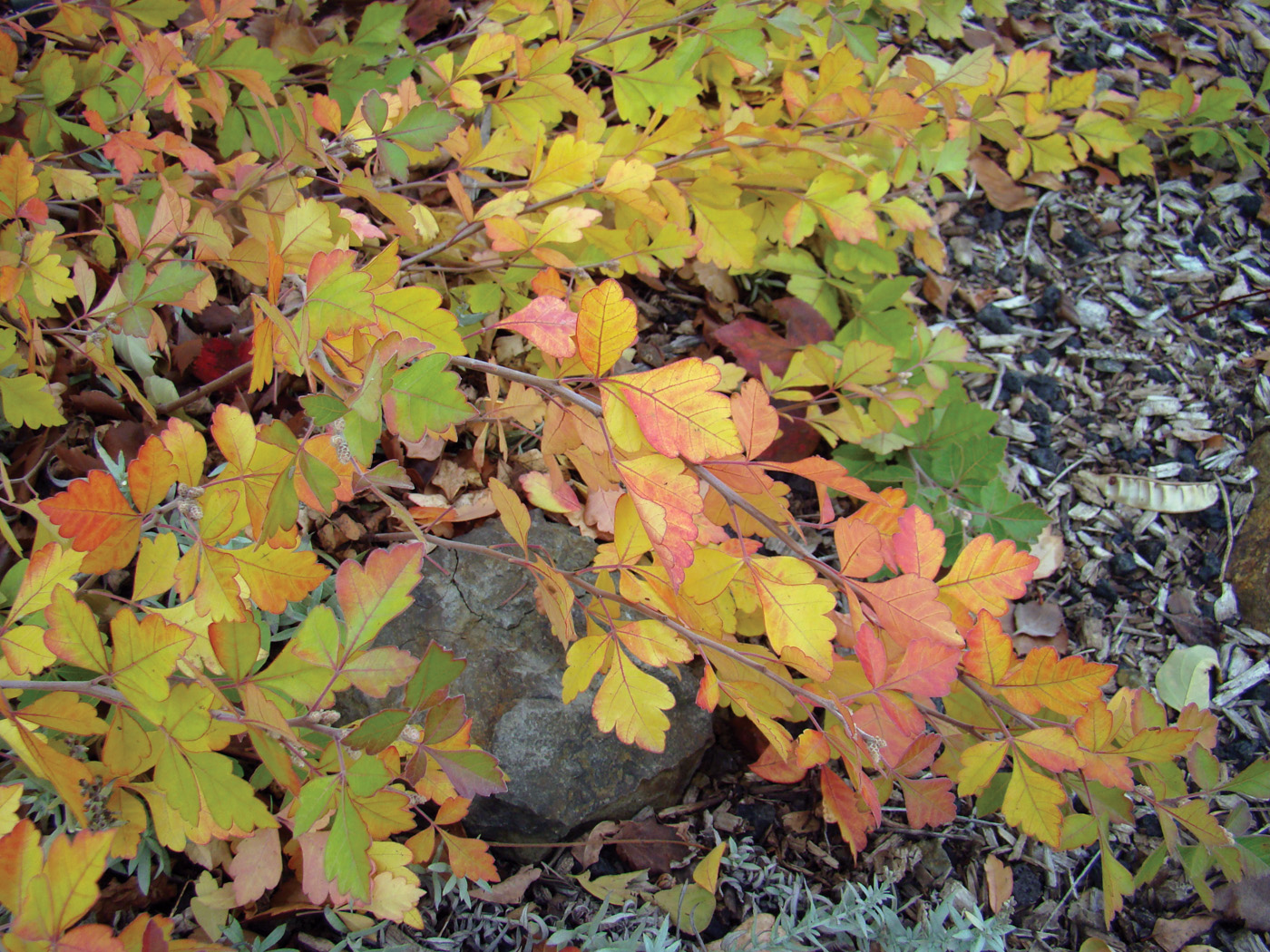
Name: Rhus trilobata ‘Autumn Amber’
- Zones: 4–8
- Size: 10 to 14 inches tall and 72 to 96 inches wide
- Conditions: Full sun to full shade; average to dry, well-drained soil
- Native range: Western North America
A ground-hugging selection of the native three-leaf sumac, this shrub is the perfect plant to fill large areas you wish to spend little time managing. Native bees are drawn to the small yellow flowers in spring. Late-season berries then feed birds and small mammals, with the low branches providing habitat. Fall leaf color varies with the temperature, ranging from yellow, orange, and red. The dense branching structure of this low-spreading woody suppresses weeds as well or better than a layer of mulch. Snip the branches with pruners to control size when necessary. ‘Gro-Low’ fragrant sumac (Rhus aromatica ‘Gro-Low’, Zones 3–9) may be the better-known relative, but ‘Autumn Amber’ is the superior plant. It will grow happily in well-drained sandy, loamy, or clay soil.
Regional expert: Marti Neely, FAPLD, owns and operates Marti Neely Design and Associates in Omaha, Nebraska.
Find more plants for the Midwest:
Shade-Loving Shrubs for the Midwest
Best Long-Blooming Perennials for Sun in the Midwest
Subscribe to Fine Gardening Magazine
Fine Gardening Recommended Products
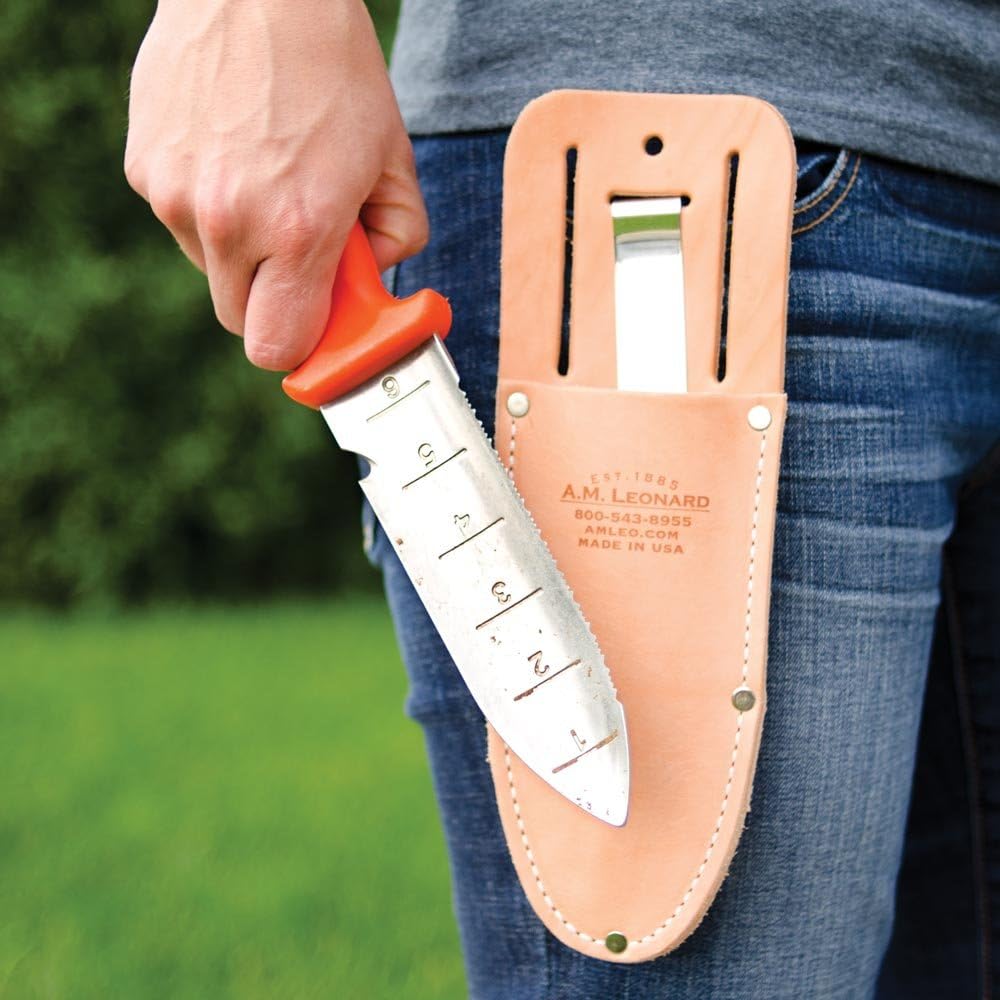
A.M. Leonard Deluxe Soil Knife & Leather Sheath Combo
Fine Gardening receives a commission for items purchased through links on this site, including Amazon Associates and other affiliate advertising programs.
MULTITASKING DUAL EDGES: a deep serrated edge and a tapered slicing edge ideal for tough or delicate cuts. DURABLE 6-inch stainless steel blade withstands 300 lbs of pressure. TWINE CUTTING NOTCH, DEPTH GAUGE MARKINGS & spear point – no need to switch tools when using this garden knife. LEATHER SHEATH: heavy duty, protective, clip on sheath to keep your knife convenient and secure. LIFETIME WARRANTY.