


Hi GPODers!
Today is my last day managing the GPOD (for now!), and I wanted to take a moment to talk about something we all know instinctively but rarely say out loud: the photos we share here—and the ones that make it into the magazine—are the best photos of those gardens. They’re the moments we or the gardeners captured when the light was perfect, the blooms behaved, and the weeds stayed out of frame. And when our editors visit gardens to shoot, they select the images that best represent the space.
Because of that—and because most of the internet works the same way—it can create the illusion that everyone has it together, that their gardens are always pristine, and that every plant thrives. Social media only amplifies that impression.
But as gardeners, we know better. If I’m being fully honest, I’ve probably failed more often than I’ve succeeded. My garden is a long story of small triumphs and many, many lessons. So today, I thought I’d share a few of those lessons with you.
The Hydrangea That Ate the House
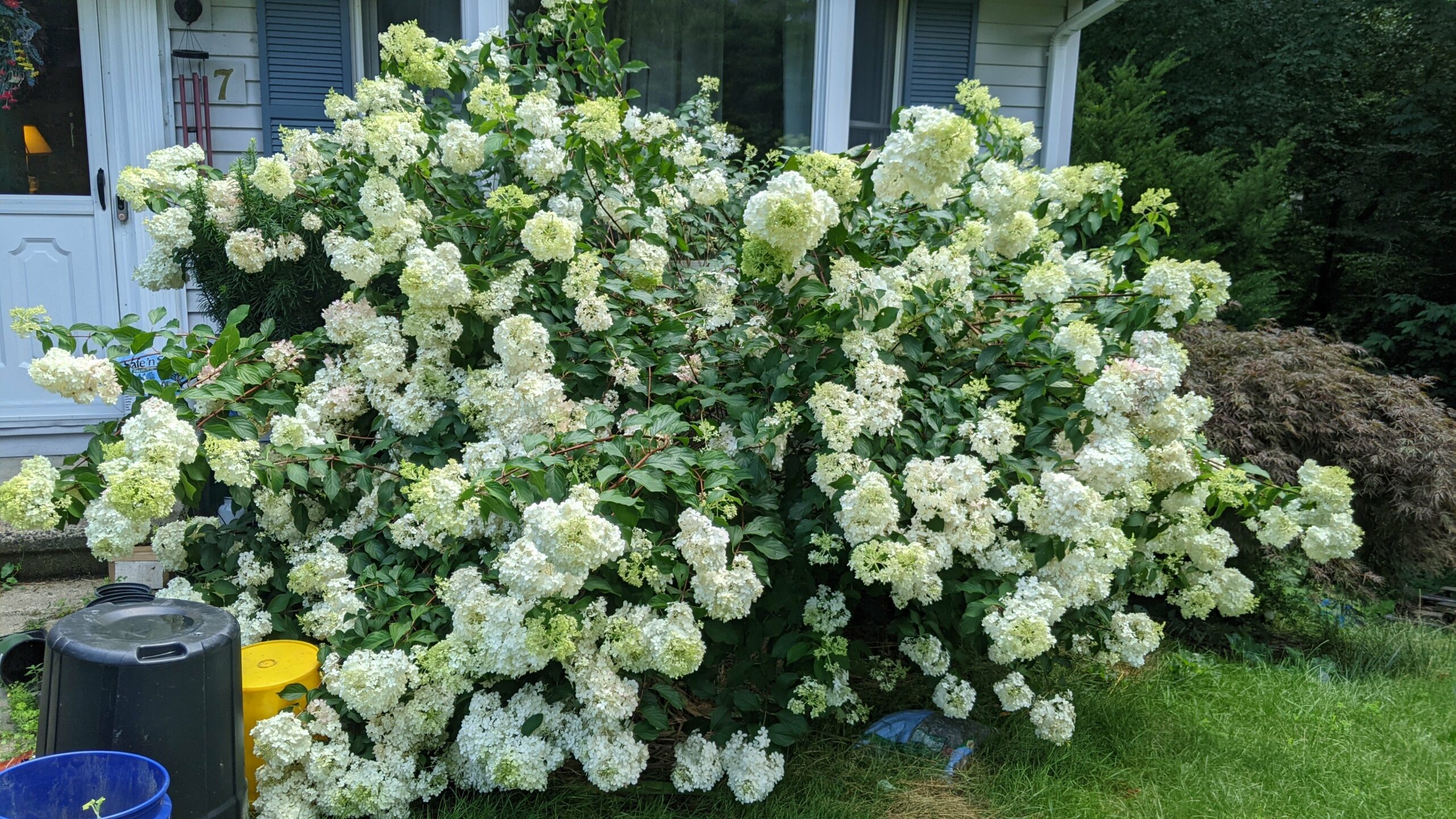
I love this hydrangea shrub (Hydrangea paniculata, Zones 3 to 9), but it is way too big for this spot. I take some comfort in knowing I wasn’t the one who planted it here, but I certainly let it grow out of bounds. Cutting it back hard—and maybe even moving it—is on the to-do list for next season.
Right Plants, Right Places and Getting It Done Already
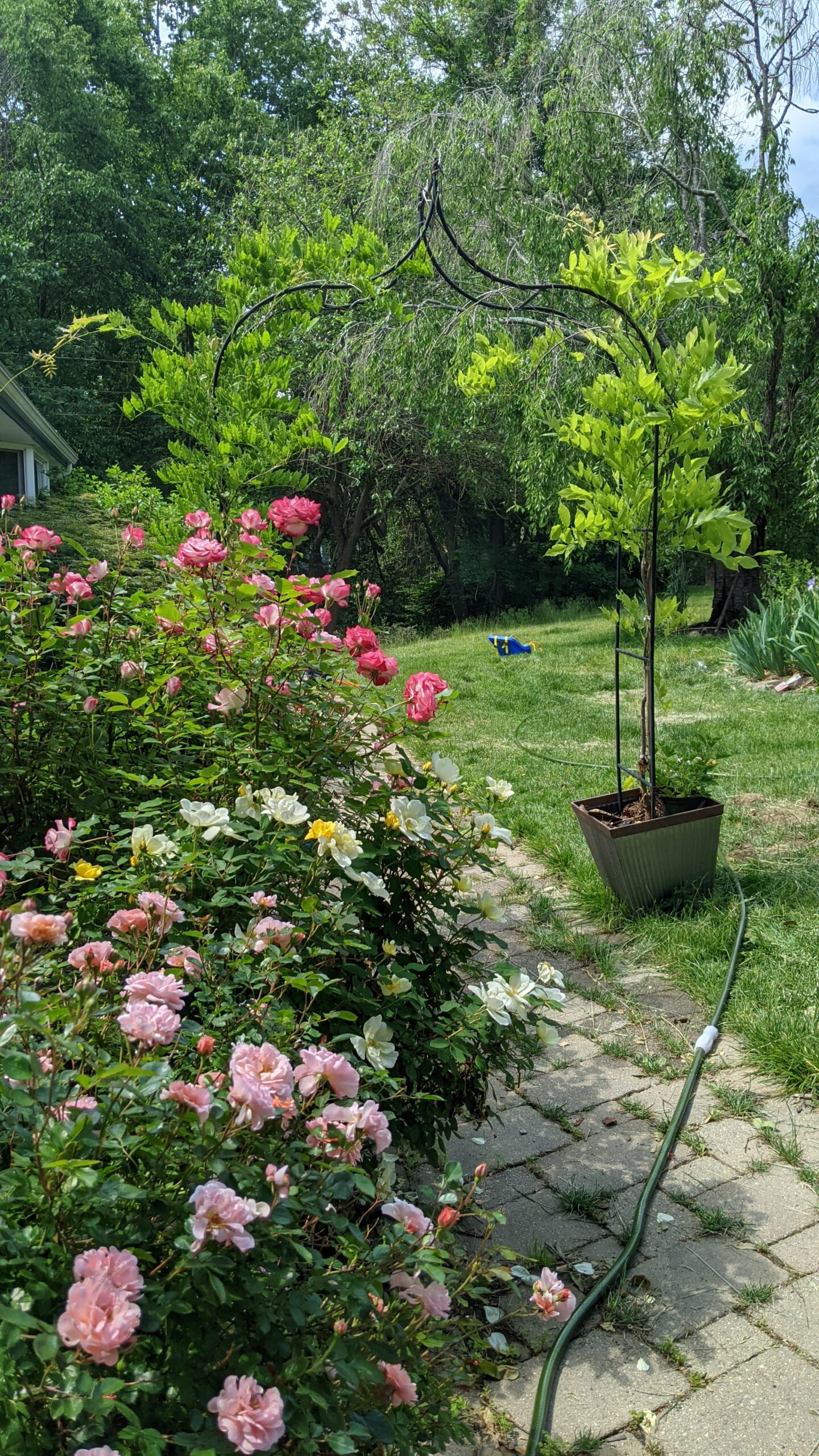
Similarly, the roses in this area desperately need a haircut and a relocation. They’re too close to the path and love snagging clothing as you walk by. They’d be much happier (and friendlier) in a spot where they can sprawl. And no, those native wisteria (Wisteria frutescens ‘Kentucky Blue’, Zones 4 to 9) in the photo still aren’t in the ground… another season later. They are struggling, and I know exactly why.
Seedlings, Baskets, and the Trouble With Too Much
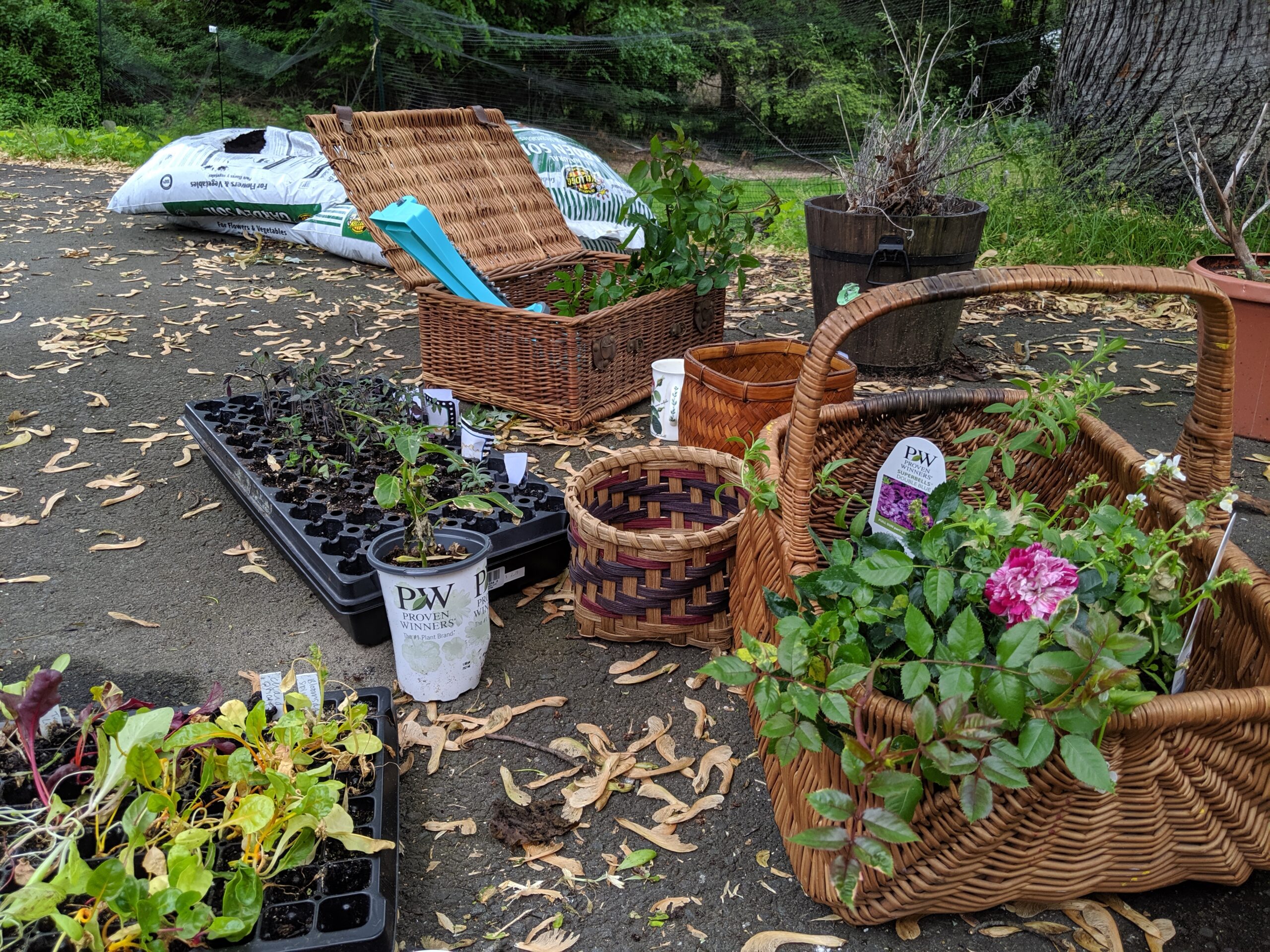
Those seedlings in the tray? They should have been transplanted ages ago. I love starting seeds, but I struggle with keeping up—and I always grow too many because I want all the plants. One of my goals is to scale back and give a few special seedlings the attention they deserve this next year.
As for those charming basket plantings: cute at first, a disaster by the end of the season. Baskets look great in theory as budget-friendly containers, but in practice, they don’t hold up. They’re far better suited for indoor use as decorative covers for real containers, especially if properly lined.
The Houseplant Problem
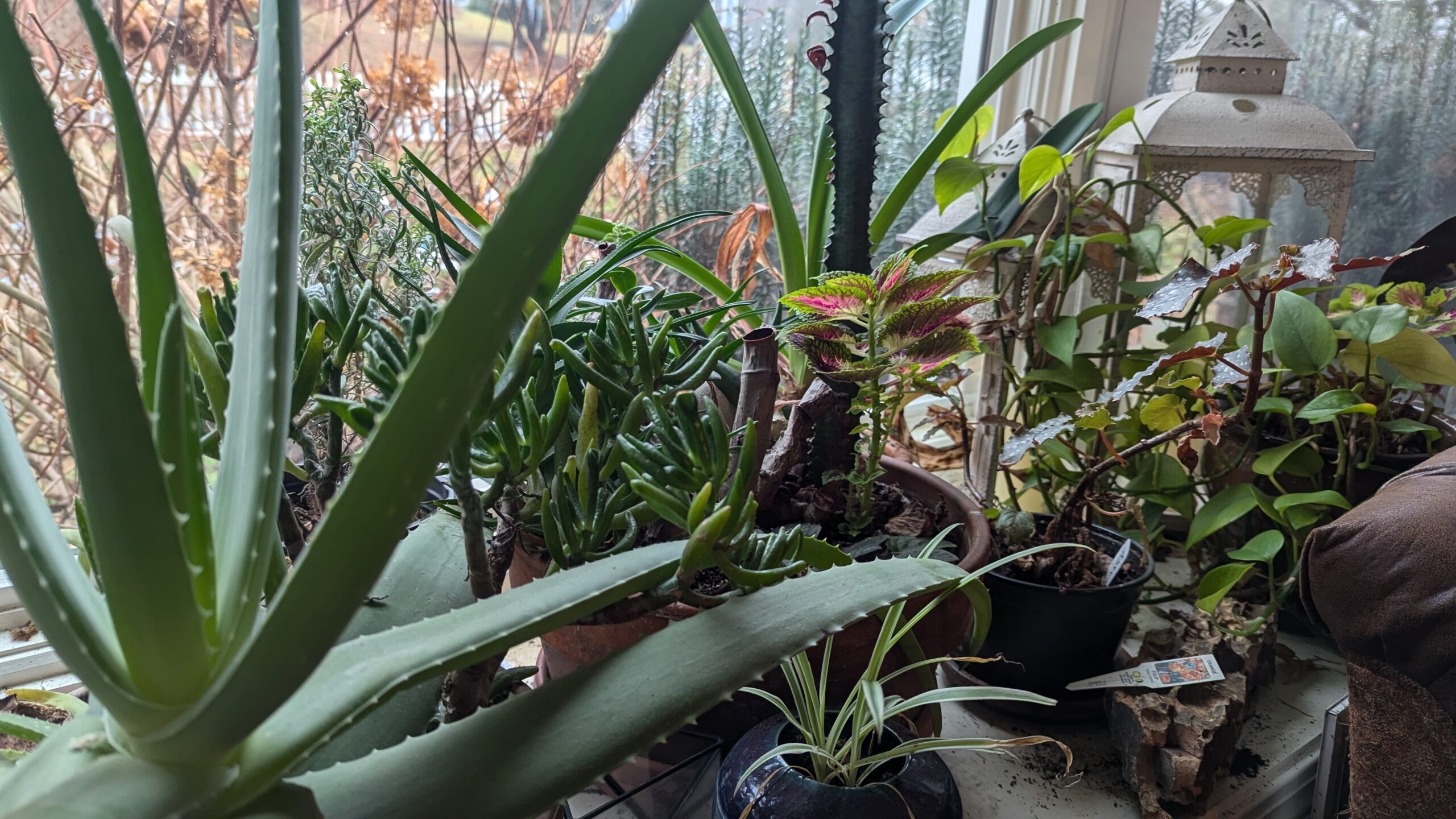
Speaking of containers… I am guilty of bringing home way too many houseplants. We don’t have a ton of window space, and what little we do have becomes a jungle every winter. It’s too much to care for, and too much to shuffle in and out with the seasons. We’ve pared down a bit, but not nearly enough. The winter sun doesn’t stand a chance. Quite a few folks will be receiving plants this holiday season.
Bearded Iris—Too Much of a Good Thing
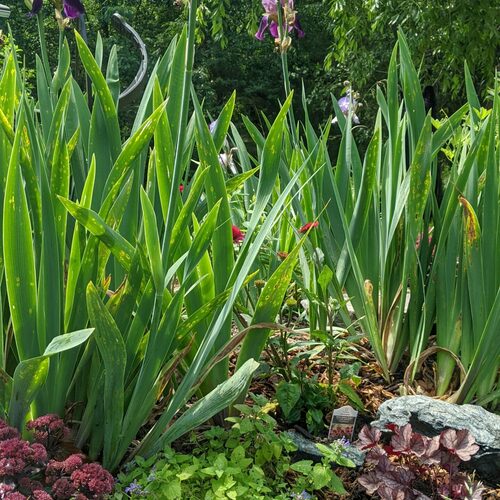
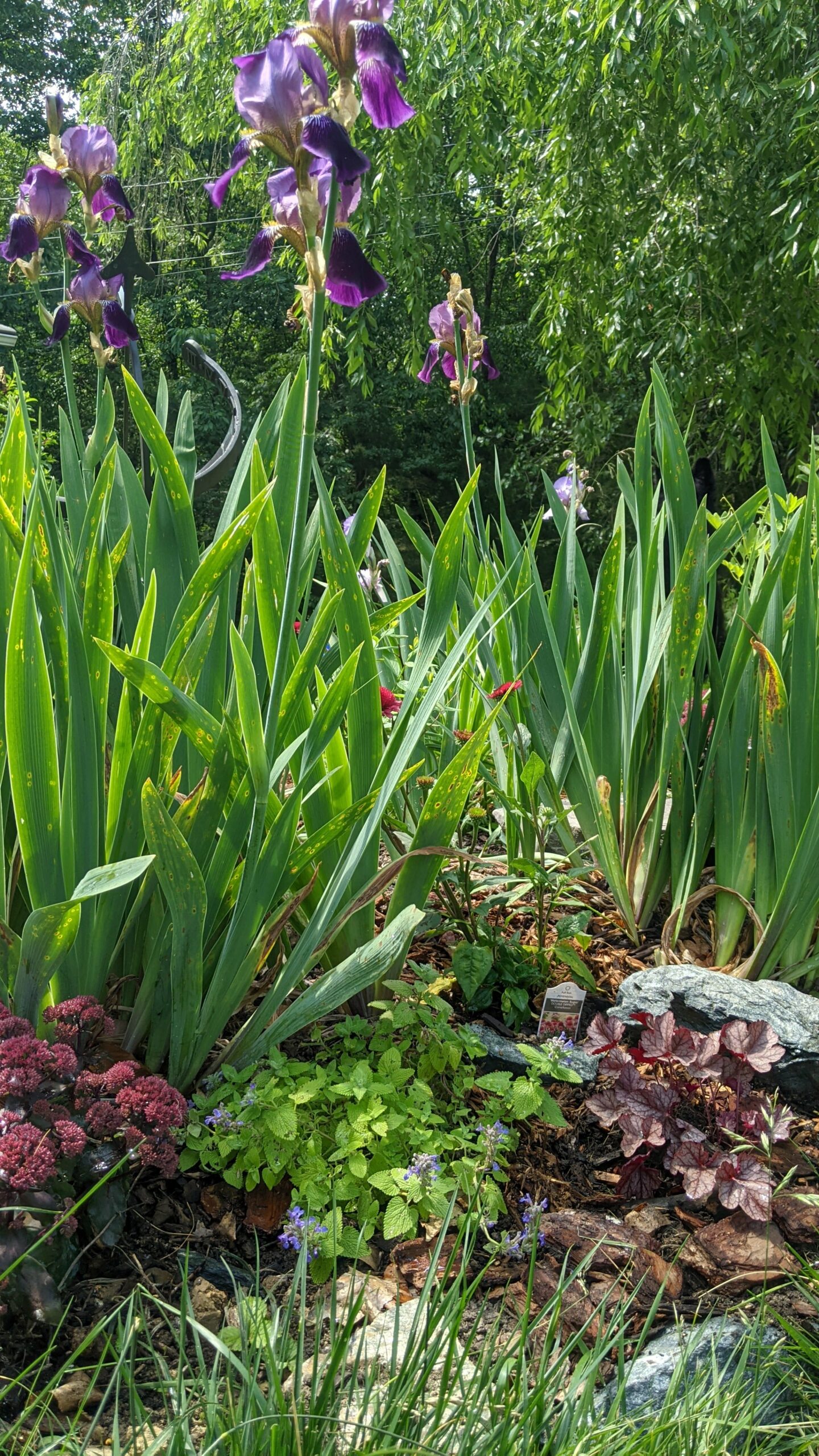
This bed started out lovely but quickly became unmanageable. I adore bearded iris (Iris × germanica, Zones 3 to 9), but they spread, and this space simply isn’t large enough. I dig up bucketfuls every year and give them away, but the truth is they just don’t belong here. Maybe this will be the year I relocate them all… maybe.
The Battle of the Edges
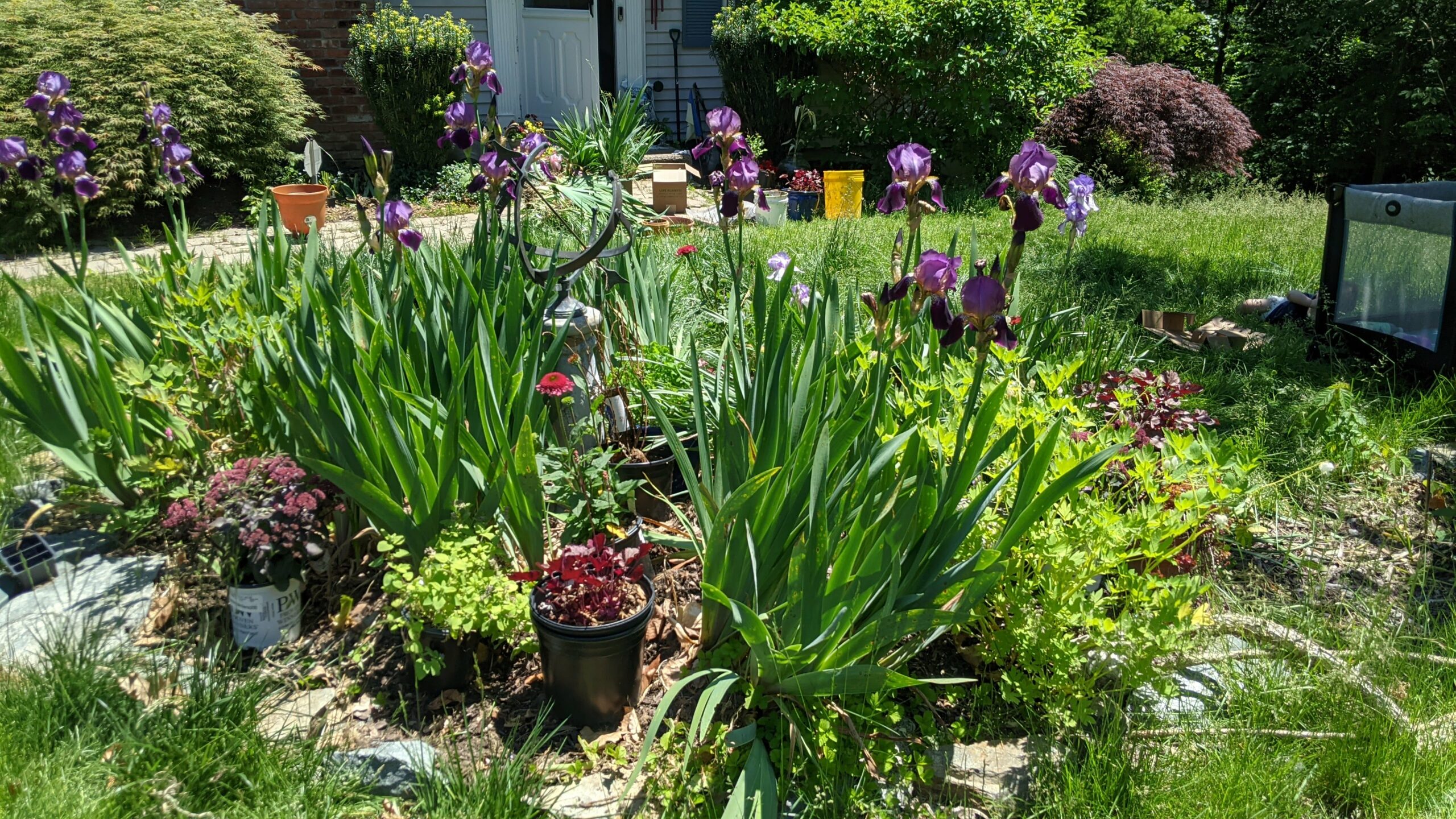
Another ongoing challenge: keeping the garden edges crisp. I stopped working with landscapers after too many newly planted perennials were accidentally weed-whacked. Determined to handle maintenance myself, I discovered it’s no small task. Things grew too big, the edges blurred, and mastering the equipment (like a weed whacker whose line seems to magically vanish) has been a comedy of errors. Having two toddlers hasn’t simplified things either, but I know they’ll be excellent garden helpers someday. This shot is from two seasons ago, and believe we when I say these plants have grown and spread. The edges are imperceivable at this point. I’m sure I’ll get to it this coming year.
The Tip of the Iceberg
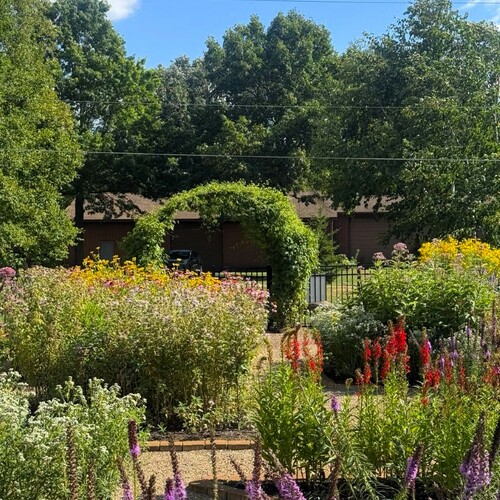
This is just the tip of the iceberg when it comes to lessons learned and struggles I’ve faced in the garden. I’ve lost countless plants along the way. I’ve started seeds that never sprouted (looking at you, lavender and echinacea), and I’ve poured time into plants only to watch them succumb to pests or disease. And that garden bed that was too small for all those bearded iris? Yes… I planted monarda there too.
If there’s one thing gardening keeps teaching me, it’s that none of us really have it “figured out.” And honestly? That’s the fun of it. Every season brings a fresh chance to try something new, laugh at what didn’t work, and celebrate the things that somehow did. So if your garden beds look a little wild, or you’ve made planting choices you now regret, welcome to the club! The “perfect garden” doesn’t exist; only the perfectly imperfect one you’re tending right now.
And you know what? We’d love to see it.
We want to see YOUR garden!
Have photos to share? We’d love to see your garden, a particular collection of plants you love, or a wonderful garden you had the chance to visit!
To submit, send 5–10 photos to [email protected] along with some information about the plants in the pictures and where you took the photos. We’d love to hear where you are located, how long you’ve been gardening, successes you are proud of, failures you learned from, hopes for the future, favorite plants, or funny stories from your garden.
Have a mobile phone? Tag your photos on Facebook, Instagram, or Twitter with #FineGardening!
Do you receive the GPOD by email yet? Sign up here
Fine Gardening Recommended Products
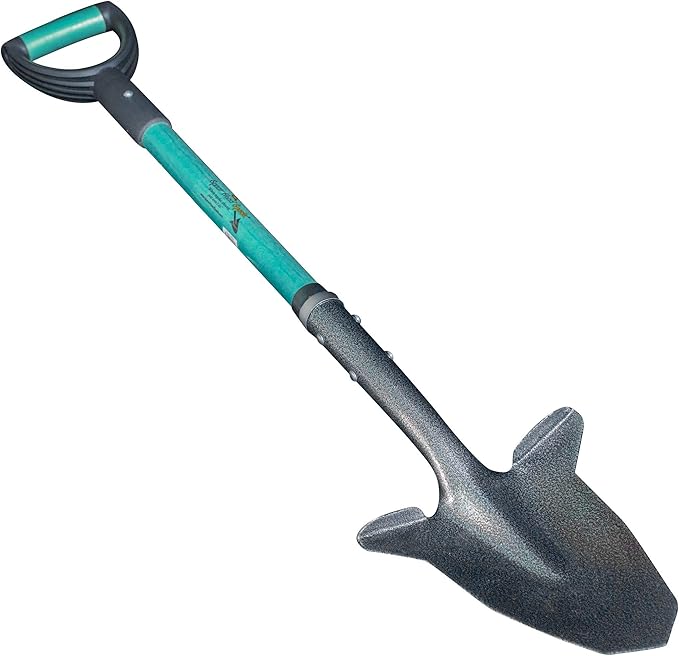
Spearhead Shade Gardening Shovel with Steel-Reinforced Fiberglass Handle
Fine Gardening receives a commission for items purchased through links on this site, including Amazon Associates and other affiliate advertising programs.
Reduce Digging Effort – The Spear Head Spade is the first hybrid shovel/spade, guaranteed to make your toughest digging up to 80% easier than regular shovels and spades, even in the toughest soil conditions. Ideal for landscaping and gardening.
Multi-Purpose Shovel – Spear Head Spade is a versatile tool that can be used for digging, planting, weeding, cutting, and edging. It is designed to handle tough soil and clay conditions, and can cut through roots and tough vegetation with ease.
Innovative Design – Has a unique blade design that makes it more efficient and easier to use than traditional spades. The blade is shaped like a spearhead, with a pointed tip and a curved edge that allows it to penetrate the soil more easily.
Ergonomic D-Handle – The large, cushioned D-grip offers comfort and better leverage for gloved and ungloved hands alike, reducing strain on the hands and wrists. Lightweight & Strong – Durable handle is made of special steel-reinforced, pultruded fiberglass to withstand heavy use. 60% stronger than EN-3388 shovel/spade standards, 33% thicker and 25% harder than normal shovels. Sharpened from tip to tail at a 35 degree angle for an effective and durable edge.
Stihl GTA 26 Wood Cutter with AS 2 Battery and Charger AL 1, Battery Operated
Fine Gardening receives a commission for items purchased through links on this site, including Amazon Associates and other affiliate advertising programs.
Package weight: 3.08 kilograms
Package size: 18.4 L x 39.2 H x 20.0 W (cm)
Colour: orange
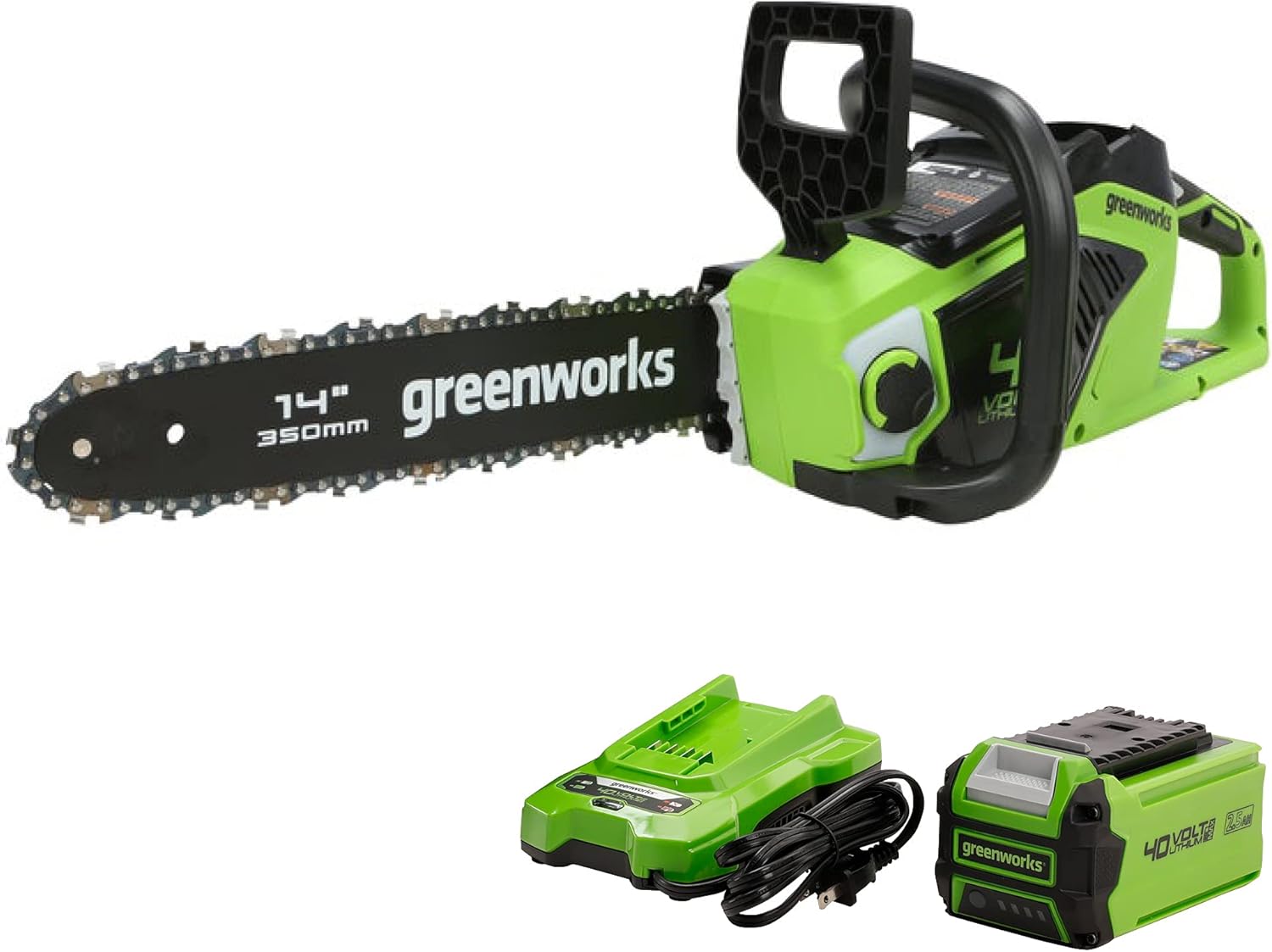
Greenworks 40V 14″ Chainsaw, 2.5Ah USB Battery and Charger Included
Fine Gardening receives a commission for items purchased through links on this site, including Amazon Associates and other affiliate advertising programs.
14” CHAIN AND BAR : great performance for tree cutting and get up to 75 cuts on 4×4 lumber on a single charge. TRUBRUSHLESS MOTOR TECHNOLOGY: 2 x more torque. Provides more power, longer runtimes, quiet operation, and extended motor life. AUTOMATIC OILER: delivers proper chain lubrication and increased productivity. EASY ADJUST TENSIONING: for easy bar and chain maintenance. EASY TO USE : push button start, no gas or fumes, no carburetor, no spark plug, and no starter rope WHAT IS INCLUDED: 40V 14-Inch chainsaw, scabbard, 2.5 Ah batteries, fast charger, operator’s manual.