

Hi GPODers,
Today I wanted to dedicate the GPOD to a type of plant we all know, love, and rely on—but often treat as “background scenery” rather than as essential players in a great landscape: trees! Gardeners can have a love/hate relationship with them. We love trees because…well, how could anyone not? But for those of us gardening under heavy shade on wooded lots, an abundance of trees can sometimes feel like both a blessing and a challenge.
One of my earliest memories is receiving a small evergreen—don’t ask me what kind—from my preschool and walking up the hill behind our house with my parents to plant it. I remember being amazed that I could plant a tree and it would simply…grow. We moved a few years later, but I often wonder whether that little tree survived and how tall it might be now, forty years on.
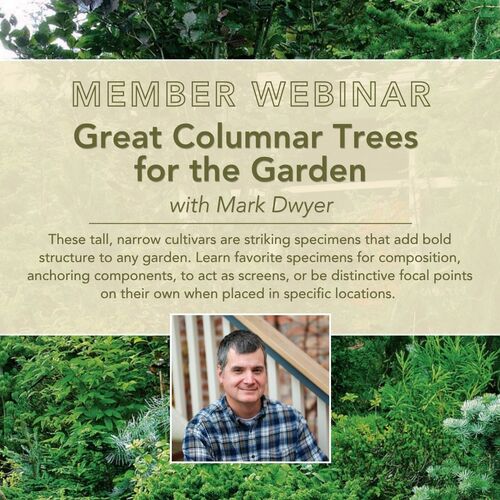
(By the way, if you’re interested in learning more about growing conifers, you’ll definitely want to sign up for the free Conifer Q&A webinar this Friday with Mark Dwyer.)
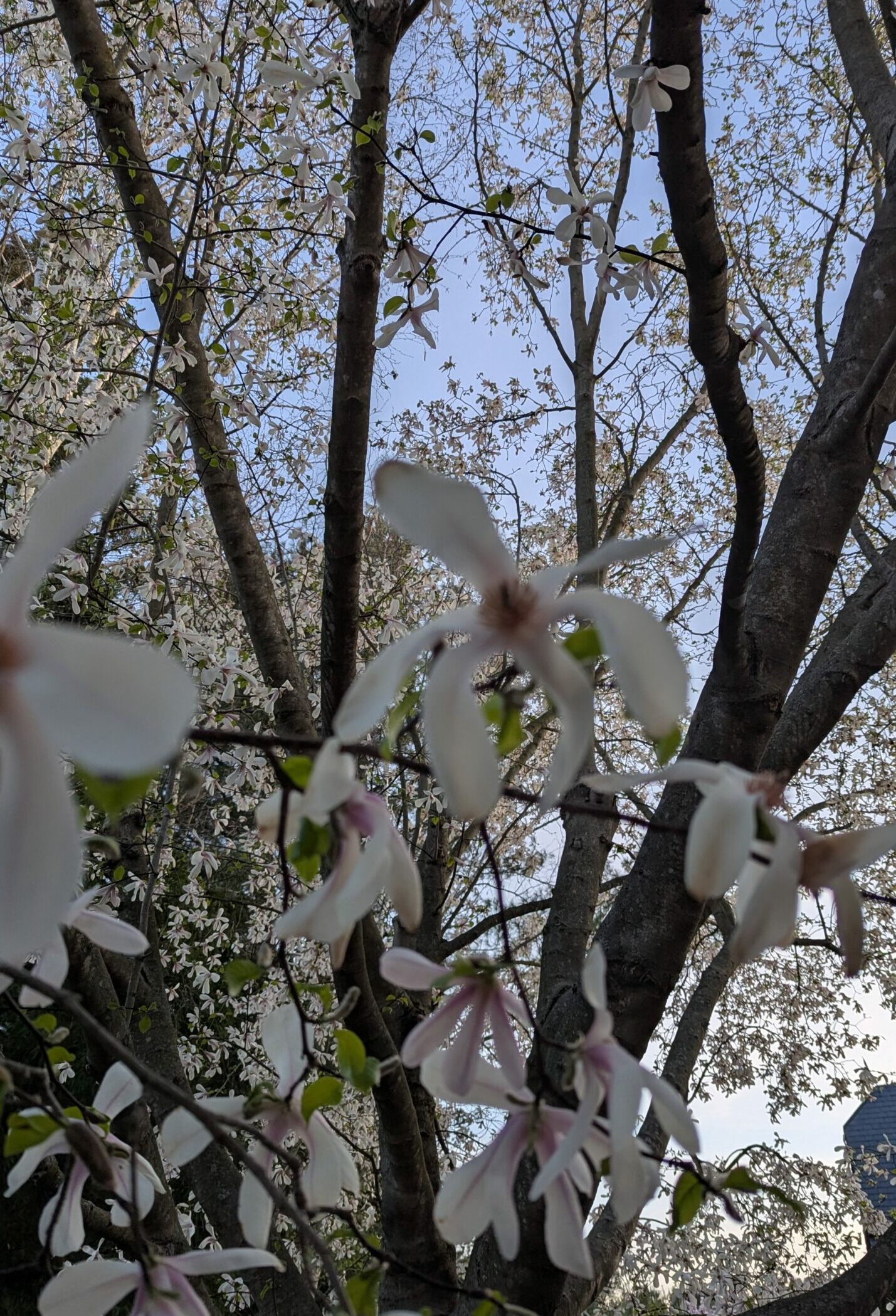
In early spring, the star magnolia (Magnolia stellata) in my parents’ backyard is always one of the first signs that warmer days are coming. Many lovely meals and long conversations have happened under its spreading branches.
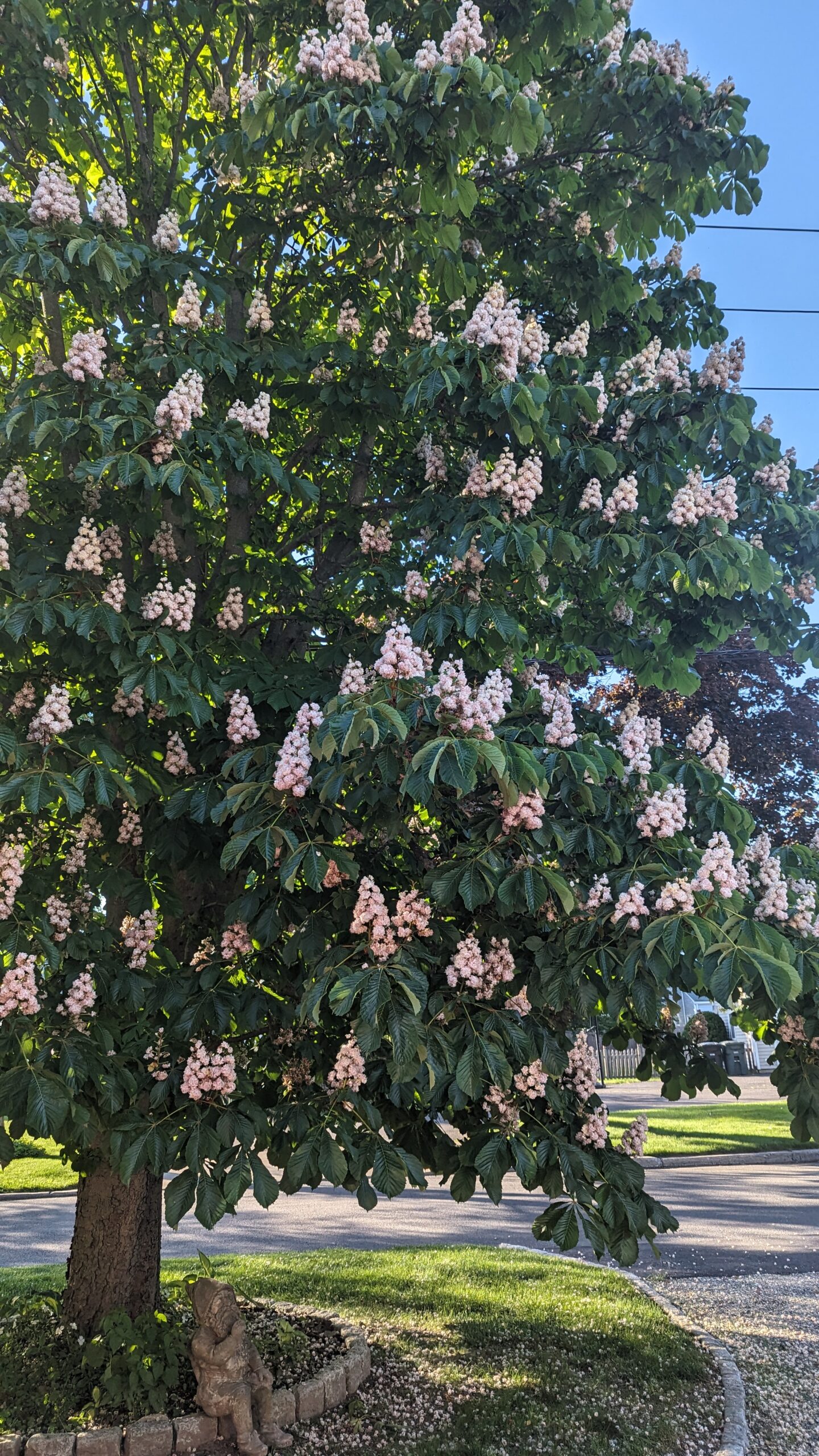
Another favorite from their yard is the horse chestnut (Aesculus hippocastanum), which flowers beautifully in late spring and sprinkles petals all over the ground. When the wind catches them and sends them swirling around the yard, it feels like a celebration of the season—springtime confetti!
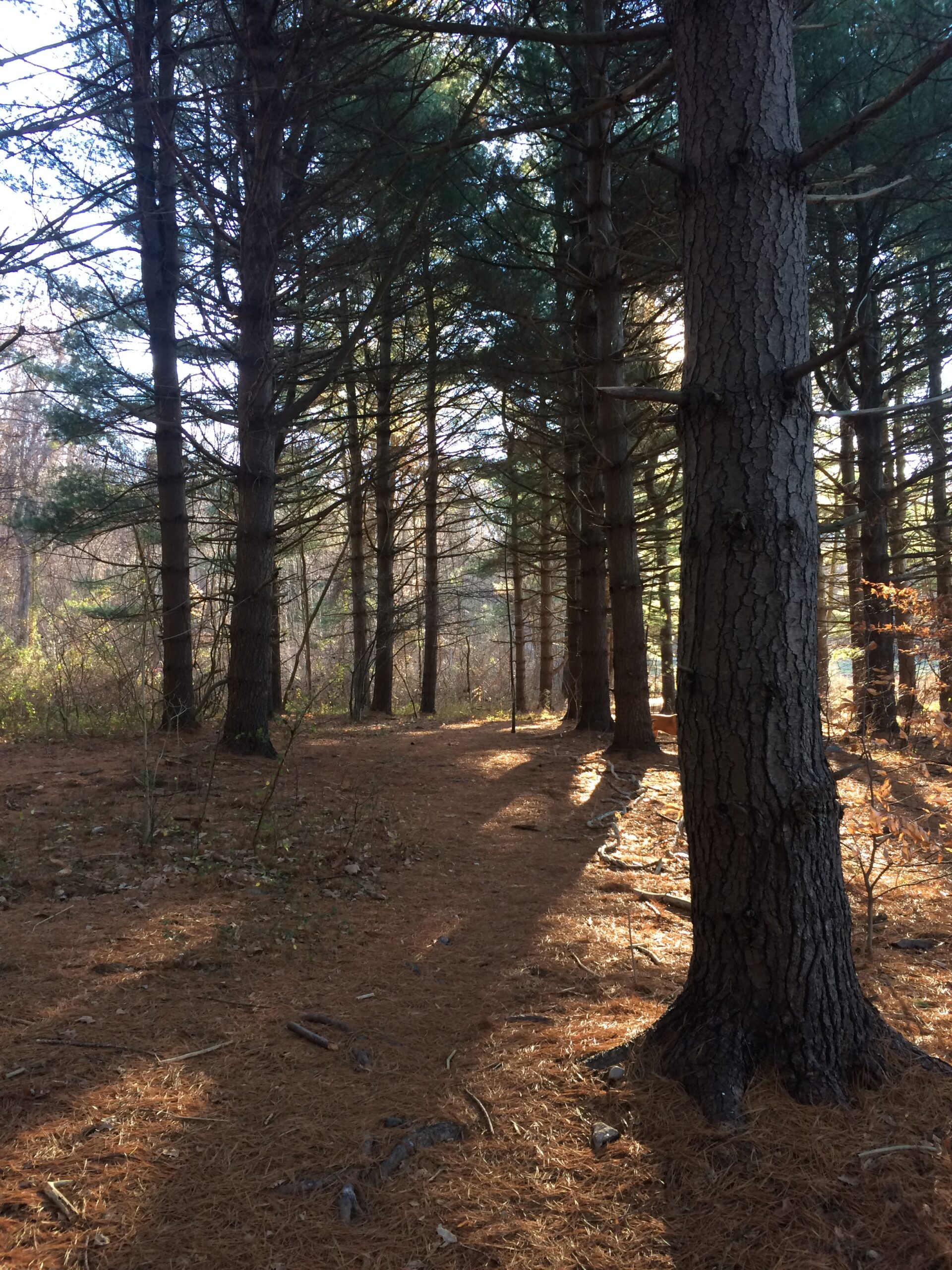
Pines (Pinus sp.) can be polarizing, I know, but there’s nothing quite as majestic—or peaceful—as a pine forest. The soft carpet of needles and the hushed quiet of that landscape make walking through it a true delight.
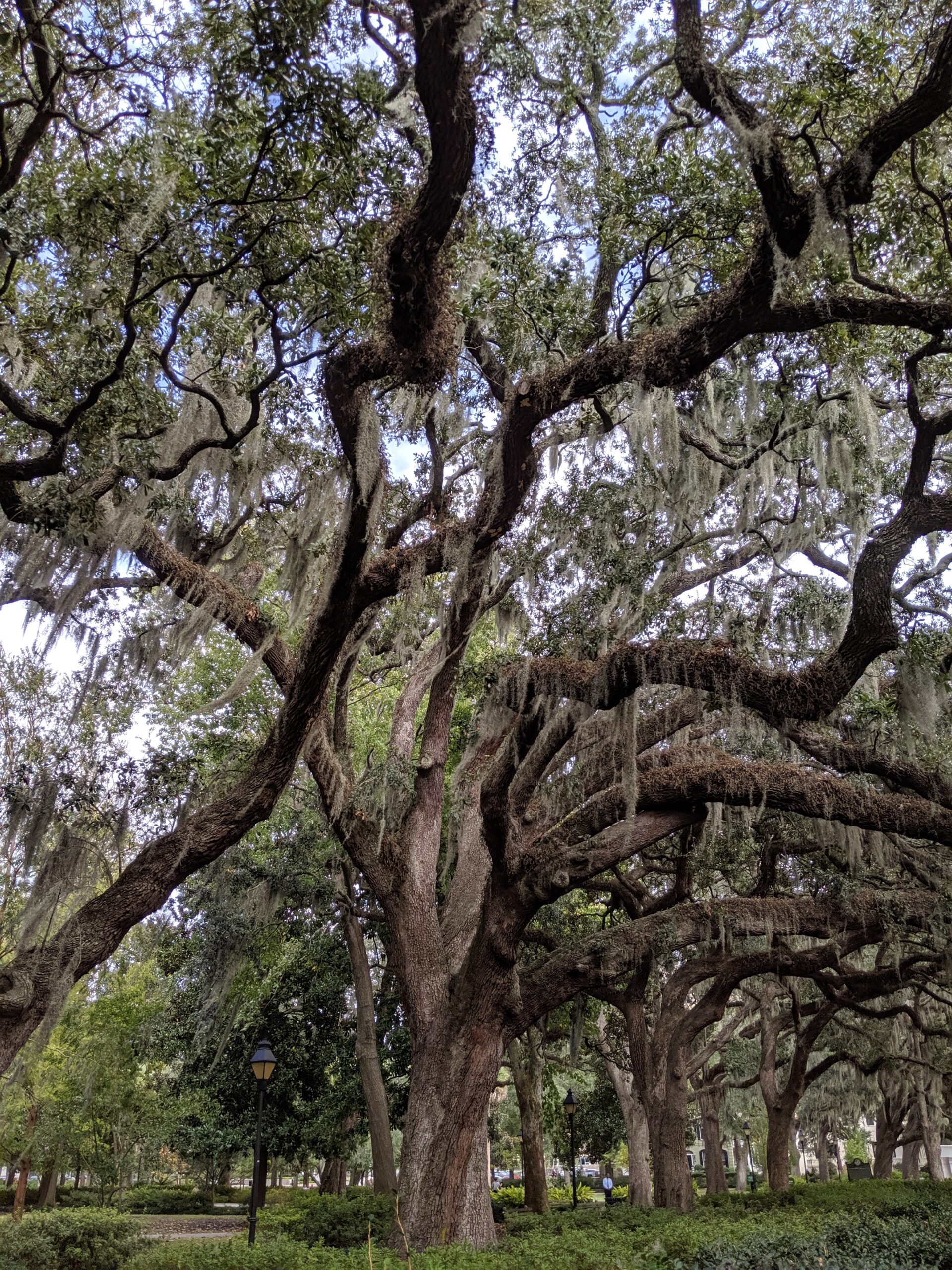
I absolutely adore the sculptural branches of the Southern live oak (Quercus virginiana). These trees also have a special place in my heart because they tend to be excellent climbing trees. One promise I’ve made to myself is to never stop climbing trees—and as I enter my 40s, the easier the climb, the better! These oaks were photographed in Savannah, GA, a place famous for its breathtaking trees and gardens. The Spanish moss (Tillandsia usneoides) draped from their branches softens the whole scene and adds a wonderful sense of mystery.
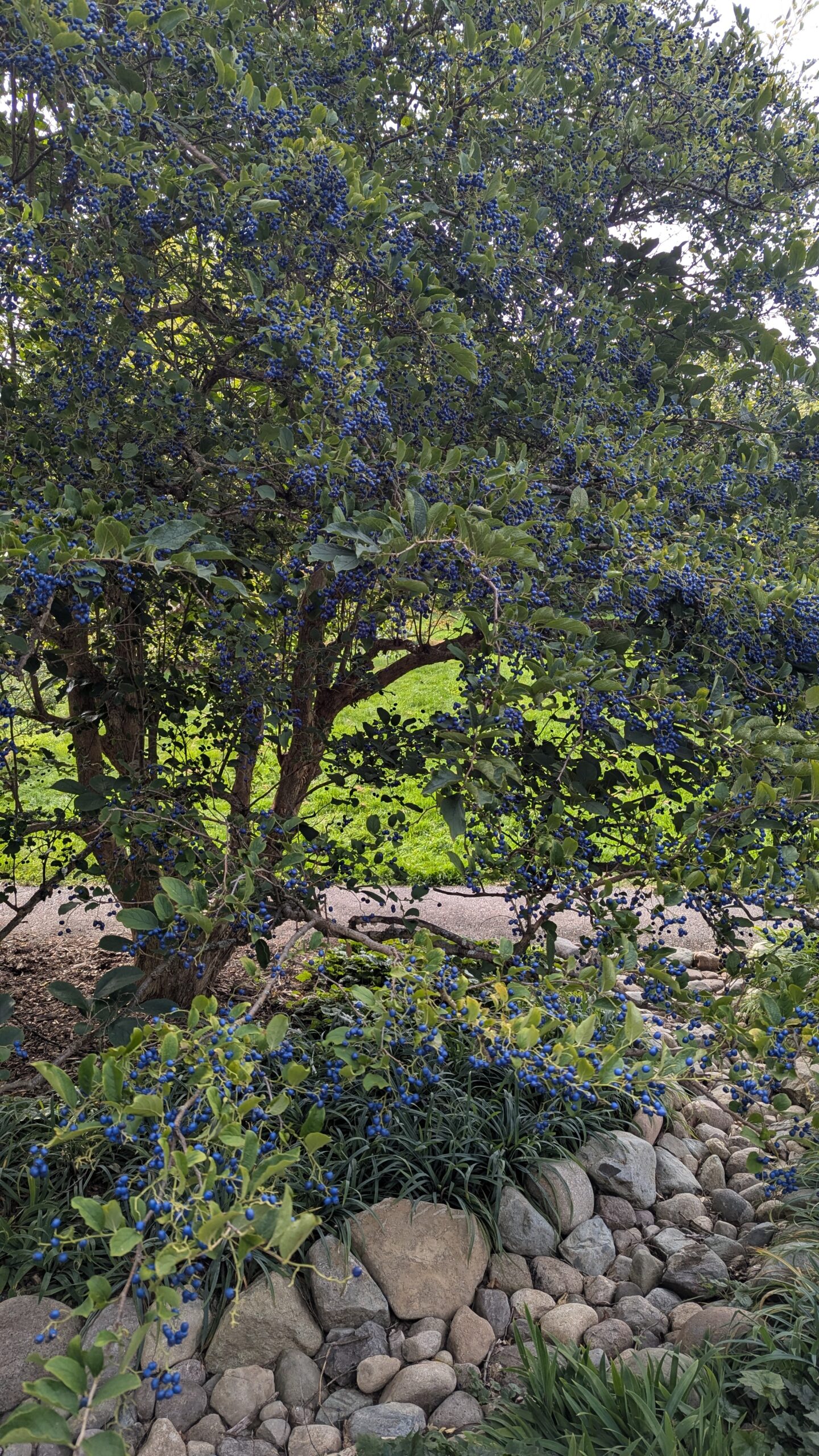
This sapphire berry tree (Symplocos paniculata) stopped me in my tracks at the Arnold Arboretum this past September. Of all the stunning trees we saw that day, this was the only one that made me shout for the golf cart to pull over so I could take a closer look. I don’t know if everyone has a “unicorn” plant they dream of growing, but this one is mine. The intensity of the blue berries was absolutely jaw-dropping.
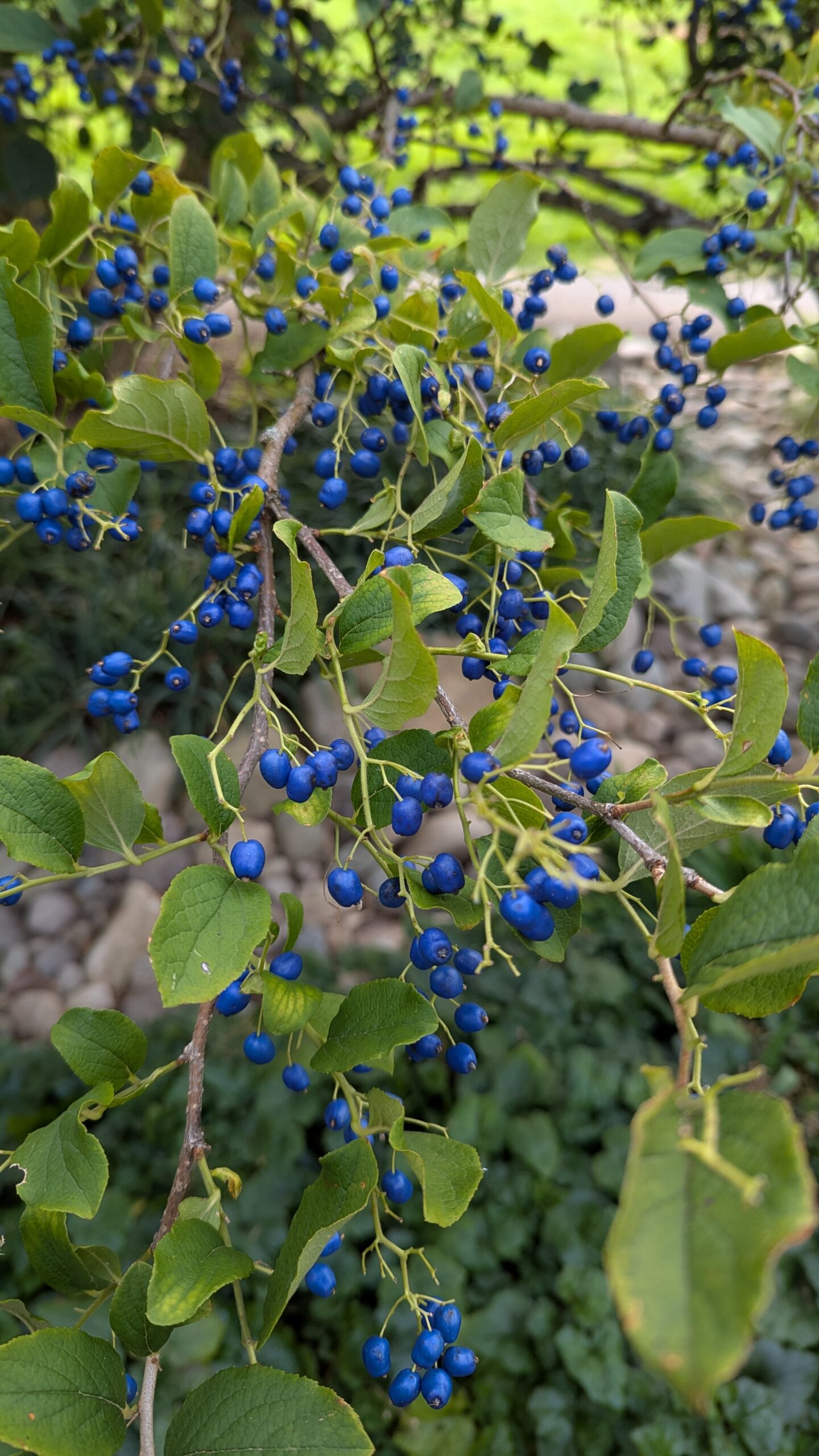
A close-up only made me love it more. With my birthday in September, sapphire is my birthstone—so I suppose this tree and I were meant to be.
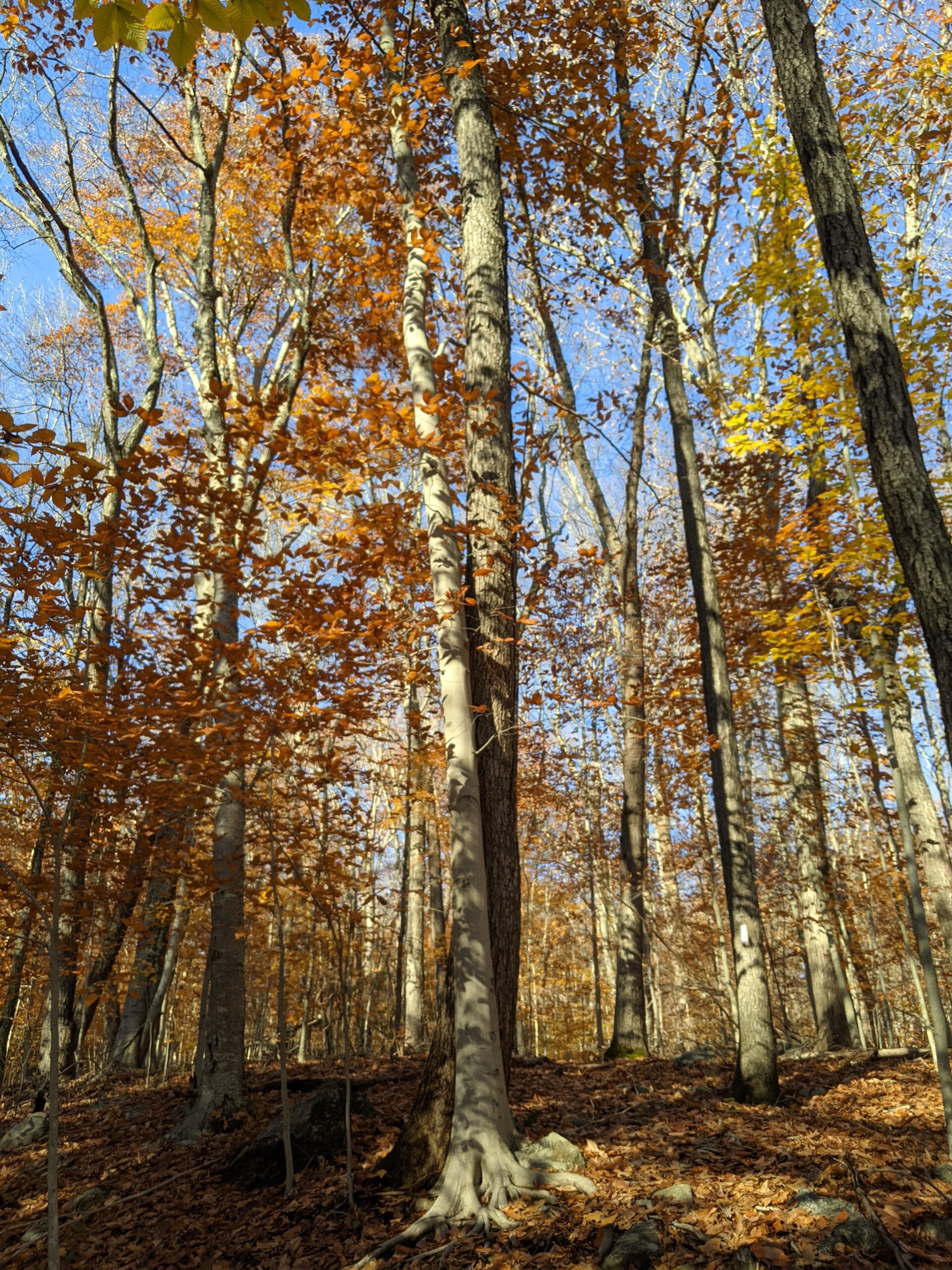 I’ve always loved trees with pale bark, such as white birch and aspens, but for some reason beeches might be my favorite. I especially love how they hold onto their leaves well into winter. The American beech (Fagus grandifolia), unfortunately, is now under serious threat from beech leaf disease—a very unsettling reality. This fall, when I visited the Arnold Arboretum with a few colleagues, we spoke with their horticulturists about what can be done to preserve our native beeches. We’ll be sharing a video on that topic early in the new year.
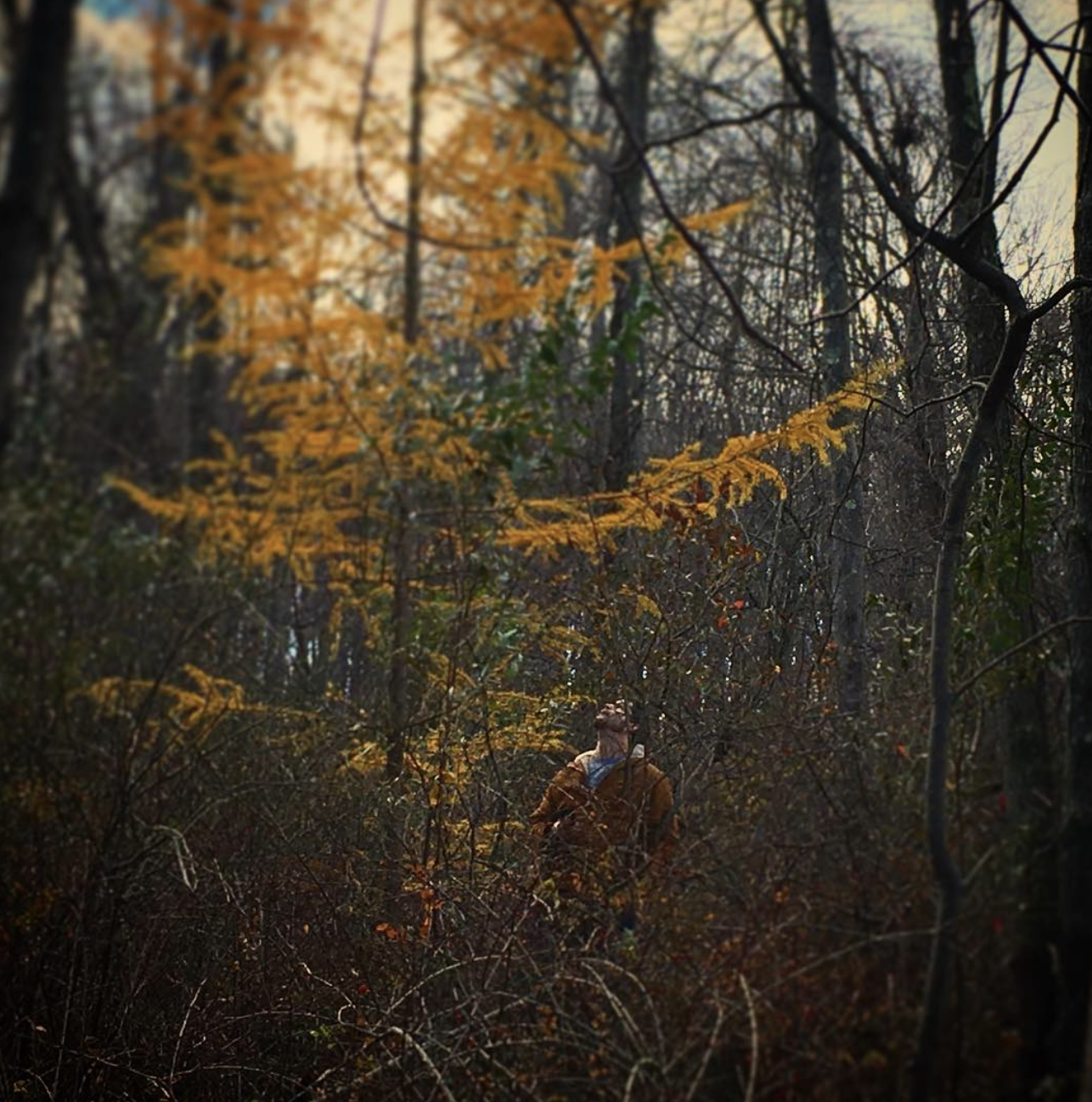
My now-husband and I came across this next tree on one of our first hikes together. I had never seen a tree with yellow needles before—and I’m not sure I’ve seen one since (at least, not in the wild). It must have escaped from a nearby garden. I later learned it was likely a tamarack, or American larch (Larix laricina). These trees lose their needles in winter, then re-emerge bright green in spring before slowly turning golden in fall. It’s become another must-have on my future tree list once we’re more settled in our home.
I could easily keep going—or dedicate an entire week of GPOD to trees. A few more favorites I don’t currently have good photos of include bald cypress, white oak, weeping Alaskan cedar, and river birch. And one tree I’m dying to add someday is a ‘Merlot’ redbud.
What about you? What are your favorite trees?
We want to see YOUR garden!
Have photos to share? We’d love to see your garden, a particular collection of plants you love, or a wonderful garden you had the chance to visit!
To submit, send 5–10 photos to [email protected] along with some information about the plants in the pictures and where you took the photos. We’d love to hear where you are located, how long you’ve been gardening, successes you are proud of, failures you learned from, hopes for the future, favorite plants, or funny stories from your garden.
Have a mobile phone? Tag your photos on Facebook, Instagram, or Twitter with #FineGardening!
Do you receive the GPOD by email yet? Sign up here
Fine Gardening Recommended Products

National Wildlife Federation®: Attracting Birds, Butterflies, and Other Backyard Wildlife, Expanded Second Edition (Creative Homeowner) 17 Projects & Step-by-Step Instructions to Give Back to Nature
Fine Gardening receives a commission for items purchased through links on this site, including Amazon Associates and other affiliate advertising programs.
From the National Wildlife Federation, the largest U.S. nonprofit conservation organization, with 6 million members and 51 state and territorial affiliated organizations. 17 step-by-step projects that everyone can do together make getting your family back to nature easy, educational, and fun. Over 200 color photos of backyard wildlife habitats and the wide variety of creatures they attract, plus step-by-step photos and illustrations for family projects. Learn wildlife-friendly practices for gardening, landscape design, supplemental feeders, birdbaths, nesting places, and more. Learn how to attract backyard pollinators, from bees and butterflies to beetles, bats, and hummingbirds
Get your garden certified by the National Wildlife Federation’s Garden for Wildlife(TM) program by following the included certification application checklist.

Sunnydaze 14-Inch Round Lava-Finish Ceramic Plant Pot
Fine Gardening receives a commission for items purchased through links on this site, including Amazon Associates and other affiliate advertising programs.
Made from ceramic in a vibrant green color, this outdoor plant pot features a one-of-a-kind lava finish. This decorative planter for outdoor plants measures 14″ in diameter (outer top, 8.5″ at bottom) x 11″ H and weighs 23.6 lbs. Its inner measurements are 11.75″ in diameter x 10″ H. The planter has a soil capacity of 3.05 gallons (0.41 cu ft).
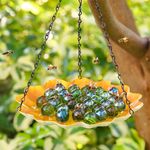
Bee Watering Station with Vivid Flower Design
Fine Gardening receives a commission for items purchased through links on this site, including Amazon Associates and other affiliate advertising programs.
Thoughtful Combo: You will receive a bee feeder and 30 glass marbles. This thoughtful combo can provide clean water for the bees, you just need to put the marbles into the bee watering station, add water (note: the water level should not exceed the height of the marbles) and hang them in the right place. The round, colored marbles can provide a place for the bees to stand and prevent them from falling into the water, effectively keeping the bees safe. Fine Material: This exquisite bee bath is made of high quality iron material, smooth surface, rust and weather resistant, not easy to fade, sturdy and reliable. Bee cups for garden can well meet the drinking water needs of lovely bees, and it can also provide food for bees, such as sugar water, nectar, etc., attracting more bees to your outdoor area and making your garden full of vitality. Perfect Size: The butterfly watering station has an overall height of 13.4 inches, a bowl diameter of 9.4 inches, and a weight of 0.44 pounds. The bee cup serves the needs of the bees well without plunging them into dangerously deep water or taking up unnecessary space in your garden, and this compact and efficient design makes it a practical addition to any outdoor space. Elegant Design: Our bee watering cups are designed in unique flower shapes with vibrant and realistic colours to attract lovely bees to your garden and patio, bee feeders for outside are not only functional but can also be used as a landscaping element, their vibrant floral patterns enhance the beauty of your garden. Multicolored Decoration: Colorful bee water stations look like flowers in a garden, flower bed or pot and attract bees and butterflies. They can drink or bathe in bee feeders, which are highly decorative and practical.